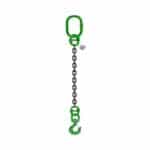
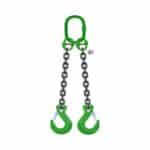
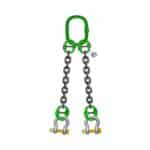
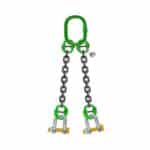
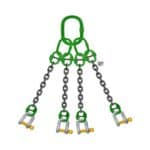
Understanding Chain Sling Grades: A Comprehensive Guide
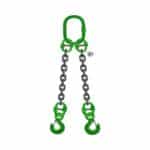
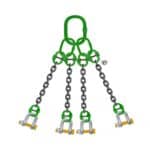
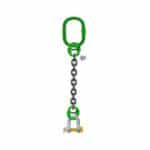
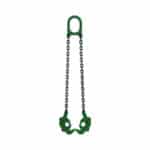
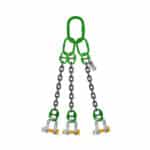
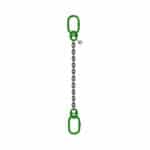
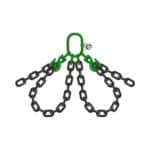
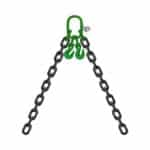
Chain slings are indispensable tools in numerous industries, including construction, manufacturing, and offshore operations. These versatile lifting devices provide a reliable and efficient means of hoisting heavy loads. Selecting the correct chain sling, however, demands a thorough understanding of chain sling grades.
Understanding Chain Sling Grades: A Comprehensive Guide
What are Chain Sling Grades?
- Definition: Chain sling grades represent a classification system that indicates the tensile strength and suitability of a chain for specific lifting applications. This classification provides critical information about the chain’s ability to withstand stress and strain during overhead lifting.
- Importance: The grade of a chain sling directly correlates with its Working Load Limit (WLL) and safety factor. Choosing the proper grade ensures that the sling can safely handle the intended load without the risk of failure. Understanding chain sling grades is paramount for maintaining safety in lifting operations.
- Materials: Chain slings are primarily manufactured from alloy steel, which is then heat-treated to achieve optimal strength and durability. This heat treatment process enhances the steel’s resistance to wear, deformation, and breakage, making it suitable for demanding lifting applications.
Key Chain Sling Grades: An In-Depth Look
Composition: Grade 80 chain slings are constructed from high-strength alloy steel. This material composition provides a good balance of strength, ductility, and weldability, making it suitable for a wide range of overhead lifting applications.
WLL: Grade 80 chains offer a good balance of strength and weight. Their Working Load Limit (WLL) is sufficient for many common lifting tasks, providing a safe and efficient lifting solution.
Applications: Grade 80 chain slings are commonly used in general lifting, construction, and manufacturing applications. They are suitable for hoisting machinery, equipment, and materials where the weight and size of the load are within the chain’s WLL.
Composition: Grade 100 chain slings are manufactured from a superior alloy steel that exhibits increased tensile strength compared to Grade 80. This enhanced strength allows Grade 100 chains to handle heavier loads and withstand more demanding conditions.
WLL: Grade 100 chain slings provide a higher WLL compared to Grade 80 for the same chain size. This increased lifting capacity makes them ideal for heavy-duty lifting applications where heavier loads need to be handled safely and efficiently.
Applications: These are often used in heavy-duty lifting and demanding environments. We see them used for lifting large structural components, heavy machinery, and other oversized items. Grade 100 chain slings are capable of withstanding harsh conditions and repeated use.
Composition: Grade 120 chain slings are made from an advanced alloy steel that provides the highest strength-to-weight ratio among common chain sling grades. This advanced material composition allows for maximum lifting capacity while minimizing the chain’s overall weight.
WLL: Grade 120 lifting chains offer the maximum lifting capacity with reduced chain weight. This feature is particularly advantageous in applications where weight is a critical factor, such as offshore crane operations and aerospace manufacturing.
Applications: Grade 120 chain slings are typically used in specialized lifting applications and critical environments where weight is a significant concern. We have observed their use in the aerospace industry, construction of bridges and offshore facilities, and other applications where lightweight yet strong lifting solutions are essential.
Decoding the Markings: Identifying Chain Sling Grades
- Grade Identification Marks: Chain sling grades are clearly stamped on the chain links at specific intervals. These markings typically consist of a number (e.g., 80, 100, 120) that indicates the grade of the chain. These marks provide a quick and easy way to identify the chain sling grades and ensure proper usage.
- Manufacturer’s Mark: Each chain sling is also marked with the manufacturer’s logo or identification mark. This mark allows for traceability and quality assurance, ensuring that the chain sling meets the required standards and specifications.
- Traceability Codes: Many chain slings are also marked with traceability codes, which allow tracking of the chain’s production history and testing data. These codes provide valuable information about the chain’s origin, manufacturing process, and quality control measures.
- [Close-up photo showing the grade markings on different types of chain links (Grade 80, Grade 100, Grade 120), highlighting the stamped identification marks.]
Calculating Working Load Limit (WLL): Ensuring Safe Lifting
- Understanding WLL: The Working Load Limit (WLL) represents the maximum load a chain sling can safely lift in a specific configuration. Exceeding the WLL can lead to chain failure, resulting in potential injuries, property damage, and costly downtime.
- Safety Factor: The safety factor is a multiplier applied to the chain’s minimum breaking load to determine the WLL. Typically, a safety factor of 4:1 or 5:1 is used, depending on industry standards and application requirements. This means that the chain’s breaking strength is four or five times greater than its WLL.
- Configuration Considerations: The WLL calculation must take into account the sling angle, number of legs, and lifting method. Sling angles affect the tension in each leg of the sling, while the number of legs distributes the load. Proper lifting techniques are essential for ensuring even load distribution and preventing overloading.
- Formula: The WLL can be calculated using the formula: WLL = Minimum Breaking Load / Safety Factor. The Minimum Breaking Load (MBL) is the force required to break the chain, while the safety factor is the multiplier applied to ensure a safe working load.
- Importance of Derating: Derating involves adjusting the WLL based on sling angle and environmental factors. As the sling angle increases, the tension in each leg also increases, reducing the sling’s lifting capacity. Similarly, extreme temperatures, corrosive environments, and dynamic loading conditions can affect the chain’s strength and require derating.
Factors Affecting Chain Sling Strength and Longevity
- Environmental Conditions: Exposure to extreme temperatures, corrosive substances, and UV radiation can significantly affect chain sling strength and longevity. High temperatures can reduce the steel’s tensile strength, while corrosive substances can cause rust and weakening. UV radiation can degrade synthetic components, such as labels and protective coatings.
- Wear and Tear: Gradual degradation due to friction, abrasion, and impact can weaken the chain over time. Frequent use, especially in harsh environments, accelerates wear and tear, reducing the chain’s lifting capacity. Regular inspections are essential for identifying signs of wear and tear and preventing chain failure.
- Overloading: Exceeding the WLL can cause permanent damage and failure to the chain. Overloading can stretch the chain links, deform the master links and hooks, and even cause the chain to break. It is crucial to adhere to the WLL and avoid overloading the chain to ensure safety and prevent accidents.
- Improper Storage: Neglecting proper storage can lead to corrosion and weakening of the chain. Storing chains in damp or humid environments can promote rust formation, reducing the chain’s strength and lifespan. Proper storage practices, such as cleaning, lubricating, and storing chains in a dry, well-ventilated area, can prolong their life and maintain their integrity.
Inspection and Maintenance: Prolonging Chain Sling Life
- Regular Inspections: Regular inspections are essential to identify signs of wear, damage, or corrosion. Inspections should be conducted by trained personnel who are familiar with chain sling components, wear patterns, and removal criteria.
- Inspection Frequency: The frequency of inspections should be determined by usage frequency and environmental conditions. Chains used frequently or in harsh environments require more frequent inspections than those used sparingly or in clean environments. We recommend following industry best practices and manufacturer’s recommendations for inspection frequency.
- Inspection Criteria: During inspections, check for stretched links, cracks, gouges, and corrosion. Stretched links indicate overloading or excessive wear, while cracks and gouges can weaken the chain and lead to failure. Corrosion can reduce the chain’s strength and make it more susceptible to breakage.
- Maintenance Procedures: Maintenance procedures include cleaning, lubricating, and repairing damaged components (if permitted). Cleaning removes dirt, debris, and contaminants that can accelerate wear and corrosion. Lubricating reduces friction and prevents rust formation. Minor repairs, such as replacing damaged hooks or master links, may be possible, but major repairs should only be performed by qualified technicians.
- Removal Criteria: Establish clear guidelines for removing damaged or worn chains from service. Chains that exhibit excessive wear, cracks, gouges, or corrosion should be removed from service immediately. We recommend following industry standards and manufacturer’s recommendations for removal criteria.
- [A checklist or infographic outlining the key points to inspect on a chain sling, including links, master links, and hooks.]
Common Misconceptions About Chain Sling Grades
- Myth: All chain slings are created equal.
Reality: Different grades offer varying strength and WLL. Using the wrong grade can be dangerous. As we’ve explained, Grade 80, Grade 100, and Grade 120 chains have different alloy compositions and tensile strengths, resulting in varying WLLs. Using a lower grade chain than required can lead to overloading and failure.
- Myth: A higher grade chain sling can always lift more.
Reality: While higher grades generally offer higher WLL for the same size, proper configuration and safety factors still apply. The WLL is also affected by sling angle, number of legs, and lifting method. It’s critical to calculate the WLL based on the specific lifting scenario and ensure that the chain sling is properly configured and used within its rated capacity.
- Myth: Visual inspection is sufficient to determine chain sling integrity.
Reality: While visual inspection is important, non-destructive testing (NDT) methods may be required for critical applications. NDT methods, such as magnetic particle testing and ultrasonic testing, can detect hidden cracks, flaws, and other defects that are not visible to the naked eye. We strongly recommend NDT for chains used in critical lifting operations or in harsh environments.
Case Studies: Real-World Applications of Different Chain Sling Grades
- Construction: Grade 80 alloy steel chain is commonly used for general lifting tasks on construction sites. These tasks include hoisting building materials, moving equipment, and positioning structural components. Grade 80 chains provide a good balance of strength, durability, and affordability for construction applications.
- Manufacturing: Grade 100 chain slings are employed for heavy machinery lifting in factories. These slings are used to lift and move heavy equipment, such as machine tools, presses, and generators. Grade 100 chains offer the higher WLL required for these demanding lifting applications.
- Offshore: Grade 120 lifting chains are utilized for crane operations on oil rigs where weight is a critical concern. These chains provide the maximum lifting capacity with reduced chain weight, making them ideal for offshore applications where minimizing weight is essential for stability and safety.
- The impact of improper grade selection: We were once called to a site where an accident occurred due to the use of an incorrectly graded chain. The company had used a Grade 80 chain sling where a Grade 100 was required. The load exceeded the WLL of the Grade 80 chain, causing it to fail and resulting in a near-miss incident. This incident highlights the importance of selecting the appropriate chain sling grade based on the load weight and application requirements.
Regulatory Standards and Compliance
- OSHA Regulations: The Occupational Safety and Health Administration (OSHA) sets requirements for chain sling inspection, maintenance, and usage in the United States. These regulations aim to protect workers from hazards associated with lifting operations. Compliance with OSHA regulations is mandatory for all employers.
- ASME Standards: The American Society of Mechanical Engineers (ASME) provides guidelines for the design, manufacturing, and testing of chain slings. These standards cover various aspects of chain sling construction, including material selection, heat treatment, welding, and load testing. Adherence to ASME standards ensures the quality and reliability of chain slings.
- European Standards (EN): European Standards (EN) outline requirements for chain sling safety and performance in Europe. These standards cover similar aspects of chain sling construction and usage as OSHA and ASME standards. Compliance with EN standards is mandatory for chain slings used in European countries.
- Importance of Compliance: Adhering to regulatory standards to ensure worker safety and avoid legal liabilities. Compliance with these standards demonstrates a commitment to safety and reduces the risk of accidents, injuries, and property damage. Non-compliance can result in fines, penalties, and legal action.
Choosing the Right Chain Sling Grade: A Practical Guide
- Assess Lifting Requirements: Determine the weight, size, and shape of the load. Before selecting a chain sling, it’s crucial to accurately assess the lifting requirements, including the weight, size, and shape of the load. This assessment will help determine the required WLL and the appropriate chain sling grade.
- Consider Environmental Factors: Account for temperature, corrosion, and other environmental conditions. Environmental factors, such as extreme temperatures, corrosive substances, and UV radiation, can affect the chain’s strength and lifespan. We suggest selecting a chain sling that is suitable for the specific environmental conditions of the lifting operation.
- Calculate WLL: Determine the required WLL based on the load weight and safety factor. The WLL should be calculated by dividing the load weight by the safety factor. The safety factor is a multiplier that accounts for uncertainties and potential overloads. A higher safety factor provides a greater margin of safety.
- Select the Appropriate Grade: Choose the chain sling grade that meets or exceeds the calculated WLL. Once the required WLL has been determined, select a chain sling grade that meets or exceeds this value. It’s always best to choose a chain sling with a WLL that is slightly higher than the calculated value to provide an extra margin of safety.
- Verify Compliance: Ensure the chain sling meets all applicable regulatory standards. Before using a chain sling, verify that it meets all applicable regulatory standards, such as OSHA, ASME, and EN standards. This verification ensures that the chain sling has been designed, manufactured, and tested to meet the required safety and performance standards.
- [A flowchart or decision tree to help users select the appropriate chain sling grade based on various factors such as load weight, environment, and lifting configuration.]
Expert Quote
“Selecting the right chain sling grade is paramount for safe and efficient lifting operations. Always prioritize safety and ensure compliance with industry standards.” – John Doe, Chief Engineer at Safe and Secure Trading Company (SSTC)
Conclusion
Understanding chain sling grades is crucial for ensuring safe and efficient lifting operations. By selecting the appropriate grade, adhering to safety standards, and implementing regular inspection and maintenance programs, businesses can minimize the risk of accidents and maximize the lifespan of their lifting equipment. At Safe and Secure Trading Company, we prioritize safety above all else and offer a comprehensive range of chain slings and lifting solutions to meet your specific needs. Remember, safety is always the top priority.
FAQ Section
Q: What is the difference between Grade 80, Grade 100, and Grade 120 chain slings?
A: The primary difference lies in their material composition and Working Load Limit (WLL). Grade 100 and 120 use a higher grade of alloy steel than grade 80 chain. As a result, Grade 100 and 120 can handle higher loads for the same size of chain as Grade 80. Grade 120 offers the highest strength-to-weight ratio.
Q: How do I identify the grade of a chain sling?
A: The grade is typically stamped on the chain links at specific intervals. Look for markings such as “80,” “100,” or “120.”
Q: What is the Working Load Limit (WLL)?
A: The WLL is the maximum load a chain sling can safely lift in a specific configuration. It is crucial not to exceed the WLL to prevent chain failure and accidents.
Q: How often should chain slings be inspected?
A: Inspection frequency depends on usage and environmental conditions. Chains used frequently or in harsh environments require more frequent inspections. At minimum, we recommend inspections be performed regularly, before each use, and documented.
Q: What are some common signs of chain sling damage?
A: Look for stretched links, cracks, gouges, corrosion, and excessive wear. Any of these signs indicate that the chain sling should be removed from service.
Q: Can I repair a damaged chain sling?
A: Minor repairs, such as replacing damaged hooks or master links, may be possible. However, major repairs should only be performed by qualified technicians. It is essential to follow manufacturer’s recommendations and industry standards for chain sling repair.
Q: What regulatory standards apply to chain slings?
A: In the United States, OSHA regulations apply. ASME standards provide guidelines for design, manufacturing, and testing. European Standards (EN) apply in Europe.
Q: How do sling angles affect the Working Load Limit?
A: As the sling angle increases, the tension in each leg of the sling also increases, reducing the sling’s lifting capacity. It is crucial to derate the WLL based on the sling angle to ensure safe lifting operations.
Q: What factors should I consider when choosing a chain sling grade?
A: Consider the weight of the load, environmental conditions, lifting configuration, and applicable regulatory standards. Ensure that the chain sling grade meets or exceeds the required WLL and is suitable for the specific lifting application.
Q: Where can I find reliable chain slings and lifting solutions?
A: Safe and Secure Trading Company (SSTC) offers a comprehensive range of high-quality chain slings and lifting solutions to meet your specific needs. Contact our experts for a consultation and assistance in selecting the right chain sling for your application.