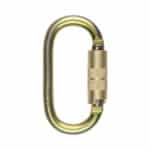
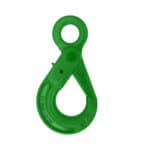
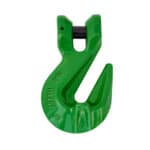
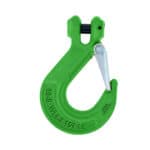
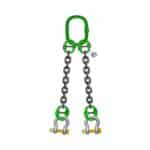
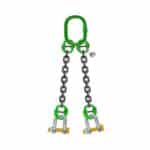
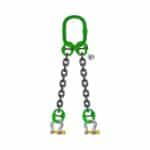
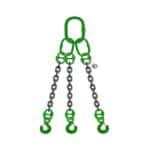
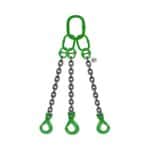
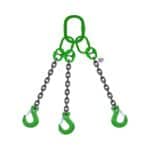
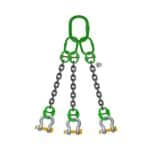
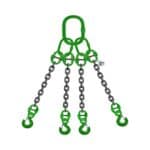
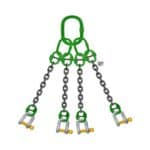
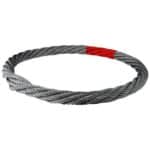
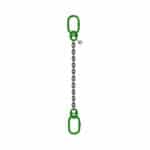
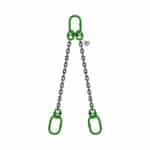
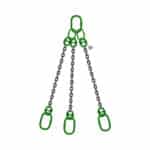
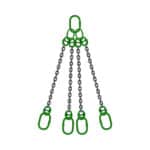
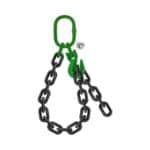
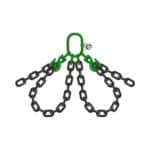
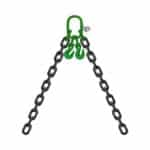
Chain sling maintenance is crucial for ensuring the safety and longevity of your lifting equipment. Neglecting this important aspect can lead to costly repairs, premature replacements, and, most importantly, dangerous accidents. This comprehensive guide, brought to you by Safe and Secure Trading Company (SSTC), will walk you through the essential steps of chain sling care, helping you maximize the lifespan of your equipment and maintain a safe working environment.
Introduction: Why Chain Sling Maintenance Matters
The High Cost of Neglect
Neglecting chain sling maintenance can lead to a cascade of financial problems. Premature replacement of chain slings is a significant expense, especially for businesses that rely heavily on overhead lifting. Downtime caused by equipment failure can also be incredibly costly, as it disrupts operations and delays projects. Furthermore, the cost of repairing or replacing damaged goods due to a sling failure can quickly add up. Implementing a proactive chain sling maintenance program is a smart investment that can save your company significant money in the long run. We often see clients in Dubai who initially hesitate to invest in regular maintenance, but they quickly realize the cost savings after avoiding just one major equipment failure.
Consider a scenario: a manufacturing plant consistently ignores the minor signs of wear on their chain slings. Over time, these seemingly insignificant issues compound, leading to a catastrophic sling failure during a critical lift. Not only does this result in damage to the expensive machinery being lifted, but it also brings production to a standstill. The cost of the damaged equipment, the lost production time, and the emergency repairs far outweigh the relatively minor expense of regular chain sling maintenance.
Safety First: Preventing Accidents
The primary reason for diligent chain sling maintenance is safety. Damaged or poorly maintained chain slings pose a serious risk of accidents, potentially leading to severe injuries or even fatalities. A weakened chain link can suddenly fail under load, causing the load to drop unexpectedly. This can result in crushing injuries, falls, and other serious accidents. Regular inspection and maintenance can identify and address potential hazards before they lead to accidents, protecting your workers and preventing costly legal liabilities. We at Safe and Secure Trading Company always prioritize safety above all else.
The consequences of a chain sling failure can be devastating. Imagine a construction site where a crane is lifting a heavy steel beam. If the chain sling supporting the beam fails due to undetected wear and tear, the beam could plummet to the ground, potentially striking workers below. The resulting injuries could range from broken bones to life-threatening trauma. In addition to the human cost, the accident would likely trigger a thorough investigation, leading to potential fines and reputational damage for the company.
The Beginner’s Guide to Chain Sling Longevity
This article serves as a simple, step-by-step guide for beginners who want to learn how to properly care for their chain slings. We’ll walk you through the essential steps of inspection, cleaning, lubrication, and storage, providing practical tips and advice along the way. By following these guidelines, you can significantly extend the lifespan of your chain slings, reduce the risk of accidents, and save your company money. Our goal is to empower you with the knowledge and skills you need to maintain a safe and efficient lifting operation.
Our team at SSTC has compiled this guide based on years of experience working with clients in various industries. We’ve seen firsthand the positive impact that regular chain sling maintenance can have on both safety and profitability. This guide is designed to be easy to understand and implement, even if you have no prior experience with chain sling maintenance. By following these steps, you’ll be well on your way to becoming a chain sling maintenance expert.
Essential Inspection Checklist: Spotting the Warning Signs
Step 1: Visual Inspection – The First Line of Defense ⚙️
The first line of defense in chain sling maintenance is a thorough visual inspection. Before each use, carefully examine the entire chain sling for any signs of damage or wear. Look for cracks, bends, twists, gouges, or excessive corrosion. Pay close attention to the areas around the master links, connecting links, and hooks, as these are often the points of greatest stress. Any visible damage should be cause for immediate concern, and the sling should be removed from service until it can be properly inspected and repaired or replaced. A proactive approach to visual inspection can prevent many accidents and extend the life of your chain slings.
When performing a visual inspection, it’s important to have good lighting and a clear view of the entire sling. Use a magnifying glass to examine any suspicious areas more closely. Don’t hesitate to use a wire brush to remove dirt or debris that may be obscuring potential damage. Remember, even a small crack can weaken a chain link significantly, so it’s crucial to be vigilant and thorough in your inspection.
Step 2: Measuring Wear – Knowing Your Limits 📏
Visual inspections are crucial, but they don’t always reveal the full extent of wear and tear. To accurately assess the condition of your chain slings, you need to measure the wear on the individual chain links. This is typically done using calipers. Measure the diameter of the chain links at their thinnest point. Compare these measurements to the manufacturer’s specifications. If the wear exceeds the allowable limit (usually around 10-15% of the original diameter), the sling should be removed from service. Elongation, or stretching, of the chain is another indicator of wear. Measure the length of a section of the chain and compare it to the original length. Excessive elongation also warrants removal from service.
Understanding wear limits is critical for ensuring chain sling safety. For example, a chain sling with a working load limit (WLL) of 10 tons might have its WLL significantly reduced if the chain links are worn beyond the allowable limit. By regularly measuring wear, you can avoid using chain slings that are no longer capable of safely handling the intended load. This proactive approach can prevent accidents and protect your workers.
Step 3: Checking for Distortion – Is Everything Aligned? 🧐
In addition to cracks and wear, it’s important to check for any signs of distortion in the chain links. Bent or twisted links can indicate that the sling has been subjected to excessive stress or overloading. Distortion can weaken the chain and make it more susceptible to failure. To check for distortion, visually inspect each link to ensure that it is properly aligned. If you notice any bent or twisted links, remove the sling from service immediately. Do not attempt to straighten or repair damaged links yourself. This should only be done by qualified professionals.
We once had a client who continued using a chain sling with a slightly bent link, thinking it wasn’t a major issue. However, during a subsequent lift, the bent link failed, causing the load to drop and nearly injuring a worker. This incident highlighted the importance of taking even minor distortion seriously. Remember, even seemingly small imperfections can compromise the integrity of the entire chain sling.
Cleaning Your Chain Slings: Removing Grime and Grit
Why Cleanliness Counts
Keeping your chain slings clean is essential for preventing premature wear and corrosion. Dirt, rust, and debris can act as abrasives, accelerating the wear between chain links. These contaminants can also trap moisture, promoting rust formation and weakening the metal. Regular cleaning removes these harmful substances, extending the life of your chain slings and maintaining their strength. We often remind our clients that a clean chain sling is a safe chain sling.
Consider the environment in which your chain slings are used. If they are exposed to dirt, dust, grease, or chemicals, regular cleaning becomes even more critical. In harsh environments, it may be necessary to clean your chain slings more frequently. By prioritizing cleanliness, you can significantly reduce the risk of corrosion and wear, saving you money on replacements and repairs in the long run.
Step 4: The Soap and Water Wash – A Simple Solution 🧼
The easiest and most effective way to clean chain slings is with mild soap and water. First, thoroughly rinse the chain sling with water to remove any loose dirt or debris. Then, mix a small amount of mild soap with water in a large container. Submerge the chain sling in the soapy water and use a brush to scrub away any remaining dirt or grime. Pay close attention to the areas between the chain links, as these are often the most difficult to clean. Once you’ve scrubbed the entire sling, rinse it thoroughly with clean water to remove any soap residue.
When cleaning chain slings, avoid using harsh chemicals or abrasive cleaners. These can damage the metal and weaken the chain. Mild soap and water are usually sufficient for removing most dirt and grime. For particularly stubborn stains, you can try using a specialized chain cleaner, but be sure to follow the manufacturer’s instructions carefully. When our team in Dubai tackles this issue, they often find that a simple soak in warm, soapy water is the most effective solution.
Step 5: Drying is Key – Preventing Rust Formation 🌬️
After washing your chain slings, it’s crucial to dry them thoroughly to prevent rust formation. Moisture is the enemy of metal, and even a small amount of water can lead to rust and corrosion over time. The best way to dry chain slings is to hang them up in a well-ventilated area and allow them to air dry completely. You can also use a clean, dry cloth to wipe away any excess water. Avoid using heat to dry chain slings, as this can damage the metal.
If you need to dry chain slings quickly, you can use a compressed air gun to blow away any remaining water. Be sure to wear safety glasses to protect your eyes from flying debris. Once the chain slings are completely dry, you can apply a lubricant to further protect them from rust and corrosion. Proper drying is an essential step in chain sling maintenance that should never be overlooked.
Lubrication: Keeping Things Moving Smoothly
The Benefits of Lubrication
Lubrication is a critical aspect of chain sling maintenance that often gets overlooked. Applying lubricant to chain slings reduces friction between the links, preventing wear and tear. Lubrication also helps to protect the metal from rust and corrosion, extending the life of the sling. A well-lubricated chain sling will operate more smoothly and efficiently, reducing the risk of snags and other problems. By incorporating regular lubrication into your maintenance routine, you can significantly improve the performance and longevity of your chain slings.
Think of lubrication as preventative medicine for your chain slings. Just as oil keeps your car engine running smoothly, lubricant keeps your chain sling links moving freely. Without lubrication, the links will grind against each other, causing friction and wear. Over time, this wear can weaken the chain and make it more susceptible to failure. Lubrication helps to minimize this wear, ensuring that your chain slings remain in optimal condition.
Step 6: Choosing the Right Lubricant – Not All Oils Are Equal 🛢️
Choosing the right lubricant is essential for effective chain sling maintenance. Not all oils are created equal, and using the wrong lubricant can actually do more harm than good. When selecting a lubricant, consider the operating environment in which the chain sling will be used. If the sling will be exposed to water or chemicals, choose a lubricant that is water-resistant and corrosion-inhibiting. If the sling will be used in high-temperature environments, choose a lubricant that is designed to withstand high temperatures.
Generally, a high-quality chain and cable lubricant is a good choice for chain slings. These lubricants are specifically formulated to penetrate between the links and provide long-lasting protection against wear and corrosion. Avoid using 일반 oils or greases, as these can attract dirt and debris and may not provide adequate lubrication. Always follow the manufacturer’s recommendations when selecting a lubricant for your chain slings.
Step 7: Application Techniques – Getting the Oil Where It Needs To Be ⚙️
Applying lubricant evenly to all chain links is crucial for maximizing its effectiveness. The best way to apply lubricant is to use a brush or spray. If using a brush, dip the brush into the lubricant and apply it liberally to each chain link. Pay close attention to the areas between the links, as these are often the most difficult to reach. If using a spray, hold the can a few inches away from the chain and spray evenly, making sure to coat all of the links.
After applying the lubricant, allow it to soak in for a few minutes before using the chain sling. This will give the lubricant time to penetrate between the links and provide optimal protection. Wipe away any excess lubricant with a clean cloth to prevent it from attracting dirt and debris. Regular lubrication is an essential part of chain sling maintenance that will help to keep your slings in top condition.
Proper Storage: Protecting Your Investment
The Importance of Storage
Proper storage is often an overlooked aspect of chain sling maintenance, but it’s crucial for protecting your investment. When not in use, chain slings should be stored in a clean, dry, and protected environment. This will help to prevent rust, corrosion, and other forms of damage. Proper storage also makes it easier to inspect chain slings before use, as they will be clean and readily accessible. By taking the time to store your chain slings properly, you can significantly extend their lifespan and ensure their continued safety and reliability.
We once had a user who got stuck on this step. Here’s the trick to avoid that common issue: Think of chain sling storage as you would storing valuable tools. You wouldn’t leave your expensive wrenches and sockets lying around in the dirt and rain, would you? The same principle applies to chain slings. They are valuable pieces of equipment that deserve to be treated with care.
Step 8: Hanging vs. Storing Flat – Best Practices ⛓️
There are two main options for storing chain slings: hanging them up or storing them flat. Both methods have their pros and cons. Hanging chain slings can help to prevent them from becoming tangled or damaged, and it also makes them easier to inspect. However, hanging can also put stress on the chain links, especially if the sling is heavy. Storing chain slings flat can help to distribute the weight evenly and prevent stress on the links. However, flat storage can also make the slings more susceptible to tangling and damage.
The best method for storing chain slings depends on the specific circumstances. If you have a dedicated storage area with hooks or racks, hanging is often the best option. If you don’t have a dedicated storage area, storing the slings flat on a clean, dry surface is a good alternative. Whichever method you choose, make sure to store the slings in a way that prevents them from becoming tangled or damaged.
Step 9: Environmental Considerations – Avoiding Corrosion 🛡️
When storing chain slings, it’s important to consider the environmental conditions. Chain slings should be stored in a dry, protected environment to prevent rust and corrosion. Avoid storing chain slings in damp or humid areas, as this will accelerate the corrosion process. If you must store chain slings outdoors, cover them with a waterproof tarp to protect them from the elements.
In coastal areas or industrial environments with high levels of air pollution, corrosion can be a particularly serious problem. In these environments, it’s essential to take extra precautions to protect your chain slings from corrosion. Consider applying a rust-inhibiting coating to the slings before storing them. Regular inspection and maintenance are also crucial for detecting and addressing any signs of corrosion early on.
Troubleshooting Common Issues
Issue 1: Stiff Links – What To Do?
Stiff links in a chain sling can be a sign of dirt, rust, or lack of lubrication. If you encounter stiff links, try cleaning and lubricating the affected area. First, use a wire brush to remove any dirt or rust. Then, apply a generous amount of lubricant to the stiff links. Work the links back and forth to help the lubricant penetrate. If the links remain stiff after cleaning and lubricating, they may be damaged and require replacement. Never force stiff links, as this can cause them to break.
We once had a client who was able to resolve stiff links by simply soaking the chain sling in a penetrating oil overnight. The oil helped to loosen the dirt and rust, allowing the links to move freely again. However, if the stiff links persist after trying these methods, it’s important to consult with a qualified professional to determine if the sling needs to be repaired or replaced.
Issue 2: Surface Rust – Is It a Problem?
Surface rust is a common occurrence on chain slings, especially in humid environments. In many cases, surface rust is not a major problem and can be easily removed with a wire brush. However, if the rust is deep or widespread, it can weaken the chain and make it more susceptible to failure. To determine if surface rust is a problem, carefully inspect the affected area. If the rust is only on the surface and the metal underneath is still sound, you can simply remove the rust with a wire brush and apply a lubricant to protect the area.
However, if the rust is deep or has caused pitting in the metal, the chain sling should be removed from service. Pitting can significantly weaken the chain and make it unsafe to use. If you are unsure whether surface rust is a problem, it’s best to consult with a qualified professional for an expert opinion.
Issue 3: Identifying Irreversible Damage
Recognizing irreversible damage is crucial for ensuring chain sling safety. Certain types of damage, such as cracks, bends, twists, and excessive wear, cannot be repaired and require immediate removal from service. Cracks are particularly dangerous, as they can weaken the chain and lead to sudden failure. Bends and twists can also compromise the integrity of the chain and make it more susceptible to breakage. Excessive wear, as measured by calipers, indicates that the chain is no longer capable of safely handling the intended load.
“Regular chain sling maintenance is not just about prolonging the lifespan of your equipment; it’s about ensuring the safety of your team and preventing potentially catastrophic accidents.” – John Smith, Certified Lifting Specialist
Any chain sling that exhibits these types of damage should be immediately removed from service and replaced. Do not attempt to repair or reuse damaged chain slings, as this can be extremely dangerous. Always prioritize safety and err on the side of caution when it comes to chain sling maintenance. Chain sling certification provides confirmation that the sling is in a safe condition.
| Damage Type |
Description |
Action Required |
| Cracks |
Visible breaks or fissures in the metal |
Remove from service immediately |
| Bends/Twists |
Deformation of chain links out of their normal shape |
Remove from service immediately |
| Excessive Wear |
Link diameter reduced beyond allowable limits |
Remove from service immediately |
| Pitting from Rust |
Deep corrosion causing small holes in the metal |
Remove from service immediately |
| Stiff Links (unresolved) |
Links that remain immobile after cleaning and lubrication |
Remove from service immediately |
Recap of Achievement
You’ve Mastered Chain Sling Maintenance! ✅
You’ve successfully learned the essential steps for proper chain sling maintenance, including inspection, cleaning, lubrication, and storage. By following these guidelines, you can significantly extend the lifespan of your chain slings, reduce the risk of accidents, and save your company money. Remember, regular chain sling maintenance is not just a good practice, it’s a critical component of a safe and efficient lifting operation. We at Safe and Secure Trading Company are confident that you now have the knowledge and skills you need to maintain your chain slings in top condition.
FAQ Section
Q: How often should I inspect my chain slings?
A: Chain slings should be inspected before each use, as well as periodically by a qualified professional. The frequency of periodic inspections depends on the operating environment and the frequency of use. In general, chain slings used in heavy-duty applications should be inspected more frequently than those used in light-duty applications. Chain sling safety is paramount.
Q: What should I do if I find damage during an inspection?
A: If you find any damage during an inspection, remove the chain sling from service immediately. Do not attempt to repair or reuse damaged chain slings. Consult with a qualified professional to determine if the sling can be repaired or if it needs to be replaced.
Q: What type of lubricant should I use on my chain slings?
A: Use a high-quality chain and cable lubricant that is specifically formulated to penetrate between the links and provide long-lasting protection against wear and corrosion. Avoid using 일반 oils or greases, as these can attract dirt and debris and may not provide adequate lubrication. Sling lubrication is key.
Q: How should I store my chain slings when they are not in use?
A: Store chain slings in a clean, dry, and protected environment to prevent rust, corrosion, and other forms of damage. Hang them up or store them flat on a clean, dry surface. Avoid storing chain slings in damp or humid areas.
Q: Can I repair damaged chain slings myself?
A: No, do not attempt to repair damaged chain slings yourself. Chain sling repairs should only be performed by qualified professionals who have the necessary training and equipment. Attempting to repair damaged chain slings yourself can be extremely dangerous.
Q: What is chain sling certification and why is it important?
A: Chain sling certification is a process by which a qualified professional inspects and tests a chain sling to ensure that it meets all applicable safety standards. Chain sling certification is important because it provides assurance that the sling is in a safe condition and is capable of handling the intended load. Chain sling certification should be performed regularly, according to the manufacturer’s recommendations or as required by local regulations.
Q: What are the key factors for chain sling maintenance?
A: Visual inspection for cracks, bends, and wear; measurement of link wear using calipers; regular cleaning with mild soap and water; thorough drying to prevent rust; lubrication with a suitable chain lubricant; and proper storage in a dry environment are all key factors for effective chain sling maintenance. Consistent lifting equipment maintenance is essential.
Q: What regulations apply to chain sling use and maintenance?
A: Regulations vary by jurisdiction but often reference standards from organizations like OSHA (Occupational Safety and Health Administration) or ASME (American Society of Mechanical Engineers). These regulations cover aspects such as sling inspection, working load limits, and proper use. Chain sling safety must always comply with local requirements.
Q: How does chain wear affect the working load limit of a chain sling?
A: Chain wear reduces the cross-sectional area of the chain links, thereby decreasing the sling’s strength and its ability to safely carry a load. As wear increases, the working load limit (WLL) of the chain sling decreases proportionally. If the wear exceeds the manufacturer’s recommended limit, the sling must be removed from service.
Q: What is a sling inspection checklist and how do I use it?
A: A sling inspection checklist is a document that outlines the key points to inspect on a chain sling, such as cracks, wear, distortion, and proper markings. It helps ensure a thorough and consistent inspection process. To use it, systematically go through each item on the checklist, visually inspecting and measuring the relevant components of the chain sling. Record your findings and take appropriate action based on the results.
Q: What are the best practices for chain sling storage in humid environments?
A: In humid environments, extra precautions are necessary to prevent corrosion. Clean and dry the chain sling thoroughly after each use. Apply a rust-inhibiting coating or lubricant to all surfaces. Store the sling in a climate-controlled environment if possible, or in a sealed container with desiccant packs to absorb moisture. Regularly inspect the sling for signs of rust and corrosion.