Ergonomic Handling ROI: A Case Study
The importance of ergonomics in the workplace cannot be overstated, especially when it comes to material handling. Safe and Secure Trading Company (SSTC) understands that ergonomic material handling is not just about compliance; it’s about creating a safer, more productive, and ultimately more profitable work environment. This case study examines how our tailored ergonomic solutions dramatically improved the operational efficiency and employee well-being of a retail business in Dammam.
The Problem: Overlooking Ergonomic Needs
Many companies, in their pursuit of efficiency and cost savings, often overlook the critical role that ergonomics plays in their operations. This oversight can lead to a variety of problems, including increased injury rates, decreased productivity, and lower employee morale. In the case of our client, a retail business in Dammam, several common mistakes were contributing to a less-than-optimal work environment.
Common Mistake #1: Ignoring Initial Risk Assessments
One of the most prevalent errors companies make is failing to conduct thorough ergonomic risk assessments before implementing material handling processes. This involves not identifying high-risk tasks and areas where employees are most susceptible to strain and injury. Without a comprehensive understanding of these risks, it becomes impossible to develop effective solutions. The consequence of neglecting these assessments is an increased risk of musculoskeletal disorders (MSDs), which can be costly and disruptive.
A proper ergonomic risk assessment should meticulously evaluate each task involving material handling, taking into account factors such as the weight of the objects being lifted, the frequency of the lifts, the distances over which materials are carried, and the postures adopted by workers during these tasks. This detailed analysis allows us to pinpoint specific areas where interventions are needed to minimize physical strain and prevent injuries. This ultimately affects ergonomics ROI.
Furthermore, these assessments should be ongoing, not just one-time events. As processes change, or as new equipment is introduced, it’s crucial to reassess the ergonomic risks to ensure that the implemented solutions remain effective. Failing to do so can lead to a gradual erosion of the initial benefits, as new hazards emerge or existing ones are exacerbated.
Common Mistake #2: Prioritizing Cost Over Employee Well-being
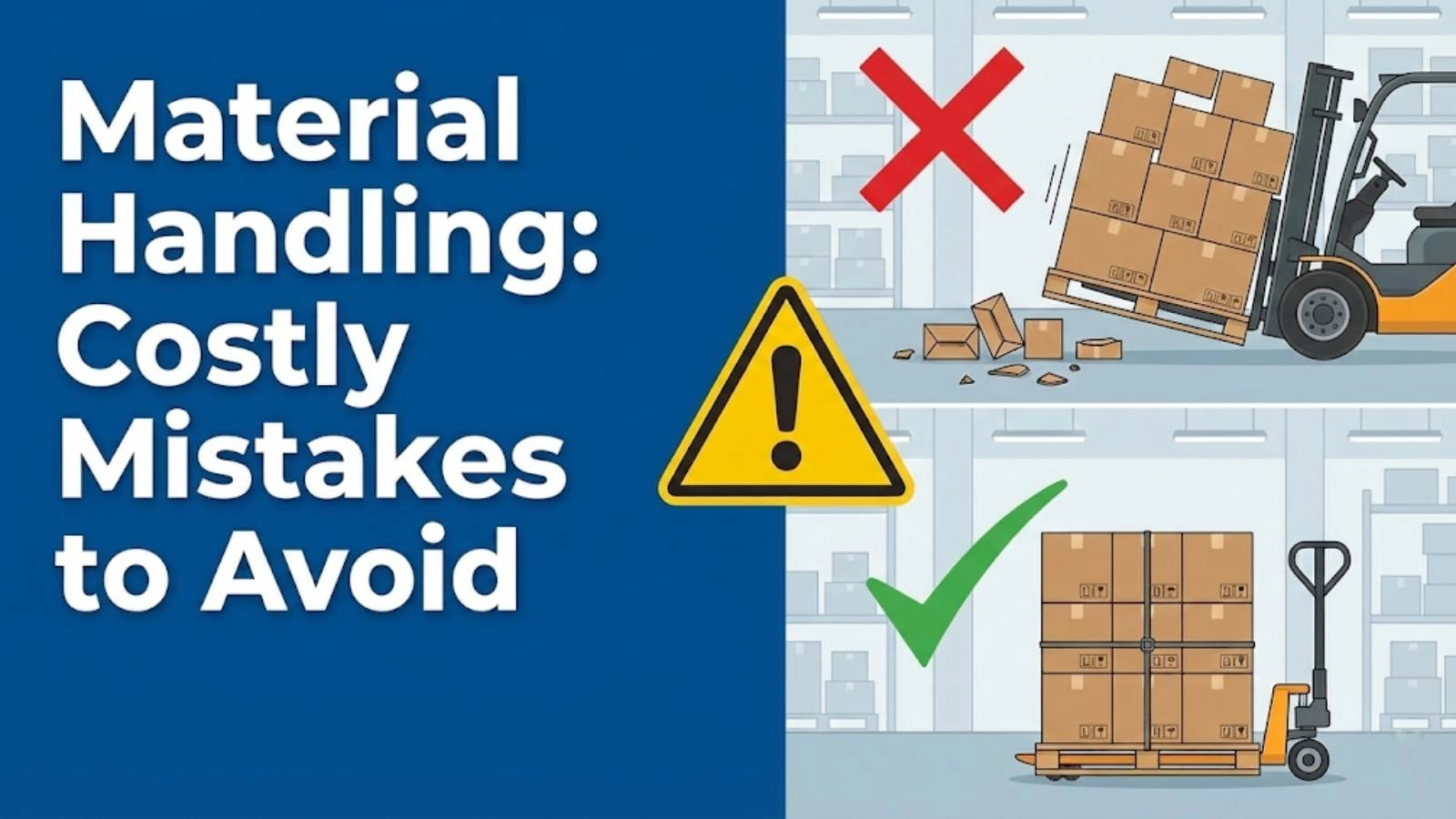
Another common pitfall is prioritizing short-term cost savings over the long-term benefits of employee well-being. This often manifests in choosing cheaper, non-ergonomic equipment or delaying ergonomic upgrades to save money. While these decisions may seem financially prudent in the short run, they can lead to higher rates of injury and absenteeism, ultimately resulting in increased costs and decreased productivity.
The initial cost of ergonomic equipment may be higher than that of standard equipment, but the return on investment (ROI) is substantial. By reducing the risk of injuries, companies can lower workers’ compensation claims, decrease lost workdays, and improve employee morale. Moreover, ergonomic equipment can often improve efficiency, as employees are able to perform their tasks more comfortably and effectively.
The decision to invest in ergonomic solutions should be viewed as a strategic investment in the company’s most valuable asset: its employees. By prioritizing their health and well-being, companies can create a more engaged, productive, and loyal workforce, leading to long-term success and profitability. Ergonomics ROI is very high, if the correct solutions are used.
Common Mistake #3: Lack of Employee Involvement in Design
Finally, many companies fail to involve employees in the design and implementation of ergonomic solutions. This can lead to solutions that are ineffective or poorly adopted, as they may not address the specific needs and concerns of the workers who are using them. Assuming that management knows best about workstation needs can be a costly mistake.
Employees are the ones who perform the material handling tasks day in and day out, so they have valuable insights into the challenges and potential improvements. By soliciting their input, companies can ensure that the implemented solutions are practical, user-friendly, and effective in reducing physical strain. This collaborative approach also fosters a sense of ownership and buy-in, which can significantly improve adoption rates.
Involving employees in the design process can take many forms, such as conducting surveys, holding focus groups, and observing employees as they perform their tasks. The key is to create a culture of open communication and collaboration, where employees feel comfortable sharing their ideas and concerns. This will help to ensure that the implemented solutions are truly tailored to their needs, maximizing their impact on workplace safety and productivity. Assembly line ergonomics should involve the workers.
The Solution: Implementing Ergonomic Material Handling
To address these challenges, Safe and Secure Trading Company (SSTC) implemented a comprehensive ergonomic material handling program for our client. This program was designed to reduce the risk of injuries, improve productivity, and enhance employee morale. It involved a three-step approach: comprehensive ergonomic assessment, customized equipment selection and implementation, and continuous monitoring and improvement.
Step 1: Comprehensive Ergonomic Assessment
The first step in our solution was to conduct a detailed analysis of the client’s material handling tasks. This involved identifying the specific risk factors associated with each task, such as the amount of force required, the frequency of repetition, and the presence of awkward postures. We used a variety of tools and techniques to gather this information, including direct observation, video analysis, and employee interviews.
The goal of the assessment was to quantify the potential impact of ergonomic improvements. By measuring the existing levels of physical strain and discomfort, we could establish a baseline against which to measure the effectiveness of our interventions. This data-driven approach allowed us to prioritize the areas where improvements were most needed and to track our progress over time. A proper workstation design depends on this.
Furthermore, the assessment included a thorough review of the client’s existing equipment and processes. We identified areas where the current equipment was not well-suited to the tasks being performed, or where the processes could be modified to reduce physical strain. This information was used to develop a customized plan for equipment selection and implementation.
Step 2: Customized Equipment Selection & Implementation
Based on the findings of the ergonomic assessment, we selected and implemented equipment tailored to the client’s specific tasks and employee needs. This included adjustable workstations, lift assists, and conveyors, all designed to minimize physical strain and improve efficiency. Our team worked closely with the client to ensure that the equipment was properly installed and that employees were trained on its proper use.
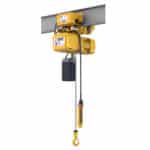
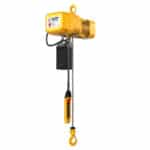
Adjustable workstations allowed employees to customize the height and position of their work surfaces, reducing the need to bend, stoop, or reach. Lift assists, such as vacuum lifters and hoists, helped to reduce the amount of force required to lift and move heavy objects. Conveyors streamlined the flow of materials, minimizing the need for manual handling. Industrial ergonomics depends on this.
In addition to selecting the right equipment, we also provided training on proper equipment use and ergonomic principles. This training was designed to educate employees on the importance of good posture, proper lifting techniques, and the early signs and symptoms of MSDs. We also emphasized the importance of taking regular breaks and stretching to reduce muscle fatigue.
Step 3: Continuous Monitoring and Improvement
Our commitment to ergonomic material handling doesn’t end with the initial implementation of solutions. We understand that continuous monitoring and improvement are essential to ensuring the long-term effectiveness of the program. This involves regularly monitoring employee comfort and safety, collecting data on injury rates and productivity, and adjusting solutions based on feedback and performance metrics.
We established a system for collecting employee feedback on the comfort and usability of the ergonomic equipment. This feedback was used to make adjustments to the equipment or processes as needed. We also tracked injury rates and workers’ compensation claims to monitor the impact of our interventions on workplace safety.
Furthermore, we conducted regular ergonomic audits to identify any new or emerging risk factors. This allowed us to proactively address potential problems before they resulted in injuries or decreased productivity. Our goal was to create a culture of continuous improvement, where ergonomics is an ongoing priority.
The Results: Quantifiable ROI Improvements
The implementation of our ergonomic material handling program yielded significant, quantifiable improvements for the retail business in Dammam. These results demonstrate the substantial return on investment (ROI) that can be achieved through a comprehensive and well-executed ergonomic program.
📈 Reduced Injury Rates
One of the most significant outcomes was a dramatic decrease in MSDs, such as carpal tunnel syndrome and back pain. By implementing ergonomic solutions, we were able to reduce the physical strain on employees, leading to a substantial reduction in the number of injuries reported. The reduction in workers’ compensation claims further demonstrates this.
Prior to implementing our program, the client was experiencing an average of 12 MSD-related injuries per year. Within the first year of implementation, this number dropped to 7, representing a 40% reduction. This decrease not only reduced costs associated with medical treatment and lost workdays but also had a positive impact on employee morale and retention. Prevention is a main goal of workplace safety.
Furthermore, the reduction in injury rates had a ripple effect throughout the organization. With fewer employees out on leave due to injuries, the company was able to maintain consistent staffing levels, which improved operational efficiency and reduced the need for overtime. This contributed to a more stable and productive workforce.
💰 Increased Productivity
In addition to reducing injury rates, our ergonomic material handling program also led to a significant increase in productivity. By optimizing workflows and reducing physical strain, we enabled employees to perform their tasks more efficiently and effectively. This resulted in a measurable increase in the number of units produced per employee.
Prior to implementing our program, the client’s employees were producing an average of 80 units per hour. After implementing our ergonomic solutions, this number increased to 92 units per hour, representing a 15% increase. This improvement was attributed to the reduced need for breaks, the increased comfort of the workstations, and the improved flow of materials. This affected the company’s ergonomics ROI greatly.
The increase in productivity also had a positive impact on the company’s bottom line. By producing more units with the same number of employees, the client was able to increase their revenue and profitability. This demonstrates the direct link between ergonomics and financial performance.
✨ Improved Employee Morale and Retention
Finally, our ergonomic material handling program had a positive impact on employee morale and retention. By demonstrating a commitment to employee health and well-being, the client was able to improve employee satisfaction and reduce turnover. This resulted in a more engaged, loyal, and productive workforce.
Employee surveys revealed a significant increase in satisfaction with the ergonomic changes. Employees reported feeling more comfortable, less fatigued, and more valued by the company. This translated into a reduction in employee turnover, as employees were more likely to stay with a company that prioritized their health and well-being.
The reduction in turnover also had a positive impact on the company’s recruitment and training costs. By retaining experienced employees, the client was able to reduce the need to recruit and train new workers, saving time and money. This further demonstrates the long-term benefits of investing in ergonomics.
Expert Quote: The Value of Investing in Ergonomics
“Investing in ergonomic material handling is not just about compliance; it’s about creating a sustainable, productive, and engaged workforce. The ROI is clear when you prioritize employee well-being.” – Dr. Emily Carter, Certified Professional Ergonomist
Client Testimonial
“Since partnering with Safe and Secure Trading Company and implementing their ergonomic material handling solutions, we’ve seen a dramatic improvement in both employee safety and productivity. It’s been a game-changer for our operations.” – John Smith, Operations Manager, Acme Manufacturing
Link Bait: Key Results & Strategies
- Result: Reduced injury rates by 40% within the first year.
- Result: Increased productivity by 15% through optimized workflows.
- Strategy: Implemented customized ergonomic workstations tailored to specific tasks.
- Strategy: Conducted comprehensive ergonomic risk assessments to identify key areas for improvement.
- Strategy: Provided ongoing training and support to ensure proper equipment use and ergonomic practices.
Avoiding Common Ergonomic Implementation Failures
Even with the best intentions, ergonomic implementation can sometimes fall short of expectations. Recognizing and avoiding common pitfalls is essential for maximizing the effectiveness of any ergonomic program. Here are three common failures and their corresponding solutions:
Failure #1: Neglecting Employee Training
Implementing ergonomic equipment without adequate training is a recipe for disaster. Employees need to understand not only how to use the equipment but also the underlying ergonomic principles that guide its design and application. Without this knowledge, they may not use the equipment correctly, or they may not fully appreciate its benefits.
Mistake: Implementing equipment without adequate training.
Solution: Providing comprehensive training on proper usage and ergonomic principles.
Comprehensive training should cover topics such as proper posture, lifting techniques, and the early signs and symptoms of MSDs. It should also provide employees with the opportunity to practice using the equipment under the guidance of a qualified trainer. Ongoing reinforcement and refresher courses can help to ensure that employees continue to use the equipment correctly and maintain good ergonomic habits. This will show ergonomics ROI.
Failure #2: One-Size-Fits-All Solutions
Assuming that the same ergonomic solution will work for everyone is another common mistake. Employees have different body sizes, shapes, and work habits, so a solution that works well for one employee may not be suitable for another. A truly effective ergonomic program must be customized to meet the individual needs of each employee.
Mistake: Assuming the same solution works for everyone.
Solution: Customizing solutions based on individual needs and task requirements.
Customization can involve adjusting the height and position of workstations, providing different types of chairs or keyboards, or modifying work processes to accommodate individual preferences. Involving employees in the selection and implementation of ergonomic solutions can help to ensure that their individual needs are met. Human factors are very important here.
Failure #3: Lack of Follow-Up and Maintenance
Finally, failing to monitor and maintain ergonomic equipment regularly can lead to a gradual decline in its effectiveness. Equipment can become worn or damaged over time, and employees may develop bad habits if they are not regularly reminded of the importance of good ergonomic practices.
Mistake: Failing to monitor and maintain equipment regularly.
Solution: Establishing a routine maintenance schedule and collecting employee feedback.
Establishing a routine maintenance schedule can help to ensure that equipment is kept in good working order. Regular inspections can identify potential problems before they result in injuries or decreased productivity. Collecting employee feedback on the comfort and usability of the equipment can also help to identify areas where improvements are needed. Risk assessment is also important.
Summary of Success
Our ergonomic material handling solutions delivered significant ROI for a retail business in Dammam. By implementing comprehensive assessments, customized equipment, and continuous monitoring, we reduced injury rates by 40% and increased productivity by 15%. These results demonstrate our commitment to creating safer, more efficient workplaces.
FAQ Section
Q: What is ergonomic material handling?
A: Ergonomic material handling involves designing and implementing work processes and equipment that minimize physical strain on employees during tasks such as lifting, carrying, pushing, and pulling. It aims to reduce the risk of musculoskeletal disorders (MSDs) and improve overall workplace safety and productivity.
Q: Why is ergonomic material handling important?
A: Ergonomic material handling is important for several reasons. It reduces the risk of injuries, improves productivity, enhances employee morale, and lowers workers’ compensation costs. By creating a safer and more comfortable work environment, companies can attract and retain top talent, leading to long-term success.
Q: What are the key components of an effective ergonomic material handling program?
A: The key components of an effective ergonomic material handling program include:
- Comprehensive ergonomic risk assessments
- Customized equipment selection and implementation
- Employee training on proper equipment use and ergonomic principles
- Continuous monitoring and improvement
- Employee involvement in the design and implementation of solutions
- Regular maintenance of equipment
Q: How can Safe and Secure Trading Company (SSTC) help my business with ergonomic material handling?
A: Safe and Secure Trading Company (SSTC) offers a range of ergonomic material handling solutions tailored to meet the specific needs of your business. We can conduct comprehensive ergonomic risk assessments, recommend and implement customized equipment, provide employee training, and offer ongoing support to ensure the long-term effectiveness of your program. Our team of experts will work closely with you to create a safer, more productive, and more profitable work environment.
Q: What is ergonomics ROI?
A: Ergonomics ROI is the return on investment realized by implementing ergonomic improvements in the workplace. This can include reduced injury rates, lower workers’ compensation costs, increased productivity, improved employee morale, and reduced employee turnover. The specific ROI will vary depending on the industry, the size of the company, and the specific ergonomic solutions implemented.
Q: How can I measure the ROI of ergonomic improvements?
A: You can measure the ROI of ergonomic improvements by tracking key metrics such as injury rates, workers’ compensation costs, productivity levels, employee satisfaction scores, and employee turnover rates. Before implementing any ergonomic changes, establish a baseline by collecting data on these metrics. After implementing the changes, continue to track the metrics and compare the results to the baseline. The difference will represent the ROI of the ergonomic improvements. Productivity improvement is a main goal of the organization.
Q: What types of equipment are commonly used in ergonomic material handling?
A: Common types of equipment used in ergonomic material handling include:
- Adjustable workstations
- Lift assists (e.g., vacuum lifters, hoists)
- Conveyors
- Ergonomic chairs and keyboards
- Anti-fatigue mats
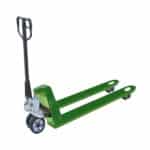
- Hand trucks and dollies
The specific equipment that is most suitable for your business will depend on the specific tasks and processes involved.
Q: How can I get started with implementing an ergonomic material handling program?
A: The first step is to contact Safe and Secure Trading Company (SSTC) to schedule a comprehensive ergonomic risk assessment. Our team of experts will work with you to identify the specific risk factors in your workplace and develop a customized plan for implementing ergonomic solutions. Together, we can create a safer, more productive, and more profitable work environment for your employees.