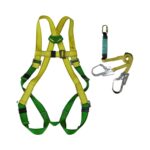
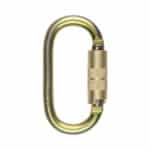
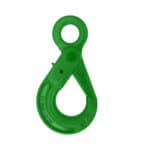
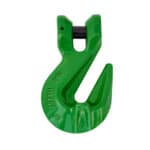
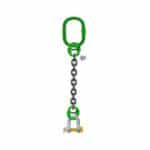
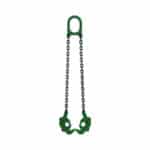
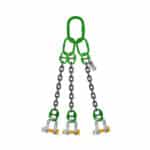
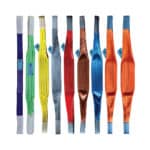
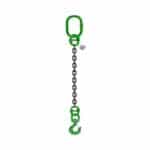
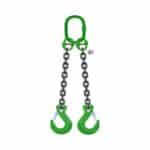
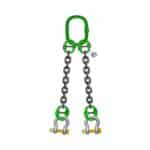
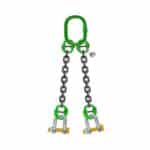
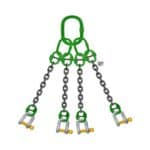
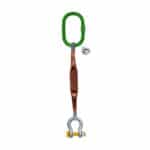
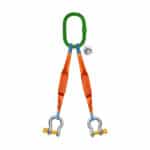
Fall arrester inspection is not merely a procedural task; it’s a cornerstone of workplace safety, especially in industries where working at heights is commonplace. These devices are designed to save lives by arresting a fall and minimizing the risk of serious injury. However, their effectiveness hinges on their condition, which is why regular and thorough inspections are non-negotiable.
Introduction: Why Fall Arrester Inspection Matters
A fall arrester is a critical piece of personal protective equipment (PPE) designed to protect workers from injury or death in the event of a fall from height. It typically consists of a full-body harness, a lanyard or self-retracting lifeline (SRL), and an anchorage connector. In the event of a fall, the fall arrester quickly engages, arresting the descent and minimizing the impact force on the worker’s body.
Regular inspections are paramount because they ensure that the fall arrester is in proper working condition and capable of performing its intended function. These inspections help identify any damage, wear, or defects that could compromise the device’s effectiveness. A damaged or malfunctioning fall arrester can fail during a fall, leading to severe injuries or fatalities. Fall protection equipment inspection is a matter of life and death.
Employers bear both a legal and ethical responsibility to provide a safe working environment for their employees. This includes providing appropriate fall protection equipment and ensuring that it is properly inspected and maintained. Neglecting these responsibilities can lead to significant legal repercussions, including fines and lawsuits, as well as the immeasurable cost of workplace injuries or fatalities. According to the Bureau of Labor Statistics, falls from height continue to be a leading cause of workplace fatalities, underscoring the critical importance of robust fall protection programs and diligent PPE inspection. When our team in our Dubai location tackles these safety issues, we emphasize that neglecting regular PPE inspection is not just a violation of safety standards but a profound ethical failure.
Mistake #1: Neglecting Pre-Use Inspection
One of the most common and potentially dangerous mistakes is failing to perform a pre-use inspection. This quick check, conducted by the user before each use, is crucial for identifying obvious damage or defects that may have occurred since the last inspection. Skipping this step can lead to using a compromised fall arrester, which can have catastrophic consequences.
Ignoring the Manufacturer’s Instructions
Manufacturer guidelines are essential for proper inspection because they provide specific instructions and recommendations for inspecting and maintaining the particular fall arrester model. These guidelines are based on the design and materials used in the device and are crucial for identifying potential issues.
Failing to follow these guidelines can have serious consequences. First, it may void the warranty of the fall arrester, leaving the user financially responsible for repairs or replacement. Second, it can lead to ineffective protection. The user may miss critical signs of damage or wear that are specific to that model, resulting in the use of a compromised device. We once had a user call us who got stuck here. Here’s a trick to avoid this common issue: Always store the manufacturer’s instructions with the fall arrester so it is readily available for reference.
The solution is simple: Always consult the manufacturer’s manual before any inspection. This will ensure that you are following the correct procedures and looking for the right things. Take the time to familiarize yourself with the manual and keep it readily accessible.
Overlooking Obvious Damage
Easily visible damage can include cuts, fraying, corrosion, or deformation of hardware. These are all signs that the fall arrester may have been compromised and should be taken out of service immediately.
Even minor damage can compromise safety. A small cut in the webbing can weaken the entire structure, reducing its ability to withstand the forces of a fall. Corrosion can weaken metal components, making them more likely to break under stress. Fraying can indicate that the webbing has been subjected to excessive wear or abrasion, which can also weaken it.
To avoid overlooking obvious damage, train workers to identify and report even seemingly minor damage. Emphasize the importance of thoroughness and attention to detail. Encourage workers to take the time to carefully inspect their fall arrest equipment inspection before each use.
Mistake #2: Incorrect Visual Inspection
A visual inspection is a critical component of fall arrester maintenance. However, performing it incorrectly can render it useless. Knowing what to look for and how to properly assess the condition of the device is crucial for ensuring its effectiveness.
Failing to Check Webbing and Stitching Thoroughly
When inspecting webbing, look for tears, abrasions, chemical damage, or excessive wear. Tears and abrasions can significantly weaken the webbing, making it more likely to fail during a fall. Chemical damage can occur if the webbing has been exposed to harsh chemicals, such as solvents or acids, which can degrade the material. Excessive wear can also weaken the webbing over time, especially in areas that are subject to friction or abrasion.
Properly examine stitching for looseness or breakage. Stitching is what holds the webbing together, so any damage to the stitching can compromise the integrity of the entire fall arrester. Look for loose threads, broken stitches, or areas where the stitching has come undone. Pay close attention to areas where the webbing is joined together or where hardware is attached.
Use a systematic approach, inspecting every inch of the webbing. Start at one end and work your way to the other, carefully examining every section. Use your hands to feel for any irregularities or damage that may not be visible to the eye. Pay particular attention to areas that are subject to wear or abrasion, such as where the webbing comes into contact with hardware.
Missing Signs of Impact or Overload
Indicators that a fall arrester may have been subjected to a fall include deformed hardware or stretched webbing. Deformed hardware, such as bent D-rings or buckles, is a clear sign that the fall arrester has been subjected to excessive force. Stretched webbing can also indicate that the fall arrester has been deployed, even if there are no other visible signs of damage.
A fall arrester must be taken out of service after a fall, even if it looks okay. This is because the internal components of the device may have been damaged during the fall, even if there is no visible damage to the exterior. Using a fall arrester that has been subjected to a fall can be extremely dangerous, as it may not function properly in a subsequent fall.
Implement a strict post-fall inspection and replacement policy. This policy should clearly state that any fall arrester that has been subjected to a fall must be immediately taken out of service and inspected by a qualified person. The policy should also specify the criteria for determining whether the fall arrester can be returned to service or must be replaced.
“The key to a reliable fall protection system is not just the quality of the equipment, but the rigor of its inspection and maintenance protocols.” – Michael Davis, Safety Equipment Engineer
Mistake #3: Ignoring Hardware Inspection
The hardware components of a fall arrester, such as buckles, connectors, and D-rings, are just as important as the webbing. Neglecting to inspect these components can lead to serious consequences, as they are responsible for securing the fall arrester to the user and the anchorage point.
Neglecting Buckles and Connectors
Check for proper function of buckles, ensuring smooth operation and secure locking. Buckles should be easy to open and close, and they should lock securely in place. If a buckle is difficult to operate or does not lock properly, it should be taken out of service immediately.
Inspect connectors for bends, cracks, or corrosion. Connectors are the points where the fall arrester attaches to the harness and the anchorage point. They should be free from any damage that could compromise their strength or integrity. Bends, cracks, or corrosion can all weaken the connector, making it more likely to fail during a fall.
Regularly lubricate buckles and connectors to prevent corrosion. Use a lubricant that is specifically designed for use on fall arrest equipment. Apply the lubricant sparingly, and wipe off any excess. Avoid using lubricants that contain solvents or other chemicals that could damage the hardware.
Overlooking D-Rings and Attachment Points
Ensure D-rings are not distorted or damaged. D-rings are the primary attachment points on the harness. They should be round and free from any bends or distortions. Any damage to a D-ring can significantly reduce its strength and make it more likely to fail during a fall.
Verify that attachment points are secure and properly rated. Attachment points are the points where the fall arrester connects to the anchorage. They should be able to withstand the forces of a fall. Check the manufacturer’s specifications to ensure that the attachment points are properly rated for the intended use.
Replace any damaged D-rings or attachment points immediately. Do not attempt to repair damaged hardware. Replacement hardware should be of the same type and rating as the original hardware.
Mistake #4: Incorrect Functionality Testing
A visual inspection is not enough to ensure that a fall arrester is in proper working condition. Functionality testing is also necessary to verify that the device is performing as intended. This includes testing the retraction and locking mechanisms of SRLs and inspecting the energy absorber for signs of deployment or damage.
Skipping Retraction and Locking Tests
Test the retraction mechanism of a self-retracting lifeline (SRL). The SRL should retract smoothly and easily. If the retraction mechanism is sluggish or does not retract fully, it may indicate a problem with the internal components.
Verify that the locking mechanism engages properly under sudden force. This can be done by quickly pulling on the lifeline and observing whether the locking mechanism engages. The locking mechanism should engage quickly and securely, preventing further descent.
Conduct retraction and locking tests before each use. This will help ensure that the SRL is functioning properly and is ready to protect the user in the event of a fall. If the SRL fails either of these tests, it should be taken out of service immediately.
Failing to Check the Energy Absorber
Inspect the energy absorber for signs of deployment or damage. The energy absorber is designed to deploy during a fall, absorbing some of the impact force and reducing the risk of injury. If the energy absorber has been deployed, it will be visibly stretched or torn.
Understand the limitations of an energy absorber after a fall. Once an energy absorber has been deployed, it must be replaced. It cannot be reused, even if it appears to be undamaged. Using an energy absorber that has already been deployed can be extremely dangerous, as it will not provide adequate protection in a subsequent fall.
Ensure the energy absorber is intact and ready to function. Before each use, visually inspect the energy absorber for any signs of damage or deployment. If any damage is found, or if the energy absorber has been deployed, the fall arrester should be taken out of service immediately.
Mistake #5: Poor Record Keeping
Proper record keeping is essential for compliance and safety management. Accurate records provide a history of inspections, identify trends, and demonstrate due diligence. Neglecting record keeping can lead to compliance issues, difficulty tracking equipment lifespan, and an inability to identify potential safety hazards.
Not Documenting Inspections Properly
Accurate records are crucial for compliance and safety management. They provide evidence that inspections have been conducted and that any necessary corrective actions have been taken. In the event of an accident, accurate records can help demonstrate that the employer has taken reasonable steps to ensure the safety of its employees.
Information that should be included in an inspection record includes the date of the inspection, the name of the inspector, the findings of the inspection, and any actions taken to correct deficiencies. The record should also include the serial number or other identifying information of the fall arrester.
Implement a standardized inspection checklist and record-keeping system. A checklist can help ensure that all critical components of the fall arrester are inspected. A standardized record-keeping system can help ensure that records are accurate and consistent.
Failing to Track Equipment Lifespan
Understanding the expiration dates and service life of fall arrest equipment is crucial. Fall arrest equipment has a limited lifespan, and its effectiveness can degrade over time due to wear, exposure to the elements, or other factors. Using equipment beyond its service life is dangerous.
Using equipment beyond its service life is dangerous because the materials may have weakened, the components may have corroded, or the device may no longer meet the required safety standards. This can increase the risk of failure during a fall.
Maintain a database of equipment with purchase dates and expiration dates. This database should be regularly updated to ensure that all equipment is within its service life. Equipment that has reached its expiration date should be taken out of service and replaced.
Mistake #6: Inadequate Training
Proper training is essential for ensuring that workers understand how to use fall arrest equipment safely and effectively. This includes training on how to inspect the equipment, how to properly don and doff the harness, and how to connect to the anchorage point. Inadequate training can lead to misuse of equipment, improper inspection, and an increased risk of accidents.
Lack of Proper Training for Inspectors
Formal training is necessary for conducting thorough inspections because it provides inspectors with the knowledge and skills they need to identify potential hazards and ensure that fall arrest equipment is in proper working condition. Training should cover topics such as fall protection standards, inspection procedures, and the proper use of inspection equipment.
Understanding relevant standards and regulations is important because it helps inspectors ensure that fall arrest equipment meets the required safety standards. Standards and regulations provide specific guidelines for the design, manufacture, and use of fall arrest equipment.
Provide comprehensive training to all personnel responsible for fall arrester inspection. This training should be conducted by a qualified instructor and should cover all aspects of fall arrester inspection, including visual inspection, functionality testing, and record keeping.
Failure to Educate Users on Basic Inspection
Users should be trained to perform pre-use checks because they are the first line of defense against potential hazards. A pre-use check is a quick visual inspection that should be conducted before each use of the fall arrester. This check can help identify obvious damage or defects that may have occurred since the last inspection.
Empowering workers to identify and report potential hazards is crucial for creating a culture of safety. When workers are trained to recognize potential hazards, they are more likely to report them to their supervisors. This can help prevent accidents and injuries.
Incorporate basic inspection training into regular safety briefings. This training should cover topics such as how to identify common types of damage, how to perform a pre-use check, and how to report potential hazards. The training should be interactive and engaging, and it should provide workers with the opportunity to ask questions.
Mistake #7: Using Unapproved Cleaning Methods
Maintaining fall arrest equipment properly is essential for ensuring its longevity and effectiveness. However, using unapproved cleaning methods can damage the materials and compromise the integrity of the device.
Damaging Materials with Harsh Chemicals
Using incompatible cleaning agents on webbing and hardware can damage the materials. Harsh chemicals, such as solvents, bleach, or strong detergents, can degrade the fibers of the webbing, causing it to weaken or break. They can also corrode metal hardware, making it more likely to fail during a fall.
Properly clean fall arrest equipment without compromising its integrity by only using cleaning products recommended by the manufacturer. These products are specifically designed to clean the materials without damaging them. Follow the manufacturer’s instructions carefully, and avoid using any other cleaning products.
Improper Drying Techniques
Avoid heat and direct sunlight when drying equipment. Heat can damage the fibers of the webbing, causing it to shrink or weaken. Direct sunlight can also fade the colors of the webbing and degrade the materials.
Allow equipment to air dry completely. This is the best way to ensure that the materials are not damaged. Hang the equipment in a well-ventilated area and allow it to dry naturally. Do not use a dryer or other source of heat.
Establish a designated drying area with adequate ventilation. This will help ensure that the equipment dries quickly and completely. The drying area should be away from direct sunlight and heat sources.
Mistake #8: Poor Storage Practices
Proper storage is essential for protecting fall arrest equipment from damage and degradation. Poor storage practices can expose the equipment to extreme conditions, such as sunlight, moisture, and chemicals, which can shorten its lifespan and compromise its effectiveness.
Exposing Equipment to Extreme Conditions
Sunlight, moisture, and chemicals can damage fall arrest equipment. Sunlight can fade the colors of the webbing and degrade the materials. Moisture can cause corrosion and mildew. Chemicals can react with the materials, causing them to weaken or break down.
Store equipment properly to prevent degradation. Store equipment in a cool, dry, and clean environment. Avoid storing equipment in direct sunlight or near sources of heat or moisture. Keep equipment away from chemicals and other contaminants.
Neglecting Proper Handling During Transport
Protect equipment from damage during transport to and from the job site. When transporting equipment, use appropriate containers or bags to prevent abrasion and contamination.
Use dedicated storage bags for transportation to prevent damage. These bags should be made of a durable material that will protect the equipment from abrasion and contamination. The bags should also be properly sized to fit the equipment snugly, preventing it from moving around during transport.
| Mistake |
Description |
Solution |
| Neglecting Pre-Use Inspection |
Skipping the quick check before each use. |
Always perform a pre-use inspection following manufacturer guidelines. |
| Incorrect Visual Inspection |
Failing to thoroughly check webbing and stitching. |
Use a systematic approach, inspecting every inch of the webbing. |
| Ignoring Hardware Inspection |
Neglecting buckles, connectors, and D-rings. |
Regularly inspect and lubricate hardware to prevent corrosion and ensure proper function. |
| Incorrect Functionality Testing |
Skipping retraction and locking tests for SRLs. |
Conduct retraction and locking tests before each use. |
| Poor Record Keeping |
Not documenting inspections properly or tracking equipment lifespan. |
Implement a standardized inspection checklist and record-keeping system. |
| Inadequate Training |
Lack of proper training for inspectors and users. |
Provide comprehensive training to all personnel responsible for fall arrester inspection. |
| Using Unapproved Cleaning Methods |
Damaging materials with harsh chemicals or improper drying techniques. |
Only use cleaning products recommended by the manufacturer and allow equipment to air dry completely. |
| Poor Storage Practices |
Exposing equipment to extreme conditions or neglecting proper handling during transport. |
Store equipment in a cool, dry, and clean environment and use dedicated storage bags for transportation. |
Conclusion: Ensuring a Safe Workplace
In conclusion, regular and thorough fall arrester inspection is critical for ensuring a safe workplace. By avoiding these common inspection mistakes, employers can significantly reduce the risk of falls and protect their workers from serious injuries or fatalities. Fall protection compliance is more than just following regulations; it’s about creating a safety-first environment.
We, at Safe and Secure Trading Company (SSTC), are committed to providing our clients with the highest quality fall protection equipment and training. We understand that fall arrester inspection can be a complex and time-consuming process, but it is an essential investment in the safety of your workforce. By following the guidelines outlined in this tutorial, you can help ensure that your fall arresters are in proper working condition and ready to protect your workers in the event of a fall. With diligent inspection and maintenance, you’re not just using equipment; you’re upholding a promise to safety.
Remember, a safe workplace is a productive workplace. By prioritizing fall protection, you can create a work environment where your employees feel safe and secure. We hope this guide has helped you better understand how to conduct a proper fall arrester inspection and improve your workplace safety practices. We hope this tutorial has been helpful!
FAQ Section
Q: How often should fall arresters be inspected?
A: Fall arresters should be inspected before each use and at least annually by a competent person. More frequent inspections may be required depending on the frequency of use and the environmental conditions.
Q: What qualifications are needed to be a “competent person” for fall arrester inspection?
A: A competent person should have specific training and knowledge in fall protection, including the ability to identify hazards and the authority to take corrective actions. They should be familiar with the relevant standards and regulations.
Q: What should I do if I find damage during a fall arrester inspection?
A: If any damage or defects are found during an inspection, the fall arrester should be immediately taken out of service and tagged as unusable. It should not be used until it has been repaired or replaced.
Q: Can I repair a damaged fall arrester myself?
A: No, repairs to fall arrest equipment should only be performed by the manufacturer or a qualified repair technician. Unauthorized repairs can compromise the integrity of the device and void the warranty.
Q: What is the service life of a fall arrester?
A: The service life of a fall arrester varies depending on the manufacturer, the type of equipment, and the conditions of use. Refer to the manufacturer’s instructions for specific information on the service life of your equipment. Generally, even if a fall arrester passes inspection, it must be removed from service after a specified period (e.g., 5-10 years), regardless of its condition.
Q: Where can I find more information on fall protection standards and regulations?
A: You can find information on fall protection standards and regulations from organizations such as OSHA (Occupational Safety and Health Administration), ANSI (American National Standards Institute), and CSA (Canadian Standards Association). You can also consult with a qualified safety professional or fall protection equipment supplier.
Q: What types of records should I keep for fall arrester inspections?
A: You should keep records of all inspections, including the date of the inspection, the name of the inspector, the findings of the inspection, and any actions taken to correct deficiencies. You should also keep records of equipment purchases, maintenance, and repairs.
Q: How should I clean my fall arrester?
A: Clean your fall arrester only with cleaning products recommended by the manufacturer. Avoid using harsh chemicals or solvents, as these can damage the materials. Allow the equipment to air dry completely before storing it.
Q: What are the key components of a personal fall arrest system?
A: A personal fall arrest system typically includes a full-body harness, a lanyard or self-retracting lifeline (SRL), and an anchorage connector. The system must be designed and used in a way that limits the maximum arresting force on the worker to a safe level.
Q: How can I ensure that my anchorage points are adequate?
A: Anchorage points must be capable of supporting a static load of at least 5,000 pounds (22.2 kN) per worker attached, or be designed and used under the supervision of a qualified person as part of a complete personal fall arrest system that maintains a safety factor of at least two. They should be inspected regularly to ensure they are in good condition and properly rated for the intended use. Height safety is critical, so never skip any steps.