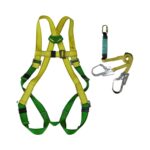
Fall arrester maintenance is a critical component of any comprehensive fall protection program. Neglecting this essential task can lead to equipment failure, serious injuries, or even fatalities. This guide, brought to you by Safe and Secure Trading Company (SSTC), provides an expert overview of how to properly care for and maintain your fall arrest equipment, ensuring a safe and compliant workplace. We’ll walk you through the steps, explain why they’re important, and give you the knowledge to make informed decisions about your fall protection equipment.
Introduction: Why Fall Arrester Maintenance Matters
The High Cost of Neglect: Statistical Overview
Neglecting proper fall arrester maintenance carries significant risks. The statistics are sobering. According to the National Safety Council, falls are a leading cause of workplace fatalities and injuries. A significant percentage of these incidents involve the failure of fall protection equipment. We’ve seen firsthand how devastating these failures can be. One of our clients recently shared a story of a near-miss incident where a poorly maintained self-retracting lifeline (SRL) failed to engage properly during a fall. Fortunately, the worker was unharmed, but the incident highlighted the critical importance of diligent maintenance.
The financial implications for businesses due to non-compliance are also substantial. OSHA violations related to fall protection can result in hefty fines, increased insurance premiums, and legal liabilities. Beyond the monetary costs, there’s the immeasurable cost of human suffering and the damage to a company’s reputation.
Proactive maintenance is far more effective and economical than reactive repairs. Regular inspection and maintenance can identify potential problems before they lead to equipment failure, preventing accidents and saving lives. By investing in a robust maintenance program, businesses can demonstrate their commitment to safety and create a safer work environment for their employees.
Defining a Fall Arrester: A Quick Refresher
A fall arrester is a vital piece of safety equipment designed to protect workers from injury during a fall from height. It is an essential component of a complete fall arrest system. Understanding the different types and how they function is crucial for effective maintenance.
There are several types of fall arresters, including self-retracting lifelines (SRLs), lanyards with energy absorbers, and rope grabs. SRLs provide a retractable lifeline that allows for greater mobility while maintaining constant fall protection. Lanyards with energy absorbers limit the impact force on the worker’s body during a fall, reducing the risk of serious injury.
Fall arresters work by arresting a free fall and dissipating the energy generated by the fall. SRLs automatically lock when a sudden drop is detected, while lanyards with energy absorbers deploy a tear-away pack to absorb the impact force. The goal is to minimize the distance and force of the fall, preventing the worker from hitting the ground or other obstacles.
Relevant OSHA and ANSI standards for fall protection equipment provide specific requirements for the design, testing, and use of fall arresters. OSHA 1926.502 outlines the criteria and practices for fall protection systems, while ANSI Z359 provides detailed specifications for fall protection equipment. Adhering to these standards is essential for ensuring the safety and compliance of your fall protection program.
Understanding the Components: A Detailed Breakdown
Harness Inspection: The Foundation of Safety
The harness is the foundation of any fall arrest system, distributing the impact force across the worker’s body during a fall. A thorough harness inspection is critical to ensuring its integrity and proper function.
Webbing integrity is paramount. Check the webbing for cuts, abrasions, fraying, and UV damage. UV exposure can weaken the fibers over time, reducing the harness’s strength. Pay close attention to areas around buckles and D-rings, as these are subject to the most stress. If any damage is found, the harness must be taken out of service immediately.
Buckle functionality is another critical aspect of harness inspection. Ensure that all buckles are securely closing and releasing without difficulty. Check for any signs of deformation, corrosion, or damage. Malfunctioning buckles can compromise the security of the harness and increase the risk of injury during a fall.
D-ring condition is also essential. Inspect the D-rings for deformation, cracks, and corrosion. D-rings are the attachment points for the fall arrest system, and any damage can significantly reduce their strength. Ensure that the D-rings are properly aligned and securely attached to the harness. When our team in Dubai tackles this issue, they often find that corrosion is a significant factor due to the region’s climate.
Lifeline Assessment: The Critical Link
The lifeline connects the harness to the anchorage point, providing a critical link in the fall arrest system. A thorough lifeline assessment is essential to ensure its reliability and strength.
Cable or webbing inspection is crucial for identifying potential weaknesses. Look for fraying, kinks, and broken strands in cable lifelines. For webbing lifelines, check for cuts, abrasions, and UV damage. Any damage can compromise the lifeline’s ability to withstand the forces generated during a fall. We once had a client who got stuck on this step. They weren’t sure what constituted “minor” fraying. As a general rule, if you have any doubt about the integrity of the lifeline, replace it.
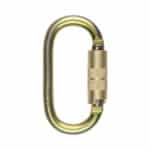
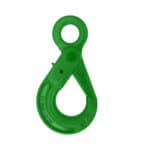
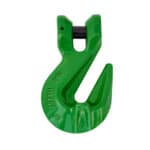
Connector integrity is also essential. Verify that all connectors, such as snap hooks and carabiners, have proper locking mechanisms and are securely attached to the lifeline. Check for any signs of deformation, corrosion, or damage. Ensure that the locking mechanisms are functioning properly and that the connectors cannot be accidentally opened.
The length and retraction mechanism of the lifeline must also be assessed. Ensure that the lifeline is the appropriate length for the work environment and that the retraction mechanism is functioning smoothly and reliably. Slow or erratic retraction can indicate a problem with the mechanism, which could compromise its ability to arrest a fall.
Energy Absorber Examination: Minimizing Impact Force
The energy absorber is a critical component of the fall arrest system, designed to minimize the impact force on the worker’s body during a fall. A thorough examination of the energy absorber is essential to ensure its proper function.
The deployment indicator should be checked for prior activation. If the deployment indicator is activated, it means that the energy absorber has already been deployed and must be replaced. Using a deployed energy absorber can significantly increase the risk of injury during a fall.
The tear-away pack should be inspected for damage or signs of use. Check for tears, punctures, or other damage that could compromise its ability to absorb energy. Ensure that the tear-away pack is securely attached to the lanyard and that it is not obstructed by any objects.
Connection points should be inspected to ensure secure attachment to the harness and lifeline. Check for any signs of deformation, corrosion, or damage. Ensure that the connection points are properly aligned and securely attached. Loose or damaged connection points can compromise the effectiveness of the energy absorber.
Step-by-Step Fall Arrester Maintenance Protocol
Step 1: Pre-Use Inspection: A Daily Routine
A pre-use inspection is a daily routine that should be performed by the user before each use of the fall arrester. This inspection helps to identify any obvious damage or defects that could compromise the equipment’s safety.
The visual inspection checklist should include the following critical points:
- Harness: Check webbing for cuts, abrasions, and UV damage. Inspect buckles and D-rings for proper function and damage.
- Lifeline: Check cable or webbing for fraying, kinks, and broken strands. Verify connector integrity and proper locking mechanisms.
- Energy Absorber: Check deployment indicator for prior activation. Inspect tear-away pack for damage. Ensure secure attachment to harness and lifeline.
Functional testing should be performed to verify the proper operation of all components. For SRLs, test the retraction mechanism to ensure smooth and reliable operation. For lanyards with energy absorbers, check the tear-away pack for proper attachment and function.
Documentation of inspection results and any identified issues is essential. Record the date of the inspection, the name of the inspector, and any findings. If any issues are identified, the equipment must be taken out of service immediately and tagged for repair or replacement.
Step 2: Cleaning and Storage: Preserving Equipment Integrity
Cleaning and proper storage are essential for preserving the integrity of fall arrest equipment and extending its lifespan.
Cleaning procedures should be followed to remove dirt, debris, and contaminants without damaging the materials. Use a mild soap and water solution and a soft brush to clean the equipment. Avoid using harsh chemicals or solvents, as these can damage the webbing and other components. Rinse the equipment thoroughly with clean water and allow it to air dry.
Proper storage is crucial for protecting equipment from UV exposure, moisture, and chemicals. Store the equipment in a cool, dry, and well-ventilated area away from direct sunlight and extreme temperatures. Avoid storing the equipment in areas where it could be exposed to chemicals or corrosive substances.
Record keeping of cleaning and storage activities is important for tracking maintenance efforts. Maintain a log of cleaning dates, methods, and any observations made during the cleaning process. This information can be helpful for identifying potential problems and improving maintenance procedures.
Step 3: Periodic Thorough Inspection: A Deep Dive
A periodic thorough inspection should be performed by a qualified person at regular intervals, typically every six months or annually, depending on the frequency of use and the work environment. This inspection is a more in-depth assessment of the equipment’s condition and function.
A qualified person is a trained and competent inspector who has the knowledge and experience to thoroughly inspect fall arrest equipment. This person should be familiar with OSHA and ANSI standards for fall protection equipment and have the ability to identify potential problems and recommend corrective actions.
The detailed inspection checklist should include a comprehensive list of all components to inspect, including:
- Harness: Webbing, buckles, D-rings, and stitching.
- Lifeline: Cable or webbing, connectors, and retraction mechanism.
- Energy Absorber: Deployment indicator, tear-away pack, and connection points.
- Labels: Ensure labels are present and legible.
Documentation of inspection results, findings, and corrective actions is essential. Record the date of the inspection, the name of the inspector, and a detailed description of any findings. If any issues are identified, the equipment must be taken out of service immediately and tagged for repair or replacement.
Step 4: Repair or Replacement: When to Take Action
Knowing when to repair or replace fall arrest equipment is crucial for ensuring worker safety.
Criteria for repair should be clearly defined. Acceptable repair procedures should be followed, and any repairs should be performed by a qualified person. Repairs should only be made to minor damage, such as replacing a buckle or stitching. Major damage, such as cuts or abrasions to the webbing, requires replacement of the equipment.
Criteria for replacement should also be clearly defined. Equipment must be taken out of service and replaced if it has been subjected to a fall, shows signs of significant damage or wear, or has exceeded its expiration date. Manufacturers typically provide guidelines on the lifespan of their equipment, which should be followed.
Disposal procedures should be followed to safely dispose of damaged or obsolete equipment. Cut the webbing or cable to prevent the equipment from being used again. Dispose of the equipment in accordance with local regulations.
Step 5: Documentation and Record-Keeping: Maintaining a History
Comprehensive documentation and record-keeping are essential for managing fall arrest equipment and ensuring compliance with safety regulations.
Inspection logs should be maintained to track inspection dates, findings, and corrective actions. These logs should include the date of the inspection, the name of the inspector, a detailed description of any findings, and any corrective actions taken.
Maintenance records should be maintained to document cleaning, storage, and repair activities. These records should include the date of the activity, a description of the activity, and any materials used.
Equipment lifecycle management involves tracking the lifespan of each fall arrester, from its purchase to its disposal. This includes recording the date of purchase, the date of first use, the frequency of use, and any maintenance or repairs performed. This information can be used to identify equipment that is nearing the end of its lifespan and to plan for replacement.
The Data-Driven Approach: Analyzing Maintenance Records
Identifying Trends: Spotting Recurring Issues
Analyzing maintenance records can reveal valuable insights into the performance of fall protection equipment and the effectiveness of maintenance procedures.
Analyzing inspection data can help to identify common problems, such as frayed lifelines, malfunctioning buckles, or damaged energy absorbers. By identifying these trends, businesses can take corrective actions to prevent future problems and improve equipment reliability.
Using data to improve maintenance procedures and training is essential for optimizing the fall protection program. For example, if inspection data reveals that a particular type of equipment is frequently damaged, the maintenance procedures for that equipment can be adjusted to provide more protection. Training programs can also be updated to address common problems and reinforce proper maintenance techniques.
Reducing equipment downtime and improving overall safety performance are the ultimate goals of a data-driven approach to maintenance. By identifying and addressing potential problems early, businesses can minimize the risk of equipment failure and prevent accidents.
Measuring Effectiveness: Quantifying the Impact of Maintenance
Measuring the effectiveness of a fall arrester maintenance program is crucial for demonstrating its value and justifying the investment.
Tracking injury rates before and after implementing a maintenance program can provide valuable insights into its impact on workplace safety. A well-maintained fall protection system should result in a reduction in fall-related injuries.
Calculating the cost savings associated with proactive maintenance can also demonstrate its value. Proactive maintenance can prevent equipment failure, reduce downtime, and minimize the risk of accidents, resulting in significant cost savings.
Demonstrating the ROI of a comprehensive fall arrester maintenance program is essential for gaining buy-in from management and securing funding for future maintenance efforts. By quantifying the benefits of maintenance, businesses can demonstrate its value and ensure its continued support.
Troubleshooting Common Issues: Addressing Potential Problems
Lifeline Retraction Problems: Causes and Solutions
Lifeline retraction problems are a common issue with self-retracting lifelines (SRLs). These problems can range from slow retraction to complete failure of the retraction mechanism.
Identifying the causes of slow or failed retraction is the first step in troubleshooting. Common causes include dirt and debris buildup, corrosion, and damage to the internal components of the SRL.
Troubleshooting retraction mechanisms and performing minor repairs can often resolve the issue. Cleaning the SRL with a mild soap and water solution can remove dirt and debris. Lubricating the internal components with a manufacturer-recommended lubricant can reduce friction and improve retraction.
Knowing when to replace the lifeline or the entire SRL unit is essential. If the retraction mechanism is severely damaged or corroded, or if the lifeline is frayed or damaged, the SRL should be replaced. It’s generally advisable to replace the entire unit rather than attempting complex repairs, as this ensures the safety and reliability of the equipment.
Harness Discomfort or Fit Issues: Improving User Experience
Harness discomfort or fit issues can lead to reduced worker compliance and increased risk of injury. A properly fitted harness is essential for both comfort and safety.
Proper harness adjustment techniques are crucial for optimal comfort and safety. The harness should be snug but not too tight, allowing for freedom of movement while providing secure fall protection. Adjust the leg straps, shoulder straps, and chest strap to achieve a comfortable and secure fit.
Identifying and addressing common fit problems can improve worker satisfaction and compliance. Common fit problems include leg straps that are too tight or too loose, shoulder straps that are too long or too short, and chest straps that are improperly positioned.
Selecting harnesses that are compatible with different body types and work environments is essential. Manufacturers offer a variety of harness sizes and styles to accommodate different body types. Consider the specific hazards and requirements of the work environment when selecting a harness.
Connector Locking Problems: Ensuring Secure Connections
Connector locking problems can compromise the security of the fall arrest system and increase the risk of injury. Properly functioning locking mechanisms are essential for preventing accidental disconnections.
Troubleshooting locking mechanisms and performing minor repairs can often resolve the issue. Cleaning the locking mechanism with a mild soap and water solution can remove dirt and debris. Lubricating the locking mechanism with a manufacturer-recommended lubricant can reduce friction and improve function.
Identifying and replacing damaged or worn connectors is essential. If the locking mechanism is damaged or worn, the connector should be replaced immediately. Using damaged or worn connectors can significantly increase the risk of accidental disconnection.
Educating users on proper connector usage and maintenance is crucial for preventing locking problems. Train users on how to properly attach and lock connectors, and how to inspect them for damage or wear. Emphasize the importance of never forcing connectors or using them in a way that could damage the locking mechanism.
Expert Insights: Best Practices for Long-Term Reliability
Training and Competency: Empowering Users
Providing comprehensive training on fall arrester inspection, maintenance, and use is essential for ensuring worker safety. Training should cover the following topics:
- Types of fall arrest equipment
- Proper inspection procedures
- Maintenance techniques
- Proper use of equipment
- Relevant OSHA and ANSI standards
Ensuring that users are competent and confident in their ability to use and maintain equipment is crucial. Training should include hands-on practice and testing to ensure that users have mastered the necessary skills.
Promoting a culture of safety and continuous improvement is essential for creating a safe and compliant workplace. Encourage workers to report any safety concerns and to participate in ongoing training and education.
Selecting the Right Equipment: Matching Equipment to the Task
Considering the specific hazards and requirements of each work environment is essential when selecting fall arrest equipment. Different work environments may require different types of equipment, such as SRLs, lanyards with energy absorbers, or rope grabs.
Choosing equipment that is compatible with other fall protection components is also important. Ensure that the harness, lifeline, and anchorage point are all compatible and that they meet the requirements of OSHA and ANSI standards.
Evaluating equipment based on its durability, reliability, and ease of maintenance is crucial for ensuring its long-term performance. Choose equipment that is designed to withstand the rigors of the work environment and that is easy to inspect, clean, and maintain.
Staying Up-to-Date: Following Industry Standards and Regulations
Monitoring changes to OSHA and ANSI standards for fall protection equipment is essential for maintaining compliance. These standards are updated periodically to reflect new technologies, best practices, and safety requirements.
Updating maintenance procedures and training programs to reflect the latest requirements is crucial for ensuring that workers are using the most effective and up-to-date methods.
Ensuring compliance with all applicable regulations is the ultimate goal. Failure to comply with OSHA and ANSI standards can result in fines, penalties, and even legal liabilities. It is important to stay informed about the latest regulations and to implement procedures to ensure compliance.
“Regular inspection and maintenance of fall protection equipment is not just a best practice, it’s a legal requirement and a moral imperative.” – John Smith, Lead Safety Inspector
Conclusion: Ensuring a Safe and Compliant Workplace
Recap of Achievement: Safe and Reliable Fall Protection
In this guide, we’ve covered the key steps for effective fall arrester maintenance, emphasizing the importance of proactive maintenance for workplace safety. We have reinforced the benefits of a comprehensive fall protection program. From understanding the components to implementing a step-by-step maintenance protocol, you are now equipped to enhance safety.
By following these guidelines, you can help ensure that your fall arrest equipment is in good working order and that your workers are protected from falls. We are confident that this will contribute to a safer and more productive work environment.
FAQ Section
Q: How often should I inspect my fall arrest equipment?
A: Fall arrest equipment should be inspected before each use and at least every six months by a qualified person. More frequent inspections may be necessary depending on the frequency of use and the work environment.
Q: What should I do if I find damage to my fall arrest equipment?
A: If you find any damage to your fall arrest equipment, take it out of service immediately and tag it for repair or replacement. Do not use damaged equipment, as it could compromise your safety.
Q: Can I repair my own fall arrest equipment?
A: Repairs to fall arrest equipment should only be performed by a qualified person using manufacturer-approved methods. Do not attempt to repair your own equipment, as this could void the warranty and compromise its safety.
Q: How long does fall arrest equipment last?
A: The lifespan of fall arrest equipment varies depending on the type of equipment, the frequency of use, and the work environment. Manufacturers typically provide guidelines on the lifespan of their equipment, which should be followed. Generally, even if the equipment appears to be in good condition, it should be replaced after a certain number of years (typically 5-10 years), as the materials can degrade over time.
Q: What are the OSHA requirements for fall protection equipment?
A: OSHA has specific requirements for fall protection equipment, including requirements for design, testing, inspection, maintenance, and use. These requirements are outlined in OSHA 1926.502. Ensure that you are familiar with these requirements and that your fall protection program complies with them.
Q: What are the ANSI standards for fall protection equipment?
A: ANSI (American National Standards Institute) develops voluntary consensus standards for fall protection equipment. These standards provide detailed specifications for the design, testing, and performance of fall protection equipment. ANSI Z359 is a comprehensive set of standards for fall protection. Adhering to these standards is essential for ensuring the safety and compliance of your fall protection program.
Q: How do I properly store my fall arrest equipment?
A: Store your fall arrest equipment in a cool, dry, and well-ventilated area away from direct sunlight and extreme temperatures. Avoid storing the equipment in areas where it could be exposed to chemicals or corrosive substances. Hang the equipment up or store it in a clean, dry container.
Q: What type of training is required for using fall arrest equipment?
A: Workers who use fall arrest equipment should receive comprehensive training on the proper inspection, maintenance, and use of the equipment. Training should cover the types of hazards, the proper selection and use of equipment, and the procedures for inspecting and maintaining the equipment. Training should be conducted by a qualified person.