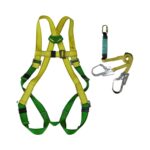
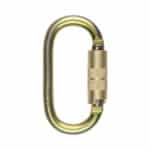
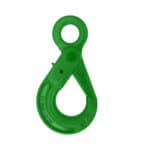
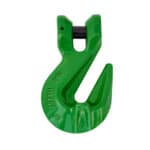
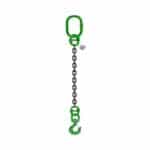
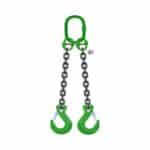
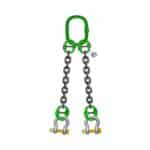
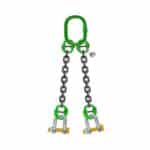
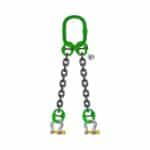
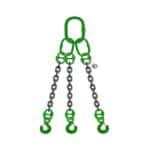
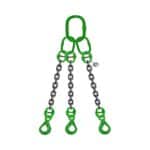
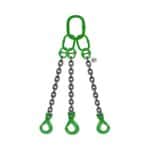
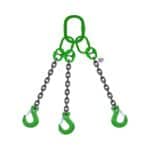
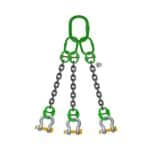
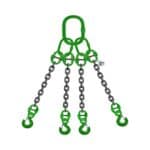
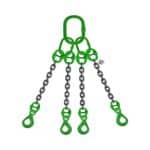
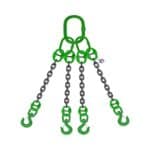
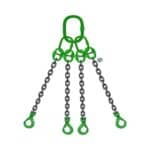
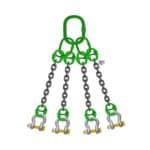
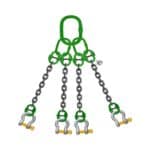
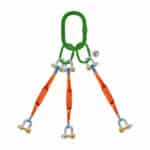
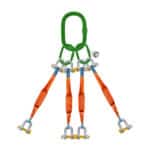
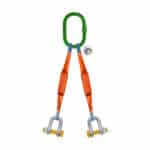
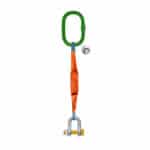
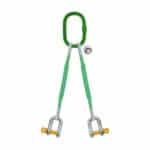
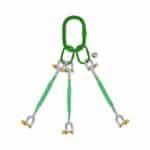
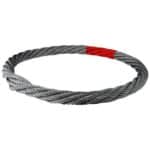
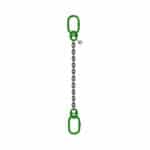
Fall arrester systems are a critical component of any comprehensive fall protection program, designed to protect workers from serious injury or death when working at heights. Understanding how these systems work, their various components, and the relevant safety standards is essential for creating a safe work environment. This guide will provide you with a complete overview of fall arrester systems, covering everything from identifying fall hazards to selecting the right equipment and implementing proper inspection and maintenance procedures.
Key Takeaways
- Understanding fall arrester systems is critical for workplace safety.
- Selecting the right system involves assessing specific jobsite hazards.
- Proper inspection and maintenance are essential for reliable performance.
- Adherence to safety standards and regulations is non-negotiable.
- Continuous training and education enhance user competence.
What is a Fall Arrester System? 🛡️
Definition and Purpose
A fall arrester system is an engineered safety mechanism designed to stop a worker’s fall safely and effectively. Unlike fall restraint systems, which prevent a fall from occurring in the first place, a fall arrester system allows a worker to move freely within a designated area but activates to arrest their fall if they slip or lose their balance. The primary objective of a fall arrester system is to minimize the impact force on the body during a fall, reducing the risk of serious injuries such as broken bones, internal trauma, or head injuries.
In our experience at Safe and Secure Trading Company (SSTC), implementing a reliable fall arrester system is not just about compliance; it’s about protecting lives and ensuring that workers return home safely each day. A well-designed system acts as a safety net, providing workers with the confidence to perform their duties at height without the constant fear of a potentially fatal fall. It is a critical component of a complete fall protection plan, working in conjunction with other safety measures like guardrails and safety nets to create a comprehensive safety strategy.
Components of a Typical System
A typical fall arrester system consists of several key components that work together to provide reliable fall protection. These components include:
- Full Body Harness: This is the primary component worn by the worker. It is designed to distribute fall forces across the body, minimizing the risk of injury.
- Connecting Device (Lanyard or SRL): This connects the full body harness to the anchorage point. It can be a lanyard (a fixed-length rope or strap) or a self-retracting lifeline (SRL).
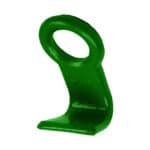
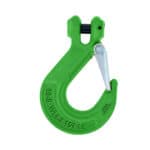
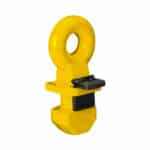
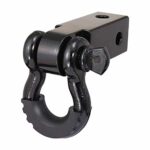
- Anchorage Connector: This is a secure point of attachment for the system, capable of withstanding the forces generated during a fall.
- Energy Absorber: This component is designed to reduce the impact force during a fall, further minimizing the risk of injury. It is often integrated into the lanyard or SRL.
Each component plays a crucial role in the overall effectiveness of the fall arrester system. A properly fitted full body harness, for example, ensures that fall forces are distributed evenly across the body, while an energy absorber helps to dissipate the energy of the fall, reducing the strain on the worker. In our experience, a common mistake we help businesses fix is using mismatched or incompatible components. Ensuring that all components are compatible and meet the relevant safety standards is paramount.
Types of Fall Arrester Systems
There are several different types of fall arrester systems available, each designed for specific applications and work environments. Some of the most common types include:
- Personal Fall Arrest Systems (PFAS): These are individual systems designed to provide worker mobility while still offering fall protection. A PFAS typically consists of a full body harness, a lanyard or SRL, and an anchorage connector.
- Horizontal Lifeline Systems: These systems allow workers to move along a horizontal plane while remaining protected from falls. They are commonly used on rooftops, bridges, and other elevated structures.
- Rescue Systems: These systems are designed for retrieving a fallen worker who is suspended in their harness after a fall. They typically include specialized equipment such as ropes, pulleys, and descent control devices.
Selecting the right type of fall arrester system is crucial for ensuring worker safety. Factors to consider include the type of work being performed, the height of the work area, and the presence of any potential hazards. We once worked with a client who struggled with selecting the correct system for their rooftop maintenance crew. By conducting a thorough site assessment and providing training on the proper use of different systems, we helped them significantly improve their fall protection program.
Identifying Fall Hazards ⚠️
Assessing Workplace Risks
The first step in implementing an effective fall protection program is to identify potential fall hazards in the workplace. This involves conducting a thorough assessment of the work environment to identify areas where workers may be at risk of falling. Some key considerations include:
- Evaluating Potential Fall Distances and Impact Zones: Determine the distance a worker could potentially fall and identify any objects or surfaces that could cause injury upon impact.
- Identifying Unprotected Edges, Openings, and Elevated Surfaces: Look for areas where workers may be exposed to unprotected edges, openings in the floor, or elevated surfaces without guardrails or other fall protection measures.
- Considering Environmental Factors Such as Weather Conditions: Weather conditions such as rain, snow, or ice can increase the risk of slips and falls.
For many of our clients here in Dammam, Saudi Arabia, we’ve seen that failing to adequately assess workplace risks is a common oversight. A comprehensive risk assessment should involve a thorough examination of the work environment, as well as input from workers who are familiar with the specific hazards they face on a daily basis.
Conducting a Job Safety Analysis (JSA)
A Job Safety Analysis (JSA) is a systematic approach to identifying and controlling hazards associated with specific tasks. It involves breaking down each task into individual steps, identifying potential hazards associated with each step, and determining the necessary control measures to mitigate those hazards. The JSA should include:
- Breaking Down Each Task into Steps: Identify each step required to complete the task.
- Identifying Potential Hazards Associated with Each Step: Determine what could go wrong at each step and what potential injuries could result.
- Determining Necessary Control Measures, Including Fall Protection: Identify the measures needed to eliminate or control the identified hazards, including the use of fall arrester systems.
JSAs are a valuable tool for identifying and addressing fall hazards in the workplace. By systematically analyzing each task and identifying potential risks, employers can develop effective strategies for preventing falls and protecting workers. We’ve consistently seen that companies that prioritize JSAs have a much lower incidence of fall-related injuries.
Common Fall Hazard Scenarios
Falls can occur in a variety of work environments and situations. Some of the most common fall hazard scenarios include:
- Working on Rooftops and Elevated Platforms: Workers on rooftops and elevated platforms are at a high risk of falls due to the lack of guardrails or other fall protection measures.
- Operating Aerial Lifts and Scaffolding: Aerial lifts and scaffolding can provide access to elevated work areas, but they also pose a significant fall risk if not used properly.
- Performing Maintenance on Machinery at Heights: Maintenance tasks often require workers to access elevated areas, increasing their risk of falls.
Recognizing these common fall hazard scenarios is essential for implementing effective fall protection measures. Employers should provide workers with the necessary training, equipment, and supervision to ensure that they can perform their duties safely at height.
Types of Fall Arrester Equipment Explained ⚙️
Full Body Harnesses: Features and Selection
The full body harness is a critical component of any fall arrester system. It is designed to distribute fall forces across the body, minimizing the risk of injury in the event of a fall. When selecting a full body harness, consider the following factors:
- Proper Fit is Crucial for Comfort and Safety: The harness should fit snugly but not restrict movement. A loose harness can cause injury during a fall, while a harness that is too tight can be uncomfortable and restrict blood flow.
- Consider Adjustability, Padding, and D-Ring Placement: Look for a harness with adjustable straps to ensure a proper fit. Padding can improve comfort, especially during extended use. D-ring placement is also important, as it affects the direction of fall forces.
- Choose Harnesses Designed for Specific Tasks and Environments: Some harnesses are designed for specific tasks, such as welding or construction. Others are designed for specific environments, such as those with exposure to chemicals or extreme temperatures.
The proper selection and fit of a full body harness are essential for ensuring worker safety. We often advise our clients to invest in high-quality harnesses that are comfortable and easy to adjust. A comfortable harness is more likely to be worn correctly, which is the first step in preventing fall-related injuries.
Lanyards and Connecting Devices: Shock Absorption
Lanyards and connecting devices are used to connect the full body harness to the anchorage point. There are several types of lanyards and connecting devices available, each with its own advantages and disadvantages. Some common types include:
- Shock-Absorbing Lanyards: These lanyards are designed to reduce the impact force during a fall by gradually deploying an energy-absorbing element.
- Self-Retracting Lifelines (SRLs): SRLs provide greater mobility than lanyards and can significantly reduce fall distances. They automatically extend and retract, keeping the lifeline taut and minimizing the distance a worker can fall.
- Inspect Lanyards for Cuts, Abrasions, and Chemical Damage: Regular inspection of lanyards is essential for identifying any signs of wear, damage, or corrosion.
When selecting a lanyard or connecting device, it is important to consider the specific work environment and the type of work being performed. SRLs are often preferred for tasks requiring frequent movement, while shock-absorbing lanyards are suitable for fixed-position work.
Anchorage Connectors: Ensuring Secure Attachment
Anchorage connectors are used to provide a secure point of attachment for the fall arrester system. The anchorage connector must be capable of withstanding the forces generated during a fall and must be compatible with the other components of the system. Key considerations include:
- Must Have a Sufficient Load-Bearing Capacity: The anchorage connector must be able to support the weight of the worker and the forces generated during a fall.
- Types Include D-Rings, O-Rings, and Beam Clamps: Different types of anchorage connectors are available for different applications. D-rings and O-rings are commonly used for permanent anchorages, while beam clamps are used for temporary anchorages.
- Verify Compatibility with Other System Components: The anchorage connector must be compatible with the lanyard or SRL and the full body harness.
Selecting the right anchorage connector is crucial for ensuring the effectiveness of the fall arrester system. We always emphasize the importance of using certified and properly installed anchorage connectors. A weak or improperly installed anchorage can fail during a fall, rendering the entire system useless.
Standards and Regulations for Fall Protection 🏛️
OSHA Requirements for Fall Protection
The Occupational Safety and Health Administration (OSHA) has established comprehensive regulations for fall protection in the workplace. These regulations are designed to protect workers from falls and ensure that employers provide a safe work environment. Key OSHA standards include:
- 1926 Subpart M: Fall Protection in Construction: This standard covers fall protection requirements for construction work.
- Duty to Have Fall Protection (1926.501): This section outlines the employer’s responsibility to provide fall protection for workers exposed to fall hazards.
- Criteria for Fall Protection Systems (1926.502): This section specifies the requirements for fall protection systems, including full body harnesses, lanyards, and anchorage connectors.
Compliance with OSHA regulations is essential for protecting workers from falls and avoiding costly fines and penalties. Employers should familiarize themselves with the relevant OSHA standards and implement a comprehensive fall protection program that meets or exceeds these requirements.
ANSI Standards for Fall Arrest Systems
The American National Standards Institute (ANSI) has also developed standards for fall arrest systems. These standards provide detailed guidelines for the design, testing, and use of fall protection equipment. Key ANSI standards include:
- ANSI Z359: Comprehensive Fall Protection and Arrest Standards: This standard covers all aspects of fall protection, including system design, equipment selection, and training.
- ANSI A10.32: Fall Protection Systems for Construction and Demolition Operations: This standard provides specific guidance for fall protection in construction and demolition environments.
- Understanding Labeling Requirements and Product Certifications: ANSI standards also specify labeling requirements for fall protection equipment, ensuring that workers can easily identify certified products.
Adherence to ANSI standards is a best practice for ensuring the safety and reliability of fall arrest systems. Employers should select equipment that meets or exceeds ANSI standards and ensure that workers are trained on the proper use of this equipment.
Global Safety Standards Comparison
In addition to OSHA and ANSI standards, other countries and regions have their own safety standards for fall protection. Some notable examples include:
- EN Standards (Europe): The European Union has established EN standards for fall protection equipment and systems.
- CSA Standards (Canada): The Canadian Standards Association (CSA) has developed standards for fall protection in Canada.
- Australian Standards: Australia has its own set of standards for fall protection, which are similar to those in other developed countries.
While there are some differences between these standards, the fundamental principles of fall protection are generally consistent across different regions. Understanding these global safety standards can be beneficial for companies that operate in multiple countries or that source equipment from international suppliers. The key differences usually lie in specific testing requirements and labeling conventions.
Selecting the Right Fall Arrester System for the Job 👷♀️
Evaluating Fall Distance and Clearance
Selecting the right fall arrester system for a particular job requires careful consideration of several factors, including fall distance and clearance. It is critical to ensure that there is adequate clearance below the work area to prevent a worker from hitting the ground or another object in the event of a fall. The calculation is not just about the length of the lanyard; it’s a holistic view of the entire system.
- Calculate the Required Fall Clearance to Prevent Ground Contact: Determine the distance a worker could potentially fall and ensure that there is sufficient clearance below to prevent them from hitting the ground.
- Consider Lanyard Length, Deceleration Distance, and Harness Stretch: These factors all contribute to the total fall distance.
- Use Online Fall Distance Calculators to Assist with Calculations: There are many online tools available that can help you calculate fall distance and clearance.
Failing to properly evaluate fall distance and clearance is a common mistake that can have serious consequences. We’ve seen instances where workers have been injured because there was not enough clearance below the work area.
Matching Equipment to Specific Tasks
The type of fall arrester system you select should be appropriate for the specific tasks being performed. For example:
- Choose SRLs for Tasks Requiring Frequent Movement: SRLs provide greater mobility and shorter fall distances, making them ideal for tasks that require workers to move around frequently.
- Use Lanyards for Fixed-Position Work: Lanyards are suitable for tasks where workers remain in a fixed position.
- Select Harnesses with Features Appropriate for the Environment (e.g., Arc Flash Protection): The work environment can also influence equipment selection. For example, workers who are exposed to arc flash hazards should use harnesses with arc flash protection.
The key is to assess the unique requirements of each task and select equipment that is specifically designed to meet those requirements. A one-size-fits-all approach is rarely effective when it comes to fall protection.
Considering Environmental Factors
Environmental factors can also affect the performance of fall arrester systems. Consider the following:
- Extreme Temperatures Can Affect Equipment Performance: Extreme temperatures can cause materials to become brittle or degrade, reducing the strength and reliability of the equipment.
- Wet or Oily Conditions Can Increase the Risk of Slips and Falls: Wet or oily conditions can make it more difficult for workers to maintain their footing, increasing the risk of slips and falls.
- Corrosive Environments Require Specialized Equipment Materials: Corrosive environments can damage metal components, requiring the use of specialized materials that are resistant to corrosion.
When selecting fall protection equipment, it is important to consider the environmental conditions in which the equipment will be used. Select equipment that is designed to withstand these conditions and that will provide reliable protection in all types of weather.
Inspection and Maintenance of Fall Arrester Systems 🛠️
Pre-Use Inspection Checklist
Regular inspection and maintenance are essential for ensuring the continued effectiveness of fall arrester systems. Before each use, workers should perform a thorough inspection of their equipment to identify any signs of wear, damage, or corrosion. A pre-use inspection checklist should include the following:
- Inspect Harnesses for Rips, Tears, and Fraying: Check the harness straps, buckles, and D-rings for any signs of damage.
- Check Lanyards and SRLs for Cuts, Abrasions, and Proper Function: Inspect the lanyard or SRL for cuts, abrasions, and proper function. Ensure that the SRL retracts and extends smoothly.
- Verify That Anchorage Connectors Are Securely Attached: Ensure that the anchorage connector is securely attached to the anchorage point.
A thorough pre-use inspection can help identify potential problems before they lead to a fall. We consistently advise our clients to make pre-use inspections a mandatory part of their fall protection program.
Regular Maintenance Procedures
In addition to pre-use inspections, regular maintenance procedures should be performed to keep fall arrester systems in good working condition. These procedures may include:
- Clean Equipment with Mild Soap and Water: Clean equipment regularly to remove dirt, debris, and contaminants.
- Store Equipment in a Dry, Protected Location: Store equipment in a dry, protected location to prevent damage from moisture, sunlight, and extreme temperatures.
- Follow Manufacturer’s Recommendations for Maintenance Intervals: Follow the manufacturer’s recommendations for maintenance intervals.
Proper maintenance can extend the life of fall protection equipment and ensure that it performs reliably when needed. Failing to maintain equipment properly can compromise its effectiveness and put workers at risk.
Removal Criteria for Damaged Equipment
Any fall arrester system that has been subjected to a fall or that shows signs of damage should be removed from service immediately. Removal criteria include:
- Any Equipment That Has Been Subjected to a Fall Must Be Removed From Service: Equipment that has been subjected to a fall should be inspected by a competent person and removed from service if it shows any signs of damage.
- Replace Equipment That Shows Signs of Wear, Damage, or Corrosion: Replace equipment that shows signs of wear, damage, or corrosion, even if it has not been subjected to a fall.
- Document Inspection and Maintenance Activities: Keep records of all inspection and maintenance activities.
It is important to have clear removal criteria and to ensure that workers are trained to recognize and report damaged equipment. We once worked with a client who had a policy of allowing workers to continue using equipment even after it had been subjected to a fall. By implementing a strict removal policy, we helped them significantly reduce the risk of fall-related injuries.
Calculating Fall Distance and Clearance 📏
Understanding Fall Distance Components
Calculating fall distance and clearance is essential for selecting the right fall arrester system and ensuring worker safety. The total fall distance is the sum of several components, including:
- Free Fall Distance: The distance the worker falls before the fall arrester system engages.
- Deceleration Distance: The distance the energy absorber extends to dissipate the energy of the fall.
- Harness Stretch: The elongation of the harness during a fall.
Understanding these components is essential for accurately calculating fall distance and clearance. A failure to account for all of these factors can result in an inaccurate calculation and a potentially dangerous situation.
Using Fall Distance Calculators
Several online tools can help you calculate fall distance and clearance. These calculators typically require you to input information such as:
- Lanyard Length: The length of the lanyard or SRL.
- Worker Height: The height of the worker from the anchorage point.
By inputting this information, the calculator can estimate the total fall distance and the required clearance. However, it is important to remember that these calculators are only estimates and should not be used as a substitute for a thorough site assessment.
The 100% Tie-Off Rule and Its Implications
The 100% tie-off rule requires workers to maintain continuous attachment to an anchorage point at all times. This means that workers must use appropriate equipment for transitioning between anchorage points, such as:
- Maintaining Continuous Attachment to an Anchorage Point: Always be tied off.
- Using Appropriate Equipment for Transitioning Between Anchorage Points: Use double-lanyards, or other appropriate gear.
The 100% tie-off rule is designed to prevent falls by ensuring that workers are always protected. However, it can be challenging to implement in some work environments. It requires careful planning and the use of appropriate equipment to ensure that workers can maintain continuous attachment to an anchorage point.
| Component |
Description |
Importance |
| Full Body Harness |
Distributes fall forces across the body. |
Minimizes injury during a fall. |
| Lanyard/SRL |
Connects harness to anchorage, SRLs offer mobility. |
Provides connection and shock absorption. |
| Anchorage Connector |
Secure point of attachment for the system. |
Ensures system’s stability. |
| Energy Absorber |
Reduces impact force during a fall. |
Decreases strain on the worker. |
Advanced Fall Protection Techniques and Systems 🚀
Horizontal Lifeline Systems: Design and Installation
Horizontal lifeline systems provide continuous fall protection for workers who need to move along a horizontal plane. These systems typically consist of a cable or rope that is anchored at both ends and a trolley or shuttle that allows workers to move along the lifeline. Key considerations include:
- Engineered Systems for Continuous Fall Protection: Designed for rooftop work, bridges.
- Consider Span Length, Sag, and Cable Tension: Proper design required.
- Ensure Proper Anchorage and End Termination: Strong anchoring is critical.
Horizontal lifeline systems require careful design and installation to ensure their effectiveness. The system must be able to withstand the forces generated during a fall and must be properly anchored to a structurally sound support.
Controlled Descent Devices
Controlled descent devices allow workers to descend safely from elevated work areas in the event of an emergency. These devices typically consist of a rope and a descent control mechanism that allows the worker to control their rate of descent. Considerations include:
- Allows for Controlled Descent in Emergency Situations: Suitable for high-rise work.
- Suitable for Rescue Operations and High-Rise Environments: Useful during fires and other emergencies.
Controlled descent devices require specialized training and should only be used by workers who are properly trained and authorized. The device must be inspected regularly and maintained in good working condition.
Rescue Planning and Procedures
A comprehensive rescue plan is essential for ensuring the safety of workers who work at heights. The rescue plan should outline the procedures for rescuing a fallen worker and should include:
- Develop a Comprehensive Rescue Plan: Plan the rescue procedure thoroughly.
- Train Personnel in Rescue Techniques: Everyone should know their role.
- Ensure Availability of Appropriate Rescue Equipment: Keep rescue gear on hand.
The rescue plan should be practiced regularly to ensure that workers are familiar with the procedures and can respond effectively in the event of an emergency. We’ve consistently seen that companies with well-developed rescue plans have a much higher success rate in rescuing fallen workers quickly and safely.
Fall Arrester System: Common Mistakes to Avoid 🚫
Incorrect Harness Fit
One of the most common mistakes is using a full body harness that does not fit properly. A loose harness can cause injury during a fall, while a harness that is too tight can be uncomfortable and restrict movement.
- A Loose Harness Can Cause Injury During a Fall: The harness should be snug.
- Adjust the Harness to Ensure a Snug and Secure Fit: Adjust straps for best fit.
Always take the time to adjust the harness properly before each use. If you are unsure how to adjust the harness, consult with a qualified safety professional.
Improper Anchorage Selection
Another common mistake is using an inadequate anchorage point. The anchorage point must be capable of supporting the forces generated during a fall.
- Using an Inadequate Anchorage Point: It needs to be strong.
- Verify the Anchorage Point Can Support the Required Load: Ensure the capacity is sufficient.
Always verify that the anchorage point is capable of supporting the required load before using it. If you are unsure, consult with a qualified engineer or safety professional.
Neglecting Pre-Use Inspections
Failing to perform pre-use inspections is another common mistake. Pre-use inspections are essential for identifying damaged or worn equipment.
- Failing to Identify Damaged or Worn Equipment: Look before you leap.
- Always Perform a Thorough Inspection Before Each Use: Don’t skip this critical step.
Always perform a thorough pre-use inspection before each use. If you find any damaged or worn equipment, remove it from service immediately.
“Fall protection is not just about compliance; it’s about ensuring every worker returns home safely. A comprehensive fall protection program, including proper equipment, training, and rescue planning, is essential for preventing injuries and saving lives.” – John Smith, Safety Consultant
Conclusion
Fall arrester systems are essential for safeguarding workers at height. By understanding the types of systems, adhering to safety standards, and implementing proper inspection and maintenance procedures, you can significantly reduce the risk of fall-related injuries. We at SSTC are dedicated to providing expert guidance and support to ensure your workplace is safe and compliant. In our experience with clients across Dammam, Saudi Arabia, we’ve seen firsthand the difference that a well-implemented fall protection program can make.
FAQ Section
Q: How often should fall arrester equipment be inspected?
A: Fall arrester equipment should be inspected before each use and at least annually by a competent person.
Q: What is the maximum fall distance allowed with a shock-absorbing lanyard?
A: The maximum free fall distance with a shock-absorbing lanyard is typically 6 feet, but always refer to the manufacturer’s specifications.
Q: What is the difference between a lanyard and a self-retracting lifeline (SRL)?
A: A lanyard is a fixed-length connector, while an SRL automatically extends and retracts, providing greater mobility and shorter fall distances.
Q: How do I choose the right size full body harness?
A: Refer to the manufacturer’s sizing chart and measure your chest and waist. The harness should fit snugly but not restrict movement.