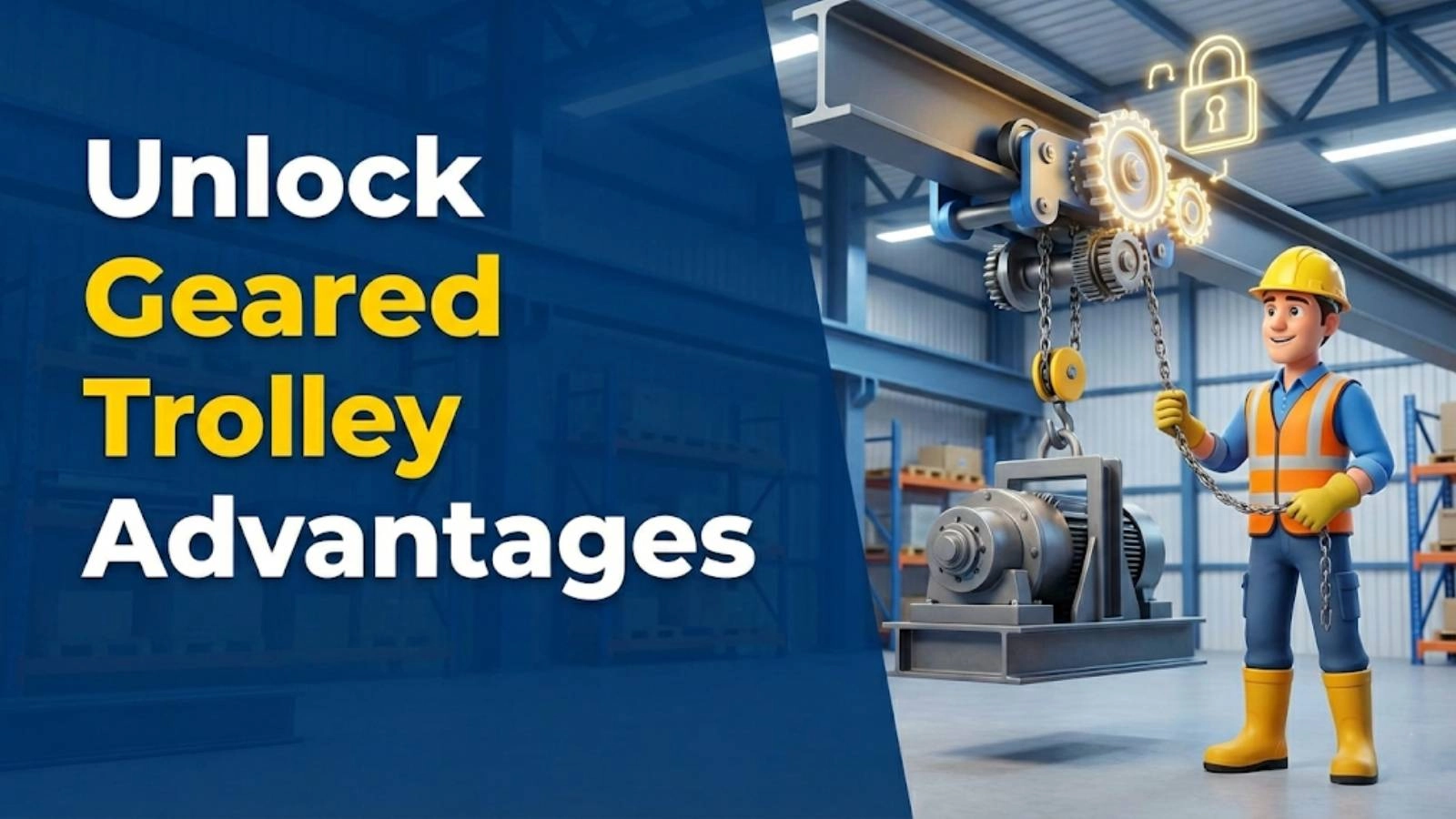
Unlocking Workshop Efficiency with Geared Trolleys
The Untapped Potential of Geared Trolleys
Many workshops operate below their potential due to inefficient material handling processes. One key area for improvement lies in the utilization of geared trolleys. A geared trolley system, when implemented correctly, can significantly boost workshop efficiency, reduce manual labor, and improve overall safety. By understanding the capabilities of geared trolleys and avoiding common mistakes, workshops can unlock new levels of productivity and streamline their operations. Safe and Secure Trading Company has seen countless workshops transformed through the strategic use of these devices.
Why Geared Trolleys are a Smart Investment
A geared trolley is an invaluable asset for any workshop that frequently handles heavy loads. It provides a safe and efficient method for moving materials horizontally along a beam, allowing for precise positioning and minimizing the risk of injury. Investing in a high-quality industrial trolley not only enhances safety but also improves workflow, leading to increased output and reduced downtime. Furthermore, the long-term cost savings associated with reduced labor and fewer accidents often outweigh the initial investment. The advantages of the hoist trolley are substantial and affect nearly every aspect of shop work.
Mistake #1: Overlooking Load Capacity
Failing to Accurately Assess Load Requirements
One of the most critical mistakes is failing to accurately assess the load requirements of the workshop. Many businesses underestimate the weight of the materials they handle or fail to account for the maximum load that the trolley will need to support. This oversight can lead to equipment failure, safety hazards, and costly repairs. It’s essential to conduct a thorough assessment of the heaviest loads that the trolley will be expected to handle and to select a model with an appropriate load capacity. When our team in Dubai tackles this issue, they often find that initial estimates are far below the actual needs.
How to Calculate the Correct Load Capacity for Your Needs
To calculate the correct load capacity, you must consider the weight of the heaviest item you plan to lift, plus the weight of any additional equipment or attachments. It’s always wise to add a safety margin of at least 20% to account for unexpected loads or variations in weight. Use the following formula: Maximum Load = (Weight of Heaviest Item + Weight of Attachments) x 1.2 (Safety Margin). Accurately measuring the weight of your typical and maximum loads is essential for safety and optimal performance.
Here is an example load capacity calculation:
| Item |
Weight (lbs) |
| Heaviest Item |
1500 |
| Attachments |
200 |
| Total Weight Before Safety Margin |
1700 |
| Safety Margin (20%) |
340 |
| Maximum Load |
2040 |
Therefore, you would need a geared trolley with a load capacity of at least 2040 lbs to safely handle the heaviest item with attachments. Always round up to the next available standard capacity to ensure a comfortable safety margin.
The Risks of Exceeding Load Limits
Exceeding the load limits of a geared trolley can have catastrophic consequences. It can lead to mechanical failure, such as broken chains or gears, resulting in dropped loads and potential injuries. Overloading also puts excessive stress on the supporting structure, increasing the risk of structural damage or collapse. Furthermore, operating a trolley beyond its rated capacity voids the warranty and can create significant legal liabilities. We once had a user who ignored the weight limits and experienced a complete collapse of the trolley system, resulting in significant damage to their workshop.
Mistake #2: Choosing the Wrong Trolley Type for the Job
Understanding Different Geared Trolley Designs
Geared trolleys come in various designs, each suited for specific applications. Some are designed for use with I-beams, while others are compatible with different types of tracks or monorails. The wheel material, such as steel or nylon, also varies depending on the application and the type of beam. Understanding the different designs and their respective strengths and limitations is crucial for selecting the right trolley for the job. A manual trolley, for example, might be suitable for lighter loads and less frequent use, while a geared trolley system offers more precise control for heavier, more demanding tasks.
Matching Trolley Type to Application (I-Beam vs. Other)
The type of beam or track in your workshop will dictate the type of geared trolley you need. I-beams are the most common type of support structure, and there are many trolleys specifically designed for use with them. However, if your workshop uses a different type of track or monorail, you’ll need to ensure that the trolley is compatible. Using the wrong type of trolley can lead to poor performance, instability, and even damage to the beam or trolley itself.
Avoiding Compatibility Issues
Compatibility issues can arise when the trolley’s flange width doesn’t match the beam’s flange width or when the trolley’s wheel profile isn’t suited for the track. Before purchasing a geared trolley, carefully measure the dimensions of your beam or track and compare them to the trolley’s specifications. Consult with a knowledgeable supplier to ensure that you’re selecting a compatible model. Ignoring these compatibility issues can lead to significant installation headaches and compromised performance.
Mistake #3: Neglecting Proper Installation
The Importance of Professional Installation vs. DIY
While it may be tempting to save money by installing a geared trolley yourself, professional installation is highly recommended, especially for heavy-duty applications. Proper installation requires specialized knowledge, tools, and experience to ensure that the trolley is securely mounted and aligned correctly. A professional installer can also identify potential safety hazards and address them before they become a problem. The small upfront cost of professional installation can save you significant time, money, and risk in the long run.
Common Installation Errors and How to Prevent Them
Common installation errors include improper tightening of bolts, misalignment of the trolley on the beam, and failure to properly secure the end stops. To prevent these errors, follow the manufacturer’s instructions carefully and use the correct tools and techniques. Double-check all connections and ensure that the trolley moves smoothly along the beam without any binding or resistance. If you’re unsure about any aspect of the installation process, seek professional assistance.
Safety Checks After Installation
After installation, it’s crucial to perform a series of safety checks to ensure that the geared trolley is operating correctly and safely. These checks should include a visual inspection of all connections, a load test to verify the trolley’s capacity, and a thorough examination of the trolley’s movement along the beam. Look for any signs of stress, wear, or misalignment. If you detect any problems, address them immediately before putting the trolley into service.
Mistake #4: Ignoring Regular Maintenance
The Role of Lubrication in Geared Trolley Performance
Regular lubrication is essential for maintaining the performance and longevity of a geared trolley. Lubrication reduces friction between moving parts, preventing wear and tear and ensuring smooth operation. Without proper lubrication, the trolley’s gears and bearings can become damaged, leading to reduced efficiency and increased risk of failure. We’ve observed that neglecting lubrication is one of the most common causes of premature trolley failure.
Inspection Schedules and What to Look For
Establish a regular inspection schedule for your geared trolley, based on the manufacturer’s recommendations and the frequency of use. During inspections, look for signs of wear, damage, or corrosion. Check the gears, bearings, wheels, and chain for any cracks, chips, or excessive play. Also, inspect the trolley’s mounting hardware to ensure that it’s securely fastened. Document all inspections and repairs to track the trolley’s maintenance history.
Replacing Worn Parts Before They Fail
Replacing worn parts before they fail is a proactive maintenance strategy that can prevent costly breakdowns and safety hazards. If you identify any worn or damaged parts during inspections, replace them immediately. Use only genuine replacement parts that meet the manufacturer’s specifications. Ignoring worn parts can lead to a cascade of failures, resulting in significant downtime and repair costs.
Mistake #5: Improper Operation and Training
Ensuring Operators Understand Safe Lifting Practices
Proper operation of a geared trolley requires training and understanding of safe lifting practices. Operators should be trained on the trolley’s controls, load limits, and potential hazards. They should also be familiar with proper lifting techniques, such as keeping the load balanced and avoiding sudden movements. Providing regular refresher training can help reinforce safe practices and prevent accidents.
Common Operational Errors to Avoid
Common operational errors include overloading the trolley, lifting unbalanced loads, and using the trolley for purposes it wasn’t designed for. Overloading, as mentioned earlier, can lead to mechanical failure and safety hazards. Lifting unbalanced loads can cause the trolley to tip or swing, potentially dropping the load. Using the trolley for unintended purposes, such as pulling or dragging objects, can damage the equipment and create unsafe conditions.
The Benefits of Refresher Training
Refresher training is essential for keeping operators up-to-date on the latest safety procedures and best practices. It can also help reinforce good habits and correct any bad habits that may have developed over time. Refresher training should be conducted at least annually or whenever there are changes to the trolley’s operation or the workshop environment. Investing in operator training is a worthwhile investment that can pay dividends in terms of safety, productivity, and reduced downtime.
Mistake #6: Poor Workshop Layout and Workflow
Optimizing Trolley Placement for Efficient Material Flow
The layout of your workshop can have a significant impact on the efficiency of your geared trolley system. Optimizing trolley placement for efficient material flow can minimize travel distances, reduce bottlenecks, and improve overall productivity. Consider the sequence of operations in your workshop and position the trolley to facilitate the smooth movement of materials between workstations.
Avoiding Obstructions and Hazards
Obstructions and hazards in the workshop can impede the trolley’s movement and create safety risks. Keep the trolley’s path clear of obstacles, such as equipment, materials, and personnel. Ensure that there is adequate clearance around the trolley to prevent collisions or entanglement. Clearly mark the trolley’s path and install warning signs to alert workers to potential hazards.
Integrating the Trolley System with Other Equipment
Integrating the geared trolley system with other equipment, such as overhead cranes, forklifts, and conveyors, can further enhance workshop efficiency. Coordinate the trolley’s operation with these other systems to create a seamless flow of materials throughout the workshop. For example, you could use the trolley to transfer materials from an overhead crane to a workstation or from a conveyor to a storage area.
Mistake #7: Not Considering Ergonomics
Reducing Strain on Operators with Proper Trolley Height
The height of the geared trolley can have a significant impact on the ergonomics of the workstation. If the trolley is too high or too low, it can force operators to bend, reach, or strain, increasing the risk of musculoskeletal disorders. Adjust the trolley’s height to a comfortable working level that minimizes strain on the operator’s back, shoulders, and arms.
Using Trolleys to Minimize Manual Lifting
One of the primary benefits of a geared trolley is its ability to minimize manual lifting. By using the trolley to lift and move heavy materials, you can reduce the risk of back injuries and other musculoskeletal disorders. Encourage operators to use the trolley whenever possible, even for relatively light loads. The cumulative effect of reducing manual lifting can have a significant impact on worker health and productivity.
Creating a Comfortable and Safe Working Environment
Creating a comfortable and safe working environment is essential for maximizing worker productivity and morale. Ensure that the workstation is well-lit, well-ventilated, and free from hazards. Provide operators with comfortable seating, appropriate tools, and personal protective equipment. By creating a positive working environment, you can reduce worker fatigue, improve concentration, and minimize the risk of accidents.
Mistake #8: Skimping on Quality
The Long-Term Cost of Cheap Trolleys
While it may be tempting to save money by purchasing a cheap geared trolley, the long-term cost of doing so can be significant. Cheap trolleys are often made from inferior materials and are not built to withstand the rigors of daily use. They are more likely to break down, require frequent repairs, and have a shorter lifespan. In the long run, investing in a high-quality trolley will save you money and reduce downtime.
Investing in Durable, Reliable Equipment
Investing in durable, reliable equipment is a key factor in maximizing workshop efficiency. Choose a geared trolley that is made from high-quality materials and is designed for the specific demands of your workshop. Look for features such as sealed bearings, hardened gears, and a robust frame. A well-built trolley will provide years of reliable service and minimize the risk of breakdowns.
Checking for Certifications and Standards
Before purchasing a geared trolley, check for certifications and standards that demonstrate its quality and safety. Look for certifications from reputable organizations such as ANSI, ASME, or CE. These certifications indicate that the trolley has been tested and meets specific performance and safety requirements. Choosing a certified trolley provides assurance that you’re investing in a safe and reliable product.
Mistake #9: Failing to Document Procedures
Why Written Procedures Are Essential
Written procedures are essential for ensuring consistent and safe operation of a geared trolley. They provide a clear and concise guide for operators to follow, reducing the risk of errors and accidents. Written procedures also serve as a valuable training tool for new employees and can help reinforce safe practices among experienced workers.
Creating a Trolley Operation and Maintenance Manual
Create a comprehensive trolley operation and maintenance manual that covers all aspects of the trolley’s use and care. The manual should include detailed instructions on how to operate the trolley safely, how to perform routine inspections, and how to troubleshoot common problems. It should also include a schedule for preventive maintenance tasks, such as lubrication and parts replacement.
Ensuring Accessibility and Compliance
Ensure that the trolley operation and maintenance manual is easily accessible to all operators and maintenance personnel. Keep the manual in a central location, such as a tool room or supervisor’s office. Regularly review the manual to ensure that it is up-to-date and reflects any changes to the trolley’s operation or the workshop environment. Compliance with the manual’s procedures is essential for maintaining a safe and efficient workshop.
“Proper training and adherence to documented procedures are paramount to ensure the safe and efficient operation of geared trolleys. A well-trained operator is less likely to make mistakes that could lead to accidents or equipment damage.” – John Smith, Lead Safety Inspector
Troubleshooting Common Geared Trolley Problems
Identifying and Resolving Common Issues
Common geared trolley problems include difficulty moving along the beam, excessive noise, and jerky movements. Difficulty moving along the beam can be caused by misalignment, excessive friction, or obstructions. Excessive noise can indicate worn bearings or gears. Jerky movements can be caused by loose connections or damaged parts. Identifying the root cause of the problem is essential for resolving it effectively.
When to Call a Professional Repair Service
While some geared trolley problems can be resolved with simple troubleshooting, others require the expertise of a professional repair service. If you’re unable to diagnose the problem or if the repair requires specialized tools or knowledge, it’s best to call a qualified technician. Attempting to repair the trolley yourself without the proper training can be dangerous and may void the warranty.
Preventative Measures for Long-Term Reliability
Preventative measures are essential for ensuring the long-term reliability of a geared trolley. Regular lubrication, inspections, and parts replacement can help prevent breakdowns and extend the trolley’s lifespan. Also, ensure that operators are properly trained and follow safe operating procedures. By taking these preventative measures, you can minimize downtime and maximize the return on your investment.
Conclusion: Maximizing Geared Trolley Efficiency in Your Workshop
Recap of Key Takeaways
In summary, maximizing geared trolley efficiency requires careful attention to several key factors. These include accurately assessing load requirements, choosing the right trolley type, ensuring proper installation and maintenance, training operators on safe practices, optimizing workshop layout, considering ergonomics, investing in quality equipment, documenting procedures, and troubleshooting problems effectively. By addressing these aspects, workshops can unlock the full potential of their geared trolley systems and achieve significant improvements in productivity, safety, and overall efficiency.
The Future of Material Handling in Workshops
The future of material handling in workshops is likely to involve increased automation, integration of smart technologies, and a greater emphasis on ergonomics and safety. Geared trolleys will continue to play a vital role in this evolving landscape, providing a versatile and cost-effective solution for moving materials horizontally. As workshops become more sophisticated, the need for skilled operators and technicians who understand the principles of geared trolley operation and maintenance will only increase. We at Safe and Secure Trading Company are committed to providing our clients with the knowledge and resources they need to stay ahead of the curve.
FAQ Section
Q: How often should I lubricate my geared trolley?
A: Lubrication frequency depends on the trolley’s usage and the manufacturer’s recommendations. Generally, lubricating every month is recommended for moderate use. More frequent lubrication may be necessary in dusty or harsh environments. Consult your trolley’s manual for specific guidelines.
Q: What type of lubricant should I use for my geared trolley?
A: Use a high-quality, lithium-based grease specifically designed for industrial applications. Avoid using oil-based lubricants, as they can attract dirt and grime. Check your trolley’s manual for recommended lubricants.
Q: How do I know if my geared trolley is overloaded?
A: Signs of overloading include difficulty moving the load, excessive strain on the trolley’s components, and unusual noises. If you suspect that the trolley is overloaded, immediately stop the operation and reduce the load. Always adhere to the trolley’s rated load capacity.
Q: Can I use a geared trolley outdoors?
A: Some geared trolleys are designed for outdoor use, while others are not. Check the trolley’s specifications to determine if it is suitable for outdoor applications. If using a trolley outdoors, protect it from the elements and inspect it regularly for corrosion.
Q: How do I adjust the flange width of a geared trolley?
A: Many geared trolleys have adjustable flange widths to accommodate different beam sizes. Refer to the trolley’s manual for instructions on how to adjust the flange width. Ensure that the flange width is properly adjusted before using the trolley.
Q: What should I do if my geared trolley is making unusual noises?
A: Unusual noises can indicate a problem with the trolley’s components, such as worn bearings or gears. Inspect the trolley carefully to identify the source of the noise. If you’re unable to diagnose the problem, contact a qualified repair service.
Q: How often should I inspect my geared trolley?
A: Inspect your geared trolley regularly, based on the manufacturer’s recommendations and the frequency of use. A general recommendation is to inspect visually before each use and conduct a more thorough inspection monthly.
Q: What are the benefits of using a geared trolley system over a manual trolley?
A: A geared trolley system offers more precise control over the movement of heavy loads, making it easier to position materials accurately. They reduce the physical strain on operators compared to manual trolleys, enhancing safety and productivity, and are generally a better investment for shop safety and workshop efficiency.
Q: Where can I find replacement parts for my geared trolley?
A: Replacement parts for geared trolleys can be found through authorized dealers or online retailers. When ordering replacement parts, be sure to specify the trolley’s make, model, and serial number to ensure that you receive the correct parts.
Q: What safety certifications should I look for when purchasing a geared trolley?
A: Look for certifications from reputable organizations such as ANSI, ASME, or CE. These certifications indicate that the trolley has been tested and meets specific performance and safety requirements.
We believe that by implementing these best practices, your workshop will see a tangible boost in geared trolley efficiency, creating a safer and more productive environment.