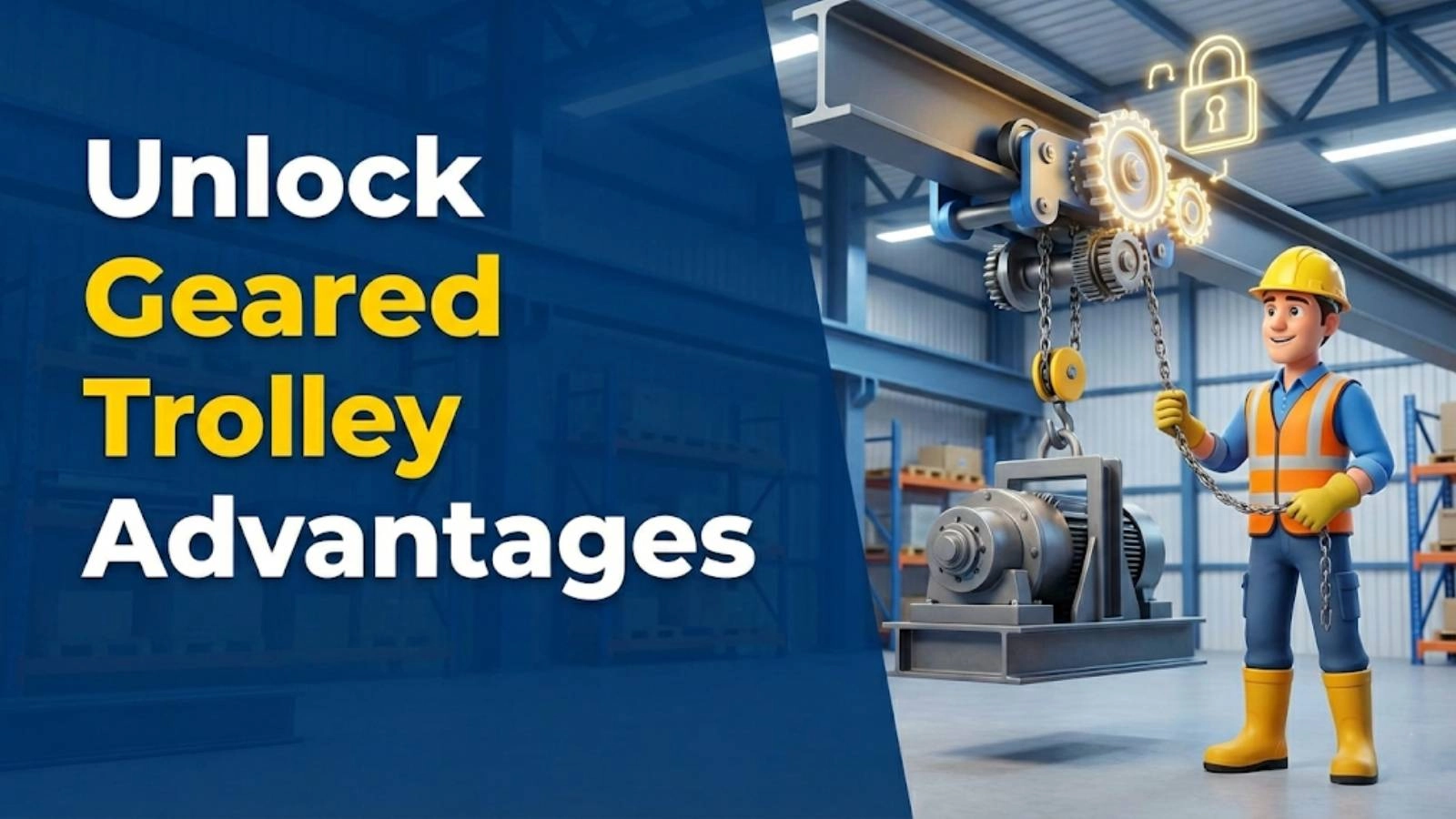
The Weight of Responsibility: A Geared Trolley’s Tale
In the bustling environment of warehouses and construction sites, the unsung heroes of heavy lifting are geared trolleys. These robust mechanisms, designed to move substantial loads along beams, are critical for efficient and safe operations. However, their effectiveness hinges on a deep understanding of geared trolley weight, capacity, and proper usage. This guide from Safe and Secure Trading Company (SSTC) will delve into the intricacies of geared trolleys, ensuring you can confidently and safely manage your lifting operations.
A Close Call: Remembering the Warehouse Incident
We once consulted on a case where a near-miss incident highlighted the importance of understanding a geared trolley’s limits. Imagine Sarah, a seasoned warehouse worker, noticing an unusual strain on a geared trolley while attempting to move a pallet of materials. Something felt off. Upon closer inspection, the load exceeded the trolley load limit. This situation, thankfully averted, underscores the necessity of knowing your equipment and adhering to safety protocols. It’s a story about preparedness, not panic. Situations like this remind us at SSTC that knowledge and diligence are the cornerstones of a safe working environment.
Why Geared Trolley Weight Matters: More Than Just Lifting
The geared trolley weight is not merely a specification on a data sheet; it’s a critical factor influencing safety, efficiency, and the longevity of your lifting equipment. A trolley’s weight rating directly correlates with its ability to handle specific loads without compromising structural integrity. Overloading a trolley can lead to catastrophic failures, endangering personnel, damaging goods, and causing significant operational downtime. Beyond safety, choosing the right capacity ensures smooth operation, reducing strain on the trolley and extending its lifespan. For instance, our team in Dubai often emphasizes matching the geared trolley capacity to the typical load weights handled in their projects to maximize efficiency and safety.
Understanding Safe Working Load (SWL)
Defining SWL: The Trolley’s Maximum Safe Lifting Capacity
Safe Working Load (SWL) is the maximum weight a geared trolley is designed to lift safely. It is typically indicated on the trolley’s data plate by the manufacturer. This value represents the load the trolley can handle without risk of failure, considering the anticipated stresses and environmental conditions. Understanding the SWL is paramount for preventing accidents and ensuring the longevity of your lifting equipment.
The Crucial Role of Safety Factors
Safety factors are multipliers applied to the theoretical maximum load a geared trolley can withstand before failure. These factors provide a margin of safety to account for variations in material strength, manufacturing tolerances, and unexpected stresses during operation. For example, a trolley might be designed to withstand five times its SWL before breaking, giving it a safety factor of 5:1. This ensures that even under slightly adverse conditions, the trolley remains safe.
Why Exceeding SWL is Never an Option
Exceeding the SWL of a geared trolley is a direct violation of safety protocols and can have severe consequences. Overloading puts undue stress on the trolley’s components, potentially leading to immediate failure or accelerated wear and tear. The risk of dropped loads, equipment damage, and worker injury increases exponentially. Always adhere strictly to the SWL to maintain a safe working environment and protect your investment.
Decoding the Trolley’s Data Plate: Your First Clue
Locating the Data Plate
The data plate is a small, often metal, tag affixed to the geared trolley. It contains crucial information about the trolley’s specifications, including its SWL, hoist trolley weight, model number, and manufacturer details. Take the time to locate and familiarize yourself with the data plate of each trolley in your inventory. It’s your primary source for understanding its capabilities and limitations.
Interpreting Weight Capacity Markings
The weight capacity, or SWL, is typically marked in a prominent and easily readable format on the data plate. It may be expressed in kilograms (kg), pounds (lbs), or metric tons (t). Ensure you understand the units being used and that they align with your lifting equipment’s measurement system. If there are multiple capacity ratings listed (e.g., for different lifting configurations), understand which one applies to your specific application.
Understanding Model Numbers and Specifications
The model number on the data plate provides a unique identifier for the geared trolley. You can use this number to access the manufacturer’s documentation, which may include detailed specifications, operating instructions, and maintenance guidelines. This information is invaluable for ensuring proper usage, troubleshooting issues, and ordering replacement parts. Also, ensure to verify the trolley safety inspection requirements with the manufacturer’s specifications.
Factors Influencing Geared Trolley Weight Capacity: A Holistic View
Several interconnected factors determine the overall geared trolley capacity. Ignoring these factors can lead to miscalculations and potentially dangerous situations. Let’s examine these factors in detail.
Material Matters: The Strength Within
Steel vs. Other Alloys: A Comparison
The choice of material significantly impacts a geared trolley‘s strength and durability. Steel is the most common material due to its high tensile strength, affordability, and availability. However, different types of steel alloys offer varying levels of strength and corrosion resistance. Aluminum alloys are lighter than steel but generally have lower strength and are more susceptible to wear. Stainless steel provides excellent corrosion resistance but can be more expensive.
The Impact of Material Grade on Capacity
Within the steel family, different grades offer varying strengths. Higher-grade steels, such as alloy steels with added elements like chromium and molybdenum, offer significantly higher yield strength and tensile strength than mild steel. This translates directly to a higher trolley load limit for a trolley of the same size and design. The material grade must be clearly identified and certified to ensure it meets the required standards for the intended lifting application.
How Material Fatigue Affects Long-Term Performance
Material fatigue is the weakening of a material due to repeated stress cycles. Over time, even loads below the SWL can cause microscopic cracks to form and propagate, eventually leading to failure. Factors like the magnitude of the stress, the frequency of load cycles, and the presence of corrosive environments can accelerate fatigue. Regular trolley maintenance, including inspections for cracks and signs of wear, is crucial for mitigating the effects of material fatigue and maintaining the trolley’s safe geared trolley capacity.
Design and Engineering: The Backbone of Strength
The Role of Trolley Design in Weight Distribution
The design of a geared trolley plays a critical role in how it distributes the load. A well-designed trolley ensures that the load is evenly distributed across all load-bearing components, minimizing stress concentrations and maximizing stability. Factors like the placement of wheels, the geometry of the trolley frame, and the design of the suspension system all contribute to effective weight distribution.
How the Number of Wheels Influences Load Bearing
The number of wheels on a geared trolley directly impacts its load-bearing capacity and stability. More wheels distribute the load over a larger area, reducing the stress on each individual wheel and the supporting beam. A trolley with four wheels generally offers greater stability and a higher load capacity than a trolley with only two wheels.
Examining the Impact of Gear Ratios
For geared trolleys, the gear ratio influences the ease with which the trolley can be moved under load. A lower gear ratio provides more mechanical advantage, making it easier to move heavy loads, but also reduces the speed of movement. The gear ratio must be carefully selected to match the typical load weights and the desired operating speed.
Environmental Conditions: The Unseen Enemy
Temperature Extremes and Their Effects on Metal
Extreme temperatures can significantly affect the mechanical properties of metals used in geared trolleys. High temperatures can reduce the yield strength and tensile strength of steel, while low temperatures can make it more brittle and susceptible to fracture. Operating a trolley outside its recommended temperature range can compromise its geared trolley capacity and increase the risk of failure.
Corrosion and Rust: A Silent Threat to Capacity
Corrosion and rust are insidious threats to the structural integrity of geared trolleys. These processes weaken the metal, reducing its cross-sectional area and its ability to withstand loads. Regular inspections for signs of corrosion, especially in humid or corrosive environments, are essential for preventing failures. Protective coatings and regular cleaning can help to minimize the effects of corrosion.
Humidity’s Impact on Trolley Integrity
High humidity accelerates the corrosion process, especially for steel components. Moisture in the air reacts with the metal surface, forming rust and weakening the material. Properly storing geared trolleys in dry environments and applying protective coatings can help to mitigate the effects of humidity.
The Human Element: Proper Use and Maintenance
While the physical characteristics of a geared trolley are important, the human element – how it’s used and maintained – is equally critical for safety and performance.
Pre-Lift Inspections: Your Daily Safety Ritual
Visual Checks for Damage and Wear
Before each lift, conduct a thorough visual inspection of the geared trolley. Look for any signs of damage, such as cracks, dents, or bent components. Check for excessive wear on wheels, gears, and suspension components. Pay particular attention to areas that are subjected to high stress or frequent contact.
Testing the Trolley’s Movement and Brakes
Before lifting a load, test the geared trolley‘s movement along the beam. Ensure that it moves smoothly and freely without any binding or jamming. If the trolley is equipped with brakes, test their functionality to ensure they can effectively hold the trolley in place under load.
Documenting Inspection Results
Maintain a log of all pre-lift inspections. Document any issues or concerns that are identified, and ensure that they are addressed before the trolley is used for lifting. This documentation provides a valuable record of the trolley’s condition and can help to identify potential problems before they lead to accidents.
Load Distribution: Balancing the Burden
Centering the Load Under the Trolley
Proper load distribution is essential for maintaining stability and preventing overloading. Always center the load directly under the geared trolley to ensure that the weight is evenly distributed across all load-bearing components.
Avoiding Uneven Weight Distribution
Uneven weight distribution can create excessive stress on one side of the geared trolley, potentially leading to tipping or failure. Ensure that the load is balanced and that there are no significant weight imbalances.
The Consequences of Improper Loading
Improper loading can have serious consequences, including dropped loads, equipment damage, and worker injury. Always follow proper loading procedures and ensure that the load is securely attached to the geared trolley before lifting.
Regular Maintenance: Keeping Your Trolley Healthy
Lubrication Schedules and Techniques
Regular lubrication is essential for keeping a geared trolley operating smoothly and efficiently. Follow the manufacturer’s recommendations for lubrication schedules and techniques. Use the appropriate type of lubricant for the specific components being lubricated.
Replacing Worn Parts Promptly
Worn parts can compromise the geared trolley‘s safety and performance. Regularly inspect all components for wear and tear, and replace worn parts promptly. Pay particular attention to wheels, gears, and bearings.
Professional Inspections and Certifications
Schedule regular professional inspections of your geared trolleys by qualified technicians. These inspections should include a thorough examination of all components, as well as load testing to verify the trolley’s geared trolley capacity. Obtain certifications to demonstrate compliance with safety standards. It’s worth noting that adherence to trolley safety inspection protocols can drastically reduce the risk of accidents.
Real-World Applications: Choosing the Right Trolley
Selecting the appropriate geared trolley for a specific task is a critical decision that impacts safety, efficiency, and cost-effectiveness.
Matching the Trolley to the Task: A Practical Guide
Assessing the Weight and Size of Typical Loads
Begin by accurately assessing the weight and size of the typical loads you will be lifting. This will help you determine the minimum required geared trolley capacity and the necessary dimensions for the trolley.
Considering the Frequency of Lifts
The frequency of lifts is another important factor to consider. If you will be using the geared trolley frequently, you will need a more robust and durable model that can withstand the demands of heavy use.
Choosing the Correct Trolley Type for the Environment
The operating environment can also influence your trolley selection. For example, if you will be using the geared trolley in a corrosive environment, you will need a model made from corrosion-resistant materials.
Case Studies: Learning from Experience
Analyzing Successful Trolley Applications
Studying successful trolley applications can provide valuable insights into best practices and effective strategies. Analyze case studies to learn how other companies have optimized their lifting operations and improved safety.
Examining Accidents Caused by Overloading
Unfortunately, accidents caused by overloading are all too common. Examining these accidents can help you understand the potential consequences of overloading and the importance of adhering to safety protocols. This is also critical in preventing trolley overload prevention.
The Importance of Risk Assessment
Conduct a thorough risk assessment before using a geared trolley for any lifting operation. Identify potential hazards and implement appropriate control measures to mitigate those risks. Risk assessment should be a continuous process, regularly reviewed and updated as conditions change.
Investing in Quality: A Long-Term Perspective
The Benefits of Buying from Reputable Manufacturers
Purchasing geared trolleys from reputable manufacturers offers several benefits. Reputable manufacturers adhere to strict quality control standards, use high-quality materials, and provide comprehensive warranties.
Understanding Warranty and Support Options
Before purchasing a geared trolley, carefully review the warranty and support options offered by the manufacturer. A good warranty provides protection against defects and premature failures. Reliable technical support can help you troubleshoot problems and obtain replacement parts quickly.
The True Cost of Cheap Equipment
While cheap equipment may seem appealing in the short term, it can often lead to higher costs in the long run. Cheap geared trolleys are often made from inferior materials and are more prone to failure. This can result in increased downtime, repair costs, and the risk of accidents. Investing in quality equipment is a smart long-term investment.
Troubleshooting and FAQs: Solving Common Issues
Even with proper use and maintenance, geared trolleys can sometimes experience problems. Here’s how to troubleshoot some common issues.
Addressing Common Trolley Problems
Trolley Jamming or Binding: Causes and Solutions
Trolley jamming or binding can be caused by several factors, including debris on the beam, damaged wheels, or misalignment of the trolley. Clean the beam thoroughly, inspect the wheels for damage, and adjust the trolley alignment as needed.
Excessive Noise: Identifying the Source
Excessive noise can indicate a problem with the geared trolley. Identify the source of the noise by carefully listening to the trolley while it is in operation. Common causes of noise include worn bearings, loose gears, or insufficient lubrication.
Wheel Wear and Replacement
Wheel wear is a common problem with geared trolleys. Regularly inspect the wheels for signs of wear, such as flat spots or cracks. Replace worn wheels promptly to prevent further damage and ensure smooth operation.
FAQs: Your Burning Questions Answered
“Can I modify my trolley to increase its capacity?”
Modifying a geared trolley to increase its geared trolley capacity is strongly discouraged and can be extremely dangerous. Modifying the trolley can compromise its structural integrity and increase the risk of failure. It also voids any warranties. Always use the trolley within its designed trolley load limit.
“How often should I inspect my trolley?”
You should perform a pre-lift inspection of your geared trolley before each use. In addition, you should schedule regular professional inspections by qualified technicians at least annually, or more frequently if the trolley is used in harsh environments or for demanding applications.
“What are the signs of trolley overload?”
Signs of trolley overload include excessive strain on the trolley components, difficulty moving the trolley, creaking or groaning noises, and visible deformation of the trolley frame or wheels. If you observe any of these signs, immediately stop the lifting operation and reduce the load to within the trolley’s rated geared trolley capacity.
The Future of Geared Trolley Safety: Innovation and Technology
The field of geared trolley technology is constantly evolving, with new innovations aimed at improving safety, efficiency, and performance.
Emerging Technologies in Lifting Equipment
Smart Trolleys with Load Monitoring
Smart trolleys are equipped with sensors that monitor the load weight in real time. These sensors can provide alerts if the load exceeds the geared trolley capacity, helping to prevent overloading.
Advanced Materials for Increased Strength
Researchers are developing new materials with higher strength-to-weight ratios, which could lead to lighter and stronger geared trolleys. These materials could also offer improved corrosion resistance and durability.
Predictive Maintenance Systems
Predictive maintenance systems use sensors and data analytics to monitor the condition of geared trolleys and predict when maintenance is needed. This can help to prevent unexpected breakdowns and extend the lifespan of the equipment.
The Importance of Continuous Improvement
Staying Up-to-Date on Safety Standards
Safety standards for geared trolleys are constantly evolving. Stay up-to-date on the latest standards and regulations to ensure that your lifting operations are compliant and safe.
Training and Education for Operators
Proper training and education are essential for safe geared trolley operation. Ensure that all operators are properly trained on the safe use of the equipment and understand the importance of following safety protocols.
Promoting a Culture of Safety in the Workplace
Promote a culture of safety in the workplace by emphasizing the importance of safety protocols, providing ongoing training, and encouraging employees to report any safety concerns. A strong safety culture can help to prevent accidents and injuries.
Conclusion: Lifting with Confidence
Understanding the geared trolley weight, capacity, and proper usage is crucial for ensuring safe and efficient lifting operations. By following the guidelines outlined in this article, you can minimize the risk of accidents, extend the lifespan of your equipment, and create a safer working environment. Remember the importance of regular inspections, proper load distribution, and adherence to safety protocols. By prioritizing safety, we empower our workforce to operate with confidence and competence.
FAQ Section
Q: What is the most common cause of geared trolley failure?
A: Overloading is the most common cause of geared trolley failure. Exceeding the trolley load limit puts undue stress on the trolley’s components, leading to immediate failure or accelerated wear and tear.
Q: How does humidity affect the lifespan of a geared trolley?
A: High humidity accelerates the corrosion process, especially for steel components. Moisture in the air reacts with the metal surface, forming rust and weakening the material, ultimately shortening the trolley maintenance cycle.
Q: Can I use a geared trolley outdoors?
A: Yes, but you need to choose a model specifically designed for outdoor use. These trolleys are typically made from corrosion-resistant materials and are designed to withstand the elements. Regular trolley safety inspection is a must.
Q: What type of lubricant should I use on my geared trolley?
A: Consult the manufacturer’s recommendations for the appropriate type of lubricant. Generally, a high-quality grease designed for heavy-duty applications is recommended.
Q: How do I know if my geared trolley is overloaded?
A: Signs of trolley overload include excessive strain on the trolley components, difficulty moving the trolley, creaking or groaning noises, and visible deformation of the trolley frame or wheels.
Q: What is the role of a safety factor in geared trolley design?
A: The safety factor is a multiplier applied to the theoretical maximum load a geared trolley can withstand before failure, providing a margin of safety to account for variations in material strength, manufacturing tolerances, and unexpected stresses during operation.
Q: How can I extend the lifespan of my geared trolley?
A: Regular trolley maintenance, including lubrication, inspections, and prompt replacement of worn parts, is essential for extending the lifespan of your geared trolley. Always operate the trolley within its rated geared trolley capacity and protect it from harsh environmental conditions. Also, understanding the crane trolley weight and how it relates to the overall system is important.
Q: What should I do if I suspect my geared trolley is damaged?
A: If you suspect that your geared trolley is damaged, immediately remove it from service and have it inspected by a qualified technician. Do not attempt to repair the trolley yourself unless you are properly trained and equipped.