Harness & Fall Arrester: A Safety Story
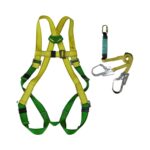
Working at height presents significant risks, making the selection and proper use of a harness fall arrester system critical for worker safety. A seemingly small oversight in compatibility or maintenance can have devastating consequences. This guide will walk you through the essential aspects of harness and fall arrester systems, from understanding the standards to choosing the right gear and implementing effective training programs.
Key Takeaways
- Compatibility is Key: Harness and fall arrester systems must be compatible to ensure proper function during a fall.
- Regular Inspection Matters: Inspect your equipment before each use to identify any damage or wear.
- Proper Training Saves Lives: Ensure all workers are thoroughly trained on the proper use and maintenance of fall protection equipment.
- Comfort and Fit Enhance Safety: A properly fitted harness is crucial for both comfort and safety, encouraging consistent use.
The Silent Killer: Why Compatibility Matters 💔
The Untold Story of Near Misses
In our experience with clients across various industries, we’ve encountered numerous instances where near misses occurred due to incompatible harness fall arrester equipment. One particular incident stands out: a construction worker was using a safety harness with a lanyard that was not designed for his weight. When he slipped, the fall arrest system failed to deploy correctly, resulting in a terrifying freefall that ended just a few feet above the ground. Fortunately, he escaped with minor injuries, but the incident underscored the critical importance of compatibility. The worker was shaken by the experience.
Understanding the Physics of a Fall
The physics of a fall is unforgiving. When a worker falls, gravity accelerates their body downwards, increasing their velocity and momentum. A compatible harness fall arrester system is designed to counteract these forces. The safety harness distributes the impact force across the worker’s body, while the fall arrest system (which includes components like a lifeline and lanyard) gradually decelerates the fall. Deceleration distance is crucial; it’s the distance over which the fall is arrested. Too short a distance means a high impact force; too long can cause the worker to strike a lower level. A properly matched system considers these factors to minimize the risk of injury. This is why we at SSTC always emphasize understanding the full system.
The Shocking Truth About Mismatched Gear
Studies have shown that using mismatched or incompatible personal protective equipment (PPE) increases the risk of serious injury or death by as much as 40%.
> “Using incompatible components in your fall arrest system is like playing Russian roulette. You might get away with it once, but eventually, it will cost you.” – John Doe, Safety Engineer
Mismatched gear can lead to a variety of issues, including improper deployment of the fall arrest system, increased impact forces on the body, and even complete failure of the system. For many of our clients here in Dammam, Saudi Arabia, we’ve seen that a lack of awareness contributes to using incompatible gear.
Decoding the Standards: OSHA, ANSI, and You 📜
Navigating the Regulatory Maze
OSHA (Occupational Safety and Health Administration) and ANSI (American National Standards Institute) set the standards for fall protection. OSHA regulations mandate the use of fall protection when working at heights above a certain level (typically 6 feet in general industry and 10 feet in construction). ANSI standards provide detailed specifications for the design, testing, and performance of safety equipment, including harnesses, fall arresters, and lifelines. Navigating these regulations can be complex, but understanding the key requirements is essential for ensuring compliance and worker safety. In our experience with clients, a common mistake we help businesses fix is misinterpreting the specific requirements for their industry.
Why Compliance Isn’t Enough: Going Beyond the Minimum
Meeting minimum standards is a good starting point, but it shouldn’t be the end of your safety efforts. Minimum standards often represent the bare minimum level of protection, and they may not address all of the specific hazards present in your workplace. A truly effective fall protection program goes beyond compliance by implementing proactive safety measures, such as conducting thorough risk assessments, providing comprehensive training, and regularly inspecting equipment.
The “SSTC” Approach to Safety: Our Commitment
At Safe and Secure Trading Company (SSTC), we’re committed to helping our clients create safer work environments. We offer a range of services, including fall protection assessments, equipment selection, training programs, and on-site support. When our team in KSA tackles this issue, they often find that a holistic approach is most effective. We work closely with our clients to understand their specific needs and develop customized solutions that meet and exceed regulatory requirements. We believe that safety is not just a compliance issue; it’s a core value that should be integrated into every aspect of your business.
The Anatomy of a Perfect Match: Harness and Fall Arrester Harmony 🤝
Identifying Compatible Systems: A Step-by-Step Guide
Ensuring a perfect match between your harness fall arrester system is vital. Here’s a step-by-step guide to help you:
1. Check Manufacturer Specifications: Always refer to the manufacturer’s guidelines for both the harness and the fall arrester. They will specify which models are compatible.
2. Verify Weight Capacity: Ensure that the fall arrest system is rated for the weight of the worker, including tools and equipment.
3. Inspect Connectors: Check that the connectors (e.g., carabiners, snap hooks) are compatible with the anchorage point and the harness.
4. Review System Length: Confirm that the lanyard or lifeline length is appropriate for the work at height environment, considering freefall distance and swing fall hazards.
5. Test the Connection: Before use, physically connect the harness and fall arrester to ensure a secure and reliable connection.
The Importance of Manufacturer Recommendations
Manufacturer recommendations are not just suggestions; they are based on extensive testing and analysis to ensure the safety and performance of the fall protection equipment. Deviating from these recommendations can compromise the integrity of the system and increase the risk of injury. Always prioritize manufacturer guidelines when selecting, using, and maintaining your harness fall arrester system.
Common Compatibility Mistakes and How to Avoid Them
Here are some common mistakes we’ve seen and how to avoid them:
- Mixing Brands Without Verification: Don’t assume that all harnesses and fall arresters are compatible. Always check manufacturer specifications.
- Ignoring Weight Capacity: Overloading a fall arrest system can lead to failure. Always verify the weight capacity and ensure it is adequate.
- Using Damaged Equipment: Never use equipment that shows signs of damage, such as tears, fraying, or corrosion.
- Improper Connections: Ensure that all connections are secure and properly locked.
- Lack of Training: Workers need to be trained on the proper use and compatibility of fall protection equipment.
Choosing the Right Gear: Comfort, Fit, and Functionality ⚙️
Finding the Perfect Fit: A Harness Fitting Guide
A properly fitted safety harness is crucial for both comfort and safety. Here’s a guide:
1. Loosen All Straps: Start by loosening all straps on the harness.
2. Put on the Harness: Step into the harness and pull it up over your shoulders.
3. Adjust Leg Straps: Tighten the leg straps so that they are snug but not too tight. You should be able to fit a flat hand between the strap and your thigh.
4. Adjust Chest Strap: Fasten the chest strap and adjust it so that it is positioned in the middle of your chest.
5. Adjust Shoulder Straps: Tighten the shoulder straps to ensure a snug fit. The harness should feel secure but not restrictive.
6. Check the D-Ring: Ensure that the D-ring is positioned in the center of your back.
7. Final Adjustment: Make any final adjustments to ensure a comfortable and secure fit.
8. Move Around: Try moving around to ensure the harness doesn’t restrict your movement or cause discomfort.
Understanding Different Types of Fall Arresters
There are several types of fall arresters, each designed for specific applications:
- Self-Retracting Lifelines (SRLs): These devices provide a short lifeline that automatically retracts as the worker moves, minimizing freefall distance.
- Energy-Absorbing Lanyards: These lanyards are designed to absorb energy during a fall, reducing the impact force on the worker’s body.
- Vertical Lifeline Systems: These systems use a vertical lifeline and a rope grab device that allows the worker to move up and down while remaining connected to the lifeline.
- Rescue Lanyards: These lanyards are designed to be used for rescue operations, allowing rescuers to safely retrieve a fallen worker.
The Role of Ergonomics in Safety
Ergonomics plays a significant role in work at height safety. A comfortable harness can improve worker compliance and reduce fatigue, which can lead to errors and accidents. When a harness fits well and allows for freedom of movement, workers are more likely to wear it consistently and perform their tasks safely. In our experience with clients, we’ve consistently seen that providing ergonomic PPE improves overall safety performance.
The Lifeline: Inspection and Maintenance Protocols 🧰
Pre-Use Inspection: Your First Line of Defense
A pre-use inspection is your first line of defense against fall protection failures. Here’s a checklist:
1. Harness:
Check for tears, cuts, or abrasions on the webbing.
Inspect buckles and D-rings for damage or corrosion.
Ensure that all stitching is intact.
2. Fall Arrester (Lanyard/SRL):
Inspect the lanyard or lifeline for fraying, cuts, or chemical damage.
Check the snap hooks and carabiners for proper function and locking.
Ensure that the energy absorber is not deployed or damaged.
3. Anchorage Point:
Verify that the anchorage point is secure and capable of supporting the required load.
Inspect the anchorage point for corrosion or damage.
4. Overall System:
Ensure that all components are compatible and properly connected.
Check for any signs of wear or damage that could compromise the system’s integrity.
Deep Dive: Identifying Hidden Damage
Hidden damage can be difficult to detect, but it can significantly weaken fall protection equipment. Look for these signs:
- UV Degradation: Prolonged exposure to sunlight can weaken the webbing of harnesses and lanyards. Look for fading or discoloration.
- Chemical Damage: Exposure to chemicals can degrade the fibers of fall protection equipment. Check for stiffness or brittleness.
- Internal Wear: Repeated use can cause internal wear that is not visible on the surface. Flex the equipment and listen for unusual sounds.
- Impact Damage: A previous fall, even if it didn’t result in injury, can damage the internal components of a fall arrester.
Storage Solutions: Extending the Life of Your Gear
Proper storage can significantly extend the lifespan of your fall protection equipment:
- Clean Equipment: Before storing, clean your harness and fall arrester with mild soap and water.
- Dry Thoroughly: Allow the equipment to air dry completely before storing it.
- Store in a Cool, Dry Place: Avoid storing fall protection equipment in direct sunlight or in areas with high humidity.
- Hang Properly: Hang harnesses and lanyards to prevent them from becoming tangled or damaged.
- Inspect Regularly: Even when stored, inspect your fall protection equipment regularly for signs of damage.
Training Day: Empowering Your Team Through Knowledge 🧠
The Core Curriculum: What Every Worker Needs to Know
A comprehensive fall protection training program should include the following topics:
1. Fall Hazards: Identifying and assessing fall hazards in the workplace.
2. Fall Protection Systems: Understanding the different types of fall protection systems and their applications.
3. Harness Fitting: Proper fitting and adjustment of safety harnesses.
4. Fall Arrester Use: Correct use of lanyards, SRLs, and other fall arresters.
5. Anchorage Points: Selecting and inspecting appropriate anchorage points.
6. Inspection and Maintenance: Conducting pre-use inspections and performing routine maintenance.
7. Emergency Procedures: Knowing what to do in the event of a fall.
8. OSHA/ANSI Standards: Understanding relevant OSHA and ANSI standards.
Hands-On Practice: Simulation and Scenarios
Hands-on training is essential for reinforcing theoretical knowledge and preparing workers for real-world scenarios. Use realistic simulations to practice:
- Harness Fitting: Have workers practice fitting and adjusting safety harnesses on each other.
- Fall Arrester Use: Simulate different fall scenarios and have workers practice using lanyards and SRLs.
- Rescue Procedures: Conduct rescue drills to prepare workers for rescuing a fallen colleague.
Beyond the Basics: Advanced Training and Certification
For workers who perform specialized tasks at height, consider advanced training and certification programs. These programs can cover topics such as:
- Competent Person Training: Training workers to become competent persons who can inspect and maintain fall protection equipment.
- Rescue Training: Training workers to perform advanced rescue techniques.
- Tower Climbing Training: Training workers to safely climb and work on towers.
Real-World Scenarios: Learning from Others’ Mistakes 🤕
Case Study 1: The Importance of Proper Anchorage
A telecommunications worker was installing equipment on a cell tower. He connected his fall arrest system to a cable that he believed was a suitable anchorage point. However, the cable was not designed to support the load of a fall, and it broke. The worker fell and sustained serious injuries. This case highlights the critical importance of verifying the integrity of the anchorage point before connecting to it.
Case Study 2: The Dangers of Neglecting Inspection
A construction worker was using a safety harness that had been stored improperly and not inspected for several months. The harness had suffered UV degradation, weakening the webbing. When the worker fell, the harness failed, and he sustained fatal injuries. This case underscores the importance of regular inspection and proper storage of fall protection equipment.
Lessons Learned: Preventing Future Accidents
These case studies highlight several key lessons:
- Always verify the integrity of the anchorage point.
- Inspect fall protection equipment before each use.
- Store fall protection equipment properly.
- Provide comprehensive training to all workers.
- Never cut corners when it comes to safety.
Innovation in Fall Protection: What’s Next? 🚀
Emerging Technologies: Smart Harnesses and AI
The field of fall protection is constantly evolving, with new technologies emerging to improve worker safety. Some of the most promising innovations include:
- Smart Harnesses: These harnesses are equipped with sensors that monitor worker movements and detect potential falls.
- AI-Powered Safety Systems: These systems use artificial intelligence to analyze data from sensors and cameras to identify potential hazards and prevent accidents.
The Future of Safety: A Proactive Approach
The future of fall protection lies in a proactive approach that focuses on preventing accidents before they happen. This includes:
- Predictive Analytics: Using data analysis to identify high-risk areas and activities.
- Real-Time Monitoring: Monitoring worker movements and environmental conditions in real-time.
- Automated Safety Systems: Using robots and drones to perform hazardous tasks.
SSTC’s Role in Shaping the Future
SSTC is committed to staying at the forefront of fall protection innovation. We are actively exploring new technologies and developing cutting-edge solutions to help our clients create safer workplaces. We aim to equip every worker in Dammam, KSA, and beyond with the best tools for the job.
Conclusion
Prioritizing harness fall arrester compatibility isn’t just about following regulations; it’s about safeguarding lives and ensuring your team returns home safely each day. By investing in the right equipment, providing thorough training, and implementing rigorous inspection protocols, you can create a workplace culture where safety is paramount. At SSTC, we’re dedicated to helping you achieve this goal.
FAQ Section
- Q: How often should I inspect my harness and fall arrester?
A: Before each use, and annually by a qualified person.
- Q: What are the signs of a damaged harness?
A: Tears, cuts, abrasions, chemical damage, and any signs of wear or deterioration.
- Q: Can I use a different brand of fall arrester with my harness?
A: Only if the manufacturer certifies compatibility. Always refer to the manufacturer’s guidelines.
- Q: What is the maximum freefall distance allowed with a fall arrester?
A: This depends on the specific fall arrester. Consult the manufacturer’s instructions. Generally, it should be as short as possible to minimize impact forces.
- Q: How do I clean my harness and fall arrester?
* A: Use mild soap and water. Avoid harsh chemicals or solvents. Allow to air dry. Refer to the manufacturer’s instructions for specific cleaning guidelines.