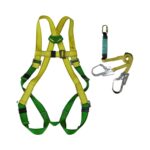
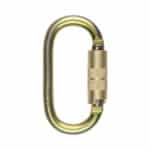
Harness & Fall Arrester: Avoid These Mistakes
Falls are a leading cause of workplace injuries, especially in industries like construction, oil and gas, and maintenance. A harness fall arrester system is designed to protect workers at height, but its effectiveness depends on proper selection, use, and maintenance. All too often, mistakes in these areas can compromise safety and lead to serious accidents. This guide from Safe and Secure Trading Company (SSTC) highlights the most common errors to avoid, ensuring a safer working environment for your team.
Key Takeaways
- Incorrect compatibility of harness and fall arresters can drastically reduce safety.
- Regular inspection and maintenance are vital to ensure the system functions correctly.
- Proper training is key to avoiding misuse and maximizing safety.
Common Mistakes in Harness Selection ⚠️
Choosing the right harness is the first critical step in ensuring fall protection. A poorly selected harness not only compromises safety but can also reduce worker comfort and efficiency. It is vital to consider the specific requirements of the job and the environment when making your selection.
Using the Wrong Size Harness
- Mistake: Selecting a harness that is too large or too small, leading to improper fit and reduced effectiveness.
- Solution: Always measure your torso and waist to ensure you select the correct harness size. Consult the manufacturer’s sizing chart. We have seen improper fitting lead to injuries, even with premium equipment. A harness that is too loose won’t properly distribute the forces during a fall, potentially causing injury. Conversely, a harness that is too tight can restrict movement and cause discomfort, leading to reduced compliance.
Neglecting Harness Material Compatibility
- Mistake: Ignoring the environment where the harness will be used. For example, using a nylon harness in a chemically corrosive environment.
- Solution: Select harnesses made from materials appropriate for the work environment (e.g., polyester for chemical resistance). Different materials offer varying levels of resistance to chemicals, abrasion, and UV exposure. Nylon, while strong, can degrade in the presence of certain chemicals. Polyester is often a better choice for environments where chemical exposure is a concern. For many of our clients here in Dammam, Saudi Arabia, we’ve seen that corrosive environments can quickly degrade the integrity of nylon harnesses.
Overlooking Harness Features
- Mistake: Not considering specific features needed for the job, such as D-rings placement or tool loops.
- Solution: Choose a harness with features tailored to your work tasks to enhance comfort and efficiency. The placement of D-rings can significantly impact the user’s comfort and mobility. Front D-rings are useful for positioning, while side D-rings are ideal for work positioning. Tool loops allow workers to keep essential tools within reach, improving productivity and reducing the need to carry heavy tool belts that can strain the back. We consistently see that considering these features leads to greater worker satisfaction and compliance.
Fall Arrester Missteps: Selection & Compatibility 🔗
The fall arrest system is the core of fall protection. Selecting the right type and ensuring its compatibility with the harness is crucial. A mismatched or poorly chosen fall arrester can negate the protective benefits of the entire system.
Mismatching Fall Arrester Type to Task
- Mistake: Using a self-retracting lifeline (SRL) when a shock-absorbing lanyard is more suitable, or vice versa.
- Solution: Choose the fall arrester based on fall distance, work environment, and mobility needs. A self-retracting lifeline (SRL) allows for greater mobility and is suitable for situations where the worker is constantly moving. A shock-absorbing lanyard is better suited for situations where the fall distance is limited. The choice depends heavily on the specific work scenario. We once worked with a client who struggled with SRL selection in low-clearance environments. By switching to shock-absorbing lanyards, they significantly improved safety and reduced the risk of swing falls.
Ignoring Weight Capacity
- Mistake: Exceeding the weight capacity of the fall arrester, including tools and equipment.
- Solution: Always check the fall arrester’s weight capacity and ensure it accommodates the worker’s weight plus tools. Exceeding the weight capacity can cause the fall arrester to fail during a fall, resulting in serious injury or death. It’s crucial to account for all equipment, including tools, clothing, and any personal protective equipment (PPE).
Compatibility Issues Between Harness and Fall Arrester
- Mistake: Assuming all harnesses and fall arresters are universally compatible.
- Solution: Verify that the harness and fall arrester are designed to work together, checking for proper connections and certifications. Not all harnesses and fall arresters are created equal. Different manufacturers may use different connection methods, and some combinations may not provide adequate protection. Always check the manufacturer’s specifications and certifications to ensure compatibility. In our experience with clients, this is one of the most frequently overlooked aspects of fall protection.
Critical Inspection Errors 🔍
Regular inspection of the harness and fall arrester is paramount to identify any signs of wear, damage, or degradation. A failure to inspect equipment can lead to unexpected failures during a fall, negating the protection the system is intended to provide.
Infrequent Inspections
- Mistake: Not inspecting the harness and fall arrester before each use.
- Solution: Implement a pre-use inspection checklist to identify any signs of damage or wear. Our experience shows that daily inspections prevent most equipment failures. Daily inspections should include checking for cuts, abrasions, chemical damage, and proper functioning of buckles and connectors.
Overlooking Subtle Damage
- Mistake: Failing to recognize subtle damage, such as frayed webbing, corrosion, or damaged stitching.
- Solution: Train workers to identify all types of damage and remove compromised equipment from service. Subtle damage can often be a sign of underlying problems that can lead to catastrophic failure. Frayed webbing can indicate excessive wear, while corrosion can weaken metal components. Damaged stitching can compromise the harness’s integrity. When our team in KSA tackles this issue, they often find that thorough training on damage recognition is the most effective solution.
Neglecting Documentation
- Mistake: Not keeping records of inspections, repairs, and replacements.
- Solution: Maintain a detailed log of all inspections and maintenance activities. Documentation provides a valuable record of the equipment’s history, helping to identify trends and potential problems. It also ensures compliance with regulatory requirements, such as those set by OSHA and ANSI.
Improper Usage: Risky Behavior 🚫
Even with the right equipment and regular inspections, improper usage can render a height safety system ineffective. It is crucial to follow proper procedures and avoid risky behaviors that can compromise safety.
Incorrect Anchorage Points
- Mistake: Using unsuitable anchorage points that cannot withstand the force of a fall.
- Solution: Always use certified anchorage points that meet or exceed safety standards. An anchorage point must be able to withstand a static load of at least 5,000 pounds (22.2 kN) or meet a safety factor of at least two. Never use makeshift or unapproved anchorage points, as they may not be strong enough to withstand the force of a fall.
Allowing Excessive Free Fall
- Mistake: Allowing excessive free fall distance, increasing the risk of injury.
- Solution: Minimize free fall distance by using appropriate fall arrest equipment and positioning anchorage points correctly. Free fall distance should be minimized to reduce the impact force on the worker’s body during a fall. Using shorter lanyards or SRLs can help to reduce free fall distance. The further you fall, the more likely you are to sustain an injury, so this is extremely important.
By-passing Safety Features
- Mistake: Altering or disabling safety features on the harness or fall arrester.
- Solution: Never modify or disable safety features. Follow manufacturer’s instructions at all times. Modifying or disabling safety features can render the equipment useless and significantly increase the risk of injury or death. Always use the equipment as intended by the manufacturer.
Maintenance Neglect: Shortening Lifespan 🛠️
Proper maintenance is essential for extending the lifespan of your fall protection equipment and ensuring its continued effectiveness. Neglecting maintenance can lead to premature wear and tear, increasing the risk of equipment failure.
Improper Cleaning
- Mistake: Using harsh chemicals or improper cleaning methods that damage the harness and fall arrester.
- Solution: Clean equipment according to the manufacturer’s instructions using mild soap and water. Harsh chemicals can degrade the materials used in harnesses and fall arresters, reducing their strength and durability. Always use mild soap and water and follow the manufacturer’s instructions for cleaning.
Incorrect Storage
- Mistake: Storing equipment in damp, dirty, or chemically exposed environments.
- Solution: Store harnesses and fall arresters in a clean, dry place away from direct sunlight and chemicals. Damp, dirty, or chemically exposed environments can accelerate the degradation of fall protection equipment. Store equipment in a clean, dry place away from direct sunlight and chemicals to prolong its lifespan.
Ignoring Replacement Schedules
- Mistake: Failing to replace equipment according to the manufacturer’s recommended lifespan or after a fall event.
- Solution: Adhere to replacement schedules and replace equipment immediately after a fall. The manufacturer’s recommended lifespan is based on the expected wear and tear of the equipment under normal conditions. Replace equipment immediately after a fall, even if there are no visible signs of damage.
Training Deficiencies: Knowledge Gaps 📚
Proper training is essential for ensuring that workers understand how to select, use, inspect, and maintain their fall protection equipment. A lack of training can lead to improper usage, increasing the risk of falls and injuries.
Inadequate Training on Equipment Use
- Mistake: Providing insufficient training on the proper use, inspection, and maintenance of harnesses and fall arresters.
- Solution: Offer comprehensive training programs that cover all aspects of fall protection. Training programs should cover proper harness fitting, fall arrester selection, anchorage point selection, inspection procedures, and maintenance requirements.
Lack of Refresher Training
- Mistake: Failing to provide refresher training to reinforce knowledge and address new safety procedures.
- Solution: Conduct regular refresher training to keep workers up-to-date on best practices. Refresher training helps to reinforce knowledge and address any gaps in understanding. It also ensures that workers are aware of any new safety procedures or equipment updates.
Not Addressing Language Barriers
- Mistake: Failing to provide training materials and instruction in languages understood by all workers.
- Solution: Offer training in multiple languages to ensure everyone comprehends safety procedures. Many of our clients here in Dammam, Saudi Arabia find this especially important. Language barriers can prevent workers from fully understanding safety procedures, increasing the risk of accidents. Providing training in multiple languages ensures that everyone has access to the information they need to stay safe.
Environmental Factors: Ignoring the Surroundings 🌪️
The work environment can significantly impact the performance and lifespan of fall protection equipment. Ignoring environmental factors can lead to premature wear and tear or even equipment failure.
Extreme Temperatures
- Mistake: Using harnesses and fall arresters in extreme temperatures outside of the manufacturer’s specifications.
- Solution: Select equipment rated for the specific temperature range of the work environment. Extreme temperatures can affect the strength and flexibility of the materials used in harnesses and fall arresters. Always select equipment that is rated for the specific temperature range of the work environment.
Chemical Exposure
- Mistake: Exposing harnesses and fall arresters to chemicals that can degrade the materials.
- Solution: Use chemical-resistant equipment and protect it from exposure to harmful substances. Certain chemicals can degrade the materials used in harnesses and fall arresters, reducing their strength and durability. Use chemical-resistant equipment and protect it from exposure to harmful substances.
UV Degradation
- Mistake: Prolonged exposure to sunlight, causing UV degradation of the harness and fall arrester.
- Solution: Store equipment out of direct sunlight and inspect regularly for signs of UV damage. Ultraviolet (UV) radiation can degrade the materials used in harnesses and fall arresters, reducing their strength and durability. Store equipment out of direct sunlight and inspect regularly for signs of UV damage, such as fading or cracking.
Ignoring Manufacturer Guidelines 📜
Manufacturers provide specific guidelines for the use, inspection, and maintenance of their equipment. Ignoring these guidelines can compromise safety and void warranties.
Not Reading the Manual
- Mistake: Failing to read and understand the manufacturer’s instructions for use, inspection, and maintenance.
- Solution: Always read the manufacturer’s manual before using any PPE inspection equipment. The manufacturer’s manual contains important information about the proper use, inspection, and maintenance of the equipment. Always read and understand the manual before using any fall protection equipment.
Deviating from Recommendations
- Mistake: Deviating from the manufacturer’s recommendations for compatibility, usage, and maintenance.
- Solution: Follow the manufacturer’s recommendations precisely to ensure safety and performance. We once worked with a client who ignored weight limits, leading to equipment failure. Deviating from the manufacturer’s recommendations can compromise safety and void warranties. Always follow the manufacturer’s recommendations precisely to ensure safety and performance.
Not Staying Updated
- Mistake: Not staying informed about updates or recalls issued by the manufacturer.
- Solution: Register equipment with the manufacturer to receive updates and recall notices. Manufacturers may issue updates or recalls for their equipment due to safety concerns. Register your equipment with the manufacturer to receive these notifications and ensure that your equipment is always up-to-date.
| Mistake |
Solution |
| Using the Wrong Size Harness |
Measure your torso and waist; consult sizing charts. |
| Neglecting Harness Material Compatibility |
Select materials appropriate for the work environment. |
| Overlooking Harness Features |
Choose a harness with features tailored to your work. |
| Mismatching Fall Arrester Type to Task |
Choose based on fall distance and mobility needs. |
| Ignoring Weight Capacity |
Check weight capacity, including tools and equipment. |
| Compatibility Issues |
Verify that the harness and fall arrester are compatible. |
| Infrequent Inspections |
Implement a pre-use inspection checklist. |
| Overlooking Subtle Damage |
Train workers to identify all types of damage. |
| Neglecting Documentation |
Maintain a detailed log of inspections and maintenance. |
| Incorrect Anchorage Points |
Use certified anchorage points meeting safety standards. |
| Allowing Excessive Free Fall |
Minimize free fall distance. |
| By-passing Safety Features |
Never modify or disable safety features. |
| Improper Cleaning |
Clean with mild soap and water per manufacturer’s instructions. |
| Incorrect Storage |
Store in a clean, dry place away from sunlight and chemicals. |
| Ignoring Replacement Schedules |
Adhere to replacement schedules; replace after a fall. |
| Inadequate Training |
Offer comprehensive training programs. |
| Lack of Refresher Training |
Conduct regular refresher training. |
| Not Addressing Language Barriers |
Offer training in multiple languages. |
| Extreme Temperatures |
Select equipment rated for the temperature range. |
| Chemical Exposure |
Use chemical-resistant equipment. |
| UV Degradation |
Store equipment out of direct sunlight. |
| Not Reading the Manual |
Always read the manufacturer’s manual. |
| Deviating from Recommendations |
Follow manufacturer’s recommendations precisely. |
| Not Staying Updated |
Register equipment to receive updates and recall notices. |
“Fall protection is not just about equipment; it’s about a culture of safety and continuous improvement.” – John Smith, Lead Safety Inspector
Conclusion
Avoiding these common mistakes regarding Harness Fall Arrester systems is crucial for ensuring worker safety. By prioritizing proper selection, inspection, usage, maintenance, and training, you can significantly reduce the risk of falls and injuries. Remember that vigilance and adherence to safety standards are paramount. At SSTC, we are committed to providing top-tier fall protection solutions and expert guidance.
FAQ Section
Q: How often should I inspect my harness and fall arrester?
A: Inspect your harness and fall arrester before each use and conduct a formal inspection at least annually.
Q: What should I do if my harness or fall arrester fails inspection?
A: Remove the equipment from service immediately and replace it with a new, certified unit.
Q: Can I use any harness with any fall arrester?
A: No, always verify that the harness and fall arrester are compatible and certified to work together.
Q: How important is training for using fall protection equipment?
A: Training is absolutely essential. Workers must be trained on proper selection, inspection, use, and maintenance.
Q: What is the lifespan of a harness and fall arrester?
A: Lifespan varies depending on the manufacturer and usage conditions. Always follow the manufacturer’s recommendations for replacement, and replace equipment immediately after a fall event.