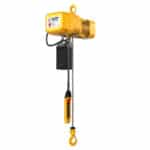
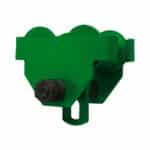
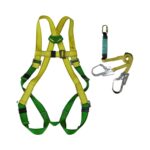
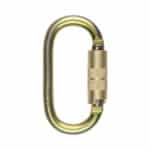
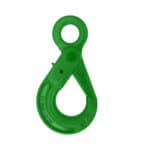
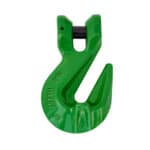
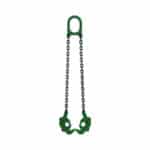
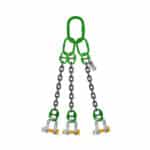
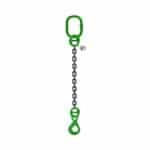
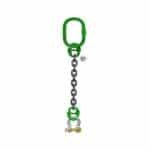
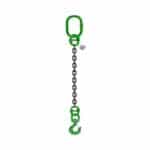
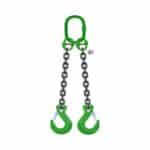
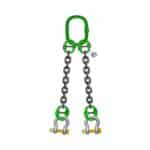
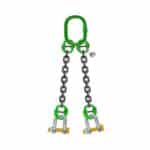
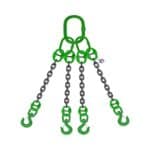
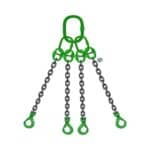
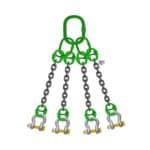
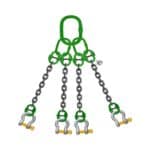
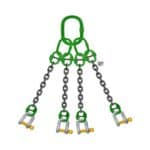
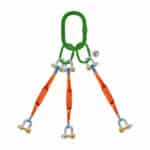
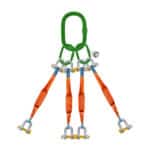
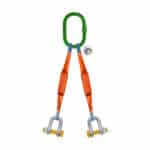
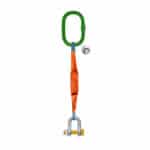
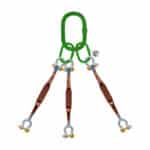
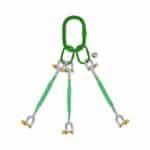
Lifting heavy materials is a critical part of many industries, and ensuring the safety of these operations is paramount. At Safe and Secure Trading Company (SSTC), we understand that lifting clamp safety is more than just a procedure; it’s a commitment to protecting your workforce and assets. This comprehensive checklist will guide you through essential practices to mitigate risks and ensure secure lifting operations.
1. Understanding Lifting Clamp Basics
💡 Before using any lifting clamp, it’s crucial to understand the fundamentals. This knowledge forms the foundation of lifting clamp safety, ensuring that you select and use the correct equipment for each task. From the various types of clamps available to understanding the critical role of the Working Load Limit (WLL), a solid grasp of these basics can significantly reduce the risk of accidents and improve overall operational efficiency.
1.1. Types of Lifting Clamps
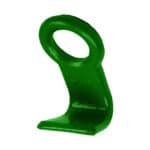
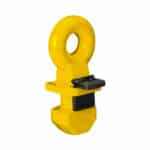
There are several types of lifting clamps, each designed for specific applications. Vertical lifting clamps are used to lift plates and other materials vertically, providing a secure grip for hoisting. Horizontal lifting clamps are ideal for lifting and transporting materials horizontally, such as steel beams. Universal lifting clamps offer versatility, capable of lifting materials in various orientations. For many of our clients here in Dammam, we’ve seen that understanding these differences leads to better equipment selection and safer operations.
- Vertical Lifting Clamps: Designed for lifting plates and structures vertically.
- Horizontal Lifting Clamps: Ideal for horizontally lifting beams and plates.
- Universal Lifting Clamps: Versatile for various lifting orientations.
1.2. Key Components of a Lifting Clamp
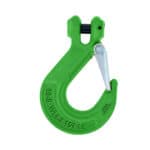
Understanding the components of a lifting clamp is essential for proper inspection and maintenance. The body provides the structural support, while the jaw grips the material being lifted. The shackle connects the clamp to the lifting mechanism, and the locking mechanism ensures a secure hold. Familiarizing yourself with these parts allows for quick identification of potential issues, enhancing lifting clamp safety and prolonging the life of the equipment.
1.3. Understanding WLL (Working Load Limit)
✅ The Working Load Limit (WLL) is the maximum weight a lifting clamp is designed to safely lift. It’s crucial to know and respect this limit to prevent overloading, which can lead to catastrophic failures. The WLL is typically marked on the clamp and should never be exceeded. A safety factor is applied to the WLL to account for dynamic loads and other variables. Overloading is a serious hazard that can result in equipment damage, injury, or even fatalities. We always emphasize to our clients that adhering to the WLL is non-negotiable for lifting clamp safety.
2. Pre-Use Inspection Checklist: Your First Line of Defense
➡️ Regular inspections are vital for maintaining lifting clamp safety. A thorough pre-use inspection can identify potential problems before they escalate into hazardous situations. This checklist covers key areas to examine, ensuring that your lifting clamps are in optimal condition for safe operation. Consistent adherence to these inspection protocols can significantly reduce the risk of accidents and prolong the lifespan of your equipment.
2.1. Visual Inspection for Damage
Before each use, visually inspect the lifting clamp for any signs of damage. Look for cracks, dents, or corrosion on the body and jaw. Check the jaw for excessive wear and tear, which can compromise its grip. Any visible damage should be addressed immediately by removing the clamp from service until it can be properly repaired or replaced. In our experience, many accidents are preventable simply through diligent visual inspections.
2.2. Ensuring Proper Functionality
Test the locking mechanism to ensure it operates smoothly and securely. The shackle should move freely without any binding or resistance. Verify that all moving parts are functioning as intended. Any malfunction should be addressed before using the clamp, as it can lead to unexpected load releases and potential accidents. For many of our clients here in Dammam, we’ve seen that this step is crucial to prevent accidents.
2.3. Checking the Nameplate and Markings
Confirm that the WLL is legible and matches the job requirements. The manufacturer’s name and model number should also be clearly visible. If the nameplate is damaged or missing, the clamp should not be used until the information can be verified. This ensures that the clamp is suitable for the intended load and application, maintaining lifting clamp safety.
2.4. Documenting Inspections
Documenting inspections is a critical step in maintaining a safe lifting environment. Records should include the date, time, location, and the inspector’s name. Documenting the inspection can help identify trends and potential problems before they escalate. This documentation provides a valuable audit trail and helps ensure accountability for lifting clamp safety.
3. Selecting the Right Clamp for the Job
💡 Choosing the correct lifting clamp for the job is essential for safety and efficiency. This involves considering the material being lifted, the load weight, the center of gravity, and the lifting angle. Proper clamp selection ensures a secure grip and prevents damage to both the load and the equipment. At SSTC, we emphasize that matching the clamp to the task is a cornerstone of lifting clamp safety.
3.1. Matching Clamp Type to Material
Ensure that the clamp is compatible with the material being lifted, whether it’s steel, aluminum, or another material. Using the wrong clamp can damage the material or compromise the clamp’s grip. Always refer to the manufacturer’s recommendations for material compatibility. This step is critical in preventing accidents and ensuring the longevity of your equipment. We always recommend checking this with our clients.
3.2. Calculating Load Weight and Center of Gravity
Accurately determine the load weight to ensure it does not exceed the clamp’s WLL. Locate the center of gravity to ensure balanced lifting and prevent tipping or instability. Use appropriate tools and methods to calculate these factors accurately. An unbalanced load can create hazardous conditions and increase the risk of accidents.
3.3. Considering Lifting Angle
The lifting angle affects the clamp’s capacity, with increasing angles reducing the WLL. Consult the manufacturer’s specifications for capacity reduction at different angles. Use a shallow lifting angle whenever possible to maximize the clamp’s lifting capacity. Understanding and accounting for the lifting angle is crucial for lifting clamp safety.
| Lifting Angle (Degrees) |
Capacity Reduction (%) |
| 0 |
0 |
| 30 |
13 |
| 45 |
29 |
| 60 |
50 |
4. Safe Lifting Procedures: A Step-by-Step Guide
➡️ Following safe lifting procedures is crucial for preventing accidents and injuries. This step-by-step guide covers proper attachment techniques, controlled lifting and lowering, and avoiding side loading. Adhering to these procedures ensures that lifting operations are conducted safely and efficiently. At SSTC, we prioritize these guidelines to promote lifting clamp safety across all our operations.
4.1. Proper Attachment Techniques
Attach the clamp to the load correctly, ensuring a secure grip. The clamp should be fully engaged and properly aligned with the lifting point. Avoid placing the clamp on damaged or weakened areas of the load. Proper attachment is essential for preventing slippage and ensuring a stable lift.
4.2. Controlled Lifting and Lowering
Lift and lower the load slowly and steadily, avoiding sudden jerks or stops. Use smooth, controlled movements to maintain stability and prevent load swing. Coordinate the lifting operation with other team members to ensure everyone is aware of the movements. This controlled approach minimizes the risk of accidents and enhances overall lifting clamp safety.
4.3. Avoiding Side Loading
Side loading occurs when the load is pulled at an angle, placing stress on the clamp and rigging. Avoid side loading by ensuring the load is lifted vertically. Use tag lines to control the load and prevent it from swinging. Side loading can significantly reduce the clamp’s capacity and increase the risk of failure. We always recommend using tag lines for load control.
5. Understanding Common Lifting Clamp Hazards
✅ Recognizing common hazards is essential for preventing accidents. Overloading, improper attachment, and environmental factors can all compromise lifting clamp safety. By understanding these risks, you can take proactive steps to mitigate them and ensure a safe working environment. At SSTC, we emphasize hazard awareness as a critical component of our safety training.
5.1. Overloading
Exceeding the WLL is a major hazard that can lead to clamp failure and serious accidents. Ensure that the load weight is accurately calculated and never exceeds the clamp’s rated capacity. Use a load monitoring system to prevent overloading. Overloading not only damages the equipment but also puts personnel at risk.
5.2. Improper Attachment
Incorrect clamp placement can result in load slippage and potential accidents. Ensure that the clamp is properly engaged and aligned with the lifting point. Avoid attaching the clamp to damaged or weakened areas of the load. Improper attachment can compromise the clamp’s grip and lead to unexpected load releases.
5.3. Environmental Factors
Weather conditions such as rain, ice, and extreme temperatures can affect clamp performance. Rain and ice can reduce friction and increase the risk of slippage. Extreme temperatures can affect the material properties of the clamp. Adjust lifting procedures accordingly to account for these environmental factors. For many of our clients here in Dammam, we’ve seen that weather can be a big factor.
6. Maintenance and Storage Best Practices
➡️ Proper maintenance and storage are crucial for prolonging the life of your lifting clamps and ensuring their continued safety. Regular cleaning, lubrication, and inspection of worn parts can prevent unexpected failures. Storing clamps in a dry, protected environment prevents corrosion and damage. Adhering to these practices ensures that your equipment is always ready for safe operation.
6.1. Regular Cleaning and Lubrication
Clean the clamp regularly to remove dirt, grease, and other contaminants. Use appropriate cleaning agents that won’t damage the clamp’s components. Lubricate moving parts to ensure smooth operation and prevent corrosion. Regular cleaning and lubrication extend the life of the clamp and maintain its performance.
6.2. Identifying and Replacing Worn Parts
Inspect the clamp for common wear items such as jaws, springs, and locking pins. Replace worn parts promptly to prevent failures during lifting operations. Use only manufacturer-approved replacement parts to ensure compatibility and performance. Replacing worn parts is essential for maintaining lifting clamp safety.
6.3. Proper Storage Procedures
Store clamps in a dry, protected environment to prevent corrosion and damage. Hang or store clamps in a way that prevents them from being damaged by other equipment. Avoid storing clamps in direct sunlight or extreme temperatures. Proper storage preserves the integrity of the clamp and ensures it is ready for use when needed.
7. Training and Competency Requirements
💡 Qualified riggers are essential for safe lifting operations. Proper training and competency assessments ensure that personnel are knowledgeable and skilled in using lifting clamps. Ongoing training and refresher courses keep riggers up-to-date on best practices and regulatory requirements. At SSTC, we believe that well-trained personnel are the key to lifting clamp safety.
7.1. Importance of Qualified Riggers
Trained and certified riggers are essential for safe lifting operations. Riggers should be knowledgeable in lifting clamp selection, inspection, and safe lifting procedures. They should also be aware of potential hazards and how to mitigate them. Qualified riggers ensure that lifting operations are conducted safely and efficiently.
7.2. Ongoing Training and Refresher Courses
Provide regular training updates to keep riggers current on best practices. Offer refresher courses to reinforce key concepts and address any knowledge gaps. Conduct competency assessments to ensure riggers maintain their skills and knowledge. Ongoing training is crucial for maintaining a high level of lifting clamp safety.
7.3. Documenting Training Records
Maintain accurate training records for all riggers. Track training dates, topics covered, and competency assessments. Use training records to identify areas where additional training may be needed. Documenting training records provides a valuable audit trail and helps ensure accountability for lifting clamp safety.
8. Regulatory Compliance and Standards
➡️ Compliance with regulatory requirements and industry standards is essential for ensuring lifting clamp safety. OSHA and ASME provide guidelines and standards for safe lifting practices. Adhering to these regulations and standards ensures that your lifting operations meet the highest safety benchmarks. At SSTC, we prioritize compliance to maintain a safe and responsible working environment.
8.1. OSHA Requirements for Lifting Clamps
OSHA regulations outline specific requirements for lifting clamp safety. These regulations cover topics such as inspection, maintenance, and training. Familiarize yourself with relevant OSHA standards to ensure compliance. Compliance with OSHA regulations is essential for preventing accidents and ensuring a safe workplace.
8.2. ASME Standards for Lifting Devices
ASME standards provide detailed specifications for lifting devices, including lifting clamps. These standards cover design, manufacturing, and testing requirements. Adhering to ASME standards ensures that your lifting clamps meet the highest quality and safety standards. ASME B30.20 is a relevant standard for below-the-hook lifting devices.
8.3. Industry Best Practices
In addition to regulatory requirements, follow industry best practices for lifting clamp safety. These practices are often developed by industry organizations and reflect the latest advancements in safety technology and procedures. Adhering to industry best practices demonstrates a commitment to safety and continuous improvement.
9. Advanced Lifting Clamp Safety Tips
💡 Implementing advanced safety measures can further enhance your lifting clamp safety program. Using load monitoring systems, implementing a color-coding system for inspections, and creating a comprehensive rigging plan are all effective strategies for preventing accidents. These advanced tips demonstrate a proactive approach to safety and a commitment to continuous improvement.
9.1. Using Load Monitoring Systems
Load monitoring systems, such as load cells, provide real-time data on the weight of the load being lifted. These systems can prevent overloading by alerting operators when the WLL is approached. Load monitoring systems enhance lifting clamp safety and prevent equipment damage. These systems are especially useful for complex or critical lifts.
9.2. Implementing a Color-Coding System for Inspections
Use a color-coding system to track inspection dates and ensure that clamps are inspected regularly. Assign a different color to each inspection period (e.g., monthly, quarterly). This system makes it easy to identify clamps that are due for inspection and helps prevent the use of unsafe equipment. A color-coding system improves inspection efficiency and enhances lifting clamp safety.
9.3. Creating a Comprehensive Rigging Plan
Develop a detailed rigging plan before each lift to ensure that all aspects of the operation are carefully considered. The plan should include information on the load weight, center of gravity, clamp selection, and lifting path. A comprehensive rigging plan minimizes the risk of accidents and ensures a safe and efficient lifting operation.
> “Regular inspection and adherence to WLL are not just best practices; they are ethical obligations to ensure the safety of everyone involved.” – John Smith, Certified Rigging Engineer
Top 3 Tips for Lifting Clamp Safety:
1. Regular Inspections: Conduct thorough pre-use inspections to identify and address potential issues before they become hazards.
2. Adhere to WLL: Never exceed the Working Load Limit (WLL) to prevent overloading and equipment failure.
3. Qualified Personnel: Ensure that only trained and certified riggers operate lifting clamps.
By following these guidelines, you can significantly reduce the risk of accidents and create a safer working environment. Lifting clamp safety is a shared responsibility, and a commitment to these practices ensures the well-being of your workforce and the integrity of your operations. Remember, safety is not just a priority; it’s a value.
Conclusion
In conclusion, adhering to this comprehensive checklist is paramount for ensuring lifting clamp safety. From understanding the basics and performing thorough inspections to selecting the right clamp and following safe lifting procedures, each step contributes to a safer working environment. By prioritizing training, regulatory compliance, and advanced safety measures, you can significantly reduce the risk of accidents and protect your workforce. At Safe and Secure Trading Company, we’re committed to providing the expertise and resources you need to maintain the highest safety standards.
FAQ Section
Q: How often should lifting clamps be inspected?
A: Lifting clamps should be inspected before each use and at regular intervals, such as monthly or quarterly, depending on the frequency of use and the severity of the operating environment.
Q: What should I do if I find a damaged lifting clamp?
A: Remove the clamp from service immediately and tag it as “out of service.” Ensure that it is properly repaired by a qualified technician or replaced with a new clamp.
Q: Can I use a lifting clamp that has a WLL lower than the load weight if I use multiple clamps?
A: No, never exceed the WLL of a single clamp. While using multiple clamps can distribute the load, each clamp must still be rated for a portion of the load weight and used within its WLL.
Q: What are the consequences of overloading a lifting clamp?
A: Overloading can lead to clamp failure, load slippage, equipment damage, injury, or even fatalities. It is crucial to always adhere to the WLL.
Q: Where can I find the WLL of a lifting clamp?
A: The WLL is typically marked on the clamp’s nameplate or body. It should be clearly visible and legible.
Q: What is the role of a qualified rigger in lifting operations?
A: A qualified rigger is responsible for selecting the appropriate lifting equipment, inspecting it for damage, and ensuring that it is used safely and correctly. They also oversee the lifting operation to prevent accidents.
Q: How can I prevent side loading of lifting clamps?
A: Use tag lines to control the load and prevent it from swinging. Ensure that the load is lifted vertically and that the clamp is properly aligned with the lifting point.
Q: What types of training should riggers receive?
A: Riggers should receive training on lifting clamp selection, inspection, safe lifting procedures, hazard awareness, and regulatory requirements. They should also undergo competency assessments to ensure they maintain their skills and knowledge.
Q: How do environmental factors affect lifting clamp safety?
A: Weather conditions such as rain, ice, and extreme temperatures can affect clamp performance. Rain and ice can reduce friction and increase the risk of slippage, while extreme temperatures can affect the material properties of the clamp.
Q: What are some advanced safety measures that can be implemented for lifting clamp operations?
A: Advanced safety measures include using load monitoring systems, implementing a color-coding system for inspections, and creating a comprehensive rigging plan. These measures can further enhance lifting clamp safety and prevent accidents.
Q: What is rigging equipment?
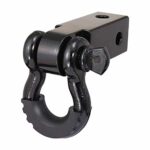
A: Rigging equipment refers to the components used to connect the load to the lifting device, including lifting clamps, slings, shackles, and hooks. Proper selection, inspection, and use of rigging equipment are essential for safe lifting operations.
Q: Why is material handling safety important?
A: Material handling safety is crucial for preventing injuries and accidents in the workplace. Safe material handling practices protect workers from strains, sprains, cuts, and other injuries that can result from improper lifting, carrying, and moving of materials.
Q: How does beam clamp safety relate to overall rigging safety?
A: Beam clamp safety is a critical aspect of overall rigging safety. Beam clamps are commonly used to attach lifting devices to overhead beams, and their proper selection, inspection, and use are essential for preventing accidents and ensuring a safe lifting operation.