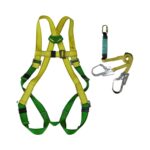
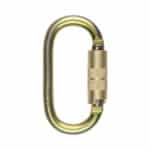
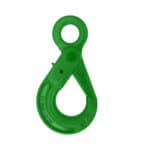
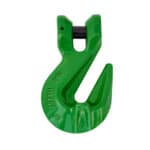
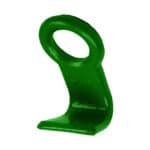
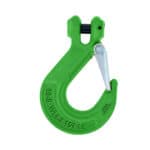
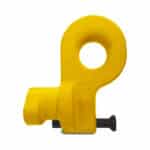
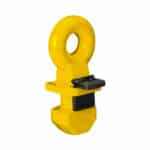
Lifting clamps are essential tools in material handling, providing a secure and efficient way to lift and move heavy objects. Understanding the different lifting clamp types and their specific applications is crucial for ensuring workplace safety and optimizing productivity. This guide, brought to you by Safe and Secure Trading Company (SSTC), will walk you through the various types of lifting clamps, their uses, and the key considerations for selecting the right clamp for your needs.
Understanding Lifting Clamps: A Beginner’s Introduction
What is a Lifting Clamp?
A lifting clamp is a mechanical device designed to securely grip and lift materials. Unlike slings or chains that wrap around an object, a lifting clamp uses a clamping force to hold the material firmly. This allows for controlled and precise lifting operations. We at SSTC define lifting clamps as the unsung heroes of material handling, offering a blend of strength, precision, and safety.
Why are they important? Because lifting clamps significantly enhance safety and efficiency in material handling. By providing a secure grip, they minimize the risk of slippage and accidents, which is why SSTC prioritizes offering only the highest-quality clamps. Correct usage of lifting clamp types not only protects workers but also speeds up operations, saving time and resources.
The basic working principle involves applying a force, often through a screw mechanism or lever, to grip the material. This force creates friction between the clamp’s jaws and the material surface, preventing movement during lifting. At our Dubai facility, we often demonstrate how this simple principle translates into remarkable lifting power.
Key Considerations Before Selecting a Lifting Clamp
Before selecting a lifting clamp, it’s essential to consider several factors to ensure safety and efficiency. Here at SSTC, we always advise our clients to thoroughly assess their specific needs before making a purchase. These considerations include the type of material being lifted, its weight, shape, and the environmental conditions of the lifting operation. The wrong clamp can lead to accidents and damage to materials, so careful selection is paramount.
What are your main 3 Key safety factors?
- Safe Working Load (SWL): The Safe Working Load (SWL) is the maximum weight a lifting clamp is designed to lift safely. Exceeding the SWL can cause the clamp to fail, leading to serious accidents. Always check the SWL rating on the clamp and ensure it meets or exceeds the weight of the load you intend to lift. SWL is often determined after meticulous testing to ensure operator safety.
- Material Type: The material being lifted—whether it’s steel, wood, or another substance—dictates the type of lifting clamp needed. Different materials have varying surface textures and require different gripping mechanisms to ensure a secure hold. For example, lifting steel plates requires a different clamp than lifting concrete pipes.
- Environmental conditions: The environment in which the lifting operation takes place can significantly affect the performance of a lifting clamp. High heat, humidity, or exposure to chemicals can degrade the clamp’s materials and reduce its SWL. At SSTC, we offer clamps designed for specific environmental conditions, ensuring long-lasting performance and safety.
Vertical Lifting Clamps: When to Use Them
When to use Vertical Lifting Clamps
Vertical lifting clamps are specifically designed for lifting steel plates and other materials in a vertical orientation. These clamps are engineered to provide a secure grip on the material as it is lifted straight up. SSTC recommends using vertical lifting clamps when you need to lift materials from a stack or transport them vertically.
Ideal applications include lifting steel plates vertically in construction, manufacturing, and shipbuilding. These clamps are perfect for situations where the load needs to be lifted directly upwards without tilting or shifting. Vertical lifting is one of the most common uses of lifting clamps.
Essential features of vertical lifting clamps include hinged pads that provide a secure grip on the material. These pads are often made of hardened steel or other durable materials that can withstand high pressure and friction. The hinged design allows the clamp to adjust to slight variations in the material’s surface, ensuring a firm hold.
Safety tips: Ensuring proper alignment before lifting is crucial for preventing accidents. Make sure the clamp is centered on the load and that the lifting shackle is aligned with the direction of the lift. A misaligned clamp can slip or cause the load to become unstable, posing a significant safety risk.
Horizontal Lifting Clamps: Applications and Benefits
When to use Horizontal Lifting Clamps
Horizontal lifting clamps are designed for lifting steel plates and other materials in a horizontal orientation. These clamps provide a secure grip when the material is lifted from the side. SSTC recommends using horizontal lifting clamps when you need to move materials lying flat or when vertical lifting is not feasible.
Ideal applications include lifting steel plates horizontally in fabrication shops, warehouses, and construction sites. These clamps are particularly useful when loading or unloading materials from trucks or when moving them across a shop floor. Horizontal lifting enables safer and more efficient material handling in specific scenarios.
Essential features: Scissor action for a tight grip is a hallmark of horizontal lifting clamps. The scissor mechanism applies a strong, even force across the material’s surface, ensuring a secure hold. This design minimizes the risk of slippage and allows for precise control during lifting.
Safety tips: Distributing the load evenly is vital when using horizontal lifting clamps. Use multiple clamps for larger plates to ensure the weight is distributed properly and to prevent bending or warping of the material. Uneven loading can compromise the clamp’s grip and lead to accidents.
Beam Clamps: Securely Attaching to Overhead Beams
When to use Beam Clamps
Beam clamps are used to create a secure lifting point on overhead beams. These clamps attach directly to the beam, providing a stable anchor for lifting equipment such as chain hoists or lever hoists. SSTC recommends using beam clamps when you need a temporary or permanent lifting point in a facility.
Ideal applications include setting up lifting points in warehouses, construction sites, and manufacturing plants. Beam clamps are particularly useful when you need to move heavy equipment or materials within a facility. They offer a flexible and reliable solution for creating lifting points where needed.
Essential features include adjustable jaws for various beam sizes. This adjustability allows the clamp to fit securely on different beam widths, providing a versatile lifting solution. The jaws are typically made of hardened steel and designed to grip the beam firmly without damaging it.
Safety tips: Verifying the beam’s load-bearing capacity is crucial before attaching a beam clamp. Ensure the beam can support the weight of the load you intend to lift. Consult with a structural engineer if you are unsure about the beam’s capacity. Overloading the beam can lead to structural failure and serious accidents.
Pipe Lifting Clamps: Handling Cylindrical Objects
When to use Pipe Lifting Clamps
Pipe lifting clamps are specifically designed for lifting pipes and tubes. These clamps feature curved jaws that fit securely around cylindrical shapes, providing a safe and efficient lifting solution. SSTC recommends using pipe lifting clamps when you need to move or position pipes in construction, plumbing, or industrial settings.
Ideal applications include lifting pipes and tubes in construction sites, water treatment plants, and oil refineries. These clamps are perfect for handling pipes of various sizes and materials. Pipe lifting requires specialized clamps to ensure stability and prevent damage.
Essential features include curved jaws to fit around cylindrical shapes. The curved design ensures a snug fit, preventing slippage during lifting. The jaws are often lined with rubber or other non-marring materials to protect the pipe’s surface.
Safety tips: Preventing slippage with textured gripping surfaces is vital for pipe lifting clamps. Ensure the clamp’s jaws have a textured surface that provides additional friction. Regularly inspect the gripping surfaces for wear and tear, and replace the clamp if necessary.
Screw Clamps: Adjustability and Versatility
When to use Screw Clamps
Screw clamps offer adjustability and versatility for temporary clamping and lifting tasks. These clamps use an adjustable screw mechanism to grip materials of varying thicknesses. SSTC recommends using screw clamps when you need a flexible clamping solution for a variety of applications.
Ideal applications include temporary clamping and lifting tasks in woodworking, metalworking, and construction. Screw clamps are particularly useful for holding materials in place while they are being cut, welded, or assembled. Temporary clamping requires versatile and adjustable tools.
Essential features include an adjustable screw mechanism for varied thicknesses. This mechanism allows you to adjust the clamp’s opening to accommodate different material thicknesses, providing a secure grip. The screw threads should be regularly inspected and lubricated to ensure smooth operation.
Safety tips: Regular inspection for wear and tear on the screw threads is crucial for screw clamps. Damaged or worn threads can compromise the clamp’s grip and lead to accidents. Replace the clamp if the screw threads show signs of significant wear or damage.
Plate Lifting Clamps: Designed for Sheet Metal
When to use Plate Lifting Clamps
Plate lifting clamps are specifically designed for lifting and moving sheet metal. These clamps feature non-marring pads that protect the material’s surface from scratches and dents. SSTC recommends using plate lifting clamps when you need to handle sheet metal without causing damage.
Ideal applications include lifting and moving sheet metal in fabrication shops, automotive plants, and appliance manufacturing. These clamps are perfect for handling delicate materials that require extra care. Plate lifting clamps minimize the risk of surface damage during material handling.
Essential features include non-marring pads to protect the material’s surface. These pads are typically made of rubber or other soft materials that cushion the material and prevent scratches. The pads should be regularly inspected and replaced when they show signs of wear.
Safety tips: Using multiple clamps for larger sheets to distribute weight is essential for plate lifting clamps. This ensures the load is evenly supported and prevents bending or warping of the material. Distributing the weight properly enhances safety and prevents damage to the sheet metal.
Understanding Clamp Specifications: Safe Working Load and Jaw Opening
What exactly are SWL and Jaw opening?
- Safe Working Load (SWL): The Safe Working Load (SWL) is the maximum weight a lifting clamp is designed to lift safely. It’s crucial to never exceed the SWL, as doing so can lead to clamp failure and potential accidents. At SSTC, we emphasize the importance of understanding and adhering to the SWL for every clamp.
SWL is determined through rigorous testing and engineering analysis, ensuring the clamp can handle the specified load under normal operating conditions. Ignoring the SWL can have catastrophic consequences, potentially resulting in injury, property damage, and project delays.
> “Always double-check the SWL and ensure it exceeds the weight of your load. It’s a simple step that can prevent serious accidents.” – John Smith, Lead Safety Inspector
- Jaw Opening: The jaw opening refers to the maximum distance between the clamp’s gripping surfaces. This specification determines the thickness of the material the clamp can securely grip. Selecting a clamp with an appropriate jaw opening is essential for ensuring a tight and safe hold. SSTC offers a wide range of clamps with varying jaw openings to accommodate different material thicknesses.
The jaw opening should be slightly larger than the material thickness to allow for easy attachment and removal. However, it shouldn’t be excessively large, as this can reduce the clamp’s gripping force and stability.
Maintaining Your Lifting Clamps: Inspection and Care
What is the maintenance protocol for lifting clamps?
- Regular Inspection Checklist: Regular inspection is essential for maintaining the safety and reliability of lifting clamps. SSTC recommends performing the following checks:
Daily Inspection: Before each use, check for any visible signs of damage, such as cracks, bends, or worn parts. Ensure all moving parts operate smoothly and that the clamp’s jaws are clean and free of debris.
Weekly Inspection: Inspect the clamp’s gripping surfaces for wear and tear. Check the screw threads for damage and ensure they are properly lubricated. Verify the SWL marking is legible.
Monthly Inspection: Perform a more thorough inspection, including a load test to verify the clamp’s capacity. Check for any signs of corrosion or rust and address them promptly.
Annual Inspection: Have the clamp inspected by a qualified professional. They can perform a comprehensive assessment and identify any potential issues that may not be visible during routine inspections.
Here’s a sample table outlining inspection specifics:
| Inspection Frequency |
Items to Check |
Action |
| Daily |
Visible damage, smooth operation |
Replace damaged parts, lubricate |
| Weekly |
Gripping surfaces, screw threads, SWL marking |
Clean, lubricate, replace if worn |
| Monthly |
Load test, corrosion |
Address issues, professional assessment |
| Annual |
Comprehensive assessment |
Professional inspection |
- Proper Storage: Proper storage is crucial for prolonging the life of lifting clamps. Store clamps in a dry, clean environment away from direct sunlight and extreme temperatures. SSTC recommends the following storage practices:
Clean the clamps after each use to remove any dirt, grease, or debris.
Apply a light coat of oil to the moving parts to prevent corrosion.
Store the clamps in a designated area where they will not be damaged or exposed to harsh conditions.
Hang the clamps or store them in a rack to prevent them from being crushed or deformed.
Common Mistakes to Avoid When Using Lifting Clamps
What common mistakes can be avoided when using lifting clamps?
- Overloading the Clamp: Overloading a lifting clamp is one of the most dangerous mistakes you can make. Exceeding the SWL can cause the clamp to fail, leading to serious accidents and injuries. At SSTC, we always emphasize the importance of adhering to the SWL and using the right clamp for the job. Always double-check the weight of the load and ensure it does not exceed the clamp’s rated capacity.
- Incorrect Clamp Selection: Choosing the wrong type of lifting clamp for the application can also lead to accidents. Different clamps are designed for specific materials and lifting orientations. Using a clamp that is not suited for the job can compromise its grip and stability. For instance, using a vertical lifting clamp for horizontal lifting can be extremely dangerous.
We once had a client who tried using a plate lifting clamp to lift a heavy pipe. The clamp slipped, causing the pipe to fall and nearly injure a worker. Selecting the right clamp is not just about lifting the load; it’s about doing it safely.
- Neglecting Inspections: Neglecting regular inspections can lead to undetected damage or wear and tear, compromising the clamp’s safety and reliability. A clamp that appears to be in good condition may have hidden defects that can cause it to fail during use. Regular inspections can help identify these issues before they lead to accidents.
Failing to inspect lifting clamp types and other rigging equipment is the equivalent of skipping maintenance on critical safety gear. Ignoring such maintenance can lead to devastating and avoidable consequences.
Resources for Further Learning
What additional resources can I explore?
- OSHA Guidelines: OSHA (Occupational Safety and Health Administration) provides comprehensive guidelines and regulations for lifting and rigging operations. These guidelines cover various aspects of lifting safety, including clamp selection, inspection, and usage. Familiarizing yourself with OSHA regulations is essential for ensuring a safe and compliant workplace.
Accessing and understanding these guidelines can significantly enhance your knowledge and practices in material handling. By adhering to these standards, companies can minimize risks and create a safer working environment.
OSHA estimates that adherence to proper lifting procedures can reduce workplace accidents by up to 25%.
- Manufacturer Manuals: Each lifting clamp comes with a manufacturer manual that provides detailed information about its specifications, usage instructions, and maintenance requirements. Reading the manual is crucial for understanding the clamp’s capabilities and limitations. The manual also provides valuable safety tips and warnings that should be followed to prevent accidents.
Manufacturer manuals are the most direct and reliable source of information for specific lifting clamp types. These manuals often include diagrams, troubleshooting tips, and detailed maintenance schedules.
Conclusion
In conclusion, understanding the different lifting clamp types, their applications, and maintenance requirements is crucial for ensuring safety and efficiency in material handling. By carefully selecting the right clamp for the job, adhering to safety guidelines, and performing regular inspections, you can minimize the risk of accidents and injuries. Safe and Secure Trading Company is committed to providing high-quality lifting clamps and expert guidance to help you achieve your material handling goals. We are here to help you lift with confidence and precision. Remember to always prioritize safety and use the right tool for the job.
FAQ Section
Q: What is the most important factor to consider when selecting a lifting clamp?
A: The Safe Working Load (SWL) is the most critical factor. Always ensure the clamp’s SWL meets or exceeds the weight of the load you intend to lift.
Q: How often should I inspect my lifting clamps?
A: Inspect your lifting clamps daily before each use for visible damage and perform more thorough inspections weekly, monthly, and annually.
Q: What should I do if I notice damage to a lifting clamp?
A: Immediately remove the clamp from service and replace it or have it repaired by a qualified professional. Never use a damaged clamp.
Q: Can I use any type of lifting clamp for any material?
A: No. Different lifting clamp types are designed for specific materials and lifting orientations. Using the wrong clamp can compromise safety.
Q: Where can I find the Safe Working Load (SWL) of a lifting clamp?
A: The SWL is typically marked on the clamp itself and can also be found in the manufacturer’s manual.
Q: What are plate lifting clamps used for?
A: Plate lifting clamps are designed for lifting and moving sheet metal and plates, often featuring non-marring pads to protect the material’s surface.
Q: How do I prevent slippage when using pipe lifting clamps?
A: Ensure the clamp’s jaws have a textured gripping surface and regularly inspect the surface for wear and tear.
Q: Why is jaw opening an important specification for lifting clamps?
A: The jaw opening determines the maximum thickness of the material the clamp can securely grip, ensuring a tight and safe hold.
Q: What is the purpose of beam clamps?
A: Beam clamps are used to create secure lifting points on overhead beams, providing a stable anchor for lifting equipment.
Q: Where can I find more information on lifting safety and regulations?
A: Consult OSHA guidelines and manufacturer manuals for detailed information on lifting safety and regulations.