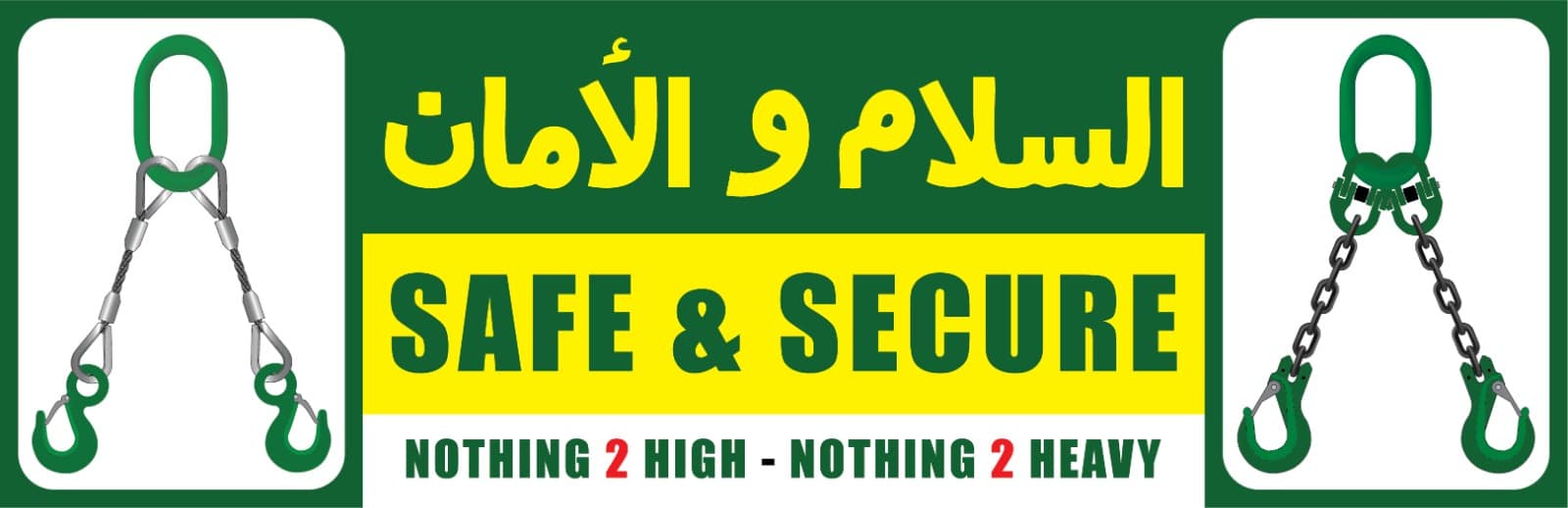
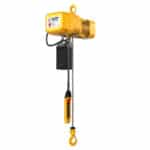
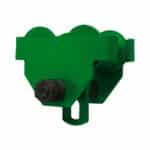
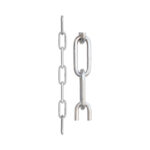
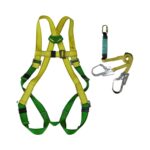
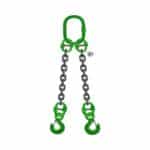
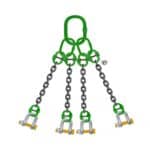
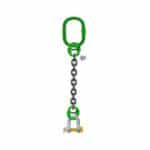
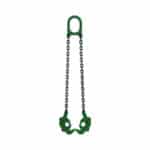
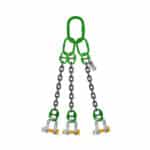
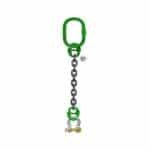
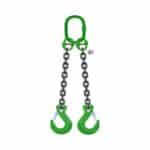
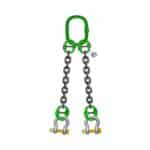
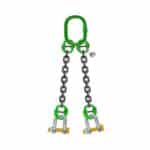
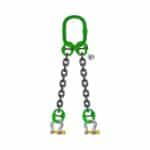
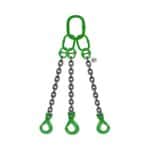
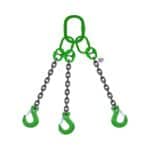
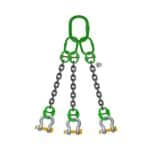
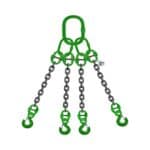
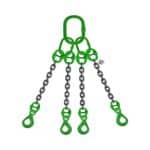
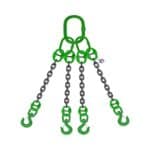
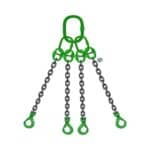
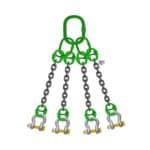
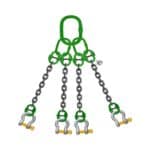
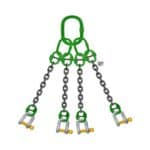
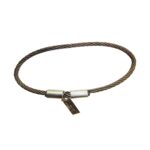
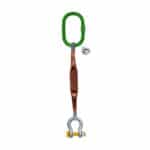
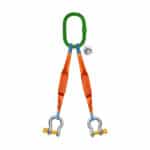
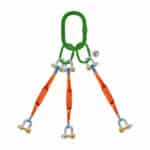
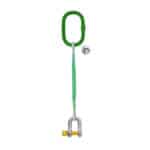
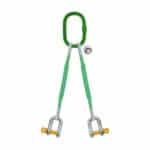
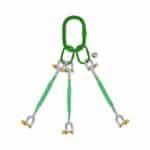
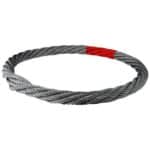
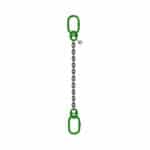
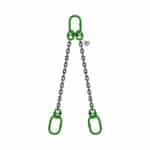
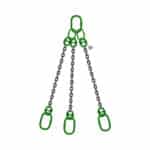
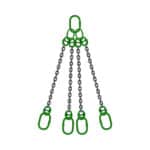
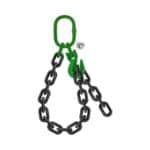
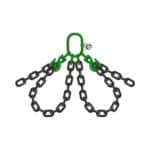
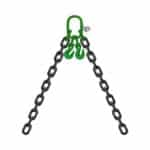
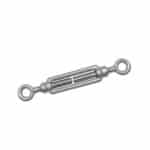
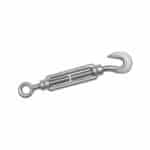
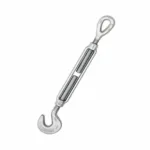
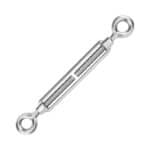
Lifting clamps slings.
Introduction: Lifting Clamps vs. Slings – A Safety-First Approach
Selecting the right lifting equipment is paramount for ensuring safety and efficiency in any material handling operation. At Safe and Secure Trading Company (SSTC), we understand the critical importance of choosing the appropriate tools for each specific lifting task. Two of the most common types of lifting devices are lifting clamps and lifting slings. This article provides a comprehensive comparison of these two options, focusing on their respective strengths, limitations, and safety considerations to help you make informed decisions for your operations.
Lifting clamps are designed to provide a secure grip on materials, making them ideal for lifting and transporting steel plates, beams, and other structural components. They utilize various gripping mechanisms to ensure a firm hold, minimizing the risk of slippage. Lifting slings, on the other hand, offer versatility and flexibility, allowing for a wide range of lifting applications. They are available in various materials, including wire rope, synthetic web, and chain, each offering unique advantages in terms of strength, durability, and load conformity. For many of our clients here in Dammam, we’ve seen that understanding the nuances of each option is key to a safe and productive work environment.
Defining Lifting Clamps: Functionality and Common Types
Lifting clamps are specialized devices designed to grip and lift materials securely. They are commonly used in construction, manufacturing, and warehousing environments to handle heavy loads with precision. The functionality of a lifting clamp relies on its ability to create a strong, non-slip connection with the material being lifted, ensuring stability and preventing accidents. We’ve found that selecting the right type of clamp is crucial for optimizing safety and efficiency.
- Vertical Lifting Clamps: Specific Applications
Vertical lifting clamps are specifically designed for lifting steel plates and other materials in a vertical orientation. These clamps use a cam or scissor action to grip the load securely. Their primary application is in lifting and transporting plates from a stack or moving them into a vertical position for fabrication. The design ensures that the lifting force is applied directly to the load, maintaining stability throughout the lift.
- Horizontal Lifting Clamps: Unique Capabilities
Horizontal lifting clamps are designed for lifting and transporting materials in a horizontal position. These clamps are often used to lift steel beams or plates from a horizontal stack or to move them horizontally across a work area. The unique capability of these clamps lies in their ability to maintain a secure grip on the load while it is being moved horizontally, preventing slippage and ensuring safety. We’ve observed that the correct selection and use of horizontal lifting clamps significantly improve material handling efficiency.
- Beam Clamps: Use Cases and Safety Considerations
Beam clamps are used to provide a temporary or permanent attachment point on a steel beam for lifting or rigging purposes. These clamps are designed to be easily installed and removed, offering a versatile solution for creating lifting points. Beam clamps are commonly used in construction sites and industrial settings to suspend equipment, lift materials, or create anchor points for rigging. Safety considerations are paramount when using beam clamps, including ensuring the clamp is properly sized for the beam and the load, and that it is securely attached.
Defining Lifting Slings: Materials, Configurations, and Use Cases
Lifting slings are versatile tools used to connect a load to a lifting device, such as a crane or hoist. They are available in various materials and configurations, each suited for different lifting applications. The choice of sling depends on factors such as the weight and shape of the load, the lifting environment, and the required level of flexibility. Understanding the characteristics of different sling types is essential for ensuring safe and efficient lifting operations.
- Wire Rope Slings: Strength and Durability Analysis
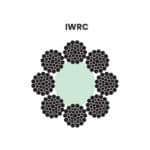
Wire rope slings are known for their strength and durability, making them suitable for heavy lifting applications. These slings are constructed from multiple strands of wire rope, providing excellent resistance to abrasion and cutting. Wire rope slings are commonly used in construction, manufacturing, and marine environments where heavy loads need to be lifted and moved. The strength and durability analysis of wire rope slings involves assessing their breaking strength, wear resistance, and susceptibility to corrosion. We advise our clients to regularly inspect wire rope slings for signs of damage, such as broken wires or corrosion, to ensure their continued safety and reliability.
- Synthetic Web Slings: Flexibility and Load Conformity
Synthetic web slings are made from materials such as nylon or polyester, offering flexibility and load conformity. These slings are lightweight and easy to handle, making them ideal for applications where the load has irregular shapes or delicate surfaces. Synthetic web slings are commonly used in rigging, construction, and maintenance operations where the load needs to be protected from damage. Their flexibility allows them to conform to the shape of the load, distributing the lifting force evenly and reducing the risk of damage.
- Chain Slings: Adjustability and Temperature Resistance
Chain slings are made from high-strength alloy steel, providing excellent adjustability and temperature resistance. These slings are commonly used in heavy-duty lifting applications where the load is exposed to high temperatures or harsh environments. Chain slings can be easily adjusted to different lengths, making them versatile for various lifting configurations. Their temperature resistance makes them suitable for use in foundries, steel mills, and other high-temperature environments. We emphasize the importance of regular inspection and maintenance of chain slings to ensure their continued safety and reliability.
Understanding Load Characteristics and Rigging Requirements
Before selecting either lifting clamps or lifting slings, it’s crucial to understand the characteristics of the load and the specific rigging requirements. This involves assessing the load’s weight, shape, and center of gravity, as well as matching the clamp or sling capacity to these requirements. Failing to properly assess these factors can lead to unsafe lifting practices and potential accidents.
Assessing Load Weight, Shape, and Center of Gravity
Accurately assessing the load’s weight, shape, and center of gravity is the first step in ensuring a safe and successful lift. These factors directly influence the stability of the load and the selection of appropriate lifting equipment. A miscalculation in any of these areas can lead to equipment failure or accidents.
- Calculating Load Weight Accurately
Calculating the load weight accurately is essential for selecting the correct lifting clamps or lifting slings. Overestimating the weight can lead to the use of unnecessarily large and cumbersome equipment, while underestimating the weight can result in equipment failure and potential accidents. We recommend using calibrated weighing devices and consulting load charts to ensure accurate weight calculations. Additionally, consider the weight of any additional rigging hardware, such as shackles or spreader bars, in the total load calculation.
- Identifying Irregular Load Shapes
Irregular load shapes can pose significant challenges to safe lifting. Loads with uneven surfaces or protruding components can be difficult to grip securely with lifting clamps, while they may require specialized rigging techniques when using lifting slings. Identifying these irregular shapes early in the planning process allows for the selection of appropriate lifting equipment and the implementation of necessary safety measures. For instance, using spreader bars or custom-designed slings can help distribute the load evenly and prevent damage.
- Determining Center of Gravity for Safe Lifting
The center of gravity (CG) is the point at which the weight of an object is evenly distributed. Knowing the CG is critical for ensuring a stable and balanced lift. If the lifting point is not directly above the CG, the load may tilt or swing during the lift, creating a dangerous situation. We advise our clients to use established engineering principles and, if necessary, consult with a qualified rigging engineer to accurately determine the CG of complex loads. This may involve using specialized software or conducting physical measurements.
Matching Clamp and Sling Capacity to Load Requirements
Once the load characteristics have been assessed, the next step is to match the capacity of the lifting clamps or lifting slings to the load requirements. This involves understanding the Working Load Limit (WLL) of the equipment, considering safety factors, and avoiding overloading.
- Understanding Working Load Limit (WLL)
The Working Load Limit (WLL) is the maximum weight that a lifting clamp or lifting sling is designed to safely lift. This value is typically marked on the equipment and should never be exceeded. The WLL takes into account the material strength, design, and testing of the equipment, providing a safe margin for normal operating conditions. We emphasize that understanding and adhering to the WLL is crucial for preventing equipment failure and ensuring the safety of personnel.
- Considering Safety Factors: The Importance of Margin
Safety factors are multipliers applied to the WLL to provide an additional margin of safety. These factors account for uncertainties in load weight, environmental conditions, and equipment wear. For example, a lifting sling with a WLL of 1 ton and a safety factor of 5:1 has a minimum breaking strength of 5 tons. The safety factor ensures that the equipment can withstand unexpected stresses or overloads without failing. We recommend consulting industry standards and regulations to determine the appropriate safety factors for specific lifting applications.
- Avoiding Overloading: Risks and Prevention Strategies
Overloading lifting clamps or lifting slings is a leading cause of equipment failure and accidents. When equipment is overloaded, it can exceed its material strength, leading to deformation, cracking, or complete failure. Overloading can also create instability in the load, causing it to swing or drop. To prevent overloading, we advise using calibrated weighing devices, adhering to the WLL of the equipment, and implementing load monitoring systems. Additionally, training personnel on the risks of overloading and the importance of proper lifting techniques is essential.
Detailed Comparison: Lifting Clamps vs. Slings
When it comes to choosing between lifting clamps and lifting slings, a detailed comparison of their respective strengths and weaknesses is essential. Factors such as load security, material compatibility, and environmental factors all play a significant role in determining which option is best suited for a particular lifting application.
Load Security: Grip Strength and Stability
Load security is a primary concern in any lifting operation. Both lifting clamps and lifting slings offer methods to secure the load, but they differ in their approach and effectiveness. Understanding these differences is crucial for selecting the equipment that provides the best level of stability and grip strength for the specific load being lifted.
- Clamp Gripping Mechanisms: Advantages and Limitations
Clamp gripping mechanisms rely on friction or mechanical force to secure the load. Vertical lifting clamps, for example, use a cam or scissor action to grip the material, while horizontal lifting clamps use a screw mechanism to tighten the grip. The advantages of clamp gripping mechanisms include their ability to provide a strong, positive grip on the load, minimizing the risk of slippage. However, their limitations include their suitability for specific load shapes and materials. Clamps are generally best suited for lifting steel plates, beams, and other structural components with flat surfaces.
- Sling Load Distribution: Spreader Bars and Load Angle Considerations
Sling load distribution relies on the sling’s ability to conform to the shape of the load and distribute the lifting force evenly. However, sling angles and load distribution can significantly impact the stability of the load. When slings are used at an angle, the effective lifting capacity is reduced, and the risk of instability increases. Spreader bars can be used to maintain a vertical lifting angle, maximizing the lifting capacity and improving load stability. We advise our clients to carefully consider sling angles and load distribution when planning lifting operations.
Material Compatibility: Preventing Damage and Degradation
The compatibility of the lifting equipment with the load material is crucial for preventing damage and degradation. Certain materials can react negatively with lifting clamps or lifting slings, leading to corrosion, abrasion, or other forms of damage. Selecting equipment that is compatible with the load material is essential for ensuring the longevity and safety of both the equipment and the load.
- Clamp Material Considerations: Steel vs. Alloy
Clamp materials typically consist of steel or alloy. Steel clamps are strong and durable, making them suitable for heavy lifting applications. However, steel clamps can be prone to corrosion, especially in marine or humid environments. Alloy clamps offer improved corrosion resistance and can be lighter than steel clamps, but they may be more expensive. We recommend selecting clamp materials based on the specific environmental conditions and the type of load being lifted.
- Sling Material Compatibility: Avoiding Chemical Reactions
Sling materials, such as wire rope, synthetic web, and chain, can react differently to various chemicals and substances. For example, synthetic web slings can be damaged by acids or alkalis, while wire rope slings can corrode when exposed to saltwater. It is essential to consult material compatibility charts and guidelines to ensure that the sling material is compatible with the load material and the surrounding environment. Avoiding chemical reactions is crucial for preventing sling degradation and ensuring safe lifting operations. We once worked with a client choosing between synthetic and chain slings for a chemical plant environment. They found chain slings were better for their specific workflow because of the superior chemical resistance.
Environmental Factors: Temperature, Moisture, and Corrosion
Environmental factors, such as temperature, moisture, and corrosion, can significantly impact the performance and lifespan of lifting clamps and lifting slings. Extreme temperatures can affect the material strength of the equipment, while moisture and corrosion can lead to degradation and failure. Implementing preventive measures and selecting equipment that is suitable for the specific environmental conditions is essential for ensuring safe and reliable lifting operations.
- Extreme Temperature Effects on Clamps and Slings
Extreme temperatures can affect the material strength of lifting clamps and lifting slings. High temperatures can cause materials to weaken and lose their load-bearing capacity, while low temperatures can cause materials to become brittle and prone to cracking. We advise our clients to consult manufacturer specifications and derating charts to determine the safe operating temperature range for their lifting equipment. Additionally, implementing measures such as heat shields or insulation can help protect the equipment from extreme temperatures.
- Moisture and Corrosion: Prevention and Mitigation
Moisture and corrosion are significant concerns for lifting clamps and lifting slings, especially in marine or humid environments. Corrosion can weaken the equipment and lead to premature failure. To prevent and mitigate moisture and corrosion, we recommend implementing regular cleaning and lubrication programs. Additionally, using corrosion-resistant materials, such as stainless steel or galvanized steel, can help extend the lifespan of the equipment. Regular inspections should also be conducted to identify and address any signs of corrosion.
Comprehensive Safety Inspection and Maintenance Protocols
Regular safety inspections and maintenance are crucial for ensuring the continued reliability and safety of lifting clamps and lifting slings. These protocols involve pre-lift inspections, regular maintenance activities, and detailed record keeping. Implementing a comprehensive inspection and maintenance program can help identify defects and wear, prevent equipment failure, and ensure compliance with regulatory requirements.
Pre-Lift Inspection: Identifying Defects and Wear
A pre-lift inspection is a critical step in ensuring the safety of any lifting operation. This inspection involves visually examining the lifting clamps or lifting slings for any signs of defects or wear that could compromise their performance. Identifying these issues before the lift can prevent equipment failure and potential accidents.
- Clamp Inspection: Checking for Cracks, Deformations, and Loose Parts
During a clamp inspection, it is essential to check for cracks, deformations, and loose parts. Cracks can indicate material fatigue or overloading, while deformations can affect the clamp’s ability to grip the load securely. Loose parts, such as bolts or screws, can compromise the clamp’s structural integrity. We recommend using a checklist to ensure that all critical components are thoroughly inspected. Any clamps with identified defects should be removed from service immediately and repaired or replaced.
- Sling Inspection: Examining for Cuts, Abrasions, and Chemical Damage
A sling inspection involves examining the sling for cuts, abrasions, and chemical damage. Cuts and abrasions can weaken the sling and reduce its load-bearing capacity, while chemical damage can compromise the material’s integrity. Wire rope slings should be inspected for broken wires, corrosion, and kinks. Synthetic web slings should be inspected for tears, cuts, and discoloration. Chain slings should be inspected for wear, elongation, and distortion. Any slings with identified damage should be removed from service immediately.
Regular Maintenance: Cleaning, Lubrication, and Replacement
Regular maintenance activities, such as cleaning, lubrication, and replacement, are essential for maintaining the performance and extending the lifespan of lifting clamps and lifting slings. These activities help prevent corrosion, reduce wear, and ensure that the equipment is in optimal working condition.
- Clamp Maintenance: Lubricating Moving Parts
Clamp maintenance involves lubricating moving parts, such as hinges, cams, and screws. Lubrication reduces friction, prevents corrosion, and ensures smooth operation. We recommend using a high-quality lubricant that is compatible with the clamp material and the operating environment. The frequency of lubrication depends on the clamp’s usage and the environmental conditions. Clamps that are used frequently or exposed to harsh environments may require more frequent lubrication.
- Sling Maintenance: Proper Cleaning and Storage
Sling maintenance involves proper cleaning and storage. Slings should be cleaned regularly to remove dirt, grease, and other contaminants that can accelerate wear and corrosion. Synthetic web slings can be cleaned with mild soap and water, while wire rope and chain slings can be cleaned with a wire brush and solvent. After cleaning, slings should be stored in a dry, well-ventilated area to prevent moisture and corrosion. Slings should also be protected from direct sunlight and extreme temperatures.
Record Keeping: Tracking Inspections and Maintenance Activities
Detailed record keeping is an essential component of a comprehensive safety inspection and maintenance program. Tracking inspections and maintenance activities provides a valuable history of the equipment’s condition and helps identify trends that may indicate potential problems.
- Importance of Detailed Inspection Logs
Detailed inspection logs should include the date of the inspection, the name of the inspector, the type of equipment inspected, and a description of any defects or issues identified. The logs should also include any corrective actions taken, such as repairs or replacements. Maintaining detailed inspection logs allows for the tracking of equipment condition over time and helps identify patterns that may indicate the need for more frequent inspections or maintenance.
- Compliance with Regulatory Requirements
Compliance with regulatory requirements is a critical aspect of safety inspection and maintenance. OSHA and ASME standards specify the frequency and scope of inspections and maintenance activities for lifting equipment. Maintaining accurate records of inspections and maintenance activities is essential for demonstrating compliance with these regulations. We advise our clients to stay informed about the latest regulatory requirements and to implement programs that ensure compliance.
Operational Safety Procedures and Best Practices
Implementing robust operational safety procedures and best practices is essential for minimizing the risk of accidents and ensuring the safe use of lifting clamps and lifting slings. These procedures involve proper training, effective communication, and the implementation of safe lifting techniques.
Proper Training and Competency Assessment
Proper training and competency assessment are fundamental to ensuring the safe operation of lifting clamps and lifting slings. Training should cover the proper use of the equipment, hazard identification, and emergency procedures. Competency assessment ensures that personnel have the knowledge and skills necessary to perform lifting operations safely.
- Clamp Operation Training: Safe Usage Techniques
Clamp operation training should cover the safe usage techniques for various types of clamps, including vertical lifting clamps, horizontal lifting clamps, and beam clamps. Training should include instructions on how to properly attach and detach the clamp, how to inspect the clamp for defects, and how to calculate the load weight and center of gravity. Participants should also be trained on the potential hazards associated with clamp operation and how to mitigate those hazards.
- Sling Operation Training: Understanding Sling Angles and Hitches
Sling operation training should cover the proper use of various types of slings, including wire rope slings, synthetic web slings, and chain slings. Training should include instructions on how to select the appropriate sling for the load, how to inspect the sling for damage, and how to calculate the sling angle and load capacity. Participants should also be trained on various sling hitches and their applications. Understanding sling angles and hitches is crucial for ensuring safe and stable lifts.
Communication and Signaling: Ensuring Clear Coordination
Effective communication and signaling are essential for ensuring clear coordination during lifting operations. Clear communication helps prevent misunderstandings and ensures that all personnel are aware of the lifting plan and any potential hazards.
- Hand Signals: Standard Communication Protocols
Hand signals are a standard communication protocol used during lifting operations. Standard hand signals are used to direct the crane operator, indicating actions such as lift, lower, stop, and emergency stop. All personnel involved in the lifting operation should be familiar with the standard hand signals and should use them consistently. We recommend providing training on hand signals to all personnel involved in lifting operations.
- Radio Communication: When and How to Use
Radio communication is used when hand signals are not feasible or when the crane operator is not within visual range of the signal person. Radio communication allows for clear and concise communication between the signal person and the crane operator. When using radio communication, it is essential to use clear and concise language and to follow established communication protocols. We recommend using dedicated radio channels to minimize interference and ensure clear communication.
Safe Lifting Techniques: Minimizing Risk of Accidents
Implementing safe lifting techniques is crucial for minimizing the risk of accidents and ensuring the safe execution of lifting operations. These techniques involve ensuring balanced loads, avoiding shock loading, and using proper rigging procedures.
- Vertical Lifts: Ensuring Balanced Loads
Vertical lifts are the safest and most stable type of lift. To ensure a balanced load, the lifting point should be directly above the load’s center of gravity. If the load is not balanced, it may tilt or swing during the lift, creating a dangerous situation. We recommend using spreader bars or equalizers to distribute the load evenly and ensure a vertical lift. Additionally, conducting a trial lift before the main lift can help identify any balance issues.
- Avoiding Shock Loading: Gradual Lifting and Lowering
Shock loading occurs when a load is suddenly jerked or dropped, creating a sudden increase in stress on the lifting equipment. Shock loading can exceed the equipment’s load-bearing capacity and lead to failure. To avoid shock loading, we recommend lifting and lowering the load gradually and smoothly. Additionally, using softeners or cushions can help absorb any sudden impacts. Training personnel on the importance of avoiding shock loading is essential for preventing accidents.
Case Studies: Accidents and Lessons Learned
Analyzing past accidents involving lifting clamps and lifting slings can provide valuable insights into common causes of failure and help prevent future incidents. These case studies highlight the importance of proper training, inspection, and maintenance in ensuring safe lifting operations.
Analysis of Clamp-Related Lifting Accidents
Clamp-related lifting accidents often result from improper clamp selection, inadequate inspection, or overloading. Understanding the common causes of these accidents can help organizations implement preventive measures and improve safety.
- Common Causes of Clamp Failures
Common causes of clamp failures include using the wrong type of clamp for the load, exceeding the clamp’s WLL, failing to inspect the clamp for defects, and improper attachment of the clamp to the load. We’ve observed that inadequate training and a lack of adherence to safety procedures often contribute to these failures. Additionally, using clamps that are damaged or corroded can significantly increase the risk of failure.
- Preventive Measures Based on Accident Analysis
Preventive measures based on accident analysis include providing comprehensive training on clamp selection, inspection, and operation. Implementing regular inspection programs and enforcing strict adherence to WLL limits are also essential. Additionally, using clamps that are properly maintained and stored can help prevent failures. We recommend conducting regular safety audits to identify and address any potential hazards.
Analysis of Sling-Related Lifting Accidents
Sling-related lifting accidents often result from sling damage, improper sling angles, or overloading. Understanding the common causes of these accidents can help organizations implement preventive measures and improve safety.
- Common Causes of Sling Failures
Common causes of sling failures include using slings that are damaged or worn, exceeding the sling’s WLL, using slings at improper angles, and failing to protect slings from sharp edges. We’ve found that inadequate training and a lack of adherence to safety procedures often contribute to these failures. Additionally, using slings that are not compatible with the load material can lead to damage and failure.
- Preventive Measures Based on Accident Analysis
Preventive measures based on accident analysis include providing comprehensive training on sling selection, inspection, and operation. Implementing regular inspection programs and enforcing strict adherence to WLL limits are also essential. Additionally, using sling protection to prevent damage from sharp edges and ensuring proper sling angles can help prevent failures. We recommend conducting regular safety audits to identify and address any potential hazards.
Impact of Proper Training and Inspection on Accident Reduction
Proper training and inspection have a significant impact on accident reduction in lifting operations. Well-trained personnel are more likely to identify hazards, use equipment properly, and follow safety procedures. Regular inspections help identify defects and wear before they lead to equipment failure.
> “Investing in proper training and inspection programs is the most effective way to reduce lifting accidents and improve safety.” – John Smith, Lead Safety Inspector
Regulatory Compliance and Industry Standards
Adhering to regulatory compliance and industry standards is essential for ensuring the safety and legality of lifting operations. Organizations must comply with OSHA regulations, ASME standards, and ANSI standards to protect workers and prevent accidents.
OSHA Regulations: Compliance Requirements for Lifting Equipment
OSHA regulations specify the requirements for the safe use of lifting equipment, including lifting clamps and lifting slings. Compliance with these regulations is mandatory and helps protect workers from hazards associated with lifting operations.
- Specific OSHA Standards for Clamps and Slings
Specific OSHA standards for clamps and slings include requirements for inspection, maintenance, and operation. OSHA 1926.251 covers the general requirements for rigging equipment, including slings. OSHA 1910.184 covers the specific requirements for slings. These standards specify the frequency and scope of inspections, the criteria for removing equipment from service, and the requirements for training personnel.
- Consequences of Non-Compliance
Consequences of non-compliance with OSHA regulations can include fines, penalties, and legal liabilities. Additionally, non-compliance can lead to accidents, injuries, and fatalities. We emphasize the importance of understanding and adhering to OSHA regulations to protect workers and avoid costly penalties.
ASME Standards: Engineering and Safety Guidelines
ASME standards provide engineering and safety guidelines for the design, construction, and use of lifting equipment. These standards are developed by industry experts and provide best practices for ensuring safe and reliable lifting operations.
ASME B30.9 covers the requirements for slings, including design, construction, inspection, and maintenance. This standard specifies the types of slings covered, the materials used in their construction, and the criteria for determining the WLL. Additionally, ASME B30.9 provides guidance on the proper use of slings and the potential hazards associated with their operation.
- ASME B30.20: Below-the-Hook Lifting Devices
ASME B30.20 covers the requirements for below-the-hook lifting devices, including lifting clamps. This standard specifies the design, construction, inspection, and maintenance requirements for these devices. ASME B30.20 provides guidance on the proper use of lifting clamps and the potential hazards associated with their operation.
ANSI Standards: National Consensus Standards for Safety
ANSI standards are national consensus standards developed by industry experts to promote safety and best practices. These standards cover a wide range of topics related to lifting operations and provide guidance on ensuring safe and reliable performance.
Advanced Techniques: Spreader Bars, Equalizers, and Specialized Rigging
Advanced rigging techniques, such as using spreader bars, equalizers, and specialized rigging, can enhance the safety and efficiency of complex lifting operations. These techniques help distribute the load evenly, maintain proper lifting angles, and minimize the risk of accidents.
Using Spreader Bars: Benefits for Load Stability and Clearance
Spreader bars are used to maintain a vertical lifting angle and provide clearance for the load. These bars help distribute the load evenly and prevent crushing or damage to the load. Spreader bars are particularly useful for lifting long or bulky loads.
- Spreader Bar Design Considerations
Spreader bar design considerations include the length of the bar, the load capacity, and the lifting angle. The length of the bar should be sufficient to maintain a vertical lifting angle and provide adequate clearance for the load. The load capacity should be greater than the weight of the load. The lifting angle should be minimized to reduce stress on the rigging equipment.
- Calculating Spreader Bar Capacity
Calculating spreader bar capacity involves determining the maximum load that the bar can safely support. This calculation takes into account the material strength, the design of the bar, and the lifting angle. We recommend consulting with a qualified rigging engineer to ensure that the spreader bar has sufficient capacity for the intended load.
Employing Equalizers: Distributing Load Evenly
Equalizers are used to distribute the load evenly between multiple lifting points. These devices help prevent overloading of individual slings or clamps and ensure a balanced lift. Equalizers are particularly useful for lifting loads with uneven weight distribution.
- Equalizer Types and Applications
Equalizer types include mechanical equalizers and hydraulic equalizers. Mechanical equalizers use a system of levers and pulleys to distribute the load evenly. Hydraulic equalizers use hydraulic cylinders to adjust the load distribution. The choice of equalizer depends on the specific lifting application and the weight and shape of the load.
- Ensuring Proper Equalizer Placement
Ensuring proper equalizer placement is essential for achieving a balanced lift. The equalizer should be placed so that the load is evenly distributed between the lifting points. We recommend conducting a trial lift before the main lift to verify that the load is properly balanced.
Specialized Rigging Techniques for Complex Lifts
Specialized rigging techniques are used for complex lifts that require careful planning and execution. These techniques involve assessing the risks, developing engineered lift plans, and using specialized equipment.
- Planning Complex Lifts: Risk Assessment and Mitigation
Planning complex lifts involves conducting a thorough risk assessment to identify potential hazards. The risk assessment should consider the weight and shape of the load, the lifting environment, and the potential for equipment failure. Mitigation measures should be implemented to reduce the risks identified in the assessment.
- Using Engineered Lift Plans
Engineered lift plans provide a detailed roadmap for executing complex lifts safely. These plans specify the equipment to be used, the lifting procedures, and the safety precautions to be taken. We recommend using engineered lift plans for all complex lifts to ensure that they are executed safely and efficiently.
Conclusion: Choosing the Right Lifting Equipment for Optimal Safety
Choosing between lifting clamps and lifting slings requires careful consideration of the load characteristics, the lifting environment, and the specific requirements of the lifting operation. Both types of equipment have their strengths and limitations, and the best choice depends on the unique circumstances of each situation. Understanding the differences between lifting clamps and lifting slings is crucial for ensuring safe and efficient lifting operations.
- Recap of Key Differences: Clamps vs. Slings
Lifting clamps are designed to provide a secure grip on materials, making them ideal for lifting and transporting steel plates, beams, and other structural components. Lifting slings, on the other hand, offer versatility and flexibility, allowing for a wide range of lifting applications. Clamps are generally best suited for loads with flat, uniform surfaces, while slings can accommodate loads with irregular shapes.
- Final Recommendations: Selecting Equipment Based on Specific Needs
For applications involving lifting steel plates or beams, lifting clamps offer a secure and efficient solution. For applications involving lifting loads with irregular shapes or delicate surfaces, lifting slings provide greater versatility. Always prioritize safety by ensuring that the selected equipment is properly inspected, maintained, and operated by trained personnel.
We at Safe and Secure Trading Company are committed to providing our clients with the highest quality lifting equipment and expert guidance to ensure safe and efficient lifting operations. Trust us to help you make the right choice for your specific needs.
FAQ Section
Q: What are the main differences between lifting clamps and lifting slings?
A: Lifting clamps provide a secure grip on specific materials like steel plates, while lifting slings offer versatility for various load shapes and materials.
Q: How do I determine the Working Load Limit (WLL) for lifting equipment?
A: The WLL is marked on the equipment and should never be exceeded. It considers material strength and design.
Q: What safety factors should I consider when selecting lifting equipment?
A: Safety factors provide an additional margin of safety, accounting for uncertainties in load weight and environmental conditions. Consult industry standards for appropriate factors.
Q: How often should lifting clamps and lifting slings be inspected?
A: Pre-lift inspections are crucial, and regular inspections should be conducted according to OSHA and ASME standards.
Q: What are the consequences of overloading lifting equipment?
A: Overloading can lead to equipment failure, deformation, cracking, and potential accidents.
Q: How can I prevent corrosion on lifting equipment?
A: Implement regular cleaning and lubrication programs, and use corrosion-resistant materials like stainless steel or galvanized steel.
Q: What is the role of training in ensuring safe lifting operations?
A: Proper training ensures personnel understand equipment use, hazard identification, and emergency procedures, reducing the risk of accidents.
Q: What are the key considerations when using spreader bars?
A: Spreader bars maintain vertical lifting angles, distribute the load evenly, and provide clearance for the load. Design considerations include length, load capacity, and lifting angle.
Q: What are the benefits of using equalizers in lifting operations?
A: Equalizers distribute the load evenly between multiple lifting points, preventing overloading and ensuring a balanced lift.
Q: How do regulatory compliance and industry standards impact lifting operations?
A: Adhering to OSHA, ASME, and ANSI standards ensures safety, legality, and worker protection during lifting operations.