Understanding Lifting Shackles: An In-Depth Guide to Markings and Standards
Introduction to Lifting Shackles
Lifting shackles are essential components in various rigging and lifting applications. These U-shaped or bow-shaped devices, typically made of steel, connect different parts of a lifting assembly, such as slings, hooks, and loads. Their primary function is to provide a secure and reliable connection point, enabling the safe lifting and movement of heavy objects.
Understanding shackle markings is paramount for ensuring safety in lifting operations. The markings provide critical information about the shackle’s load capacity, material, and origin, allowing users to select the appropriate shackle for the task at hand and avoid potentially catastrophic failures. Proper interpretation of these markings, including the working load limit (WLL), manufacturer identification, and traceability codes, is crucial for preventing accidents and maintaining a safe working environment.
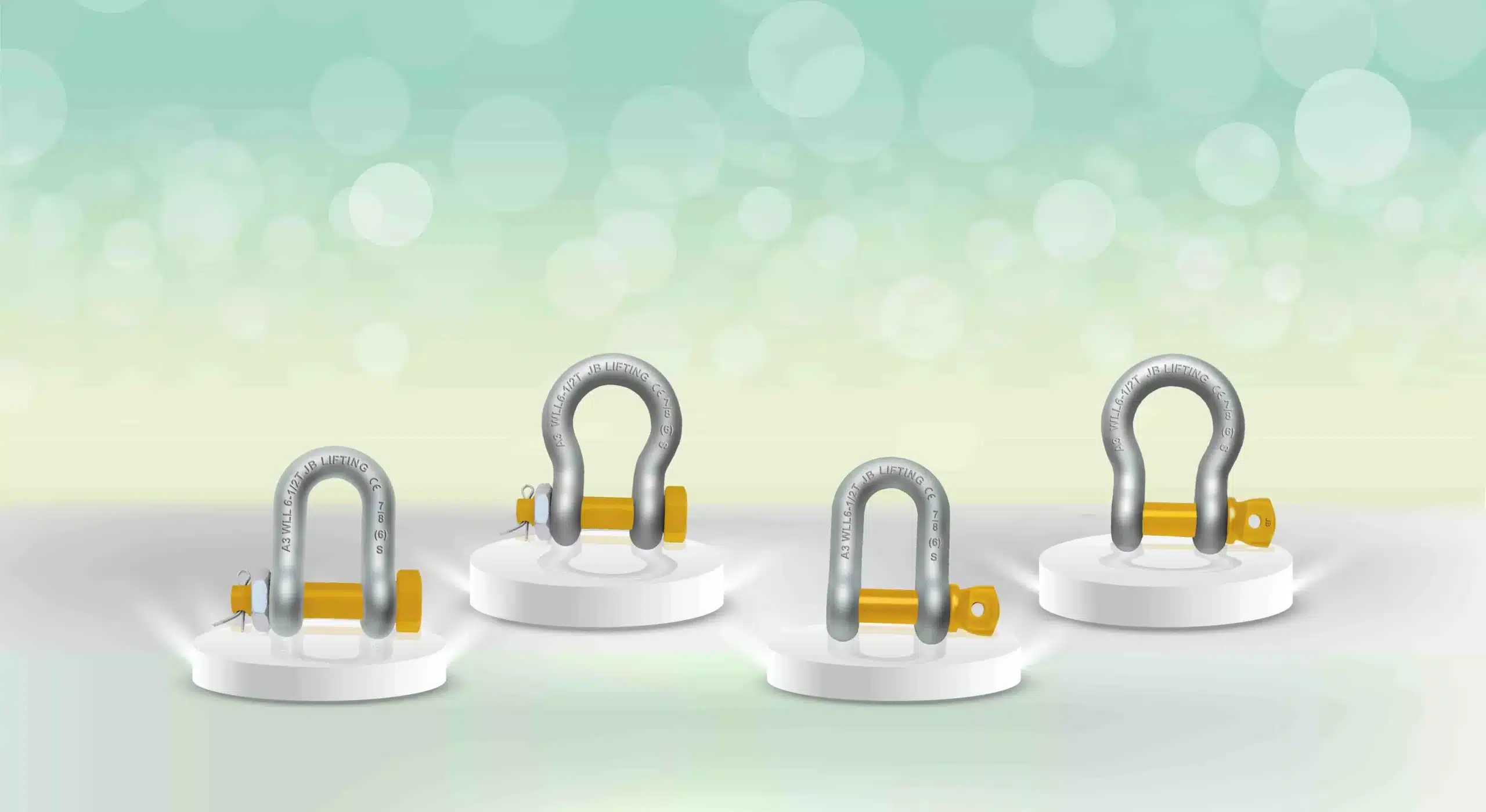
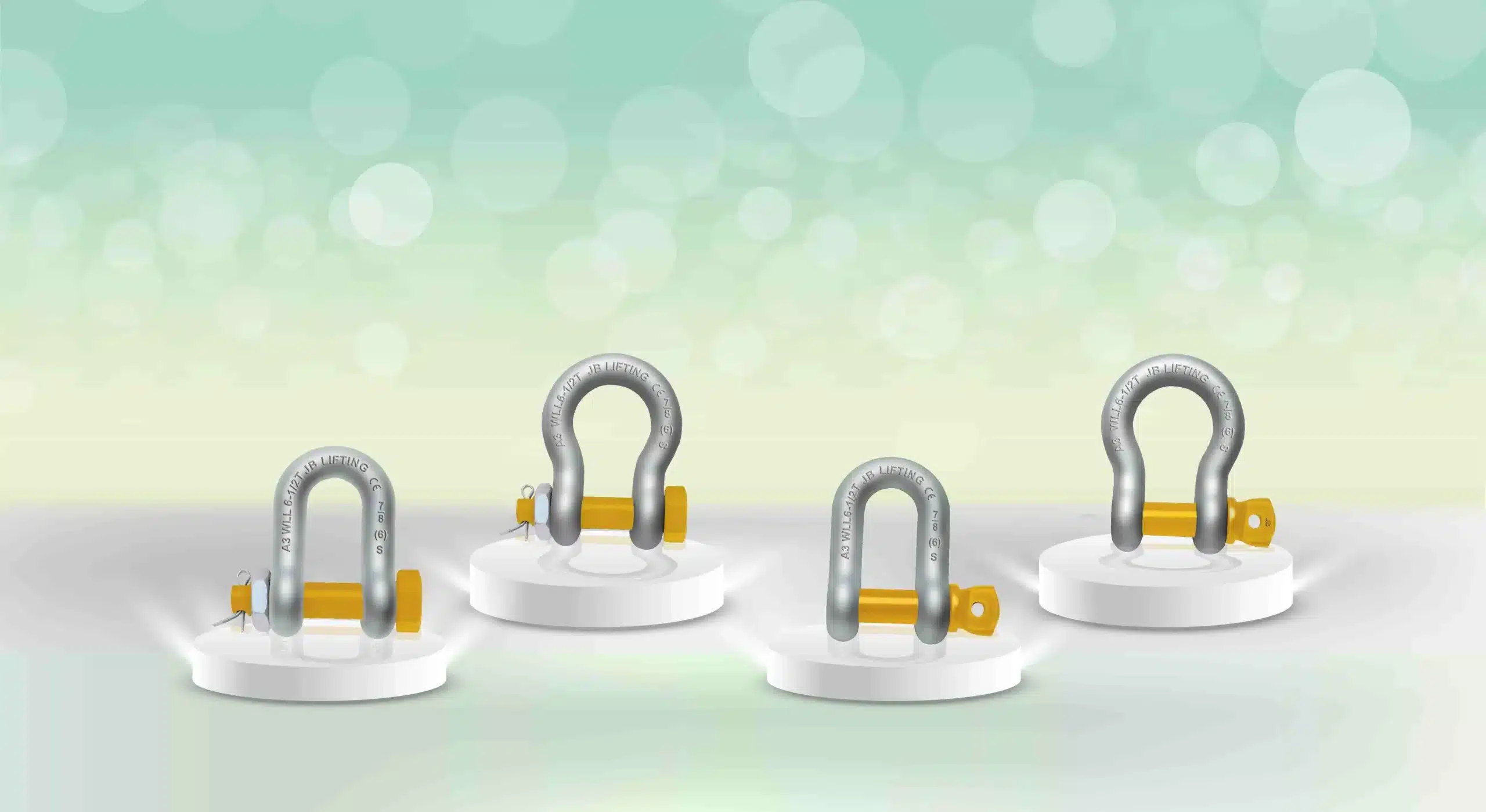
There are several common shackle types, each designed for specific applications. Dee shackles (also known as chain shackles) have a narrower, D-shaped body and are typically used for inline pulls. Bow shackles (also known as anchor shackles) have a larger, bow-shaped body, making them suitable for angular pulls and connecting multiple components. Selecting the right shackle type based on the specific lifting requirements is essential for ensuring safe and efficient operations.
Deciphering Essential Shackle Markings
Working Load Limit (WLL)
The Working Load Limit (WLL) represents the maximum weight a shackle is designed to safely lift. This marking is arguably the most critical piece of information on a shackle, as exceeding it can lead to shackle failure and potential injury or property damage. The WLL is determined by the manufacturer based on rigorous testing and adherence to industry standards.
The WLL is typically displayed on the shackle body in tons, kilograms, or pounds. For example, a shackle might be marked “WLL 2T” indicating a working load limit of 2 metric tons. It’s crucial to note the units of measurement and ensure they are consistent with the load being lifted. Ignoring the WLL or misinterpreting the units can have serious consequences.
To illustrate WLL application, consider a scenario where a crane is lifting a steel beam weighing 1.5 tons. The rigging assembly includes two shackles connecting the beam to the crane hook. In this case, each shackle must have a WLL of at least 0.75 tons (1.5 tons / 2) to safely support the load. Selecting shackles with a WLL lower than 0.75 tons would create a hazardous situation and increase the risk of shackle failure. We once had a client in our Dubai office who didn’t properly calculate the WLL and used undersized shackles, resulting in a near-miss incident. Fortunately, no one was hurt, but it served as a stark reminder of the importance of understanding and adhering to WLL requirements.
Manufacturer Identification
Manufacturer identification is crucial for traceability and accountability. Knowing the manufacturer of a shackle allows users to verify its authenticity, access technical specifications, and report any issues or concerns. This information is particularly important in the event of a product recall or failure investigation.
Manufacturer information is commonly marked on the shackle body using methods such as stamping, engraving, or laser etching. The marking typically includes the manufacturer’s name, logo, or a unique identification code. The placement and legibility of the marking should be durable and resistant to wear and tear.
Verifying manufacturer credibility involves checking if the manufacturer is certified by recognized industry organizations and has a reputation for producing high-quality, reliable shackles. You can often find this information on the manufacturer’s website or by contacting industry associations. Selecting shackles from reputable manufacturers ensures that the products meet established standards and have undergone proper testing and quality control procedures.
Traceability Codes
Traceability codes, such as batch numbers, play a vital role in quality control and product tracking. These codes allow manufacturers to trace the history of a shackle, from the raw materials used to the manufacturing processes and quality control checks it underwent. This information is invaluable for identifying and addressing any manufacturing issues that may arise.
Batch numbers are typically marked on the shackle body alongside other identification markings. The batch number allows the manufacturer to identify all shackles produced in the same production run, making it easier to isolate and recall potentially defective products. These codes are vital for efficient recalls.
Traceability codes aid in identifying manufacturing issues by providing a link between the shackle and its production history. For example, if a batch of shackles is found to have a higher-than-expected failure rate, the manufacturer can use the batch number to trace the problem back to a specific manufacturing process or material supplier. This allows them to take corrective action and prevent similar issues from recurring in the future. “Effective traceability systems can reduce recall costs by up to 30%,” according to John Miller, Quality Control Manager.
Traceability is also important in warranty claims and recalls. If a shackle fails prematurely, the traceability code allows the user to provide the manufacturer with detailed information about the product, including its production date and batch number. This information helps the manufacturer investigate the failure and determine if it is covered under warranty or if a product recall is necessary.
Material Grade
The material grade indicates the type of steel used to manufacture the shackle, such as alloy steel, carbon steel, or stainless steel. The material grade significantly impacts the shackle’s strength, durability, and resistance to corrosion. Understanding the material grade is essential for selecting the appropriate shackle for the intended application and environmental conditions.
Alloy steel shackles are known for their high strength and toughness. They are typically made from heat-treated alloy steel, which provides excellent resistance to deformation and fracture under heavy loads. Carbon steel shackles are less expensive than alloy steel shackles but also less strong and durable. They are suitable for lighter-duty applications where high strength is not required. Stainless steel shackles offer excellent corrosion resistance, making them ideal for use in marine, chemical, and other harsh environments.
Material grade is commonly marked on the shackle body using abbreviations or symbols. For example, “A36” might indicate that the shackle is made from ASTM A36 carbon steel, while “AISI 4140” might indicate an alloy steel. These markings help users quickly identify the material grade and ensure it is appropriate for the intended application. We’ve seen cases where incorrect material selection led to premature failure, highlighting the importance of verifying material grade markings.
Exploring Key Industry Standards and Regulations
ASME B30.26 Standard
ASME B30.26 is a widely recognized standard for rigging hardware, including shackles, hooks, and slings. This standard provides comprehensive guidelines for the design, testing, inspection, and use of rigging equipment, ensuring safety and reliability in lifting operations. Compliance with ASME B30.26 is essential for manufacturers, users, and inspectors of rigging hardware.
ASME B30.26 covers various aspects of shackle design, including material selection, dimensions, and load-bearing capacity. It also specifies the minimum testing requirements for shackles, such as proof testing and destructive testing. Proof testing involves applying a load greater than the WLL to verify the shackle’s structural integrity, while destructive testing involves loading the shackle until it fails to determine its ultimate strength.
The standard also outlines specific marking requirements for shackles, including the WLL, manufacturer identification, and traceability codes. These markings must be clear, legible, and durable to ensure they remain visible throughout the shackle’s service life. Compliance with ASME B30.26 ensures safety by providing a consistent framework for the design, testing, and use of rigging hardware, reducing the risk of accidents and injuries.
EN 13889 Standard
EN 13889 is the European standard for forged steel shackles used in general lifting applications. This standard specifies the requirements for the design, manufacturing, testing, and marking of shackles, ensuring they meet a minimum level of safety and performance. EN 13889 is widely recognized in Europe and other parts of the world.
While both EN 13889 and ASME B30.26 address shackle safety, there are some key differences between the two standards. EN 13889 typically requires higher proof load testing compared to ASME B30.26. This means that shackles certified under EN 13889 may be subjected to more rigorous testing before being released for use. Additionally, EN 13889 may have different marking requirements compared to ASME B30.26, particularly regarding the format and content of the WLL and traceability codes.
Compliance with EN 13889 requires manufacturers to adhere to specific design and manufacturing processes, undergo regular testing and inspection, and maintain detailed records of their products. Users of shackles certified under EN 13889 can be confident that the products meet a recognized standard of safety and performance.
Federal Specification RR-C-271
Federal Specification RR-C-271 is a United States federal standard that covers chain and wire rope fittings, including shackles. This specification outlines the requirements for the design, manufacturing, testing, and inspection of these fittings, ensuring they meet the specific needs of government and military applications.
RR-C-271 is particularly relevant to shackles used in government and military lifting operations. The specification includes stringent requirements for material selection, manufacturing processes, and quality control. It also specifies the minimum testing requirements for shackles, including proof testing, destructive testing, and dimensional inspections. These tests ensure that the shackles meet the required strength, durability, and dimensional tolerances.
The specification also outlines specific marking requirements for shackles, including the WLL, manufacturer identification, traceability codes, and government acceptance markings. These markings must be clear, legible, and durable to ensure they remain visible throughout the shackle’s service life. RR-C-271 includes detailed procedures for testing shackles, including the application of proof loads and the measurement of deformation under load. It also specifies the criteria for acceptance and rejection of shackles based on the test results.
Calculating Safety Factors: Ensuring Adequate Load Capacity
Defining Safety Factor
The safety factor is a critical concept in lifting applications. The safety factor is the ratio of the minimum breaking load (MBL) to the working load limit (WLL). It represents the amount of reserve strength a shackle has beyond its rated capacity, providing a margin of safety to account for unexpected loads, dynamic forces, and material degradation.
Safety factors are essential for preventing shackle failure. By ensuring that the MBL is significantly higher than the WLL, safety factors reduce the risk of overloading the shackle and causing it to fail. A higher safety factor provides a greater margin of safety, but it may also result in a heavier and more expensive shackle.
Typical safety factor values for different lifting scenarios vary depending on the application and the industry standards. For general lifting applications, a safety factor of 4:1 or 5:1 is common. For critical lifting applications, such as lifting personnel or hazardous materials, a higher safety factor of 10:1 or greater may be required.
Calculating Minimum Breaking Load (MBL)
The Minimum Breaking Load (MBL), also known as the ultimate tensile strength, is the load at which a shackle is expected to fail. The MBL is a critical parameter for determining the safety factor and ensuring that the shackle has sufficient strength for the intended application.
The formula for calculating MBL is:
MBL = WLL x Safety Factor
For example, if a shackle has a WLL of 2 tons and a safety factor of 5:1, the MBL would be:
MBL = 2 tons x 5 = 10 tons
This means that the shackle is expected to fail at a load of 10 tons, providing a safety margin of 5 times the WLL. Understanding MBL in relation to lifting capacity is essential for preventing overloading and ensuring safe lifting operations. Always consult the manufacturer’s specifications for the MBL of a particular shackle.
Applying Safety Factors in Real-World Scenarios
Several factors can influence the choice of safety factor, including dynamic loading, environmental conditions, and the potential consequences of shackle failure. Dynamic loading, such as sudden starts and stops, can create forces that are significantly higher than the static load. In these cases, a higher safety factor is necessary to account for the increased stress on the shackle.
Environmental conditions, such as extreme temperatures, corrosion, and abrasion, can also affect the strength and durability of shackles. In harsh environments, a higher safety factor may be required to compensate for material degradation. The potential consequences of shackle failure are a critical consideration when selecting a safety factor. If shackle failure could result in serious injury, property damage, or environmental harm, a higher safety factor is warranted.
Consider a case study where a construction company is using shackles to lift precast concrete panels into place. The panels weigh 5 tons each, and the lifting operation involves frequent starts and stops. The environmental conditions are also harsh, with exposure to rain, sun, and dust. In this scenario, the company should use shackles with a high safety factor (e.g., 5:1 or greater) to account for the dynamic loading and environmental conditions. They should also conduct regular inspections of the shackles to ensure they are in good condition.
Inspecting Shackles for Damage and Wear
Pre-Use Inspection Checklist
A pre-use inspection checklist is an essential tool for ensuring the safety of lifting operations. Before each use, shackles should be thoroughly inspected for any signs of damage or wear that could compromise their strength and reliability.
The checklist should include the following items:
- Visual Inspection: Check for any signs of cracks, dents, gouges, or deformation on the shackle body, pin, and threads.
- Corrosion: Inspect for any signs of rust or corrosion, particularly in marine or other harsh environments.
- Thread Damage: Check the threads on the shackle pin and body for any signs of damage, such as stripped or cross-threaded threads.
- Pin Alignment: Ensure that the shackle pin is straight and properly aligned with the shackle body.
- Markings: Verify that the shackle markings, including the WLL, manufacturer identification, and traceability codes, are legible and intact.
Documenting inspection results is crucial for tracking the condition of shackles and identifying any recurring issues. The inspection results should be recorded in a logbook or database, along with the date, time, and inspector’s name. Any shackles that fail the inspection should be immediately removed from service and tagged for repair or replacement.
Common Types of Shackle Damage
Several types of damage can occur to shackles, compromising their strength and safety. Thread damage is a common issue, particularly on shackles that are frequently installed and removed. Stripped or cross-threaded threads can significantly reduce the shackle’s ability to hold a load.
Bent pins are another common type of damage. Pins can become bent due to overloading, impact, or improper installation. A bent pin can create stress concentrations in the shackle body, increasing the risk of failure. Elongated eyes, where the shackle eye has stretched or deformed, can also occur due to overloading or fatigue. An elongated eye reduces the shackle’s ability to properly distribute the load, increasing the risk of failure.
Damaged shackles should be immediately removed from service. The shackle should be tagged with a warning label indicating that it is out of service and should not be used. Damaged shackles should be either repaired by a qualified technician or replaced with new shackles that meet the appropriate standards and specifications.
Frequency of Inspections
The frequency of inspections should be based on usage frequency, environmental conditions, and the type of lifting operation. Shackles that are used frequently or in harsh environments should be inspected more often than shackles that are used infrequently or in benign environments. For high-frequency lifting operations, daily inspections may be necessary. For lower-frequency operations, weekly or monthly inspections may be sufficient.
Legal requirements for periodic shackle inspections vary depending on the jurisdiction and the industry. Many countries and regions have regulations that require regular inspections of lifting equipment, including shackles. These regulations may specify the minimum inspection frequency, the qualifications of the inspectors, and the documentation requirements. It is important to be aware of and comply with all applicable legal requirements for shackle inspections.
| Inspection Item |
Frequency |
Details |
| Visual Inspection |
Before Each Use |
Check for cracks, dents, corrosion, thread damage, and pin alignment. |
| Detailed Inspection |
Monthly |
Comprehensive inspection including dimensional measurements and non-destructive testing. |
| Load Testing |
Annually |
Proof load testing to verify shackle’s structural integrity. |
Shackle Material and Performance Characteristics
Alloy Steel Shackles
Alloy steel shackles are manufactured using various alloying elements such as chromium, nickel, and molybdenum, which enhance the steel’s strength, toughness, and resistance to wear. These alloying elements contribute to the shackle’s ability to withstand heavy loads and harsh conditions, making it suitable for demanding lifting applications.
One of the main advantages of alloy steel shackles is their high strength-to-weight ratio. This means that alloy steel shackles can provide a high level of strength without being excessively heavy, making them easier to handle and install. However, alloy steel shackles are typically more expensive than carbon steel shackles, reflecting the higher cost of the alloying elements and the more complex manufacturing processes.
Alloy steel shackles are commonly used in construction, manufacturing, and offshore industries, where high strength and durability are essential. They are also used in rigging and lifting operations involving heavy loads, such as lifting precast concrete panels, steel beams, and heavy machinery. We once worked with a client who was using carbon steel shackles for a heavy lift, and we recommended switching to alloy steel shackles to ensure a greater margin of safety.
Carbon Steel Shackles
Carbon steel shackles are made primarily from carbon steel, with a lower concentration of alloying elements compared to alloy steel. Carbon steel shackles are generally less expensive than alloy steel shackles due to the lower material costs and simpler manufacturing processes.
Compared to alloy steel shackles, carbon steel shackles have lower strength and toughness. They are more susceptible to deformation and fracture under heavy loads, limiting their suitability for demanding lifting applications. Carbon steel shackles are also more prone to corrosion, particularly in wet or humid environments.
Carbon steel shackles are often used in lighter-duty applications where high strength and durability are not required. They are commonly found in agricultural, landscaping, and recreational applications, such as securing loads on trailers, connecting chains, and attaching ropes. In environments with high exposure to saltwater or corrosive chemicals, stainless steel shackles are preferable to carbon steel shackles.
Stainless Steel Shackles
Stainless steel shackles offer exceptional corrosion resistance, making them ideal for use in marine, chemical, and other corrosive environments. Stainless steel contains a high percentage of chromium, which forms a passive layer of chromium oxide on the surface of the steel, protecting it from rust and corrosion.
The use of stainless steel shackles is particularly beneficial in marine environments where exposure to saltwater can quickly corrode other types of steel. They are also commonly used in chemical plants, food processing facilities, and pharmaceutical industries, where resistance to chemical corrosion is critical. However, stainless steel shackles are typically more expensive than carbon steel or alloy steel shackles.
When selecting stainless steel shackles, it is important to consider the specific grade of stainless steel. Different grades of stainless steel offer varying levels of corrosion resistance and strength. For example, grade 316 stainless steel offers superior corrosion resistance compared to grade 304 stainless steel, making it a better choice for marine applications.
Best Practices for Shackle Usage and Maintenance
Proper Shackle Installation
Proper shackle installation is crucial for ensuring safe and efficient lifting operations. One common mistake is overtightening the shackle pin. Overtightening can damage the threads on the pin and shackle body, reducing the shackle’s load-bearing capacity. Another common mistake is using a shackle that is too small for the intended load. Using an undersized shackle can lead to overloading and shackle failure.
Ensuring proper alignment and load distribution is also critical. Shackles should be installed so that the load is applied evenly across the shackle body. Avoid side loading or angular loading, which can create stress concentrations and reduce the shackle’s load-bearing capacity. The shackle pin should be fully seated in the shackle body and tightened to the manufacturer’s recommended torque.
Torque Specifications for Shackle Pins
Tightening shackle pins to the correct torque is essential for ensuring that the shackle can safely carry its rated load. Undertightening can cause the pin to loosen during use, while overtightening can damage the threads and reduce the shackle’s strength. Recommended torque values vary depending on the shackle size, type, and material. These values are typically provided by the shackle manufacturer and should be followed carefully.
Using torque wrenches is the most accurate way to achieve accurate tightening. A torque wrench allows you to apply a specific amount of torque to the shackle pin, ensuring that it is tightened to the correct level. Torque wrenches are available in a variety of sizes and torque ranges to accommodate different shackle sizes and types. Calibrating torque wrenches is important to ensure accurate readings.
Storage and Maintenance Procedures
Proper storage is essential for preventing corrosion and damage. Shackles should be stored in a dry, clean environment away from corrosive chemicals and extreme temperatures. Avoid storing shackles directly on the ground, as this can expose them to moisture and dirt. Lubrication guidelines should be followed to maintain shackle performance. Shackles should be lubricated regularly with a high-quality lubricant to prevent corrosion and ensure smooth operation.
Regular cleaning and inspection routines are also important. Shackles should be cleaned regularly to remove dirt, grime, and other contaminants. Use a mild detergent and water to clean the shackles, and then dry them thoroughly. Inspect the shackles for any signs of damage, such as cracks, dents, or corrosion. Replace any damaged shackles immediately. Remember, proactive maintenance extends the lifespan of lifting shackles.
Advanced Considerations for Specialized Lifting Applications
Offshore Lifting
Offshore lifting operations present unique challenges due to the harsh marine environment and the dynamic nature of the loads. Shackles used in offshore lifting applications must be designed to withstand corrosion, high winds, and wave action. They must also be able to handle dynamic loads caused by the movement of the vessel and the load being lifted. Shackles used in offshore lifting should be made from corrosion-resistant materials, such as stainless steel or alloy steel with a protective coating.
The shackles should also be designed with a high safety factor to account for the dynamic loads and potential for overloading. Regulations governing offshore shackle use are stringent. Standards such as DNV-GL and ABS provide specific requirements for the design, testing, and inspection of shackles used in offshore lifting applications. Compliance with these standards is essential for ensuring the safety and reliability of offshore lifting operations.
Heavy Lifting
Heavy lifting scenarios require careful shackle selection and rigging practices to ensure the safety of personnel and equipment. High-capacity shackles are essential for lifting heavy loads. These shackles are designed to withstand the high stresses and strains associated with heavy lifting operations. Ensure proper rigging is used to distribute the load evenly across the shackles.
It is crucial to never exceed the working load limit (WLL) of the shackles. Safety protocols for heavy lifting operations should include detailed lift plans, pre-lift inspections, and competent personnel. The lift plan should outline the lifting procedure, identify potential hazards, and specify the equipment to be used. Pre-lift inspections should be conducted to ensure that all equipment is in good working order and that the rigging is properly installed.
Critical Lifts
Critical lifts are lifting operations that involve a high risk of injury, property damage, or environmental harm. Examples of critical lifts include lifting personnel, hazardous materials, or sensitive equipment. Planning and preparation are paramount for critical lifting operations. A detailed lift plan should be developed that outlines the lifting procedure, identifies potential hazards, and specifies the equipment to be used. Redundancy measures should be implemented to provide backup systems in case of equipment failure.
Experienced personnel are essential for critical lifting operations. The lifting crew should be properly trained and qualified to perform the lifting operation safely. Rigorous inspection should be conducted to ensure that all equipment is in good working order and that the rigging is properly installed. Before commencing the lift, a trial lift should be performed to verify the stability of the load and the proper functioning of the equipment.
Troubleshooting Common Shackle-Related Issues
Shackle Pin Binding
Shackle pin binding can occur due to several factors, including corrosion, thread damage, and misalignment. Corrosion can cause the pin to seize in the shackle body, making it difficult to remove. Thread damage can prevent the pin from threading smoothly into the shackle body. Misalignment can cause the pin to bind as it is tightened.
To prevent shackle pin binding, lubricate the threads regularly with a high-quality lubricant. Inspect the threads for damage before each use. Ensure that the shackle pin is properly aligned with the shackle body before tightening. If a shackle pin is bound, try applying penetrating oil to the threads and gently tapping the pin with a hammer. If the pin still will not loosen, the shackle may need to be replaced.
Corrosion and Rust
Corrosion can significantly weaken shackles, reducing their load-bearing capacity and increasing the risk of failure. Identifying corrosion early is crucial for preventing further damage. Look for signs of rust, pitting, and scaling on the shackle body and pin. Protective coatings and treatments can help to prevent corrosion. Galvanizing, painting, and powder coating are common methods for protecting shackles from corrosion.
Evaluating the impact of corrosion on shackle strength involves assessing the extent of the corrosion and its potential effect on the shackle’s load-bearing capacity. If the corrosion is severe, the shackle should be removed from service. We once encountered a situation where a corroded shackle failed during a lift, underscoring the importance of regular inspections and corrosion prevention.
Overloading
Overloading shackles can lead to catastrophic failure and potentially serious injuries. Recognizing signs of shackle overloading is essential for preventing accidents. Signs of overloading include deformation of the shackle body, bending of the shackle pin, and cracking or fracturing of the steel.
Preventing overloading requires proper load calculation and monitoring. Calculate the weight of the load being lifted and ensure that it does not exceed the WLL of the shackles being used. Use load monitoring devices, such as load cells or dynamometers, to continuously monitor the load on the shackles. Following the WLL is crucial for safe lifting operations.
Consequences of overloading can be severe. Overloading can cause the shackle to fail, resulting in the load dropping and potentially causing injury, property damage, or environmental harm. Overloading can also damage the lifting equipment, requiring costly repairs or replacements. Adherence to WLL compliance is essential for preventing accidents and ensuring the safety of lifting operations.
Conclusion: Ensuring Safe Lifting Operations Through Shackle Knowledge
In this comprehensive guide, we have covered the essential aspects of understanding lifting shackle markings and standards. From deciphering critical markings like the Working Load Limit (WLL) and manufacturer identification to exploring industry standards such as ASME B30.26 and EN 13889, we’ve provided a detailed overview to ensure safe and efficient lifting operations. We also discussed calculating safety factors, inspecting shackles for damage, understanding material characteristics, and implementing best practices for usage and maintenance.
Continuous training and strict adherence to safety protocols are crucial for maintaining a safe lifting environment. Regularly educate your team on the importance of proper shackle selection, inspection, and usage. By following these guidelines, you can minimize the risk of accidents and ensure the integrity of your lifting operations.
We are committed to providing you with the knowledge and resources necessary to maintain a safe and productive work environment. Trust in our expertise to help you navigate the complexities of lifting operations.
FAQ Section
Q: What does WLL stand for on a lifting shackle?
A: WLL stands for Working Load Limit.
Q: Where can I find the manufacturer’s identification on a shackle?
A: The manufacturer’s identification is typically stamped, engraved, or laser-etched onto the shackle body.
Q: What is the significance of a traceability code on a shackle?
A: A traceability code, such as a batch number, allows manufacturers to track the history of a shackle, aiding in quality control and product recalls.
Q: What is the purpose of the safety factor in lifting applications?
A: The safety factor provides a margin of safety to account for unexpected loads, dynamic forces, and material degradation, preventing shackle failure.
Q: How often should lifting shackles be inspected?
A: Lifting shackles should be inspected before each use and periodically, with the frequency depending on usage and environmental conditions.
Q: What are the common types of damage to look for during a shackle inspection?
A: Common types of damage include thread damage, bent pins, elongated eyes, and corrosion.
Q: Why is proper shackle installation important?
A: Proper shackle installation ensures that the load is applied evenly, preventing stress concentrations and reducing the risk of failure.
Q: What are the benefits of using alloy steel shackles?
A: Alloy steel shackles have a high strength-to-weight ratio and are suitable for demanding lifting applications.
Q: When are stainless steel shackles preferred over carbon steel shackles?
A: Stainless steel shackles are preferred in corrosive environments, such as marine and chemical applications.
Q: How can I prevent shackle pin binding?
A: You can prevent shackle pin binding by lubricating the threads regularly, inspecting the threads for damage, and ensuring proper alignment before tightening.