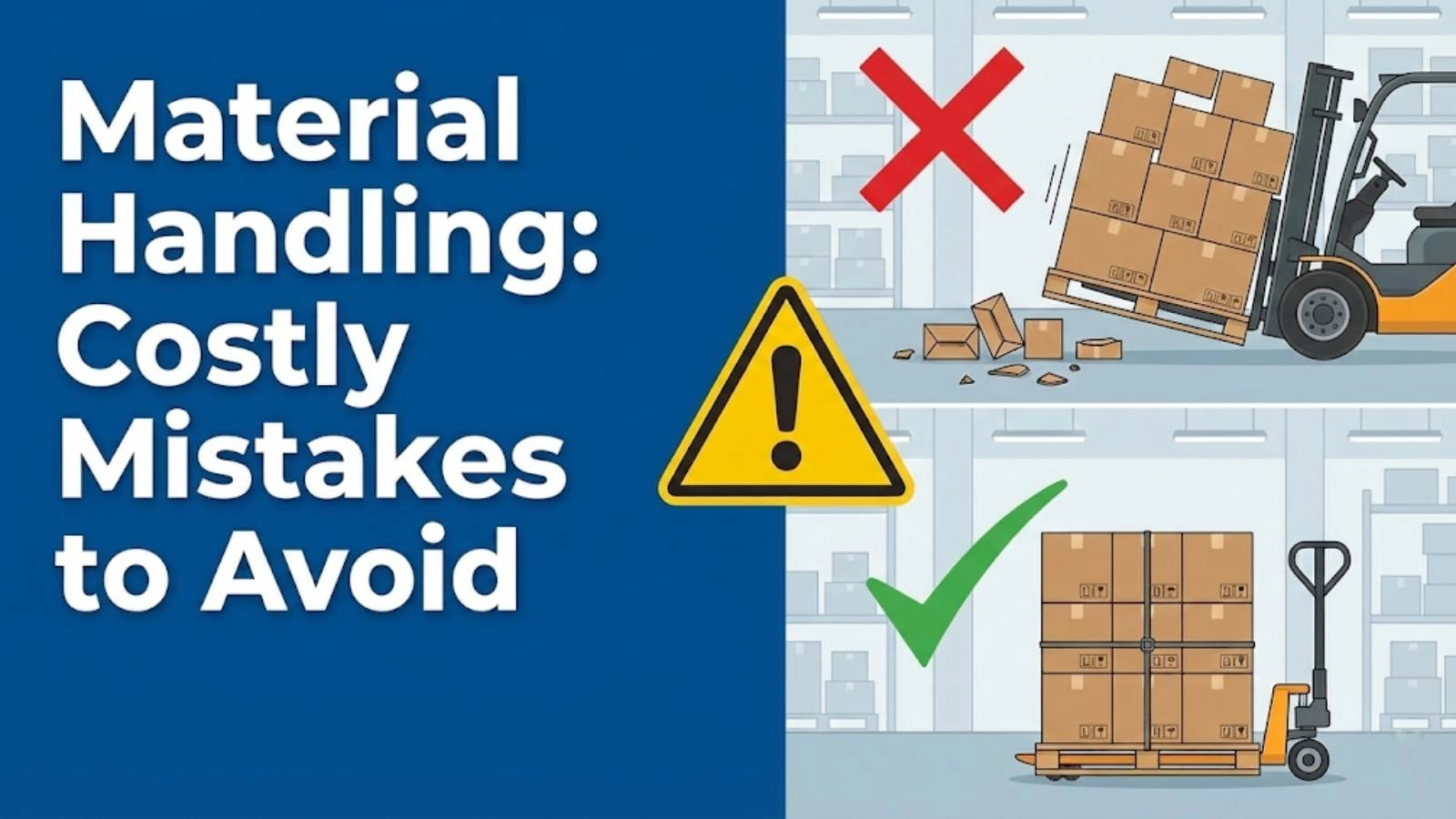
Material handling safety is paramount in any warehouse environment. Accidents can lead to injuries, lost productivity, and increased costs. As experts in safe and secure trading, we at Safe and Secure Trading Company (SSTC) have observed firsthand the consequences of neglecting proper material handling safety protocols. This article outlines common mistakes and provides solutions to help you avoid warehouse accidents and foster a safer working environment.
1. Neglecting Proper Training and Certification
✅ One of the most critical elements of material handling safety is comprehensive training. Without it, even experienced employees can develop unsafe habits, leading to accidents. We’ve seen numerous instances where a lack of training directly contributed to workplace injuries.
1.1. Mistake: Assuming Experience Equates to Safety
Many warehouses mistakenly believe that experienced workers automatically understand material handling safety. This assumption often leads to shortcuts and unsafe practices. Experience can be valuable, but it doesn’t guarantee adherence to safety protocols. Relying solely on experience without formal training can be a costly mistake.
1.2. Solution: Implement Comprehensive Training Programs
Regular, documented training for all employees, regardless of experience, is crucial for material handling safety. These programs should cover topics like proper lifting techniques, equipment operation, hazard identification, and emergency procedures. We recommend annual refresher courses to reinforce safe practices and address any emerging safety concerns.
1.3. Solution: Certification for Equipment Operators
Forklift operators, crane operators, and other specialized equipment operators must be certified according to OSHA standards. Certification ensures that operators have the necessary knowledge and skills to operate equipment safely. We at SSTC always advise our clients in Dammam to prioritize certified operators, as this reduces the risk of accidents and equipment damage.
2. Ignoring Ergonomics and Manual Handling Risks
💡 Ergonomics plays a crucial role in preventing injuries related to manual handling. Ignoring ergonomic principles can lead to musculoskeletal disorders (MSDs), which are a leading cause of workplace disability. We understand the importance of creating a workspace that minimizes physical strain on employees.
2.1. Mistake: Not Addressing Repetitive Motions and Heavy Lifting
Ignoring ergonomic principles can lead to musculoskeletal disorders (MSDs), such as back injuries, carpal tunnel syndrome, and tendonitis. Repetitive motions and heavy lifting put a significant strain on the body. Over time, this strain can result in chronic pain and disability.
2.2. Solution: Conduct Ergonomic Risk Assessments
Identify tasks that pose a high risk for MSDs and implement controls, such as adjustable workstations, lifting aids, and job rotation. Ergonomic risk assessments help pinpoint specific areas where improvements can be made. For many of our clients, we’ve recommended adjustable workstations to accommodate different employee heights and reduce strain.
2.3. Solution: Teach Proper Lifting Techniques
Train employees on proper lifting techniques, including bending at the knees, keeping the back straight, and holding the load close to the body. Proper lifting techniques can significantly reduce the risk of back injuries. We emphasize the importance of teamwork when lifting heavy objects to further minimize strain.
3. Poor Housekeeping and Obstruction of Walkways
➡️ A clean and organized warehouse is a safe warehouse. Poor housekeeping practices can create numerous hazards, leading to slips, trips, and falls. We’ve consistently observed that maintaining a clean work environment reduces the likelihood of accidents.
3.1. Mistake: Allowing Clutter and Debris to Accumulate
Cluttered walkways and work areas increase the risk of trips, slips, and falls, which are common causes of warehouse accidents. Debris, spills, and misplaced items can all create hazardous conditions. A disorganized warehouse is an accident waiting to happen.
3.2. Solution: Implement a Regular Cleaning Schedule
Establish a daily or weekly cleaning schedule to remove debris, spills, and other hazards. Regular cleaning helps maintain a safe and organized work environment. We suggest assigning specific cleaning responsibilities to different employees to ensure accountability.
3.3. Solution: Maintain Clear Walkways and Aisles
Ensure walkways and aisles are clearly marked and free of obstructions. Use designated storage areas for materials and equipment. Clear walkways and aisles allow for safe movement of people and equipment. For our clients here in Dammam, we often recommend using floor markings and signage to delineate walkways and storage areas.
4. Failing to Regularly Inspect and Maintain Equipment
✅ Equipment malfunctions can lead to serious accidents. Neglecting regular equipment inspections and maintenance is a recipe for disaster. We advise implementing a comprehensive preventative maintenance program to keep equipment in safe working condition.
4.1. Mistake: Overlooking Equipment Maintenance
Neglecting regular equipment inspections and maintenance can lead to equipment malfunctions, breakdowns, and accidents. Worn tires, faulty brakes, and broken safety guards can all contribute to accidents. Regular maintenance is essential for ensuring equipment operates safely and efficiently.
4.2. Solution: Implement a Preventative Maintenance Program
Establish a schedule for inspecting and maintaining all material handling equipment, including forklifts, conveyors, and pallet racking. A preventative maintenance program helps identify and address potential problems before they lead to accidents. We recommend keeping detailed records of all inspections and maintenance activities.
4.3. Solution: Train Employees to Identify and Report Hazards
Train employees to identify and report any equipment defects or safety hazards immediately. Employees who are familiar with equipment operation are often the first to notice potential problems. We emphasize the importance of creating a culture where employees feel comfortable reporting safety concerns without fear of reprisal.
5. Inadequate Use of Personal Protective Equipment (PPE)
💡 Personal protective equipment (PPE) is the last line of defense against workplace hazards. Failing to provide or enforce the use of appropriate PPE increases the risk of injuries. We believe that PPE is an essential component of any comprehensive safety program.
5.1. Mistake: Not Providing or Enforcing PPE Use
Failing to provide or enforce the use of appropriate PPE, such as safety shoes, gloves, and eye protection, increases the risk of injuries. Different tasks require different types of PPE. Neglecting to provide or enforce PPE use puts employees at unnecessary risk.
5.2. Solution: Conduct a PPE Hazard Assessment
Identify the specific hazards in each work area and provide employees with the appropriate PPE. A PPE hazard assessment helps determine the type of PPE needed for different tasks. We often conduct these assessments for our clients to ensure they have the right PPE for their specific needs.
5.3. Solution: Enforce PPE Use and Provide Training
Enforce the use of PPE and provide training on how to properly use and maintain it. PPE is only effective if it’s used correctly and consistently. We recommend regular training sessions to reinforce the importance of PPE and ensure employees know how to use it properly.
6. Ignoring Pedestrian Safety Around Forklifts
➡️ Forklifts pose a significant hazard to pedestrians in warehouses. Unclear segregation of forklift and pedestrian traffic can lead to collisions and serious injuries. We prioritize pedestrian safety in all our warehouse safety recommendations.
6.1. Mistake: Unclear Segregation of Forklift and Pedestrian Traffic
A common mistake is not having clear and enforced rules separating forklifts from pedestrian walkways. This can result in collisions between forklifts and pedestrians, leading to serious injuries. Without clear segregation, pedestrians are at constant risk.
6.2. Solution: Designate Separate Walkways and Traffic Lanes
Clearly mark pedestrian walkways and forklift traffic lanes using paint, barriers, or signage. Separate walkways and traffic lanes help keep pedestrians and forklifts apart. We recommend using physical barriers to provide an extra layer of protection.
6.3. Solution: Implement Forklift Speed Limits and Audible Warnings
Enforce speed limits for forklifts and require operators to use horns at intersections and in congested areas. Speed limits and audible warnings help reduce the risk of collisions. We also suggest using mirrors at blind corners to improve visibility.
7. Improper Storage and Stacking of Materials
✅ Unsafe stacking practices can lead to collapses, injuries, and damage to goods. Proper storage and stacking techniques are essential for maintaining a safe and efficient warehouse. We understand the importance of stable and secure storage.
7.1. Mistake: Unsafe Stacking Practices
Improper stacking of materials can lead to collapses, injuries, and damage to goods. Overloading shelves, stacking items too high, and failing to secure unstable loads are all common mistakes. Unsafe stacking practices create a dangerous environment for employees.
7.2. Solution: Train on Proper Stacking Techniques
Train employees on proper stacking techniques, including stacking heavy items on the bottom and securing unstable loads. Proper stacking techniques help prevent collapses and injuries. We emphasize the importance of using appropriate equipment, such as forklifts and pallet jacks, for lifting and moving heavy items.
7.3. Solution: Regularly Inspect Pallet Racking
Inspect pallet racking regularly for damage or defects and make necessary repairs immediately. Damaged pallet racking can collapse under load, leading to serious accidents. We recommend conducting regular inspections by qualified personnel.
8. Lack of Communication and Safety Signage
💡 Effective communication is vital for maintaining a safe workplace. Failing to communicate safety procedures and potential hazards can lead to confusion and accidents. We believe that clear and consistent communication is essential for preventing injuries.
8.1. Mistake: Poor Communication of Hazards and Procedures
Failing to effectively communicate safety procedures and potential hazards can lead to confusion and accidents. Employees need to be aware of potential risks and know how to respond in different situations. Poor communication can undermine even the best safety programs.
8.2. Solution: Use Clear and Visible Safety Signage
Post clear and visible safety signage throughout the warehouse to warn employees of hazards and remind them of safety procedures. Safety signage should be easy to understand and placed in strategic locations. We recommend using pictograms and multilingual signage to ensure everyone understands the message.
8.3. Solution: Conduct Regular Safety Meetings
Hold regular safety meetings to discuss safety issues, share best practices, and reinforce safety training. Safety meetings provide an opportunity to address safety concerns and promote a culture of safety. We encourage employees to actively participate in these meetings and share their insights.
9. Neglecting Emergency Preparedness
➡️ Emergency preparedness is crucial for minimizing the impact of unexpected events. Many warehouses lack comprehensive emergency plans for events such as fires, chemical spills, or natural disasters. We emphasize the importance of being prepared for any eventuality.
9.1. Mistake: Inadequate Emergency Plans
Many warehouses lack comprehensive emergency plans for events such as fires, chemical spills, or natural disasters. Without a plan, employees may not know what to do in an emergency, leading to confusion and panic. Inadequate emergency plans can have devastating consequences.
9.2. Solution: Develop and Communicate Emergency Procedures
Develop written emergency procedures and communicate them to all employees. Conduct regular drills to ensure everyone knows what to do in an emergency. Emergency procedures should cover evacuation routes, first aid procedures, and communication protocols. We recommend conducting drills at least twice a year.
9.3. Solution: Maintain First Aid Supplies and Trained Personnel
Ensure adequate first aid supplies are available and that employees are trained in first aid and CPR. Prompt medical attention can significantly improve outcomes in the event of an injury. We recommend having multiple employees trained in first aid and CPR throughout the warehouse.
10. Failure to Conduct Regular Safety Audits
✅ Regular safety audits are essential for identifying hazards and ensuring compliance with safety regulations. Without regular audits, unsafe conditions can go unnoticed and unaddressed. We believe that safety audits are a proactive way to prevent accidents.
10.1. Mistake: Infrequent or No Safety Audits
Without regular audits, unsafe conditions can go unnoticed and unaddressed. This can lead to a gradual decline in safety standards and an increased risk of accidents. Infrequent or nonexistent safety audits create a dangerous environment for employees.
10.2. Solution: Implement a Regular Safety Audit Program
Conduct regular safety audits to identify hazards, evaluate safety procedures, and ensure compliance with regulations. Safety audits should be conducted by qualified personnel who are familiar with safety regulations and best practices. We offer safety audit services to help our clients identify and address potential hazards.
10.3. Solution: Act on Audit Findings
Take corrective action to address any hazards or deficiencies identified during safety audits. It’s not enough to simply identify problems; you must also take steps to fix them. We recommend tracking corrective actions to ensure they are completed in a timely manner.
11. Ignoring the Importance of Reporting Incidents
💡 A robust incident reporting system is crucial for learning from mistakes and preventing future accidents. Discouraging incident reporting prevents the identification of trends and root causes of accidents. We advocate for a culture of open and honest incident reporting.
11.1. Mistake: Discouraging Incident Reporting
Creating a culture where incidents are underreported due to fear of reprisal prevents learning from mistakes. Employees may be hesitant to report incidents if they fear punishment or blame. This can lead to a cover-up of safety issues and an increased risk of future accidents.
11.2. Solution: Encourage and Facilitate Incident Reporting
Establish a clear and easy-to-use incident reporting system. Emphasize that reporting is crucial for preventing future accidents, regardless of the severity. We recommend using an online reporting system to make it easy for employees to report incidents.
11.3. Solution: Analyze Incident Data and Implement Corrective Actions
Thoroughly analyze reported incidents to identify trends and root causes. Implement corrective actions to address these causes and prevent similar incidents from recurring. Data analysis can reveal patterns that might otherwise go unnoticed.
“Safety is not an intellectual exercise to keep us in the field of management theory. It is a matter of life and death. It is the sum of our contributions to safety management that determines whether the people we work with live or die.” – Patrick Kinlaw, Safety Consultant
12. Not Adapting Safety Procedures to Changing Conditions
➡️ Warehouses are dynamic environments. Failing to update safety procedures to reflect changes in equipment, processes, or regulations can render them ineffective. We emphasize the importance of continuous improvement in safety practices.
12.1. Mistake: Sticking to Outdated Safety Practices
Warehouses often fail to update safety procedures to reflect changes in equipment, processes, or regulations. This can lead to safety procedures that are no longer relevant or effective. Sticking to outdated practices increases the risk of accidents.
12.2. Solution: Regularly Review and Update Safety Procedures
Periodically review and update safety procedures to ensure they remain relevant and effective. Consider incorporating new technologies and best practices. We recommend reviewing safety procedures at least annually or whenever there are significant changes in the warehouse.
12.3. Solution: Seek Employee Input on Safety Improvements
Encourage employees to provide feedback on safety procedures and identify areas for improvement. Their insights can be invaluable in creating a safer workplace. Employees who are actively involved in safety are more likely to follow safety procedures.
Material handling safety requires constant vigilance and a commitment to continuous improvement. By avoiding these common mistakes and implementing the recommended solutions, you can create a safer and more productive warehouse environment. We at Safe and Secure Trading Company are dedicated to helping our clients achieve the highest standards of material handling safety. We believe that by working together, we can create a workplace where everyone goes home safe every day.
Top 3 Material Handling Safety Solutions:
1. Comprehensive Training: Ensure all employees receive thorough, documented training on safe material handling practices.
2. Ergonomic Assessments: Regularly assess tasks for ergonomic risks and implement controls to minimize strain and prevent MSDs.
3. Regular Safety Audits: Conduct frequent audits to identify hazards, evaluate safety procedures, and ensure compliance with regulations.
Conclusion:
Prioritizing material handling safety is not just a regulatory requirement; it’s an investment in your employees and your company’s future. By implementing these strategies, you demonstrate a commitment to safety that fosters a positive work environment, reduces the risk of accidents, and improves overall productivity. We at Safe and Secure Trading Company are ready to help you create a safer, more secure warehouse.
FAQ Section:
Q: How often should we conduct safety training?
A: We recommend conducting safety training at least annually, or more frequently if there are changes in equipment, processes, or regulations.
Q: What are the key elements of an effective emergency plan?
A: An effective emergency plan should include evacuation routes, first aid procedures, communication protocols, and regular drills.
Q: How can we encourage employees to report safety incidents?
A: Create a clear and easy-to-use reporting system, emphasize that reporting is crucial for preventing future accidents, and ensure that employees do not face any negative consequences for reporting incidents.
Q: What is the best way to ensure forklift safety?
A: The best way to ensure forklift safety is to provide certified training to operators, designate separate walkways and traffic lanes for pedestrians and forklifts, enforce speed limits, and conduct regular equipment inspections.
Q: How can we improve ergonomics in our warehouse?
A: Conduct ergonomic risk assessments, provide adjustable workstations, train employees on proper lifting techniques, and implement job rotation to reduce repetitive motions.
Q: What type of PPE is required for material handling tasks?
A: The required PPE depends on the specific hazards of the task, but common items include safety shoes, gloves, eye protection, and hearing protection.
Q: How often should we inspect pallet racking?
A: We recommend inspecting pallet racking at least monthly, or more frequently if there is a high risk of damage.
Q: What are the benefits of conducting regular safety audits?
A: Regular safety audits help identify hazards, evaluate safety procedures, ensure compliance with regulations, and prevent accidents.
Q: How can we stay up-to-date on the latest safety regulations?
A: Subscribe to industry publications, attend safety conferences, and consult with safety experts.
Q: What are some common signs of unsafe stacking practices?
A: Signs of unsafe stacking practices include overloaded shelves, items stacked too high, unstable loads, and damaged pallet racking.
| Safety Tip |
Description |
Why It’s Important |
| Comprehensive Training |
Regular, documented training for all employees. |
Reduces accidents and promotes safe practices. |
| Ergonomic Assessments |
Identify and address ergonomic risks in the workplace. |
Prevents musculoskeletal disorders (MSDs). |
| Clear Walkways |
Maintain clear and unobstructed walkways and aisles. |
Reduces the risk of trips, slips, and falls. |
| Equipment Maintenance |
Regularly inspect and maintain all material handling equipment. |
Prevents equipment malfunctions and accidents. |
| PPE Use |
Provide and enforce the use of appropriate personal protective equipment. |
Protects employees from injuries. |
| Forklift Safety |
Separate forklift and pedestrian traffic. |
Prevents collisions and injuries. |
| Proper Stacking |
Train employees on proper stacking techniques. |
Prevents collapses and injuries. |
| Safety Signage |
Use clear and visible safety signage. |
Communicates hazards and safety procedures. |
| Emergency Plans |
Develop and communicate emergency procedures. |
Ensures employees know what to do in an emergency. |
| Safety Audits |
Conduct regular safety audits. |
Identifies hazards and ensures compliance. |