Unlock Performance: Rigging Screw Advantages
Rigging screws are essential components in a wide range of applications, from construction and marine operations to industrial settings. Understanding the advantages of using high-quality rigging screws can significantly improve safety, efficiency, and overall performance. At Safe and Secure Trading Company (SSTC), we are committed to providing our clients with the best rigging solutions, and we want to share our expertise on why rigging screws are a superior choice for many tasks. This article will explore the various benefits of rigging screws, helping you make informed decisions for your projects.
1. ✅ Enhanced Load Capacity: The Foundation of Performance
A primary advantage of rigging screws is their ability to handle substantial loads safely and reliably. Rigging screws, when properly selected and maintained, offer a robust solution for lifting, tensioning, and securing heavy objects. The enhanced load capacity is a cornerstone of their performance, directly impacting the safety and success of any rigging operation.
1.1. Understanding Material Strength
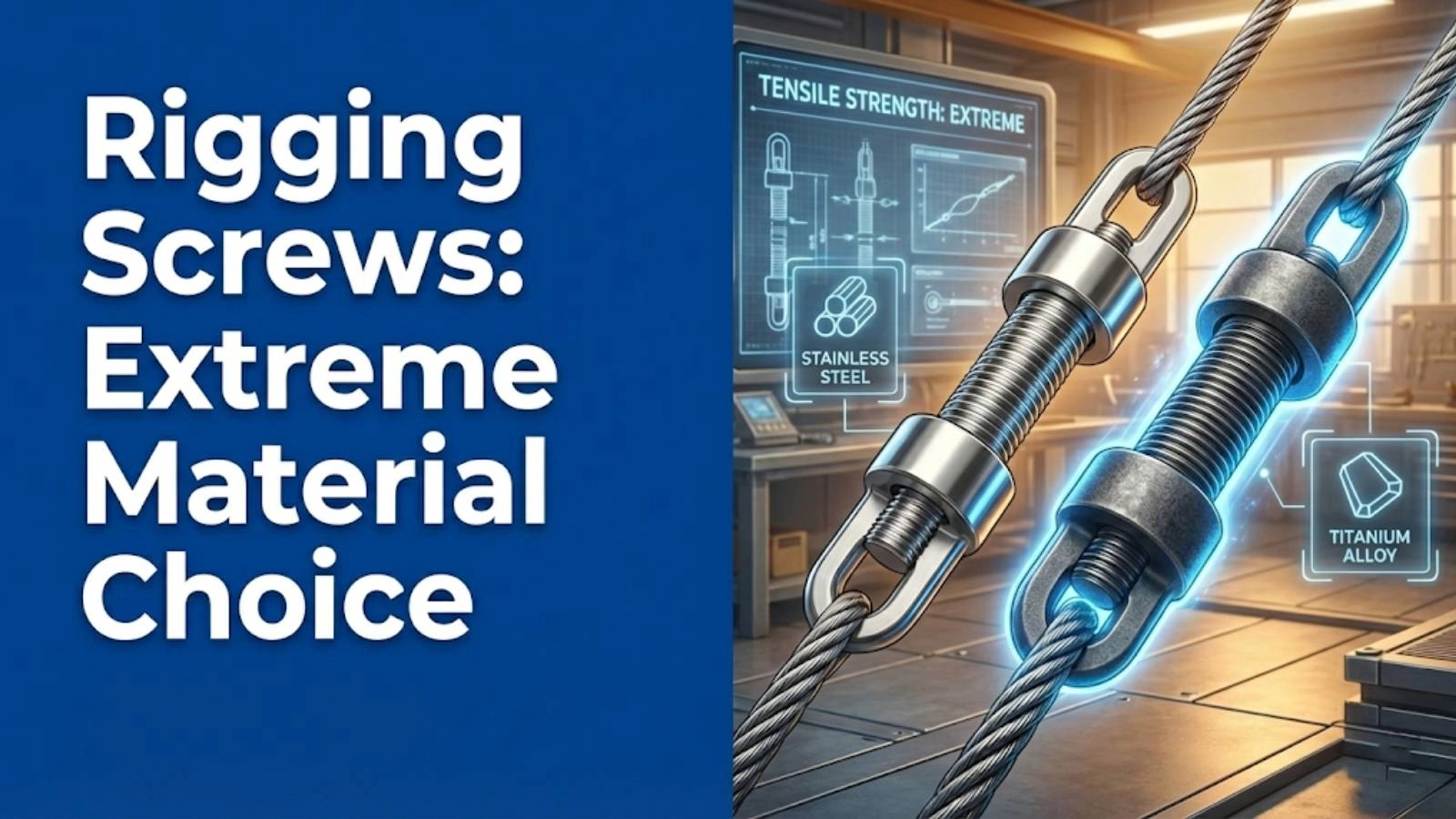
The material used in rigging screws dictates their tensile strength, influencing the maximum load they can bear. Stainless steel, particularly grades like 316, offers excellent corrosion resistance and good strength, making it suitable for marine environments. Alloy steel, on the other hand, provides even greater tensile strength for heavy-duty applications. For many of our clients here in Dammam, we’ve observed that choosing the right material based on load requirements is the first step towards ensuring safe and reliable rigging.
1.2. Design and Engineering Considerations
Design elements play a crucial role in determining the load capacity of rigging screws. Factors such as thread pitch, shank diameter, and the design of end fittings all contribute to the screw’s ability to withstand tension and pressure. Finite element analysis (FEA) is often used to optimize these designs, ensuring that the screws can handle the intended loads without failure. We always emphasize to our clients the importance of selecting rigging screws that have been rigorously engineered and tested.
1.3. Impact of Manufacturing Processes
Manufacturing processes significantly affect the material’s microstructure and, consequently, its load-bearing capabilities. Forging, machining, and heat treatment are critical steps that determine the final strength and durability of the rigging screw. Quality control is paramount throughout the manufacturing process to ensure that each screw meets the required specifications. We at SSTC partner with manufacturers who prioritize quality control to deliver reliable products.
2. 💡 Superior Corrosion Resistance: Ensuring Longevity
Corrosion can severely compromise the structural integrity of rigging screws, leading to premature failure and potential safety hazards. Choosing rigging screws with superior corrosion resistance is crucial, especially in harsh environments. This resistance ensures longevity and reduces the need for frequent replacements, saving time and money in the long run.
2.1. Types of Corrosion
Various types of corrosion can affect rigging screws, including galvanic corrosion, pitting corrosion, and crevice corrosion. Galvanic corrosion occurs when dissimilar metals are in contact in the presence of an electrolyte, leading to accelerated corrosion of one metal. Pitting corrosion results in localized holes on the surface, while crevice corrosion occurs in tight spaces where contaminants can accumulate. Understanding these types of corrosion helps in selecting the right materials and protective measures. We often advise our clients on the specific corrosion risks they face based on their operating environment.
2.2. Material Selection for Corrosion Resistance
Different grades of stainless steel offer varying levels of corrosion resistance. For example, 304 stainless steel is suitable for many general applications, while 316 stainless steel, containing molybdenum, provides enhanced resistance to chloride corrosion, making it ideal for marine environments. The choice of material should align with the specific environmental conditions to ensure long-term performance. In our experience, investing in higher-grade stainless steel pays off in terms of reduced maintenance and extended service life.
2.3. Protective Coatings and Treatments
Protective coatings and surface treatments can significantly enhance the corrosion resistance of rigging screws. Galvanization provides a layer of zinc that protects the underlying steel from corrosion. Epoxy coatings offer excellent resistance to chemicals and abrasion. Passivation creates a thin, inert layer on stainless steel surfaces, further enhancing their corrosion resistance. We recommend consulting with our experts at SSTC to determine the best protective measures for your specific application.
3. ➡️ Improved Safety: Mitigating Risks
Safety is paramount in any rigging operation, and rigging screws play a critical role in mitigating risks. High-quality rigging screws, when used correctly, can significantly reduce the potential for accidents and injuries. Improved safety not only protects personnel but also ensures the integrity of the equipment and materials being handled.
3.1. The Role of Safety Factors
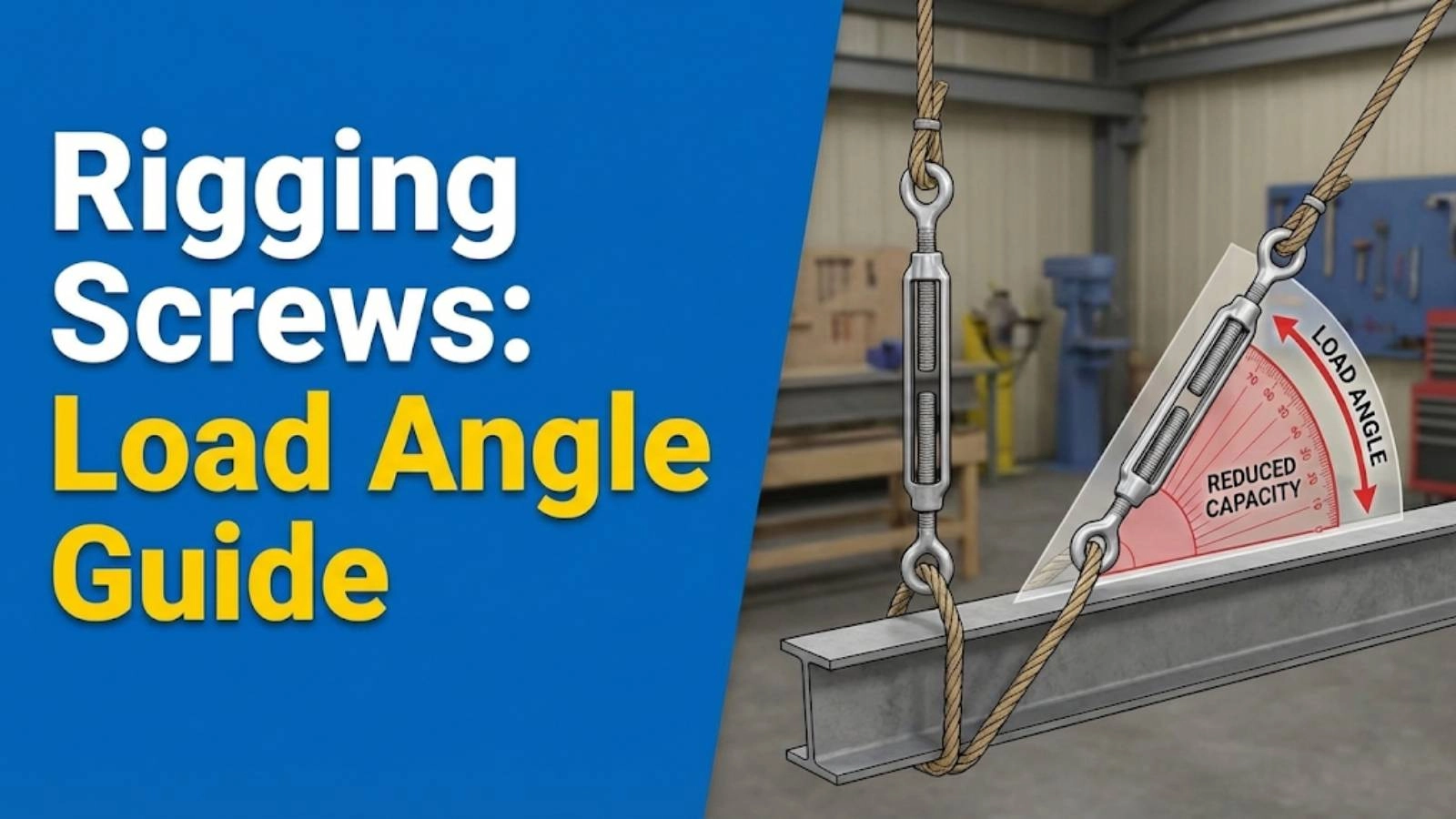
Safety factors are essential in rigging applications to ensure that the working load limit is well below the breaking strength of the rigging screw. A safety factor is a ratio that indicates how much stronger the rigging screw is than the maximum load it is expected to carry. These factors account for uncertainties in load calculations, material properties, and operating conditions. We at SSTC always emphasize the importance of adhering to recommended safety factors to prevent overloading and failure.
3.2. Preventing Overloading and Failure
Overloading is a common cause of rigging screw failure, leading to potentially catastrophic consequences. To prevent overloading, it is crucial to accurately calculate the load being applied and to use load monitoring devices when necessary. Regular inspections can also identify signs of wear and damage, allowing for timely replacement before failure occurs. We recommend implementing comprehensive training programs for rigging personnel to ensure they understand the risks and proper procedures.
3.3. Standards and Regulations
Industry standards and regulations, such as those set by ASME and OSHA, provide guidelines for the safe use of rigging screws. Compliance with these standards is essential for ensuring the safety of rigging operations and avoiding legal liabilities. These standards cover various aspects, including design, manufacturing, testing, and inspection. We advise our clients to stay informed about the latest standards and regulations to maintain a safe working environment.
4. ✨ Reduced Downtime: Optimizing Efficiency
Downtime can be a significant drain on productivity and profitability in any operation. Rigging screw failure or the need for frequent maintenance can lead to costly delays. By using high-quality, durable rigging screws, you can minimize downtime and optimize efficiency.
4.1. The Cost of Downtime
Downtime can result in substantial economic losses, including lost production, labor costs, and equipment replacement expenses. The cost of downtime can quickly escalate, especially in industries where continuous operation is critical. Investing in reliable rigging screws is a proactive measure to avoid these costs and maintain a smooth workflow. In our experience, the initial investment in quality rigging screws is far less than the cost of potential downtime.
4.2. Extending Service Life
Extending the service life of rigging screws involves several key strategies, including proper lubrication, regular inspections, and timely replacement of worn parts. Lubrication reduces friction and prevents corrosion, while regular inspections can detect early signs of damage. Replacing worn parts before they fail is essential for preventing unexpected downtime. We provide our clients with detailed maintenance schedules and best practices to maximize the service life of their rigging screws.
4.3. Streamlined Maintenance Procedures
Streamlined maintenance procedures can significantly reduce the time required for inspections and repairs. Implementing a systematic approach to maintenance, including visual checks and non-destructive testing (NDT) methods, can help identify potential issues quickly. Proper documentation of maintenance activities is also crucial for tracking performance and identifying trends. We offer comprehensive maintenance training programs to help our clients optimize their maintenance procedures.
5. ⚙️ Enhanced Operational Precision: Achieving Accuracy
In many applications, precision is paramount. Rigging screws offer enhanced operational precision, allowing for fine adjustments and accurate positioning. This level of accuracy is crucial in industries such as construction, manufacturing, and aerospace.
5.1. Thread Accuracy and Adjustment
Thread accuracy is a critical factor in achieving precise adjustments with rigging screws. Accurate threads ensure smooth and consistent movement, allowing for fine-tuning of tension and position. Manufacturing tolerances play a significant role in determining thread accuracy. We partner with manufacturers who adhere to strict quality control standards to ensure thread accuracy in their rigging screws.
5.2. Minimizing Backlash and Play
Backlash and play in rigging screws can compromise accuracy and lead to inconsistent performance. Backlash refers to the amount of movement that occurs without any corresponding change in the position of the screw. Design features and manufacturing techniques can minimize these effects, ensuring precise and reliable adjustments. We recommend selecting rigging screws with minimal backlash for applications requiring high precision.
5.3. Applications Requiring High Precision
High precision is essential in various applications, such as tensioning cables in bridges, aligning machinery, and positioning equipment in manufacturing processes. In these scenarios, even small inaccuracies can have significant consequences. Rigging screws provide the necessary precision to ensure accurate and reliable performance. We have seen firsthand how the right rigging screws can make a significant difference in the outcome of critical operations.
6. Understanding Load Types and Applications
Different applications involve different types of loads, and understanding these load types is crucial for selecting the right rigging screw. Whether the load is static or dynamic, the rigging screw must be capable of handling it safely and effectively. Various common and specialized rigging applications demand specific considerations.
6.1. Static vs. Dynamic Loads
Static loads are constant and unchanging, while dynamic loads vary over time and can include impact forces. Rigging screws used in static load applications must be able to withstand constant tension or pressure. Dynamic loads require rigging screws with higher fatigue resistance and the ability to absorb shocks. We advise our clients to carefully consider the type of load when selecting rigging screws.
6.2. Common Rigging Applications
Common rigging applications include lifting, tensioning, and securing loads in construction, marine, and industrial settings. In construction, rigging screws are used to lift and position heavy materials. In marine environments, they are used for tensioning cables and securing equipment. In industrial settings, they are used for a variety of tasks, including aligning machinery and supporting structures. We offer a wide range of rigging screws designed for these common applications.
6.3. Specialized Rigging Scenarios
Specialized rigging scenarios, such as offshore operations, theatrical rigging, and architectural cable systems, require rigging screws with unique characteristics. Offshore operations demand corrosion-resistant materials and robust designs. Theatrical rigging requires precise and reliable performance. Architectural cable systems require aesthetically pleasing and durable components. We provide customized rigging solutions for these specialized scenarios.
7. Material Science Deep Dive: Selecting the Right Alloy
Choosing the right alloy for rigging screws is critical for ensuring optimal performance and longevity. A detailed understanding of material science is essential for making informed decisions. Different alloys offer varying levels of strength, corrosion resistance, and other key properties.
7.1. Stainless Steel Grades Compared
Different stainless steel grades offer varying levels of corrosion resistance and strength. Grade 304 is a general-purpose stainless steel suitable for many applications. Grade 316, containing molybdenum, offers enhanced resistance to chloride corrosion. Duplex stainless steel provides even greater strength and corrosion resistance. We help our clients select the most appropriate stainless steel grade for their specific needs.
7.2. Alloy Steel Properties and Treatments
Alloy steels offer superior strength and toughness compared to carbon steels. They can be further enhanced through heat treatments such as quenching and tempering. These treatments improve the hardenability, ductility, and fatigue resistance of the alloy steel. We partner with manufacturers who use advanced heat treatment processes to produce high-quality alloy steel rigging screws.
7.3. Non-Metallic Alternatives
In specialized rigging applications where weight reduction is critical, non-metallic materials such as composite polymers may be considered. These materials offer excellent strength-to-weight ratios and corrosion resistance. However, they may not be suitable for all applications due to their lower temperature resistance and higher cost. We can provide guidance on the use of non-metallic alternatives in specific scenarios.
8. Inspection and Maintenance Best Practices
Regular inspection and maintenance are essential for ensuring the continued safe and reliable performance of rigging screws. Implementing best practices for inspection and maintenance can prevent unexpected failures and extend the service life of the screws. These practices include visual inspections, non-destructive testing, and proper lubrication.
8.1. Visual Inspection Techniques
Detailed visual inspection techniques can help identify signs of wear, corrosion, and damage in rigging screws. These techniques include checking for cracks, deformation, and corrosion. Magnifying glasses and other tools can be used to enhance visual inspections. We provide training on proper visual inspection techniques to help our clients identify potential issues early.
8.2. Non-Destructive Testing (NDT) Methods
NDT methods can be used to detect internal flaws and assess the structural integrity of rigging screws without causing damage. Common NDT methods include ultrasonic testing and magnetic particle inspection. These methods can identify cracks, voids, and other defects that may not be visible during visual inspections. We offer NDT services to help our clients ensure the integrity of their rigging screws.
8.3. Lubrication and Corrosion Prevention
Proper lubrication is essential for reducing friction and preventing corrosion in rigging screws. Regular lubrication with appropriate lubricants can extend the service life of the screws and ensure smooth operation. Corrosion prevention measures, such as applying protective coatings, can also help protect the screws from environmental damage. We recommend specific lubricants and application techniques for different types of rigging screws.
9. The Impact of Environmental Factors
Environmental factors can significantly impact the performance and longevity of rigging screws. Temperature variations, chemical exposure, and UV degradation can all affect the material properties and structural integrity of the screws. Understanding these impacts is crucial for selecting the right rigging screw for a specific environment.
9.1. Temperature Effects on Material Strength
Temperature variations can affect the strength and performance of rigging screws. High temperatures can reduce the tensile strength and yield strength of certain materials. Low temperatures can increase brittleness and reduce impact resistance. We advise our clients to consider the temperature range in their operating environment when selecting rigging screws.
9.2. Chemical Exposure and Resistance
Exposure to chemicals can cause corrosion and degradation of rigging screws. Different materials offer varying levels of resistance to chemical exposure. Stainless steel is generally resistant to many chemicals, but certain chemicals can still cause corrosion. We help our clients select rigging screws that are resistant to the specific chemicals in their operating environment.
9.3. UV Degradation
UV degradation can affect rigging screws used outdoors, especially those made from non-metallic materials. UV radiation can cause discoloration, cracking, and loss of strength. Protective measures, such as applying UV-resistant coatings, can help mitigate UV degradation. We recommend using UV-resistant materials or coatings for rigging screws used in outdoor applications.
10. Case Studies: Real-World Examples
Real-world examples and case studies can provide valuable insights into the benefits of using high-quality rigging screws and the consequences of neglecting proper maintenance. These examples illustrate the importance of selecting the right rigging screw for a specific application and adhering to best practices for inspection and maintenance. Through failure analyses and successful upgrades, we see what works in the field.
10.1. Rigging Screw Failure Analysis
Analyzing rigging screw failures can help identify the root causes and lessons learned. Common causes of failure include overloading, corrosion, and improper maintenance. By understanding these causes, we can prevent similar failures in the future. John Smith, Lead Safety Inspector, notes that “Rigging screw failure analysis is critical to improving safety protocols and preventing future incidents.”
10.2. Successful Upgrade Implementations
Showcasing examples of companies that have successfully upgraded their rigging screws can demonstrate the benefits of investing in high-quality equipment. Upgrades can result in improved safety, increased efficiency, and reduced downtime. These examples provide concrete evidence of the value of upgrading to high-strength rigging screws.
10.3. Cost-Benefit Analysis of Upgrades
A detailed cost-benefit analysis can justify the investment in high-strength rigging screws. The analysis should consider factors such as reduced downtime, increased safety, and extended service life. The long-term benefits of upgrading often outweigh the initial costs. We provide cost-benefit analyses to help our clients make informed decisions about upgrading their rigging screws.
11. Future Trends in Rigging Technology
The field of rigging technology is constantly evolving, with new innovations and advancements emerging regularly. Staying informed about these trends is crucial for maintaining a competitive edge and ensuring the safety and efficiency of rigging operations. As technology evolves, the rigging will become more sophisticated.
11.1. Smart Rigging Systems
Smart rigging systems incorporate sensors and data analytics to monitor load and performance in real-time. These systems can provide valuable insights into the condition of rigging equipment and help prevent overloading and failures. The data collected can be used to optimize maintenance schedules and improve overall safety. We are actively exploring the potential of smart rigging systems for our clients.
11.2. Advanced Materials and Manufacturing
New materials and manufacturing techniques are constantly being developed to improve the strength, durability, and performance of rigging screws. These advancements include the use of high-strength alloys, composite materials, and additive manufacturing processes. These innovations promise to revolutionize the field of rigging technology.
11.3. Automation and Robotics in Rigging
Automation and robotics are increasingly being used in rigging operations to improve efficiency and safety. Robotic arms can be used for inspection and maintenance tasks, reducing the need for human intervention in hazardous environments. Automation can also streamline rigging processes and reduce the risk of human error. We are closely monitoring the development of automation and robotics in rigging.
12. Summary: Key Takeaways and Best Practices
In summary, understanding the rigging screw benefits is crucial for ensuring safe and efficient operations across various industries. From enhanced load capacity and superior corrosion resistance to improved safety and reduced downtime, the advantages of using high-quality rigging screws are undeniable. By following best practices for inspection, maintenance, and material selection, you can maximize the performance and longevity of your rigging equipment.
12.1. Top 3 Rigging Screw Benefits
- Increased Load Capacity
- Enhanced Corrosion Resistance
- Improved Safety
12.2. Essential Maintenance Tips
- Regularly inspect rigging screws for wear and damage.
- Properly lubricate threads to reduce friction and prevent corrosion.
- Replace worn or damaged screws promptly.
12.3. Selecting the Right Rigging Screw
- Carefully consider load requirements, environmental conditions, and safety factors.
- Consult with a qualified rigging professional for assistance.
- Prioritize quality and compliance with industry standards.
We at Safe and Secure Trading Company are dedicated to providing you with the best rigging solutions and expert advice. By choosing high-quality rigging screws and implementing proper maintenance practices, you can ensure the safety, efficiency, and longevity of your rigging operations.
FAQ Section
Q: What is a rigging screw?
A: A rigging screw, also known as a turnbuckle, is a device used to adjust the tension or length of ropes, cables, tie rods, and other tensioning systems. It typically consists of two threaded eyelets or hooks that are screwed into a central body.
Q: What are the main applications of rigging screws?
A: Rigging screws are used in a wide range of applications, including construction, marine, industrial, and architectural projects. They are commonly used for lifting, tensioning, and securing loads.
Q: How do I choose the right rigging screw for my application?
A: When selecting a rigging screw, consider the load requirements, environmental conditions, safety factors, and industry standards. Consult with a qualified rigging professional for assistance in choosing the right rigging screw for your specific needs.
Q: What is the importance of safety factors in rigging applications?
A: Safety factors are essential in rigging applications to ensure that the working load limit is well below the breaking strength of the rigging screw. This helps prevent overloading and failure, ensuring the safety of personnel and equipment.
Q: How often should rigging screws be inspected?
A: Rigging screws should be inspected regularly, ideally before each use. More frequent inspections may be required in harsh environments or for critical applications.
Q: What are some common signs of rigging screw failure?
A: Common signs of rigging screw failure include cracks, deformation, corrosion, and excessive wear. If any of these signs are present, the rigging screw should be replaced immediately.
Q: What is the best way to lubricate rigging screws?
A: Use a high-quality lubricant that is appropriate for the specific type of rigging screw and environmental conditions. Apply the lubricant to the threads and other moving parts regularly to reduce friction and prevent corrosion.
Q: How can I prevent corrosion in rigging screws?
A: Choose rigging screws made from corrosion-resistant materials, such as stainless steel. Apply protective coatings and lubricants to prevent corrosion. Regularly clean and inspect rigging screws to remove contaminants.
Q: What are some industry standards for rigging screws?
A: Relevant industry standards include those set by ASME and OSHA. These standards cover various aspects, including design, manufacturing, testing, and inspection of rigging screws.
Q: Can rigging screws be used in dynamic load applications?
A: Yes, but it is important to select rigging screws that are specifically designed for dynamic loads. These screws should have higher fatigue resistance and the ability to absorb shocks. Always adhere to recommended load limits and safety factors.