Rigging screws are often the unsung heroes in heavy lifting operations. These seemingly simple components play a crucial role in ensuring the safety and efficiency of various tasks, from construction and manufacturing to marine and theatrical applications. Understanding the capacity of a rigging screw is paramount for preventing accidents and maximizing performance. By employing best practices and adhering to safety guidelines, we can safely boost the capacity of rigging screws and optimize their lifting potential.
1. ✅ Match the Screw to the Task: Understanding WLL
Decoding Working Load Limit (WLL)
The Working Load Limit (WLL) is the maximum weight a rigging screw is designed to safely lift. It’s the single most important factor to consider when selecting a rigging screw for a specific application. The WLL takes into account various safety factors to ensure that the screw can withstand the intended load without failure. It’s crucial to remember that exceeding the WLL can lead to catastrophic consequences, including equipment damage, personal injury, or even fatalities. We always advise our clients to prioritize understanding and adhering to the WLL to ensure safe and secure lifting operations.
Identifying the Right Screw for the Job
Choosing the right type of rigging screw is essential for optimizing its performance and ensuring safety. Different types of rigging screws, such as jaw, eye, and hook, are designed for specific applications. Jaw end fittings are typically used for connecting to fixed points, while eye end fittings are ideal for attaching to shackles or other lifting devices. Hook end fittings offer quick and easy connections. Selecting the appropriate type of rigging screw based on the specific application and the required connection method is crucial for maximizing its efficiency and preventing potential hazards. For our clients operating in the busy ports of Jeddah, we often emphasize the importance of selecting the correct rigging hardware to withstand the demands of their maritime operations.
2. 💡 Angle of Lift: The Hidden Capacity Killer
The Geometry of Stress
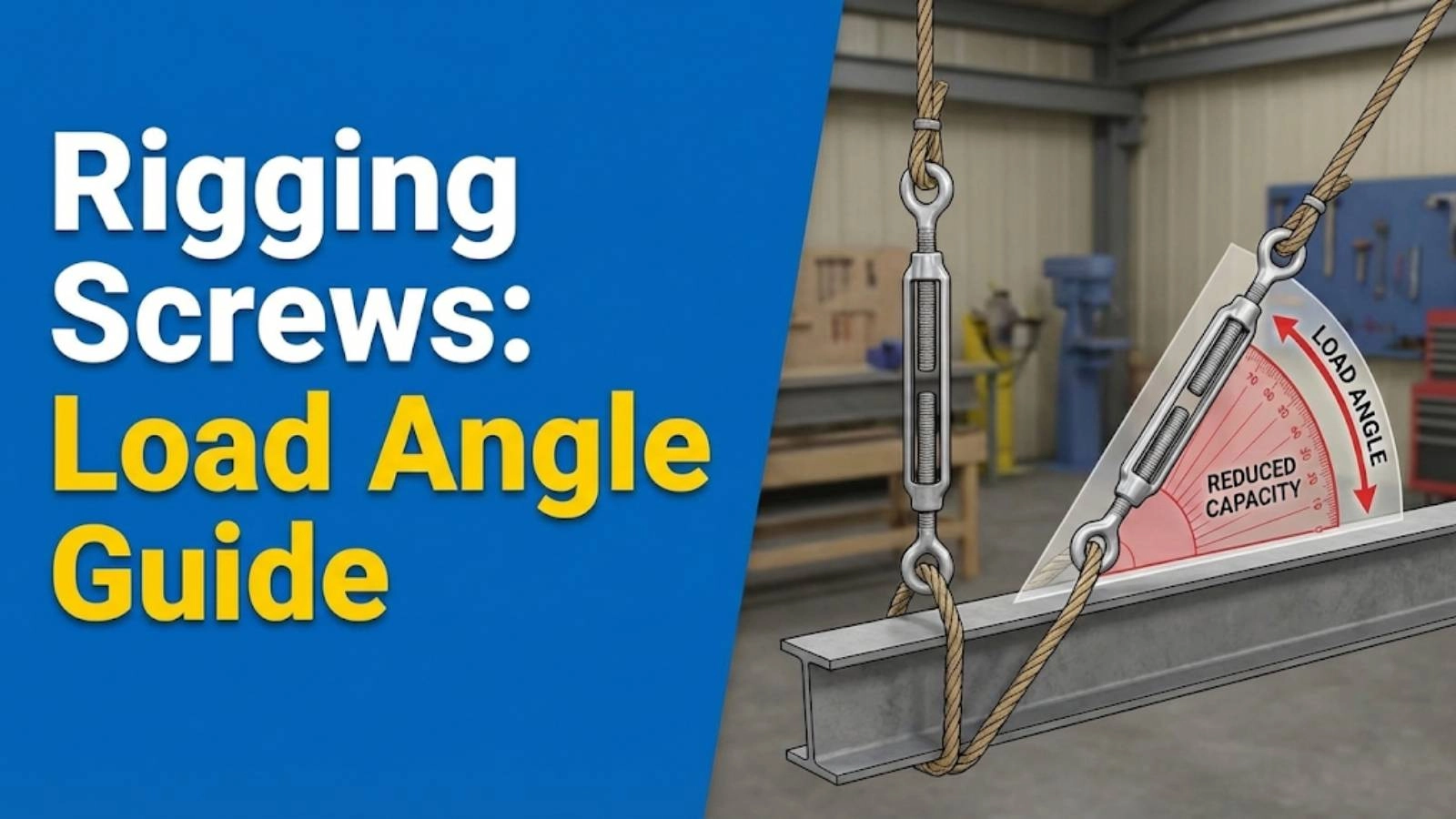
The angle of lift significantly affects the load on a rigging screw. As the angle increases, the tension on the screw increases exponentially. This is because the vertical component of the load remains the same, while the horizontal component increases, placing more stress on the rigging screw. For example, when lifting a load vertically (0-degree angle), the rigging screw experiences the full weight of the load. However, when lifting at a 60-degree angle, the tension on each rigging screw increases to approximately 115% of the load. A wider angle can drastically reduce the effective lifting capacity of the screw, potentially leading to failure.
Mitigation Strategies: Spreaders and Adjustments
Using spreader bars is an effective way to reduce the angle of lift and distribute the load more evenly. Spreader bars keep the slings or ropes farther apart, minimizing the angle and reducing the tension on the rigging screws. Adjusting the rigging setup can also optimize load distribution. For example, using multiple rigging screws to distribute the load can reduce the stress on each individual screw. We recommend that our clients in Riyadh, who often handle complex construction projects, consider the use of spreader bars to maintain the WLL.
3. ➡️ Material Matters: Choosing the Right Alloy
The Strength of Steel: High-Tensile vs. Mild
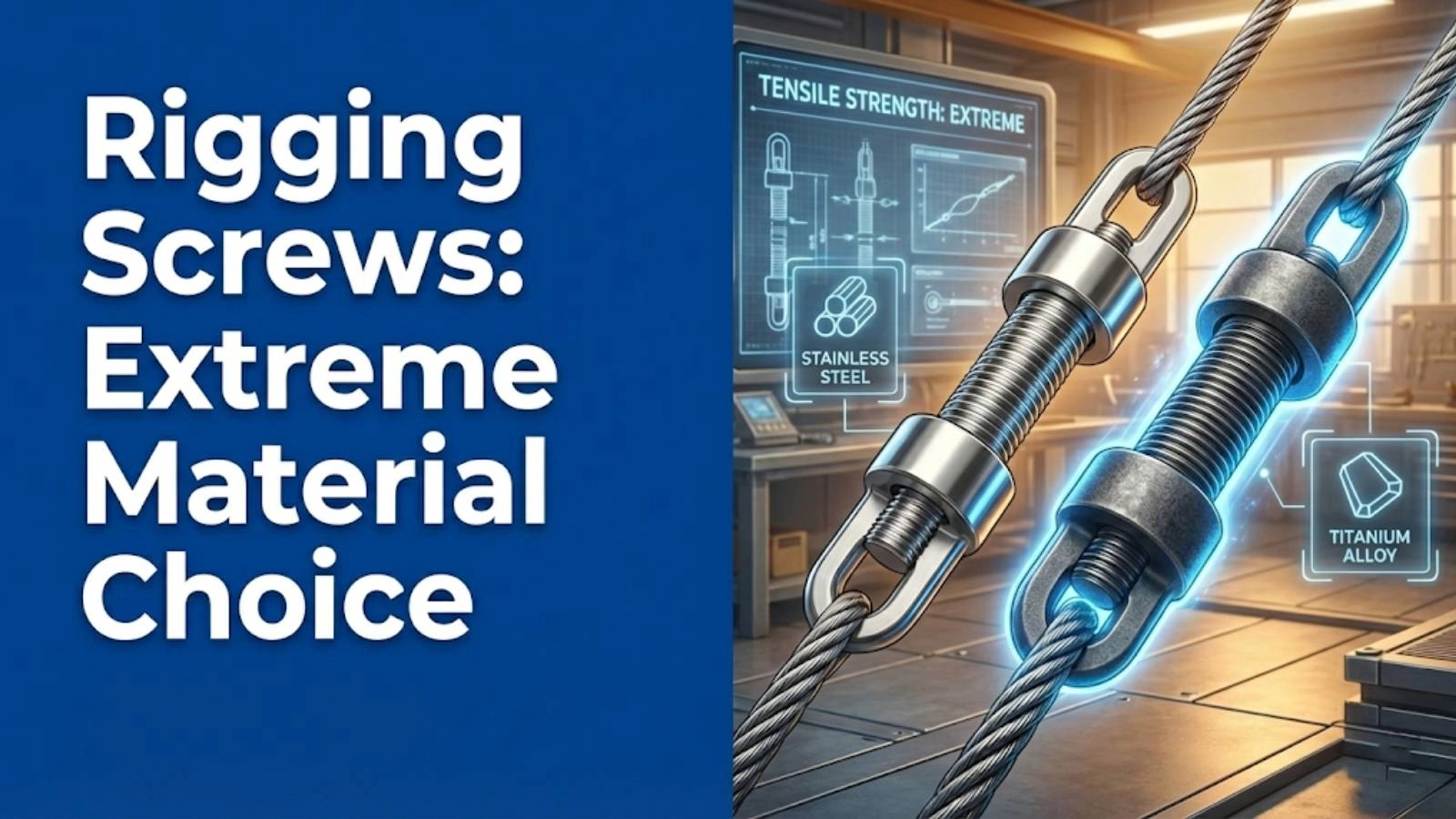
The type of steel used in rigging screws significantly impacts their strength and load capacity. High-tensile steel offers superior strength and durability compared to mild steel. High-tensile steel rigging screws can withstand higher loads and are less likely to deform or fail under stress. Mild steel, while more affordable, is not suitable for heavy lifting applications due to its lower strength. Opting for high-tensile steel rigging screws is a worthwhile investment for ensuring safety and longevity, especially in demanding environments.
Corrosion Resistance: Protecting Your Investment
Corrosion can significantly weaken rigging screws, reducing their load capacity and increasing the risk of failure. Choosing corrosion-resistant materials is essential, especially in marine or humid environments. Galvanized or stainless-steel rigging screws offer excellent corrosion resistance, protecting the screw from rust and degradation. Galvanization involves coating the steel with a layer of zinc, which acts as a barrier against corrosion. Stainless steel, on the other hand, contains chromium, which forms a passive layer on the surface, preventing rust. For our offshore clients near Jubail, we always recommend stainless steel rigging screws to combat the harsh marine conditions.
4. ✨ Proper Installation: Torque and Tension Secrets
Torque Specs: Achieving Optimal Clamping Force
Following torque specifications is crucial for achieving optimal clamping force and ensuring the rigging screw’s load capacity. Under-tightening can lead to insufficient clamping force, causing the screw to loosen or fail under load. Over-tightening, on the other hand, can damage the threads or deform the screw, compromising its strength. Torque specifications are typically provided by the manufacturer and should be strictly adhered to. Using a calibrated torque wrench ensures accurate tightening and prevents over- or under-tightening.
Visual Inspection: Catching Problems Early
Regularly inspecting rigging screws for damage is essential for identifying potential problems early and preventing accidents. A visual inspection should include checking for corrosion, cracks, deformation, and wear. Corrosion can weaken the screw and reduce its load capacity. Cracks and deformation can indicate that the screw has been overloaded or subjected to excessive stress. Wear can also compromise the screw’s strength. If any damage is detected, the rigging screw should be immediately removed from service and replaced.
Here is a checklist of things to look for during a visual inspection:
- ✅ Corrosion or rust
- ✅ Cracks or fractures
- ✅ Deformation or bending
- ✅ Worn or damaged threads
- ✅ Loose or missing parts
5. ⚙️ Dynamic Loading: Understanding Impact Forces
The Danger of Jerky Movements
Dynamic loading occurs when a load is subjected to sudden or jerky movements, which can significantly increase stress on the rigging screw. Dynamic loading can generate impact forces that are much higher than the static weight of the load. For example, if a load is suddenly dropped or jerked, the rigging screw can experience forces that are several times the static weight. Smooth, controlled lifting is essential for minimizing dynamic loading and preventing damage to the rigging screw.
Shock Absorption: Dampening the Blow
Shock absorbers or dampeners can mitigate dynamic loading and extend the life of rigging screws. These devices absorb impact forces, reducing the stress on the screw and preventing damage. Shock absorbers are typically used in applications where dynamic loading is unavoidable, such as lifting loads in windy conditions or operating machinery with jerky movements. By dampening the impact, these devices protect the rigging screw from excessive stress and ensure safe and reliable lifting operations.
6. ⚓ Environmental Factors: Temperature and Chemical Exposure
Temperature Extremes: Hot and Cold Effects
Extreme temperatures can affect the strength of rigging screws. High temperatures can reduce the yield strength of steel, making it more susceptible to deformation or failure. Cold temperatures can also make steel more brittle, increasing the risk of fracture. Using temperature-compensated load charts is essential for determining the safe working load at different temperatures. These charts provide adjustments to the WLL based on the ambient temperature.
Chemical Compatibility: Avoiding Corrosion
Choosing rigging screws compatible with the environment is crucial for preventing corrosion and ensuring longevity. Exposure to certain chemicals can damage or corrode the screw, reducing its load capacity and increasing the risk of failure. For example, exposure to acids, alkalis, or solvents can corrode steel rigging screws. Stainless steel or coated rigging screws are more resistant to chemical attack. We recommend that our clients working in chemical plants in Yanbu carefully assess the chemical compatibility of their rigging equipment.
7. 📚 Regular Inspections & Maintenance: Prolonging Lifespan
Creating an Inspection Schedule
Regularly inspecting rigging screws is essential for identifying potential problems and ensuring safe operation. An inspection schedule should be based on the frequency of use, the severity of the operating environment, and the manufacturer’s recommendations. A typical inspection schedule might include daily, weekly, and monthly inspections. Daily inspections should focus on identifying obvious damage or wear, while weekly and monthly inspections should involve a more thorough examination.
Lubrication: Keeping Things Moving Smoothly
Lubrication is essential for preventing corrosion and wear on rigging screws. Lubrication reduces friction between moving parts, preventing galling and ensuring smooth operation. It also protects the screw from corrosion by creating a barrier against moisture and other corrosive elements. The type of lubricant used should be appropriate for the operating environment. For example, a marine-grade lubricant should be used in marine environments to provide superior corrosion protection. We advise our clients to establish a lubrication schedule to maintain the rigging screws in good condition.
8. 🏆 Expert Tip: Load Testing and Certification
The Value of Proof Loading
Proof loading involves subjecting a rigging screw to a load greater than its WLL to verify its strength and integrity. Proof loading is typically performed by a qualified testing facility and provides assurance that the rigging screw can withstand the intended load. Proof loading can identify hidden defects or weaknesses that may not be apparent during a visual inspection. We always recommend proof loading for critical lifting applications or when the rigging screw’s history is unknown.
Documentation: Keeping Records for Compliance
Keeping records of inspections, maintenance, and certifications is essential for ensuring compliance with safety regulations. These records provide evidence that the rigging screws have been properly inspected and maintained. The records should include the date of inspection, the findings of the inspection, any maintenance performed, and the certification status of the rigging screw. These records can help ensure compliance with OSHA regulations and other safety standards.
9. 📊 Case Study: Real-World Examples of Capacity Boosts
Scenario 1: Optimizing Angle of Lift
A construction company was tasked with lifting a heavy steel beam into place. Initially, the rigging setup involved using two rigging screws at a 60-degree angle. This setup significantly reduced the effective lifting capacity, requiring them to use larger and more expensive rigging screws. By using a spreader bar to reduce the angle of lift to 30 degrees, the company was able to use smaller, less expensive rigging screws without compromising safety.
Data:
- Original angle of lift: 60 degrees
- Reduced angle of lift (with spreader bar): 30 degrees
- Increase in lifting capacity: Approximately 30%
Scenario 2: Upgrading to High-Tensile Steel
A manufacturing plant was experiencing frequent failures with their mild steel rigging screws. The failures were attributed to the screws being overloaded or subjected to excessive stress. By upgrading to high-tensile steel rigging screws, the plant significantly improved safety and performance. The high-tensile steel screws were able to withstand higher loads and were less likely to fail under stress.
Data:
- Number of failures with mild steel rigging screws: 5 per year
- Number of failures with high-tensile steel rigging screws: 0 per year
- Improvement in safety and performance: Significant reduction in downtime and accidents.
10. 🔗 The SSTC Advantage: Our Commitment to Safety
Rigorous Testing and Quality Assurance
At SSTC, we are committed to providing high-quality, safe rigging screws. Our rigging screws undergo rigorous testing and quality assurance processes to ensure they meet or exceed industry standards. We conduct tensile testing, proof loading, and other tests to verify the strength and integrity of our rigging screws. Our commitment to quality ensures that our customers can rely on our products for safe and reliable lifting operations.
Expert Consultation and Support
We understand that selecting the right rigging screw for a specific application can be challenging. That’s why we offer expert consultation and support to our customers. Our team of experienced engineers and rigging specialists can help you choose the right rigging screw for your needs and provide guidance on proper installation, inspection, and maintenance. We encourage you to contact us for help with your rigging needs.
11. 🤔 Common Mistakes to Avoid: A Rigging Screw “Hall of Shame”
Overloading: The Cardinal Sin
Overloading a rigging screw is the most common and dangerous mistake. Exceeding the WLL can lead to catastrophic failure, resulting in equipment damage, personal injury, or even death. Always ensure that the load is within the rigging screw’s WLL.
Cautionary Tale:
A construction worker ignored the WLL and attempted to lift a load that was significantly heavier than the rigging screw’s capacity. The rigging screw snapped, causing the load to fall and crush the worker’s foot. This incident serves as a reminder of the importance of adhering to the WLL.
Neglecting Inspections: A Recipe for Disaster
Neglecting regular inspections can lead to undetected damage or wear, increasing the risk of failure. Regular inspections are essential for identifying potential problems early and preventing accidents. We see far too many incidents traced back to simple neglect.
Story of Neglect:
A manufacturing plant failed to regularly inspect their rigging screws. Over time, the screws became corroded and weakened. One day, a rigging screw failed during a lift, causing a load to fall and damage a piece of equipment. The incident resulted in significant downtime and repair costs. This incident highlights the importance of regular inspections and maintenance.
12. Conclusion: Mastering Rigging Screw Capacity for Ultimate Safety
Understanding and maximizing rigging screw capacity is crucial for ensuring safe and efficient lifting operations. By matching the screw to the task, considering the angle of lift, choosing the right material, following proper installation procedures, and regularly inspecting and maintaining the screws, we can safely boost their capacity and extend their lifespan. Remember, safety is paramount, and understanding the limits of your equipment is the first step to preventing accidents.
FAQ Section
Q: What is the most important factor to consider when selecting a rigging screw?
A: The most important factor is the Working Load Limit (WLL), which is the maximum weight the rigging screw is designed to safely lift. Never exceed the WLL.
Q: How does the angle of lift affect rigging screw capacity?
A: As the angle of lift increases, the tension on the rigging screw increases, reducing its effective lifting capacity. Use spreader bars to minimize the angle.
Q: What type of steel is best for rigging screws?
A: High-tensile steel offers superior strength and durability compared to mild steel and is preferred for heavy lifting applications.
Q: How often should rigging screws be inspected?
A: Rigging screws should be inspected regularly, with daily, weekly, and monthly inspections depending on the frequency of use and the operating environment.
Q: Why is lubrication important for rigging screws?
A: Lubrication prevents corrosion and wear, reduces friction, and ensures smooth operation. Use a lubricant appropriate for the operating environment.
Q: What is proof loading?
A: Proof loading involves subjecting a rigging screw to a load greater than its WLL to verify its strength and integrity. It’s a valuable safety measure, especially for critical lifting applications.
Q: How do extreme temperatures affect rigging screws?
A: Extreme temperatures can affect the strength of rigging screws. High temperatures can reduce the yield strength, while cold temperatures can make the steel more brittle.
Q: What is dynamic loading?
A: Dynamic loading occurs when a load is subjected to sudden or jerky movements, which can significantly increase stress on the rigging screw. Smooth, controlled lifting is essential to minimize dynamic loading.
Q: How can I ensure compliance with safety regulations?
A: Keep records of inspections, maintenance, and certifications. These records provide evidence that the rigging screws have been properly inspected and maintained.
Q: Where can I get expert consultation and support for rigging screw selection and usage?
A: Contact Safe and Secure Trading Company (SSTC) for expert consultation and support. Our team of experienced engineers and rigging specialists can help you choose the right rigging screw for your needs and provide guidance on proper installation, inspection, and maintenance.