As specialists at Safe and Secure Trading Company (SSTC), we understand the critical importance of rigging equipment in ensuring safe and efficient lifting operations. One of the most versatile components in rigging is the rigging screw, also known as a turnbuckle or bottle screw. Understanding rigging screw capacity and how to maximize it is paramount for any operation involving lifting or tensioning. In this comprehensive guide, we’ll delve into the factors that influence rigging screw capacity and provide actionable strategies to optimize their performance, ensuring safety and reliability in your operations.
1. Understanding Rigging Screw Material Properties
The material properties of a rigging screw are fundamental to its overall strength and rigging screw capacity. The selection of appropriate materials is crucial for ensuring the longevity and safety of lifting operations.
1.1. Steel Grade Selection
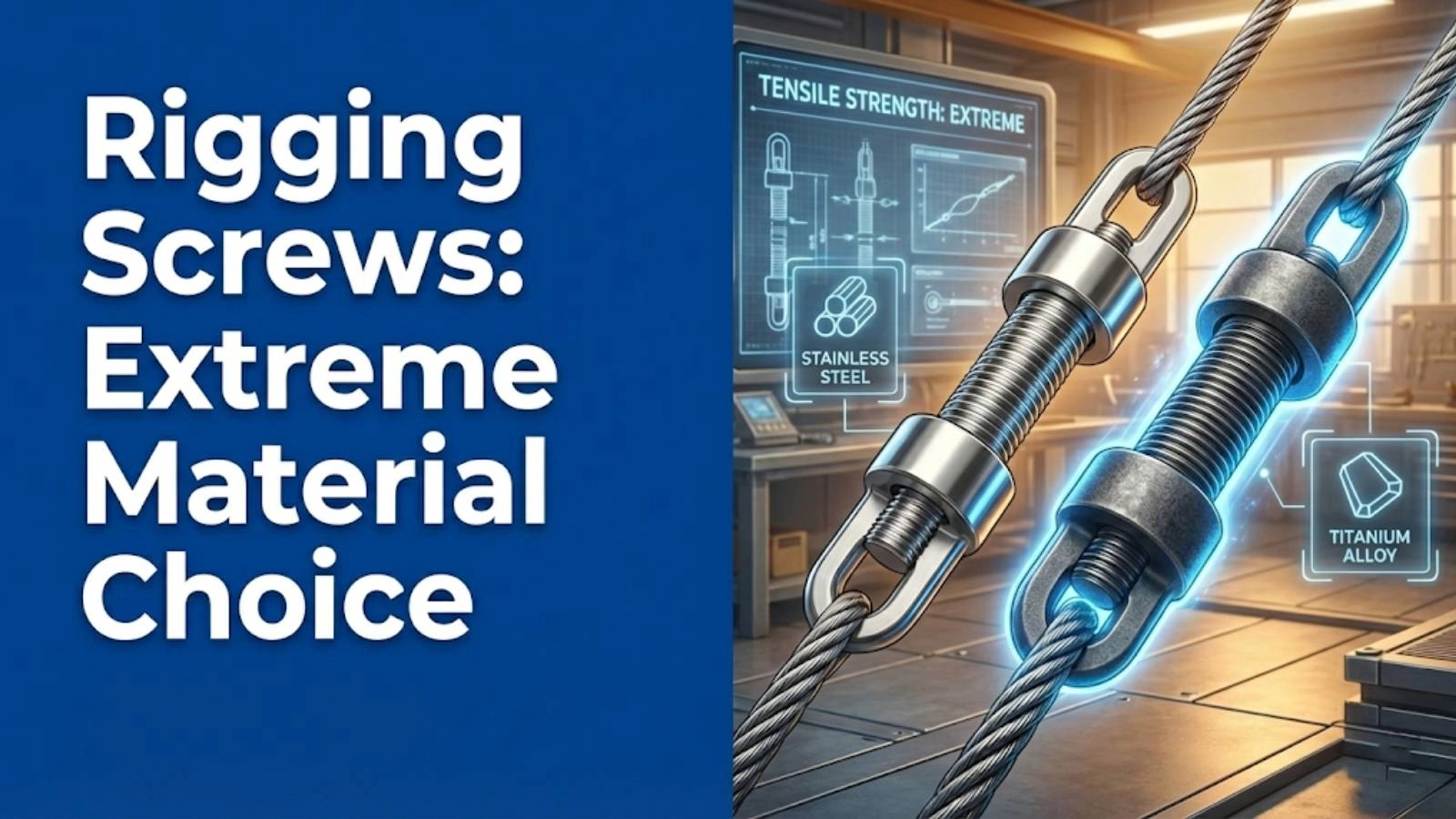
Different steel grades offer varying levels of strength and ductility, directly impacting the rigging screw capacity. Carbon steel is commonly used for general applications, providing a good balance of strength and cost-effectiveness. Alloy steel, on the other hand, offers superior strength and toughness, making it suitable for heavy-duty applications. Stainless steel is ideal for corrosive environments due to its excellent resistance to rust and chemical degradation, although it may have a lower lifting capacity compared to alloy steel. The yield strength and tensile strength of the selected steel grade must be sufficient to withstand the intended loads with an adequate safety factor. For example, we have seen that using a higher grade alloy steel for clients operating in the oil and gas sector has significantly reduced equipment failures.
1.2. Heat Treatment Effects
Heat treatment processes play a crucial role in enhancing the mechanical properties of rigging screws, thereby improving their rigging screw capacity. Quenching and tempering are common heat treatments used to increase the hardness and strength of steel. Quenching involves rapidly cooling the steel to create a hardened structure, while tempering reduces brittleness and improves toughness. These processes optimize the material strength of the rigging screw, enabling it to withstand higher loads without deformation or failure. Properly heat-treated rigging screws exhibit enhanced resistance to wear, fatigue, and impact, extending their service life and ensuring reliable performance. Here in Jubail, we advise our clients to carefully review the heat treatment certifications for all rigging hardware.
1.3. Corrosion Resistance
Corrosion can significantly reduce the rigging screw capacity by weakening the material and creating stress concentrations. Selecting corrosion-resistant materials or applying protective coatings is essential for maintaining structural integrity, particularly in harsh environments. Stainless steel rigging screws offer excellent corrosion resistance in marine and chemical environments. Coatings such as galvanization, epoxy, or specialized paints can provide an additional layer of protection against corrosion. Regular inspection and maintenance are crucial for identifying and addressing corrosion issues before they compromise the safe working load (WLL) of the rigging screw. We often recommend applying a rust inhibitor to rigging screws, even when they are stored, to prolong their lifespan.
2. Optimizing Thread Engagement for Maximum Load
Optimizing thread engagement is critical for maximizing the rigging screw capacity and ensuring even load distribution. Insufficient thread engagement can lead to premature failure and compromise the safety of lifting operations.
2.1. Thread Type and Pitch
The type and pitch of the threads significantly influence the load distribution and overall strength of the rigging screw. Acme threads are commonly used in rigging screws due to their high load-carrying capacity and low friction. Trapezoidal threads are also suitable for heavy-duty applications, offering excellent strength and durability. The thread pitch, which is the distance between adjacent threads, affects the mechanical advantage and the force required to adjust the rigging screw. Finer pitches provide greater mechanical advantage but may require more turns to achieve the desired adjustment. The thread engagement area can be calculated using mathematical formulas based on the thread type, pitch, and engagement length, ensuring that it is sufficient to withstand the applied load.
2.2. Thread Lubrication
Proper lubrication plays a vital role in reducing friction between threads, ensuring even load distribution, and preventing galling, which can compromise the rigging screw capacity. Lubrication minimizes wear and tear on the threads, extending the service life of the rigging screw. It also facilitates smooth and easy adjustment, reducing the risk of damage or injury during operation. Selecting the appropriate lubricant based on the operating conditions and material compatibility is essential. Regular application of lubricant according to the manufacturer’s recommendations helps maintain optimal performance and prevent thread degradation. Here’s a tip: clients in hot, dusty environments, should use a dry lubricant to prevent dust accumulation.
2.3. Engagement Length Considerations
The length of thread engagement significantly affects the rigging screw’s ability to withstand tensile forces. Insufficient engagement length can lead to thread stripping or failure, compromising the lifting capacity. The optimal engagement length depends on the material properties of the screw and nut, the applied load, and the thread type. Guidelines for calculating the minimum engagement length should be followed to ensure adequate strength and safety. Increasing the engagement length can improve the load-bearing capacity of the rigging screw, but it may also increase the overall size and weight of the assembly. Finite element analysis (FEA) can be used to optimize the thread engagement length for specific applications, ensuring maximum material strength and minimizing the risk of failure.
3. Implementing Regular Inspection and Maintenance Protocols
Regular inspection and maintenance are crucial for ensuring the continued safety and reliability of rigging screws. These protocols help identify potential issues before they escalate into critical failures.
3.1. Visual Inspection Criteria
Visual inspection of rigging screws should be conducted regularly to identify signs of wear, damage, or corrosion that could reduce their rigging screw capacity. Key inspection criteria include checking for cracks, deformation, wear, corrosion, and any other visible defects. Cracks can propagate under load, leading to sudden failure. Deformation indicates that the rigging screw has been subjected to excessive loads. Wear can reduce the effective thread engagement, weakening the assembly. Corrosion can compromise the material strength and lead to premature failure. Any rigging screw exhibiting these defects should be removed from service and replaced immediately. For many of our clients here in Dammam, we’ve seen that implementing a weekly visual inspection schedule dramatically reduces incidents.
3.2. Load Testing Procedures
Load testing is a critical step in verifying the integrity of rigging screws and ensuring they meet the specified load-bearing requirements. Proof load testing involves subjecting the rigging screw to a load greater than its WLL to verify its strength and identify any defects. Non-destructive testing methods, such as ultrasonic testing or magnetic particle inspection, can be used to detect internal flaws without damaging the rigging screw. These tests help ensure that the rigging screw can withstand the intended loads with an adequate safety factor. Load testing should be performed by qualified personnel using calibrated equipment, and the results should be documented for future reference.
3.3. Lubrication and Cleaning Schedules
Detailed lubrication and cleaning schedules are essential for preventing corrosion, reducing friction, and maintaining the optimal performance of rigging screws. Regular lubrication minimizes wear and tear on the threads, ensuring smooth and easy adjustment. Cleaning removes dirt, debris, and contaminants that can accelerate corrosion and reduce the effectiveness of the lubricant. The frequency of lubrication and cleaning depends on the operating environment and the type of lubricant used. Rigging screws operating in harsh environments may require more frequent maintenance. Following the manufacturer’s recommendations for lubrication and cleaning helps extend the service life of the rigging screw and ensure its continued reliability.
4. Using Proper Rigging Techniques
Proper rigging techniques are crucial for maximizing the rigging screw capacity and preventing accidents. Incorrect rigging practices can lead to overloading, side loading, and other hazardous conditions.
4.1. Avoiding Side Loading
Side loading occurs when a rigging screw is subjected to a force that is not aligned with its axis. This can significantly reduce the rigging screw capacity and increase the risk of failure. Side loading can be avoided by ensuring proper alignment of the rigging components and using swivel attachments to allow for rotation and movement. Swivel attachments help distribute the load evenly and prevent bending stresses on the rigging screw. It is essential to select swivel attachments that are compatible with the rigging screw and have a WLL that meets or exceeds the intended load. Training personnel in proper rigging techniques is crucial for preventing side loading and ensuring safe lifting operations.
4.2. Correct Angle of Pull
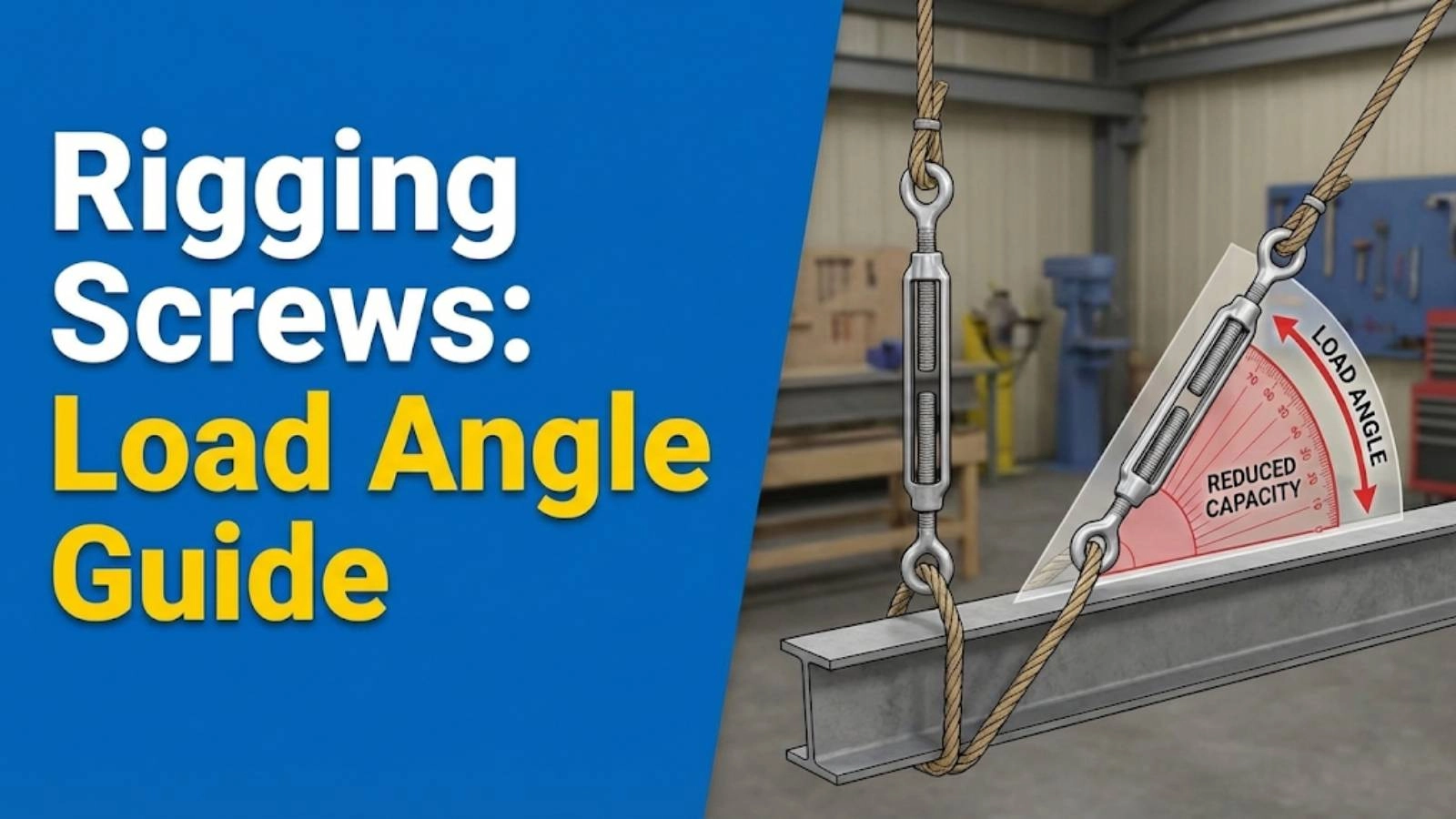
The angle of pull significantly impacts the effective lifting capacity of rigging screws. As the angle of pull increases, the force on each leg of the rigging system also increases. This can lead to overloading of the rigging screws and other components. The lifting capacity must be derated based on the angle of pull to ensure that the WLL is not exceeded. Calculations for derating capacity should be performed using trigonometric principles, taking into account the angle between the legs of the rigging system. It is essential to use appropriate rigging hardware and techniques to minimize the angle of pull and maintain a safe lifting capacity.
4.3. Load Distribution Methods
Ensuring even load distribution across multiple rigging screws is crucial for preventing overloading of individual components. Uneven load distribution can occur due to variations in the length of the rigging legs, misalignment of the rigging points, or differences in the material strength of the rigging screws. Load distribution can be improved by using load equalizers, which automatically adjust the tension in each leg to ensure even distribution. Careful planning and execution of the rigging operation are essential for achieving even load distribution and maximizing the overall rigging screw capacity. Regular inspection of the rigging system is also important to identify and address any issues that may affect load distribution.
5. Understanding Safety Factors and Working Load Limits (WLL)
Understanding safety factors and Working Load Limits (WLL) is essential for ensuring safe lifting operations. These concepts provide a margin of safety to account for uncertainties and prevent overloading.
5.1. Defining Safety Factors
Safety factors are used in rigging design to account for uncertainties in material properties, load conditions, and manufacturing tolerances. The safety factor is the ratio of the minimum breaking strength of a component to its WLL. A higher safety factor provides a greater margin of safety, reducing the risk of failure. The appropriate safety factor depends on the application, the type of load, and the potential consequences of failure. For example, critical lifting operations may require a higher safety factor than less critical applications. Understanding and applying appropriate safety factors is crucial for ensuring the safety and reliability of rigging systems.
5.2. Calculating Working Load Limits (WLL)
The Working Load Limit (WLL) is the maximum load that a rigging screw is designed to carry safely. It is calculated by dividing the minimum breaking strength of the rigging screw by the safety factor. The WLL must be clearly marked on the rigging screw and should never be exceeded. Exceeding the WLL can lead to overloading and failure, resulting in serious injury or property damage. It is essential to select rigging screws with a WLL that meets or exceeds the intended load, taking into account any dynamic loading or angle of pull. Proper calculation and adherence to the WLL are crucial for ensuring safe lifting operations.
5.3. Dynamic Loading Considerations
Dynamic loading, such as shock loads or vibrations, can significantly increase the stress on rigging screws and reduce their effective rigging screw capacity. Shock loads occur when a load is suddenly applied, creating a surge of force that can exceed the WLL. Vibrations can cause fatigue and wear, weakening the rigging screw over time. To account for dynamic loading, it is necessary to apply a dynamic load factor to the calculated load. The dynamic load factor depends on the severity of the dynamic loading conditions. Proper damping and cushioning can also be used to reduce the impact of dynamic loading on the rigging screws. For our clients involved in offshore drilling, we emphasize the importance of these considerations given the extreme weather conditions.
6. Advanced Rigging Screw Designs and Features
Advanced rigging screw designs and features can enhance performance and safety in specialized applications. These innovations provide greater flexibility and reliability in complex rigging scenarios.
6.1. Swivel Designs
Swivel designs allow for rotation and alignment, reducing stress and maximizing rigging screw capacity under various loading conditions. Swivels prevent twisting and binding of the rigging components, ensuring even load distribution and minimizing the risk of side loading. Different swivel designs are available, including eye swivels, jaw swivels, and hook swivels. The selection of the appropriate swivel design depends on the specific application and the type of load being lifted. Swivels should be regularly inspected for wear and damage and replaced if necessary. Using swivels can significantly improve the safety and efficiency of rigging operations.
6.2. Locking Mechanisms
Locking mechanisms prevent loosening of the rigging screw under vibration or dynamic loading, ensuring long-term reliability. Various locking mechanisms are available, including set screws, locking nuts, and cotter pins. Set screws provide a simple and effective way to secure the rigging screw in place. Locking nuts have a built-in locking feature that prevents them from loosening under vibration. Cotter pins are used to secure the rigging screw in a fixed position. The selection of the appropriate locking mechanism depends on the severity of the vibration and the criticality of the application. Regular inspection and maintenance of the locking mechanisms are essential for ensuring their continued effectiveness.
6.3. High-Strength Alloys
High-strength alloys, such as titanium or nickel-based alloys, can be used in rigging screw construction to achieve higher lifting capacity and improved performance in extreme environments. These alloys offer superior strength, corrosion resistance, and temperature resistance compared to traditional steel alloys. Titanium alloys are lightweight and strong, making them ideal for applications where weight is a concern. Nickel-based alloys offer excellent corrosion resistance in harsh chemical environments. The use of high-strength alloys can significantly increase the rigging screw capacity and extend its service life. However, these alloys are typically more expensive than steel alloys, so their use should be justified based on the specific requirements of the application.
7. Impact of Environmental Conditions
Environmental conditions can significantly impact the performance and longevity of rigging screws. Extreme temperatures, chemical exposure, and marine environments can all affect the rigging screw capacity and increase the risk of failure.
7.1. Temperature Effects
Extreme temperatures, both high and low, can affect the material strength and load-bearing capacity of rigging screws. High temperatures can reduce the yield strength and tensile strength of steel, leading to deformation or failure. Low temperatures can make steel brittle and more susceptible to cracking. It is essential to select rigging screws that are rated for the operating temperature range. Special alloys and heat treatments can be used to improve the temperature resistance of rigging screws. Regular inspection and maintenance are crucial for identifying and addressing any temperature-related issues.
7.2. Chemical Exposure
Exposure to corrosive chemicals, such as acids or solvents, can degrade the material strength of rigging screws and reduce their rigging screw capacity. It is essential to select materials and coatings that offer adequate resistance to the specific chemicals present in the operating environment. Stainless steel and specialized coatings, such as epoxy or fluoropolymer coatings, can provide excellent chemical resistance. Regular inspection and cleaning are crucial for removing chemical contaminants and preventing corrosion. The frequency of cleaning depends on the severity of the chemical exposure.
7.3. Marine Environments
Marine environments pose unique challenges for rigging screws due to the corrosive effects of saltwater. Saltwater can accelerate corrosion and reduce the rigging screw capacity, leading to premature failure. It is essential to select corrosion-resistant materials, such as stainless steel or galvanized steel, for use in marine environments. Regular inspection and maintenance are crucial for preventing corrosion and ensuring the continued reliability of the rigging screws. Protective coatings, such as marine-grade paint or epoxy coatings, can provide an additional layer of protection against saltwater corrosion. We advise clients working near the Arabian Gulf to implement stricter maintenance schedules due to the high salinity.
8. Documentation and Traceability
Proper documentation and traceability are essential for ensuring compliance and preventing accidents. Accurate records of inspections, maintenance, and load tests are crucial for managing rigging screw assets effectively.
8.1. Certification and Standards
Ensuring that rigging screws are certified to meet relevant industry standards, such as ASME or EN, is crucial for verifying their quality and performance. Certification provides assurance that the rigging screw has been tested and meets the specified requirements for material strength, WLL, and safety factor. Proper documentation, including certificates of compliance and test reports, should be maintained for all rigging screws. It is essential to purchase rigging screws from reputable manufacturers who adhere to industry standards and provide proper certification. Compliance with industry standards helps ensure the safety and reliability of rigging operations.
8.2. Serial Number Tracking
Serial number tracking allows for improved traceability, easier maintenance management, and enhanced safety. Each rigging screw is assigned a unique serial number that can be used to track its history, including inspections, maintenance, and load tests. Serial number tracking enables quick identification of rigging screws that may be subject to recalls or safety alerts. It also facilitates the efficient management of rigging screw assets, ensuring that they are properly maintained and inspected. The serial number should be permanently marked on the rigging screw and recorded in a database for easy access.
8.3. Record Keeping
Maintaining accurate records of inspections, maintenance, and load tests is crucial for ensuring compliance and preventing accidents. Records should include the date of the inspection or test, the results, any repairs or replacements made, and the signature of the person performing the work. These records provide a valuable history of the rigging screw’s condition and performance, enabling proactive maintenance and preventing potential failures. Records should be stored in a secure location and readily accessible for review. Proper record keeping is an essential component of a comprehensive rigging safety program.
9. Case Studies of Rigging Screw Failures
Analyzing case studies of rigging screw failures can provide valuable insights into the common causes of failure and help prevent similar incidents in the future. Understanding these failures can highlight the importance of proper inspection, maintenance, and rigging techniques.
9.1. Analysis of Common Failure Modes
Common failure modes of rigging screws include overload, corrosion, improper installation, and lack of maintenance. Overload occurs when the rigging screw is subjected to a load that exceeds its WLL. Corrosion can weaken the material and lead to premature failure. Improper installation can create stress concentrations and reduce the rigging screw capacity. Lack of maintenance can allow corrosion and wear to progress unchecked, leading to eventual failure. Analyzing these failure modes can help identify areas for improvement in rigging practices and prevent future incidents.
9.2. Lessons Learned
Key lessons learned from case studies of rigging screw failures include the importance of proper inspection, maintenance, training, and material selection. Regular inspection and maintenance are essential for identifying and addressing potential issues before they escalate into critical failures. Proper training ensures that personnel are competent in rigging techniques and understand the limitations of rigging equipment. Careful material selection ensures that the rigging screw is suitable for the operating environment and the intended load. Implementing these lessons learned can significantly reduce the risk of rigging screw failures.
> “The key to preventing rigging failures lies in a comprehensive approach that includes regular inspection, proper maintenance, and thorough training.” – John Smith, Lead Safety Inspector
9.3. Preventative Measures
Preventative measures that can be implemented to mitigate the risk of rigging screw failures include improved inspection protocols, enhanced training, and better material selection. Improved inspection protocols should include detailed checklists and procedures for identifying common failure modes. Enhanced training should cover proper rigging techniques, load calculations, and the limitations of rigging equipment. Better material selection should involve the use of corrosion-resistant materials and alloys that are suitable for the operating environment. Implementing these preventative measures can significantly improve the safety and reliability of rigging operations.
10. Emerging Technologies in Rigging Screw Design
Emerging technologies are transforming the design and operation of rigging screws, enabling improved performance, enhanced safety, and greater efficiency. These innovations are paving the way for smarter and more reliable rigging systems.
10.1. Smart Rigging Screws
Smart rigging screws incorporate sensors to monitor load, temperature, and vibration, providing real-time data on their condition and performance. This data can be used to detect potential overloads, identify signs of wear, and predict when maintenance is required. Smart rigging screws can also be integrated with remote monitoring systems, allowing for continuous monitoring of rigging operations from a central location. The use of smart rigging screws can significantly improve safety and reduce the risk of accidents. These tools also enable proactive maintenance and prevent unexpected failures.
10.2. Additive Manufacturing
Additive manufacturing (3D printing) offers the potential to create custom rigging screws with optimized designs and improved material strength. 3D printing allows for the creation of complex geometries and internal features that are not possible with traditional manufacturing methods. This technology can be used to create rigging screws that are lighter, stronger, and more durable. 3D printing also enables the rapid prototyping of new designs and the customization of rigging screws to meet specific application requirements. The use of additive manufacturing can revolutionize the design and production of rigging equipment.
10.3. AI-Powered Inspection
Artificial intelligence (AI) is being used to automate the inspection process for rigging screws, enabling faster and more accurate detection of defects and potential failure points. AI-powered inspection systems use computer vision and machine learning algorithms to analyze images and detect anomalies that may be missed by human inspectors. These systems can be trained to identify a wide range of defects, including cracks, corrosion, and deformation. AI-powered inspection systems can significantly improve the efficiency and accuracy of rigging screw inspections, reducing the risk of failures and improving safety.
Conclusion
In conclusion, understanding and optimizing rigging screw capacity is essential for ensuring safe and efficient lifting operations. By focusing on material properties, thread engagement, inspection and maintenance, proper rigging techniques, and emerging technologies, you can maximize the performance and longevity of your rigging screws. Remember, a robust safety program, coupled with adherence to industry standards and best practices, is paramount. We, at Safe and Secure Trading Company, are dedicated to providing you with the knowledge and resources needed to maintain a safe and productive work environment.
FAQ Section
Q: What is the most important factor in determining rigging screw capacity?
A: The material properties of the rigging screw are paramount, specifically the yield strength and tensile strength of the steel used in its construction. Proper heat treatment and corrosion resistance also play a significant role.
Q: How often should rigging screws be inspected?
A: Rigging screws should be visually inspected before each use and undergo a more thorough inspection at least annually, or more frequently depending on the severity of the operating environment and the frequency of use.
Q: What is the difference between WLL and breaking strength?
A: The Working Load Limit (WLL) is the maximum load that a rigging screw is designed to carry safely, while the breaking strength is the load at which the rigging screw is expected to fail. The WLL is calculated by dividing the breaking strength by a safety factor.
Q: Can I use a rigging screw that shows signs of corrosion?
A: No, rigging screws that show signs of corrosion should be removed from service immediately, as corrosion can significantly reduce their lifting capacity and increase the risk of failure.
Q: What type of lubricant should I use on rigging screws?
A: The type of lubricant depends on the operating environment. Generally, a high-quality, anti-seize lubricant is recommended for rigging screws. In dusty environments, a dry lubricant is preferable to prevent dust accumulation. Always follow the manufacturer’s recommendations for lubrication.
Q: How does side loading affect rigging screw capacity?
A: Side loading significantly reduces the rigging screw capacity and increases the risk of failure. It is essential to avoid side loading by ensuring proper alignment of the rigging components and using swivel attachments.
Q: What is the purpose of a safety factor?
A: A safety factor is used to account for uncertainties in material properties, load conditions, and manufacturing tolerances. It provides a margin of safety to prevent overloading and failure.
Q: Can I weld a rigging screw to repair it?
A: No, welding a rigging screw is not recommended, as it can alter the material properties and reduce its lifting capacity. Damaged rigging screws should be replaced with new, certified components.
Q: Are there any standards that rigging screws must meet?
A: Yes, rigging screws should be certified to meet relevant industry standards, such as ASME or EN. Certification provides assurance that the rigging screw has been tested and meets the specified requirements for material strength, WLL, and safety factor.
Q: What is the importance of thread engagement length?
A: The thread engagement length significantly affects the rigging screw’s ability to withstand tensile forces. Insufficient engagement length can lead to thread stripping or failure. Guidelines for calculating the minimum engagement length should be followed to ensure adequate strength and safety.