It was a typical Tuesday morning at the bustling construction site near Jubail. The air was thick with the smell of steel and anticipation as the crew prepared for a routine lift. Suddenly, a sickening crack echoed across the site, followed by the terrifying sight of a load plummeting towards the ground. Fortunately, no one was hurt, but the near-miss served as a stark reminder of the critical role that even the smallest components play in ensuring safety.
The Rigging Screw’s Role: The unsung hero (or villain) of the operation.
Often overlooked, the rigging screw is a vital component in countless lifting and securing operations. These seemingly simple devices are responsible for maintaining tension, adjusting lengths, and ensuring the stability of entire systems. Whether it’s used in construction, maritime, or theatrical applications, the rigging screw is the unsung hero that quietly holds everything together—or, if neglected, the potential villain that can cause catastrophic failure.
Why Rigging Screw Mistakes Matter: The high stakes involved.
The consequences of rigging screw mistakes can be devastating. From dropped loads and equipment damage to serious injuries and fatalities, the stakes are incredibly high. A single error in selection, installation, or maintenance can lead to a chain reaction of failures, putting lives and property at risk. That’s why understanding and avoiding common rigging screw mistakes is not just a matter of best practice, but a moral imperative. We at Safe and Secure Trading Company (SSTC) have seen firsthand the aftermath of such incidents and are committed to promoting safe rigging practices across the region.
1. Ignoring Load Capacity: The Illusion of Strength
✅ The most critical rigging screw mistake is ignoring the load capacity. Many accidents happen because people underestimate the weight they’re lifting or assume that a rigging screw can handle more than it’s designed for. This illusion of strength can lead to catastrophic failures, causing significant damage and potential injuries. Always verify and respect the Working Load Limit (WLL) of your rigging screws.
The Danger of Assumptions: “It looks strong enough” is never enough.
Never rely on visual assessments or gut feelings when determining if a rigging screw is suitable for a particular load. The phrase “it looks strong enough” is a dangerous assumption that can lead to disaster. Visual inspections can be misleading, especially when dealing with internal damage or material fatigue. Always consult the manufacturer’s specifications and perform proper calculations to ensure the rigging screw’s capacity meets or exceeds the intended load.
How to Calculate Load Limits: A step-by-step guide.
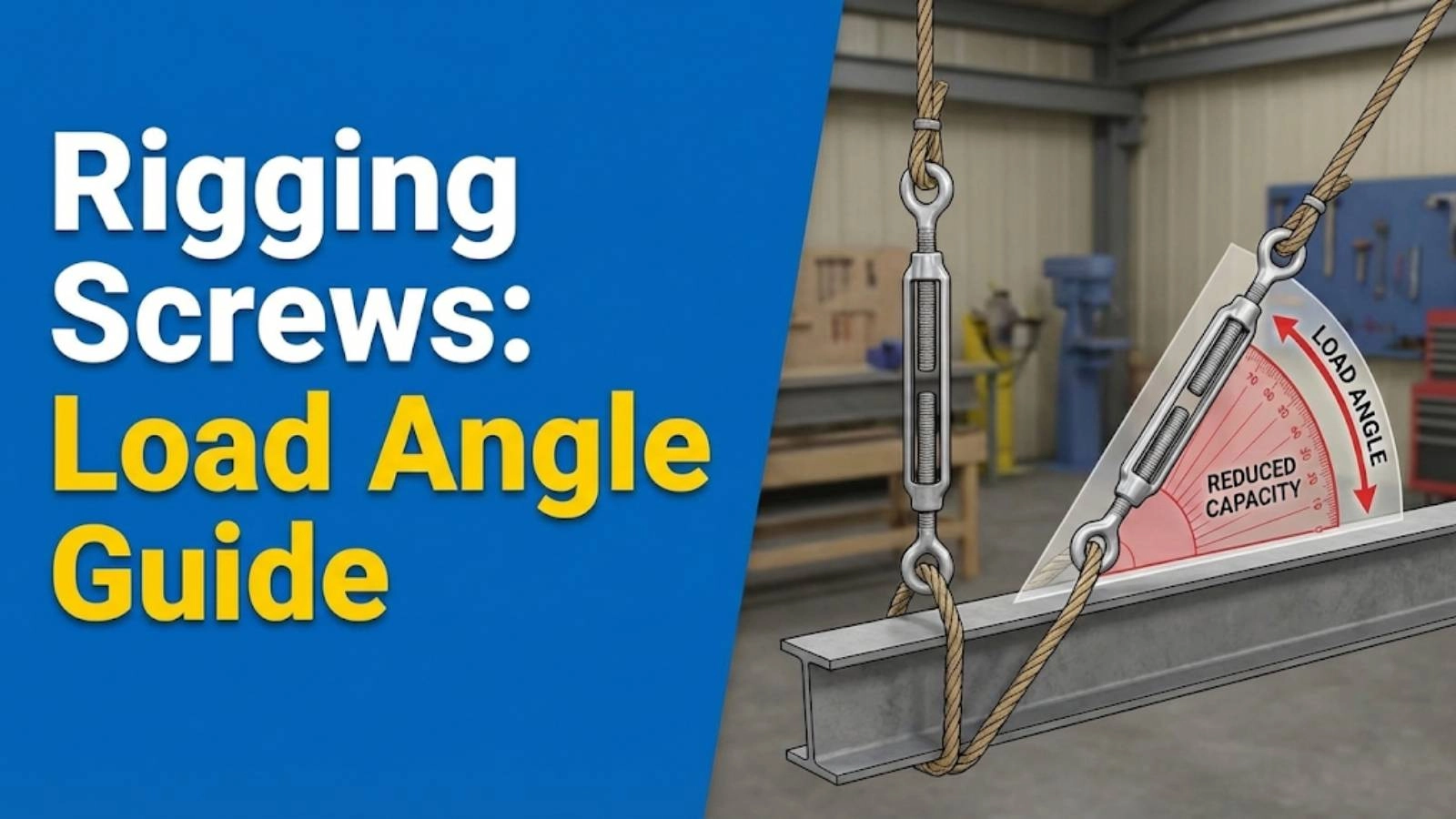
Calculating load limits involves several factors, including the weight of the load, the angle of the lift, and the number of rigging screws used. Start by accurately determining the weight of the object you’re lifting. Then, consider the angle of the slings or chains; as the angle increases, the stress on each rigging screw also increases. Use appropriate formulas or consult a rigging chart to calculate the load on each screw, ensuring it remains below the WLL. We advise using a safety factor to account for unexpected stresses or dynamic loading.
Case Study: The collapsed crane and the overlooked rating.
In 2026, a crane collapsed during a construction project in Riyadh due to an overlooked rigging screw rating. The crew was lifting a pre-fabricated concrete panel when a rigging screw, used to secure the lifting sling, failed. The investigation revealed that the screw’s WLL was significantly lower than the actual load. This tragic incident underscores the critical importance of verifying load capacities and adhering to safe rigging practices.
“Always check the Working Load Limit (WLL) and never exceed it. Your life and the lives of others depend on it.” – John Smith, Certified Rigging Inspector
2. Mixing and Matching Components: The Compatibility Conundrum
💡 Another common rigging screw mistake is mixing and matching components from different manufacturers or of varying specifications. While it might seem convenient to use whatever is available, doing so can compromise the integrity of the entire rigging system. Non-standard parts may not fit properly, leading to uneven load distribution and potential failure points. Always use matched sets of rigging screws, shackles, and other components to ensure uniform strength and performance.
The Problem with Non-Standard Parts: Why they don’t always fit.
Non-standard parts often have dimensional differences, varying material strengths, and inconsistent manufacturing tolerances. These discrepancies can lead to improper fitment, reduced load-bearing capacity, and premature wear. For example, a shackle with a slightly smaller pin diameter might not fully engage with a rigging screw’s eye, creating stress concentrations and increasing the risk of failure.
The Importance of Matched Sets: Ensuring uniform strength and performance.
Using matched sets ensures that all components are designed to work together harmoniously. This means that each part has been tested and certified to meet specific performance standards. Matched sets guarantee uniform strength, consistent thread engagement, and predictable behavior under load. Investing in matched sets is an investment in safety and reliability. For many of our clients here in Dammam, we’ve seen that using matched sets significantly reduces the risk of rigging failures.
Real-World Example: The mismatched shackle and the broken link.
A maritime operation suffered a setback when a mismatched shackle caused a rigging system failure. The crew used a shackle from a different manufacturer with a slightly smaller diameter than the rigging screw’s eye. Under heavy load, the shackle’s pin sheared off, causing the entire system to collapse. This incident demonstrates the dangers of using non-standard parts and the importance of using matched sets.
3. Neglecting Regular Inspections: The Hidden Dangers
➡️ One of the most insidious rigging screw mistakes is neglecting regular inspections. Rigging screws are subjected to harsh conditions, including constant stress, exposure to the elements, and potential physical damage. Over time, these factors can lead to corrosion, wear, and tear, compromising their structural integrity. Regular inspections are crucial for identifying potential problems before they lead to catastrophic failures.
The Gradual Degradation: Corrosion, wear, and tear over time.
Corrosion is a major threat to rigging screws, especially in marine environments or areas with high humidity. Saltwater and other corrosive substances can weaken the metal, reducing its load-bearing capacity. Wear and tear, caused by friction and repetitive use, can also lead to cracks and deformations. These gradual degradations are often invisible to the naked eye, making regular inspections essential.
What to Look For: A visual guide to spotting potential problems.
During inspections, pay close attention to the following: corrosion (rust, pitting), deformation (bends, twists), thread damage (stripped or worn threads), cracks (especially near welds or stress points), and missing parts (nuts, cotter pins). Use a magnifying glass to examine threads and other critical areas for subtle damage. Any signs of these problems should be addressed immediately, either by repairing or replacing the affected rigging screw.
Creating an Inspection Schedule: Staying ahead of the curve.
Establish a regular inspection schedule based on the frequency of use, environmental conditions, and the manufacturer’s recommendations. For frequently used rigging screws in harsh environments, daily or weekly inspections may be necessary. For less frequently used screws in more benign conditions, monthly or quarterly inspections may suffice. The key is to stay ahead of the curve and catch potential problems before they escalate.
Table: Rigging Screw Inspection Checklist
| Inspection Item |
Frequency |
Action |
| Corrosion |
Monthly |
Clean and lubricate; replace if severe. |
| Deformation |
Monthly |
Replace immediately. |
| Thread Damage |
Monthly |
Replace immediately. |
| Missing Parts |
Before Each Use |
Replace missing parts or the entire screw. |
| Load Rating Verification |
Before Each Use |
Ensure the screw is rated for the intended load. |
4. Improper Thread Engagement: The Weakest Link
✅ Insufficient thread engagement is a subtle but dangerous rigging screw mistake. If the threads are not fully engaged, the load is concentrated on a smaller area, significantly reducing the screw’s strength and increasing the risk of slippage or failure. Always ensure that the threads are engaged to the minimum recommended depth, as specified by the manufacturer.
The Minimum Engagement Rule: Ensuring sufficient strength.
The minimum engagement rule dictates that a certain number of threads must be fully engaged to ensure sufficient strength. This number varies depending on the size and type of rigging screw, but typically, at least six full threads should be engaged. Consult the manufacturer’s specifications or a qualified rigging expert to determine the appropriate minimum engagement for your specific application.
Using Thread Lockers: Adding an extra layer of security.
Thread lockers, such as Loctite, can provide an extra layer of security by preventing the threads from loosening under vibration or dynamic loading. Apply a small amount of thread locker to the threads before tightening the rigging screw, following the manufacturer’s instructions. This can help maintain proper thread engagement and prevent accidental loosening.
The Consequences of Insufficient Engagement: Slippage and failure.
Insufficient thread engagement can lead to a number of problems, including slippage, thread stripping, and catastrophic failure. When the load is concentrated on a smaller number of threads, they are more likely to deform or break. This can cause the rigging screw to loosen gradually, leading to instability and potential accidents. In extreme cases, the threads can strip completely, causing the load to drop suddenly.
5. Over-Tightening: The Force of Destruction
💡 Over-tightening a rigging screw might seem like a way to ensure security, but it’s actually a dangerous rigging screw mistake. Applying excessive force can damage the threads, deform the screw, and reduce its overall strength. The key is to find the right balance between secure and stressed, using the appropriate tools and methods to achieve the desired tension without over-torquing.
The Fine Line Between Secure and Stressed: Knowing when to stop.
Knowing when to stop tightening a rigging screw is crucial. The goal is to achieve sufficient tension to secure the load without exceeding the screw’s elastic limit. Over-tightening can cause the material to yield, leading to permanent deformation and reduced load-bearing capacity. A good rule of thumb is to tighten the screw until it is snug, then apply a small amount of additional force to ensure it is properly seated.
The Risks of Over-Torque: Damaged threads and reduced lifespan.
Over-torque can cause significant damage to the threads of a rigging screw. Excessive force can strip the threads, making it difficult or impossible to tighten the screw properly in the future. Over-tightening can also deform the screw’s body, reducing its overall strength and lifespan. These damages can be difficult to detect visually, making it essential to use proper tightening techniques.
Proper Tightening Techniques: Using the right tools and methods.
Use a torque wrench to tighten rigging screws to the manufacturer’s specified torque value. This ensures that the screw is tightened to the correct tension without being over-torqued. If a torque wrench is not available, use a standard wrench and apply a moderate amount of force. Avoid using excessive leverage or over-extending the wrench, as this can lead to over-tightening.
6. Ignoring Environmental Factors: The Unseen Enemy
➡️ Environmental factors can significantly impact the performance and lifespan of rigging screws. Ignoring these factors is a critical rigging screw mistake. Exposure to corrosive substances, extreme temperatures, and other environmental hazards can accelerate degradation and compromise the screw’s structural integrity. It’s essential to consider the operating environment when selecting, installing, and maintaining rigging screws.
Corrosion in Marine Environments: Saltwater’s corrosive effects.
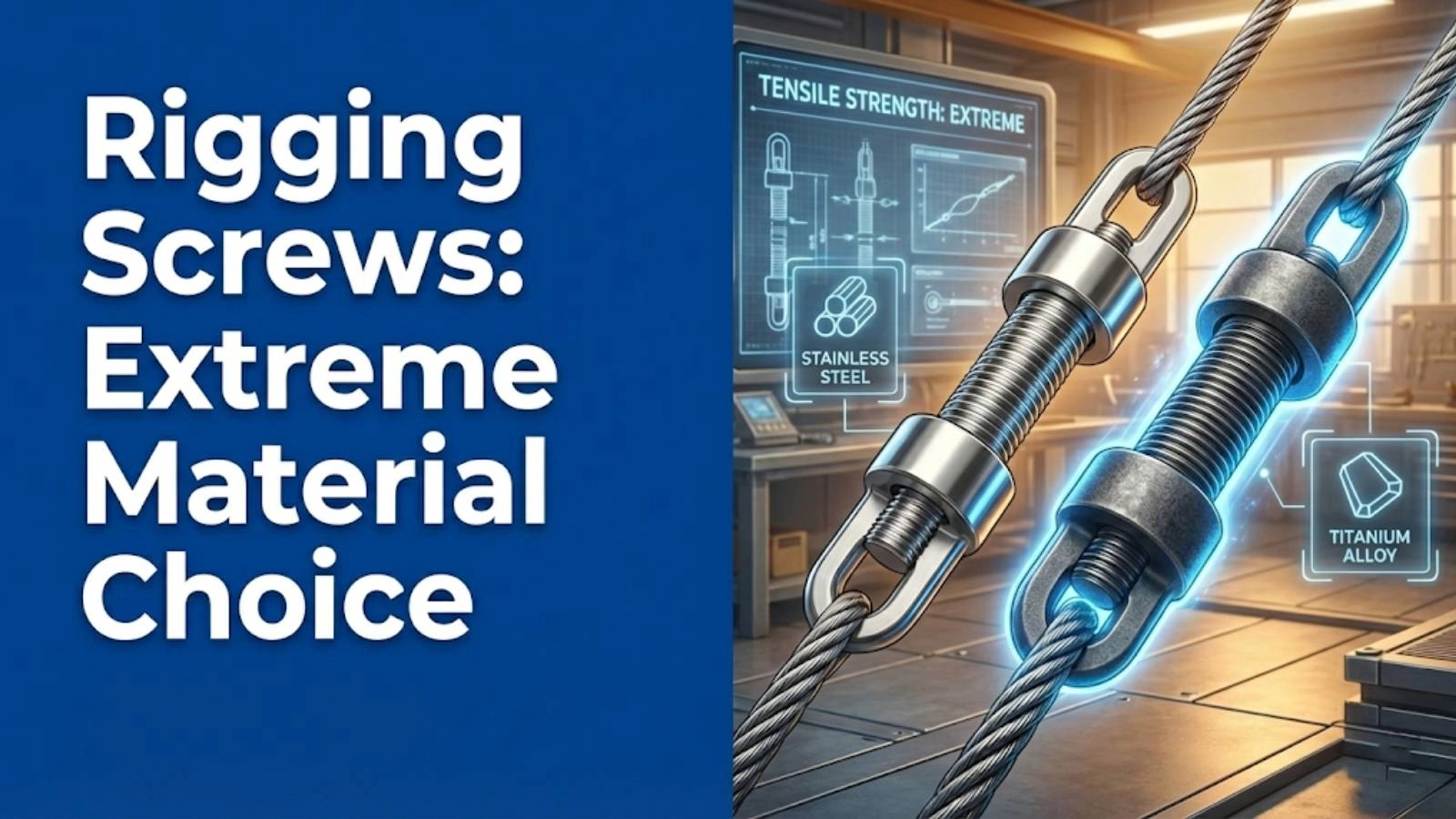
Saltwater is highly corrosive and can quickly degrade rigging screws used in marine environments. The salt accelerates the oxidation process, leading to rust and pitting. Regular cleaning and lubrication are essential to protect rigging screws from saltwater corrosion. Consider using corrosion-resistant materials, such as stainless steel or galvanized steel, for marine applications.
Extreme Temperatures: How heat and cold affect rigging screws.
Extreme temperatures can also affect the performance of rigging screws. High temperatures can reduce the screw’s strength and cause it to expand, potentially leading to loosening. Low temperatures can make the metal brittle, increasing the risk of fracture. Choose rigging screws made from materials that are suitable for the expected temperature range and adjust inspection and maintenance schedules accordingly.
Chemical Exposure: The dangers of acids and solvents.
Exposure to acids, solvents, and other chemicals can corrode or weaken rigging screws. Certain chemicals can react with the metal, causing it to degrade rapidly. Avoid using rigging screws in environments where they are likely to come into contact with harsh chemicals. If chemical exposure is unavoidable, choose screws made from chemically resistant materials and implement a rigorous cleaning and inspection program.
7. Using Damaged or Modified Screws: The Point of No Return
✅ Using damaged or modified rigging screws is a dangerous and unacceptable rigging screw mistake. Any sign of damage, such as cracks, bends, or stripped threads, indicates that the screw’s structural integrity has been compromised. Similarly, modifying a rigging screw in any way can alter its load-bearing capacity and create hidden weaknesses. Damaged or modified screws should be immediately removed from service and replaced with new, certified components.
The Risks of DIY Repairs: Why they’re never a good idea.
Attempting DIY repairs on rigging screws is never a good idea. Welding, grinding, or other modifications can introduce stress concentrations and weaken the metal. DIY repairs are unlikely to meet the original manufacturing standards and can create hidden defects that are difficult to detect. Always replace damaged rigging screws with new, certified components.
Identifying Damage: Cracks, bends, and other warning signs.
Carefully inspect rigging screws for any signs of damage, including cracks, bends, twists, stripped threads, and corrosion. Pay close attention to areas around welds, threads, and stress points. Use a magnifying glass to examine surfaces for subtle cracks or pitting. Any sign of damage should be considered a warning sign, and the screw should be removed from service immediately.
When to Replace, Not Repair: Making the right decision.
The general rule is: when in doubt, replace. If a rigging screw shows any sign of damage or modification, it should be replaced with a new, certified component. The cost of replacement is minimal compared to the potential consequences of failure. Never take chances with safety; always err on the side of caution.
8. Improper Storage: Neglect After Use
💡 Proper storage is essential for prolonging the life of rigging screws and preventing premature failure. Neglecting storage best practices is a common rigging screw mistake. Leaving screws exposed to the elements, improperly cleaned, or disorganized can lead to corrosion, damage, and loss. Implementing proper storage procedures is an investment in safety and long-term cost savings.
Protecting Screws from the Elements: Reducing corrosion and wear
Store rigging screws in a dry, well-ventilated area to protect them from moisture and humidity. Avoid storing them outdoors or in areas where they are exposed to rain, snow, or direct sunlight. If outdoor storage is unavoidable, cover the screws with a waterproof tarp or store them in a sealed container.
Best Practices for Storage: Keeping them clean and organized
Before storing rigging screws, clean them thoroughly to remove dirt, grease, and other contaminants. Use a wire brush or solvent to remove stubborn deposits. Lubricate the threads with a rust-preventative oil or grease to prevent corrosion. Store the screws in an organized manner, using bins, shelves, or racks. This makes it easier to locate the correct screw when needed and prevents damage from being mixed together.
Why good storage prolongs equipment life: Investing in the long-term
Good storage practices prolong the life of rigging screws by reducing corrosion, wear, and damage. By protecting the screws from the elements and storing them properly, you can minimize the risk of premature failure and extend their service life. This not only saves money on replacement costs but also improves safety and reduces the risk of accidents.
9. Lack of Training: The Root Cause of Many Mistakes
➡️ Perhaps the most pervasive rigging screw mistake is the lack of proper training. Many accidents occur because workers are not adequately trained in the selection, installation, inspection, and maintenance of rigging screws. Comprehensive training is essential for ensuring competency and promoting safe rigging practices.
The Importance of Certified Rigging Training: Ensuring competency.
Certified rigging training programs provide workers with the knowledge and skills they need to perform rigging operations safely and effectively. These programs cover topics such as load capacity, sling angles, inspection procedures, and safe rigging practices. Completing a certified training program demonstrates a commitment to safety and helps ensure that workers are competent to perform their jobs.
Hands-On Experience: Learning by doing (under supervision).
While classroom training is important, hands-on experience is essential for developing practical rigging skills. Supervised hands-on training allows workers to apply their knowledge in real-world scenarios and learn from experienced riggers. This type of training helps build confidence and reinforces safe rigging practices.
Staying Up-to-Date: Continuing education and industry best practices.
Rigging practices and industry standards are constantly evolving. It’s essential to stay up-to-date with the latest developments through continuing education and professional development activities. Attend workshops, conferences, and seminars to learn about new technologies, best practices, and regulatory changes. This ensures that you are always using the most current and effective rigging techniques.
Top 3 Mistakes Summary:
Ignoring Load Capacity
Neglecting Regular Inspections
Lack of Training
Conclusion: Rigging Screws: Your Lifeline
Rigging screws are vital for secure lifting and rigging, but even small oversights can lead to big problems. Always know your load limits, inspect regularly for damage, and get trained properly to avoid dangerous rigging screw mistakes. Proper maintenance and care are critical for the lifespan of your lifting equipment.
We’ve shared key points to keep your operations safe and efficient. Following these guidelines can significantly reduce the risk of accidents and ensure the longevity of your equipment.
We at SSTC are dedicated to providing top-notch safety solutions and training. Let us help you ensure your operations are safe and secure.
We are your partner in safety, committed to helping you maintain the highest standards in all your rigging operations.
FAQ Section
Q: How often should I inspect my rigging screws?
A: Inspection frequency depends on usage and environment. Daily checks for frequently used screws in harsh conditions, monthly for others.
Q: What are the signs of a failing rigging screw?
A: Look for corrosion, deformation, thread damage, and cracks. Any of these warrant immediate replacement.
Q: Can I use a damaged rigging screw if I’m in a hurry?
A: Never use damaged rigging screws. Replace them immediately to ensure safety.
Q: What is the correct way to store rigging screws?
A: Clean and lubricate screws before storing in a dry, organized space to prevent corrosion.
Q: How important is training for rigging operations?
A: Training is crucial for identifying potential hazards and ensuring safe rigging practices.
Q: What is the minimum thread engagement required for rigging screws?
A: Aim for at least six full threads engaged to ensure sufficient strength and safety.
Q: Can I mix components from different manufacturers?
A: It is recommended to use matched sets for uniform strength and performance.
Q: What should I do if a rigging screw is exposed to chemicals?
A: Clean the screw immediately and inspect for damage; replace if necessary.
Q: How does temperature affect rigging screw performance?
A: Extreme temperatures can alter the screw’s strength and should be considered during selection and use.
Q: What is the best way to prevent corrosion on rigging screws?
A: Regularly clean and lubricate the screws, especially in marine or humid environments. Using corrosion resistant materials for turnbuckle safety is highly encouraged.
Q: What is the working load limit (WLL)?
A: The Working Load Limit is the maximum load that a rigging screw is designed to safely handle. Never exceed this limit.
Q: What should I do if a rigging screw is over-tightened?
A: If you suspect a rigging screw has been over-tightened, inspect it for damage. If any damage is found, replace the screw immediately.
Q: How do wire rope clips affect rigging screws?
A: Wire rope clips are often used in conjunction with rigging screws in tensioning applications. Ensure proper installation and regular inspection of wire rope clips to avoid rigging screw failure.
Q: What role do eye bolts play with rigging screws?
A: Eye bolts are used as attachment points for rigging screws. Verify eye bolts are properly installed and rated for the intended load to maintain safe rigging practices.
Q: Why is turnbuckle maintenance important for safety?
A: Proper turnbuckle maintenance prevents corrosion, thread damage, and ensures reliable performance, crucial for safety. Regularly inspect and lubricate your turnbuckles.
Q: How does corrosion prevention improve the lifespan of rigging screws?
A: Effective corrosion prevention extends the lifespan of rigging screws, reducing the risk of failure and saving costs on replacements. Use protective coatings and regular cleaning.