Rigging screws are essential components in various applications, from construction and manufacturing to marine and theatrical rigging. These seemingly simple devices are responsible for creating tension, adjusting lengths, and securing loads. However, their reliability depends heavily on proper usage and maintenance. Overlooking critical aspects of rigging screw operation can lead to catastrophic failures, causing significant damage, injuries, or even fatalities. At Safe and Secure Trading Company (SSTC), we understand the importance of safe rigging practices, and we’ve compiled a list of common rigging screw mistakes to avoid, helping you maintain a safe and efficient working environment.
1. Ignoring the Safe Working Load (SWL)
✅ One of the most fundamental rigging screw mistakes is disregarding the Safe Working Load (SWL). The SWL represents the maximum load that a rigging screw is designed to handle safely under normal operating conditions. Exceeding this limit can lead to catastrophic failure, as the screw’s material may yield or fracture. This is a dangerous oversight that compromises the entire rigging system’s integrity.
SWL vs. Breaking Strength
Understanding the difference between Safe Working Load (SWL) and Breaking Strength is paramount. The Breaking Strength, also known as Minimum Breaking Load (MBL), is the force at which the rigging screw is expected to fail completely. The SWL, on the other hand, is a fraction of the Breaking Strength, typically determined by a safety factor (e.g., 1/5 or 1/6). This safety factor accounts for uncertainties, dynamic loading, and material degradation. It’s a critical error to assume that a rigging screw can handle loads approaching its Breaking Strength.
Consequences of Overloading
The consequences of exceeding the SWL can be devastating. Overloading a rigging screw can cause it to deform permanently, leading to thread damage and reduced holding capacity. In more severe cases, the screw can fracture, causing the load to drop unexpectedly. This can result in significant property damage, severe injuries to personnel, or even fatalities. For many of our clients in Jubail, we’ve emphasized the importance of adhering to SWL, and those who’ve followed our guidelines have seen a significant reduction in rigging-related incidents.
Proper Load Calculation Methods
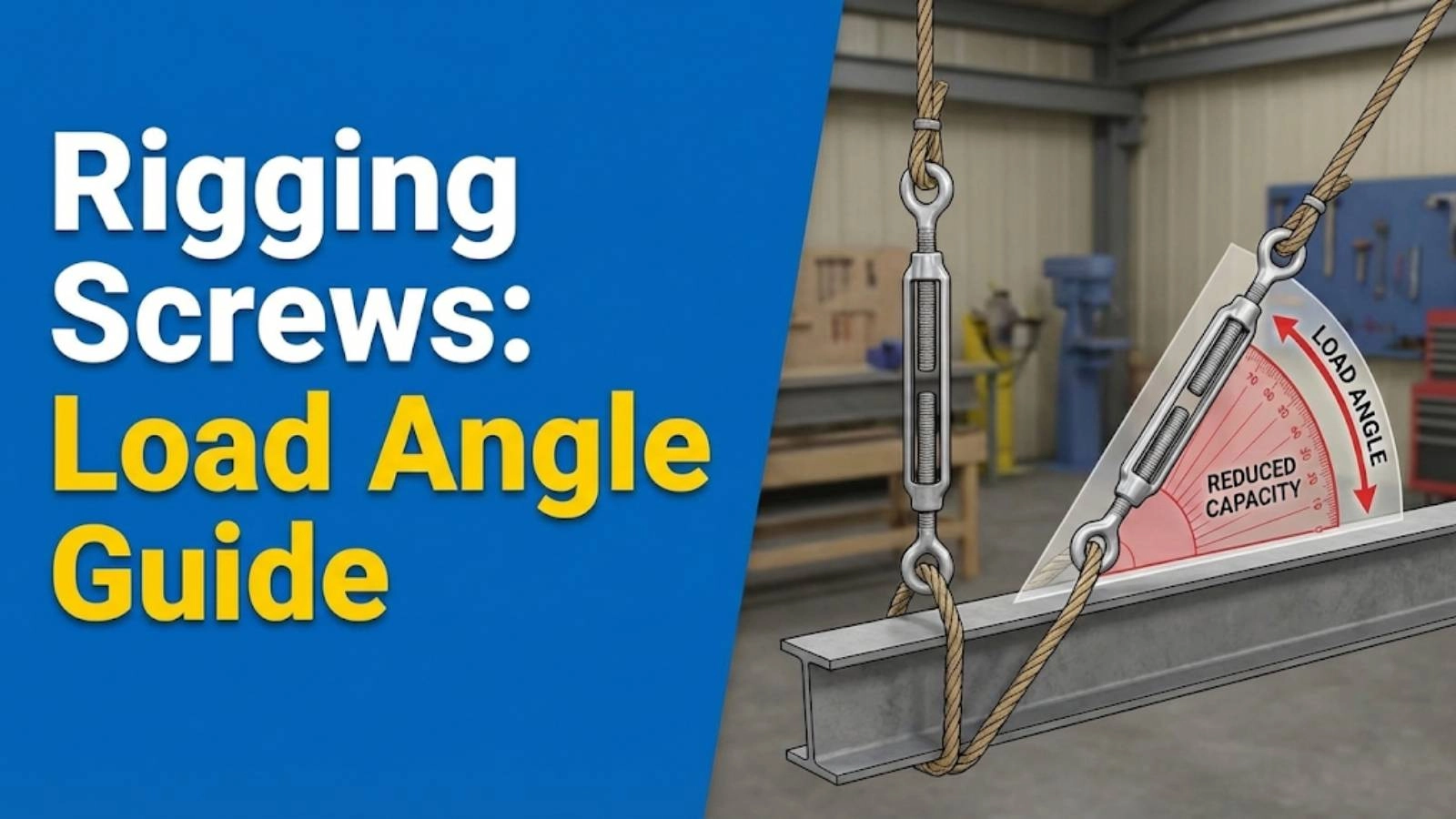
To avoid overloading, it is essential to accurately calculate load requirements and select appropriately rated rigging screws. This involves considering the weight of the load, any dynamic forces (e.g., acceleration, deceleration, impact), and the angle of the rigging. Use established engineering principles and consult load charts provided by the manufacturer. We always recommend using a safety factor that accounts for all potential uncertainties and dynamic loading conditions. For example, if the load is subject to sudden impacts, a higher safety factor should be used.
2. Improper Thread Engagement
💡 Insufficient thread engagement is another common rigging screw mistake that can lead to failure. The threads are what transfer the load from one component to another. If there are not enough threads engaged, the load is concentrated on a smaller area, increasing the stress and the likelihood of stripping or failure. Ensuring proper thread engagement is essential for safe and reliable operation.
Minimum Thread Engagement Requirements
The minimum required thread engagement depends on the thread size, material, and application. As a general rule, a minimum of 1.5 times the diameter of the screw should be engaged. For example, if you’re using a 1-inch diameter rigging screw, at least 1.5 inches of thread should be fully engaged in both the end fittings. Consult manufacturer’s specifications for specific recommendations. Failure to meet these minimum requirements significantly increases the risk of thread stripping and component failure.
Visual Inspection for Thread Depth
Regular visual inspections are crucial for verifying adequate thread engagement. Before each use, check to ensure that the threads are fully engaged in both end fittings. Look for any exposed threads that indicate insufficient engagement. If there is any doubt, measure the engaged thread length using a caliper or other measuring tool. We also advise our clients to train their personnel to recognize signs of inadequate thread engagement.
Use of Thread Locking Compounds
Thread-locking compounds can be beneficial in preventing loosening under vibration or dynamic loads. These compounds fill the gaps between the threads, creating a stronger bond and preventing relative movement. Apply the thread-locking compound according to the manufacturer’s instructions, ensuring that the threads are clean and free of debris. It’s crucial to choose a thread-locking compound that is compatible with the rigging screw material and the operating environment.
3. Neglecting Regular Inspections
➡️ Regular inspections are paramount for identifying potential problems before they lead to failure. Rigging screws are subjected to wear, corrosion, and other forms of degradation over time. Neglecting inspections can allow these issues to go unnoticed, compromising the screw’s integrity and increasing the risk of failure. A proactive inspection program is essential for maintaining safe rigging practices.
Frequency of Inspections Based on Usage
The frequency of inspections should be based on the intensity and environment of use. For rigging screws used in high-cycle applications or harsh environments (e.g., marine, chemical processing), more frequent inspections are necessary. Daily or pre-shift inspections may be required in these cases. For less demanding applications, weekly or monthly inspections may suffice. However, always inspect rigging screws before each use, regardless of the inspection schedule.
Visual Inspection Checklist
A comprehensive visual inspection should include checks for the following:
- Corrosion: Look for signs of rust, pitting, or other forms of corrosion on the screw body and threads.
- Cracks: Examine the screw body and threads for any cracks or fractures.
- Deformation: Check for any bending, twisting, or other forms of deformation.
- Thread Damage: Inspect the threads for stripping, wear, or other damage.
- End Fitting Condition: Ensure that the end fittings (e.g., eyes, jaws) are in good condition and properly secured.
- Locking Mechanisms: Verify the proper function of any locking mechanisms (e.g., jam nuts, cotter pins).
Documentation of Inspection Results
Maintaining accurate records of inspection results is crucial for traceability and auditing. Document the date of each inspection, the findings, and any corrective actions taken. This documentation provides a history of the rigging screw’s condition and helps identify trends that may indicate underlying problems. Keep these records readily available for review by safety personnel and auditors. This is a practice we instill in our clients across various industries.
4. Mixing Incompatible Materials
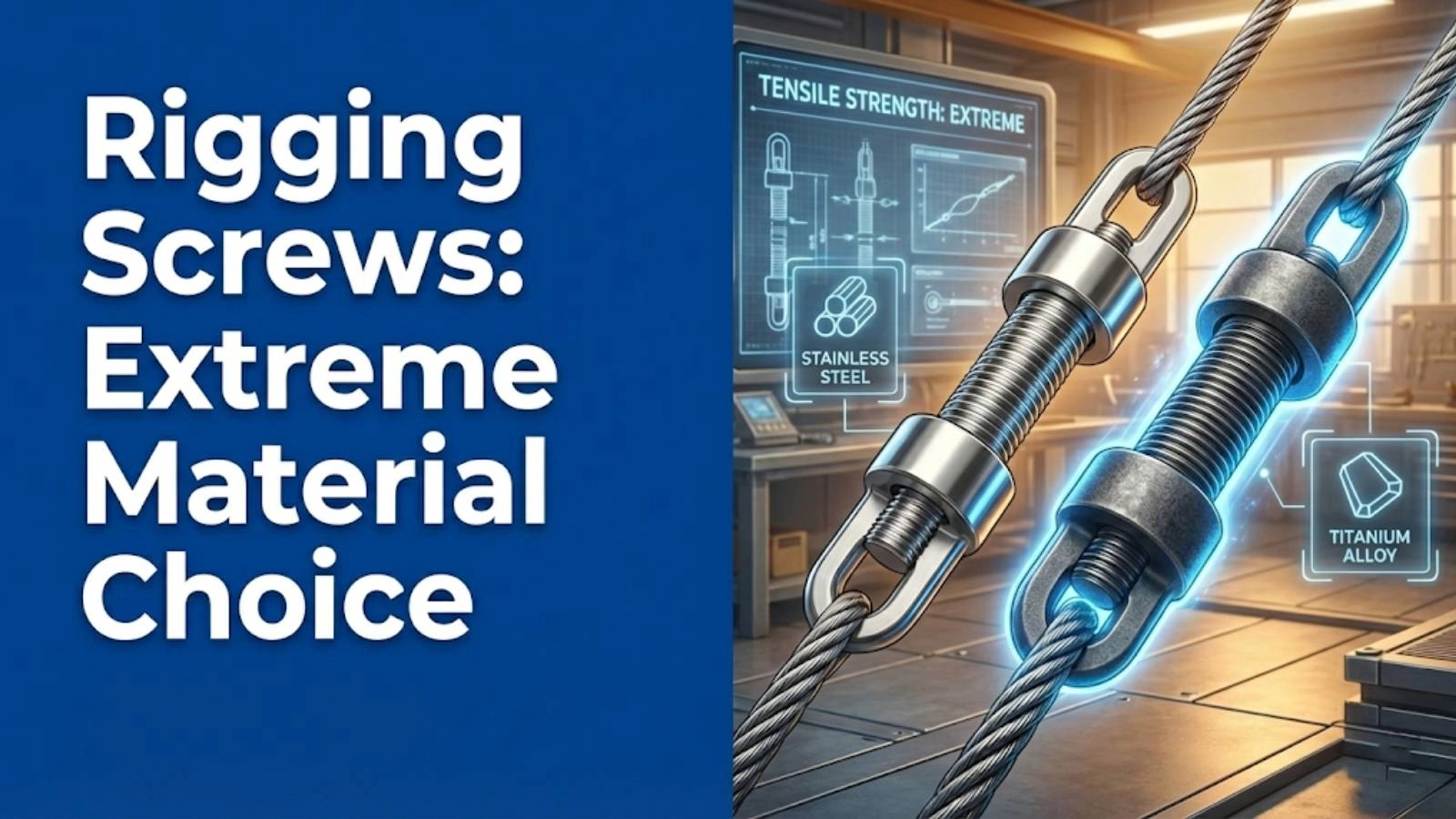
✨ Using dissimilar metals in rigging screw assemblies can lead to galvanic corrosion, a process that degrades the metal. Galvanic corrosion occurs when two different metals are in contact in the presence of an electrolyte (e.g., saltwater, rainwater). The more active metal corrodes at an accelerated rate, weakening the assembly and increasing the risk of failure. Understanding material compatibility is crucial for preventing this type of corrosion.
Galvanic Corrosion Risks
When dissimilar metals come into contact in a conductive environment, a galvanic cell is formed. The more anodic metal corrodes preferentially, while the more cathodic metal is protected. The rate of corrosion depends on the difference in electrochemical potential between the two metals, the size of the anode and cathode, and the conductivity of the electrolyte. Avoid using metals that are widely separated in the galvanic series.
Material Compatibility Chart
Here’s a simplified material compatibility chart. Always consult a comprehensive galvanic series chart for specific metal pairings:
| Metal |
Compatible With |
Incompatible With |
| Stainless Steel |
Stainless Steel, Nickel Alloys |
Aluminum, Carbon Steel, Zinc |
| Aluminum |
Aluminum, Zinc |
Stainless Steel, Carbon Steel |
| Carbon Steel |
Carbon Steel, Zinc |
Stainless Steel, Aluminum |
| Zinc |
Zinc, Aluminum, Carbon Steel |
Stainless Steel |
Use of Protective Coatings
Protective coatings can help prevent galvanic corrosion by creating a barrier between dissimilar metals and the environment. Zinc plating, epoxy coatings, and other similar coatings can provide effective corrosion protection. Ensure that the coating is applied properly and is compatible with the metals being used. Regularly inspect the coating for damage and repair as needed.
5. Incorrect Installation Techniques
➡️ Incorrect installation techniques can introduce stresses and weaken the screw. Proper installation is as important as selecting the correct rigging screw.
Proper Alignment Procedures
Misalignment can place undue stress on the rigging screw, potentially leading to premature failure. Ensure that the rigging screw is aligned correctly with the load and the attachment points. Avoid bending or twisting the screw during installation. Use shims or other alignment aids as needed to achieve proper alignment. It’s a step often missed but vital for longevity.
Avoiding Cross-Threading
Cross-threading occurs when the threads of the rigging screw do not properly engage with the threads of the mating component. This can damage the threads and reduce the holding capacity of the screw. Always start the threads by hand, ensuring that they are properly aligned. If you encounter resistance, stop and re-align the threads. Do not force the screw, as this will likely cause cross-threading.
Torque Specifications for Tightening
Over-tightening can strip the threads or damage the rigging screw, while under-tightening can result in inadequate clamping force. Consult the manufacturer’s specifications for the recommended torque values. Use a calibrated torque wrench to ensure that the rigging screws are tightened to the correct torque. Regularly check the torque to ensure that it has not loosened over time.
6. Failing to Protect Against Environmental Factors
✅ Environmental factors, such as moisture, chemicals, and extreme temperatures, can accelerate corrosion and degrade the material of rigging screws. Failing to protect against these factors can significantly reduce the lifespan and reliability of the screws. Implementing effective protection strategies is crucial for maintaining safe rigging practices.
Corrosion Prevention Strategies
In harsh environments, corrosion prevention strategies are essential. These may include:
- Using corrosion-resistant materials: Select rigging screws made from stainless steel, galvanized steel, or other corrosion-resistant materials.
- Applying protective coatings: Apply protective coatings, such as zinc plating or epoxy coatings, to the rigging screws.
- Using corrosion inhibitors: Use corrosion inhibitors in the surrounding environment to reduce the rate of corrosion.
- Implementing regular cleaning and maintenance: Regularly clean and maintain the rigging screws to remove contaminants and prevent corrosion.
Lubrication Best Practices
Lubrication can reduce friction and prevent seizing, particularly in corrosive environments. Use a lubricant that is compatible with the rigging screw material and the operating environment. Apply the lubricant to the threads and other moving parts of the screw. Re-lubricate the rigging screw regularly, following the manufacturer’s recommendations. This is especially important for tensioning devices subjected to the elements.
Storage and Handling Guidelines
Proper storage and handling practices can prevent damage and contamination. Store rigging screws in a clean, dry environment, away from corrosive substances. Protect the screws from physical damage during handling and transportation. Use appropriate packaging to prevent scratches, dents, or other damage. We also advise our clients to implement a strict inventory management system to ensure that rigging screws are properly tracked and maintained.
7. Lack of Training and Competency
💡 A lack of training and competency in rigging operations can lead to numerous mistakes and increase the risk of accidents. Rigging is a specialized skill that requires knowledge of rigging hardware, load calculations, and safe operating procedures. Using untrained personnel for rigging operations can have serious consequences.
Importance of Qualified Personnel
Using trained and qualified personnel for rigging operations is essential for safety. Qualified personnel have the knowledge and skills to:
- Select the appropriate rigging hardware for the job.
- Calculate load requirements accurately.
- Inspect rigging hardware for damage and wear.
- Install and use rigging hardware safely.
- Recognize and avoid potential hazards.
Rigging Safety Training Programs
Several rigging safety training programs and certifications are available to ensure competency. These programs cover topics such as:
- Rigging hardware identification and inspection
- Load calculation and planning
- Safe rigging practices and procedures
- Relevant regulations and standards
- Emergency response procedures
Regulatory Compliance Requirements
Complying with relevant regulatory requirements is essential for ensuring safety and avoiding legal liabilities. These regulations may vary depending on the industry and location. Consult with regulatory agencies and industry experts to ensure that your rigging operations comply with all applicable requirements. For example, OSHA (Occupational Safety and Health Administration) provides comprehensive guidelines for rigging safety in the United States.
8. Ignoring Signs of Wear and Damage
✨ Over time, rigging screws will inevitably show signs of wear and damage. Ignoring these signs can lead to failure.
Identifying Common Wear Patterns
Knowing common wear patterns is essential for identifying potential problems. These include:
- Thread Wear: This can occur due to friction and abrasion, reducing the thread’s holding capacity.
- Pitting: Small pits or holes on the surface of the screw, caused by corrosion.
- Galling: A form of wear caused by friction between sliding surfaces, resulting in material transfer and surface damage.
- Deformation: Bending, twisting, or other forms of deformation can indicate overloading or improper use.
- Cracks: Cracks can propagate over time, leading to catastrophic failure.
Determining When to Replace Hardware
Replace hardware based on the severity of wear and damage. Any of the following conditions warrant immediate replacement:
- Cracks or fractures in the screw body or threads
- Excessive thread wear or stripping
- Significant deformation
- Severe corrosion
- Failure to meet inspection criteria
> “Regular inspection and timely replacement of worn or damaged rigging screws are critical for maintaining a safe working environment.” – John Smith, Lead Safety Inspector
Non-Destructive Testing Methods
Non-destructive testing (NDT) methods can detect hidden flaws and damage in rigging screws. These methods include:
- Visual Inspection (VT): A thorough visual examination of the screw’s surface.
- Magnetic Particle Testing (MT): Detects surface and near-surface cracks in ferromagnetic materials.
- Dye Penetrant Testing (PT): Detects surface cracks and discontinuities.
- Ultrasonic Testing (UT): Detects internal flaws and measures material thickness.
9. Using Makeshift or Unapproved Components
➡️ Using makeshift or unapproved components is a dangerous shortcut that can compromise the integrity of the entire rigging system. These components may not meet the required strength and quality standards, increasing the risk of failure. Always use certified and approved rigging hardware from reputable suppliers.
Risks of Non-Certified Parts
Non-certified parts may not have been tested or inspected to ensure that they meet the required strength and quality standards. They may contain hidden flaws or be made from inferior materials. Using these parts can significantly increase the risk of failure and lead to accidents. We urge our clients to never compromise on quality when it comes to rigging hardware.
Importance of Traceability
Traceability ensures that rigging hardware can be traced back to its manufacturer and original testing documentation. This allows you to verify the authenticity and quality of the hardware. Always purchase rigging hardware from suppliers who provide traceability documentation. Maintain records of all rigging hardware, including manufacturer’s certificates and test reports.
Purchasing from Reputable Suppliers
Purchase rigging hardware from reputable suppliers who provide certified and tested products. These suppliers have established quality control procedures and can provide documentation to verify the authenticity and quality of their products. Avoid purchasing rigging hardware from unknown or unverified sources. SSTC is committed to providing our clients with only the highest quality, certified rigging hardware.
10. Overlooking Dynamic Loading Effects
✅ Dynamic loading effects, such as impact and shock loads, can significantly increase the stress on rigging screw assemblies. These loads can exceed the SWL and cause premature failure. It is essential to understand dynamic loading effects and account for them when selecting and using rigging screws.
Understanding Impact and Shock Loads
Impact loads are sudden, high-force loads that occur when an object strikes a rigging screw assembly. Shock loads are similar but involve a more gradual application of force. Both types of loads can significantly increase the stress on the rigging screw and potentially cause failure.
Fatigue Considerations
Fatigue is the weakening of a material due to repeated loading and unloading. Rigging screws subjected to dynamic loads are particularly susceptible to fatigue failure. Select rigging screws with adequate fatigue strength for the intended application. Consider the number of load cycles, the magnitude of the loads, and the operating environment when assessing fatigue resistance.
Derating for Dynamic Loads
Derating involves reducing the SWL to account for dynamic loading effects. The amount of derating depends on the severity of the dynamic loads. As a general rule, reduce the SWL by at least 20% for applications involving moderate dynamic loads. For more severe dynamic loads, a higher derating factor may be necessary. Consult with an experienced engineer to determine the appropriate derating factor for your specific application.
11. Modifying Rigging Screws
💡 Modifying rigging screws can compromise their strength and integrity, increasing the risk of failure. Rigging screws are designed and manufactured to specific standards, and any alteration can void the manufacturer’s warranty and potentially render the screw unsafe. Never modify rigging screws without consulting with a qualified engineer.
Prohibition of Alterations
Altering rigging screws in any way is strongly discouraged. This includes welding, drilling, machining, or any other modification that could affect the screw’s structural integrity. Modifications can introduce stress concentrations, weaken the material, or alter the screw’s geometry, all of which can increase the risk of failure.
Welding, Drilling, and Machining
Welding, drilling, or machining rigging screws can compromise their strength and integrity. These processes can introduce heat-affected zones, reduce material thickness, or create stress concentrations. Never weld, drill, or machine rigging screws without consulting with a qualified engineer.
Custom Solutions and Engineering Consultations
For custom rigging solutions, seek engineering consultations instead of modifying standard components. An experienced engineer can design a custom solution that meets your specific requirements without compromising safety. Custom solutions may involve using specialized rigging hardware, modifying existing hardware, or designing a completely new rigging system.
12. Poor Storage Practices
➡️ Poor storage practices can lead to corrosion, damage, and degradation of rigging screws. Storing rigging screws in damp, corrosive environments can accelerate corrosion and reduce their lifespan. Improper handling during storage can also cause physical damage. Implementing proper storage practices is essential for maintaining the integrity of rigging screws.
Environmental Storage Conditions
Store rigging screws in a clean, dry environment, away from corrosive substances. Avoid storing screws in damp, humid environments, as this can accelerate corrosion. If storing screws outdoors, protect them from the elements with a waterproof cover. For our clients in coastal regions like Dammam, we recommend storing rigging screws in climate-controlled environments.
Laying out Guidelines
Follow these guidelines for storing rigging screws:
- Clean and inspect rigging screws before storing them.
- Apply a protective coating or lubricant to prevent corrosion.
- Store rigging screws in a designated storage area.
- Organize rigging screws by size and type.
- Protect rigging screws from physical damage.
- Keep storage areas clean and dry.
Long-Term Storage Best Practices
For long-term storage, take extra precautions to prevent corrosion and degradation. Apply a heavy-duty protective coating or lubricant to the rigging screws. Store the screws in a sealed container or bag with a desiccant to absorb moisture. Regularly inspect the rigging screws for signs of corrosion or damage. Reapply the protective coating or lubricant as needed.
Conclusion
Avoiding these common rigging screw mistakes is crucial for ensuring the safety and reliability of your rigging operations. By understanding the Safe Working Load, ensuring proper thread engagement, conducting regular inspections, and protecting against environmental factors, you can significantly reduce the risk of accidents and injuries. Remember, proper training, the use of certified components, and adherence to safe operating procedures are essential for maintaining a safe working environment. We are committed to providing our clients with the highest quality rigging hardware and expert advice to help them achieve their safety goals.
FAQ Section
Q: How often should I inspect my rigging screws?
A: The frequency of inspections depends on the intensity and environment of use. For high-cycle applications or harsh environments, daily or pre-shift inspections may be required. For less demanding applications, weekly or monthly inspections may suffice. However, always inspect rigging screws before each use, regardless of the inspection schedule.
Q: What is the difference between SWL and Breaking Strength?
A: The Breaking Strength (MBL) is the force at which the rigging screw is expected to fail completely. The SWL is a fraction of the Breaking Strength, typically determined by a safety factor, and represents the maximum load that a rigging screw is designed to handle safely under normal operating conditions.
Q: Can I modify rigging screws to fit my specific needs?
A: Modifying rigging screws is strongly discouraged, as it can compromise their strength and integrity. Never modify rigging screws without consulting with a qualified engineer.
Q: What should I do if I find damage on my rigging screws?
A: If you find any damage on your rigging screws, such as cracks, deformation, or excessive wear, remove them from service immediately and replace them with new, certified rigging screws.
Q: How can I prevent corrosion on my rigging screws?
A: You can prevent corrosion by using corrosion-resistant materials, applying protective coatings, using corrosion inhibitors, and implementing regular cleaning and maintenance.
Q: Where can I purchase certified rigging screws?
A: Purchase rigging screws from reputable suppliers who provide certified and tested products, such as Safe and Secure Trading Company.
Q: What are the dangers of turnbuckle failures?
A: Turnbuckle failures can lead to dropped loads, equipment damage, and potential injuries or fatalities. It is important to regularly inspect turnbuckles for signs of wear, corrosion, or damage and to replace them as needed.
Q: What is the importance of rigging screw safety?
A: Rigging screw safety is paramount to prevent accidents, injuries, and fatalities in various industries. Proper selection, installation, inspection, and maintenance of rigging screws are essential for ensuring safe lifting and tensioning operations.
Q: How do I determine the correct safe working load for my rigging hardware?
A: Consult the manufacturer’s specifications and load charts to determine the SWL for your rigging hardware. Always consider the weight of the load, any dynamic forces, and the angle of the rigging.
Q: What are some common causes of rigging hardware failure?
A: Common causes of rigging hardware failure include overloading, improper use, inadequate inspection, corrosion, and lack of maintenance.
Q: Can you explain the proper techniques for using tensioning devices?
A: Proper techniques for using tensioning devices include selecting the appropriate device for the application, ensuring proper alignment, avoiding cross-threading, and tightening to the correct torque.
Q: What is the significance of thread engagement in rigging applications?
A: Adequate thread engagement is crucial for transferring the load safely and preventing thread stripping or failure. Ensure that the threads are fully engaged in both end fittings and meet the minimum thread engagement requirements.
Q: What material compatibility considerations exist when choosing rigging screws?
A: Consider the risks of galvanic corrosion when using dissimilar metals in rigging screw assemblies. Use compatible materials or apply protective coatings to prevent corrosion.
Q: Why is visual inspection so important for rigging screws?
A: Visual inspection helps identify potential problems before they lead to failure. Regularly check for corrosion, cracks, deformation, and thread damage.
Q: What are some effective corrosion prevention methods for rigging hardware?
A: Effective corrosion prevention methods include using corrosion-resistant materials, applying protective coatings, using corrosion inhibitors, and implementing regular cleaning and maintenance.
Q: How can I ensure my lifting equipment is safe for use?
A: Ensure your lifting equipment is safe for use by conducting regular inspections, performing necessary maintenance, using trained personnel, and complying with relevant regulations and standards.