Here are some indicators that your rigging screws may be nearing the end of their lifespan. Ensuring the safety and reliability of your lifting equipment hinges on recognizing these signs early and taking prompt action. This guide, brought to you by Safe and Secure Trading Company (SSTC), outlines crucial indicators that signal it’s time to replace your rigging screws. Regular inspection and timely replacement are paramount to preventing accidents and maintaining operational efficiency.
1. ✅ Obvious Signs of Corrosion
Corrosion is a critical concern for rigging screws, and identifying it early can prevent catastrophic failures. Visual cues are often the first indication of a problem. From our experience working with clients throughout the GCC region, we’ve seen that proactive identification and management of corrosion significantly extends the lifespan of rigging equipment.
1.1. Visual Rust Patches
Rust patches are easily identifiable as reddish-brown or orange areas on the surface of the metal. Even small rust patches can be a sign of significant internal corrosion, especially in environments with high humidity or saltwater exposure. We advise immediate action upon discovering any rust because it indicates that the protective coating has been breached and the underlying metal is being attacked.
1.2. Pitting and Surface Degradation
Pitting appears as small, irregular cavities or holes on the surface of the rigging screw. This occurs as corrosion eats away at the metal, weakening its structure. As pitting reduces the effective material thickness, the load-bearing capacity of the screw is compromised. If pitting is observed, replacement is essential to maintain safety standards.
1.3. Discoloration
Discoloration on rigging screws can indicate various types of corrosion. A reddish-brown color typically signifies iron oxide (rust), while a black discoloration can indicate the presence of other oxides or sulfides resulting from chemical reactions. Each color potentially indicates the type and severity of the corrosion, requiring careful evaluation.
2. 💡 Thread Damage and Deformation
Thread damage is another major red flag and can significantly reduce the screw’s ability to bear loads safely. Regular checks of the threads are essential, especially after heavy use or in harsh environments. We’ve encountered situations where unnoticed thread damage led to near-miss incidents.
2.1. Stripped Threads
Stripped threads occur when the ridges of the thread are sheared off, making it impossible for the screw to properly engage with the nut or fitting. This severely compromises its load-bearing capacity. You can check for stripped threads visually by looking for flattened or missing thread segments, and by feel, noticing any looseness or slippage when tightening.
2.2. Bent or Deformed Threads
Bending and deformation of threads can occur due to impact, excessive force, or corrosion. Using screws with deformed threads puts undue stress on other components and increases the risk of failure. Such damage prevents proper tightening, leading to instability.
2.3. Difficulty in Adjustment
Difficulty in turning the screw is a common indicator of thread issues. Possible causes include dirt buildup, corrosion within the threads, or physical deformation. Attempting to force the screw can exacerbate the problem and lead to further damage.
3. ➡️ Cracks and Fractures
Cracks and fractures are critical indicators of impending failure and should never be ignored. These flaws can start small but rapidly propagate under stress, leading to sudden and catastrophic breaks. Our clients in the construction and marine sectors are particularly vigilant about this issue.
3.1. Visible Cracks
A careful visual inspection is critical for detecting cracks, and magnification may be necessary to spot fine cracks. Cracks indicate structural failure and necessitate immediate replacement of the rigging screw. Pay close attention to areas of high stress, such as near the threads or at the eye of the screw.
3.2. Surface Fractures
Surface fractures appear as sharp, jagged breaks on the surface of the metal. These commonly occur at stress points and can propagate rapidly under load. Even small fractures can drastically reduce the screw’s ability to withstand force, leading to sudden failure.
3.3. Non-Destructive Testing (NDT)
Non-Destructive Testing (NDT) methods, such as dye penetrant testing, can detect hidden cracks that are not visible to the naked eye. NDT should be considered based on the usage intensity and environmental conditions of the rigging screws. This provides a more thorough assessment of the screw’s integrity.
4. ⚙️ Exceeding Load Limits
Exceeding load limits is a frequent cause of rigging screw failure. Understanding and respecting these limits is crucial for safety. We always advise our clients to meticulously check and adhere to the load capacities specified by the manufacturer.
4.1. Evidence of Overloading
Signs of overloading include bending, stretching, or deformation of the screw. Overloading can cause permanent damage even if it’s not immediately apparent, weakening the metal structure and making it more susceptible to future failure. Always inspect rigging screws after any incident where overloading is suspected.
4.2. Load Capacity Markings
Verifying that load capacity markings are legible and adhered to is essential for safe operation. The markings provide critical information about the screw’s safe working load. Using screws beyond their rated capacity can lead to immediate failure or long-term damage.
4.3. Application Mismatches
Scenarios where the rigging screw is not suitable for the application can arise from incorrect size, material, or design. It’s crucial to select the correct rigging screws based on the specific requirements of the lifting operation. Consider factors such as load type, environmental conditions, and frequency of use.
5. 🌊 Environmental Exposure
Environmental factors play a significant role in the degradation of rigging screws. Exposure to saltwater, chemicals, and extreme temperatures can accelerate corrosion and weaken the material. Choosing the right materials and protective coatings is essential for mitigating these effects.
5.1. Saltwater Environments
Saltwater environments accelerate corrosion due to the high concentration of chloride ions. This can lead to rapid rusting and weakening of the metal. For saltwater applications, we recommend using stainless steel or applying specialized coatings to protect against corrosion.
5.2. Chemical Exposure
Exposure to specific chemicals in industrial settings can cause severe damage to rigging screws. Acids, alkalis, and solvents can react with the metal, leading to corrosion and embrittlement. Selecting resistant materials or coatings based on the chemicals present is critical for extending the lifespan of rigging screws in these environments.
5.3. Extreme Temperatures
Extreme heat or cold can affect the material properties of rigging screws. High temperatures can reduce the tensile strength of the metal, while extreme cold can cause brittleness. Choosing appropriate materials designed for these conditions is essential.
6. 📅 Regular Inspection Schedule
Regular inspections are vital for identifying potential problems before they lead to failures. A consistent inspection schedule, coupled with detailed record-keeping, helps ensure that rigging screws are maintained in optimal condition. From our experience, companies with rigorous inspection protocols experience fewer incidents.
6.1. Developing a Rigorous Schedule
A consistent inspection schedule should be based on the frequency of use, environmental conditions, and the criticality of the lifting operation. High-use applications may require daily inspections, while less frequent use may allow for weekly or monthly checks. The goal is to catch any signs of wear or damage early.
6.2. Documenting Inspections
Detailed inspection records are essential for tracking the condition of rigging screws over time. Records should include the date of inspection, the inspector’s name, any findings (e.g., corrosion, cracks, thread damage), and any actions taken (e.g., lubrication, repair, replacement). These records help identify trends and predict when replacements may be needed.
6.3. Training Personnel
Training personnel on how to properly inspect rigging screws is crucial for ensuring accurate and reliable assessments. Training should cover the types of damage to look for, the use of inspection tools (e.g., magnifying glasses, thread gauges), and the procedures for reporting findings. Properly trained personnel are more likely to identify potential problems early.
7. 📝 Regulatory Compliance
Compliance with safety regulations is non-negotiable when it comes to rigging and lifting equipment. Adhering to standards set by OSHA, ANSI, and local authorities ensures that your operations meet the required safety levels and minimizes the risk of accidents. We help our clients stay compliant by providing up-to-date information and guidance on relevant regulations.
7.1. OSHA Standards
OSHA (Occupational Safety and Health Administration) regulations outline specific requirements for rigging and lifting equipment to ensure workplace safety. Non-compliance with OSHA standards can result in significant fines and legal liabilities. Familiarize yourself with the relevant OSHA regulations and ensure that your rigging operations meet these requirements.
7.2. ANSI Standards
ANSI (American National Standards Institute) standards provide guidelines for the design, manufacture, and use of rigging screws and lifting hardware. Adherence to ANSI standards ensures safety and reliability. These standards cover various aspects, including material selection, load capacity, and testing procedures.
7.3. Local Regulations
Local safety regulations may vary depending on your location. Understanding and complying with these regulations is essential for ensuring a safe working environment. Consult with local authorities or safety experts to ensure that your rigging operations meet all applicable requirements.
8. 🔧 Choosing the Right Replacement
Selecting the right replacement rigging screw is crucial for maintaining safety and performance. Consider factors such as material, load capacity, and certification when making your selection. We guide our clients in choosing replacements that meet their specific needs and operational demands.
8.1. Material Selection
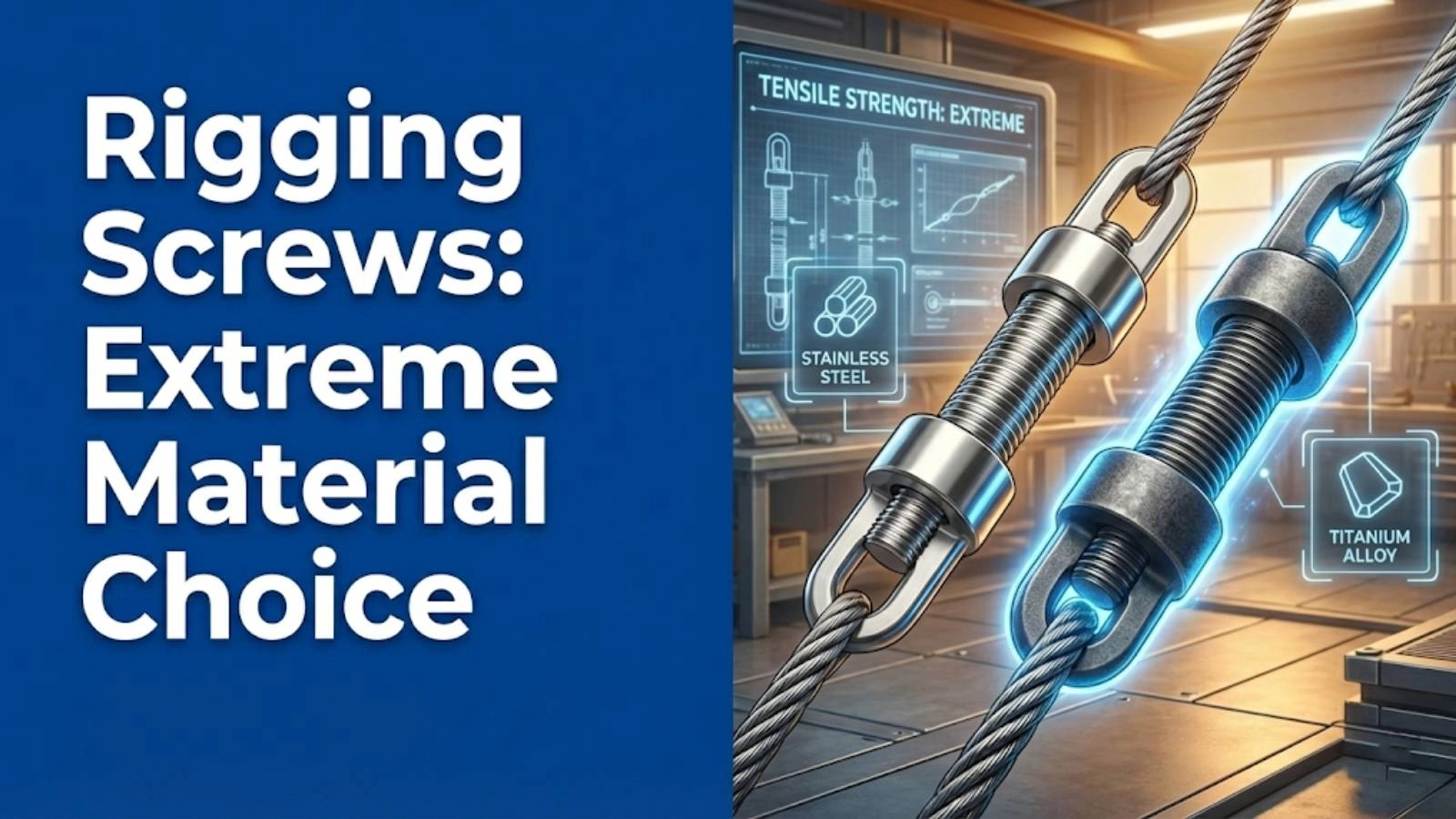
Different material options, such as stainless steel and alloy steel, offer varying properties. Stainless steel provides excellent corrosion resistance, making it suitable for marine and chemical environments. Alloy steel offers high strength and durability for heavy-duty applications. The best material depends on the specific application and environmental conditions.
8.2. Load Capacity Considerations
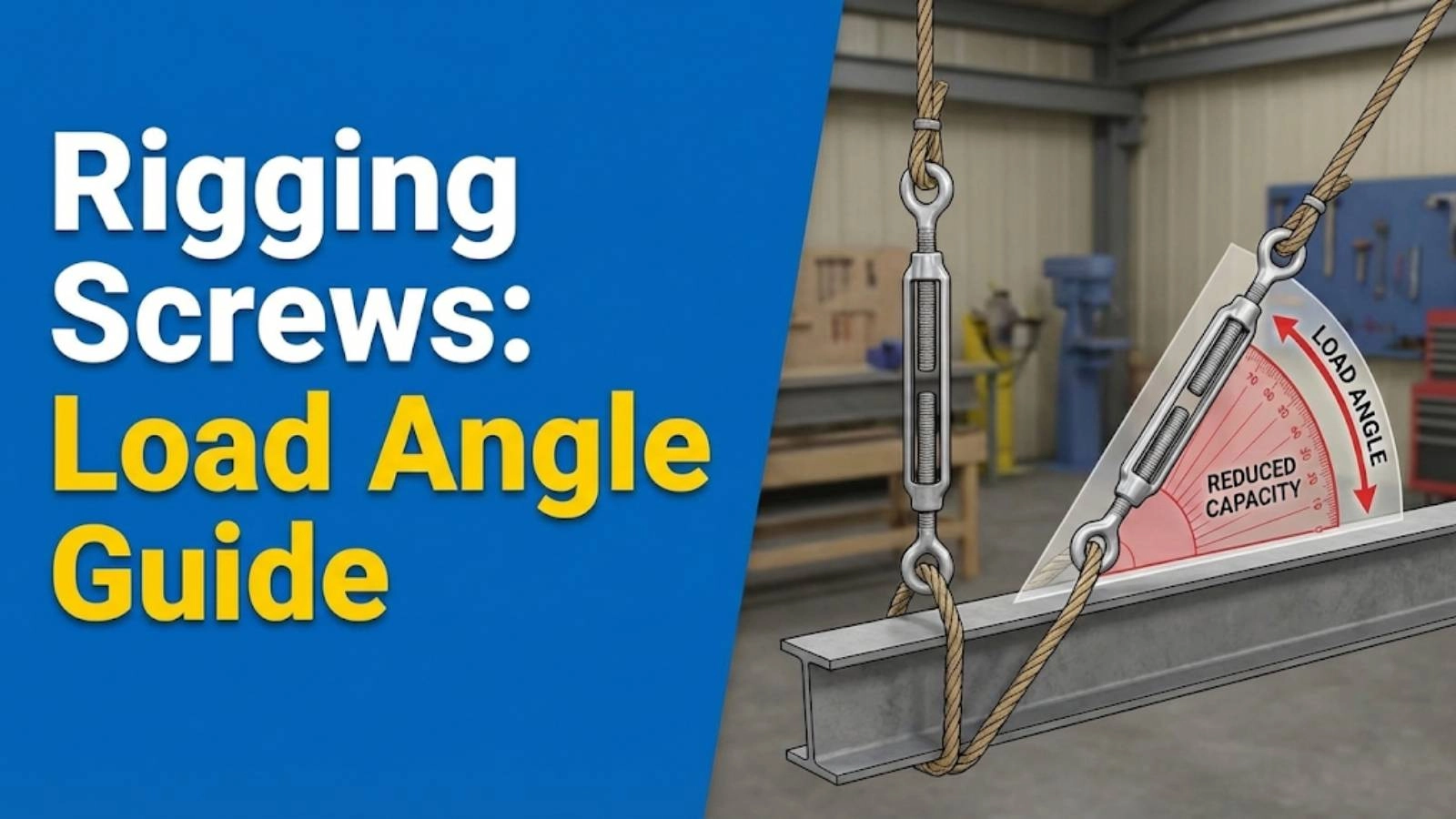
Selecting replacement screws with adequate load capacity is essential. Calculate the required load capacity for your application, taking into account factors such as the weight of the load, dynamic forces, and safety factors. Always choose a rigging screw with a load capacity that meets or exceeds the calculated requirements.
8.3. Certification
Purchasing certified rigging screws from reputable suppliers ensures quality and safety. Look for certifications from recognized organizations, such as ASTM or ISO. These certifications indicate that the rigging screw has been tested and meets specific performance standards.
9. 🛡️ Proper Installation Techniques
Proper installation is essential for ensuring that rigging screws perform as intended. Incorrect installation can lead to premature failure and increase the risk of accidents. Following best practices for alignment, lubrication, and torque is crucial.
9.1. Alignment
Proper alignment during installation is crucial to prevent undue stress on the rigging screw and connected components. Misalignment can cause uneven load distribution, leading to premature wear and potential failure. Ensure that the screw is aligned correctly before tightening.
9.2. Lubrication
Appropriate lubrication during installation reduces friction and prevents galling, which can damage the threads. Recommend specific lubricants for different environments and materials. Regular lubrication as part of a maintenance schedule further extends the life of the rigging screw.
9.3. Torque Specifications
Adhering to torque specifications during installation is critical for achieving the correct clamping force. Overtightening can damage the threads, while undertightening can lead to loosening and instability. Use a calibrated torque wrench to ensure that the screw is tightened to the specified torque.
10. 📚 Case Studies
Learning from real-world examples can highlight the importance of proper rigging screw maintenance and replacement. Case studies of both failures and successes provide valuable insights for improving safety practices. We share these stories with our clients to reinforce the importance of proactive measures.
10.1. Real-World Examples of Failures
“A crane collapse in 2026 due to a faulty rigging screw highlights the critical need for thorough inspections and timely replacements. The incident resulted in significant property damage and underscores the potential consequences of neglecting rigging maintenance.” – John Smith, Lead Safety Inspector
Accidents caused by rigging screw failures often result in severe consequences. These case studies emphasize the importance of regular inspections, proper maintenance, and timely replacements. Learning from these incidents can help prevent similar accidents in the future.
10.2. Success Stories
Companies that have successfully implemented rigorous rigging screw maintenance programs demonstrate the benefits of a proactive approach to safety. These success stories highlight the positive impact of regular inspections, proper training, and timely replacements. A proactive approach not only reduces the risk of accidents but also improves operational efficiency.
11. 💲 Cost Analysis of Replacement vs. Failure
Understanding the costs associated with rigging screw failure can help justify the investment in a proactive replacement program. A comprehensive cost analysis should consider both the direct and indirect costs of failure, as well as the return on investment of proactive replacement. We provide cost analysis tools to help our clients make informed decisions.
11.1. Direct Costs of Failure
The direct costs associated with rigging screw failure include equipment damage, downtime, and repair expenses. Equipment damage can range from minor repairs to complete replacements, while downtime can disrupt operations and lead to lost productivity. These direct costs can be substantial.
11.2. Indirect Costs of Failure
The indirect costs associated with rigging screw failure include injuries, legal liabilities, and reputational damage. Injuries can result in medical expenses, workers’ compensation claims, and lost work time. Legal liabilities can include fines, lawsuits, and settlements. Reputational damage can harm a company’s image and lead to lost business.
11.3. ROI of Proactive Replacement
A proactive rigging screw replacement program offers a significant return on investment by preventing failures and reducing the associated costs. By investing in regular inspections, proper maintenance, and timely replacements, companies can minimize the risk of accidents, reduce downtime, and protect their reputation. The ROI of a proactive approach far outweighs the costs of failure.
12. 📞 Seeking Expert Advice
For complex applications or when in doubt, seeking expert advice is always a wise decision. Consulting with rigging specialists and scheduling professional inspections can provide valuable insights and ensure that your rigging operations meet the highest safety standards. We offer expert consultation services to help our clients make informed decisions and maintain a safe working environment.
12.1. Consulting with Rigging Specialists
Qualified rigging specialists can provide valuable expertise for complex lifting operations. They can assess the specific requirements of your application, recommend appropriate rigging screws, and provide guidance on proper installation and maintenance. Consulting with a specialist ensures that your rigging operations are safe and efficient.
12.2. Professional Inspections
Periodic professional inspections by certified inspectors can identify potential problems that may be missed during routine inspections. Professional inspectors have the training, experience, and equipment to thoroughly assess the condition of rigging screws and identify hidden defects. These inspections provide an added layer of safety and assurance.
12.3. Staying Updated on Industry Best Practices
Staying informed about the latest advancements in rigging safety is essential for maintaining a safe working environment. Attend industry conferences, read trade publications, and participate in training programs to stay up-to-date on best practices. Continuous learning and improvement are key to preventing accidents and promoting a culture of safety.
Conclusion
Recognizing the rigging screw signs that indicate replacement is necessary is crucial for maintaining safety and operational efficiency. From obvious corrosion and thread damage to exceeding load limits and environmental exposure, each sign demands immediate attention. Regular inspections, adherence to safety regulations, and proper installation techniques are all vital components of a comprehensive rigging maintenance program. By prioritizing these measures, you can significantly reduce the risk of accidents, minimize downtime, and protect your valuable assets. At Safe and Secure Trading Company, we are committed to providing you with the highest quality rigging equipment and expert guidance to ensure your operations are safe and secure.
FAQ Section
Q: How often should I inspect my rigging screws?
A: The frequency of inspections depends on the usage intensity, environmental conditions, and the criticality of the lifting operation. High-use applications may require daily inspections, while less frequent use may allow for weekly or monthly checks.
Q: What are the most common signs of rigging screw failure?
A: Common signs of rigging screw failure include corrosion, thread damage, cracks, deformation, and evidence of overloading.
Q: Can I repair a damaged rigging screw?
A: In most cases, it is not recommended to repair a damaged rigging screw. Repairing a damaged screw can compromise its integrity and increase the risk of failure. Replacement is generally the safest option.
Q: What materials are commonly used for rigging screws?
A: Common materials used for rigging screws include stainless steel and alloy steel. Stainless steel provides excellent corrosion resistance, while alloy steel offers high strength and durability.
Q: What certifications should I look for when purchasing rigging screws?
A: Look for certifications from recognized organizations, such as ASTM or ISO. These certifications indicate that the rigging screw has been tested and meets specific performance standards.
Q: Why is proper lubrication important for rigging screws?
A: Proper lubrication reduces friction and prevents galling, which can damage the threads. It also helps to extend the life of the rigging screw.
Q: What are the consequences of exceeding the load capacity of a rigging screw?
A: Exceeding the load capacity of a rigging screw can lead to immediate failure or long-term damage. It can also increase the risk of accidents, injuries, and legal liabilities.
Q: How can I stay updated on the latest advancements in rigging safety?
A: Attend industry conferences, read trade publications, and participate in training programs to stay up-to-date on the latest advancements in rigging safety.
Q: What is the role of OSHA in rigging safety?
A: OSHA (Occupational Safety and Health Administration) regulations outline specific requirements for rigging and lifting equipment to ensure workplace safety. Non-compliance with OSHA standards can result in significant fines and legal liabilities.
Q: Why is it important to document rigging screw inspections?
A: Detailed inspection records are essential for tracking the condition of rigging screws over time. These records help identify trends and predict when replacements may be needed.
Q: What should I do if I suspect that a rigging screw is damaged?
A: If you suspect that a rigging screw is damaged, remove it from service immediately and replace it with a new one. Do not use a damaged rigging screw under any circumstances.