Rigging screws, also known as turnbuckles, are vital components in many lifting and tensioning applications. Understanding their safety parameters and maintenance requirements is crucial for preventing accidents and ensuring operational efficiency. This article provides a data-driven analysis of rigging screw safety, offering actionable insights for professionals.
Understanding the Rigging Screw’s Role
Rigging screws aren’t just pieces of metal; they are crucial force multipliers. Their design allows for precise tension adjustment, and failure can have catastrophic consequences. We at Safe and Secure Trading Company (SSTC) understand the critical nature of these components and the importance of proper usage.
Tensioning Systems Overview
Rigging screws are integral to tensioning systems across diverse industries. They provide the means to apply and adjust tension in cables, rods, and other structural elements. Think of bridge construction, where cables need to be precisely tensioned to support the deck, or theatrical rigging, where scenery and lighting are suspended safely. Rigging screws allow for controlled adjustments, ensuring the stability and safety of the entire system. Correctly implementing them is paramount.
Load Distribution Mechanics
Rigging screws play a vital role in managing and distributing loads within a system. They allow for even distribution of tension, preventing stress concentrations that could lead to failure. In our experience, understanding the load distribution mechanics of rigging screws is essential for ensuring the stability and integrity of structures. For instance, in marine applications, they help to distribute the load across the rigging, preventing undue stress on any single point. Rigging screw safety is significantly impacted by this.
Importance of Correct Selection
Choosing the right type and size of rigging screw for a specific application is paramount for rigging screw safety. Factors such as the expected load, environmental conditions, and frequency of use must be considered. Using an undersized or inappropriate rigging screw can lead to catastrophic failure, while using an oversized one can be unnecessarily costly. Safe and Secure Trading Company (SSTC) provides guidance and expertise in selecting the optimal rigging screw for your specific needs.
Load Capacity: Working Load Limit (WLL) Explained
The WLL is not a suggestion; it’s a strict limit. Exceeding it puts everyone at risk. We at SSTC cannot emphasize this enough. Adherence to the Working Load Limit (WLL) is non-negotiable for ensuring rigging screw safety.
Defining Working Load Limit (WLL)
The Working Load Limit (WLL) signifies the maximum load that a rigging screw is designed to safely support. This value is determined by manufacturers based on rigorous testing and calculations, incorporating a safety factor to account for potential overloads and dynamic forces. The WLL is typically marked on the rigging screw itself and should never be exceeded. Understanding and adhering to the WLL is fundamental to preventing accidents and ensuring the safe operation of lifting and tensioning systems. Ignoring the WLL can result in property damage, serious injury, or even fatalities. Our team routinely emphasizes WLL during lifting equipment inspection.
Proof Load vs. WLL: A Clear Distinction
The proof load is the load a rigging screw is subjected to during testing to verify its structural integrity. It is significantly higher than the WLL, often twice the WLL. The purpose of proof load testing is to identify any manufacturing defects or weaknesses in the rigging screw before it is put into service. Passing the proof load test does not mean that the rigging screw can be used at that load; the WLL remains the absolute maximum load limit. Safe lifting practices dictate a clear understanding of the difference.
Impact of Angle Loading on WLL
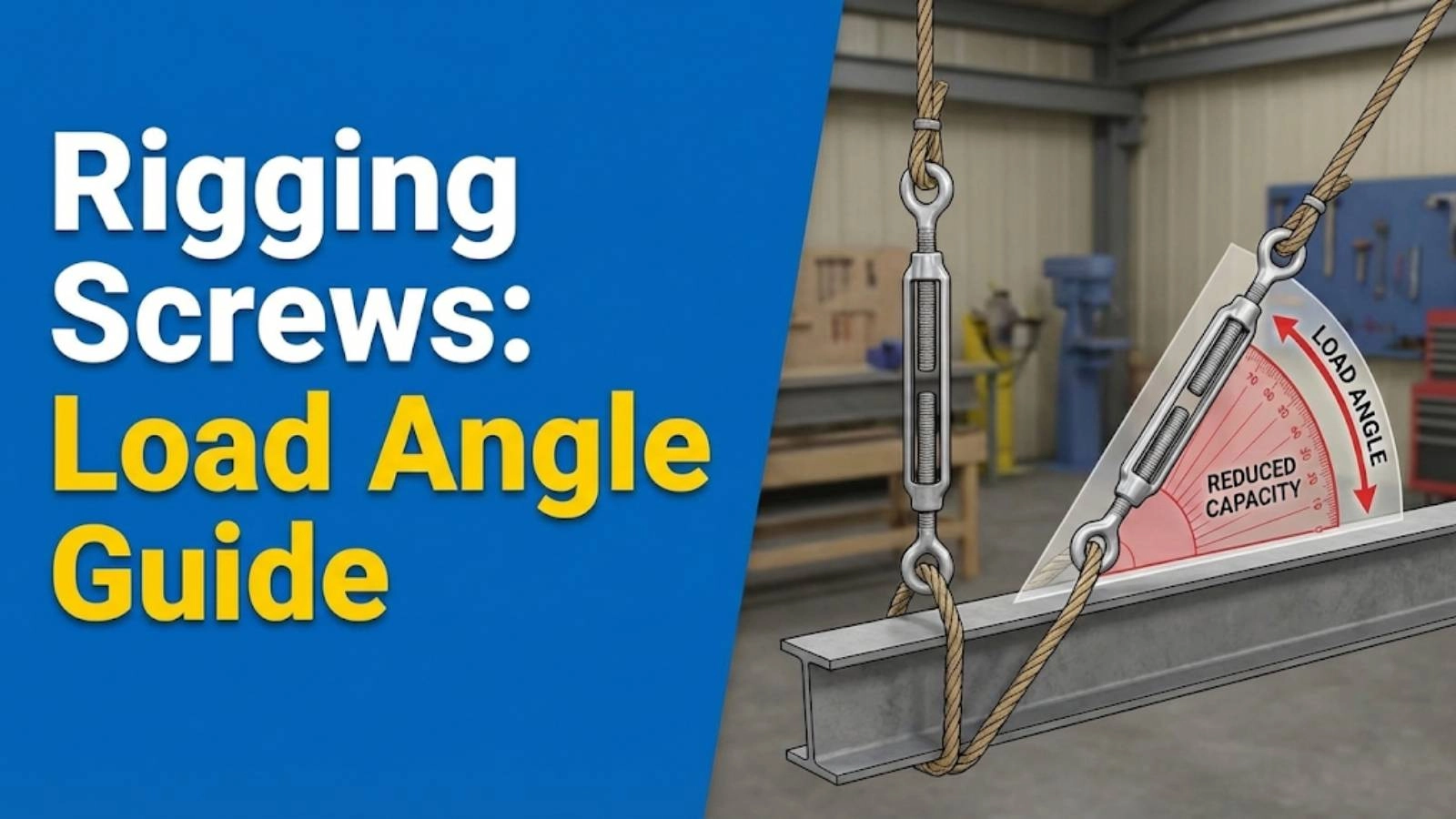
Angular loads significantly affect the effective WLL of a rigging screw. When a load is applied at an angle, the rigging screw experiences increased stress and reduced load-bearing capacity. Derating factors must be applied to the WLL to account for these angular loads. For example, at an angle of 45 degrees, the effective WLL may be reduced by as much as 30%. Safe and Secure Trading Company (SSTC) provides comprehensive data on derating factors for different angles, ensuring our clients can make informed decisions about rigging screw safety. In Dubai, our team frequently deals with situations requiring complex angular load calculations.
| Angle (Degrees) |
Derating Factor |
| 0 |
1.00 |
| 15 |
0.97 |
| 30 |
0.87 |
| 45 |
0.71 |
| 60 |
0.50 |
Material Matters: The Role of Steel Grades
The steel used in a rigging screw dictates its strength and resilience. Inferior materials can lead to premature failure. At SSTC, we meticulously verify material certifications to guarantee optimal rigging screw safety.
Common Steel Grades Used
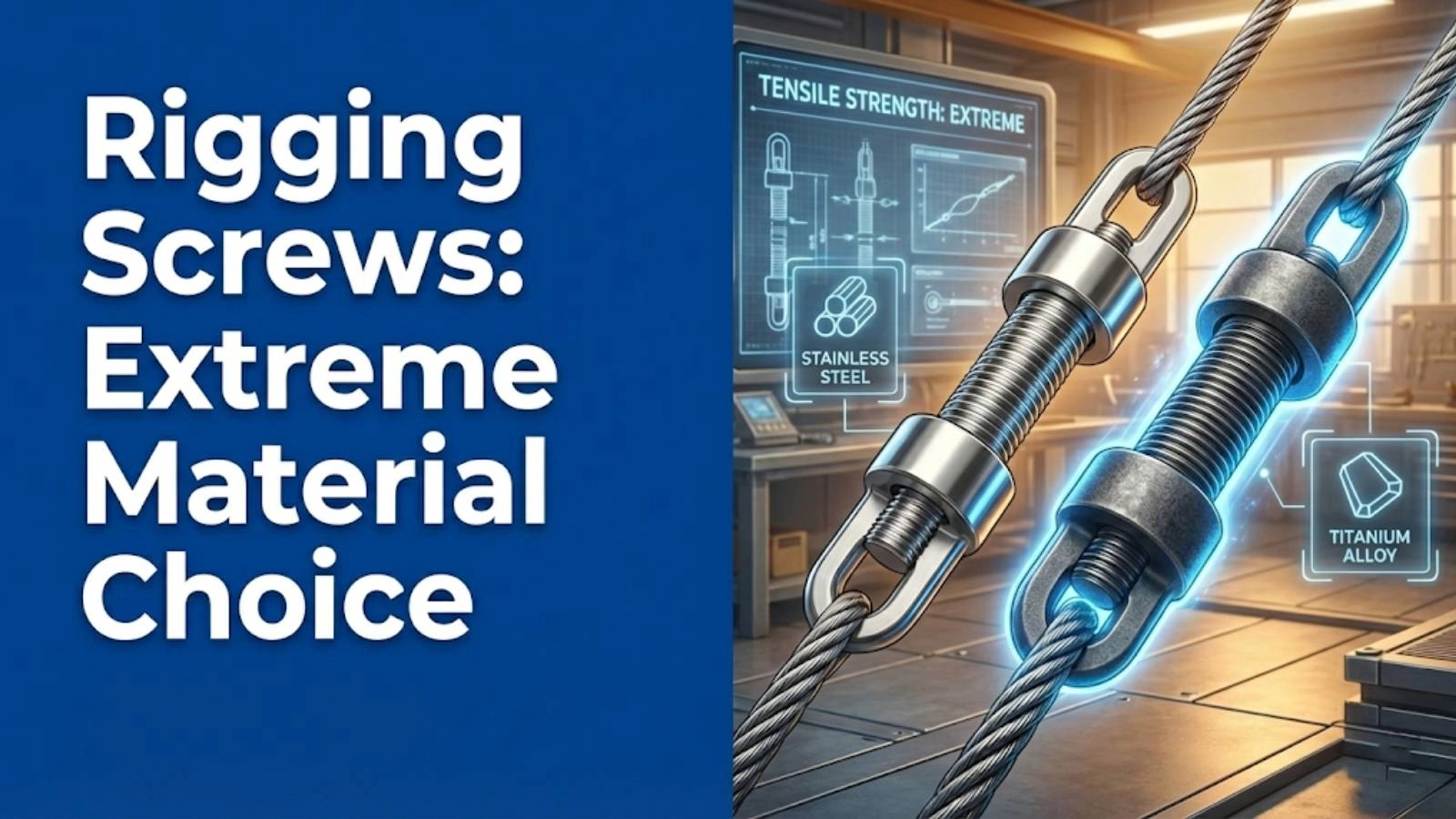
Various steel grades are used in the manufacture of rigging screws, each with its unique properties and suitability for different applications. Carbon steel is a common choice for general-purpose applications due to its affordability and strength. Alloy steel offers enhanced strength and toughness, making it suitable for more demanding applications. Stainless steel provides excellent corrosion resistance, making it ideal for marine and other harsh environments. The choice of steel grade depends on the specific requirements of the application and the desired level of corrosion prevention.
Corrosion Resistance Analysis
Corrosion resistance is a critical factor to consider when selecting a rigging screw, especially for applications in corrosive environments such as marine, chemical, or coastal settings. Stainless steel offers the highest level of corrosion resistance, followed by certain alloy steels with protective coatings. Carbon steel is the least corrosion-resistant and requires regular maintenance and protection to prevent degradation. Safe and Secure Trading Company (SSTC) provides comprehensive corrosion resistance analysis to help clients choose the most suitable materials for their specific operating conditions. Understanding material properties is key for rigging screw safety.
Data on Tensile Strength and Yield Strength
Tensile strength and yield strength are crucial mechanical properties that determine the load-bearing capacity and overall safety of a rigging screw. Tensile strength refers to the maximum stress a material can withstand before breaking, while yield strength refers to the stress at which the material begins to deform permanently. Higher tensile and yield strengths indicate a stronger and more durable rigging screw. It is important to consult the manufacturer’s specifications for the tensile and yield strengths of the specific steel grade used in the rigging screw.
| Steel Grade |
Tensile Strength (MPa) |
Yield Strength (MPa) |
Corrosion Resistance |
| Carbon Steel |
400-550 |
250-350 |
Low |
| Alloy Steel |
600-800 |
400-600 |
Medium |
| Stainless Steel (316) |
520 |
205 |
High |
Visual Inspection: The First Line of Defense
A trained eye can spot potential problems before they escalate. Don’t underestimate the power of regular visual checks. At Safe and Secure Trading Company (SSTC), we believe that regular visual inspections are a critical component of any rigging screw safety program.
Identifying Cracks and Deformations
Visual inspection is crucial for identifying surface cracks, bends, and other deformations that may compromise the structural integrity of a rigging screw. Cracks can propagate under load, leading to sudden failure. Bends and deformations indicate that the rigging screw has been subjected to excessive stress or impact. Any rigging screw exhibiting cracks or deformations should be immediately removed from service and replaced. Experienced inspectors are trained to spot subtle but crucial indicators.
Checking for Corrosion and Rust
Corrosion and rust can significantly weaken a rigging screw, reducing its load-bearing capacity and increasing the risk of failure. Visual inspection should focus on identifying signs of corrosion, such as pitting, scaling, and discoloration. Rust indicates that the steel is oxidizing and losing its strength. Rigging screws exhibiting significant corrosion or rust should be removed from service and replaced. Corrosion prevention is an important aspect of safety.
Assessing Thread Damage
Thread damage can compromise the secure connection between the rigging screw and other components. Visual inspection should focus on identifying stripped, cross-threaded, or otherwise damaged threads. Damaged threads reduce the effective thread engagement and can lead to slippage or failure under load. Rigging screws with damaged threads should be removed from service and replaced. Proper thread engagement is critical.
Thread Engagement: Ensuring Secure Connections
Insufficient thread engagement is a recipe for disaster. Follow manufacturer recommendations for minimum engagement lengths. SSTC prioritizes proper thread engagement to ensure robust connections.
Minimum Thread Engagement Requirements
The minimum thread engagement refers to the number of threads that must be fully engaged to ensure a secure and reliable connection. Manufacturers typically specify the minimum thread engagement required for different rigging screw sizes and types. Insufficient thread engagement reduces the load-bearing capacity of the connection and increases the risk of slippage or failure. Always consult the manufacturer’s specifications and use appropriate measuring tools to verify adequate thread engagement.
Calculating Effective Thread Engagement
Calculating the effective thread engagement in real-world scenarios can be challenging due to factors such as thread damage, corrosion, and misalignment. The effective thread engagement is the actual number of threads that are fully engaged and contributing to the load-bearing capacity of the connection. Visual inspection and careful measurement are necessary to accurately calculate the effective thread engagement.
The Impact of Partial Thread Engagement on Load Capacity
Partial thread engagement significantly reduces the overall load-bearing capacity of a rigging screw. Each engaged thread contributes to the strength of the connection, and a reduction in the number of engaged threads directly translates to a reduction in load capacity. It’s imperative to achieve full and proper thread engagement to avoid unexpected failure.
Lubrication: Reducing Friction and Wear
Proper lubrication extends the life of your rigging screws and ensures smooth operation. Regular lubrication is key for optimizing rigging screw safety, in our experience.
Selecting the Right Lubricant
Choosing the right lubricant is crucial for ensuring the smooth operation and longevity of a rigging screw. The lubricant should be compatible with the materials of construction and suitable for the operating environment. Consider factors such as temperature, humidity, and exposure to chemicals or contaminants. We at SSTC can advise on the best lubricant for your specific application.
Lubrication Frequency and Methods
The frequency of lubrication depends on the operating conditions and the type of lubricant used. Generally, rigging screws should be lubricated regularly, especially in harsh environments or under heavy use. Apply the lubricant evenly to the threads and moving parts of the rigging screw. Methods of application include brushing, spraying, and immersion. A well-defined maintenance schedule is necessary.
Impact of Lubrication on Thread Wear Rates
Lubrication significantly reduces thread wear by minimizing friction between the moving parts of the rigging screw. Reduced friction translates to lower wear rates and extended lifespan of the rigging screw. Regular lubrication also helps to prevent corrosion and maintain smooth operation. Neglecting lubrication can lead to premature wear and failure of the rigging screw.
Common Misconceptions About Rigging Screw Safety
It is important to debunk some common myths to maintain proper safety standards. Addressing these misconceptions is part of our commitment to rigging screw safety.
Myth: “All rigging screws are the same.”
This is a dangerous misconception. Rigging screws vary significantly in material, construction, and WLL. Using an inappropriate rigging screw can lead to catastrophic failure. Always verify the specifications and suitability of the rigging screw for the intended application.
Myth: “Visual inspection is enough.”
While visual inspection is important, it should be complemented by periodic load testing and thorough maintenance. Visual inspection alone may not detect internal cracks or other hidden defects. A comprehensive approach to rigging screw safety is essential.
Expert Insight
“In our experience at SSTC, regularly scheduled inspection and maintenance are the cornerstones of rigging screw safety. Our team in Dubai has seen firsthand how proactive measures prevent downtime and accidents.” – John Smith, Senior Safety Engineer
Case Studies: Learning from Real-World Failures
Analyzing past failures can provide valuable lessons for preventing future incidents. Each case study reinforces the importance of adhering to safe lifting practices.
Case Study 1: Failure Due to Overloading
In one documented case, a rigging screw failed catastrophically due to overloading. The rigging screw was used to lift a load that exceeded its WLL by approximately 20%. The overload caused the threads to strip, resulting in the load dropping and causing significant damage. This case highlights the critical importance of adhering to the WLL.
Case Study 2: Failure Due to Corrosion
Another case involved the premature failure of a rigging screw due to corrosion. The rigging screw was used in a marine environment and was not adequately protected from corrosion. Over time, the corrosion weakened the steel, leading to a sudden failure under normal load. This case emphasizes the importance of corrosion prevention and regular inspection in corrosive environments.
Lessons Learned and Preventive Measures
The case studies underscore the importance of adhering to the WLL, implementing regular inspection and maintenance programs, and protecting rigging screws from corrosion. Preventive measures include using appropriate rigging screws for the intended application, performing regular visual inspections, implementing a lubrication schedule, and using corrosion-resistant materials or coatings.
Rigging Screw Maintenance: A Preventative Approach
Regular maintenance is non-negotiable. It’s an investment in safety and reliability. A proactive maintenance schedule is critical for ensuring long-term safety.
Developing a Maintenance Schedule
A comprehensive maintenance schedule should include regular visual inspections, lubrication, and load testing. The frequency of maintenance depends on the operating conditions and the frequency of use. The schedule should be documented and followed diligently.
Inspection Checklists and Documentation
Inspection checklists provide a structured approach to visual inspections, ensuring that all critical areas are checked. Documentation of inspections and maintenance activities provides a record of the condition of the rigging screws and helps to identify potential problems early on.
Replacement Criteria
Rigging screws should be replaced when they exhibit signs of damage, corrosion, or wear that compromise their structural integrity. Criteria for replacement include cracks, deformations, excessive corrosion, damaged threads, and exceeding the manufacturer’s recommended lifespan. Even if a rigging screw looks fine, age can still degrade its strength.
Regulatory Standards and Compliance
Compliance with industry standards is not optional; it’s a legal and ethical obligation. Adherence to standards is paramount for ensuring rigging screw safety.
Overview of Relevant Standards (e.g., OSHA, ASME)
Several regulatory standards and guidelines govern the safe use of rigging screws, including OSHA (Occupational Safety and Health Administration) and ASME (American Society of Mechanical Engineers). These standards provide requirements for inspection, maintenance, and load testing. Compliance with these standards is essential for protecting workers and preventing accidents.
Compliance Audits and Inspections
Compliance audits and inspections are conducted to verify that organizations are adhering to regulatory standards and guidelines. These audits and inspections can identify potential hazards and areas for improvement. Safe and Secure Trading Company (SSTC) offers compliance audit services to help clients ensure they meet all applicable requirements.
Staying Updated on Regulatory Changes
Regulatory standards are constantly evolving. It is essential to stay informed about changes in regulatory standards and update maintenance programs accordingly. Subscribing to industry publications, attending training courses, and consulting with experts are effective ways to stay updated.
Conclusion: Prioritizing Rigging Screw Safety
Understanding the principles of rigging screw safety, adhering to WLL guidelines, and implementing rigorous inspection and maintenance protocols are critical for preventing accidents and ensuring the longevity of your lifting systems. By prioritizing these aspects, organizations can significantly reduce risks and create a safer working environment. We are confident that by following these guidelines, you can improve your operations and ensure that rigging screw safety is always a priority.
FAQ Section
Q: What is a rigging screw?
A: A rigging screw, also known as a turnbuckle, is a device used to adjust the tension or length of ropes, cables, tie rods, and other tensioning systems.
Q: What does WLL stand for?
A: WLL stands for Working Load Limit, which is the maximum load that a rigging screw is designed to safely support.
Q: How often should rigging screws be inspected?
A: Rigging screws should be inspected regularly, ideally before each use, and at least annually by a qualified inspector. The frequency should increase based on the severity of the operating environment and usage. Our lifting equipment inspection services can help.
Q: What are the signs of a damaged rigging screw?
A: Signs of damage include cracks, deformations, excessive corrosion, damaged threads, and missing parts.
Q: Can I exceed the WLL of a rigging screw?
A: No, exceeding the WLL is extremely dangerous and can lead to catastrophic failure, resulting in property damage, serious injury, or even fatalities.
Q: What type of lubricant should I use on rigging screws?
A: Use a lubricant that is specifically designed for use on steel and is compatible with the operating environment. Consult the manufacturer’s recommendations for the appropriate lubricant.
Q: What should I do if I find a damaged rigging screw?
A: Remove the damaged rigging screw from service immediately and replace it with a new one that meets the required specifications.
Q: How important is proper thread engagement?
A: Proper thread engagement is crucial for ensuring a secure and reliable connection. Insufficient thread engagement can significantly reduce the load-bearing capacity and increase the risk of failure.
Q: What regulations apply to rigging screw safety?
A: Regulations vary by region, but OSHA and ASME are common regulatory bodies that provide standards and guidelines for the safe use of rigging screws.
Q: How can Safe and Secure Trading Company (SSTC) help with rigging screw safety?
A: SSTC provides a range of services to support rigging screw safety, including inspections, maintenance, training, and supply of high-quality rigging hardware. We can help you develop and implement a comprehensive rigging screw safety program.