Rigging screw selection is a critical aspect of any lifting or tensioning operation. Choosing the wrong rigging screw or using it improperly can lead to catastrophic failures, resulting in serious injuries or property damage. At Safe and Secure Trading Company (SSTC), we understand the importance of selecting the right rigging hardware and adhering to strict safety protocols. This article will explore seven critical rigging screw mistakes that you should avoid to ensure the safety and success of your operations. These insights are based on years of experience assisting our clients throughout the region, including many here in Jubail and Ras Tanura.
1. Ignoring Load Capacity Ratings
💡 One of the most fundamental rigging screw mistakes is overlooking or misunderstanding load capacity ratings. The load capacity rating is the maximum weight that a rigging screw is designed to handle safely. Ignoring these ratings can lead to overloads and subsequent failures.
1.1. Understanding Working Load Limit (WLL)
The Working Load Limit (WLL) is the maximum load that a rigging screw can safely handle under normal conditions. It’s a crucial parameter that dictates the safe operational limits of the equipment. Exceeding the WLL can cause the rigging screw to yield, deform, or even break, leading to potential accidents. For example, we’ve seen instances where operators, unfamiliar with the equipment’s specifications, overloaded rigging screws, causing them to fail. It is imperative to always refer to the manufacturer’s specifications and markings to determine the WLL of each rigging screw before use.
1.2. Confusing WLL with Breaking Strength
It is vital to distinguish between the WLL and the breaking strength (also known as minimum breaking load or ultimate tensile strength) of a rigging screw. The breaking strength is the point at which the screw is expected to fail completely. The WLL, on the other hand, is a fraction of the breaking strength, determined by applying a safety factor. Always use the WLL as the primary safety parameter and never rely on the breaking strength as an operational limit. We advise our clients to implement strict protocols that prioritize WLL over breaking strength considerations.
1.3. Failing to Account for Dynamic Loading
Dynamic loads, such as sudden impacts or vibrations, can significantly increase the stress on rigging screws beyond the static load. These dynamic loads can dramatically reduce the effective WLL. For instance, a sudden jerk on a rigging screw can create a force several times greater than the weight being lifted. Always account for dynamic loading by applying appropriate dynamic load multipliers when determining the required WLL. We’ve found that dynamic loads can easily double or triple the stress on a rigging screw. We often suggest our clients in shipping and transport carefully consider dynamic loading, especially when working near the port of Jeddah.
2. Neglecting Material Compatibility and Corrosion
➡️ Corrosion is a significant threat to the integrity of rigging screws, and neglecting material compatibility can accelerate this process. Selecting the wrong materials or failing to protect against corrosion can lead to premature failure.
2.1. The Risk of Galvanic Corrosion
Galvanic corrosion occurs when two dissimilar metals are in contact in the presence of an electrolyte (such as saltwater). This process can cause one metal to corrode more rapidly than it would on its own. To prevent galvanic corrosion, use compatible metals or apply protective coatings such as galvanizing or epoxy paint. We recommend consulting a materials engineer to determine the best material combinations for your specific application. For example, we steer clients away from using aluminum shackles with stainless steel turnbuckles without proper insulation to prevent galvanic corrosion.
2.2. Selecting Inappropriate Materials for the Environment
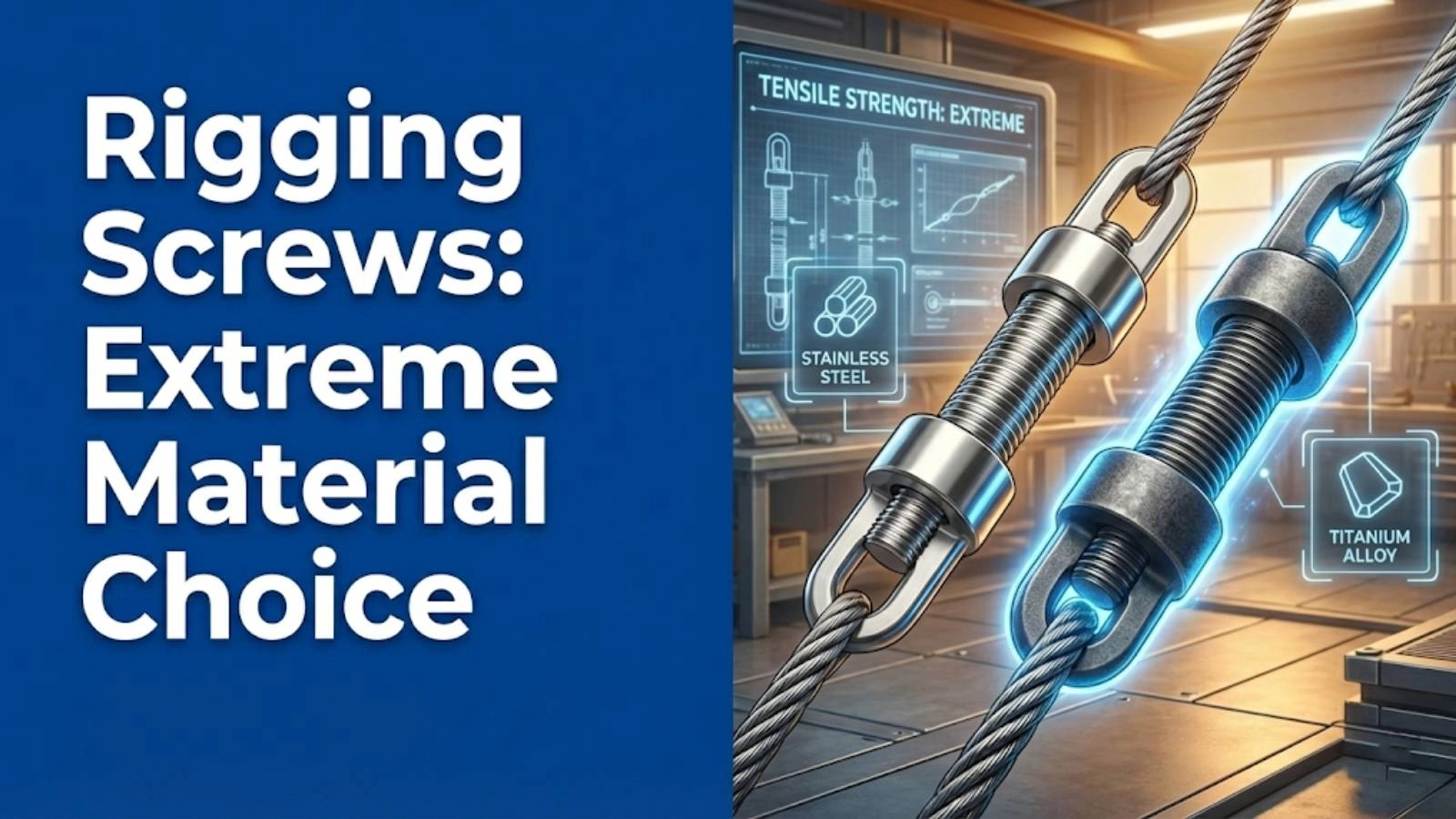
Environmental factors like saltwater, chemicals, and extreme temperatures can significantly accelerate corrosion and material degradation. It’s crucial to select rigging screw materials that are suitable for the specific operating environment. For marine applications, stainless steel is generally preferred due to its excellent corrosion resistance. Alloy steel may be suitable for high-temperature environments, but it requires protective coatings. Here is a reference table summarizing material selection considerations.
| Environment |
Recommended Material |
Considerations |
| Marine (Saltwater) |
Stainless Steel (316 or higher) |
Excellent corrosion resistance; avoid contact with dissimilar metals. |
| Chemical Processing |
Specific Alloys (e.g., Hastelloy, Monel) |
Consult chemical compatibility charts to ensure resistance to specific chemicals. |
| High-Temperature |
Alloy Steel with Protective Coatings |
Consider temperature derating factors; regularly inspect coatings for damage. |
| Cryogenic (Low-Temperature) |
Specific Stainless Steels (e.g., 304L, 316L) |
Ensure material retains ductility and strength at low temperatures. |
| General Industrial |
Carbon Steel with Galvanized Coating |
Cost-effective for non-corrosive environments; inspect galvanizing regularly. |
2.3. Overlooking the Effects of Hydrogen Embrittlement
Hydrogen embrittlement is a phenomenon that can cause high-strength steel rigging screws to become brittle and prone to fracture, especially when exposed to hydrogen-rich environments. This can occur during manufacturing processes like electroplating or pickling, or in service due to cathodic protection or exposure to certain chemicals. To prevent hydrogen embrittlement, use low-hydrogen welding processes, avoid over-pickling, and implement controlled heat treatment. We advise our clients to specify rigging screws that have undergone appropriate heat treatment to mitigate the risk of hydrogen embrittlement.
3. Improper Thread Engagement and Alignment
✅ Proper thread engagement and alignment are essential for ensuring the load-bearing capacity and stability of rigging screws. Insufficient thread engagement, cross-threading, or using damaged threads can significantly compromise safety.
3.1. Insufficient Thread Engagement
Inadequate thread engagement reduces the load-bearing capacity of a rigging screw. If the threads are not fully engaged, the load is concentrated on a smaller area, increasing the risk of thread stripping or failure. As a general guideline, ensure that the thread engagement length is at least equal to the diameter of the screw. For critical applications, consult engineering standards or the manufacturer’s recommendations for minimum thread engagement length. We’ve seen instances where inadequate thread engagement led to premature failures, especially in high-stress applications.
3.2. Cross-Threading and Misalignment
Cross-threading and misalignment during installation can damage the threads and significantly weaken the rigging screw. These issues create stress concentrations that can lead to premature failure under load. Always start the screw by hand to ensure proper alignment and avoid forcing it. Use appropriate tools and techniques to ensure that the screw is installed straight and true. Our experienced technicians often encounter damaged threads due to improper installation techniques, highlighting the importance of training and proper procedures.
3.3. Using Damaged or Worn Threads
Using rigging screws with damaged or worn threads is a major safety hazard. Damaged threads reduce the effective load-bearing area and increase the likelihood of failure. Regularly inspect rigging screws for signs of wear, corrosion, or damage to the threads. Replace any components with damaged or worn threads immediately. Even minor thread damage can significantly reduce the screw’s load capacity.
4. Skimping on Quality and Certification
✨ Quality and certification are crucial for ensuring the reliability and safety of rigging screws. Skimping on these aspects can lead to the use of substandard or counterfeit products that are prone to failure.
4.1. The Importance of Third-Party Certification
Third-party certification from reputable organizations like DNV (Det Norske Veritas), ABS (American Bureau of Shipping), or Lloyd’s Register provides assurance that rigging screws meet stringent quality and safety standards. Certified products have undergone rigorous testing and inspection to verify their performance and reliability. Choosing certified products reduces the risk of using substandard or counterfeit hardware. We always advise our clients to prioritize certified rigging hardware for critical applications.
4.2. Counterfeit Rigging Hardware
The market is unfortunately rife with counterfeit rigging hardware. These fake products often look identical to genuine ones but are made from inferior materials and lack proper quality control. Using counterfeit rigging hardware can have disastrous consequences. To avoid counterfeit products, purchase rigging screws only from reputable suppliers and carefully inspect the hardware for signs of poor quality or inconsistencies. Look for proper markings, certifications, and traceability information.
4.3. Lack of Traceability
Traceability is essential for ensuring accountability and quality control in rigging hardware. Traceability allows for tracking the materials used, the manufacturing processes followed, and the testing results obtained for each rigging screw. This information is crucial for identifying and addressing any potential issues or defects. We ensure that all our rigging hardware has complete traceability to maintain the highest standards of quality and safety.
5. Ignoring Safety Factors
➡️ Safety factors are a critical component of rigging design, providing a margin of safety to account for uncertainties and potential overloads. Ignoring or misunderstanding safety factors can lead to dangerous situations.
5.1. Understanding the Concept of Safety Factors
A safety factor is a multiplier applied to the WLL to determine the minimum breaking strength of a rigging screw. It provides a buffer to account for variations in material properties, manufacturing tolerances, and unforeseen loads. The appropriate safety factor depends on the application, the level of risk involved, and applicable regulations. A higher safety factor provides a greater margin of safety.
5.2. Choosing an Inadequate Safety Factor
Using an insufficient safety factor can significantly increase the risk of failure. If the safety factor is too low, the rigging screw may not be able to withstand unexpected loads or stress concentrations. The choice of safety factor should be based on a thorough risk assessment, considering factors such as the criticality of the application, the potential consequences of failure, and the level of uncertainty in the load calculations.
5.3. The Impact of Shock Loading on Safety Factors
Shock loading, as mentioned earlier, has a significant impact on the required safety factor. Sudden impacts or jerks can create forces several times greater than the static load. To account for shock loading, increase the safety factor accordingly. In some cases, it may be necessary to use specialized shock-absorbing devices to mitigate the effects of dynamic loads.
“Always double-check your safety factors, especially when dealing with dynamic loads or critical applications. It’s better to be overly cautious than to risk a catastrophic failure.” – John Smith, Lead Safety Inspector
6. Poor Maintenance and Inspection Practices
✅ Regular maintenance and inspection are essential for ensuring the continued reliability and safety of rigging screws. Neglecting these practices can lead to undetected wear, corrosion, or damage that can compromise their integrity.
6.1. Neglecting Regular Inspections
Routine inspections are crucial for identifying signs of wear, corrosion, or damage before they lead to failure. Inspections should be conducted regularly, with the frequency depending on the operating environment and the intensity of use. Look for signs of corrosion, cracks, deformation, or thread damage. Keep detailed records of all inspections, including the date, findings, and any corrective actions taken.
6.2. Improper Lubrication
Proper lubrication reduces friction and prevents wear on rigging screw threads. This is particularly important for screws that are frequently adjusted or exposed to harsh environments. Use a lubricant that is appropriate for the specific application and environment. Avoid using lubricants that can attract dirt or contaminants. We recommend lubricating rigging screws regularly as part of a comprehensive maintenance program.
6.3. Failure to Replace Worn Components
Worn or damaged rigging screws should be replaced promptly to prevent potential failures. Continuing to use compromised components can lead to dangerous situations. Establish clear guidelines on when to replace rigging screws based on visual inspection and performance criteria. Document all replacements and maintain a record of the replaced components.
7. Overlooking Specific Application Requirements
💡 Every application has unique requirements that must be considered when selecting rigging screws. Overlooking these specific needs can lead to the use of inappropriate hardware and compromise safety.
7.1. Selecting the Wrong Type of Rigging Screw
Different types of rigging screws are designed for specific applications. For example, jaw end rigging screws are typically used for connecting to shackles or other hardware, while eye end rigging screws are used for attaching to ropes or cables. Using the wrong type of rigging screw can compromise safety and performance. Select the appropriate type of rigging screw based on the specific application requirements.
7.2. Failing to Consider Angular Loading
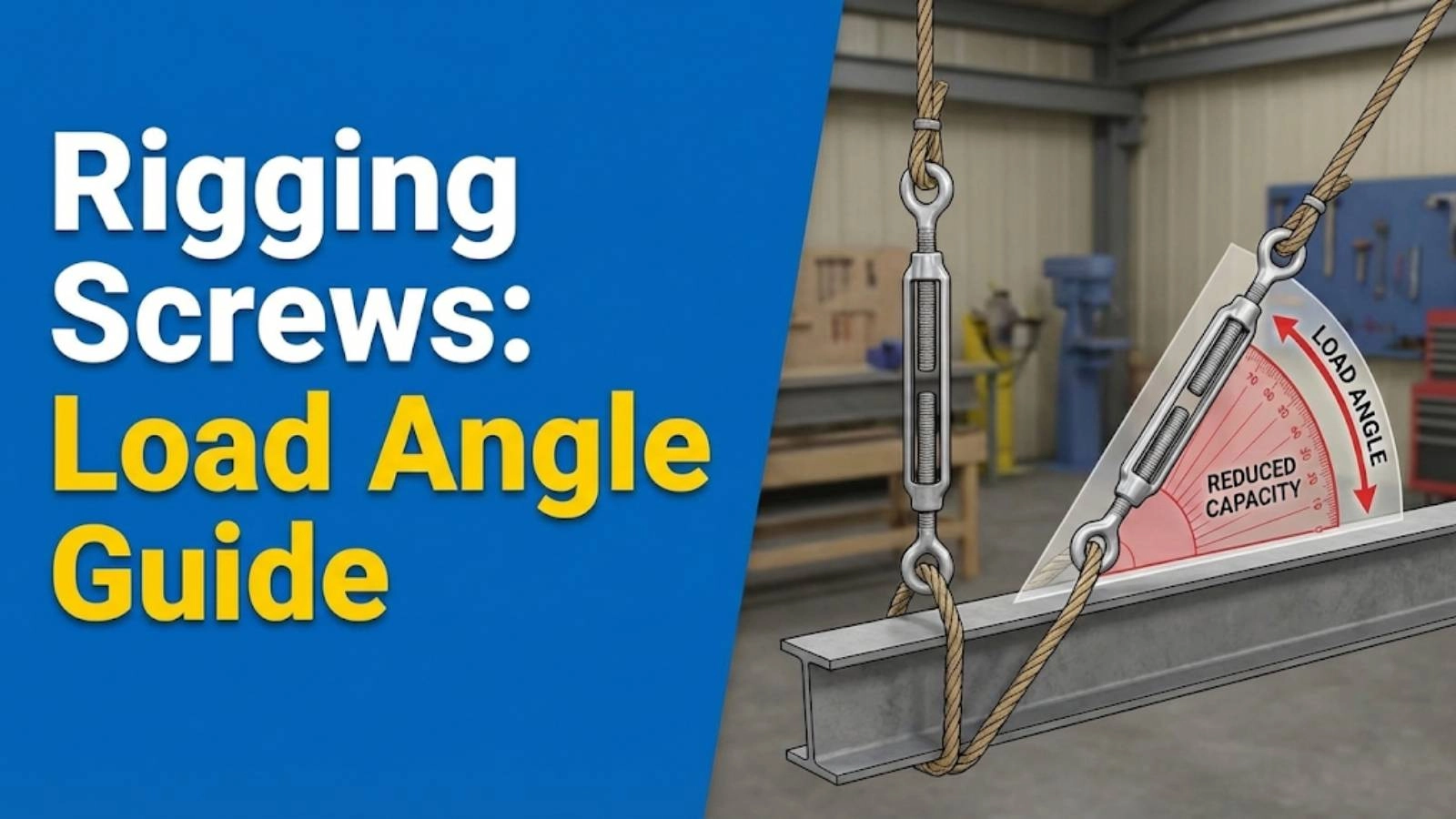
Angular loading occurs when the load is applied at an angle to the axis of the rigging screw. This can significantly reduce the load-bearing capacity of the screw and increase the risk of bending or failure. To minimize angular loading, use swivel devices or other methods to ensure that the load is applied axially. When angular loading is unavoidable, consult engineering guidelines to determine the appropriate derating factor.
7.3. Ignoring Temperature Extremes
Extreme temperatures can affect the strength and performance of rigging screws. High temperatures can reduce the yield strength and tensile strength of the material, while low temperatures can make it brittle. Consult temperature derating factors for the specific material to determine the allowable load at different temperatures. For applications involving extreme temperatures, use specialized rigging screws designed for those conditions.
Conclusion
Avoiding these seven common rigging screw mistakes is essential for ensuring the safety and success of your lifting and tensioning operations. By understanding load capacity ratings, selecting compatible materials, ensuring proper thread engagement, prioritizing quality and certification, considering safety factors, maintaining rigorous inspection practices, and accounting for specific application requirements, you can significantly reduce the risk of failure. We at SSTC are committed to providing our clients with the highest quality rigging hardware and expert guidance to ensure their operations are safe and efficient. Let us help you make the right choices for your rigging needs:
FAQ Section
Q: What is the most important factor to consider when selecting a rigging screw?
A: The most important factor is the Working Load Limit (WLL). Always ensure that the rigging screw’s WLL meets or exceeds the maximum load you anticipate applying, accounting for dynamic loading and safety factors.
Q: How often should rigging screws be inspected?
A: The frequency of inspections depends on the operating environment and intensity of use. However, as a general guideline, rigging screws should be inspected before each use and at least monthly. More frequent inspections may be necessary in harsh environments or for critical applications.
Q: What are the signs of a worn or damaged rigging screw?
A: Signs of wear or damage include corrosion, cracks, deformation, thread damage, and excessive wear on the threads. Any rigging screw exhibiting these signs should be removed from service and replaced.
Q: Can I use a rigging screw that has been previously overloaded?
A: No. Rigging screws that have been overloaded should never be reused, even if they appear undamaged. Overloading can cause internal damage that is not visible, significantly increasing the risk of failure.
Q: What type of lubricant should I use on rigging screw threads?
A: Use a lubricant that is specifically designed for rigging hardware and is appropriate for the operating environment. Avoid using lubricants that can attract dirt or contaminants. We often advise using a marine-grade grease for saltwater environments.
Q: How do I prevent galvanic corrosion when using dissimilar metals?
A: To prevent galvanic corrosion, use compatible metals or apply protective coatings such as galvanizing or epoxy paint. You can also use insulating materials to separate the dissimilar metals.
Q: What is the purpose of a safety factor?
A: A safety factor provides a margin of safety to account for uncertainties in load calculations, material properties, and operating conditions. It is a multiplier applied to the WLL to determine the minimum breaking strength.
Q: How do I account for dynamic loading when selecting a rigging screw?
A: Account for dynamic loading by applying a dynamic load multiplier to the static load. The appropriate multiplier depends on the severity of the dynamic loading. Consult engineering guidelines or a qualified engineer to determine the appropriate multiplier.
Q: What should I do if I suspect that I have purchased counterfeit rigging hardware?
A: If you suspect that you have purchased counterfeit rigging hardware, immediately remove it from service and contact the supplier. Report the incident to the appropriate authorities.
Q: Where can I find reliable information on rigging screw selection and safety?
A: You can find reliable information from reputable manufacturers, industry organizations, and regulatory agencies. Safe and Secure Trading Company also provides expert guidance and training on rigging screw selection and safety.