Rigging screws are essential components in a wide variety of applications, from construction and marine operations to theatrical rigging and heavy lifting. These devices, also known as turnbuckles, are used to adjust the tension or length of ropes, cables, and tie rods. Choosing the correct type of rigging screw is critical for ensuring safety, efficiency, and the longevity of your equipment.
Understanding Rigging Screw Basics
What is a Rigging Screw?
A rigging screw, fundamentally, is a device used for tensioning. It typically consists of two threaded ends that screw into a central body, also known as a turnbuckle. By rotating the body, the threaded ends either draw closer together or push further apart, thus adjusting the tension in the attached lines or cables. These are commonly used with other rigging hardware like wire rope clips. The simple, yet effective, design allows for precise adjustments, making them invaluable in applications requiring controlled tension. They are a staple in various industries due to their versatility and ease of use.
Why is Choosing the Right Type Important?
Selecting the appropriate rigging screw types is paramount to preventing accidents and ensuring structural integrity. An improperly chosen rigging screw can fail under load, leading to catastrophic consequences, including equipment damage, personal injury, or even fatalities. Factors such as load capacity, environmental conditions, and the specific application all play a crucial role in determining the right type. We often see users underestimate the importance of these considerations. For example, our team in Dubai frequently encounters instances where using a standard galvanized turnbuckle in a marine environment led to rapid corrosion and subsequent failure. Understanding the nuances of each type and their respective limitations is vital.
Key Terminology: WLL, Breaking Strength, Safety Factor
Understanding the key terminology associated with rigging screws is essential for safe and effective use.
- Working Load Limit (WLL): The maximum load that a rigging screw is designed to safely support in regular service. This is also sometimes referred to as the load capacity.
- Breaking Strength: The force at which the rigging screw is expected to fail. This is significantly higher than the WLL.
- Safety Factor: The ratio of the breaking strength to the WLL. It is a critical element in ensuring safety, providing a margin to account for unexpected loads, wear, and other factors. A common safety factor is 5:1, meaning the breaking strength is five times the WLL.
We always emphasize the importance of adhering to the WLL. We once had a client who disregarded the WLL, assuming the safety factor would compensate. The rigging screw failed, causing significant damage. Never exceed the WLL, and always understand the safety factor applied to the equipment.
Common Problems with Incorrect Rigging Screws
Safety Hazards and Risks
Using incorrect rigging screw types introduces significant safety hazards. If a rigging screw is not rated for the intended load, it can fail, causing the load to drop unexpectedly. This can lead to severe injuries to personnel working in the area. Furthermore, the sudden release of tension can cause other components in the rigging system to fail, creating a chain reaction of dangerous events. We’ve seen firsthand how seemingly small errors in rigging selection can escalate into major incidents.
Equipment Failure and Damage
Beyond immediate safety risks, incorrect rigging screws can cause gradual equipment failure. Overloading a rigging screw, even if it doesn’t immediately break, can weaken its structure over time, leading to premature failure. Similarly, using a rigging screw made of an inappropriate material for the environment can lead to corrosion and degradation, reducing its strength and lifespan. This can result in unexpected downtime and costly repairs.
Increased Maintenance Costs
The long-term cost implications of using the wrong rigging screws can be substantial. Premature failure of these components necessitates frequent replacements, driving up maintenance expenses. Additionally, the damage caused by a rigging failure can extend to other parts of the system, leading to more extensive and expensive repairs. Implementing proper selection and maintenance practices from the outset can significantly reduce these long-term costs.
Types of Rigging Screws and Their Applications
Jaw End Turnbuckles
Jaw end turnbuckles feature U-shaped jaws at the ends, secured with a bolt or pin. These are ideal for applications where a quick and secure connection is needed. They are commonly used in fencing, architectural rigging, and marine applications. The jaw end allows for easy attachment and detachment, making them convenient for temporary or frequently adjusted setups. However, it is crucial to ensure the bolt or pin is properly secured to prevent accidental disconnections.
Eye End Turnbuckles
Eye end turnbuckles have closed loops or “eyes” at the ends. These eyes are typically connected to shackles or other hardware using bolts or pins. Eye ends are suitable for applications where a more permanent connection is required. They are frequently used in structural rigging, overhead lifting, and suspending equipment. The closed-loop design provides a strong and reliable connection.
Hook End Turnbuckles
Hook end turnbuckles have hooks at one or both ends. These are designed for quick attachment and release, making them useful in applications where frequent adjustments or temporary connections are needed. They are commonly used in tie-down applications, temporary bracing, and light-duty rigging. However, hook ends are generally less secure than jaw or eye ends and should not be used in critical lifting applications.
Stub End Turnbuckles
Stub end turnbuckles feature threaded ends that are designed to be welded or otherwise permanently attached to other components. These are used in applications where a strong, fixed connection is required. They are common in structural steelwork and heavy-duty rigging. Stub end turnbuckles provide a robust and reliable connection, but they are not easily adjusted once installed.
Swage Turnbuckles
Swage turnbuckles are designed to be permanently attached to wire rope or cable using a swaging tool. The swaging process compresses the fitting onto the wire rope, creating a strong and reliable connection. Swage turnbuckles are commonly used in architectural rigging, cable railing, and marine applications where a clean and streamlined appearance is desired.
Closed Body Turnbuckles
Closed body turnbuckles feature a solid, enclosed body with internal threads. The threaded ends screw into the body, allowing for tension adjustment. Closed body turnbuckles offer a sleek and aesthetic appearance. They are often used in architectural applications, cable railings, and other applications where visual appeal is important.
Material Considerations for Rigging Screws
Stainless Steel: Benefits and Uses
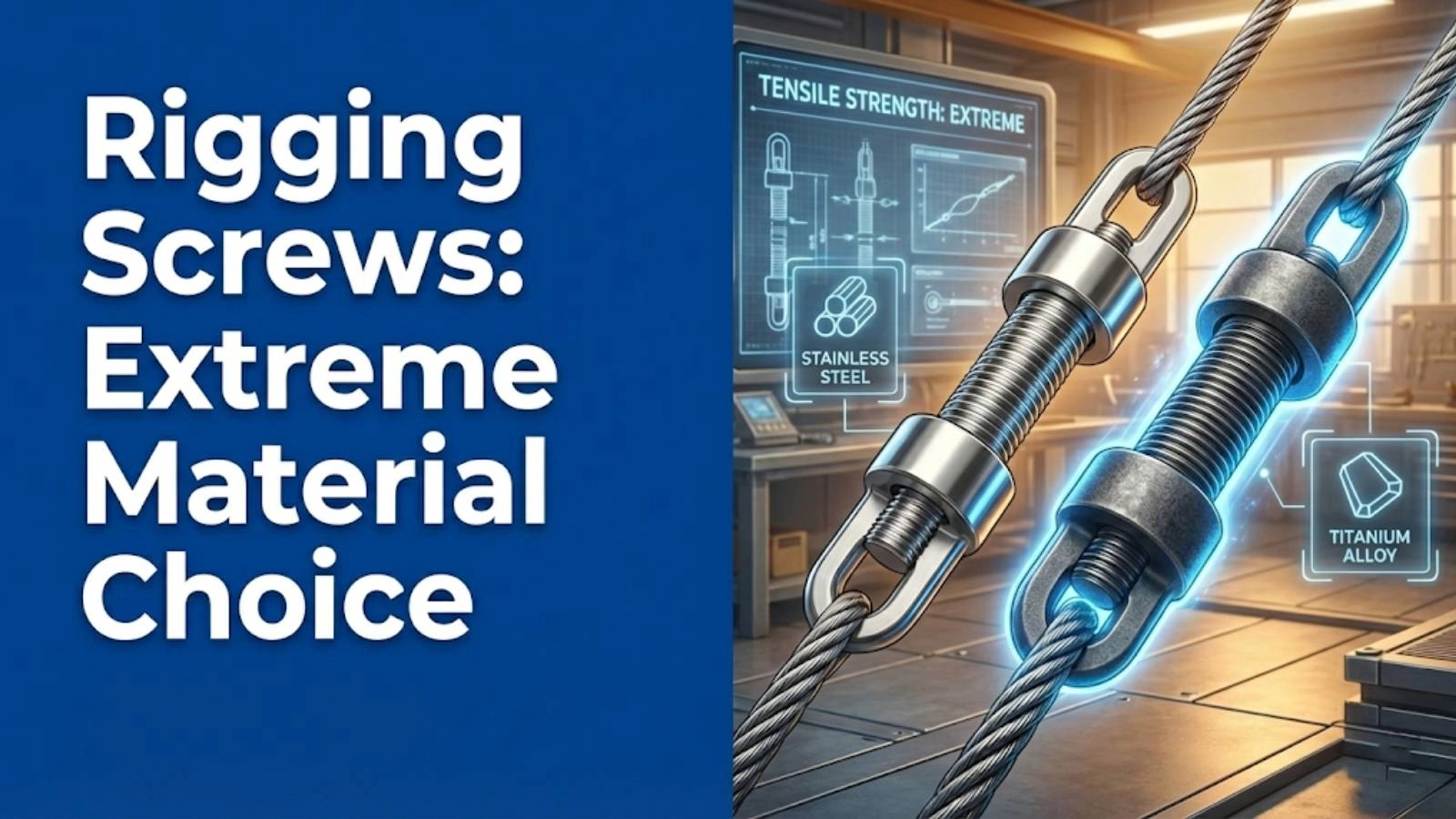
Stainless steel rigging screws are prized for their excellent corrosion resistance, making them ideal for marine environments, chemical processing plants, and other harsh conditions where exposure to moisture or corrosive substances is likely. There are different grades of stainless steel, such as 304 and 316, with 316 offering superior corrosion resistance due to the addition of molybdenum. While stainless steel is more expensive than galvanized steel, its durability and longevity often make it a cost-effective choice in the long run. The resistance to rust and degradation ensures that stainless steel rigging maintains its structural integrity over time.
Galvanized Steel: When to Use It
Galvanized steel rigging screws are coated with a layer of zinc to protect against corrosion. This makes them suitable for outdoor applications where exposure to the elements is a concern, but where the corrosive environment is not too extreme. Galvanized steel is more economical than stainless steel, making it a popular choice for many general-purpose rigging applications. However, the zinc coating can be damaged by abrasion or impact, compromising its corrosion resistance. Routine inspections are essential to ensure the coating remains intact.
Other Materials: Alloys and Coatings
In addition to stainless steel and galvanized steel, rigging screws can be made from other materials, such as high-strength alloys, or treated with specialized coatings to enhance their performance in specific applications. For example, some rigging screws may be coated with a specialized epoxy or polymer coating to provide additional protection against corrosion or abrasion. The selection of the appropriate material or coating depends on the specific requirements of the application, including the load, environment, and desired lifespan.
How to Determine the Correct Rigging Screw Type
Assessing Load Requirements
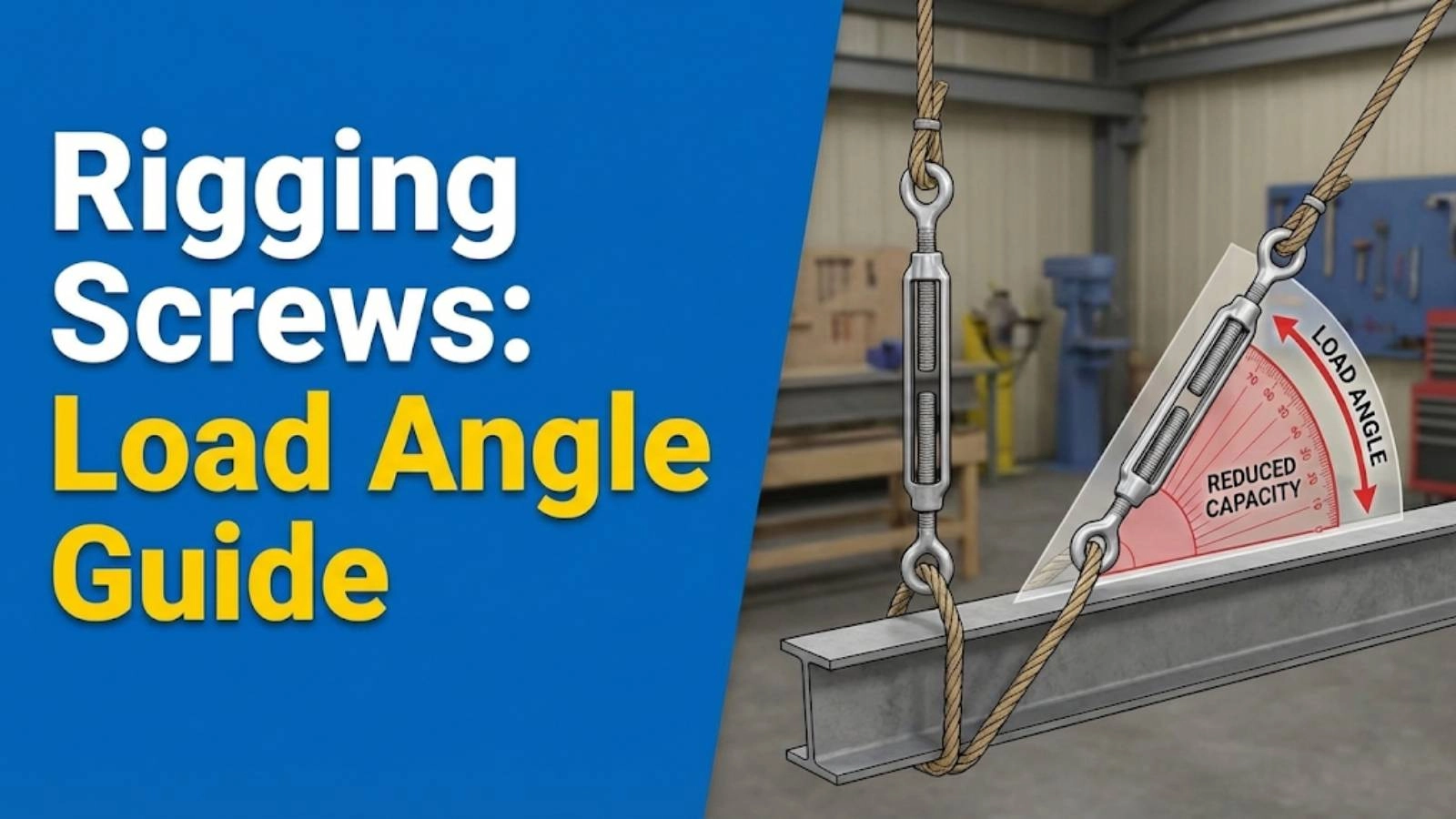
The first step in selecting the correct rigging screw types is to accurately assess the load requirements of the application. This involves determining the maximum weight or force that the rigging screw will be subjected to. It is crucial to consider both static loads (constant, unchanging loads) and dynamic loads (loads that vary or change over time). Dynamic loads, such as those caused by wind, waves, or moving equipment, can significantly increase the stress on the rigging screw. Always select a rigging screw with a WLL that exceeds the maximum expected load, accounting for both static and dynamic factors.
Environmental Factors (Corrosion, Temperature)
Environmental factors play a significant role in determining the appropriate type of rigging screw. Exposure to moisture, salt, chemicals, or extreme temperatures can accelerate corrosion and degradation, reducing the strength and lifespan of the rigging screw. In marine environments, stainless steel is often the preferred choice due to its superior corrosion resistance. In high-temperature environments, specialized alloys may be necessary to maintain strength and prevent creep. It is essential to consider the specific environmental conditions when selecting a rigging screw to ensure its long-term reliability.
Connection Type and Compatibility
The type of connection required for the application is another crucial factor in selecting the correct rigging screw. Different types of rigging screws, such as jaw end, eye end, and hook end turnbuckles, are designed for different connection methods. It is essential to ensure that the rigging screw is compatible with the other components in the rigging system, such as shackles, wire rope, and chain. The size and thread type of the rigging screw must also be compatible with the mating components.
Step-by-Step Guide to Inspecting Rigging Screws
Visual Inspection for Damage
Regular visual inspection is critical for identifying potential problems with rigging screws before they lead to failure. Look for signs of corrosion, cracks, bending, or other damage. Pay close attention to the threads, as damaged threads can significantly reduce the strength of the rigging screw. Also, inspect the end fittings (jaws, eyes, hooks) for any signs of wear or distortion. Any rigging screw that shows signs of damage should be removed from service immediately.
Checking for Proper Thread Engagement
Proper thread engagement is essential for ensuring that the rigging screw can safely carry the intended load. The threads on the end fittings must be fully engaged with the threads in the body of the turnbuckle. Insufficient thread engagement can cause the threads to strip under load, leading to failure. A good rule of thumb is to ensure that at least 1.5 times the diameter of the thread is engaged. Also, check that the threads are clean and free from dirt, rust, or other debris that could interfere with proper engagement.
Verifying Load Ratings
Always verify that the load rating of the rigging screw is appropriate for the application. The WLL should be clearly marked on the rigging screw. Ensure that the WLL is not exceeded under any circumstances. If the load rating is not visible or legible, the rigging screw should not be used. Regularly review the load requirements of the application to ensure that the rigging screw remains suitable.
Best Practices for Rigging Screw Installation
Proper Tensioning Techniques
Proper tensioning is essential for ensuring that the rigging screw performs as intended. Over-tensioning can overload the rigging screw, leading to premature failure. Under-tensioning can cause the rigging system to be unstable or ineffective. Use a calibrated tension gauge or torque wrench to apply the correct amount of tension. Follow the manufacturer’s recommendations for tensioning procedures.
Avoiding Overloading
Overloading is a common cause of rigging screw failure. Never exceed the WLL of the rigging screw. When calculating the load, consider both static and dynamic factors. Use a load cell or dynamometer to accurately measure the load if necessary. Implement procedures to prevent accidental overloading, such as load limiters or overload alarms.
Regular Maintenance and Lubrication
Regular maintenance and lubrication are essential for extending the lifespan of rigging screws. Clean the threads regularly to remove dirt, rust, and other debris. Lubricate the threads with a suitable lubricant to reduce friction and prevent corrosion. Inspect the rigging screw for signs of wear or damage, and replace it if necessary.
Troubleshooting Common Rigging Screw Issues
Identifying and Addressing Corrosion
Corrosion is a common problem with rigging screws, especially in marine environments. Identify signs of corrosion, such as rust, pitting, or discoloration. Remove surface rust with a wire brush or abrasive pad. Apply a corrosion inhibitor to protect the metal. If the corrosion is severe, replace the rigging screw.
Dealing with Bent or Damaged Screws
Bent or damaged screws should be removed from service immediately. Bending can weaken the metal, making it more susceptible to failure. Damaged threads can prevent proper thread engagement, reducing the load capacity. Attempting to straighten a bent screw can further weaken the metal. Always replace damaged screws with new ones.
Resolving Threading Problems
Threading problems can occur due to dirt, rust, or damage. Clean the threads with a wire brush or thread chaser. Lubricate the threads with a suitable lubricant. If the threads are damaged, use a thread repair tool or replace the rigging screw. Ensure that the threads are properly engaged before applying a load.
Advanced Rigging Techniques and Considerations
Using Multiple Rigging Screws
In some applications, multiple rigging screws may be used to distribute the load. When using multiple rigging screws, it is essential to ensure that they are evenly loaded. Use a spreader bar or equalizer to distribute the load equally among the rigging screws. Monitor the tension in each rigging screw to ensure that they are not overloaded.
Dynamic Loading vs. Static Loading
Dynamic loading refers to loads that vary or change over time, while static loading refers to constant, unchanging loads. Dynamic loads can significantly increase the stress on rigging screws. When selecting rigging screws for dynamic loading applications, it is essential to consider the frequency and magnitude of the load variations. Use a higher safety factor to account for the increased stress.
Consulting with a Rigging Expert
For complex or critical rigging applications, it is always advisable to consult with a rigging expert. A rigging expert can assess the load requirements, environmental conditions, and connection types to recommend the appropriate rigging screws. They can also provide guidance on installation, maintenance, and inspection procedures. Consulting with a rigging expert can help ensure safety and prevent costly failures.
“Proper rigging is not just about the equipment; it’s about the knowledge and expertise to use it safely and effectively.” – John Smith, Lead Safety Inspector
Case Studies: Real-World Examples of Rigging Screw Selection
Construction Industry
In the construction industry, rigging screws are used for a variety of applications, such as lifting heavy materials, securing scaffolding, and tensioning cables. The selection of the appropriate rigging screw depends on the specific application, load requirements, and environmental conditions. For example, stainless steel rigging screws may be used in coastal construction projects to resist corrosion from saltwater exposure. The working load limit must also be considered.
Marine Applications
Marine applications require rigging screws that can withstand harsh environmental conditions, such as saltwater exposure, extreme temperatures, and high humidity. Stainless steel rigging screws are commonly used in marine applications due to their excellent corrosion resistance. Shackle types must also be considered. Rigging screws are used in marine applications for a variety of purposes, such as tensioning sailboat rigging, securing mooring lines, and lifting heavy equipment.
Theatrical Rigging
In theatrical rigging, rigging screws are used to suspend lights, scenery, and other equipment above the stage. Safety is paramount in theatrical rigging, as a failure can have catastrophic consequences. Rigging screws used in theatrical rigging must be carefully selected and inspected to ensure that they are capable of safely supporting the intended load. It’s important to never exceed the proof load.
Essential Safety Tips for Rigging Screw Use
Always Use the Correct Type
Always use the correct type of rigging screw for the application. Consider the load requirements, environmental conditions, and connection type when selecting a rigging screw. Do not use a rigging screw that is not rated for the intended load.
Never Exceed the WLL
Never exceed the WLL of the rigging screw. Overloading can cause the rigging screw to fail, leading to serious injuries or fatalities. Use a load cell or dynamometer to accurately measure the load if necessary.
Regularly Inspect and Maintain
Regularly inspect and maintain rigging screws to ensure that they are in good working condition. Look for signs of corrosion, cracks, bending, or other damage. Lubricate the threads regularly to reduce friction and prevent corrosion.
Conclusion: Ensuring Safe and Efficient Rigging Operations
Choosing the correct rigging screw types is crucial for ensuring safe and efficient operations in a wide range of industries. By understanding the different types of rigging screws, material considerations, and best practices for installation and maintenance, you can minimize the risk of equipment failure and personal injury. Remember to always assess the load requirements, consider environmental factors, and regularly inspect and maintain your rigging screws. We are committed to providing you with the knowledge and resources you need to make informed decisions about rigging equipment.
FAQ Section
Q: What is the difference between a turnbuckle and a rigging screw?
A: The terms “turnbuckle” and “rigging screw” are often used interchangeably. A turnbuckle is the central body of the rigging screw, while the rigging screw refers to the entire assembly, including the threaded ends and the turnbuckle body.
Q: How do I determine the correct size of rigging screw for my application?
A: To determine the correct size, you need to assess the load requirements of your application. Consider both static and dynamic loads. Select a rigging screw with a WLL that exceeds the maximum expected load, accounting for a safety factor.
Q: What is the purpose of the safety factor in rigging screws?
A: The safety factor is the ratio of the breaking strength to the WLL. It provides a margin to account for unexpected loads, wear, and other factors. A common safety factor is 5:1.
Q: How often should I inspect my rigging screws?
A: Rigging screws should be inspected regularly, ideally before each use. Inspect for signs of corrosion, cracks, bending, or other damage.
Q: What should I do if I find damage to a rigging screw?
A: If you find any damage to a rigging screw, remove it from service immediately. Do not attempt to repair a damaged rigging screw. Replace it with a new one.
Q: Can I use galvanized steel rigging screws in a marine environment?
A: Galvanized steel rigging screws can be used in a marine environment, but they are more susceptible to corrosion than stainless steel rigging screws. Regular inspection and maintenance are essential.
Q: What type of lubricant should I use on my rigging screws?
A: Use a lubricant that is specifically designed for use on rigging screws. A good option is a marine-grade grease that is resistant to saltwater and other corrosive substances.
Q: How do I properly tension a rigging screw?
A: Use a calibrated tension gauge or torque wrench to apply the correct amount of tension. Follow the manufacturer’s recommendations for tensioning procedures.
Q: What is the difference between jaw end, eye end, and hook end turnbuckles?
A: Jaw end turnbuckles have U-shaped jaws at the ends, secured with a bolt or pin. Eye end turnbuckles have closed loops or “eyes” at the ends. Hook end turnbuckles have hooks at one or both ends.
Q: Where can I find more information about rigging screws and rigging hardware?
A: Contact Safe and Secure Trading Company (SSTC) for expert advice and a wide selection of high-quality rigging screws and rigging hardware.