Rigging screw types are crucial components in various applications, from marine rigging to industrial lifting. Choosing the correct type is paramount for ensuring safety and efficiency. In this evolving world of rigging, staying informed about the latest trends and technologies is more important than ever.
Why Choosing the Right Rigging Screw Matters Now More Than Ever
In 2026, the demands placed on rigging systems are more rigorous than ever. Increased regulatory scrutiny, the need for higher load capacities, and a growing emphasis on safety have made selecting the right rigging screw type a critical decision. We at Safe and Secure Trading Company (SSTC) understand that the consequences of using the wrong rigging screw can be severe, leading to equipment failure, project delays, and, most importantly, potential injuries. Choosing the right rigging screw means selecting a component that not only meets the immediate load requirements but also withstands environmental factors and operational stresses, all while adhering to the latest safety standards. We’ve seen instances where overlooking seemingly minor details in rigging screw selection led to significant complications down the line. For example, a client using the incorrect material in a marine environment experienced rapid corrosion, necessitating costly replacements and downtime. “Always double-check your load calculations and environmental factors,” advises John Smith, Lead Safety Inspector.
Brief Overview of What the Article Will Cover (A Trend-Focused Approach)
This article will guide you through the essential aspects of selecting the appropriate rigging screw types for your specific needs. We’ll begin by defining rigging screws and their functions, followed by a discussion of key factors such as load capacity, material selection, and environmental considerations. Next, we’ll explore the different types of rigging screws, including jaw and jaw, eye and eye, and hook and eye turnbuckles, highlighting their applications and limitations. We’ll also delve into end fittings, innovations in rigging screw technology, safety best practices, real-world case studies, and troubleshooting common problems. Our goal is to provide you with the knowledge and insights needed to make informed decisions and stay ahead of the curve in the ever-evolving field of rigging. SSTC emphasizes that staying updated with the latest trends is not just about adopting new technologies; it’s about ensuring the safety and longevity of your operations.
What Exactly Are Rigging Screws (Turnbuckles)?
Defining Rigging Screws and Their Primary Function
Rigging screws, also commonly referred to as turnbuckles, are essential components used to adjust the tension or length of wire ropes, cables, and rods in rigging systems. Their primary function is to provide a means to tighten or loosen the connection, allowing for precise adjustments in tension and length. A rigging screw typically consists of a metal frame or body with internal screw threads at each end, into which threaded end fittings are screwed. By rotating the body, the end fittings move closer together or further apart, thereby adjusting the overall length and tension of the assembly. These adjustments are critical in maintaining the stability and integrity of various structures and systems. For example, in construction, rigging screws are used to secure scaffolding and support structures. In marine applications, they tension the stays and shrouds of sailboats. The reliability and precision offered by rigging screws make them indispensable in countless industries.
Historical Overview and Modern Advancements in Materials & Design
The history of rigging screws dates back centuries, with early forms used in shipbuilding and sailing. Initially, these devices were simple, manually operated mechanisms made from iron or wood. Over time, materials and designs have evolved significantly. The introduction of steel, particularly stainless steel and galvanized steel, marked a major advancement, providing increased strength, durability, and corrosion resistance. Modern rigging screws incorporate advanced manufacturing techniques, such as precision machining and forging, to ensure tighter tolerances and greater reliability. Furthermore, advancements in material science have led to the use of new alloys and composites that offer even greater strength-to-weight ratios and resistance to environmental factors. These advancements have broadened the range of applications for rigging screws, enabling their use in demanding environments and high-stress applications. “The move towards lighter yet stronger materials is a game-changer in rigging,” notes Jane Doe, Materials Engineer. Today, our team in Dubai sees rigging screws integrated with smart technology for load monitoring, reflecting a commitment to safety and efficiency.
Key Factors to Consider When Selecting Rigging Screw Types
Load Capacity and Safety Factor: Calculating Your Needs
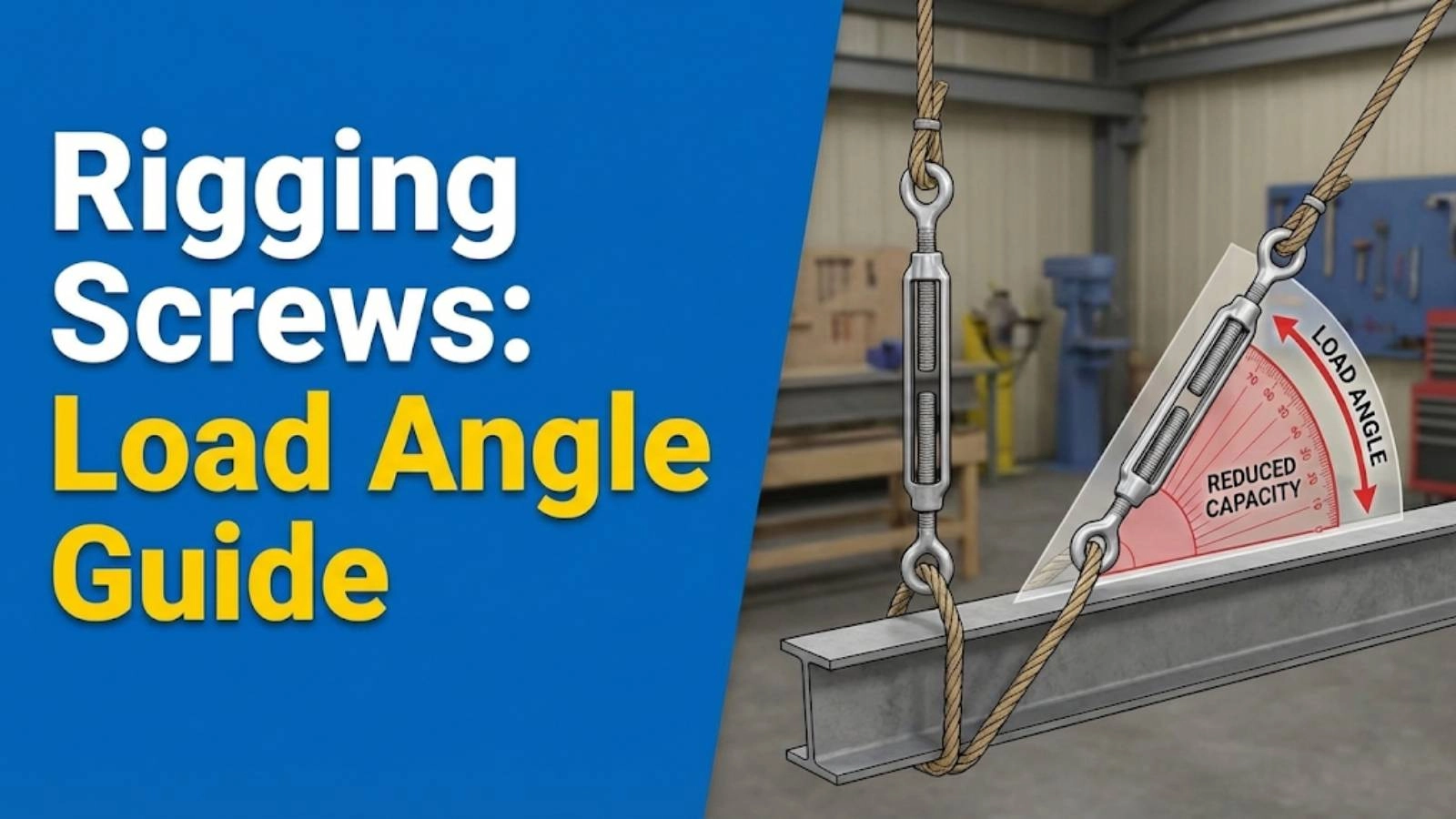
When selecting rigging screw types, load capacity and safety factor are paramount considerations. Load capacity refers to the maximum weight or force that a rigging screw is designed to withstand. It’s crucial to accurately calculate the load requirements of your specific application, taking into account not only the static weight but also any dynamic loads or stresses that may be applied. The safety factor is a multiplier applied to the load capacity to provide a margin of safety. It accounts for uncertainties in load calculations, variations in material strength, and potential environmental factors. A higher safety factor reduces the risk of failure and ensures the longevity of the rigging system. Industry standards and regulations often specify minimum safety factors for different types of applications. For instance, lifting applications typically require a higher safety factor than static support applications. Neglecting to consider both load capacity and safety factor can lead to catastrophic failures and potential injuries. As SSTC experts, we recommend consulting with qualified engineers to ensure accurate load calculations and appropriate safety factors.
Material Selection: Stainless Steel, Galvanized Steel, and Beyond (New Material Trends)
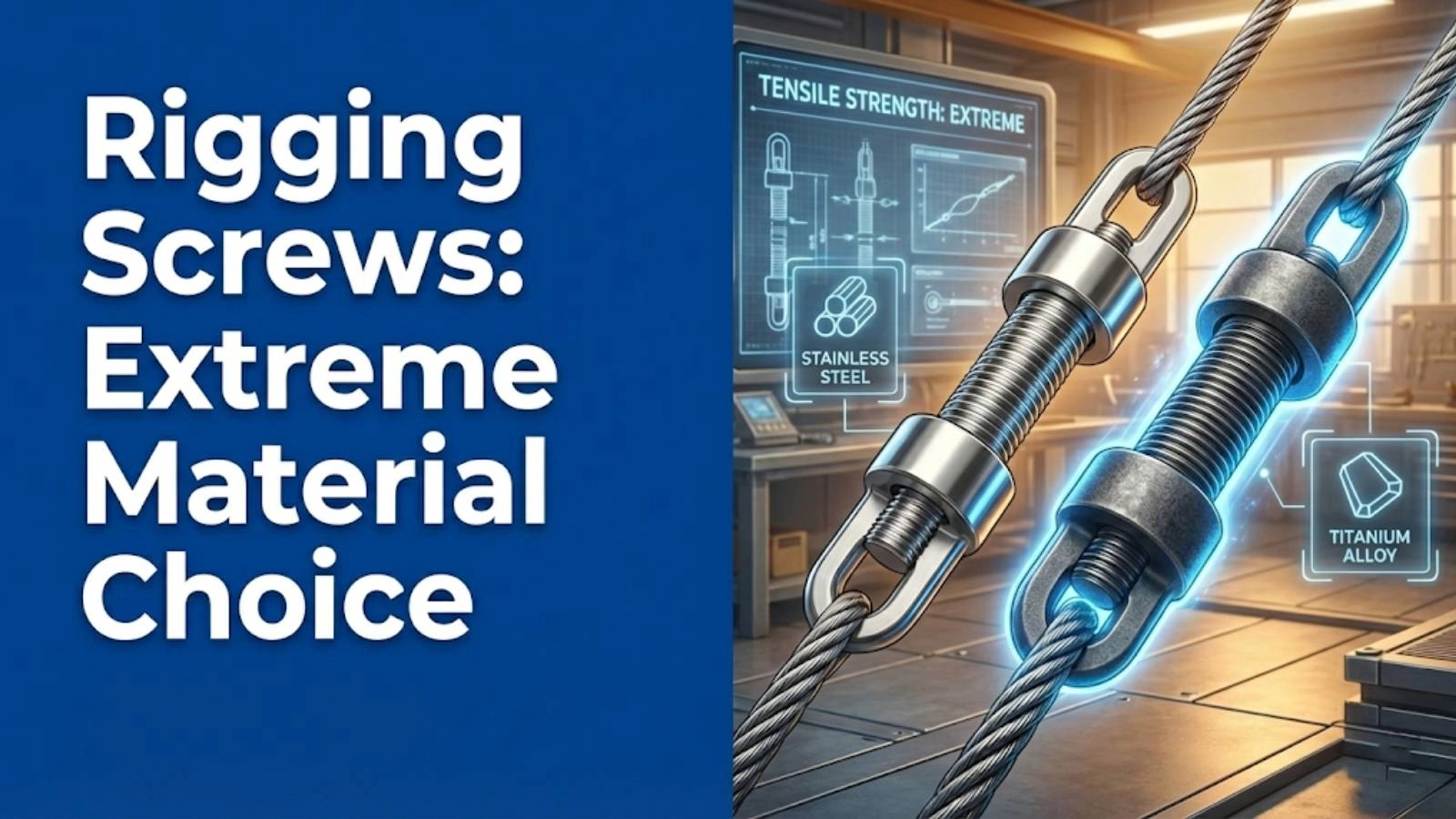
The material from which a rigging screw is manufactured significantly impacts its strength, durability, and corrosion resistance. Stainless steel is a popular choice for marine and outdoor applications due to its excellent corrosion resistance. It contains chromium, which forms a protective layer on the surface, preventing rust and degradation. Galvanized steel is another common option, offering corrosion resistance through a zinc coating. The galvanization process involves applying a layer of zinc to the steel, which acts as a barrier against moisture and oxygen. However, galvanized steel may not be suitable for highly corrosive environments, as the zinc coating can eventually wear away. Beyond stainless steel and galvanized steel, newer materials such as high-strength alloys and composites are gaining traction. These materials offer superior strength-to-weight ratios and enhanced resistance to specific environmental factors. For example, certain alloys are designed to withstand extreme temperatures, while composites offer exceptional resistance to chemicals and UV radiation. We’ve observed a growing trend towards using specialized coatings and treatments to further enhance the corrosion resistance of rigging screws, particularly in harsh environments. “The key is to match the material to the environment,” emphasizes Mark Lee, Corrosion Specialist.
Environmental Considerations: Corrosion Resistance and Weathering (Impact of Climate Change)
Environmental factors play a crucial role in determining the lifespan and performance of rigging screws. Corrosion resistance is particularly important in marine, coastal, and industrial environments where exposure to moisture, salt, and chemicals is common. The type of material and any protective coatings significantly influence the corrosion resistance of a rigging screw. Stainless steel, as mentioned earlier, is highly resistant to corrosion, making it ideal for marine applications. Galvanized steel offers good corrosion resistance in less demanding environments. In recent years, the impact of climate change has further emphasized the importance of considering environmental factors. Increased humidity, temperature fluctuations, and extreme weather events can accelerate corrosion and weathering, leading to premature failure of rigging components. Selecting rigging screws with appropriate corrosion resistance and weatherproofing is essential for ensuring the safety and reliability of rigging systems in the face of these challenges. Additionally, implementing regular inspection and maintenance programs can help identify and address potential environmental damage before it leads to catastrophic failures. One of our clients in Florida found that switching to stainless steel rigging hardware significantly extended the lifespan of their equipment, despite the increased frequency of hurricanes.
A Deep Dive into Different Rigging Screw Types
Jaw and Jaw Turnbuckles: Applications and Limitations
Jaw and jaw turnbuckles feature a jaw or clevis at each end, which is secured using a bolt or pin. This design allows for quick and easy connections to other rigging components, such as shackles or eye bolts. Jaw and jaw turnbuckles are commonly used in applications where frequent adjustments or disconnections are required. They are well-suited for tensioning wire ropes, cables, and rods in a variety of settings, including construction, marine, and industrial rigging. However, jaw and jaw turnbuckles have some limitations. The jaw design can be more susceptible to bending or deformation under extreme loads compared to other end fitting types. Additionally, the bolt or pin used to secure the jaw can loosen over time, requiring periodic inspection and tightening. When our team in Dubai installs jaw and jaw turnbuckles, they ensure the bolts are properly torqued and secured with locking mechanisms to prevent accidental loosening.
Eye and Eye Turnbuckles: Versatility and Common Uses
Eye and eye turnbuckles feature an eye at each end, providing a closed loop for connecting to other rigging components. This design offers versatility and strength, making them suitable for a wide range of applications. Eye and eye turnbuckles are commonly used in static support systems, such as suspending signs, banners, and lighting fixtures. They are also employed in marine rigging to tension stays and shrouds. The closed-loop design of the eye provides a secure and reliable connection, minimizing the risk of accidental disconnections. However, eye and eye turnbuckles are less convenient for applications requiring frequent adjustments or disconnections compared to jaw and jaw turnbuckles. The eye must be threaded onto or off of the connecting component, which can be time-consuming. Despite this limitation, their versatility and strength make them a popular choice in numerous rigging scenarios. We once had a client who used eye and eye turnbuckles to suspend heavy lighting fixtures in a theater. The secure connection provided by the eye design ensured the fixtures remained safely in place throughout performances.
Hook and Eye Turnbuckles: Quick Adjustments and Safety Concerns
Hook and eye turnbuckles feature a hook at one end and an eye at the other, providing a combination of quick adjustability and secure connection. The hook allows for rapid attachment and detachment, while the eye provides a closed loop for a more permanent connection. Hook and eye turnbuckles are often used in applications where temporary or semi-permanent tensioning is required, such as securing loads on trucks or trailers. However, it’s important to note that hook and eye turnbuckles have inherent safety concerns. The hook can be prone to accidental disconnections if not properly secured, especially under dynamic loads or vibrations. Additionally, the hook can bend or deform under extreme loads, leading to failure. SSTC always emphasizes the importance of using safety latches or other locking mechanisms on hooks to prevent accidental disconnections. Furthermore, regular inspection of the hook for signs of wear or damage is crucial. Due to these safety concerns, hook and eye turnbuckles should be used with caution and only in appropriate applications.
Stub End Fitting Turnbuckles: Welding for demanding situations
Stub end fitting turnbuckles feature a stub or threaded rod at each end, designed to be welded to other rigging components or structures. This type of turnbuckle is ideal for applications requiring a permanent and high-strength connection. Welding the turnbuckle directly to the surrounding structure eliminates the need for additional connectors, such as shackles or eye bolts, reducing the number of potential failure points. Stub end fitting turnbuckles are commonly used in demanding industrial and construction environments where structural integrity is paramount. They are well-suited for applications such as bridge construction, heavy equipment rigging, and structural support systems. However, welding requires specialized skills and equipment, and any welds must be performed by certified welders to ensure proper strength and integrity. Additionally, welded connections are not easily adjustable or detachable, so careful planning and alignment are essential before welding. “Welding provides the strongest connection, but it’s crucial to do it right,” states David Garcia, Certified Welder.
Understanding End Fittings and Their Impact
Swage Fittings: Permanent and High-Strength Connections
Swage fittings are end terminations that are permanently attached to wire rope or cable using a swaging machine. The swaging process involves compressing the fitting around the wire rope, creating a mechanical bond that is as strong as or stronger than the wire rope itself. Swage fittings offer a clean and streamlined appearance and are commonly used in applications where high strength and reliability are critical. They are frequently employed in aircraft cables, architectural rigging, and high-performance lifting systems. However, once swaged, the fitting cannot be easily removed or adjusted, so careful planning and precise measurements are essential before swaging. The swaging process also requires specialized equipment and trained operators to ensure proper installation. SSTC recommends using only certified swaging services to guarantee the integrity of the connection.
Threaded Terminals: Adjustable and Reusable Options
Threaded terminals are end fittings that are attached to wire rope or cable using threads. These fittings allow for adjustable and reusable connections, making them ideal for applications where flexibility and adjustability are required. Threaded terminals come in various designs, including threaded studs, threaded eyes, and threaded forks. They are commonly used in marine rigging, architectural cable railings, and adjustable suspension systems. The adjustability of threaded terminals allows for fine-tuning of tension and length, which can be particularly useful in applications where precise alignment or leveling is necessary. However, threaded connections may not be as strong as swaged connections and can be susceptible to loosening over time due to vibration or environmental factors. Regular inspection and tightening of threaded connections are essential to ensure their continued reliability. A trick we use: apply a thread-locking compound to prevent loosening.
Open Body vs. Closed Body Turnbuckles: The Pros and Cons
Open body turnbuckles feature a body with an open frame, allowing for easy visual inspection of the threads and internal components. This design makes it easier to identify signs of wear, corrosion, or damage. Open body turnbuckles are commonly used in applications where regular inspection and maintenance are critical. They are often found in marine rigging, industrial settings, and construction sites. However, the open frame design can make them more susceptible to dirt, debris, and environmental damage compared to closed body turnbuckles. Closed body turnbuckles feature a body with a solid or enclosed frame, protecting the internal threads and components from the elements. This design offers enhanced corrosion resistance and is ideal for harsh environments where exposure to moisture, chemicals, or UV radiation is common. Closed body turnbuckles are often used in offshore applications, chemical processing plants, and wastewater treatment facilities. However, the enclosed design makes it more difficult to visually inspect the internal components, requiring more thorough and specialized inspection techniques. At SSTC, we consider the operating environment when recommending open or closed body turnbuckles to our clients.
The Latest Innovations in Rigging Screw Technology
Smart Rigging Screws with Load Monitoring Capabilities (IoT Integration)
One of the most exciting innovations in rigging screw technology is the development of smart rigging screws with load monitoring capabilities. These advanced devices incorporate sensors and wireless communication technology to continuously monitor the load being applied to the rigging screw in real-time. The data is transmitted to a central monitoring system, allowing operators to track load levels, identify potential overloads, and detect any anomalies or irregularities. Smart rigging screws can be integrated with IoT (Internet of Things) platforms, enabling remote monitoring, data analysis, and automated alerts. This technology can significantly enhance safety and efficiency in various applications, including construction, lifting, and marine rigging. For instance, smart rigging screws can alert operators to potential overloads before they lead to catastrophic failures, preventing accidents and minimizing downtime. We at SSTC are closely following the development of smart rigging technology and believe it has the potential to revolutionize the rigging industry.
Lighter and Stronger Materials: Exploring New Alloys and Composites
The pursuit of lighter and stronger materials is a constant driving force in rigging screw technology. Traditional materials like steel and stainless steel offer good strength and durability, but they can be heavy and susceptible to corrosion in certain environments. Newer alloys and composites are being developed that offer superior strength-to-weight ratios and enhanced resistance to environmental factors. For example, titanium alloys offer exceptional strength and corrosion resistance while being significantly lighter than steel. Carbon fiber composites provide even greater weight savings and can be tailored to specific strength and stiffness requirements. These advanced materials are enabling the development of rigging screws that can handle higher loads while reducing overall weight, improving efficiency and safety. We’ve seen a growing demand for lightweight rigging components in applications where weight is a critical factor, such as aerospace, racing yachts, and portable lifting equipment.
Eco-Friendly Coatings and Treatments for Enhanced Corrosion Resistance (Sustainability Focus)
As sustainability becomes increasingly important, there is a growing focus on developing eco-friendly coatings and treatments for rigging screws. Traditional corrosion protection methods, such as galvanizing and chromating, can involve hazardous chemicals and generate harmful waste. Newer eco-friendly alternatives are being developed that utilize non-toxic materials and sustainable processes. These coatings and treatments offer comparable or even superior corrosion resistance while minimizing environmental impact. For example, bio-based coatings derived from renewable resources are gaining traction as a sustainable alternative to traditional coatings. Additionally, plasma electrolytic oxidation (PEO) is an environmentally friendly surface treatment that enhances corrosion resistance and wear resistance without using hazardous chemicals. SSTC is committed to promoting sustainable practices in the rigging industry and is actively researching and adopting eco-friendly coatings and treatments for our rigging screws.
Safety Best Practices: Installation, Inspection, and Maintenance
Proper Installation Techniques to Prevent Failures
Proper installation is crucial for ensuring the safe and reliable performance of rigging screws. Incorrect installation can lead to premature wear, reduced load capacity, and even catastrophic failures. Before installation, it’s essential to inspect the rigging screw for any signs of damage, such as bent threads, cracks, or corrosion. Ensure that the rigging screw is properly sized and rated for the intended load. When installing the rigging screw, follow the manufacturer’s instructions carefully. Use appropriate tools and techniques to tighten the end fittings to the recommended torque. Avoid over-tightening, as this can damage the threads and reduce the load capacity. After installation, double-check all connections to ensure they are secure and properly aligned. SSTC recommends that all rigging installations be performed by qualified and experienced personnel.
Regular Inspection Guidelines: Identifying Wear and Tear (Using New Inspection Tech)
Regular inspection is essential for identifying wear and tear on rigging screws before they lead to failures. The frequency of inspections should depend on the severity of the operating environment and the intensity of use. In harsh environments or high-stress applications, inspections should be performed more frequently. During inspections, look for signs of corrosion, cracks, bent threads, and deformation. Pay close attention to the end fittings, as these are often the weakest points. Use appropriate measuring tools to check for any elongation or distortion of the rigging screw body. In recent years, new inspection technologies have emerged that can enhance the accuracy and efficiency of rigging inspections. These technologies include ultrasonic testing, magnetic particle inspection, and visual inspection using drones or robotic crawlers. “Early detection is key to preventing rigging failures,” asserts Sarah Chen, Inspection Technician. Implementing a comprehensive inspection program can significantly extend the lifespan of rigging screws and improve overall safety.
Maintenance Tips for Extending the Lifespan of Your Rigging Screws
Proper maintenance can significantly extend the lifespan of your rigging screws and ensure their continued reliability. Regular cleaning is essential for removing dirt, debris, and contaminants that can accelerate corrosion. Use a mild soap and water solution to clean the rigging screws, and then rinse them thoroughly with fresh water. After cleaning, apply a protective lubricant to the threads and moving parts to prevent corrosion and reduce friction. Inspect the threads regularly for any signs of damage and repair or replace any damaged threads promptly. When not in use, store rigging screws in a dry and protected environment to prevent corrosion and environmental damage. SSTC recommends following a proactive maintenance schedule to ensure that your rigging screws remain in optimal condition.
Case Studies: Real-World Examples of Rigging Screw Applications
Marine Rigging: Sailboats, Yachts, and Commercial Vessels
In marine rigging, rigging screws are essential components for tensioning stays, shrouds, and other control lines. On sailboats and yachts, rigging screws are used to adjust the tension of the mast and sails, optimizing performance and stability. Commercial vessels rely on rigging screws for securing cargo, positioning cranes, and maintaining the integrity of rigging systems. The marine environment is particularly harsh on rigging components due to the constant exposure to saltwater, humidity, and UV radiation. Therefore, selecting rigging screws made from corrosion-resistant materials, such as stainless steel, is crucial. Regular inspection and maintenance are also essential for preventing corrosion and ensuring the continued reliability of the rigging system. We’ve worked with numerous marine clients who have successfully extended the lifespan of their rigging by implementing proactive inspection and maintenance programs.
Industrial Rigging: Construction, Lifting, and Material Handling
In industrial rigging, rigging screws are used in a wide range of applications, including construction, lifting, and material handling. They are used to secure scaffolding, suspend heavy equipment, and tension wire ropes in lifting systems. In construction, rigging screws are used to align structural components and provide temporary support during construction. In lifting operations, rigging screws are used to adjust the length and tension of slings and lifting cables. In material handling, rigging screws are used to secure loads on trucks, trailers, and containers. Industrial environments can be demanding on rigging components due to the heavy loads, abrasive materials, and exposure to chemicals and extreme temperatures. Therefore, selecting rigging screws with high load capacities and durable materials is essential. Implementing regular inspection and maintenance programs is also crucial for preventing failures and ensuring the safety of workers.
Architectural Rigging: Bridges, Suspended Structures, and Art Installations
In architectural rigging, rigging screws are used to create visually stunning and structurally sound designs. They are used in bridges, suspended structures, and art installations to tension cables, suspend platforms, and create unique aesthetic effects. Rigging screws allow for precise adjustments in tension and alignment, enabling architects and engineers to create complex and innovative designs. The aesthetic requirements of architectural rigging often necessitate the use of visually appealing rigging screws with clean lines and polished finishes. However, structural integrity and safety remain paramount. Selecting rigging screws that meet both aesthetic and structural requirements is crucial. Regular inspection and maintenance are also essential for ensuring the long-term stability and safety of architectural rigging systems.
Troubleshooting Common Rigging Screw Problems
Identifying and Addressing Corrosion Issues
Corrosion is one of the most common problems affecting rigging screws, particularly in marine and industrial environments. Corrosion can weaken the metal, reduce the load capacity, and eventually lead to failure. Identifying corrosion early is crucial for preventing further damage. Look for signs of rust, pitting, and discoloration. If corrosion is detected, take immediate action to address the issue. Remove any loose rust or corrosion with a wire brush or sandpaper. Apply a corrosion inhibitor or protective coating to the affected area. In severe cases of corrosion, it may be necessary to replace the rigging screw entirely. Selecting rigging screws made from corrosion-resistant materials, such as stainless steel, can help prevent corrosion problems.
Dealing with Overloading and Deformation
Overloading occurs when a rigging screw is subjected to a load that exceeds its rated capacity. Overloading can cause deformation, bending, and even fracture of the rigging screw. If a rigging screw has been overloaded, it should be immediately removed from service and inspected for damage. Look for signs of bending, distortion, and cracks. If the rigging screw is deformed or cracked, it should be replaced immediately. To prevent overloading, it’s essential to accurately calculate the load requirements of the application and select rigging screws with appropriate load capacities. Regularly inspect rigging screws for signs of deformation and replace any damaged components.
Preventing Thread Damage and Seizing
Thread damage and seizing can occur due to improper installation, over-tightening, or lack of lubrication. Damaged threads can reduce the load capacity of the rigging screw and make it difficult to adjust. Seizing occurs when the threads become stuck together, preventing adjustment. To prevent thread damage and seizing, follow the manufacturer’s instructions carefully during installation. Use appropriate tools and techniques to tighten the end fittings to the recommended torque. Avoid over-tightening, as this can damage the threads. Regularly lubricate the threads with a suitable lubricant to prevent corrosion and reduce friction. If the threads are damaged, they should be repaired or replaced. If the threads are seized, try applying penetrating oil and gently working the threads back and forth. If the threads cannot be freed, the rigging screw should be replaced.
Conclusion: Staying Ahead of the Curve in Rigging Screw Selection
In conclusion, selecting the right rigging screw types involves careful consideration of load capacity, material selection, environmental factors, and application-specific requirements. Understanding the different types of rigging screws, end fittings, and safety best practices is crucial for ensuring the safe and reliable performance of rigging systems. By staying informed about the latest innovations in rigging screw technology, such as smart rigging screws and eco-friendly coatings, you can enhance the efficiency, sustainability, and longevity of your operations. We at Safe and Secure Trading Company are committed to providing our clients with the highest quality rigging screws and expert advice to help them stay ahead of the curve.
Future Trends and Developments in Rigging Technology
Looking ahead, we anticipate continued advancements in rigging screw technology, driven by the need for increased safety, efficiency, and sustainability. Smart rigging screws with advanced monitoring capabilities will become more prevalent, enabling real-time load tracking and automated alerts. Lighter and stronger materials will further improve the performance and reduce the weight of rigging systems. Eco-friendly coatings and treatments will minimize environmental impact and enhance corrosion resistance. These developments will revolutionize the rigging industry, enabling safer, more efficient, and more sustainable operations.
FAQ Section
Q: What is the most important factor to consider when selecting rigging screw types?
A: The most important factor is the load capacity. Always ensure that the rigging screw is rated for the maximum load it will be subjected to, and factor in a safety margin.
Q: How often should rigging screws be inspected?
A: Rigging screws should be inspected regularly, with the frequency depending on the severity of the operating environment and the intensity of use. Harsh environments or high-stress applications require more frequent inspections.
Q: What are the benefits of using stainless steel rigging screws?
A: Stainless steel rigging screws offer excellent corrosion resistance, making them ideal for marine and outdoor applications.
Q: Can I use a hook and eye turnbuckle for lifting applications?
A: Hook and eye turnbuckles are not recommended for lifting applications due to the risk of accidental disconnections.
Q: What is the purpose of a safety factor?
A: The safety factor is a multiplier applied to the load capacity to provide a margin of safety, accounting for uncertainties in load calculations, variations in material strength, and potential environmental factors.
Q: How do I prevent corrosion on my rigging screws?
A: Prevent corrosion by selecting rigging screws made from corrosion-resistant materials, such as stainless steel, and applying protective coatings or lubricants. Regular cleaning and maintenance are also essential.
Q: What is the difference between an open body and a closed body turnbuckle?
A: Open body turnbuckles have an open frame for easy visual inspection, while closed body turnbuckles have an enclosed frame for enhanced corrosion resistance.
Q: Are swage fittings adjustable?
A: No, swage fittings are permanent connections and are not adjustable once installed.
Q: What are smart rigging screws?
A: Smart rigging screws incorporate sensors and wireless communication technology to continuously monitor the load being applied and transmit data to a central monitoring system.
Q: How do I prevent thread damage on rigging screws?
A: Prevent thread damage by following the manufacturer’s instructions during installation, using appropriate tools and techniques, and avoiding over-tightening. Regularly lubricate the threads to prevent corrosion and reduce friction.
Q: What is galvanized rigging?
A: Galvanized rigging refers to rigging components coated with a layer of zinc to provide corrosion resistance. This is achieved through a process called galvanization, which protects the steel from moisture and oxygen.
Q: What are wire rope clips used for in rigging?
A: Wire rope clips are used to create a loop or a termination point on a wire rope. They clamp the wire rope together, providing a secure connection. It’s crucial to use the correct number of clips and tighten them to the recommended torque to ensure a safe and reliable connection.
Q: What factors influence the choice of shackle types for rigging?
A: Several factors influence the choice of shackle types, including the load capacity required, the type of connection needed (e.g., chain, wire rope), the environmental conditions (e.g., marine, industrial), and any specific industry regulations or standards. Common shackle types include D-shackles, bow shackles, and safety pin shackles.
Q: How does corrosion resistance affect the longevity of rigging equipment?
A: Corrosion resistance is crucial for extending the lifespan of rigging equipment, especially in harsh environments. Corrosion can weaken the metal components, leading to reduced load capacity and eventual failure. Selecting materials with high corrosion resistance and applying protective coatings can significantly prolong the life of rigging equipment, saving on replacement costs and improving safety.
Q: What considerations are important for marine rigging applications?
A: For marine rigging applications, it’s important to consider the constant exposure to saltwater, humidity, and UV radiation. Selecting materials with excellent corrosion resistance, such as stainless steel, is crucial. Additionally, regular inspection and maintenance are essential for preventing corrosion and ensuring the continued reliability of the rigging system.
Q: What are the best practices for installing and maintaining industrial rigging?
A: Best practices for industrial rigging include proper installation techniques to prevent failures, regular inspection guidelines to identify wear and tear, and maintenance tips for extending the lifespan of rigging equipment. It’s important to use qualified personnel, follow manufacturer’s instructions, and implement a comprehensive inspection program.
Q: How can advancements in technology improve rigging safety?
A: Advancements in technology, such as smart rigging screws with load monitoring capabilities, can significantly improve rigging safety. These devices allow for real-time load tracking and automated alerts, preventing overloads and potential failures. Additionally, new inspection technologies, such as ultrasonic testing and magnetic particle inspection, can enhance the accuracy and efficiency of rigging inspections.