Understanding Rigging Screws: Right Type for the Job?
Understanding Rigging Screws: An In-Depth Overview
What are Rigging Screws?
Rigging screws, also known as turnbuckles, are essential components in various applications where adjusting tension or length is required in rigging systems. They provide a mechanical advantage to precisely tighten or loosen connections, making them indispensable in construction, marine, and industrial settings. A rigging screw typically consists of a metal frame or body with threaded ends that accept different types of end fittings.
The primary function of rigging screws is to apply and maintain tension in ropes, cables, or rods. This is achieved by rotating the body of the screw, which simultaneously draws the end fittings closer together or pushes them further apart. This adjustment capability is crucial for ensuring the stability and safety of structures and systems that rely on tensioned elements.
Rigging screws play a vital role in load-bearing applications. Their ability to adjust and maintain tension ensures that loads are distributed evenly and that structures remain stable under stress. Without rigging screws, maintaining the integrity of rigging systems would be significantly more challenging, potentially leading to catastrophic failures.
Key Components of a Rigging Screw
The body, or frame, of a rigging screw is the central component that houses the threaded mechanisms. The design can vary significantly, with open-body designs allowing visual inspection of the threads and closed-body designs offering enhanced protection against dirt and damage. Our team in Dubai often finds that closed-body turnbuckles are preferred in harsh environments due to their durability.
End fittings are attached to the threaded ends of the rigging screw body and provide the connection points to other components in the rigging system. Common types of end fittings include eyes, jaws, hooks, and studs, each designed for specific attachment needs. The choice of end fitting depends on the application and the type of connection required.
Thread types play a critical role in the strength and adjustment capabilities of rigging screws. Coarse threads provide faster adjustment but may offer less strength compared to fine threads. The thread pitch, material, and manufacturing process all contribute to the overall performance and load-bearing capacity of the rigging screw.
Types of Rigging Screws and Their Applications
Turnbuckles: The Backbone of Rigging
Turnbuckles are the most common type of rigging screw and serve as the backbone of many rigging systems. Their primary use is to adjust the tension between two points. By rotating the turnbuckle body, you can either tighten or loosen the connection, making them ideal for applications where precise adjustments are necessary.
Open body turnbuckles allow for easy visual inspection of the threads, which can help identify any signs of wear, damage, or corrosion. However, they are more susceptible to dirt and debris. Closed body turnbuckles offer better protection against environmental factors but make it harder to inspect the threads. The choice depends on the operating environment and inspection frequency.
Turnbuckles find applications across a wide range of industries. In construction, they are used to tension cables in bridges and support structures. In marine settings, they secure masts and rigging on sailboats. Industrial applications include adjusting tension in conveyor systems and securing heavy machinery.
Jaw End Turnbuckles: Secure Connections
Jaw end fittings feature a U-shaped clevis with a bolt or pin that secures the connection. This design provides a strong and reliable connection, making jaw end turnbuckles suitable for applications where safety and stability are paramount. We once had a client who needed to secure heavy construction equipment; they found jaw end turnbuckles to be the most reliable option.
Jaw end turnbuckles are optimally used in situations requiring a fixed, secure connection. They are often used in structural applications where the connection must withstand significant loads and vibrations. Their robust design ensures minimal movement or slippage.
Installation considerations for jaw end turnbuckles include ensuring the clevis pin is properly sized and secured. The pin should be made of a material compatible with the turnbuckle and should be checked regularly for wear or damage. Proper torque on the clevis pin is also essential to maintain the integrity of the connection.
Eye End Turnbuckles: Versatile Attachment
Eye end fittings feature a loop or eye that allows for versatile attachment to other rigging components. This design is particularly useful when connecting to shackles, hooks, or other looped hardware. The eye provides flexibility in alignment and movement, making it a versatile choice for various applications.
Eye end fittings offer several benefits, including ease of connection and the ability to accommodate slight misalignments. They are often used in applications where frequent adjustments or changes are required. The looped design also allows for quick attachment and detachment.
Applications requiring flexible connections often benefit from eye end turnbuckles. These include securing signs, banners, and temporary structures. In marine applications, they are used to connect sails and rigging lines, allowing for adjustments based on wind conditions.
Load distribution is critical when using eye end turnbuckles. Ensure that the load is evenly distributed across the eye to prevent bending or distortion. Using shackles or other hardware to distribute the load can enhance safety and prolong the life of the turnbuckle.
Hook End Turnbuckles: Quick Attachment
Hook end fittings provide a quick and easy attachment option, ideal for applications where frequent connections and disconnections are necessary. The hook design allows for rapid engagement and release, saving time and effort in certain scenarios. However, they are generally not suitable for permanent or high-load applications due to the potential for accidental disengagement.
One advantage of hook end fittings is their speed of use. They can be quickly attached and detached without the need for tools or additional hardware. This makes them suitable for temporary setups and applications requiring frequent adjustments.
Hook end turnbuckles are best suited for scenarios where quick attachment is more important than ultimate strength or security. Examples include temporary fencing, light-duty signage, and securing tarps or covers. They are often used in agricultural settings for temporary tie-downs.
Safety precautions are paramount when using hook ends. Always ensure that the hook is properly engaged and that the load does not exceed the hook’s capacity. Consider using safety latches to prevent accidental disengagement, especially in dynamic environments.
Stub End Turnbuckles: Connecting to Existing Studs
Stub end fittings feature a threaded stud that can be directly screwed into an existing threaded hole or fixture. This design provides a secure and direct connection, eliminating the need for additional hardware in certain applications. Stub end turnbuckles are particularly useful when connecting to pre-existing structures or machinery with threaded connection points.
Stub end fittings offer the benefit of a clean and direct connection. They reduce the number of components required in the rigging system, simplifying the setup and minimizing potential points of failure. This direct connection also ensures a more rigid and stable assembly.
Applications requiring connection to studs frequently utilize stub end turnbuckles. These include mounting equipment to walls, securing machinery to floors, and connecting structural elements to existing frameworks. They are commonly used in manufacturing and industrial settings.
Installation considerations for stub end turnbuckles include ensuring that the threads on the stud and the receiving hole are compatible. Use appropriate thread lubricants to prevent binding and ensure a secure connection. Proper torque is essential to avoid over-tightening or stripping the threads.
Material Selection: Ensuring Strength and Durability
Steel: High-Strength Applications
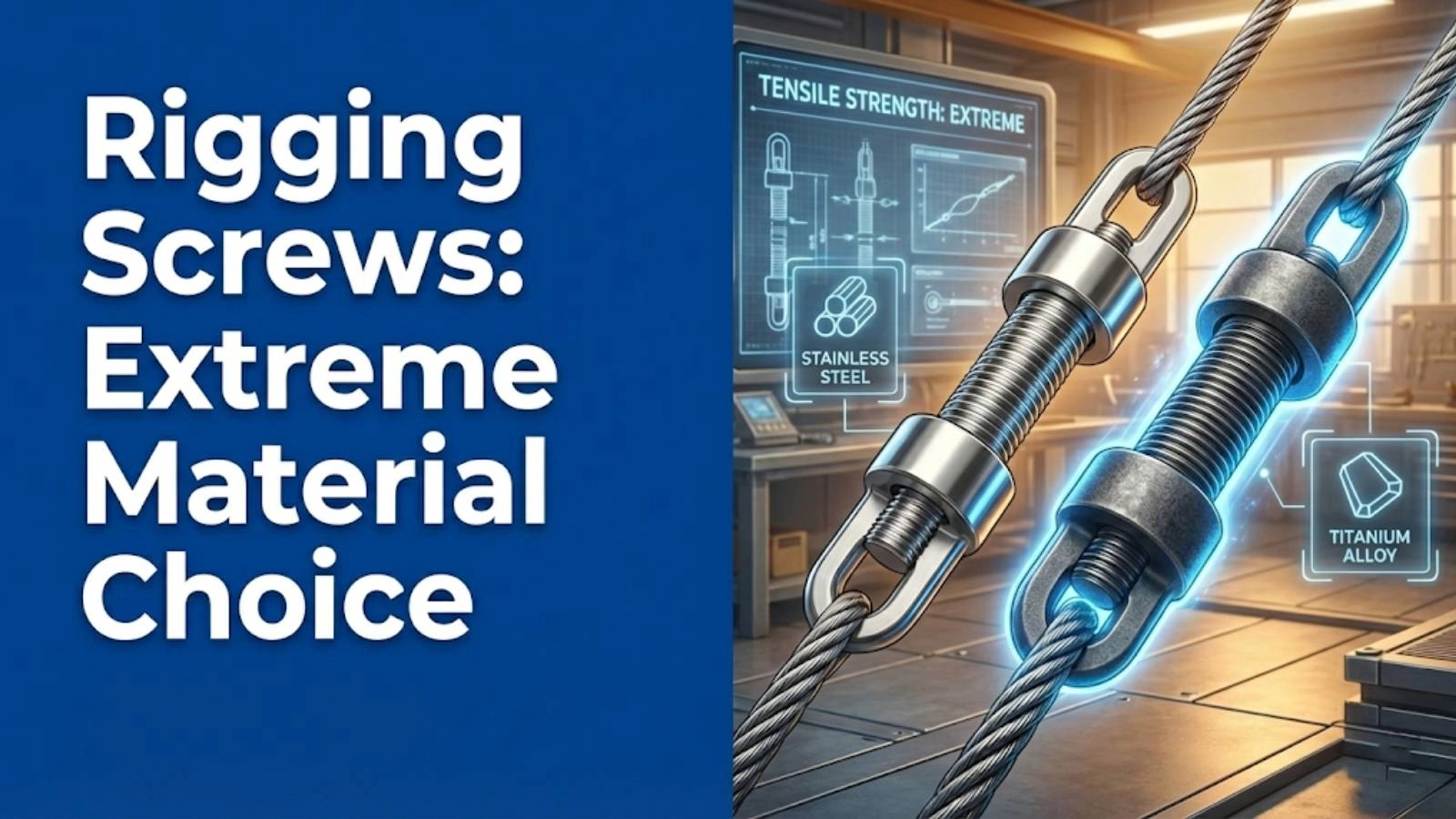
Steel is a common material for rigging screws due to its high strength and durability. Steel rigging screws are capable of withstanding significant loads, making them suitable for demanding applications. However, they are susceptible to corrosion and may require protective coatings in certain environments.
Carbon steel is often used in rigging screws for its high strength-to-weight ratio. Alloy steel, which includes elements like chromium and nickel, offers enhanced strength and corrosion resistance compared to carbon steel. The specific type of steel used depends on the application requirements and environmental conditions.
Steel rigging screws are beneficial for applications requiring high strength and load-bearing capacity. They are commonly used in construction, heavy machinery, and structural rigging. Their robust nature makes them suitable for handling heavy loads and withstanding significant stress.
Limitations of steel rigging screws include their susceptibility to corrosion, especially in marine or humid environments. Regular inspection and maintenance are essential to prevent corrosion and ensure the continued integrity of the screws. Protective coatings, such as galvanization, can help mitigate corrosion risks.
Stainless Steel: Corrosion Resistance
Stainless steel is an excellent choice for rigging screws when corrosion resistance is a primary concern. Stainless steel contains chromium, which forms a passive layer on the surface that protects the underlying metal from corrosion. This makes stainless steel rigging screws ideal for marine, chemical, and other corrosive environments.
304 stainless steel is a common grade used in rigging screws, offering good corrosion resistance and strength. 316 stainless steel, which contains molybdenum, provides enhanced corrosion resistance, particularly in chloride-rich environments. The choice between 304 and 316 depends on the specific environmental conditions.
Stainless steel rigging screws are advantageous in marine and corrosive environments due to their superior corrosion resistance. They are commonly used in boat rigging, chemical processing plants, and coastal construction. Their resistance to rust and degradation ensures a longer lifespan and reduced maintenance.
Maintenance requirements for stainless steel rigging screws are relatively low, but regular cleaning can help prevent the buildup of contaminants that could compromise their corrosion resistance. Periodic inspection for signs of pitting or crevice corrosion is also recommended.
Other Materials: Specialty Applications
Aluminum, brass, and other materials are sometimes used in rigging screws for specialty applications. These materials offer unique properties, such as lightweight, non-magnetic characteristics, or specific corrosion resistance, that make them suitable for niche applications.
Aluminum rigging screws are lightweight and corrosion-resistant, making them suitable for applications where weight is a concern, such as in aerospace or portable rigging systems. Brass rigging screws offer non-magnetic properties, making them useful in electronic or magnetic-sensitive environments.
Specific use cases for alternative materials include applications in the aerospace industry, where lightweight and high-strength materials are essential. Brass rigging screws are used in electrical equipment and marine applications where non-magnetic properties are required.
Disadvantages of using alternative materials include potentially lower strength compared to steel and higher cost. The choice of material should be carefully considered based on the specific requirements of the application.
Load Capacity and Safety Factors
Understanding Working Load Limit (WLL)
The Working Load Limit (WLL) is the maximum load that a rigging screw is designed to safely support in normal service. It is a critical parameter that must be strictly adhered to in order to prevent overloading and potential failure. Understanding the WLL is essential for ensuring the safety and reliability of rigging operations.
The WLL is determined through rigorous testing and engineering analysis, taking into account the material properties, design, and manufacturing process of the rigging screw. The WLL is typically marked on the rigging screw itself, along with other relevant information, such as the manufacturer and model number.
Adhering to the WLL is crucial for preventing accidents and ensuring the safety of personnel and equipment. Exceeding the WLL can lead to deformation, cracking, or even complete failure of the rigging screw, potentially resulting in serious injury or property damage.
Proof Load vs. Breaking Strength
Proof load is the maximum load that a rigging screw can withstand without permanent deformation. It is a test load that is applied to the rigging screw during manufacturing to verify its structural integrity. Breaking strength, also known as ultimate tensile strength, is the load at which the rigging screw actually fails.
The proof load is typically a fraction of the breaking strength, often around 50-80%. This difference provides a margin of safety to ensure that the rigging screw can withstand normal working loads without permanent damage. The relationship between proof load, breaking strength, and WLL is critical for understanding the safety characteristics of the rigging screw.
The implications for safety are significant. The WLL is set well below the proof load and breaking strength to provide a substantial safety margin. This ensures that the rigging screw can withstand unexpected loads, dynamic forces, and other factors that could increase stress on the component.
Safety Factors: Ensuring Safe Operation
Safety factors are multipliers applied to the calculated load to ensure that the rigging screw operates well below its maximum capacity. These factors account for uncertainties in load calculations, dynamic forces, and potential degradation of the material over time.
Industry standards for safety factors vary depending on the application and the type of rigging. For example, lifting applications may require a higher safety factor than static tensioning applications. Common safety factors range from 4:1 to 10:1, meaning that the WLL is 4 to 10 times lower than the breaking strength.
Applying safety factors in load calculations involves multiplying the expected load by the appropriate safety factor to determine the required WLL of the rigging screw. For instance, if the expected load is 1,000 lbs and the safety factor is 5:1, the required WLL would be 5,000 lbs. This ensures that the rigging screw has ample capacity to handle the load safely.
“Always prioritize safety by using appropriate safety factors and regularly inspecting rigging components. Never exceed the Working Load Limit!” – John Smith, Lead Safety Inspector
Identifying and Avoiding Common Rigging Screw Failures
Overloading
Overloading occurs when a rigging screw is subjected to a load that exceeds its WLL. This can lead to deformation, cracking, or complete failure of the screw, potentially resulting in serious accidents. Overloading is one of the most common causes of rigging screw failures.
Causes of overloading include miscalculation of the load, unexpected dynamic forces, and improper use of the rigging screw. Consequences of overloading can be severe, ranging from minor damage to catastrophic failure, leading to injuries or fatalities.
Preventative measures to avoid overloading include accurately calculating the load, using appropriate safety factors, and regularly inspecting the rigging screw for signs of damage. Ensure that all personnel involved in the rigging operation are properly trained and aware of the WLL.
Inspection techniques for detecting overload damage include visually inspecting the rigging screw for signs of bending, cracking, or deformation. Measure the dimensions of the screw to check for any permanent changes. If any damage is detected, the rigging screw should be immediately removed from service.
Corrosion
Corrosion is the degradation of a material due to chemical reactions with its environment. Rigging screws are particularly susceptible to corrosion in marine, chemical, and humid environments. Corrosion can weaken the screw and lead to premature failure.
Types of corrosion affecting rigging screws include general corrosion (rusting), pitting corrosion (localized attack), and crevice corrosion (occurring in tight spaces). Each type of corrosion can compromise the strength and integrity of the screw.
Preventative measures against corrosion include selecting corrosion-resistant materials (such as stainless steel), applying protective coatings (such as galvanization), and implementing regular cleaning and maintenance procedures. Store rigging screws in a dry, well-ventilated environment to minimize corrosion risks.
Inspection techniques for detecting corrosion involve visually inspecting the rigging screw for signs of rust, pitting, or other forms of corrosion. Use a wire brush or scraper to remove any surface corrosion and assess the extent of the damage. If significant corrosion is detected, the rigging screw should be replaced.
Wear and Tear
Wear and tear is the gradual deterioration of a rigging screw due to normal use and exposure to environmental factors. Over time, wear and tear can weaken the screw and increase the risk of failure.
Causes of wear and tear in rigging screws include friction, abrasion, and repeated stress cycles. Inspection techniques for detecting wear and tear involve visually inspecting the screw for signs of wear, such as worn threads, rounded edges, or surface scratches. Measure the dimensions of the screw to check for any reduction in size.
Replacement criteria for rigging screws include any signs of significant wear, corrosion, or damage. If the screw shows signs of deformation, cracking, or excessive wear, it should be immediately replaced. Follow the manufacturer’s recommendations for replacement intervals.
Inspection and Maintenance Best Practices
Pre-Use Inspection Checklist
Before each use, a thorough inspection of the rigging screw is essential to ensure its safety and reliability. This pre-use inspection should include a visual examination for any signs of damage, corrosion, or wear. We had a client in the shipping industry who implemented a strict pre-use inspection protocol, significantly reducing rigging failures.
Visually inspect the rigging screw for signs of damage, corrosion, and wear. Look for any cracks, bends, or deformations in the body, end fittings, or threads. Check for any signs of rust, pitting, or other forms of corrosion.
Check the end fittings for proper function. Ensure that the jaws, eyes, hooks, or studs are securely attached and free from damage. Verify that the clevis pins, bolts, or other fasteners are properly sized and tightened.
Verify the thread integrity of the rigging screw. Ensure that the threads are clean, undamaged, and properly lubricated. Check for any signs of stripped or crossed threads. Rotate the screw to ensure smooth and easy adjustment.
Regular Maintenance Procedures
Regular maintenance is crucial for prolonging the life of rigging screws and ensuring their continued safety and reliability. Maintenance procedures should include cleaning, lubrication, and periodic inspections.
Cleaning and lubrication guidelines involve removing any dirt, debris, or corrosion from the rigging screw using a wire brush or solvent. Apply a suitable lubricant to the threads and moving parts to reduce friction and prevent corrosion.
The frequency of maintenance should be based on the usage and environment of the rigging screw. In harsh environments, more frequent maintenance may be required. For infrequently used screws, a monthly inspection and lubrication may suffice.
Documentation of maintenance activities is essential for tracking the condition of the rigging screws and identifying any potential problems. Keep a record of all inspections, cleaning, and lubrication activities, along with any repairs or replacements.
Storage and Handling
Proper storage and handling practices are essential for preventing damage and corrosion to rigging screws. Store rigging screws in a dry, well-ventilated environment to minimize exposure to moisture and corrosive substances.
Safe handling practices include wearing appropriate personal protective equipment (PPE), such as gloves and eye protection, when handling rigging screws. Avoid dropping or impacting the screws, as this can cause damage.
Transportation guidelines involve securing the rigging screws during transport to prevent them from shifting or rubbing against other objects. Use protective packaging to prevent damage during transit.
Industry Standards and Regulations
OSHA Requirements for Rigging
OSHA (Occupational Safety and Health Administration) has specific requirements for rigging operations to ensure the safety of workers. These regulations cover the selection, inspection, and use of rigging equipment, including rigging screws.
Relevant OSHA regulations include requirements for WLL, safety factors, and inspection procedures. Employers are responsible for providing a safe working environment and ensuring that all rigging equipment complies with OSHA standards.
Compliance requirements for rigging operations include documenting inspections, training personnel, and implementing a comprehensive safety program. Regular audits should be conducted to verify compliance with OSHA regulations.
The impact of OSHA regulations on rigging screw selection and use is significant. Employers must ensure that the rigging screws used in their operations meet OSHA standards and are properly inspected and maintained. Failure to comply with OSHA regulations can result in fines, penalties, and legal liabilities.
ASME Standards for Lifting Devices
ASME (American Society of Mechanical Engineers) develops standards for lifting devices, including rigging screws. These standards provide detailed specifications for the design, manufacturing, and testing of rigging equipment.
ASME standards impact rigging screw design and testing by providing guidelines for material selection, dimensions, and performance requirements. These standards help ensure the quality and reliability of rigging screws.
Compliance requirements for ASME standards involve adhering to the specifications outlined in the standards during the design, manufacturing, and testing of rigging screws. Manufacturers must verify that their products meet ASME requirements through testing and certification.
Other Relevant Standards (ISO, EN)
ISO (International Organization for Standardization) and EN (European Norm) standards are also relevant to rigging operations, particularly in global markets. These standards provide international benchmarks for the quality and safety of rigging equipment.
Different standards have various implications for global rigging operations. Manufacturers and users must be aware of the relevant standards in their respective markets and ensure that their equipment complies with these standards. While OSHA and ASME are generally more relevant in North America, ISO and EN are more important in other parts of the world.
Selecting the Right Rigging Screw: A Step-by-Step Guide
Assessing the Application Requirements
Before selecting a rigging screw, it’s essential to assess the specific requirements of the application. This involves identifying the load characteristics, environmental conditions, and frequency of use.
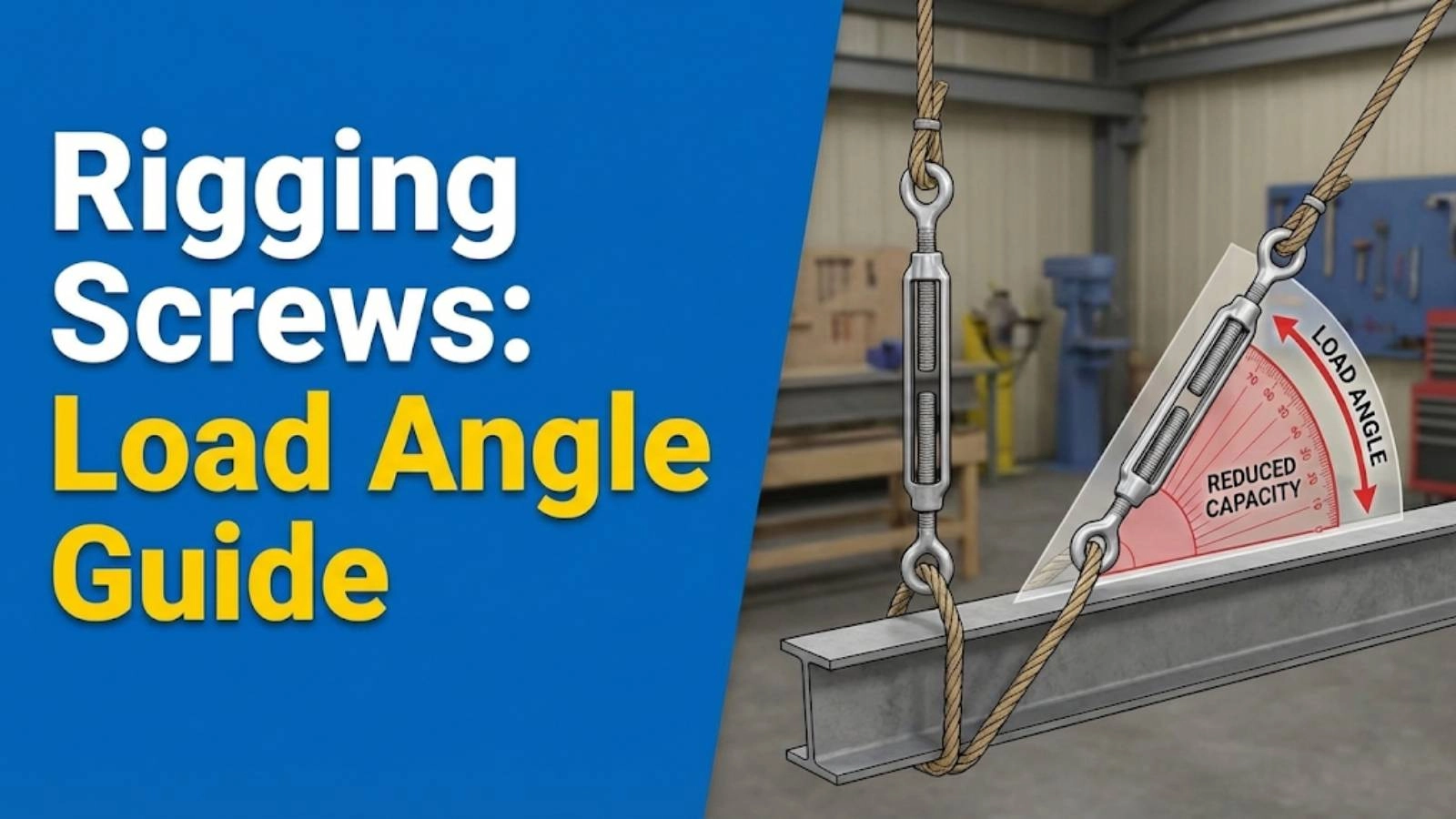
Identifying load characteristics includes determining the weight and direction of the load. Consider any dynamic forces, such as impact or vibration, that may affect the load. Also determine the load capacity and safety factors required.
Determine the environmental conditions, such as exposure to corrosive substances, high temperatures, or extreme weather. Choose a material that is resistant to the specific environmental conditions. Stainless steel is often preferred in marine or chemical environments.
Consider the frequency of use. For frequently used rigging screws, choose a durable and reliable model that can withstand repeated stress. For infrequently used screws, a less expensive option may suffice.
Choosing the Appropriate Type and Size
Once the application requirements have been assessed, the next step is to choose the appropriate type and size of rigging screw. This involves selecting the correct end fittings, calculating the required WLL, and choosing the appropriate material.
Select the correct end fittings based on the specific connection requirements. Choose from eye, jaw, hook, or stud end fittings, depending on the application. Ensure that the end fittings are compatible with the other rigging components.
Calculate the required WLL based on the load and safety factors. Use the appropriate safety factor for the application to determine the minimum WLL of the rigging screw. Choose a screw that has a WLL that meets or exceeds the calculated value.
Choose the appropriate material based on the environmental conditions and the required strength. Steel is suitable for high-strength applications, while stainless steel is preferred for corrosive environments. Aluminum or other materials may be used for specialty applications.
Verifying Compatibility with Other Rigging Components
Before using a rigging screw, it’s essential to verify its compatibility with other rigging components. This involves ensuring compatibility with shackles, wire rope, and other hardware, avoiding galvanic corrosion, and confirming proper fit and function.
Ensure compatibility with shackles, wire rope, and other hardware. Check that the dimensions and WLL of the rigging screw are compatible with the other components. Use shackles and wire rope clips that are rated for the same or higher load capacity. The right rigging screws must be compatible with other rigging tools.
Avoid galvanic corrosion between dissimilar metals. When using rigging screws made of different metals, use insulating washers or coatings to prevent galvanic corrosion. This is particularly important when using stainless steel in contact with aluminum or carbon steel.
Confirm proper fit and function. Ensure that the rigging screw fits properly with the other components and that it can be easily adjusted. Check that the threads are clean and lubricated and that the end fittings are securely attached.
Troubleshooting Common Issues with Rigging Screws
Difficulty Adjusting Tension
One common issue with rigging screws is difficulty adjusting tension. This can be caused by stiff or frozen threads, which can make it difficult to rotate the screw and adjust the tension.
Causes of stiff or frozen threads include corrosion, dirt, and lack of lubrication. Corrosion can cause the threads to bind together, making it difficult to turn the screw. Dirt and debris can also accumulate in the threads, causing friction and stiffness. Lack of lubrication can increase friction and make it harder to adjust the tension.
Troubleshooting techniques include lubricating the threads with a suitable lubricant, cleaning the threads with a wire brush or solvent, and gently tapping the screw with a hammer to loosen any corrosion or debris. Avoid using excessive force, as this can damage the threads.
Preventative measures include regularly lubricating the threads, cleaning the screw after each use, and storing the screw in a dry, well-ventilated environment. Use a corrosion-resistant lubricant and avoid using harsh chemicals that can damage the threads.
Loose or Damaged End Fittings
Another common issue is loose or damaged end fittings. This can be caused by overloading, corrosion, or wear and tear. Loose or damaged end fittings can compromise the safety and reliability of the rigging screw.
Causes of loose or damaged end fittings include excessive load, corrosion, and wear and tear. Overloading can cause the end fittings to deform or break. Corrosion can weaken the end fittings, making them more susceptible to damage. Wear and tear can gradually erode the end fittings over time.
Repair options may include tightening the fasteners, replacing damaged parts, or welding the end fittings back together. However, welding should only be performed by a qualified technician and should be followed by a thorough inspection. Replacement is often the best option for severely damaged end fittings.
Inspection techniques include visually inspecting the end fittings for signs of damage, such as cracks, bends, or deformations. Check the fasteners for proper tightness and look for any signs of corrosion or wear. If any damage is detected, the end fittings should be repaired or replaced immediately.
Corrosion Problems
Corrosion is a common problem with rigging screws, particularly in marine, chemical, and humid environments. Corrosion can weaken the screw and lead to premature failure.
Identifying types of corrosion involves recognizing the different forms of corrosion, such as general corrosion, pitting corrosion, and crevice corrosion. General corrosion appears as a uniform layer of rust on the surface of the screw. Pitting corrosion appears as small, localized pits or holes. Crevice corrosion occurs in tight spaces, such as between the threads.
Treatment and prevention strategies include selecting corrosion-resistant materials, applying protective coatings, and implementing regular cleaning and maintenance procedures. Use stainless steel rigging screws in corrosive environments and apply a corrosion-resistant coating to protect the screw.
Material selection for corrosive environments is critical. Stainless steel is the preferred material for marine and chemical environments due to its superior corrosion resistance. Other materials, such as aluminum or brass, may be used for specialty applications where corrosion resistance is important.
Conclusion
You’ve successfully navigated the world of rigging screws, understanding their types, materials, load capacities, and maintenance. By following this guide, you are now equipped to select the right rigging screw for your specific needs, ensuring safety and efficiency in your operations. Rigging screws are essential for applications that range from sailing to construction. They enable you to ensure the stability and security of structures. We’re confident that this knowledge will enhance your ability to work safely and effectively.
FAQ Section
Q: What is the most important factor to consider when selecting a rigging screw?
A: The most important factor is the Working Load Limit (WLL). Always ensure that the rigging screw’s WLL meets or exceeds the expected load and that you’ve applied an appropriate safety factor.
Q: How often should I inspect my rigging screws?
A: Inspect rigging screws before each use and regularly as part of a maintenance routine. The frequency depends on the environment and usage; harsher conditions require more frequent inspections.
Q: Can I use a steel rigging screw in a marine environment?
A: While steel rigging screws can be used, they are prone to corrosion. Stainless steel is generally recommended for marine environments due to its superior corrosion resistance. Consider applying protective coatings to steel screws for added protection.
Q: What should I do if I find corrosion on my rigging screw?
A: If you find corrosion, clean the affected area and assess the extent of the damage. For minor surface corrosion, you may be able to treat it with a corrosion inhibitor. However, if the corrosion is significant, replace the rigging screw immediately.
Q: What is the difference between proof load and breaking strength?
A: Proof load is the maximum load a rigging screw can withstand without permanent deformation, while breaking strength is the load at which the screw fails. The WLL is set well below both of these values to provide a safety margin.
Q: How do I properly lubricate a rigging screw?
A: Clean the threads of the rigging screw with a wire brush and apply a suitable lubricant designed for marine or industrial use. Ensure the lubricant is evenly distributed and reapply as needed.
Q: Can I use any type of lubricant on my rigging screw?
A: No, use a lubricant specifically designed for rigging applications. Avoid using lubricants that can attract dirt or degrade the material.
Q: What are the different types of end fittings available for rigging screws?
A: Common end fittings include eye, jaw, hook, and stud. Each type is designed for specific connection needs and applications.
Q: How do I determine the correct size of rigging screw to use?
A: Determine the required WLL based on the load and safety factors. Choose a rigging screw with a WLL that meets or exceeds the calculated value. Also, consider the dimensions and compatibility with other rigging components.
Q: What are some signs of wear and tear to look for during an inspection?
A: Look for worn threads, rounded edges, surface scratches, and any signs of deformation or cracking. Measure the dimensions of the screw to check for any reduction in size.
Q: What is the importance of safety factors in rigging?
A: Safety factors are multipliers applied to the calculated load to ensure that the rigging screw operates well below its maximum capacity. They account for uncertainties in load calculations, dynamic forces, and potential degradation of the material over time.
Q: Where can I find the WLL on a rigging screw?
A: The WLL is typically marked on the rigging screw itself, along with other relevant information, such as the manufacturer and model number.
Q: What should I do if I accidentally overload a rigging screw?
A: If you suspect that a rigging screw has been overloaded, remove it from service immediately and inspect it for signs of damage. Replace the screw if any damage is detected.
Q: How do I store rigging screws properly?
A: Store rigging screws in a dry, well-ventilated environment to minimize exposure to moisture and corrosive substances. Use protective packaging to prevent damage during transport.