Rigging screws turnbuckles: understanding the difference is crucial for any application involving tensioning and securing loads. Both are essential tensioning devices used in various industries, from marine rigging to construction rigging, but they serve different purposes and have unique characteristics. It’s easy to confuse these two, but making the right choice can significantly impact the safety and efficiency of your project.
At Safe and Secure Trading Company (SSTC), we emphasize the importance of understanding the nuances of rigging hardware to ensure optimal performance and safety. Choosing the wrong component can lead to catastrophic failures, which is why we provide expert guidance and high-quality products to meet your specific needs. This guide aims to clarify the differences between rigging screws and turnbuckles, helping you make informed decisions for your next project.
Mistake #1: Ignoring Load Capacity Ratings
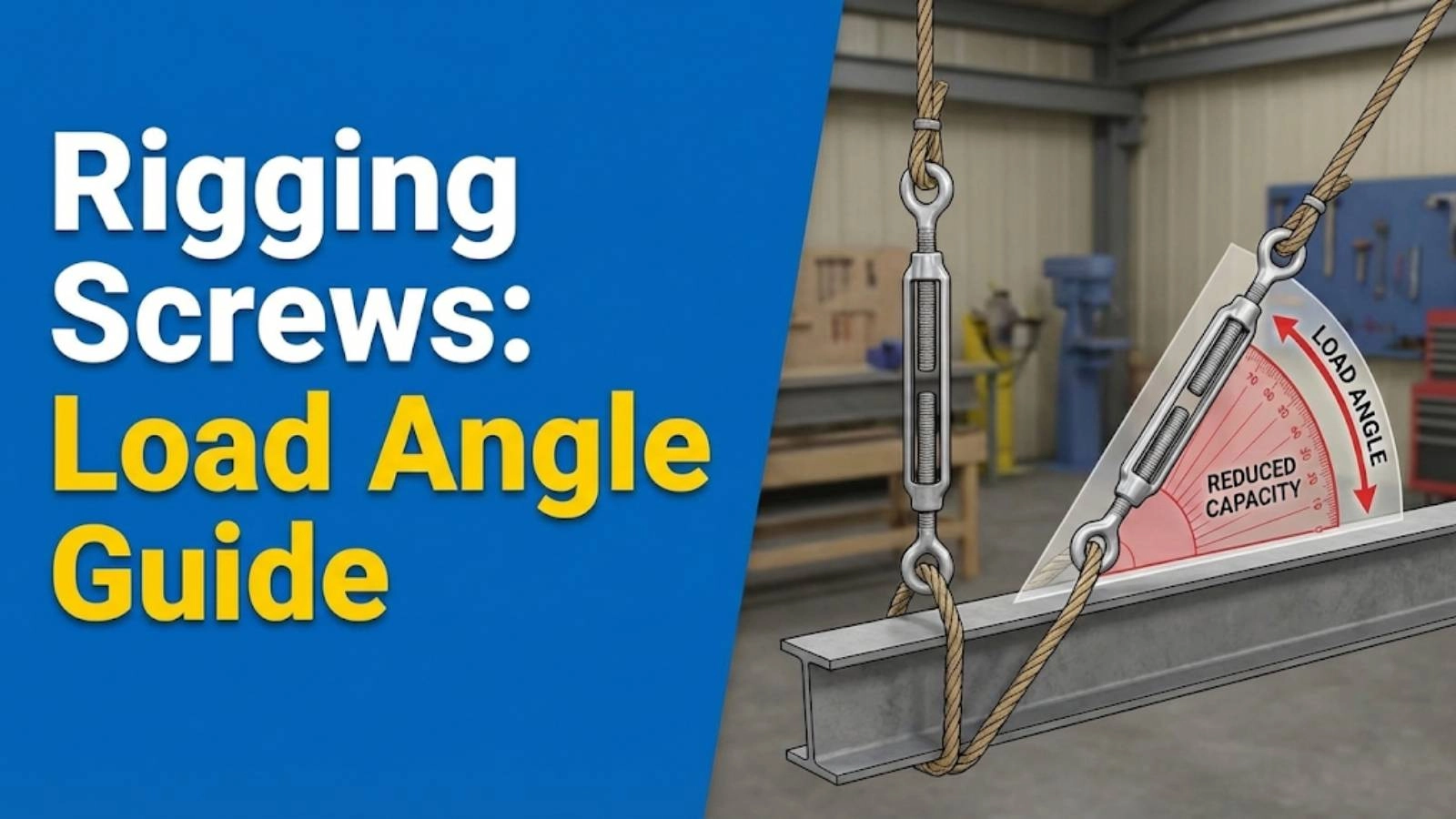
Understanding and adhering to load capacity ratings is paramount in rigging operations. The load capacity, often referred to as the Working Load Limit (WLL), indicates the maximum load that the rigging hardware can safely bear. Ignoring this critical specification is a recipe for disaster.
A common mistake is using rigging hardware without verifying its WLL. Many users assume that all turnbuckles or rigging screws of a similar size have the same load-bearing capacity, which is simply not true. Each piece of hardware has a specific WLL determined by its design, material, and manufacturing process.
The WLL is typically marked on the hardware itself. Look for stamped markings that indicate the WLL in kilograms or pounds. It’s also essential to consult the manufacturer’s specifications for detailed information. Using hardware beyond its rated capacity can lead to deformation, cracking, or complete failure, jeopardizing the safety of personnel and equipment.
We once encountered a situation where a construction team used a turnbuckle to secure a heavy load during a lift, unknowingly exceeding its WLL. The turnbuckle failed, causing the load to shift and nearly resulted in a severe accident. This incident underscores the critical importance of knowing and respecting the WLL of your rigging hardware.
At SSTC, we advise our clients to always select rigging hardware with a WLL that exceeds the anticipated load by a significant margin. This safety factor accounts for dynamic loads, shock loads, and potential wear and tear. Always double-check the WLL markings and consult with our experts to ensure you choose the correct hardware for your application.
Mistake #2: Misunderstanding the Applications
Turnbuckles and rigging screws, while both serving as tensioning devices, are designed for different applications. Understanding their specific strengths and weaknesses is crucial for selecting the right tool for the job. Turnbuckles are generally best suited for applications where infrequent tension adjustments are needed, such as tensioning cables, fencing, and tie-downs. They excel at providing high tension and maintaining it over long periods.
Rigging screws, on the other hand, are ideal for applications that require frequent and precise tension adjustments. These are commonly used in scenarios where dynamic loads or environmental factors necessitate regular tweaking of the tension.
A common mistake is using turnbuckles in situations where frequent adjustments are required. Turnbuckles can be cumbersome and time-consuming to adjust, making them less suitable for dynamic applications. Over time, constant adjustments can also wear down the threads, reducing their lifespan and increasing the risk of failure.
At SSTC, we helped a client who was setting up a dynamic display installation at a trade show. Initially, they planned to use turnbuckles to tension the support cables. However, after discussing their needs with our team, we recommended rigging screws instead. The client found that the rigging screws allowed for quick and easy adjustments, ensuring the display remained perfectly aligned throughout the event.
> “Choosing the right rigging hardware is about more than just strength; it’s about selecting the right tool for the specific application to ensure safety and efficiency.” – John Smith, Lead Safety Inspector
We had a client use turnbuckles for a banner install and they stripped the threads from constant adjustments. Rigging screws would have lasted longer in this application. Choosing the correct tool for the job is important for the long-term integrity of the rigging and the success of the project.
Mistake #3: Choosing the Wrong Material
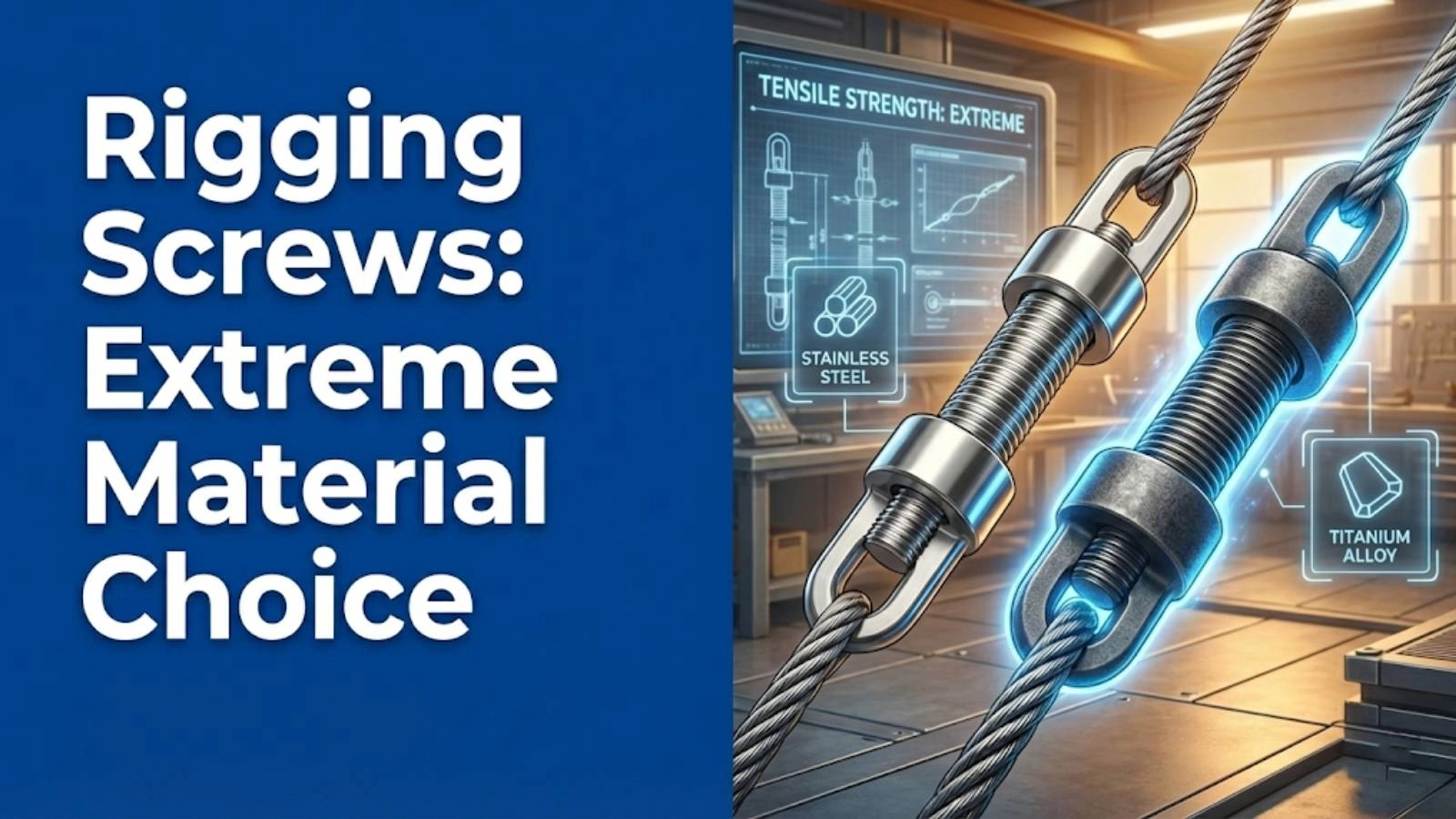
Selecting the appropriate material for rigging screws and turnbuckles is vital for ensuring their longevity and performance, especially in harsh environments. Stainless steel is renowned for its superior corrosion resistance, making it ideal for marine environments and applications exposed to moisture, chemicals, or extreme temperatures. Galvanized steel offers a cost-effective alternative for general use, providing a protective zinc coating to resist rust and corrosion.
A common mistake is using galvanized steel in saltwater environments. While galvanization provides some protection against corrosion, it is not as effective as stainless steel in marine settings. Saltwater can accelerate the corrosion process, leading to premature failure of the hardware.
Corrosion can significantly compromise the structural integrity of rigging screws and turnbuckles. Rust weakens the metal, reducing its load-bearing capacity and increasing the risk of failure. Material failure can have catastrophic consequences, especially in critical applications such as lifting and securing heavy loads.
To identify the appropriate material for different conditions, consider the environmental factors and potential exposure to corrosive elements. Stainless steel is the preferred choice for marine, chemical, and high-humidity environments. Galvanized steel is suitable for indoor and dry outdoor applications where corrosion is less of a concern.
2026, SSTC emphasizes the importance of selecting the right material to ensure the longevity and safety of your rigging hardware. We offer a wide range of rigging screws and turnbuckles in various materials to meet your specific needs.
Mistake #4: Improper Installation Techniques
Proper installation techniques are critical for ensuring the safe and reliable performance of rigging screws and turnbuckles. Correct threading and tightening are essential to achieve the desired tension and prevent premature wear or failure. A common mistake is over-tightening rigging screws and turnbuckles, which can damage the threads and reduce their load-bearing capacity.
Using the correct tools for tightening is also crucial. Wrenches of the appropriate size and type should be used to avoid damaging the hardware. Adjustable wrenches can be used, but it’s essential to ensure they are properly adjusted to fit the nut or bolt securely.
Checking for thread engagement and proper alignment is another important step in the installation process. Ensure that the threads are fully engaged and that the hardware is aligned correctly to distribute the load evenly. Misalignment can create stress points and increase the risk of failure.
SSTC provides a step-by-step guide to safe installation:
1. Inspect the hardware for any signs of damage or wear.
2. Ensure that the threads are clean and free of debris.
3. Apply a lubricant to the threads to reduce friction.
4. Tighten the hardware gradually, using the correct tools.
5. Check for proper thread engagement and alignment.
6. Do not over-tighten the hardware.
7. Regularly inspect the installation for any signs of loosening or wear.
By following these guidelines, you can ensure that your rigging screws and turnbuckles are installed correctly and safely.
Mistake #5: Neglecting Regular Inspection and Maintenance
Regular inspection and maintenance are essential for ensuring the ongoing safety and reliability of rigging hardware. Inspections help identify signs of wear, corrosion, or damage before they lead to failure. A common mistake is failing to inspect rigging hardware regularly, especially in harsh environments or after heavy use.
What to look for during inspections:
- Cracks
- Bending
- Thread damage
- Corrosion
- Wear
- Deformation
Lubrication and cleaning are also crucial for maintaining the longevity of rigging screws and turnbuckles. Lubricating the threads reduces friction and prevents corrosion, while cleaning removes dirt and debris that can accelerate wear. Establishing a maintenance schedule ensures that rigging hardware is inspected and maintained regularly. The frequency of inspections and maintenance should be based on the severity of the operating environment and the intensity of use.
Here’s a maintenance schedule for rigging hardware:
- Daily: Visual inspection for obvious damage or wear.
- Monthly: Detailed inspection for cracks, corrosion, and thread damage.
- Annually: Professional inspection and maintenance, including lubrication and cleaning.
Regular inspection and maintenance can significantly extend the lifespan of rigging hardware and prevent costly failures.
Mistake #6: Using Incompatible End Fittings
Using compatible end fittings is essential for ensuring the secure and efficient performance of rigging assemblies. Different types of end fittings, such as eyes, jaws, and hooks, are designed for specific applications and load orientations. A common mistake is mismatching end fittings and hardware, which can compromise the integrity of the rigging assembly.
Ensuring proper fit and compatibility involves selecting end fittings that are specifically designed to work with the rigging screws and turnbuckles being used. The end fittings should have the appropriate dimensions and load-bearing capacity to match the hardware.
The importance of using certified and tested end fittings cannot be overstated. Certified end fittings have been rigorously tested to meet industry standards and ensure their reliability and safety. Using non-certified or untested end fittings can significantly increase the risk of failure. SSTC recommends matching fittings for optimal performance.
At SSTC, we offer a wide range of certified and tested end fittings to ensure the compatibility and safety of your rigging assemblies. Our experts can help you select the right end fittings for your specific application.
Mistake #7: Overlooking Environmental Factors
Environmental factors can significantly impact the performance and longevity of rigging hardware. Weather conditions, such as temperature extremes, humidity, and UV exposure, can accelerate corrosion and weaken the metal. A common mistake is neglecting the effects of temperature extremes on rigging hardware. Extreme cold can cause the metal to become brittle, while extreme heat can reduce its strength.
Protecting rigging from UV exposure and chemical exposure is also important. UV radiation can degrade the protective coatings on rigging hardware, while chemical exposure can accelerate corrosion. Choosing hardware that is rated for the specific environment is crucial. Stainless steel is the preferred choice for marine and chemical environments, while galvanized steel is suitable for indoor and dry outdoor applications.
For many of our clients here in Dammam, we’ve seen that humidity plays a significant role in the corrosion of rigging hardware. Regular inspection and maintenance are especially important in humid environments to prevent premature failure.
By considering environmental factors and selecting the appropriate hardware, you can ensure the longevity and safety of your rigging assemblies.
Mistake #8: Ignoring Safety Protocols
Following established safety guidelines is paramount in rigging operations. Rigging can be dangerous work, and even a small mistake can have serious consequences. A common mistake is working with rigging without proper training. Proper training teaches workers how to inspect rigging hardware, select the right equipment for the job, and use it safely.
Using personal protective equipment (PPE) is also essential. PPE, such as gloves, safety glasses, and hard hats, protects workers from potential hazards. Establishing a safe working zone is another important safety measure. The working zone should be clear of obstructions and marked with warning signs to prevent unauthorized access.
SSTC is committed to rigging safety and training. We offer a variety of training programs to help workers develop the skills and knowledge they need to work safely with rigging hardware.
Deep Dive: Rigging Screw vs. Turnbuckle – A Side-by-Side Comparison
Below is a comprehensive comparison table to assist in differentiating between rigging screws and turnbuckles, helping you make the most appropriate choice for your needs.
| Feature |
Rigging Screw |
Turnbuckle |
| Load Capacity |
Generally lower than turnbuckles |
Generally higher than rigging screws |
| Adjustment Range |
Limited by thread length |
Limited by body length and thread |
| Material Options |
Stainless steel, galvanized steel |
Stainless steel, galvanized steel |
| Application Suitability |
Frequent adjustments, dynamic loads |
Infrequent adjustments, static loads |
| Cost |
Generally more expensive |
Generally less expensive |
| Maintenance Requirements |
Regular lubrication |
Regular lubrication |
| Installation Complexity |
Simple |
Simple |
| Safety Considerations |
Ensure proper thread engagement |
Ensure proper end fitting alignment |
Final Verdict: Choosing the Right Tool for the Job
Choosing between rigging screws turnbuckles depends heavily on the specific application. Turnbuckles are designed for high-tension, static load applications, making them ideal for fencing, tie-downs, and cable tensioning where infrequent adjustments are needed. Their robust construction allows them to maintain tension over extended periods.
Rigging screws, on the other hand, are best suited for applications requiring frequent and precise tension adjustments, such as theatrical rigging, dynamic displays, and certain marine applications. While they may have a lower load capacity compared to turnbuckles, their ease of adjustment makes them invaluable in dynamic environments.
For DIYers, turnbuckles are often the go-to choice for basic tensioning needs due to their simplicity and cost-effectiveness. Professionals, particularly in industries like construction and marine, may opt for rigging screws when frequent adjustments and precise control are necessary. In marine applications, stainless steel rigging screws and turnbuckles are essential to combat corrosion.
Ultimately, the choice hinges on your specific requirements. Ignoring load capacities, using the wrong materials, and neglecting maintenance are critical mistakes that can compromise safety. With our extensive experience at SSTC, we’ve seen firsthand how the right choice can make all the difference.
FAQ Section
Q: What is the main difference between a rigging screw and a turnbuckle?
A: Rigging screws are best for applications needing frequent adjustments, while turnbuckles excel in high-tension, static load situations.
Q: Which is stronger, a rigging screw or a turnbuckle?
A: Generally, turnbuckles have a higher load capacity compared to rigging screws.
Q: Can I use galvanized steel rigging hardware in a marine environment?
A: It is not recommended. Stainless steel is more resistant to corrosion in saltwater environments.
Q: How often should I inspect my rigging hardware?
A: Inspect daily for obvious damage, monthly for detailed checks, and annually for professional maintenance.
Q: What is WLL?
A: WLL stands for Working Load Limit, which is the maximum load that rigging hardware can safely bear.
Q: Is it okay to use any type of end fitting with a rigging screw or turnbuckle?
A: No, always use certified and tested end fittings that are compatible with the hardware and application.
Q: Can I adjust a turnbuckle under a full load?
A: It is generally not recommended to adjust a turnbuckle under a full load, as it can be dangerous and may damage the hardware.
Q: What kind of maintenance do rigging screws turnbuckles require?
A: Both require regular lubrication of the threads to reduce friction and prevent corrosion.
Q: Are rigging screws turnbuckles considered tensioning devices?
A: Yes, both are types of tensioning devices used to apply and adjust tension in rigging systems.
Q: What are some common applications for rigging screws in industrial rigging?
A: They are often used in applications that require precise tension adjustments, such as supporting machinery or aligning structures.
Q: How does temperature affect rigging hardware?
A: Extreme cold can make metal brittle, while extreme heat can reduce its strength.
Q: What should I do if I find corrosion on my rigging hardware?
A: Replace the corroded hardware immediately to prevent failure.