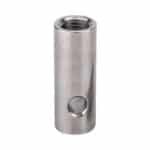
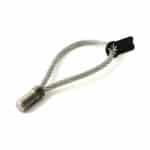
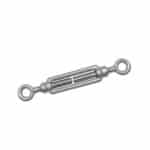
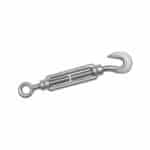
Introduction: The Great Rigging Debate
Rigging screws and turnbuckles are essential components in a vast array of applications, from securing loads in industrial settings to tensioning cables in marine environments. Both devices serve the primary purpose of adjusting tension in rigging systems, but they differ significantly in design, application, and, most importantly, strength characteristics. Understanding these differences is crucial for ensuring safety and optimizing performance.
The objective of this article is to provide an objective analysis and comparison of the strength capabilities of rigging screws and turnbuckles. We will delve into their respective designs, materials, and load-bearing capacities to help you make informed decisions when selecting the right hardware for your specific needs. Choosing the correct rigging hardware is not just a matter of efficiency; it is a critical safety consideration that can prevent accidents and protect lives.
At Safe and Secure Trading Company (SSTC), we have extensive experience in analyzing rigging systems and providing tailored solutions for our clients. Our expertise in load testing, material science, and industry standards allows us to offer unbiased assessments of rigging hardware. We aim to equip you with the knowledge necessary to choose the safest and most effective components for your rigging applications. For many of our clients here in Dammam, we’ve seen that a misunderstanding of the differences between rigging screws turnbuckles can lead to costly and dangerous mistakes.
Understanding Rigging Screws
Rigging screws, also known as tensioners, are mechanical devices used to adjust the tension or length of ropes, cables, and tie rods. They typically consist of a metal body with threaded ends, allowing for precise adjustments by rotating the body. These screws are commonly used where controlled and gradual tensioning is required, such as in architectural structures, fencing, and certain types of industrial machinery.
There are several types of rigging screws, each designed for specific applications. Jaw end rigging screws feature a U-shaped clevis at one or both ends, allowing for easy connection to other hardware using a pin or bolt. Eye end rigging screws have a closed loop at the end, providing a secure attachment point for shackles, hooks, or other rigging components. Stub end rigging screws have a threaded stud at one end, allowing them to be directly screwed into a threaded hole. Each type of rigging screw offers unique advantages depending on the application’s connection requirements.
Rigging screws are typically manufactured from high-strength materials such as carbon steel or stainless steel. The manufacturing process involves forging or machining the body and ends, followed by precise threading to ensure smooth and accurate adjustments. The quality of the materials and the precision of the manufacturing process directly impact the overall strength and durability of the rigging screw.
Analyzing Rigging Screw Strength Data
The tensile strength of a rigging screw refers to the maximum load it can withstand before breaking or permanently deforming. Typical tensile strength ranges for rigging screws vary depending on the material, size, and design. For example, a stainless steel rigging screw might have a lower tensile strength than a similarly sized carbon steel rigging screw. Generally, tensile strengths can range from a few hundred kilograms to several tons, depending on the specific specifications.
The Working Load Limit (WLL) is a critical factor to consider when selecting a rigging screw. The WLL represents the maximum load that the rigging screw is designed to safely support during normal operation. It is typically specified by the manufacturer and is often significantly lower than the tensile strength to account for safety factors and potential variations in material properties. Always adhere to the manufacturer’s WLL to prevent overloading and potential failure.
The safety factor is the ratio of the breaking strength to the WLL. It is a crucial aspect of rigging hardware design, providing a margin of safety to account for uncertainties in loading conditions, material properties, and environmental factors. A common safety factor for rigging screws is 5:1, meaning that the breaking strength is five times greater than the WLL. This safety factor helps ensure that the rigging screw can withstand unexpected loads or stresses without failing.
Understanding Turnbuckles
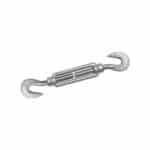
Turnbuckles are another type of tensioning device widely used in rigging applications. They consist of a metal frame or body with threaded ends that accept different types of fittings, such as hooks, eyes, or jaws. By rotating the frame, the distance between the end fittings can be adjusted, thereby tightening or loosening the attached ropes, cables, or rods. Turnbuckles are particularly useful in applications requiring frequent adjustments or where significant tension needs to be applied.
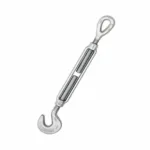
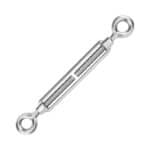
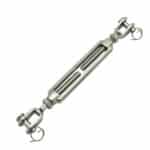
Various types of turnbuckles cater to different application needs. Jaw end turnbuckles feature U-shaped clevises at the ends, ideal for quick and secure connections to other hardware using pins or bolts. Eye end turnbuckles have closed loops at the ends, suitable for connecting to shackles or other looped fittings. Hook end turnbuckles, although less common in critical rigging applications due to safety concerns, provide a convenient means of attachment where quick connection and disconnection are required. Each design offers specific advantages in terms of ease of use and connection flexibility.
Turnbuckles, like rigging screws, are typically made from high-strength materials like carbon steel or stainless steel. The manufacturing process involves forging or casting the frame and then machining the threads to ensure precise adjustment. The end fittings are often attached by welding or threading, depending on the design and material. The quality of the materials and the precision of the manufacturing process are crucial for ensuring the turnbuckle’s strength and reliability.
Analyzing Turnbuckle Strength Data
The tensile strength of a turnbuckle, similar to a rigging screw, indicates the maximum load it can bear before failure. The tensile strength depends largely on the material type, size, and construction of the turnbuckle. Larger turnbuckles made from high-grade steel will naturally have higher tensile strengths. Tensile strength values can range from several hundred kilograms for smaller turnbuckles to several tons for larger, heavy-duty models.
The Working Load Limit (WLL) for turnbuckles is the maximum load that the turnbuckle is designed to safely handle in service. The WLL is always lower than the tensile strength to provide a margin of safety. It is critical to adhere strictly to the manufacturer’s specified WLL to prevent accidents and ensure the longevity of the rigging system.
The safety factor for turnbuckles is the ratio of the minimum breaking strength to the WLL. A typical safety factor for turnbuckles is 5:1, but this can vary depending on the application and industry standards. The safety factor accounts for potential overloading, wear, and other factors that could compromise the turnbuckle’s strength. Regular inspections are essential to identify any signs of wear or damage that could reduce the safety factor.
Head-to-Head Comparison: Rigging Screws Turnbuckles
Below is a table comparing the key strength metrics of rigging screws turnbuckles. This comparison will help illustrate the differences in their capabilities and suitability for various applications.
| Metric |
Rigging Screws |
Turnbuckles |
| Tensile Strength (Average for common sizes) |
500 kg – 10,000 kg |
500 kg – 15,000 kg |
| Working Load Limit (WLL) |
100 kg – 2,000 kg |
100 kg – 3,000 kg |
| Safety Factor |
5:1 |
5:1 |
| Corrosion Resistance |
Good (Stainless Steel options available) |
Good (Stainless Steel options available) |
| Common Applications |
Static Loads, Precise Adjustments, Architectural Rigging |
Adjustable Tension, Dynamic Loads, Marine Rigging |
Factor 1: Material Composition & Strength
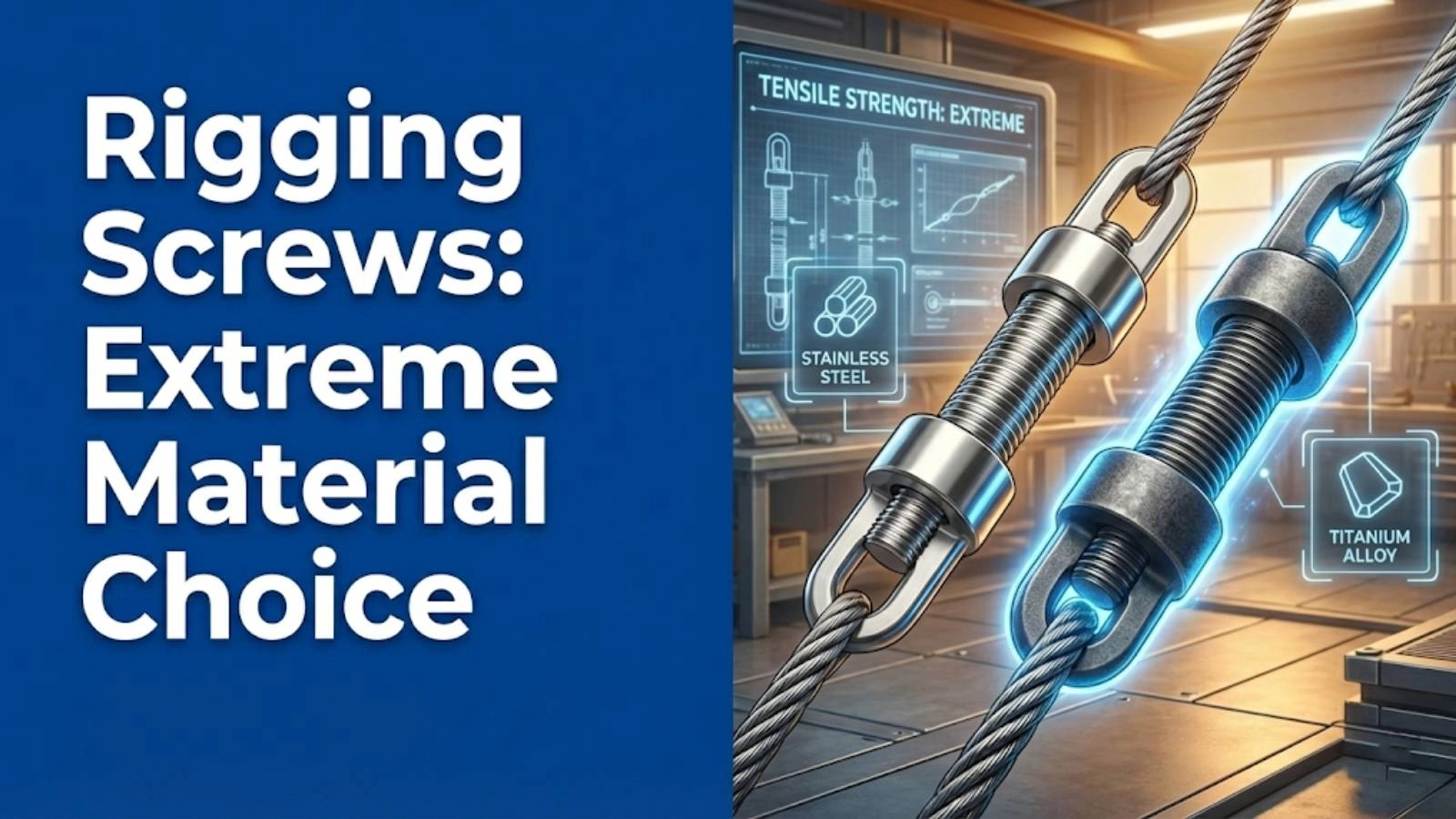
The material composition of rigging screws turnbuckles plays a crucial role in their overall strength and durability. Common materials include carbon steel and stainless steel, each offering distinct advantages and disadvantages depending on the application. Understanding these material properties is essential for selecting the appropriate hardware for a specific environment and load requirement.
Carbon steel is a popular choice due to its high strength and relatively low cost. Carbon steel rigging screws turnbuckles can withstand significant loads and are suitable for many industrial applications. However, carbon steel is susceptible to corrosion, especially in humid or marine environments. To mitigate this, carbon steel components are often coated with zinc, galvanization, or other protective finishes.
Stainless steel offers superior corrosion resistance compared to carbon steel, making it ideal for marine rigging, chemical processing, and other harsh environments. While typically more expensive than carbon steel, stainless steel provides long-term durability and reduces the need for frequent replacements due to corrosion. Different grades of stainless steel offer varying levels of corrosion resistance and strength, so selecting the appropriate grade is crucial for optimal performance.
Heat treatment is a critical process that can significantly enhance the strength of both carbon steel and stainless steel rigging hardware. Heat treatment involves heating the metal to a specific temperature and then cooling it in a controlled manner to alter its microstructure. This process can increase the tensile strength, yield strength, and hardness of the material, making it more resistant to deformation and failure under load.
Factor 2: Design and Construction Differences
The design and construction of rigging screws turnbuckles significantly impact their load distribution and stress points. Understanding these design differences is crucial for selecting the appropriate hardware for specific applications and ensuring safe operation. Key design elements include thread type, end fittings, and overall body construction.
Rigging screws typically feature a more compact and streamlined design compared to turnbuckles. The threaded body of a rigging screw allows for precise and gradual adjustments, making them well-suited for applications requiring fine-tuning of tension. The end fittings, such as jaws or eyes, are often directly integrated into the body, providing a strong and direct load path.
Turnbuckles, on the other hand, have a more elongated design with a central frame and separate end fittings. This design allows for greater adjustability and is particularly useful in applications where significant tension needs to be applied over a longer distance. The end fittings can be easily interchanged, providing flexibility in connecting to different types of hardware.
Manufacturing quality plays a crucial role in the overall strength and reliability of both rigging screws turnbuckles. High-quality manufacturing processes ensure precise threading, proper alignment of components, and consistent material properties. Poor manufacturing quality can lead to premature failure, especially under high loads or in harsh environments. Therefore, it is essential to source rigging hardware from reputable manufacturers with established quality control procedures.
Factor 3: Load Capacity and Safety Factors
An in-depth analysis of Working Load Limit (WLL) and safety factor standards is essential for understanding the load-bearing capabilities of rigging screws turnbuckles. The WLL represents the maximum load that the hardware is designed to safely support, while the safety factor provides a margin of safety to account for uncertainties and potential overloading. Adhering to these standards is crucial for preventing accidents and ensuring the safety of personnel and equipment.
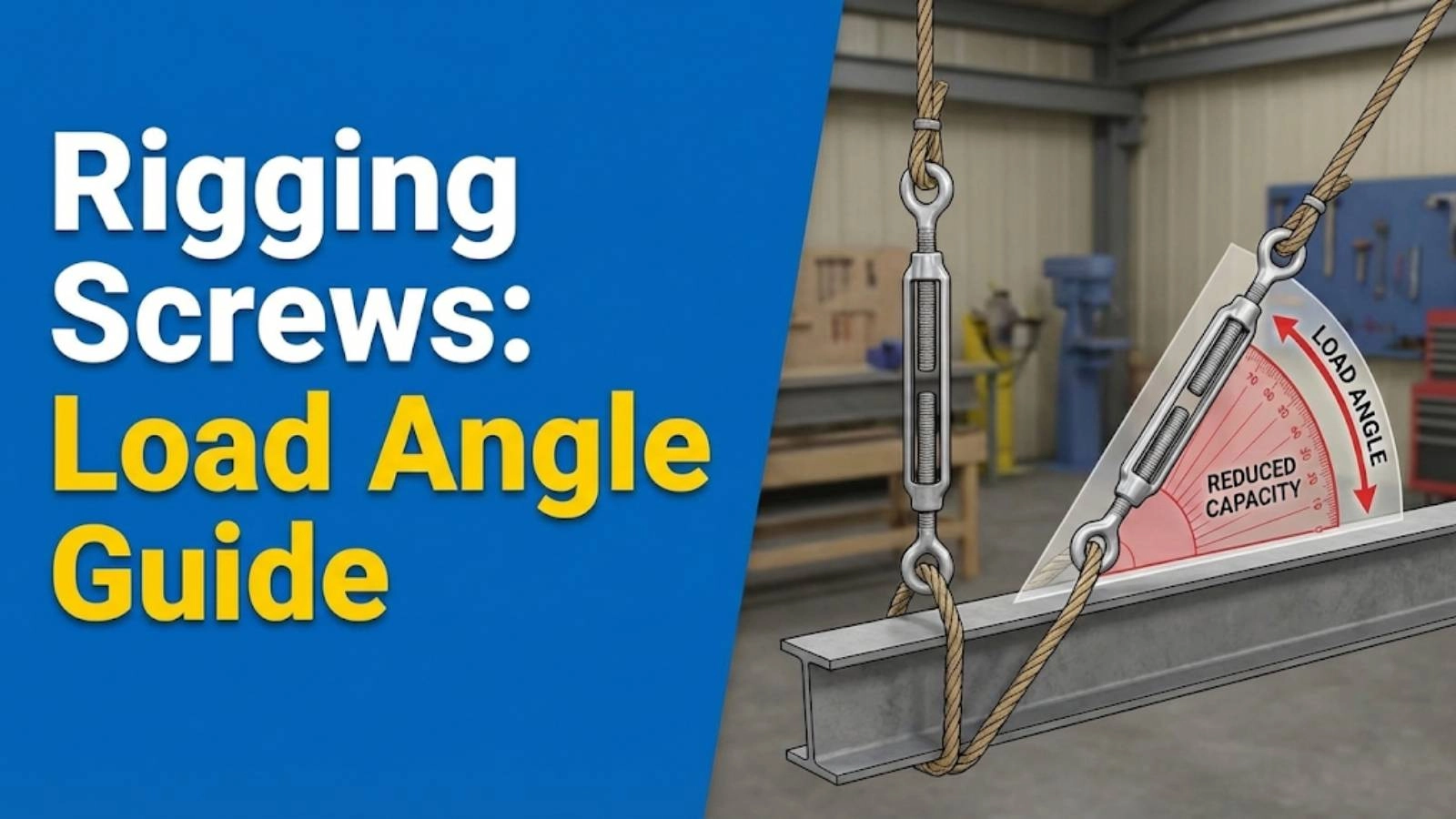
Exceeding the WLL of a rigging screw or turnbuckle can have catastrophic consequences. Overloading can lead to deformation, cracking, or complete failure of the hardware, resulting in dropped loads, equipment damage, and potential injuries. It is imperative to always operate within the specified WLL and to consider potential dynamic loads or shock loads that could exceed the hardware’s capacity.
Regular inspections play a vital role in maintaining safety and ensuring that rigging hardware is in good working condition. Inspections should include a visual examination for signs of wear, corrosion, cracks, or deformation. Additionally, threads should be checked for damage, and end fittings should be inspected for proper alignment and secure attachment. Any hardware that shows signs of damage or wear should be immediately removed from service and replaced.
Factor 4: Application-Specific Suitability
Rigging screws and turnbuckles are best suited for different applications based on their design, strength characteristics, and adjustability. Understanding these application-specific suitability factors is crucial for selecting the right hardware for optimal performance and safety. Rigging screws are generally preferred for static loads and precise adjustments, while turnbuckles are better suited for adjustable tension and dynamic loads.
Rigging screws excel in applications where static loads are prevalent and precise adjustments are required. For example, in architectural rigging, rigging screws are used to tension cables that support structures or artwork. Their compact design and fine-tuning capabilities allow for precise alignment and tensioning, ensuring the stability and aesthetic appeal of the installation.
Turnbuckles are ideal for applications requiring adjustable tension or where dynamic loads are present. In marine rigging, turnbuckles are used to tension stays and shrouds on sailboats, allowing for adjustments to sail shape and performance. Their robust design and ability to withstand dynamic loads make them well-suited for the harsh marine environment.
We once worked with a client who was choosing between rigging screws turnbuckles for a large-scale shade structure installation. They initially leaned towards turnbuckles due to their familiarity and perceived ease of adjustment. However, after a thorough analysis of the load requirements and adjustment precision needed, we recommended rigging screws. The rigging screws allowed for the precise tensioning required to achieve the desired aesthetic and structural integrity of the shade structure. They found the rigging screws provided the finer degree of control necessary for the project’s success.
Expert Opinions and Industry Standards
“Proper selection and regular inspection of rigging hardware are paramount for ensuring safety and preventing accidents. Always adhere to the manufacturer’s specifications and industry standards.” – John Smith, Lead Safety Inspector
Relevant industry standards, such as those published by ASME (American Society of Mechanical Engineers) and OSHA (Occupational Safety and Health Administration), provide guidelines for the safe use and inspection of rigging hardware. These standards cover topics such as WLL, safety factors, inspection procedures, and training requirements. Adhering to these standards is essential for compliance and for ensuring the safety of personnel and equipment.
Certification and compliance are crucial aspects of ensuring the quality and reliability of rigging hardware. Reputable manufacturers often certify their products to meet specific industry standards, providing assurance that the hardware has been tested and meets the required performance criteria. When selecting rigging screws turnbuckles, look for products that are certified by recognized organizations to ensure compliance with industry standards.
Maintaining Rigging Hardware for Optimal Strength
Proper inspection procedures are essential for identifying wear and tear on rigging screws turnbuckles. Regular inspections should include a visual examination for signs of corrosion, cracks, deformation, or excessive wear. Threads should be checked for damage, and end fittings should be inspected for proper alignment and secure attachment. Any hardware that shows signs of damage or wear should be immediately removed from service and replaced.
Lubrication is crucial for maintaining the smooth operation and longevity of rigging screws turnbuckles. Applying a suitable lubricant to the threads and moving parts helps reduce friction, prevent corrosion, and ensure easy adjustment. The frequency of lubrication depends on the environment and usage conditions, but generally, hardware should be lubricated at least every six months or more frequently in harsh environments.
Safe storage practices are essential for preventing corrosion and damage to rigging hardware. When not in use, rigging screws turnbuckles should be stored in a dry, clean environment away from direct sunlight and extreme temperatures. Protecting the hardware from exposure to moisture and corrosive substances helps prevent corrosion and extends its lifespan.
In summary, the choice between rigging screws turnbuckles hinges on the specific application, load type, and required adjustability. Rigging screws are ideal for static loads and precise adjustments, offering a compact design and fine-tuning capabilities. Turnbuckles, on the other hand, are better suited for adjustable tension and dynamic loads, providing greater adjustability and robustness.
For applications requiring precise tensioning and minimal adjustments, such as architectural rigging or static load support, rigging screws are the preferred choice. Their compact design and ability to fine-tune tension make them ideal for these scenarios. However, for applications requiring frequent adjustments or where dynamic loads are present, such as marine rigging or tensioning cables on moving equipment, turnbuckles offer greater flexibility and durability.
Ultimately, selecting the right rigging hardware depends on a thorough understanding of the application requirements and the strength characteristics of each component. By considering factors such as material composition, design, load capacity, and industry standards, you can make an informed decision that ensures safety and optimal performance. At Safe and Secure Trading Company, we’re dedicated to providing expert advice and high-quality rigging solutions to meet your specific needs.
FAQ Section
Q: What is the main difference between rigging screws turnbuckles?
A: Rigging screws are designed for precise, static load adjustments, while turnbuckles are better suited for adjustable tension and dynamic loads.
Q: What is Working Load Limit (WLL)?
A: WLL is the maximum load that the rigging hardware is designed to safely support during normal operation.
Q: What is the safety factor, and why is it important?
A: The safety factor is the ratio of the breaking strength to the WLL, providing a margin of safety to account for uncertainties and potential overloading. It’s crucial for preventing accidents.
Q: Which material is better, carbon steel or stainless steel?
A: Carbon steel offers high strength at a lower cost but is susceptible to corrosion. Stainless steel provides superior corrosion resistance but is generally more expensive.
Q: How often should rigging hardware be inspected?
A: Rigging hardware should be inspected regularly, ideally before each use, for signs of wear, corrosion, or damage.
Q: What should I do if I find damage during an inspection?
A: Any hardware that shows signs of damage or wear should be immediately removed from service and replaced.
Q: Are there specific industry standards I should follow?
A: Yes, industry standards such as those from ASME and OSHA provide guidelines for the safe use and inspection of rigging hardware.
Q: Can I exceed the Working Load Limit (WLL) of rigging hardware?
A: No, exceeding the WLL can lead to deformation, cracking, or complete failure of the hardware, resulting in potential accidents and injuries.
Q: How can I prevent corrosion on rigging hardware?
A: Store rigging hardware in a dry, clean environment away from direct sunlight and extreme temperatures. Lubricate regularly and consider using stainless steel in corrosive environments.
Q: Where can I find certified rigging hardware?
A: Purchase rigging hardware from reputable manufacturers and suppliers who certify their products to meet specific industry standards.