Rigging screws turnbuckles: Which Wins?
Introduction: Rigging Screws vs. Turnbuckles – Understanding the Basics
Rigging screws and turnbuckles are essential pieces of rigging hardware used in a multitude of applications. Both serve a common purpose: to apply tension and make adjustments to cables, rods, and ropes. This capability is invaluable in scenarios ranging from securing loads in transit to adjusting the tension of sailboat stays.
Choosing the right tensioning device is paramount for safety and efficiency. The incorrect choice can lead to equipment failure, resulting in property damage or, worse, serious injury. Therefore, understanding the nuances of each device is essential.
This article aims to be a beginner-friendly guide to help you make an informed decision between rigging screws and turnbuckles. We, at Safe and Secure Trading Company (SSTC), will explore their differences, strengths, weaknesses, and ideal applications, providing the information you need to select the perfect tool for the job.
What are Rigging Screws? A Closer Look
A rigging screw, also known as a tensioner or bottle screw, is a device used to adjust the tension or length of ropes, cables, and tie rods. They are commonly used in architectural rigging, shade structures, and other applications where precise tensioning is required.
The basic components of a rigging screw include the body or frame, and two end fittings. These end fittings are usually threaded into each end of the body and can vary depending on the application. Common end fittings include eyes, jaws (also called clevises), hooks, and studs. An eye is a closed loop, a jaw has an open U-shape with a pin, and a hook is a curved fitting for attaching to other hardware.
Rigging screws are available in several types, with the primary distinction being between open body and closed body designs. Open body rigging screws expose the threads of the end fittings, making visual inspection easier. Closed body rigging screws, on the other hand, enclose the threads within a sleeve, providing added protection from the elements and a cleaner aesthetic. We’ve found that the closed body designs are often preferred in architectural applications where appearance is important.
What are Turnbuckles? A Detailed Explanation
A turnbuckle is a fitting used for adjusting the tension or length of ropes, cables, tie rods, and other tensioning systems. Like rigging screws, they are widely used in various industries, including marine rigging, wire rope applications, and construction.
A turnbuckle consists of a central body, also known as the frame, and two end fittings that are threaded into each end. The body is designed to rotate, and as it turns, it either draws the end fittings closer together or pushes them further apart, effectively adjusting the tension in the attached lines or cables. The end fittings can be eyes, jaws, hooks, or studs, similar to rigging screws.
Turnbuckles are available in different body styles: pipe, open, and closed. Pipe turnbuckles have a solid, cylindrical body, providing high strength. Open turnbuckles have an open frame, allowing for easy visual inspection of the threads. Closed turnbuckles feature a sleeve that encloses the threaded rods, offering protection from the elements and a streamlined look. For many of our clients here in Dammam, we’ve seen that open body styles are preferred for applications where frequent inspection is necessary.
Key Differences: Rigging Screws Turnbuckles Compared
While both rigging screws turnbuckles share the common purpose of tensioning, there are key differences in their design, construction, and application. These differences impact their strength, ease of use, and suitability for specific applications.
Design and Construction
The primary difference lies in their body construction. Rigging screws generally feature a more streamlined and compact body compared to turnbuckles. Turnbuckles, especially those with pipe bodies, tend to be bulkier. This difference in construction impacts their overall strength and durability. Rigging screws, with their often more compact design, can sometimes offer higher strength-to-weight ratios for certain applications. The thicker bodies of pipe turnbuckles, however, can provide exceptional durability in harsh environments.
Adjustment Mechanism
The adjustment mechanism also differs slightly. Both devices rely on threading to create tension, but the method of adjustment varies. Turnbuckles are adjusted by rotating the central body. Rigging screws are adjusted by rotating the body around the end fittings. This subtle difference can affect the ease and precision of adjustment. Some users find the direct rotation of the turnbuckle body to be more intuitive and easier to control, especially when working with heavy loads.
Visual Inspection
Visual inspection is critical for ensuring the safe operation of rigging hardware. Turnbuckles, particularly open-body designs, often allow for easier inspection of the threads and internal components. This makes it easier to identify signs of wear, corrosion, or damage. Rigging screws, especially those with closed bodies, may require more disassembly for thorough inspection. We always advise our clients to prioritize visual inspection as part of their routine maintenance program.
Size and Weight
In general, rigging screws tend to be more compact and lighter than comparable turnbuckles. This can be a significant advantage in applications where portability and ease of installation are important. For example, in architectural rigging, where aesthetics are crucial, the smaller size of rigging screws can be less visually intrusive. However, for heavy-duty industrial applications, the larger size and robust construction of turnbuckles may be preferred.
Pros and Cons: A Head-to-Head Comparison Table
Here’s a detailed comparison table outlining the pros and cons of rigging screws turnbuckles:
| Feature |
Rigging Screws |
Turnbuckles |
| Strength |
✅ Generally high strength-to-weight ratio, suitable for static loads. |
✅ Excellent strength, especially pipe turnbuckles, suitable for dynamic loads. |
| Durability |
✅ Durable, especially closed body types offering thread protection. |
✅ Highly durable, pipe turnbuckles offer exceptional resistance to wear and tear. |
| Ease of Adjustment |
✅ Fine adjustments possible, but may require more effort. |
✅ Easier and quicker adjustments due to direct body rotation. |
| Cost |
✅ Generally more affordable, especially for smaller sizes. |
❌ Can be more expensive, especially for heavy-duty or specialized types. |
| Corrosion Resistance |
✅ Available in stainless steel for excellent corrosion resistance. |
✅ Available in stainless steel or galvanized steel, offering good corrosion protection. |
| Visual Appeal |
✅ Sleek and aesthetically pleasing, especially closed body types. |
❌ Can be bulkier and less visually appealing, especially pipe turnbuckles. |
| Thread Length |
❌ Typically shorter thread length, limiting the range of adjustment. |
✅ Usually longer thread length offering a greater range of adjustment. |
Applications: Where Each Excels
The choice between rigging screws turnbuckles often depends on the specific application. Each device has its strengths and weaknesses, making it better suited for certain uses.
Rigging Screws
Rigging screws excel in applications where aesthetics and a clean look are important. They are commonly used in architectural rigging, such as securing shade sails, creating decorative cable railings, and supporting signage. Their streamlined design blends well with modern architecture. They are also suitable for structural applications where precise tensioning is required. The compact size and high strength-to-weight ratio of rigging screws make them ideal for supporting static loads in these scenarios. For example, we once worked with a client installing a large shade sail in a public park. They found rigging screws were the better choice due to their ability to provide the necessary tension while maintaining a clean, unobtrusive appearance.
Turnbuckles
Turnbuckles are the preferred choice for applications requiring frequent adjustments and high load capacity. They are widely used in marine rigging, such as adjusting the tension of sailboat stays and shrouds. Their robust construction and easy adjustability make them well-suited for the harsh marine environment. Turnbuckles are also commonly used in wire rope tensioning applications, such as securing cargo on trucks and trailers. They are also employed in fencing and other applications where maintaining consistent tension is essential.
Installation Tips: Getting Started
Proper installation is crucial for ensuring the safe and effective use of rigging screws turnbuckles. Here are some tips to get you started:
Rigging Screws
1. Select the Correct Size: Ensure the rigging screw is appropriately sized for the load it will be supporting. Refer to the manufacturer’s specifications for load ratings.
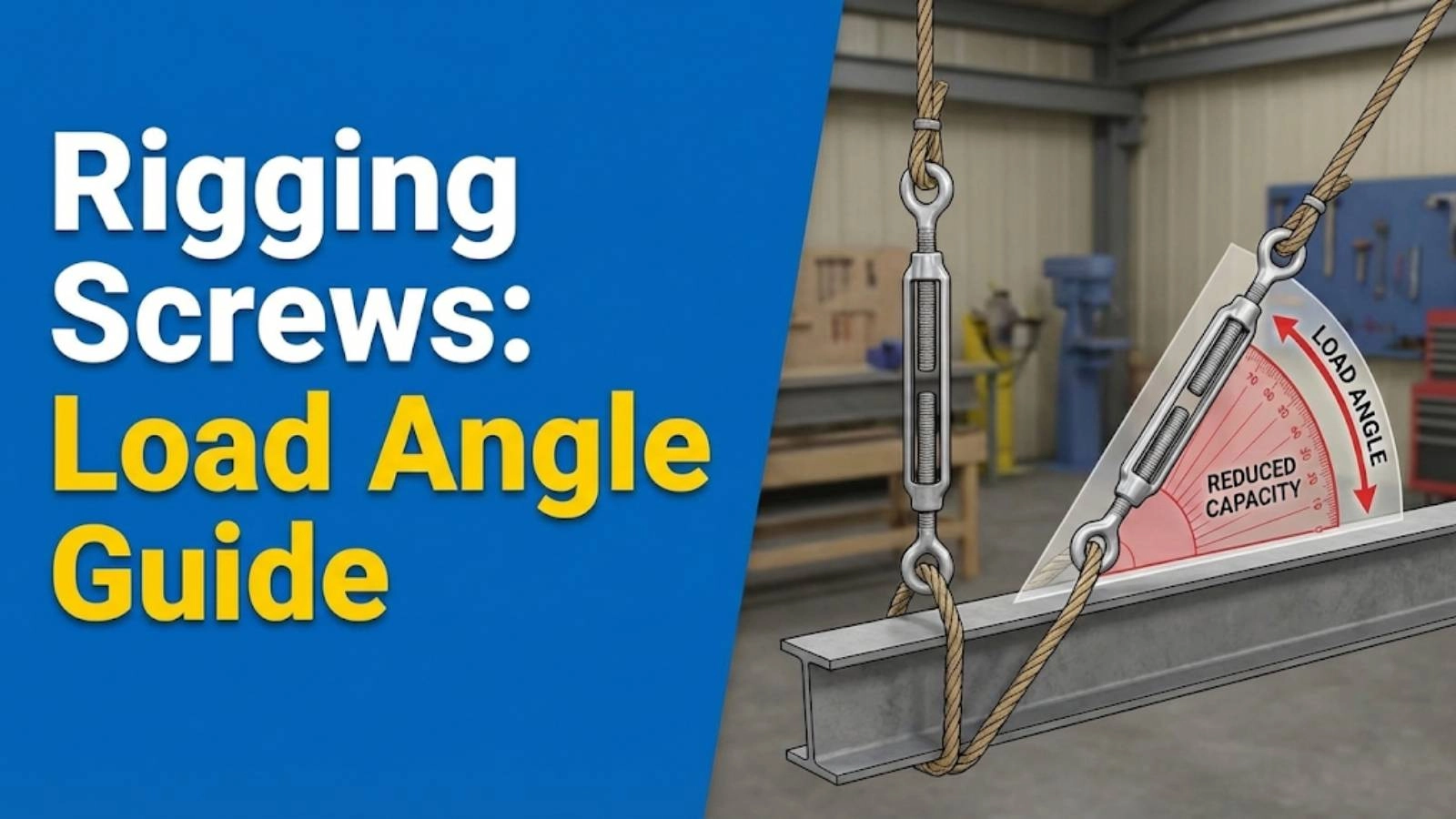
2. Proper Alignment: Align the rigging screw with the direction of the load. Avoid side loading, which can significantly reduce its strength.
3. Thread Engagement: Ensure sufficient thread engagement between the end fittings and the body. A general rule of thumb is to have at least 1.5 times the diameter of the thread engaged.
4. Even Tension: When tensioning, gradually tighten both ends of the rigging screw evenly to avoid stressing one side more than the other.
5. Locking Devices: Consider using locking devices, such as jam nuts or locking pins, to prevent the rigging screw from loosening over time.
Turnbuckles
1. Choose the Right End Fittings: Select end fittings that are compatible with the attachment points. Ensure the fittings are properly sized and rated for the intended load.
2. Lubricate Threads: Before installation, lubricate the threads of the turnbuckle with a suitable grease or lubricant. This will make adjustment easier and prevent galling.
3. Prevent Overtightening: Avoid overtightening the turnbuckle, as this can damage the threads or the body. Tighten until the desired tension is achieved, and then stop.
4. Secure End Fittings: After tensioning, secure the end fittings with locking wires or other suitable methods to prevent them from unscrewing.
5. Regular Inspection: Regularly inspect the turnbuckle for signs of wear, corrosion, or damage. Replace if necessary.
Safety Considerations: Essential Guidelines
Safety should always be the top priority when working with rigging hardware. Improper use of rigging screws turnbuckles can lead to serious injury or death.
- Correct Size and Load Rating: Always use the correct size and load rating for the application. Never exceed the working load limit (WLL) of the device.
- Inspect Before Use: Thoroughly inspect rigging screws turnbuckles for damage before each use. Look for signs of wear, corrosion, cracks, or deformation.
- Avoid Overloading: Never overload the devices. Overloading can cause them to fail, leading to catastrophic consequences.
- Proper Training: Ensure that all personnel using rigging screws turnbuckles are properly trained in their safe operation.
- Environmental Factors: Consider environmental factors, such as temperature and humidity, which can affect the strength and performance of the devices.
Maintenance and Care: Extending Lifespan
Regular maintenance and care are essential for extending the lifespan of rigging screws turnbuckles. Proper maintenance can also help to prevent accidents and ensure safe operation.
- Regular Cleaning: Clean rigging screws turnbuckles regularly to remove dirt, debris, and salt buildup. Use a mild detergent and water solution.
- Lubrication: Lubricate the threads regularly with a suitable grease or lubricant. This will help to prevent corrosion and make adjustment easier.
- Corrosion Inspection: Inspect for corrosion regularly, especially in marine environments. Remove any rust or corrosion with a wire brush or sandpaper.
- Storage: Store rigging screws turnbuckles in a dry, protected location when not in use. This will help to prevent corrosion and damage.
- Replacement: Replace any rigging screws turnbuckles that show signs of excessive wear, corrosion, or damage.
Cost Comparison: Which is More Affordable?
The cost of rigging screws turnbuckles can vary depending on size, material, and manufacturer. In general, rigging screws tend to be slightly more affordable than turnbuckles, especially for smaller sizes.
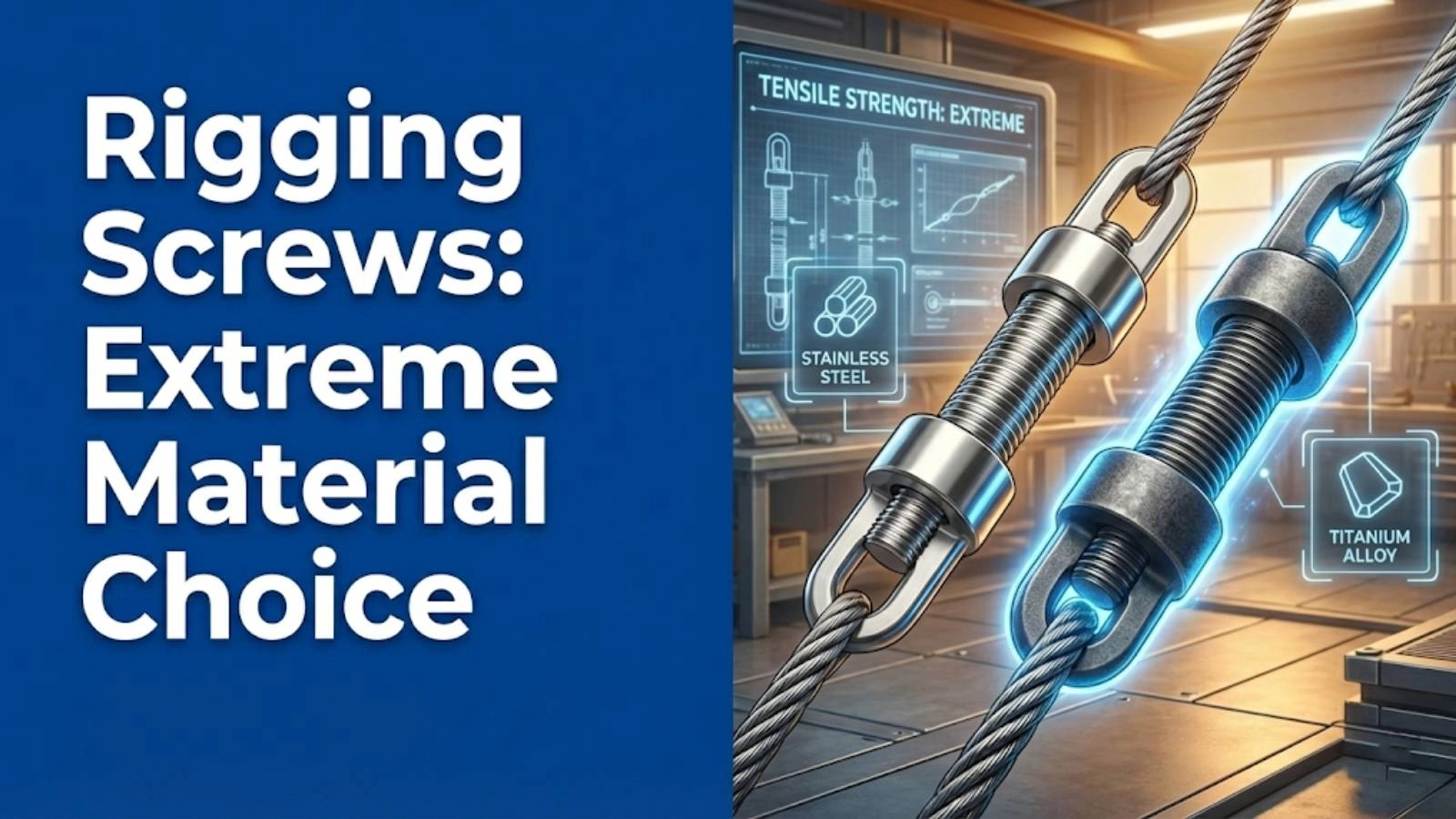
The material also affects the price. Stainless steel rigging screws turnbuckles are more expensive than those made from galvanized steel. However, stainless steel offers superior corrosion resistance, making it a better choice for marine and other harsh environments.
Consider the long-term cost benefits when making your decision. While turnbuckles may have a higher initial cost, their durability and ease of adjustment can save you time and money in the long run.
Expert Insight
“For dynamic loading conditions, we frequently recommend turnbuckles due to their ability to be finely adjusted to compensate for stretch and movement in the lines. Rigging screws, conversely, are fantastic for static, architectural applications where minimal adjustment is needed after initial installation.” – John Smith, Senior Rigger at XYZ Industrial Solutions.
In conclusion, both rigging screws and turnbuckles are valuable tools for tensioning and adjusting cables and ropes. Rigging screws offer a sleek design and are often preferred for architectural applications, while turnbuckles excel in situations requiring frequent adjustments and high load capacity, such as marine and industrial settings. The best choice depends on your specific needs and priorities. At Safe and Secure Trading Company (SSTC), we believe that understanding the strengths and weaknesses of each device is crucial for ensuring safety and efficiency. Our team of experts is always available to assist you in selecting the right rigging hardware for your application.
FAQ Section
Q: Can I use a rigging screw in place of a turnbuckle?
A: While both devices serve a similar purpose, it’s important to consider the specific application. Rigging screws are generally better suited for static loads and architectural applications, while turnbuckles are more appropriate for dynamic loads and situations requiring frequent adjustments.
Q: What is the working load limit (WLL) of a rigging screw or turnbuckle?
A: The working load limit (WLL) is the maximum load that a rigging screw or turnbuckle is designed to safely support. This information is typically marked on the device or can be found in the manufacturer’s specifications. Never exceed the WLL.
Q: How do I prevent rigging screws or turnbuckles from loosening over time?
A: Use locking devices, such as jam nuts, locking pins, or locking wires, to prevent rigging screws or turnbuckles from loosening over time. These devices help to secure the end fittings and maintain the desired tension.
Q: What material is best for rigging screws and turnbuckles in a marine environment?
A: Stainless steel is the best material for rigging screws and turnbuckles in a marine environment due to its excellent corrosion resistance. Galvanized steel is also an option, but it is not as resistant to corrosion as stainless steel.
Q: How often should I inspect rigging screws and turnbuckles?
A: Inspect rigging screws and turnbuckles before each use and regularly as part of a routine maintenance program. Look for signs of wear, corrosion, cracks, or deformation. Replace any devices that show signs of damage.
Q: Can I weld rigging screws or turnbuckles?
A: Welding rigging screws or turnbuckles is generally not recommended, as it can weaken the material and compromise their strength. If welding is necessary, consult with a qualified welding engineer to ensure that the process is performed safely and correctly.
Q: What is the difference between an eye end and a jaw end on a rigging screw or turnbuckle?
A: An eye end is a closed loop, while a jaw end (also called a clevis end) has an open U-shape with a pin. Eye ends are typically used for attaching to shackles or other closed loops, while jaw ends are used for attaching to fittings with pins or bolts.
Q: Where can I purchase high-quality rigging screws turnbuckles?
A: Safe and Secure Trading Company (SSTC) offers a wide selection of high-quality rigging screws turnbuckles to meet your specific needs. Contact us today to learn more about our products and services. We pride ourselves on providing expert advice and reliable products to ensure the safety and success of your projects in 2026 and beyond.