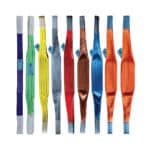
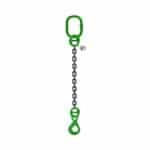
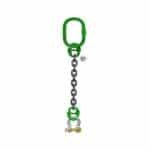
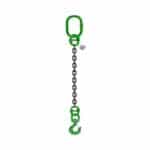
Rope fitting failure is a critical concern in various industries, from construction and shipping to mining and entertainment. A seemingly small component can have catastrophic consequences if it fails under load. At Safe and Secure Trading Company (SSTC), we understand the importance of robust and reliable rope fittings, and this article will delve into the causes, prevention, and best practices surrounding rope fitting failure.
Introduction to Rope Fitting Failure
Rope fitting failure represents a serious threat to safety and operational efficiency. Understanding the nuances of what constitutes a failure, and the factors that contribute to it, is paramount for preventing accidents and ensuring the longevity of lifting equipment.
Defining Rope Fitting Failure
Rope fitting failure refers to the inability of a fitting, such as a shackle, clip, swage, or thimble, to perform its intended function of connecting or terminating a wire rope or cable. This failure can manifest in several ways, ranging from subtle signs of degradation to a complete and sudden break. A partial failure might involve a crack, deformation, or excessive corrosion that compromises the fitting’s strength. A complete failure, on the other hand, means the fitting separates or breaks entirely, leading to a loss of load-bearing capacity. Distinguishing between fitting failure and wire rope failure itself is crucial for accurate diagnosis and prevention. Rope fitting failure specifically points to a problem with the fitting’s integrity, design, or application, whereas wire rope failure might be due to issues like abrasion, kinking, or internal corrosion.
The consequences of rope fitting failure can be devastating. A failed fitting can lead to dropped loads, equipment damage, serious injuries, or even fatalities. Imagine a crane lifting a heavy steel beam on a construction site; if a shackle fails, the beam could plummet, causing immense damage and endangering workers below. Similarly, in marine applications, a failed rope termination can result in lost cargo or compromised vessel stability. Therefore, a thorough understanding of the mechanisms that lead to rope fitting failure is essential for maintaining a safe working environment.
The Importance of Understanding Failure Mechanisms
Understanding the mechanisms behind rope fitting failure is not merely an academic exercise; it’s a practical necessity for preventing future incidents. By understanding how and why fittings fail, we can proactively address potential problems before they escalate into dangerous situations. In our experience, a proactive approach to safety, rooted in a deep understanding of failure mechanisms, significantly reduces the risk of accidents and improves overall operational efficiency.
Proper fitting selection, installation, and maintenance are directly linked to the longevity and reliability of rope fittings. Choosing the right type of fitting for the specific application, ensuring it’s installed correctly according to the manufacturer’s instructions, and implementing a regular inspection and maintenance program are all crucial steps in preventing failure. For example, using the wrong type of clip for a wire rope or failing to properly tighten a swage fitting can drastically reduce its load capacity and lead to premature failure.
Industry standards and regulations, such as those set by OSHA (Occupational Safety and Health Administration) and ASME (American Society of Mechanical Engineers), provide a framework for ensuring rope fitting safety. These standards outline requirements for fitting design, testing, inspection, and use. Compliance with these regulations is not only a legal obligation but also a fundamental aspect of responsible risk management. Our team in Dubai often works with clients to ensure their operations adhere to these stringent standards, mitigating risks and promoting a culture of safety. Ignoring these standards can lead to penalties and, more importantly, put lives at risk.
Common Causes of Rope Fitting Failure
Several factors can contribute to rope fitting failure. Understanding these causes is the first step toward implementing effective prevention strategies. From improper installation to environmental factors, each potential issue needs careful consideration.
Improper Installation Techniques
Improper installation techniques are a leading cause of rope fitting failure. Even the highest-quality fittings can fail prematurely if not installed correctly. This is a common area where errors occur, leading to potentially disastrous results.
Incorrect swaging procedures are a prime example. Swaging is a process of compressing a fitting onto a wire rope to create a secure termination. Under-swaging, where the fitting is not compressed enough, results in a weak connection that can slip under load. Over-swaging, on the other hand, can damage the wire rope or the fitting itself, reducing its strength. Improper die selection, using the wrong size or type of die for the swaging process, can also lead to a compromised connection. Selecting the correct die and adhering to the manufacturer’s specifications are crucial for a successful swage.
Clip installation errors are another common problem. Incorrect spacing between clips, using too few or too many clips, and failing to tighten the clips to the correct torque can all weaken the termination. The saddle of the clip must always be placed on the live end of the wire rope, not the dead end. Reversing the saddle orientation can significantly reduce the clip’s holding power.
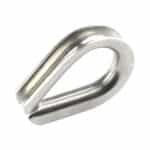
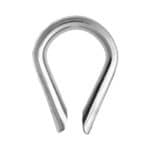
Inadequate thimble usage is also a frequent cause of failure. Thimbles are used to protect the wire rope eye from wear and deformation when attached to a shackle or other fitting. Using an undersized or incorrect thimble can allow the wire rope to be crushed or bent at too sharp an angle, leading to premature failure. The thimble must be appropriately sized for the wire rope diameter and designed for the specific application.
Material Defects and Manufacturing Flaws
Material defects and manufacturing flaws can compromise the integrity of rope fittings, even before they are put into service. These imperfections can weaken the fitting and make it more susceptible to failure under load or in harsh environments.
Inclusions and voids in the fitting material are common manufacturing defects. Inclusions are foreign particles trapped within the metal, while voids are empty spaces. Both can act as stress concentrators, weakening the material and making it more prone to cracking. Reputable manufacturers employ stringent quality control measures to minimize the occurrence of these defects, but they can still occasionally occur.
Heat treatment issues can also lead to reduced strength or brittleness. Heat treatment is a process used to improve the mechanical properties of metal. If the heat treatment is not performed correctly, the metal can become too hard and brittle, making it more susceptible to cracking under stress. Conversely, if the metal is not hardened sufficiently, it may be too soft and prone to deformation.
Dimensional inaccuracies can also affect load distribution. If the fitting is not manufactured to the correct dimensions, the load may not be distributed evenly across the fitting, leading to localized stress concentrations. This can be particularly problematic in complex fittings with multiple components. Precision machining and careful quality control are essential for ensuring dimensional accuracy.
Overloading and Exceeding Working Load Limit (WLL)
Overloading is a common cause of rope fitting failure and is often a result of a lack of awareness or disregard for the fitting’s limitations. Exceeding the Working Load Limit (WLL) places undue stress on the fitting, significantly increasing the risk of failure.
Dynamic loading considerations are often overlooked. Dynamic loads, such as shock loads and impact forces, can be significantly higher than static loads. A sudden jerk or impact can momentarily subject the fitting to forces far exceeding its WLL, leading to immediate failure or cumulative damage that weakens the fitting over time.
The angle of lift also affects the load experienced by the fitting. As the angle between the lifting slings increases, the load on each sling and the connecting fittings also increases. At extreme angles, the load on the fittings can be several times higher than the weight of the object being lifted. It’s vital to account for the angle of lift when selecting fittings and planning the lift.
Knowing the actual load being applied is paramount for preventing overloading. This requires accurate weight estimation and the use of load monitoring devices when necessary. Guessing the weight of a load is never acceptable. Using a load cell or other measuring device can provide a precise reading of the load being applied, ensuring that it remains within the fitting’s WLL.
Corrosion and Environmental Factors
Corrosion and environmental factors can significantly degrade the strength and integrity of rope fittings, leading to premature failure. Exposure to harsh conditions can accelerate corrosion and weaken the metal over time.
Several types of corrosion can affect steel fittings. Galvanic corrosion occurs when two dissimilar metals are in contact in the presence of an electrolyte, such as saltwater. Pitting corrosion is a localized form of corrosion that creates small holes in the metal surface. Crevice corrosion occurs in confined spaces where stagnant electrolyte can accumulate. Each type of corrosion can weaken the fitting and make it more susceptible to failure. The prevalence of fitting corrosion can be greatly increased in coastal regions.
Exposure to chemicals, saltwater, and extreme temperatures can all accelerate corrosion. Chemicals can react with the metal, weakening it and causing it to corrode. Saltwater is a highly corrosive environment that can quickly degrade steel fittings. Extreme temperatures can also affect the metal’s properties, making it more susceptible to corrosion or embrittlement.
Protective measures, such as coatings, galvanization, and stainless steel options, can help to mitigate the effects of corrosion. Coatings provide a barrier between the metal and the environment. Galvanization is a process of coating steel with a layer of zinc, which protects it from corrosion. Stainless steel is a corrosion-resistant alloy that is ideal for use in harsh environments. The choice of protective measure depends on the specific application and the severity of the environmental conditions.
Fatigue and Wear
Fatigue and wear are gradual processes that can weaken rope fittings over time, leading to eventual failure. Understanding these mechanisms and implementing preventive measures is essential for ensuring the long-term reliability of fittings.
Cyclic loading, repeated application of stress, can lead to fatigue failure even when the stress levels are below the fitting’s WLL. Each cycle of stress causes microscopic damage to the metal. Over time, this damage accumulates, leading to cracks and eventual failure. The fatigue life of a fitting depends on the stress range, the number of cycles, and the material properties.
Wear due to friction and abrasion can also weaken fittings. Friction between moving parts can wear away the metal surface, reducing its thickness and strength. Abrasion from contact with abrasive materials can also cause significant wear. Regular lubrication and proper alignment can help to minimize wear.
Identifying wear patterns and assessing remaining service life is crucial for preventing fatigue and wear-related failures. Regular inspections can reveal signs of wear, such as thinning, grooves, and pitting. Non-destructive testing methods can also be used to detect cracks and other signs of fatigue damage. Based on the inspection results, the remaining service life of the fitting can be estimated, and appropriate action can be taken, such as replacing the fitting before it fails.
Improper Maintenance and Inspection Practices
Improper maintenance and inspection practices are significant contributors to rope fitting failure. Neglecting regular maintenance and failing to conduct thorough inspections can allow minor issues to escalate into major problems.
Lack of regular inspections and documentation is a common oversight. Regular inspections are essential for identifying early signs of deterioration, such as corrosion, cracks, and deformation. Documenting the inspection findings allows for tracking the condition of the fittings over time and identifying any trends that may indicate a problem. Without proper documentation, it’s difficult to assess the effectiveness of the maintenance program and identify areas for improvement.
Failure to identify and address early signs of deterioration can lead to catastrophic failures. Small cracks or areas of corrosion can quickly grow and weaken the fitting, especially under load. Addressing these issues promptly, through repair or replacement, can prevent a more serious failure from occurring.
Inadequate lubrication and cleaning procedures can also contribute to fitting failure. Lubrication reduces friction and wear, extending the life of the fitting. Cleaning removes dirt, debris, and corrosive substances that can accelerate deterioration. Using the correct type of lubricant and cleaning agent is important to avoid damaging the fitting.
Mismatching Fittings and Wire Ropes
Mismatching fittings and wire ropes can create compatibility issues that compromise the strength and safety of the entire system. Ensuring that the fitting is designed for the specific wire rope is crucial for reliable performance.
The compatibility of the fitting material with the wire rope material is a critical consideration. Using incompatible materials can lead to galvanic corrosion or other adverse reactions that weaken the connection. For example, using a carbon steel fitting with a stainless steel wire rope can lead to galvanic corrosion of the carbon steel fitting.
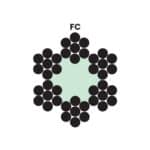
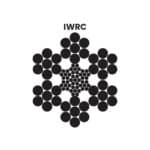
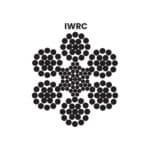
Ensuring the fitting is designed for the specific wire rope construction is also essential. Different wire rope constructions have different characteristics and require different types of fittings. For example, a fitting designed for a standard 6-strand wire rope may not be suitable for a rotation-resistant wire rope.
Avoiding the use of generic fittings without proper verification is crucial for ensuring safety. Generic fittings may not meet the required standards for strength, durability, or compatibility with the wire rope. Always verify that the fitting is designed and tested for the specific application.
Using Damaged or Previously Failed Fittings
Using damaged or previously failed fittings is a dangerous practice that can lead to catastrophic consequences. Re-using fittings that have been subjected to overload or have already failed compromises their structural integrity and increases the risk of another failure.
Re-using fittings after a known overload or failure event is never acceptable. Overloading can cause microscopic damage to the fitting that is not immediately visible. This damage can weaken the fitting and make it more susceptible to failure under normal loads. Once a fitting has been overloaded or has failed, it should be removed from service and discarded.
Identifying signs of prior damage that may not be immediately obvious is crucial for preventing the re-use of damaged fittings. Look for signs of deformation, cracks, corrosion, and excessive wear. Even if the damage appears minor, it can still compromise the fitting’s strength.
Implementing a “no re-use” policy for critical applications is the safest approach. This policy ensures that fittings are not re-used after being subjected to overload or failure, regardless of their apparent condition. This policy eliminates the risk of using a compromised fitting and provides an extra layer of safety.
Preventing Rope Fitting Failure: Best Practices
Preventing rope fitting failure requires a proactive and comprehensive approach. Implementing best practices in inspection, installation, maintenance, load management, and training can significantly reduce the risk of accidents and ensure the long-term reliability of lifting equipment.
Thorough Inspection Procedures
Thorough inspection procedures are the cornerstone of any effective rope fitting safety program. Regular and detailed inspections can identify potential problems before they escalate into dangerous situations.
Visual inspection is the first line of defense. This involves carefully examining the fitting for signs of corrosion, cracks, deformation, and excessive wear. Pay close attention to areas of high stress, such as the bearing surfaces and threaded connections. A magnifying glass can be helpful for detecting small cracks.
Dimensional checks are also important. Use calipers or other measuring tools to verify that the fitting’s dimensions are within the manufacturer’s specifications. Check for signs of deformation, such as bending or stretching. Dimensional changes can indicate that the fitting has been overloaded or subjected to excessive stress.
Non-destructive testing (NDT) methods can detect subsurface flaws that are not visible to the naked eye. Magnetic particle testing (MPT) is used to detect surface and near-surface cracks in ferromagnetic materials. Ultrasonic testing (UT) is used to detect internal flaws, such as voids and inclusions. Dye penetrant testing (DPT) is used to detect surface cracks and discontinuities. NDT methods can provide valuable information about the internal condition of the fitting and help to identify potential problems before they lead to failure.
Proper Installation and Termination Techniques
Proper installation and termination techniques are essential for ensuring the strength and reliability of rope fittings. Following the manufacturer’s instructions precisely is crucial for a successful installation.
Using calibrated tools and equipment is also important. Torque wrenches should be calibrated regularly to ensure accurate tightening. Swaging machines should be properly maintained and adjusted to ensure consistent compression. Using worn or improperly calibrated tools can lead to inconsistent results and compromised connections.
Training and certification for personnel performing installations is essential. Installers should be trained in the proper techniques and procedures for installing and terminating rope fittings. Certification programs can provide assurance that installers have the knowledge and skills necessary to perform their work safely and effectively.
Implementing a Preventative Maintenance Program
Implementing a preventative maintenance program is a proactive approach to ensuring the long-term reliability of rope fittings. Regular maintenance can prevent deterioration and extend the life of the fittings.
Regular lubrication and cleaning are essential components of a preventative maintenance program. Lubrication reduces friction and wear, while cleaning removes dirt, debris, and corrosive substances. Use the correct type of lubricant and cleaning agent for the specific fitting and application.
Periodic inspections and replacements based on usage and environmental conditions are also important. The frequency of inspections and replacements should be based on the severity of the operating conditions and the criticality of the application. Fittings used in harsh environments or subjected to heavy loads should be inspected and replaced more frequently.
Documentation of all maintenance activities is crucial for tracking the condition of the fittings and identifying any trends that may indicate a problem. Keep records of all inspections, lubrication, cleaning, and replacements. This information can be used to improve the effectiveness of the maintenance program and prevent future failures.
Load Monitoring and Management
Load monitoring and management are essential for preventing overloading and ensuring that rope fittings are not subjected to excessive stress. Implementing procedures to prevent overloading is crucial.
Using load cells or other monitoring devices can provide a precise reading of the load being applied. This information can be used to ensure that the load remains within the fitting’s WLL. Load cells can be installed on cranes, hoists, and other lifting equipment to provide real-time load data.
Implementing procedures to prevent overloading is also important. These procedures should include weight estimation, load planning, and the use of load charts. Workers should be trained to recognize the signs of overloading and to take corrective action.
Calculating load angles and adjusting lifting practices accordingly can help to minimize the stress on rope fittings. As the angle between the lifting slings increases, the load on each sling and the connecting fittings also increases. It’s important to account for the angle of lift when selecting fittings and planning the lift.
Material Selection and Compatibility
Material selection and compatibility are critical considerations when choosing rope fittings. Choosing the right fitting material for the environment and application can significantly extend the life of the fitting and prevent premature failure.
Ensuring compatibility between the fitting and wire rope materials is also essential. Using incompatible materials can lead to galvanic corrosion or other adverse reactions that weaken the connection.
Considering corrosion resistance and other environmental factors is crucial for selecting the appropriate fitting material. Fittings used in marine environments should be made of stainless steel or other corrosion-resistant materials. Fittings used in high-temperature environments should be made of heat-resistant alloys.
Training and Competency
Training and competency are essential for ensuring that personnel involved in rigging and lifting operations have the knowledge and skills necessary to perform their work safely and effectively. Providing comprehensive training to personnel involved in rigging and lifting operations is crucial.
Ensuring competency through certification and ongoing education is also important. Certification programs can provide assurance that workers have the knowledge and skills necessary to perform their work safely. Ongoing education can help workers stay up-to-date on the latest safety practices and technologies.
Promoting a culture of safety and accountability is essential for preventing accidents and ensuring that workers take responsibility for their actions. A strong safety culture encourages workers to report potential hazards and to follow safety procedures.
Case Studies: Real-World Examples
Examining real-world examples of rope fitting failure incidents can provide valuable insights into the causes of failure and the measures that can be taken to prevent similar incidents from occurring in the future.
Analyzing Past Failure Incidents
Detailed examination of specific rope fitting failure cases can reveal the root causes of the failures. These root causes can include improper installation, material defects, overloading, corrosion, fatigue, improper maintenance, mismatching fittings, and using damaged fittings.
Identifying the root causes of the failures is essential for developing effective prevention strategies. Once the root causes have been identified, steps can be taken to address them, such as improving training, implementing stricter inspection procedures, and using more durable materials.
Lessons learned and recommendations for preventing similar incidents should be shared with the industry. This can be done through publications, conferences, and training programs. By sharing knowledge and experience, we can help to prevent future accidents and improve safety.
Industry Best Practices in Action
Showcasing companies that have successfully implemented preventative measures can demonstrate the benefits of a proactive safety program. These companies have often invested in training, equipment, and procedures to ensure that their rigging and lifting operations are safe and efficient.
Highlighting the benefits of proactive safety programs can encourage other companies to adopt similar measures. These benefits can include reduced accident rates, lower insurance costs, and improved employee morale.
Quantifying the return on investment (ROI) of safety initiatives can help to justify the cost of implementing a proactive safety program. The ROI can be calculated by comparing the costs of implementing the program to the savings resulting from reduced accidents and improved efficiency.
Common Misconceptions About Rope Fittings
Several misconceptions exist regarding rope fittings, which can lead to unsafe practices and increase the risk of failure. Addressing these misconceptions is crucial for promoting a culture of safety and ensuring that rope fittings are used correctly.
Myth: All Wire Rope Clips Are Created Equal
This is a dangerous oversimplification. Different clip types, such as drop forged and malleable, have vastly different strength characteristics. Drop forged clips are significantly stronger and more durable than malleable clips.
Using the correct clip type for the application is crucial. Drop forged clips should be used for critical applications where safety is paramount. Malleable clips may be suitable for light-duty applications, but they should never be used in situations where failure could result in serious injury or property damage.
The misconception that cheaper clips offer the same level of safety can lead to dangerous cost-cutting measures. While cheaper clips may seem like a good way to save money, they can actually increase the risk of accidents and lead to higher costs in the long run. Investing in high-quality clips is a wise investment in safety.
Myth: Visual Inspection Is Enough
Visual inspection is an important first step, but it has limitations. It can only detect surface flaws, such as cracks and corrosion. It cannot detect subsurface flaws, such as voids and inclusions.
NDT methods play a crucial role in detecting subsurface flaws. These methods can provide valuable information about the internal condition of the fitting and help to identify potential problems before they lead to failure.
A comprehensive inspection program should include both visual inspection and NDT methods. This will ensure that all potential flaws are detected and addressed, minimizing the risk of failure.
The Role of Technology in Rope Fitting Safety
Technology is playing an increasingly important role in rope fitting safety. New technologies are being developed to monitor the condition of fittings, detect potential problems, and prevent failures.
Sensor Technology and IoT
Real-time monitoring of fitting loads and environmental conditions is now possible with sensor technology. Sensors can be embedded in fittings to measure load, temperature, and other parameters.
Wireless data transmission and remote monitoring capabilities allow for continuous monitoring of fittings, even in remote locations. This data can be used to identify potential problems and to take corrective action before a failure occurs.
Predictive maintenance based on sensor data can help to prevent failures before they occur. By analyzing sensor data, it is possible to predict when a fitting is likely to fail and to schedule maintenance or replacement accordingly.
Digital Inspection and Reporting
Using tablets and mobile devices for inspection documentation streamlines the inspection process. Inspectors can use tablets to record inspection findings, take photos, and generate reports.
Cloud-based data storage and analysis allows for easy access to inspection data from anywhere in the world. This data can be used to track the condition of fittings over time and to identify any trends that may indicate a problem.
Automated report generation and trend analysis can save time and improve the accuracy of inspection reports. Automated systems can generate reports based on inspection data and identify trends that may indicate a problem.
Future Trends in Rope Fitting Design and Safety
The future of rope fitting design and safety is likely to be shaped by advances in materials, coatings, and sensor technology. These advances will lead to fittings that are stronger, more durable, and more resistant to corrosion.
Advanced Materials and Coatings
High-strength alloys and composite materials are being developed that can significantly increase the strength and durability of rope fittings. These materials can also be lighter than traditional steel, making fittings easier to handle and install.
Self-healing coatings for corrosion protection are being developed that can automatically repair damage to the coating. This can significantly extend the life of the fitting and reduce the need for maintenance.
Nanomaterials for improved wear resistance are being incorporated into coatings to reduce friction and wear. This can extend the life of the fitting and improve its performance.
Smart Fittings with Integrated Monitoring
Embedding sensors directly into the fitting allows for real-time feedback on load, temperature, and corrosion. This information can be used to monitor the condition of the fitting and to detect potential problems before they lead to failure.
Providing real-time feedback on load, temperature, and corrosion allows for proactive maintenance and prevents failures before they occur. This can significantly reduce the risk of accidents and improve the reliability of lifting equipment.
Enabling proactive maintenance and preventing failures before they occur is the ultimate goal of smart fittings. By continuously monitoring the condition of the fitting and providing real-time feedback, it is possible to prevent failures and ensure the safety of rigging and lifting operations.
> “The key to preventing rope fitting failure lies in a combination of meticulous inspection, proper installation, and a deep understanding of the environmental factors at play.” – John Smith, Lead Safety Inspector
Conclusion: Ensuring Safety and Reliability
Understanding the common causes of rope fitting failure and implementing preventative measures is essential for ensuring the safety and reliability of rigging and lifting operations. By following best practices in inspection, installation, maintenance, load management, and training, we can significantly reduce the risk of accidents and improve the overall performance of our operations.
At SSTC, we are committed to providing our customers with the highest quality rope fittings and the expertise to use them safely and effectively. Our team of experienced engineers and technicians can provide guidance on selecting the right fittings for your application, ensuring proper installation, and developing a comprehensive maintenance program. We believe that safety is not just a priority; it’s a core value. By working together, we can create a safer and more reliable working environment for everyone.
FAQ Section
Q: How often should rope fittings be inspected?
A: The frequency of inspections depends on the severity of the operating conditions and the criticality of the application. Fittings used in harsh environments or subjected to heavy loads should be inspected more frequently. A good rule of thumb is to inspect fittings at least once a month, but more frequent inspections may be necessary in some cases. As we’ve seen with our clients, regular inspections help prevent wire rope failure.
Q: What are the signs of a failing rope fitting?
A: Signs of a failing rope fitting can include corrosion, cracks, deformation, excessive wear, and loose connections. Any of these signs should be cause for concern, and the fitting should be removed from service and inspected by a qualified professional. Addressing swage fitting failure early can save time and costs.
Q: Can I re-use a rope fitting after it has been overloaded?
A: No, you should never re-use a rope fitting after it has been overloaded. Overloading can cause microscopic damage to the fitting that is not immediately visible. This damage can weaken the fitting and make it more susceptible to failure under normal loads. Once a fitting has been overloaded, it should be removed from service and discarded.
Q: What is the difference between a drop forged clip and a malleable clip?
A: Drop forged clips are significantly stronger and more durable than malleable clips. Drop forged clips are made from a single piece of steel that has been heated and hammered into shape. Malleable clips are made from cast iron, which is weaker and more brittle than steel. Drop forged clips should be used for critical applications where safety is paramount.
Q: How can I prevent corrosion of rope fittings?
A: There are several ways to prevent corrosion of rope fittings. One way is to use corrosion-resistant materials, such as stainless steel. Another way is to apply a protective coating to the fitting. Regular cleaning and lubrication can also help to prevent corrosion. As our team in Dubai has noted, protecting against fitting corrosion is key in coastal operations.
Q: What is the Working Load Limit (WLL) of a rope fitting?
A: The Working Load Limit (WLL) is the maximum load that a rope fitting is designed to carry safely. The WLL is typically marked on the fitting. Never exceed the WLL of a rope fitting.
Q: What should I do if I suspect a rope fitting is damaged?
A: If you suspect that a rope fitting is damaged, you should remove it from service immediately and inspect it by a qualified professional. Do not use the fitting until it has been inspected and determined to be safe for use. Ignoring rope termination failure signs can be extremely dangerous.
Q: Why is training important for personnel involved in rigging and lifting operations?
A: Training is essential for ensuring that personnel involved in rigging and lifting operations have the knowledge and skills necessary to perform their work safely and effectively. Proper training can help to prevent accidents and improve the overall performance of the operations. The risks of clip failure can be mitigated with proper training.
Q: What are some common wire rope maintenance practices?
| Practice |
Description |
Frequency |
| Lubrication |
Applying lubricant to reduce friction and prevent corrosion. |
Regularly, based on manufacturer’s recommendations and environmental conditions. |
| Cleaning |
Removing dirt, debris, and corrosive substances. |
As needed, especially after exposure to harsh environments. |
| Inspection |
Visually inspecting for wear, damage, and corrosion. |
Before each use and periodically, depending on usage. |
| Proper Storage |
Storing wire rope in a clean, dry environment. |
When not in use. |
| Avoiding Kinking |
Preventing sharp bends that can damage the wire rope. |
During handling and installation. |
Q: How does angle of lift affect the load on rope fittings?
A: As the angle between the lifting slings increases, the load on each sling and the connecting fittings also increases. At extreme angles, the load on the fittings can be several times higher than the weight of the object being lifted. It’s important to account for the angle of lift when selecting fittings and planning the lift.