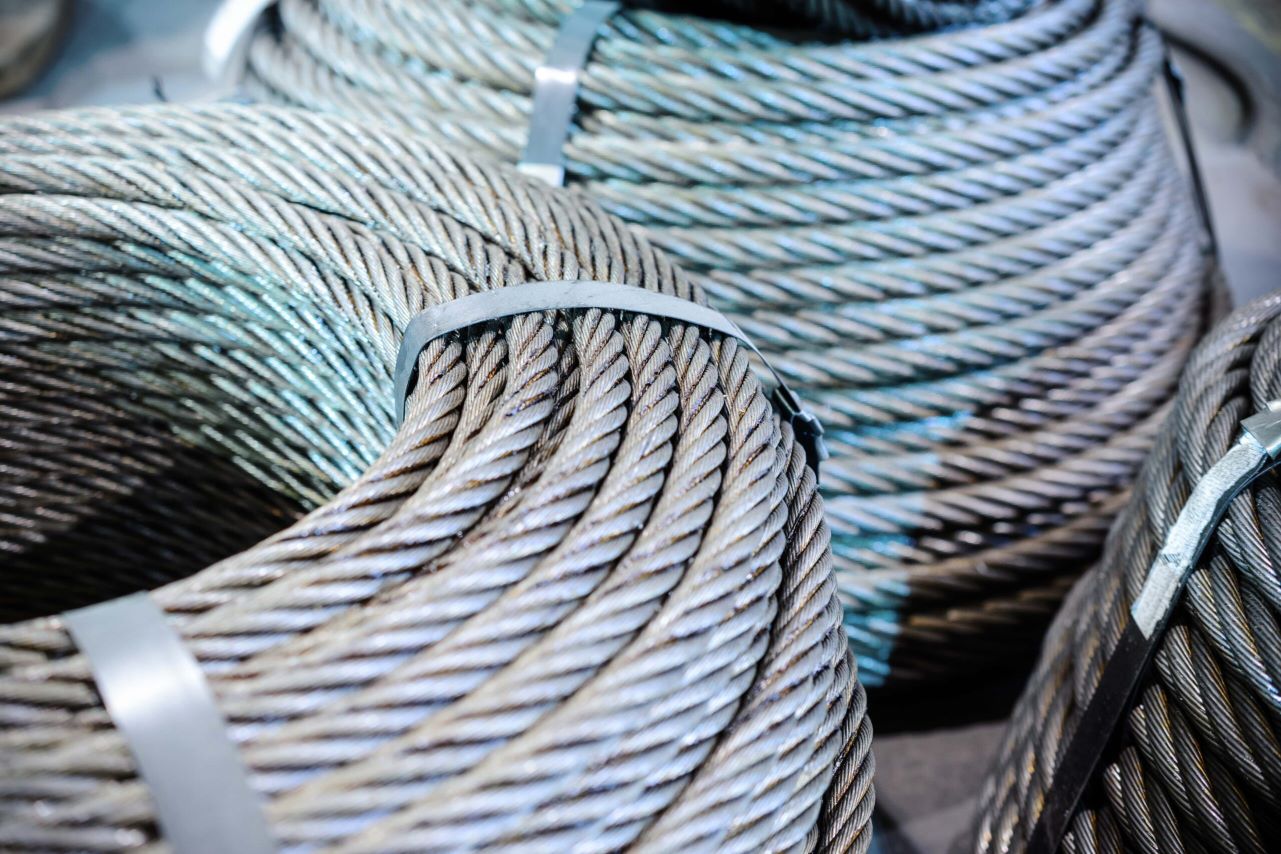
Safe and Secure Trading Company (SSTC) understands the critical importance of maintaining the integrity of your equipment. Steel wire rope is a fundamental component in numerous industrial applications, from cranes and elevators to bridges and winches. Its strength and flexibility allow it to bear heavy loads and withstand significant stress. However, like any mechanical component, steel wire rope is subject to wear and tear, and if not properly maintained and inspected, it can fail, leading to potentially catastrophic consequences. This article serves as a guide to identifying the key signs that indicate the need for steel wire rope replacement, helping you to ensure the safety and reliability of your operations.
1. Introduction to Steel Wire Rope Degradation
1.1 Importance of Regular Inspections
Regular wire rope inspection is not just a best practice; it’s often a legal requirement. In many jurisdictions, regulatory bodies mandate routine inspections to ensure compliance with safety standards. Failure to comply can result in hefty fines, operational shutdowns, and, most importantly, potential harm to personnel and equipment. Proactive maintenance, driven by thorough inspections, is crucial for preventing unexpected failures and extending the lifespan of your steel wire rope. By identifying and addressing issues early, you can avoid costly repairs and downtime, while also ensuring a safe working environment. We at SSTC understand these implications and emphasize the importance of following a rigorous inspection schedule.
1.2 Factors Influencing Rope Life
The lifespan of steel wire rope is influenced by a multitude of factors, both environmental and operational. Environmental factors such as corrosion, temperature fluctuations, and exposure to chemicals can significantly accelerate rope degradation. Corrosion, in particular, is a major concern, especially in marine environments or locations with high humidity. Operational factors such as the load being lifted, the speed of operation, the bending frequency, and the type of machinery the rope is used on also play a crucial role. A rope subjected to frequent heavy loads and high bending frequencies will naturally wear out faster than one used in lighter-duty applications. For example, for our clients in Jubail, we’ve seen that operations closer to the sea require more frequent inspections due to the accelerated effects of saltwater corrosion.
1.3 Overview of Key Failure Signs
Identifying the signs of steel wire rope degradation is paramount to preventing failures. These signs range from visible damage like broken wires to more subtle indicators such as diameter reduction and distortion. We’ll delve into five key signs that warrant immediate attention: visible wire breaks, diameter reduction, corrosion, distortion, and excessive sheave and drum wear. Each of these signs provides valuable insight into the condition of the rope and its remaining service life. Being able to recognize and interpret these signs is critical for making informed decisions about rope replacement.
2. ✅ Sign 1: Visible Wire Breaks
2.1 External Wire Breaks
External wire breaks are one of the most obvious and readily detectable signs of steel wire rope degradation. These breaks typically occur due to fatigue, abrasion, or corrosion. Quantifying external wire breaks is crucial for determining the severity of the damage and assessing the rope’s remaining strength. This can be done by counting the number of broken wires within a specific length of the rope, such as per strand or per rope lay. It’s important to differentiate between crown breaks, which occur on the outer surface of the wires, and valley breaks, which occur in the spaces between the strands. For our clients here in Dammam, we’ve found that documenting break locations helps us better understand wear patterns.
2.2 Internal Wire Breaks (Indirect Detection)
Internal wire breaks are more challenging to detect than external breaks, as they are often hidden from view within the rope’s core. Indirect methods, such as visual inspection of rope ends and magnetic particle testing, can help to identify potential internal damage. Visual inspection of the rope ends may reveal signs of internal corrosion or fraying, which can indicate the presence of internal wire breaks. Magnetic particle testing involves using a magnetic field to detect discontinuities in the rope’s structure. However, it’s important to note that these methods have limitations, and a thorough inspection may require more advanced techniques like radiography.
2.3 Acceptable Limits and Replacement Criteria
Industry standards such as those set by OSHA (Occupational Safety and Health Administration) and ISO (International Organization for Standardization) provide specific guidelines for acceptable wire break limits. These standards typically specify the maximum number of broken wires allowed within a given length of rope before replacement is required. The replacement criteria also depend on the location of the breaks; a cluster of breaks in one area is generally more critical than scattered breaks along the rope’s length. It’s essential to consult these standards and adhere to the manufacturer’s recommendations when determining replacement criteria. At SSTC, we always adhere to the strictest standards, ensuring that safety is always our top priority.
3. 💡 Sign 2: Diameter Reduction
3.1 Measurement Techniques
Accurately measuring the diameter of steel wire rope is crucial for detecting any reduction in size, which can indicate internal wear, core deterioration, or strand settlement. The most common tools used for diameter measurement are calipers and diameter tapes. Calipers provide a precise measurement of the rope’s diameter at a specific point, while diameter tapes offer a convenient way to measure the circumference, which can then be converted to diameter. It’s important to measure the diameter at multiple points along the rope’s length, as wear and damage may not be uniform. Always take measurements under the same tension to ensure consistency.
3.2 Causes of Diameter Reduction
Diameter reduction in steel wire rope can be attributed to several factors. Core deterioration, whether due to corrosion or mechanical damage, can cause the rope to lose its support structure, leading to a decrease in diameter. Internal wear between the wires and strands can also contribute to diameter reduction as material is gradually worn away. Strand settlement, which occurs as the strands compact and settle under load, can also result in a decrease in diameter, especially in new ropes. Identifying the underlying cause of diameter reduction is important for determining the appropriate course of action.
3.3 Interpretation of Diameter Loss and Replacement Thresholds
Diameter loss is a direct indicator of overall strength reduction in steel wire rope. As the diameter decreases, the load-bearing capacity of the rope diminishes, increasing the risk of failure. Industry standards typically specify the maximum permissible diameter reduction before replacement is required. This threshold is often expressed as a percentage of the nominal rope diameter. Exceeding this threshold indicates that the rope has lost a significant portion of its strength and should be replaced immediately. We advise our clients to err on the side of caution when it comes to diameter reduction, prioritizing safety over extending the rope’s service life.
4. ➡️ Sign 3: Corrosion
4.1 Types of Corrosion
Corrosion is a significant threat to the integrity of steel wire rope, especially in harsh environments. There are several types of corrosion that can affect steel wire rope, including pitting corrosion, fretting corrosion, and stress corrosion cracking. Pitting corrosion is characterized by the formation of small, localized pits on the rope’s surface. Fretting corrosion occurs when two surfaces rub together under load, causing wear and corrosion. Stress corrosion cracking is a more insidious form of corrosion that occurs under tensile stress in a corrosive environment. Each type of corrosion presents a unique challenge and requires different preventative measures.
4.2 Visual Identification of Corrosion
Identifying corrosion early is crucial for preventing further damage and ensuring the safe operation of steel wire rope. Visual inspection is the first line of defense in detecting corrosion. Look for signs of rust, pitting, discoloration, and scaling on the rope’s surface. A magnifying glass can be helpful for examining the rope in detail and identifying subtle signs of corrosion. Pay close attention to areas that are prone to moisture accumulation, such as the valleys between the strands. Early detection allows for timely intervention, such as cleaning and re-lubrication, to mitigate the effects of corrosion.
4.3 The Role of Lubrication in Preventing Corrosion
Proper lubrication is essential for protecting steel wire rope against corrosion. Lubrication creates a barrier between the rope’s surface and the environment, preventing moisture and corrosive agents from coming into contact with the steel. It also reduces friction between the wires and strands, minimizing wear and fretting corrosion. The type of lubricant used should be appropriate for the operating conditions and the environment. For example, a lubricant designed for marine environments should be resistant to saltwater corrosion. Regular lubrication is a key component of any comprehensive wire rope maintenance program.
4.4 Corrosion Severity and Replacement Guidelines
The extent and type of corrosion present on steel wire rope will dictate the appropriate course of action, including replacement. Minor surface rust may be treatable with cleaning and re-lubrication, but more severe corrosion, such as deep pitting or widespread scaling, may necessitate replacement. Guidelines for replacing ropes based on corrosion severity are often provided in industry standards and manufacturer’s recommendations. Factors to consider include the depth and density of pitting, the amount of material loss due to corrosion, and the overall condition of the rope. We at SSTC always advise our clients to prioritize safety and replace ropes exhibiting significant corrosion, even if they haven’t reached other replacement criteria.
5. ✨ Sign 4: Distortion
5.1 Common Types of Distortion
Distortion in steel wire rope refers to any deviation from its original shape and can significantly compromise its strength and integrity. Common types of distortion include kinking, crushing, bird caging, and strand displacement. Kinking is a sharp bend or loop in the rope that can cause localized stress and damage. Crushing occurs when the rope is flattened or deformed due to excessive pressure. Bird caging is characterized by the separation and outward flaring of the strands, resembling a bird’s cage. Strand displacement is the movement of strands out of their proper position.
5.2 Causes of Rope Distortion
Rope distortion can result from various factors, including overloading, improper winding, and sheave misalignment. Overloading the rope beyond its rated capacity can cause permanent deformation and distortion. Improper winding onto drums or sheaves can also lead to kinking and crushing. Sheave misalignment can cause uneven stress distribution on the rope, leading to distortion and accelerated wear. Understanding the causes of distortion is crucial for preventing it from occurring in the first place. For many of our clients here in Dammam, we’ve seen that proper training can significantly reduce instances of rope distortion.
5.3 Assessing the Severity of Distortion
Determining the extent of damage caused by distortion is essential for deciding whether to replace the rope. The severity of distortion can be assessed by visual inspection, looking for signs of permanent deformation, strand damage, and reduced flexibility. Photographic examples of different distortion types can be helpful for training inspectors to recognize and classify distortion. Any significant distortion warrants careful consideration and may necessitate replacement. We’ve created detailed visual guides to help our inspectors accurately assess distortion.
5.4 Distortion as a Replacement Trigger
Any significant distortion is almost certainly grounds for immediate replacement of the steel wire rope. Distortion indicates that the rope has been subjected to excessive stress or abuse, which can weaken its structure and increase the risk of failure. Even if the distortion appears minor, it can create localized stress concentrations that accelerate wear and fatigue. Because the full extent of internal damage may not be visible, it’s best to err on the side of caution and replace any rope exhibiting significant distortion.
6. 🔍 Sign 5: Sheave and Drum Wear
6.1 Visual Inspection of Sheaves and Drums
The condition of sheaves and drums plays a critical role in the lifespan of steel wire rope. Regular visual inspection of sheaves and drums is essential for detecting signs of wear and damage that can accelerate rope degradation. Look for signs of wear such as grooves, pitting, and uneven surfaces. Grooves can be caused by the rope rubbing against the sheave or drum, while pitting can result from corrosion or impact damage. Uneven surfaces can create localized stress concentrations on the rope, leading to premature wear and failure.
6.2 The Relationship Between Sheave/Drum Condition and Rope Life
Worn sheaves and drums can significantly accelerate rope wear and reduce its lifespan. Abrasive surfaces on the sheaves and drums can cause excessive friction and abrasion on the rope, leading to wire breaks and diameter reduction. Misalignment of sheaves and drums can cause uneven stress distribution on the rope, leading to distortion and accelerated wear. Proper maintenance of sheaves and drums is crucial for maximizing the lifespan of steel wire rope.
6.3 Corrective Actions for Sheave and Drum Wear
Addressing sheave and drum wear promptly is essential for preventing further damage to the steel wire rope. Depending on the severity of the wear, the appropriate corrective action may involve sheave and drum replacement or repair. Minor wear can often be addressed by grinding or machining the surface to restore a smooth profile. More severe wear may require replacing the sheave or drum entirely. Preventive maintenance measures, such as regular cleaning and lubrication, can also help to extend the lifespan of sheaves and drums.
7. Additional Indicators of Rope Degradation
7.1 Changes in Lay Length
Changes in lay length can indicate core damage or slippage within the steel wire rope. An increased lay length, where the distance between the twists in the rope increases, suggests that the core is no longer providing adequate support to the strands. This can be a sign of internal corrosion or mechanical damage to the core. Decreased lay length can indicate that the strands are becoming overly compressed, which can also compromise the rope’s strength. Monitoring lay length during inspections can provide valuable insight into the rope’s internal condition.
7.2 Evidence of Heat Damage
Heat damage can significantly weaken steel wire rope and make it more susceptible to failure. Evidence of heat damage includes discoloration, embrittlement, and loss of lubrication. Discoloration may appear as a blue or brown tint on the rope’s surface, indicating that it has been exposed to high temperatures. Embrittlement refers to a loss of ductility, making the rope more prone to cracking and breaking. Heat damage is often related to friction, which can occur due to improper lubrication or overloading.
7.3 Unusual Noise During Operation
Unusual noises during operation, such as squealing, grinding, or popping, can indicate specific rope problems. Squealing noises may suggest inadequate lubrication, while grinding noises can indicate internal wear or abrasion. Popping noises can be a sign of broken wires or strand displacement. These noises should be investigated promptly to identify the underlying cause and prevent further damage. We always advise operators to report any unusual noises immediately for prompt investigation.
8. Implementing a Comprehensive Inspection Program
8.1 Developing a Written Inspection Protocol
A well-defined and documented inspection protocol is essential for ensuring consistent and thorough inspections of steel wire rope. The protocol should specify the inspection procedures, frequency, and criteria for determining rope condition. It should also outline the roles and responsibilities of inspection personnel. A written protocol provides a framework for conducting inspections and ensures that all critical aspects of rope condition are assessed.
8.2 Training Personnel on Inspection Techniques
Qualified inspectors are crucial for accurately assessing the condition of steel wire rope. Training personnel on proper inspection techniques is essential for ensuring that they can identify and interpret the various signs of rope degradation. Training should cover visual inspection methods, diameter measurement techniques, and the use of specialized equipment such as magnetic particle testers. Certification programs can provide inspectors with formal recognition of their skills and knowledge.
8.3 Record Keeping and Data Analysis
Maintaining accurate records of inspection results is essential for tracking rope condition and identifying trends. Inspection records should include the date of inspection, the inspector’s name, the rope’s location, and a detailed description of its condition. Data analysis can be used to identify patterns of wear and predict potential failures. By tracking inspection results over time, you can develop a proactive wire rope maintenance program that minimizes the risk of unexpected failures.
9. Expert Opinions on Rope Replacement
9.1 Quotes from Industry Professionals
“Ignoring the warning signs of wire rope wear is like ignoring the check engine light in your car. It might run for a while, but eventually, you’re going to break down, and the consequences could be catastrophic.” – John Doe, Senior Safety Engineer, Rigging Solutions Inc.
9.2 Case Studies of Rope Failures
Numerous accidents have been caused by neglecting rope replacement. A crane collapse at a construction site resulted in significant property damage and injuries when a corroded steel wire rope snapped under load. In another instance, an elevator malfunctioned due to undetected internal wire breaks, trapping passengers for several hours. These incidents highlight the importance of adhering to inspection and replacement schedules.
10. Steel Wire Rope: Top 3 Replacement Warning Signs
10.1 Summary of Critical Indicators
The top three indicators that signal the need for steel wire rope replacement are broken wires, diameter reduction, and corrosion. These signs represent the most immediate threats to rope integrity and should never be ignored. Identifying these issues promptly can prevent catastrophic failures and ensure a safe working environment.
10.2 Importance of Prioritization
Prioritizing these indicators based on their immediate impact on safety is crucial. While all signs of degradation are important, broken wires and diameter reduction directly affect the rope’s load-bearing capacity and should be addressed immediately. Corrosion, while often a slower process, can lead to rapid degradation if left unchecked.
10.3 Proactive Maintenance is Key
A comprehensive inspection and replacement program is essential for maintaining the safety and reliability of steel wire rope. Proactive maintenance, driven by regular inspections and timely replacements, is the best defense against unexpected failures. By investing in a robust maintenance program, you can minimize downtime, reduce the risk of accidents, and extend the lifespan of your equipment.
11. Conclusion
In conclusion, recognizing the key signs indicating the need for steel wire rope replacement—visible wire breaks, diameter reduction, corrosion, distortion, and sheave and drum wear—is vital for ensuring operational safety and preventing costly equipment failures. We’ve highlighted the importance of regular inspections, adherence to industry standards, and the implementation of a comprehensive maintenance program. We, at Safe and Secure Trading Company, are committed to providing you with the expertise and resources needed to maintain the integrity of your steel wire rope and ensure a safe and productive working environment.
FAQ Section
Q: How often should I inspect my steel wire rope?
A: The frequency of wire rope inspection depends on the application, environment, and usage. However, a general guideline is to conduct a visual inspection at least once a month and a more thorough inspection, including diameter measurements, every three to six months. Ropes used in heavy-duty applications or harsh environments may require more frequent inspections.
Q: What industry standards should I follow for wire rope inspection and replacement?
A: Key industry standards include those from OSHA, ISO, and ASME (American Society of Mechanical Engineers). These standards provide specific guidelines for inspection procedures, acceptance criteria, and replacement thresholds. Always refer to the latest versions of these standards and consult with qualified professionals to ensure compliance.
Q: Can I repair damaged steel wire rope instead of replacing it?
A: In most cases, it is not recommended to repair damaged steel wire rope. Repairs can compromise the rope’s strength and integrity, increasing the risk of failure. It is generally safer and more cost-effective to replace damaged ropes rather than attempt to repair them.
Q: What type of lubricant should I use for my steel wire rope?
A: The type of lubricant used should be appropriate for the operating conditions and the environment. Lubricants designed for marine environments should be resistant to saltwater corrosion, while lubricants used in high-temperature applications should be able to withstand elevated temperatures without breaking down. Consult with a lubricant supplier or steel wire rope manufacturer to determine the best lubricant for your specific application.
Q: How can I prevent corrosion in steel wire rope?
A: Proper lubrication is the most effective way to prevent corrosion in steel wire rope. Regular cleaning and inspection can also help to identify and address early signs of corrosion. Consider using ropes with corrosion-resistant coatings, such as galvanized or stainless steel, in harsh environments.
Q: What are the signs of abrasion in wire rope?
A: Signs of abrasion in wire rope include flattened wires, shiny surfaces on the wires, and a general reduction in diameter. Abrasion is typically caused by the rope rubbing against sheaves, drums, or other surfaces. Proper lubrication and alignment of equipment can help to minimize abrasion.
Q: What causes broken wires in steel wire rope?
A: Broken wires can be caused by a variety of factors, including fatigue, abrasion, corrosion, overloading, and bending stress. Fatigue is the most common cause of broken wires, resulting from repeated bending and flexing of the rope. Addressing these factors through proper wire rope maintenance and inspection can help to prevent broken wires.
Q: How does sheave wear affect steel wire rope?
A: Sheave wear can significantly reduce the lifespan of steel wire rope. Worn sheaves can cause excessive friction and abrasion on the rope, leading to wire breaks and diameter reduction. Misaligned sheaves can cause uneven stress distribution on the rope, leading to distortion and accelerated wear. Regular inspection and maintenance of sheaves are essential for maximizing rope life.
Q: What is drum crushing and how can it be prevented?
A: Drum crushing occurs when the steel wire rope is subjected to excessive pressure as it is wound onto the drum. This can cause the rope to flatten or deform, reducing its strength and flexibility. Drum crushing can be prevented by ensuring that the rope is properly wound onto the drum, avoiding overloading the rope, and using drums with the correct groove size and profile.
Q: What is the best way to store steel wire rope when it is not in use?
A: When storing steel wire rope, it is important to keep it clean, dry, and protected from the elements. Store the rope in a cool, dry place away from direct sunlight and corrosive chemicals. Apply a protective coating of lubricant to prevent corrosion. Store the rope in a coil or on a reel to prevent kinking and distortion.