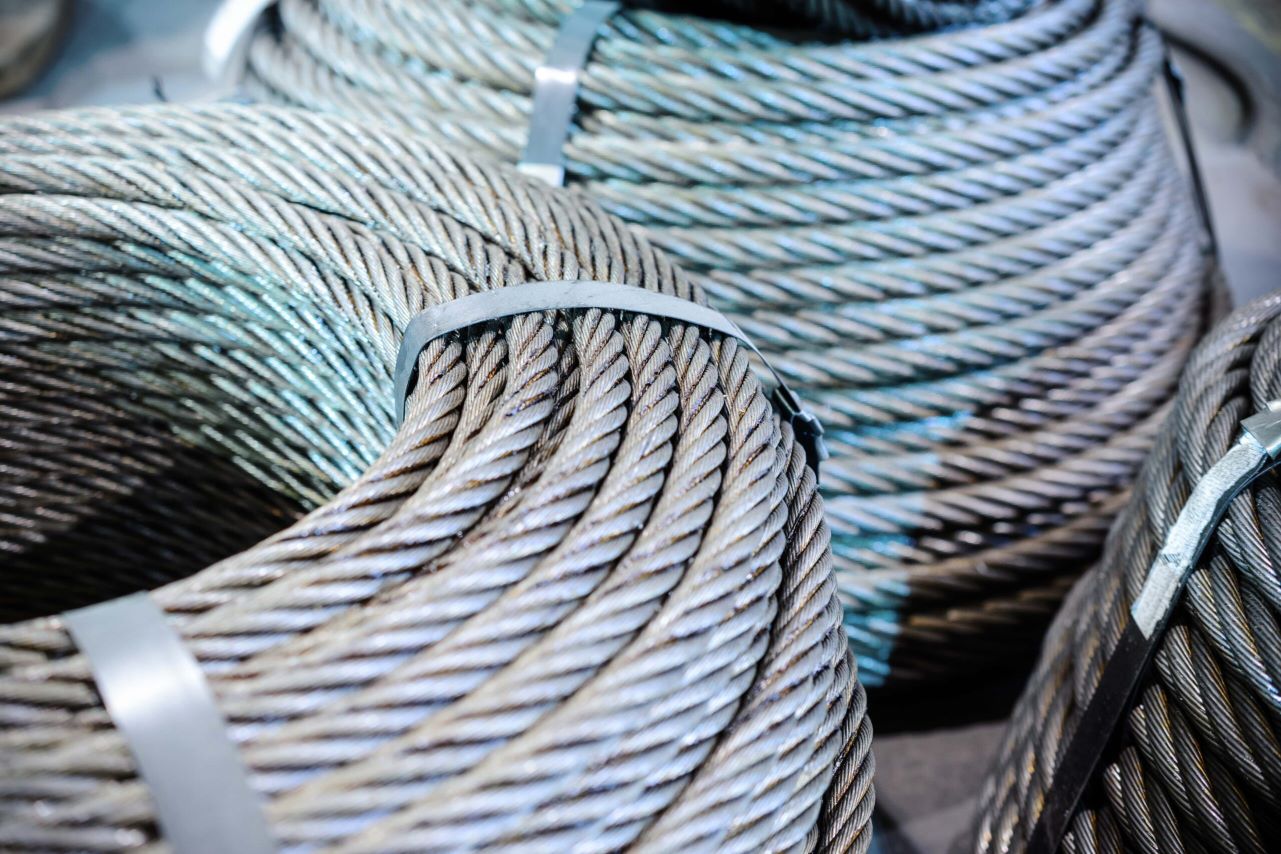
Rope vs. Chain: Strength Showdown
Introduction: Steel Wire Rope vs. Chain – A Strength Overview
Steel wire rope and chain are indispensable components in lifting, rigging, and hoisting operations across various industries. Both offer unique advantages and are selected based on the specific demands of the application. The selection process requires careful consideration of factors such as load type, environmental conditions, and safety requirements.
Understanding the strength characteristics of steel wire rope and chain is paramount for ensuring the safety and efficiency of any lifting operation. Improper selection or use of these materials can lead to catastrophic failures, resulting in property damage, injuries, or even fatalities. Therefore, a thorough understanding of their respective strengths and limitations is crucial.
This article aims to provide a comprehensive comparison of the strength capabilities of steel wire rope and chain. We, at Safe and Secure Trading Company (SSTC), will delve into various aspects, including tensile strength, yield strength, safe working load, elasticity, weight-to-strength ratio, fatigue resistance, corrosion resistance, and shock loading, providing you with the knowledge to make informed decisions for your specific needs.
Tensile Strength: The Ultimate Load-Bearing Capacity
Tensile strength is the maximum stress a material can withstand while being stretched or pulled before breaking. It is a crucial property in lifting applications, as it determines the ultimate load-bearing capacity of the material. A higher tensile strength indicates that the material can withstand greater pulling forces before fracturing.
Steel wire rope exhibits a wide range of tensile strengths depending on the grade of steel used and the construction of the rope. Common grades include improved plow steel (IPS) and extra improved plow steel (EIPS), with EIPS offering higher tensile strength. The tensile strength also varies with the rope’s diameter and the number of wires per strand. For example, a 1-inch diameter EIPS steel wire rope can have a tensile strength exceeding 90,000 lbs.
Chains also come in various grades, each with a specific tensile strength. Grade 80 and Grade 100 chains are commonly used for overhead lifting, with Grade 100 offering approximately 25% higher tensile strength than Grade 80 for the same size. The tensile strength of a chain is determined by the material, link size, and manufacturing process. A 1/2-inch Grade 100 chain, for instance, can have a tensile strength of around 50,000 lbs.
In general, for a given diameter, steel wire rope tends to have a higher tensile strength than chain. This is because the individual steel wires in the rope are cold-drawn, which increases their tensile strength. However, the overall strength also depends on the specific grade and construction of both the rope and the chain.
The breaking strength of both materials can be calculated using formulas that take into account the material’s tensile strength and cross-sectional area. For steel wire rope, the breaking strength is often provided by the manufacturer in a catalog or specification sheet. For chain, the breaking strength can be calculated using the following formula: Breaking Strength = k * d^2, where k is a constant specific to the chain grade, and d is the diameter of the chain link in inches.
> “Understanding the tensile strength of your lifting equipment is paramount. Always consult manufacturer specifications and adhere to recommended safety factors.” – John Miller, Lead Safety Inspector
Yield Strength: Resistance to Permanent Deformation
Yield strength is defined as the amount of stress a material can withstand without undergoing permanent deformation. It’s a critical factor to consider in lifting applications as exceeding this limit can lead to irreversible changes in the material’s shape and performance. This means the equipment will be compromised even if it hasn’t broken, and will have to be replaced.
Steel wire rope typically has a higher yield strength compared to chain for a given size and grade. This is because the tightly wound wires in the rope distribute the load more evenly, reducing the stress concentration at any single point. This allows the rope to withstand higher loads without permanently stretching or deforming.
When the yield strength of steel wire rope is exceeded, the rope may experience permanent elongation or distortion. This can affect its ability to maintain its original shape and dimensions, leading to reduced load-bearing capacity and potential failure. Regular inspection is crucial to detect any signs of yielding.
Similarly, exceeding the yield strength of a chain can cause permanent deformation of the links. This deformation can weaken the chain and make it more susceptible to failure under subsequent loads. Once a chain has been subjected to loads exceeding its yield strength, it should be removed from service.
Our experience at SSTC shows that operators sometimes overload equipment, leading to yield strength failure. For many of our clients here in Dammam, we’ve emphasized the importance of proper load monitoring and adherence to SWL to prevent such incidents. We once worked with a client who was experiencing frequent chain failures. After investigation, it was revealed that they were consistently exceeding the chain’s yield strength due to improper load estimation. We implemented a training program that covered load estimation techniques and the importance of adhering to SWL. This significantly reduced the number of failures and improved the overall safety of their operations.
Safe Working Load (SWL) and Design Factor: Ensuring Safety Margins
Safe Working Load (SWL), also known as Working Load Limit (WLL), is the maximum load that a lifting device or piece of equipment can safely lift without the risk of failure. It is a critical parameter that ensures the safety of lifting operations. SWL is always significantly lower than the tensile strength of the material to account for dynamic loading, wear and tear, and other unforeseen factors.
The design factor, also known as the safety factor, is a numerical value that represents the ratio between the minimum breaking strength of a component and its SWL. It provides a safety margin to account for uncertainties in load estimation, material properties, and operating conditions. A higher design factor indicates a greater safety margin.
Typical design factors for steel wire rope range from 5:1 to 10:1, depending on the application and industry standards. For example, in critical overhead lifting applications, a design factor of 10:1 may be required. For chain, design factors typically range from 4:1 to 5:1 for overhead lifting applications.
The SWL is calculated by dividing the minimum breaking strength of the material by the design factor. For example, if a steel wire rope has a minimum breaking strength of 50,000 lbs and a design factor of 5:1, its SWL would be 10,000 lbs.
Adhering to the SWL is paramount to prevent accidents and equipment failure. Overloading a lifting device or piece of equipment can lead to catastrophic consequences, including structural failure, dropped loads, and serious injuries. Regular inspection and maintenance are also crucial to ensure that the SWL remains valid throughout the lifespan of the equipment.
Elasticity and Elongation: Behavior Under Load
Elasticity is the ability of a material to return to its original shape after being deformed by an external force. It is an important property in lifting applications, as it allows the material to absorb shock loads and distribute stress more evenly. A more elastic material can better withstand sudden impacts and prevent damage to the lifting system.
Steel wire rope generally exhibits higher elasticity compared to chain. The construction of the rope, with its multiple strands and wires, allows it to stretch and deform more readily under load, absorbing energy and reducing the peak stress on the system. This makes steel wire rope particularly suitable for applications where shock loading is a concern.
Elongation refers to the amount of stretch a material experiences under load. Both steel wire rope and chain will elongate when subjected to tensile forces. However, the amount of elongation varies depending on the material properties, load magnitude, and length of the material.
Under load, steel wire rope will elongate to a certain extent. This elongation is typically elastic, meaning the rope will return to its original length when the load is removed. However, if the load exceeds the yield strength of the rope, permanent elongation may occur. The extent of elongation can impact the accuracy and control of lifting operations, especially when precise positioning is required.
Chain also experiences elongation under load. However, chain typically exhibits less elasticity and more permanent elongation compared to steel wire rope. This is because the rigid links of the chain do not deform as readily as the wires in the rope. Excessive elongation in a chain can indicate that it has been overloaded and may be nearing its breaking point.
Weight-to-Strength Ratio: Optimizing for Efficiency
Weight-to-strength ratio is a critical metric that compares the weight of a material to its strength. In the context of lifting and rigging, it refers to the amount of weight a material can lift relative to its own weight. A lower weight-to-strength ratio indicates that the material is stronger for its weight, making it more efficient for lifting applications.
Steel wire rope generally boasts a superior weight-to-strength ratio compared to chain. This means that for a given lifting capacity, steel wire rope will typically be lighter than chain. This difference can be significant, especially in applications where weight is a major concern.
The favorable weight-to-strength ratio of steel wire rope translates to several advantages. Lighter lifting equipment is easier to handle, transport, and install. This can reduce labor costs, improve efficiency, and enhance safety. In addition, lighter equipment can reduce the overall load on supporting structures, which is crucial in applications with weight restrictions.
However, chain offers its own advantages in terms of durability and abrasion resistance. While it may be heavier than steel wire rope for the same lifting capacity, chain is less susceptible to damage from sharp edges, abrasion, and harsh environments. This makes chain a suitable choice for applications where durability is paramount, even if it means sacrificing some weight efficiency.
Fatigue Resistance: Withstanding Repeated Stress Cycles
Fatigue resistance is a material’s ability to withstand repeated stress cycles without failing. In lifting applications, materials are often subjected to cyclical loading and unloading, which can lead to fatigue damage over time. High fatigue resistance is crucial for ensuring the long-term reliability and safety of lifting equipment.
Steel wire rope generally exhibits good fatigue resistance due to its construction. The multiple wires and strands in the rope distribute the load and reduce stress concentrations, which helps to slow down the fatigue process. However, fatigue life can be affected by factors such as load frequency, stress levels, and environmental conditions. Regular inspection is vital to identify any signs of fatigue damage.
Chain also possesses good fatigue resistance, particularly when made from high-quality alloy steel. The individual links in the chain are designed to withstand repeated stress cycles without cracking or fracturing. However, fatigue life can be reduced by factors such as corrosion, wear, and overloading. Proper maintenance and lubrication are essential for maximizing the fatigue life of chains.
Load frequency, stress levels, and environmental conditions all play a significant role in determining the fatigue life of both steel wire rope and chain. Higher load frequencies, higher stress levels, and exposure to corrosive environments can accelerate the fatigue process. It is important to carefully consider these factors when selecting lifting equipment and to implement appropriate maintenance practices.
Assessing and managing fatigue damage is crucial for preventing failures. Regular inspections should be conducted to identify any signs of cracking, wear, or corrosion. Non-destructive testing methods, such as ultrasonic testing and magnetic particle inspection, can be used to detect subsurface cracks and other defects. Damaged or worn-out materials should be promptly removed from service to prevent catastrophic failures.
Corrosion Resistance: Durability in Harsh Environments
Corrosion resistance is a material’s ability to withstand degradation caused by chemical or electrochemical reactions with its environment. In lifting applications, materials are often exposed to harsh environments, such as saltwater, chemicals, and extreme temperatures, which can accelerate corrosion. Adequate corrosion resistance is crucial for maintaining the strength and integrity of lifting equipment.
Steel wire rope is susceptible to corrosion, particularly in marine environments. The steel wires can rust and weaken over time, reducing the rope’s load-bearing capacity. However, various methods can be used to protect against corrosion, such as galvanization and coatings. Galvanization involves coating the steel wires with a layer of zinc, which acts as a barrier against corrosion. Coatings, such as epoxy or polyurethane, can also provide a protective layer.
Chain is also susceptible to corrosion, especially if it is not properly maintained. Rust and pitting can weaken the chain links and reduce their strength. However, chains can be protected against corrosion through various methods, such as galvanization, plating, and painting. Galvanized chain is commonly used in marine environments due to its superior corrosion resistance.
The susceptibility of steel wire rope and chain to different types of corrosion depends on the specific environment and the materials used. For example, saltwater can cause rapid corrosion of unprotected steel, while exposure to certain chemicals can lead to localized pitting corrosion. It is important to select materials and protective coatings that are suitable for the specific environment.
Regular inspection and maintenance are crucial for preventing corrosion-related failures. Inspections should be conducted to identify any signs of rust, pitting, or other forms of corrosion. Lubrication can help to prevent corrosion by creating a barrier between the metal surface and the environment. Damaged or corroded materials should be promptly removed from service to prevent accidents.
Shock Loading: Handling Sudden Impacts
Shock loading refers to the sudden application of a force or load to a material or structure. It can occur when a load is dropped, suddenly stopped, or subjected to a rapid acceleration. Shock loads can be significantly higher than static loads and can cause severe damage to lifting equipment. The ability to withstand shock loads is crucial for ensuring the safety and reliability of lifting operations.
Steel wire rope generally exhibits a better ability to withstand shock loads compared to chain due to its higher elasticity. The construction of the rope allows it to stretch and absorb energy, reducing the peak stress on the system. This makes steel wire rope a preferred choice for applications where shock loading is a concern, such as crane lifting and towing.
Chain, on the other hand, is less able to absorb shock loads due to its lower elasticity. When subjected to a sudden impact, the rigid links of the chain can experience high stress concentrations, which can lead to cracking or fracture. This makes chain more vulnerable to damage from shock loading.
The factors that influence shock load capacity include material properties, design, and the magnitude and duration of the impact. Materials with higher tensile strength and elasticity tend to have better shock load capacity. Design features, such as shock absorbers and energy-absorbing elements, can also help to mitigate the effects of shock loading.
Mitigating the risk of shock loading is essential for preventing accidents and equipment failure. This can be achieved through careful planning, proper operating procedures, and the use of appropriate equipment. Loads should be lifted and lowered smoothly and gradually, avoiding sudden starts and stops. Shock absorbers or other energy-absorbing devices can be used to reduce the impact force on the lifting system.
Inspection and Maintenance: Ensuring Continued Performance
Regular inspection and maintenance are essential for ensuring the continued performance and safety of steel wire rope and chain. Inspections should be conducted to identify any signs of damage, wear, or corrosion. Maintenance procedures, such as lubrication and cleaning, can help to prevent deterioration and extend the lifespan of the materials.
The recommended inspection procedures for steel wire rope include visual examination, measurement of diameter, and non-destructive testing. Visual examination should be conducted to identify any signs of broken wires, corrosion, or distortion. The diameter of the rope should be measured to check for excessive wear. Non-destructive testing methods, such as magnetic particle inspection, can be used to detect subsurface cracks and other defects.
Key signs of damage or wear that require attention include broken wires, corrosion, abrasion, kinking, and distortion. Broken wires can reduce the rope’s load-bearing capacity and increase the risk of failure. Corrosion can weaken the steel wires and lead to premature failure. Abrasion can wear down the outer layers of the rope, reducing its diameter and strength. Kinking and distortion can damage the internal structure of the rope.
The importance of regular lubrication and maintenance cannot be overstated. Lubrication helps to reduce friction between the wires and strands, preventing wear and corrosion. The lubricant should be applied evenly and regularly to ensure that all parts of the rope are protected. Maintenance procedures, such as cleaning and tightening, can help to prevent deterioration and extend the lifespan of the rope.
Proper procedures for removing damaged or worn-out materials from service should be followed to prevent accidents. Damaged or worn-out ropes and chains should be tagged and quarantined to prevent their reuse. The materials should be disposed of properly in accordance with local regulations.
Application-Specific Considerations: Choosing the Right Material
The choice between steel wire rope and chain depends on the specific application and its requirements. Both materials have their strengths and weaknesses, and the optimal choice depends on factors such as load type, environmental conditions, and safety requirements. Some applications are better suited to steel wire rope, while others are better suited to chain.
Steel wire rope is often preferred over chain in applications where high tensile strength, elasticity, and a favorable weight-to-strength ratio are important. Examples include crane lifting, elevator cables, and suspension bridges. Steel wire rope is also a good choice for applications where shock loading is a concern.
Chain is often preferred over steel wire rope in applications where durability, abrasion resistance, and resistance to cutting are important. Examples include towing, logging, and construction. Chain is also a good choice for applications where the lifting equipment is exposed to harsh environments or rough handling.
Consider factors such as load type, environmental conditions, and safety requirements when selecting the right material. Static loads require high tensile strength, while dynamic loads require good elasticity. Corrosive environments require materials with high corrosion resistance. Safety requirements may dictate the use of specific design factors and inspection procedures.
Here’s a table summarizing common applications and the recommended material.
| Application |
Recommended Material |
Reason |
| Crane Lifting |
Steel Wire Rope |
High tensile strength, elasticity, and favorable weight-to-strength ratio. |
| Elevator Cables |
Steel Wire Rope |
High tensile strength, flexibility, and fatigue resistance. |
| Suspension Bridges |
Steel Wire Rope |
High tensile strength, durability, and resistance to corrosion. |
| Towing |
Chain |
High durability, abrasion resistance, and resistance to cutting. |
| Logging |
Chain |
High strength, durability, and resistance to harsh environments. |
| Construction |
Chain |
High strength, durability, and resistance to rough handling. |
| Overhead Lifting (General) |
Varies – Evaluate load, height and environment |
Evaluate shock loading, corrosion, weight, and abrasion factors. |
Conclusion: Making Informed Decisions for Safe Lifting
In summary, steel wire rope and chain each possess distinct strength characteristics that make them suitable for different lifting applications. Steel wire rope generally offers higher tensile strength, elasticity, and a better weight-to-strength ratio, making it ideal for applications where these properties are crucial. Chain, on the other hand, provides superior durability, abrasion resistance, and resistance to cutting, making it a better choice for harsh environments and heavy-duty applications.
Understanding the strength differences between steel wire rope and chain is essential for ensuring safe and efficient lifting operations. Factors such as tensile strength, yield strength, safe working load, elasticity, weight-to-strength ratio, fatigue resistance, corrosion resistance, and shock loading must be carefully considered when selecting the right material for the job.
Proper inspection, maintenance, and adherence to safety regulations are also critical for preventing accidents and equipment failure. Regular inspections should be conducted to identify any signs of damage, wear, or corrosion. Maintenance procedures, such as lubrication and cleaning, can help to prevent deterioration and extend the lifespan of the materials. Always adhere to the Safe Working Load (SWL) and other safety guidelines to ensure the safety of personnel and equipment.
We, at Safe and Secure Trading Company (SSTC), are committed to providing our clients with the highest quality lifting equipment and expert advice. By understanding the strengths and limitations of steel wire rope and chain, you can make informed decisions that will enhance the safety and efficiency of your lifting operations.
FAQ Section
Q: What is the main difference between steel wire rope and chain?
A: Steel wire rope generally has higher tensile strength and elasticity for a given weight, making it better for lifting heavy loads and absorbing shocks. Chain offers superior durability and resistance to abrasion, making it suitable for harsh environments.
Q: How do I determine the Safe Working Load (SWL) for steel wire rope and chain?
A: The SWL is calculated by dividing the minimum breaking strength of the material by the design factor (safety factor). Consult manufacturer specifications and industry standards for appropriate design factors.
Q: What are the key signs of damage or wear in steel wire rope and chain?
A: For steel wire rope, look for broken wires, corrosion, abrasion, kinking, and distortion. For chain, look for stretched or deformed links, cracks, corrosion, and wear.
Q: How often should I inspect steel wire rope and chain?
A: Inspections should be conducted regularly, ideally before each use, and at least monthly for frequently used equipment. More frequent inspections may be required in harsh environments or for critical applications.
Q: How can I protect steel wire rope and chain from corrosion?
A: Use materials with high corrosion resistance, such as galvanized steel or stainless steel. Apply protective coatings, such as paint or epoxy. Implement regular lubrication and cleaning procedures.
Q: What is the importance of fatigue resistance in lifting equipment?
A: Fatigue resistance is crucial for applications involving repeated loading and unloading. High fatigue resistance ensures the long-term reliability and safety of lifting equipment by preventing failures due to repeated stress cycles.
Q: What is shock loading and how does it affect steel wire rope and chain?
A: Shock loading is the sudden application of a force or load. Steel wire rope is better at absorbing shock loads due to its higher elasticity, while chain is more vulnerable to damage from shock loading.
Q: When should I choose steel wire rope over chain?
A: Choose steel wire rope when high tensile strength, elasticity, and a favorable weight-to-strength ratio are important, such as in crane lifting and elevator cables.
Q: When should I choose chain over steel wire rope?
A: Choose chain when durability, abrasion resistance, and resistance to cutting are important, such as in towing, logging, and construction.
Q: Where can I find expert advice on selecting the right lifting materials?
A: Contact Safe and Secure Trading Company (SSTC) for expert advice on selecting the right lifting materials for your specific needs. We can help you assess your application requirements and recommend the most suitable materials.