Understanding snatch block weight limits is crucial for ensuring safety and efficiency in various lifting and rigging operations. A snatch block, a versatile tool used across industries, can be deceptively simple in appearance, but its proper use and understanding of its limitations are paramount to preventing accidents. This guide, brought to you by Safe and Secure Trading Company (SSTC), will provide you with the knowledge necessary to safely utilize snatch blocks in your operations.
Understanding Snatch Blocks: A Beginner’s Guide
What is a Snatch Block?
A snatch block is essentially a specialized pulley system designed to lift heavy loads or redirect the pull of a rope or cable. For newcomers to rigging, understanding this simple definition is the first step toward safe and effective use. It’s a tool that offers mechanical advantage, making heavy lifting tasks more manageable and allowing for changes in the direction of force.
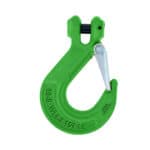
The basic components of a snatch block include the sheave (the grooved wheel that the rope runs over), the frame (which supports the sheave), and either a hook or a shackle (used to connect the block to the load or anchor point). Each component plays a critical role in the overall function and safety of the block.
Snatch blocks are incredibly useful for several reasons. They provide mechanical advantage, reducing the amount of force needed to lift a load. They also allow users to change the direction of pull, making it easier to maneuver loads in tight spaces or around obstacles. Imagine needing to lift a heavy crate onto a truck bed. Using a snatch block, you can pull downwards, using your body weight to assist, rather than struggling to lift upwards.
Why Snatch Block Weight Limits Matter
The weight limit of a snatch block, also known as its safe working load (SWL), is the maximum weight that the block is designed to handle safely. Exceeding this limit can lead to catastrophic failure, putting people and property at risk. This is why understanding and adhering to these limits is non-negotiable.
The Danger of Exceeding the Limit
Exceeding the snatch block weight limit can have severe consequences. The most immediate danger is equipment failure, where the block itself breaks or deforms under the excessive load. This can cause the load to drop unexpectedly, leading to serious injury or even fatality for anyone in the vicinity. Moreover, the sudden failure can damage the load itself, as well as surrounding structures or equipment.
There are numerous real-world examples of accidents caused by overloading snatch blocks. We once consulted on a case where a construction crew attempted to lift a precast concrete section using a block that was rated for a significantly lower weight. The block failed, causing the concrete section to swing wildly and strike a nearby worker. Such incidents underscore the critical importance of respecting weight limits and verifying load weights before lifting. Our team in Dubai has dealt with similar cases, emphasizing the global relevance of this issue.
How to Find the Safe Working Load (SWL)
Reading the Markings on the Block
The safe working load (SWL) is typically stamped directly onto the frame of the snatch block. This marking is your primary reference point for determining the block’s capacity. Always inspect the block carefully to locate this marking before use. Look for clear and legible numbers, often accompanied by the letters “SWL” or “WLL” (Working Load Limit).
The SWL may be expressed in different units, such as tons, kilograms, or pounds. Ensure you understand which unit is being used and convert it if necessary to match the weight of your load. For example, a block might be marked with “SWL 2 tons,” which means it can safely lift a load of up to 2 tons.
[IMAGE: Close-up photo of a snatch block with the SWL clearly marked.]
Understanding the Impact of Reeving
Reeving refers to the method of threading the rope or cable through the snatch blocks to create a block and tackle system. The way you reeve the system significantly affects the mechanical advantage and the overall weight capacity. Understanding this impact is critical for safe lifting.
Reeving affects weight capacity because each additional line running between the blocks reduces the amount of force needed to lift the load. However, it also increases the stress on the blocks themselves. For instance, a simple reeving system with two lines supporting the load provides a mechanical advantage of 2:1, meaning you only need to exert half the force to lift the load. However, the block must still be able to handle the tension in the rope, which is directly related to the load weight.
A simple formula for calculating the capacity based on reeving is:
Tension on Rope = Load Weight / Number of Lines Supporting the Load
This formula helps you determine the tension on each line, which must be within the SWL of the rope and the snatch block. Always account for the efficiency of the system (typically around 85-95%) due to friction.
Factors Affecting Snatch Block Capacity
Rope or Cable Strength
The strength of the rope or cable used with the snatch block is a critical factor in the overall safety of the lifting system. The rope must be as strong or stronger than the block’s SWL. Using a rope with a lower capacity than the block is a dangerous practice that can lead to rope failure and accidents.
Regularly inspect the rope or cable for wear and tear. Look for frays, kinks, corrosion, and any other signs of damage. These defects can significantly weaken the rope and reduce its load-bearing capacity. Replace any rope or cable that shows signs of damage, without hesitation.
[IMAGE: Example of damaged wire rope that is unsafe to use.]
Angle of the Load
The angle at which the load is lifted can significantly increase the stress on the snatch block and the rigging system. Angles create horizontal forces that add to the load, effectively increasing the weight the block must handle. Understanding how angles affect load is essential for safe lifting.
Angles increase stress because the force is no longer acting directly along the vertical axis. Instead, it is divided into vertical and horizontal components. The horizontal component pulls the block to the side, increasing the tension on the rope and the stress on the block. For example, lifting a load at a 45-degree angle can increase the load on the block by as much as 41%.
The “30-60-90” rule is a simplified way to estimate the increased load due to angles. This rule states that for a 30-degree angle, the load increase is approximately 15%; for a 60-degree angle, the increase is about 100%. While this is a rough estimate, it provides a quick way to understand the impact of angles on load.
For more accurate calculations, use load charts or online calculators that take into account the specific angle and load weight. These tools can help you determine the actual load on the block and ensure that it remains within the SWL.
Environmental Conditions
Environmental conditions can also affect the capacity and integrity of snatch blocks. Extreme temperatures and corrosive environments can weaken the metal components, reducing their load-bearing capacity. Being aware of these factors is crucial for maintaining safety.
Temperature extremes can significantly impact the strength of metal. High temperatures can cause the metal to soften and lose strength, while cold temperatures can make it brittle and more prone to cracking. Consult the manufacturer’s specifications for the recommended temperature range for the snatch block.
Corrosive environments, such as saltwater or areas with exposure to chemicals, can accelerate the corrosion of metal components. Corrosion weakens the block and can lead to premature failure. Regularly inspect the block for signs of corrosion and apply protective coatings to prevent further damage.
Simple Rules to Follow for Safe Lifting
Rule #1: Never Exceed the SWL
The most important rule for safe lifting is to never exceed the safe working load (SWL) of the snatch block. This is a fundamental principle that must be followed at all times to prevent accidents and ensure the safety of personnel and equipment.
Always triple-check the load weight before lifting. Use accurate scales or load cells to determine the weight of the load. Guessing or estimating the weight can be dangerous and lead to overloading.
Account for the weight of all rigging components, including slings, shackles, and other hardware. These items add to the total load on the block and must be included in your calculations. We once had a client who overlooked the weight of the rigging, leading to a near-miss incident.
Rule #2: Regularly Inspect Your Equipment
Regular inspections are essential for identifying potential problems before they lead to accidents. Inspect your snatch blocks and rigging equipment regularly, looking for signs of damage or wear.
Perform daily pre-use inspections to check for obvious signs of damage, such as cracks, deformation, corrosion, or worn parts. Pay close attention to the hook, shackle, sheave, and frame. If you find any damage, remove the block from service immediately.
Document all inspections in a log to track the condition of your equipment over time. This log should include the date of inspection, the findings, and any actions taken, such as repairs or replacements.
[IMAGE: Checklist for inspecting a snatch block before use.]
Rule #3: Use the Right Block for the Job
Using the correct snatch block for the job is crucial for ensuring safety and efficiency. Different blocks are designed for different types of loads and environments, so selecting the appropriate block is essential.
Match the block size to the rope or cable size. Using a block with an incorrectly sized sheave can damage the rope and reduce its load-bearing capacity. Ensure that the rope fits snugly in the sheave groove without being too tight or too loose.
Consider the specific application when selecting a snatch block. Some blocks are designed for general-purpose lifting, while others are designed for specific applications, such as marine environments or heavy-duty construction. Choose a block that is appropriate for the type of load you are lifting and the environment in which you are working.
Rule #4: Understand Load Angles
Understanding and minimizing load angles is critical for safe lifting. Angles increase the stress on the snatch block and the rigging system, so minimizing these angles is essential for preventing accidents.
Whenever possible, position the snatch block directly above the load. This minimizes the angle and reduces the stress on the block. If it is not possible to position the block directly above the load, use a spreader bar to distribute the load and reduce the angle.
Calculate the increased load due to angles using online calculators or consulting with a rigging professional. This will help you determine the actual load on the block and ensure that it remains within the SWL.
Rule #5: Keep Records & Follow Maintenance Schedules
Maintaining detailed records of inspections, repairs, and maintenance is a critical component of a comprehensive safety program. These records provide a valuable history of the equipment and help identify potential problems before they lead to accidents.
Keep documentation of all inspections, repairs, and maintenance performed on the snatch block and rigging equipment. This documentation should include the date of the inspection, the findings, any repairs or replacements made, and the name of the person who performed the work.
Follow the manufacturer’s instructions for proper lubrication and maintenance. Regular lubrication helps to reduce friction and wear, extending the life of the block. Use the recommended lubricants and follow the recommended maintenance intervals.
Replace components as needed, and don’t delay repairs. Worn or damaged components can compromise the safety of the block and increase the risk of accidents. Replace any components that show signs of wear or damage, and perform repairs promptly to ensure that the block remains in safe working condition.
Troubleshooting Common Snatch Block Problems
Block Not Rotating Freely
One common issue is a snatch block that does not rotate freely. This can be caused by several factors, including corrosion, lack of lubrication, or debris in the sheave.
Corrosion can cause the sheave to seize up, preventing it from rotating freely. Clean the block thoroughly to remove any corrosion, and apply a rust inhibitor to prevent further corrosion. Lack of lubrication can also cause the sheave to bind. Apply a high-quality lubricant to the sheave to ensure smooth rotation. Debris, such as dirt, sand, or grit, can also get into the sheave and prevent it from rotating freely. Clean the sheave thoroughly to remove any debris.
Hook or Shackle Damage
Damage to the hook or shackle is another common problem. This can be caused by overloading, impact, or corrosion.
Overloading can cause the hook or shackle to bend or deform. Replace any hook or shackle that shows signs of deformation. Impact can also damage the hook or shackle, causing cracks or fractures. Replace any hook or shackle that has been subjected to impact. Corrosion can weaken the hook or shackle, making it more susceptible to failure. Replace any hook or shackle that shows signs of corrosion. Always replace damaged hooks or shackles with appropriately rated hardware.
Rope or Cable Slippage
Rope or cable slippage can occur if the rope is not properly seated in the sheave or if the sheave is worn.
Incorrect rope size can cause the rope to slip in the sheave. Use the correct rope size for the block to ensure a proper fit. A worn sheave can also cause the rope to slip. Replace any sheave that shows signs of wear. Insufficient tension can also cause the rope to slip. Increase the tension on the rope to prevent slippage.
“Always prioritize safety when working with lifting equipment. A little extra time spent on inspection and planning can prevent serious accidents.” – John Smith, Certified Rigging Inspector
Conclusion: Recap of Achievement
You now understand the critical factors affecting snatch block weight and safe usage. We’ve covered the importance of knowing the SWL, inspecting equipment, understanding load angles, and following maintenance schedules.
You’re equipped with the knowledge to identify safe working loads, inspect equipment for damage, and troubleshoot common issues. The information on reeving and its impact on capacity, along with understanding the effects of load angles, will help you make informed decisions on the job site.
By following these guidelines, you can significantly reduce the risk of accidents and ensure safe and efficient lifting operations. Our goal at Safe and Secure Trading Company is to provide you with the knowledge and tools to work safely and effectively.
FAQ Section
Q: What does SWL stand for?
A: SWL stands for Safe Working Load. It is the maximum weight that a piece of equipment, such as a snatch block, is designed to lift safely.
Q: Where can I find the SWL on a snatch block?
A: The SWL is typically stamped directly onto the frame of the snatch block. Look for clear and legible numbers, often accompanied by the letters “SWL” or “WLL” (Working Load Limit).
Q: What should I do if I can’t find the SWL on a snatch block?
A: If you cannot find the SWL on a snatch block, do not use it. The SWL is critical information for safe lifting, and using a block without knowing its capacity is dangerous.
Q: How often should I inspect my snatch blocks?
A: Snatch blocks should be inspected daily before each use, as well as periodically for more thorough inspections. Regular inspections help identify potential problems before they lead to accidents.
Q: What are some signs of damage to look for during an inspection?
A: During an inspection, look for signs of damage such as cracks, deformation, corrosion, or worn parts. Pay close attention to the hook, shackle, sheave, and frame.
Q: What should I do if I find damage during an inspection?
A: If you find any damage during an inspection, remove the block from service immediately. Do not use a damaged snatch block, as it could lead to equipment failure and accidents.
Q: Can I use a snatch block in any environment?
A: No, not all snatch blocks are suitable for all environments. Consider the specific application and environment when selecting a snatch block. Some blocks are designed for general-purpose lifting, while others are designed for specific applications, such as marine environments or heavy-duty construction.
Q: How does the angle of the load affect the capacity of a snatch block?
A: The angle of the load can significantly increase the stress on the snatch block and the rigging system. Angles create horizontal forces that add to the load, effectively increasing the weight the block must handle.
Q: Is it okay to exceed the SWL of a snatch block if it’s just for a short period?
A: No, it is never okay to exceed the SWL of a snatch block, even for a short period. Exceeding the SWL can lead to catastrophic failure and accidents.
Q: What type of maintenance is required for snatch blocks?
A: Maintenance for snatch blocks includes regular lubrication, cleaning, and inspection. Follow the manufacturer’s instructions for proper lubrication and maintenance intervals.
Q: Can I repair a damaged snatch block myself?
A: Repairs to snatch blocks should only be performed by qualified personnel. Improper repairs can compromise the safety of the block and increase the risk of accidents. Contact Safe and Secure Trading Company or a qualified rigging professional for assistance with repairs.
Q: What is the difference between SWL and WLL?
A: SWL (Safe Working Load) and WLL (Working Load Limit) are often used interchangeably, but WLL is the more modern and technically accurate term. Both refer to the maximum weight that a piece of equipment is designed to lift safely.
Q: How do I choose the right size snatch block for my needs?
A: Choose the right size snatch block by considering the weight of the load, the size of the rope or cable, and the specific application. Ensure that the block’s SWL is greater than the weight of the load, and that the rope fits properly in the sheave.
Q: What role does the pulley block weight limit play in safe lifting practices?
A: The pulley block weight limit, synonymous with SWL, is paramount. Ignoring this limit can cause the block to fail, endangering the load and anyone nearby. Always ensure the load is within the block’s rated capacity.
Q: How does a block and tackle system enhance lifting safety?
A: A block and tackle system, incorporating snatch blocks, provides mechanical advantage, reducing the force needed to lift heavy loads. However, each component, including the snatch block, must be rated for the load being lifted to maintain lifting safety.
Q: Why is understanding rigging equipment so important?
A: Understanding rigging equipment, including snatch blocks, is essential for safe and efficient lifting operations. Knowing the load capacity, inspection procedures, and proper usage techniques can prevent accidents and ensure the safety of personnel and equipment. SSTC provides comprehensive training to ensure your team is well-versed in the safe use of rigging equipment.
Q: How does the wire rope impact the snatch block weight limit?
A: The wire rope must be as strong as, or stronger than, the snatch block’s weight limit (SWL). A weaker wire rope will be the point of failure, rendering the snatch block’s capacity irrelevant. Regular inspection of the wire rope is also crucial.
Q: How often should I replace my snatch blocks?
A: There is no set replacement schedule for snatch blocks. Replacement should be based on the frequency of use, environmental conditions, and the results of regular inspections. If a block shows signs of wear, damage, or corrosion, it should be replaced immediately. It is advisable to consult with a rigging professional to determine the appropriate replacement schedule for your specific application. The key is to prioritize safety and replace components as needed to maintain the integrity of the lifting system. Remember, proactive replacement is always better than risking a failure during operation.
Q: What is snatch block capacity and how is it calculated in 2026?
A: Snatch block capacity refers to the maximum weight a snatch block can safely handle. In 2026, calculating this involves considering the block’s SWL, the rope’s strength, and any load angle factors. Always consult the manufacturer’s specifications and relevant safety standards for accurate calculations.
Q: Can saltwater affect the snatch block safe working load?
A: Yes, saltwater and other corrosive environments can significantly reduce the safe working load of a snatch block over time. The corrosion weakens the metal components, making them more susceptible to failure under stress. Regular inspection and maintenance are critical in such environments.
Q: How important is training for operating a crane block with a snatch block?
A: Training is absolutely essential for operating a crane block with a snatch block. Proper training ensures that operators understand the equipment’s limitations, inspection procedures, and safe operating practices. This is vital for preventing accidents and maintaining a safe working environment.