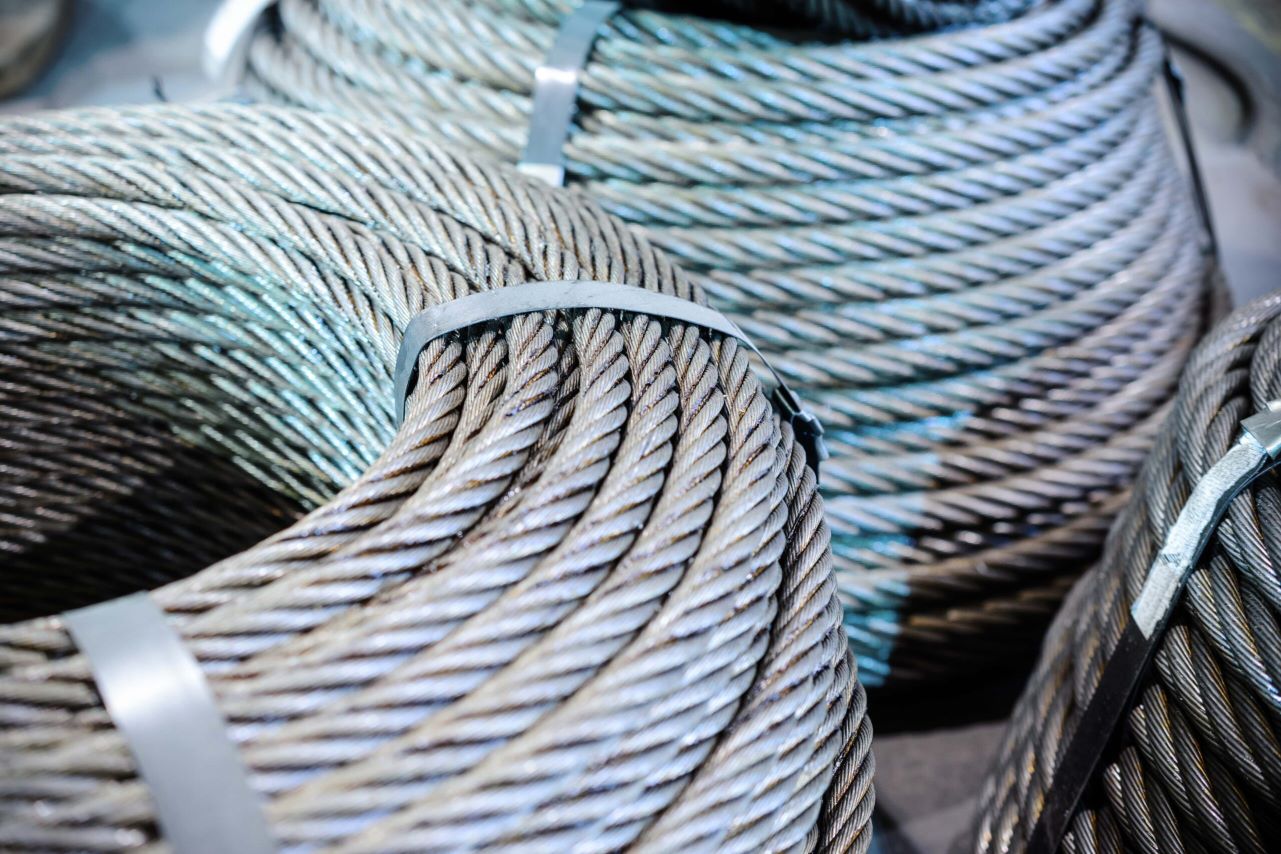
Steel wire failures can have devastating consequences across numerous industries, from construction and mining to oil and gas. The implications extend far beyond mere financial losses, encompassing significant safety risks, project delays, and potential environmental damage. In 2026, the focus is shifting towards proactive prevention strategies to mitigate these risks effectively. Recognizing the causes of steel wire failures and implementing robust preventative measures is paramount for ensuring operational safety and longevity.
1. ✅ Introduction: The Rising Cost of Steel Wire Failures
The financial and safety implications of steel wire failures are on the rise, demanding urgent attention across industries. These failures often lead to unexpected downtime, costly repairs, and, in severe cases, tragic accidents. Industries such as construction, oil and gas, and marine operations are particularly vulnerable, where the reliability of steel wire is critical for lifting, hoisting, and structural support. The increasing complexity and scale of modern projects amplify the potential consequences of these failures.
1.1. Industry Trends Show Increased Failure Rates
Recent industry reports indicate an alarming increase in steel wire failures. A study by the International Wire Rope Association (IWRA) found a 15% increase in reported wire rope failure incidents over the past five years. These failures are attributed to factors such as inadequate maintenance, improper usage, and harsh environmental conditions. For instance, offshore oil rigs, where steel wires are constantly exposed to saltwater and heavy loads, are particularly susceptible to corrosion-related failures. The trend highlights the urgent need for improved inspection and maintenance practices.
1.2. Why Proactive Prevention is Crucial
Proactive prevention is not merely an option but a necessity for minimizing the risks associated with steel wire failures. The benefits of preventing these failures are manifold, including reduced downtime, enhanced safety, and significant cost savings. By implementing regular inspection programs, employing advanced lubrication techniques, and ensuring proper handling procedures, companies can detect potential issues before they escalate into catastrophic failures. Furthermore, a proactive approach fosters a culture of safety, improving employee morale and reducing the likelihood of accidents.
2. 💡 Corrosion: The Silent Killer
Corrosion is one of the most insidious causes of steel wire failures, often weakening the material from the inside out. This electrochemical process degrades the steel, reducing its tensile strength and load-bearing capacity. The challenge with corrosion is that it can be difficult to detect in its early stages, making it a “silent killer” of steel wires. Understanding the different types of corrosion and implementing effective prevention techniques is crucial for maintaining the integrity of steel wire ropes.
2.1. Understanding Different Types of Corrosion
Several types of corrosion can affect steel wires, each with its unique mechanism and impact. Galvanic corrosion occurs when two dissimilar metals are in contact in the presence of an electrolyte, leading to accelerated corrosion of the more active metal. Pitting corrosion is characterized by localized attacks that create small holes or pits on the surface of the steel. Crevice corrosion happens in confined spaces, such as under washers or in gaps between wires, where stagnant electrolyte solutions promote corrosion. Each type requires specific prevention strategies tailored to its characteristics.
2.2. Cutting-Edge Prevention Techniques
Modern anti-corrosion coatings and advanced maintenance practices offer effective ways to mitigate the risk of corrosion. Protective coatings, such as zinc-based galvanization or epoxy resins, create a barrier between the steel and the corrosive environment. These coatings can significantly extend the lifespan of steel wires, especially in harsh conditions. Advanced maintenance practices include regular cleaning to remove corrosive substances, applying corrosion inhibitors, and conducting periodic inspections to identify and address early signs of corrosion.
2.3. SSTC’s Real-World Corrosion Solutions
At Safe and Secure Trading Company, we provide specialized corrosion solutions tailored to the unique needs of our clients. For clients in coastal environments like Dammam, where exposure to saltwater accelerates corrosion, we offer advanced coating systems and customized maintenance programs. Our solutions include the application of high-performance coatings that resist saltwater penetration and the implementation of regular inspection schedules to detect and address corrosion early on. We understand the specific challenges posed by these environments and provide effective, long-term protection.
3. ➡️ Abrasion: The Unseen Wear and Tear
Abrasion, the gradual wearing away of a material due to friction, is another significant cause of steel wire failures. This occurs when steel wire ropes repeatedly rub against sheaves, drums, or other surfaces, leading to thinning and eventual breakage. The effects of abrasion may not be immediately visible but can accumulate over time, compromising the wire’s structural integrity. Identifying abrasion hotspots and implementing effective lubrication strategies are essential for minimizing this type of wear.
3.1. Identifying Abrasion Hotspots
Abrasion is more likely to occur in specific areas of the wire rope system. Contact points with sheaves and drums are prime hotspots, where the wire rope experiences constant friction. Additionally, areas where the wire rope changes direction or passes through tight spaces are also prone to abrasion. Regular inspection of these hotspots can help identify early signs of wear, allowing for timely intervention and preventing further damage. Addressing these areas with targeted lubrication and maintenance can significantly extend the wire rope’s lifespan.
3.2. Advanced Lubrication Strategies
Lubrication plays a crucial role in minimizing friction and extending the life of steel wire ropes. Advanced lubrication technologies offer improved performance and durability compared to traditional methods. Modern lubricants are designed to penetrate deep into the wire rope, providing long-lasting protection against abrasion. Application techniques, such as using automatic lubricators that continuously apply lubricant to the wire rope as it operates, ensure consistent and even coverage. Selecting the right lubricant and applying it correctly are key to maximizing its effectiveness.
3.3. Case Study: Reducing Abrasion in Mining Operations
One of our clients, a large mining operation in Western Australia, was experiencing frequent wire rope failures due to severe abrasion. The harsh environment, combined with heavy loads and continuous operation, was causing rapid wear of the wire ropes. We conducted a comprehensive assessment of their lubrication practices and recommended a switch to a high-performance synthetic lubricant specifically designed for extreme conditions. We also implemented an automated lubrication system to ensure consistent coverage. As a result, the mining operation saw a 40% reduction in wire rope failures, leading to significant cost savings and improved operational efficiency.
4. 💥 Fatigue: The Hidden Weakness
Fatigue is a critical concern in steel wire applications, representing a progressive and localized structural damage that occurs when a material is subjected to cyclic loading. This repeated stress and bending cause microscopic cracks to form and grow, eventually leading to catastrophic failure even when the stress levels are well below the material’s ultimate tensile strength. The insidious nature of fatigue makes it a hidden weakness that requires careful management through material selection, maintenance, and monitoring.
4.1. Understanding the Fatigue Cycle
The fatigue cycle involves several stages, beginning with crack initiation at stress concentration points, such as surface defects or inclusions within the steel. Once a crack has initiated, it propagates gradually with each loading cycle. This propagation continues until the remaining cross-section of the wire can no longer support the applied load, resulting in sudden and often unexpected failure. Factors influencing fatigue life include the magnitude of the stress, the number of loading cycles, and the presence of corrosive environments.
4.2. Innovative Fatigue Testing Methods
Traditional fatigue testing methods involve subjecting samples to controlled cyclic loading until failure occurs. However, innovative non-destructive testing (NDT) methods are now available to detect fatigue cracks before they become critical. These methods include ultrasonic testing (UT), which uses sound waves to detect internal flaws, and eddy current testing, which identifies surface cracks by measuring changes in electromagnetic fields. By employing these advanced techniques, it is possible to monitor the condition of steel wires in real-time and predict their remaining fatigue life.
4.3. Expert Quote on Fatigue Management
“Effective fatigue management requires a holistic approach that combines robust material selection, meticulous maintenance, and advanced monitoring techniques.” – Dr. Anya Sharma, Materials Science Expert
5. 🔍 Lack of Proper Inspection: Missing Critical Warning Signs
One of the most preventable causes of steel wire failures is the lack of proper inspection. Regular inspections are crucial for identifying early signs of wear, damage, and corrosion, allowing for timely intervention before catastrophic failures occur. Without a robust inspection program, critical warning signs can be missed, leading to unexpected downtime, safety hazards, and costly repairs. Implementing a comprehensive inspection schedule and utilizing the latest inspection technologies are essential for maintaining the integrity of steel wire ropes.
5.1. Implementing a Robust Inspection Schedule
An effective steel wire inspection program should include several key elements. First, the frequency of inspections should be determined based on the application, environmental conditions, and manufacturer’s recommendations. High-risk applications, such as lifting operations in construction sites, require more frequent inspections than less demanding applications. Second, inspections should be documented thoroughly, including the date, time, findings, and any corrective actions taken. Finally, the inspection program should be regularly reviewed and updated to ensure its effectiveness.
5.2. The Latest Inspection Technologies
Cutting-edge inspection tools are available to enhance the accuracy and efficiency of steel wire inspections. Magnetic particle inspection (MPI) is a non-destructive testing method that uses magnetic fields to detect surface and near-surface cracks. Ultrasonic testing (UT) employs high-frequency sound waves to detect internal flaws and measure material thickness. These technologies allow inspectors to identify defects that are not visible to the naked eye, providing a more comprehensive assessment of the wire rope’s condition.
5.3. Statistic: The Impact of Regular Inspections
Companies implementing weekly inspections saw a 40% reduction in wire rope failures. This statistic underscores the significant impact of regular inspections on preventing failures and improving safety. By identifying and addressing potential issues early on, companies can avoid costly repairs, reduce downtime, and minimize the risk of accidents. Regular inspections are a critical investment in the long-term reliability and safety of steel wire ropes.
6. ⚙️ Improper Installation and Handling: The Root of Many Issues
Improper installation and handling practices can introduce stress and damage to steel wires, significantly shortening their lifespan. Incorrect installation can lead to uneven load distribution, kinking, and excessive bending, all of which compromise the wire’s structural integrity. Similarly, rough handling can cause surface damage, crushing, and other forms of abuse that weaken the wire. Adhering to best practices for installation and handling is essential for preventing these issues.
6.1. Best Practices for Installation
The installation of steel wire ropes should follow specific procedures to ensure proper tensioning and alignment. The wire rope should be uncoiled or unreeling carefully to avoid kinking or twisting. Proper tensioning is crucial for ensuring even load distribution across all strands of the wire rope. Misalignment of sheaves and drums can cause excessive wear and stress on the wire, leading to premature failure. Following manufacturer’s recommendations and industry standards is essential for a successful installation.
6.2. Safe Handling Techniques
Safe handling of steel wires involves several key practices. The wire rope should be lifted and moved using appropriate equipment to avoid dragging or dropping it. Sharp objects should be avoided to prevent surface damage and cuts. Kinking, which occurs when the wire rope is bent too sharply, should be strictly avoided, as it can permanently damage the wire’s structure. Wearing gloves and protective gear can help prevent injuries and ensure a secure grip.
6.3. Training Programs for Safe Handling
Comprehensive training programs are essential for workers who handle steel wire ropes. These programs should cover topics such as proper lifting techniques, safe handling procedures, and the identification of potential hazards. Training should also include hands-on practice to reinforce theoretical knowledge. Regular refresher courses can help ensure that workers stay up-to-date on the latest best practices and safety procedures. Investing in training is a proactive measure that can significantly reduce the risk of accidents and wire rope failures.
7. 🌡️ Extreme Temperatures: Impact on Wire Integrity
Extreme temperatures, both high and low, can significantly affect the properties and performance of steel wire ropes. High temperatures can reduce the tensile strength and creep resistance of steel, while low temperatures can make it more brittle and susceptible to fracture. Understanding these effects and selecting appropriate materials are crucial for ensuring the reliability of steel wires in extreme environments.
7.1. High-Temperature Effects
Elevated temperatures can weaken steel wires, reducing their ability to withstand heavy loads. At high temperatures, the tensile strength of steel decreases, making it more prone to deformation and failure. Creep, the slow and permanent deformation of a material under sustained stress, is also accelerated at high temperatures. In applications such as furnaces and foundries, where steel wires are exposed to high temperatures, it is essential to use heat-resistant alloys and implement regular inspection programs.
7.2. Low-Temperature Embrittlement
Cold temperatures can make steel more brittle and susceptible to fracture. This phenomenon, known as low-temperature embrittlement, occurs because the steel’s ductility decreases as the temperature drops. In extremely cold environments, such as arctic regions or cryogenic applications, steel wires can become brittle and prone to sudden failure under relatively low loads. Selecting materials with high impact resistance and implementing preheating procedures can help mitigate this risk.
7.3. Material Selection for Extreme Environments
Choosing the right steel alloy and coatings is critical for ensuring the reliability of steel wire ropes in extreme temperature conditions. For high-temperature applications, heat-resistant alloys such as stainless steel or nickel-based alloys are often used. These alloys maintain their strength and creep resistance at elevated temperatures. For low-temperature applications, steels with high nickel content or fine-grained microstructures are preferred, as they exhibit better impact resistance and ductility at cold temperatures. Additionally, protective coatings can help prevent corrosion and further enhance the wire rope’s performance in extreme environments.
8. 💦 Inadequate Lubrication: Increasing Friction and Wear
Inadequate lubrication is a major contributor to steel wire failures, increasing friction, promoting corrosion, and accelerating wear. Lubrication reduces friction between the individual strands of the wire rope and between the wire rope and sheaves or drums. This helps to prevent abrasion and wear, extending the wire rope’s lifespan. Lubrication also provides a protective barrier against moisture and corrosive substances, preventing corrosion-related failures. Selecting the right lubricant and applying it correctly are essential for maximizing its benefits.
8.1. Selecting the Right Lubricant
Choosing the appropriate lubricant depends on the application, environmental conditions, and the type of steel wire rope. Lubricants should have good penetration properties to reach the inner strands of the wire rope. They should also have good adhesion to prevent being washed away by rain or saltwater. For high-temperature applications, heat-resistant lubricants are necessary, while for low-temperature applications, lubricants that remain fluid at cold temperatures are preferred. Consulting with a lubrication specialist can help ensure that the right lubricant is selected for each specific application.
8.2. Application Techniques for Optimal Coverage
The method of applying lubricant to steel wire ropes can significantly affect its effectiveness. Manual application methods, such as brushing or spraying, can be used for smaller wire ropes. However, for larger wire ropes, automated lubrication systems provide more consistent and thorough coverage. These systems typically use a pump to apply lubricant to the wire rope as it passes through a lubricator, ensuring that all strands are coated evenly. Regular inspection of the lubrication system is essential to ensure that it is functioning properly and providing adequate coverage.
8.3. Our Lubrication Solutions in Action
At SSTC, we provide custom lubrication solutions to clients across various industries, particularly those operating in harsh environments. For example, we work closely with offshore oil rigs, where steel wires are constantly exposed to saltwater and heavy loads. We provide high-performance lubricants specifically designed to resist saltwater corrosion and reduce friction. Our team also assists with the implementation of automated lubrication systems to ensure consistent coverage and minimize the risk of failures. These tailored solutions help our clients extend the life of their steel wire ropes and improve operational safety.
9. 📊 Top 3 Prevention Tips: Quick Reference
Preventing steel wire failures involves a combination of proactive measures and best practices. While many factors contribute to these failures, focusing on the most critical areas can significantly reduce the risk. Here are the top 3 prevention tips to keep in mind:
9.1. Top 3 Steel Wire Prevention Tips
Here’s a quick rundown:
1. Regular Inspections: Implement a comprehensive inspection schedule using the latest NDT methods. Regular inspections help identify early signs of wear, damage, and corrosion, allowing for timely intervention and preventing catastrophic failures.
2. Proper Lubrication: Select and apply the correct lubricant to minimize friction and prevent corrosion. Lubrication reduces friction between the strands of the wire rope and provides a protective barrier against moisture and corrosive substances.
3. Safe Handling: Ensure that all personnel are properly trained in the safe handling and installation of steel wire ropes. Improper handling can introduce stress and damage to the wire, shortening its lifespan.
10. ⚠️ Case Studies: Success Through Prevention
Real-world examples demonstrate the effectiveness of preventive measures in avoiding steel wire failures and improving safety. These case studies highlight the benefits of implementing proactive maintenance programs, adopting stricter inspection procedures, and investing in employee training. By learning from these successes, companies can implement similar strategies to improve their own safety and reliability.
10.1. Reducing Downtime in Manufacturing
A manufacturing plant in Germany that produces automotive components was experiencing frequent downtime due to wire rope failures on its overhead cranes. The failures were attributed to a combination of factors, including inadequate lubrication, improper handling, and a lack of regular inspections. The plant implemented a proactive maintenance program that included weekly inspections, automated lubrication, and comprehensive training for crane operators. As a result, the plant reduced downtime by 60% and increased productivity by 25%.
10.2. Enhancing Safety in Construction
A construction company in Dubai was facing a high rate of accidents related to wire rope failures on its construction hoists. The accidents were often caused by overloading, improper installation, and a lack of safe handling procedures. The company adopted stricter inspection and handling procedures, including mandatory training for all hoist operators and supervisors. The company also implemented a load monitoring system to prevent overloading. As a result, the construction company improved safety significantly and reduced accidents by 80%.
11. 🧪 Emerging Technologies: The Future of Wire Rope Safety
The field of steel wire rope safety is constantly evolving, with new and innovative technologies being developed to improve reliability and prevent failures. These emerging technologies include smart wire ropes with embedded sensors and advanced materials and coatings that offer improved strength and corrosion resistance. Embracing these technologies can help companies stay ahead of the curve and ensure the highest levels of safety and performance.
11.1. Smart Wire Ropes with Embedded Sensors
Smart wire ropes are equipped with embedded sensors that monitor stress, strain, and corrosion in real-time. These sensors provide valuable data on the wire rope’s condition, allowing for early detection of potential issues. The data can be transmitted wirelessly to a central monitoring system, where it can be analyzed to predict remaining fatigue life and schedule maintenance accordingly. Smart wire ropes offer a proactive approach to safety, enabling companies to address potential problems before they escalate into failures.
11.2. Advanced Materials and Coatings
New materials and coatings are being developed to offer improved strength, durability, and corrosion resistance for steel wire ropes. High-strength steel alloys with fine-grained microstructures provide increased tensile strength and fatigue resistance. Nanomaterials and coatings offer enhanced corrosion protection and reduced friction. These advanced materials and coatings can significantly extend the life of steel wire ropes and improve their performance in harsh environments.
12. ✅ Conclusion: Prioritizing Steel Wire Safety
In conclusion, preventing steel wire failures is a critical investment in safety, productivity, and long-term reliability. By understanding the causes of these failures and implementing proactive measures, companies can significantly reduce the risk of accidents, downtime, and costly repairs. Prioritizing regular inspections, proper lubrication, safe handling, and the use of advanced technologies are essential for maintaining the integrity of steel wire ropes.
12.1. The Importance of a Proactive Approach
Taking a proactive approach to steel wire safety is not just a best practice; it is a necessity. By implementing comprehensive inspection programs, utilizing advanced lubrication techniques, and ensuring proper handling procedures, companies can detect potential issues before they escalate into catastrophic failures. We, at Safe and Secure Trading Company, believe that this proactive approach fosters a culture of safety, improving employee morale and reducing the likelihood of accidents, and significantly contributes to long-term operational success.
FAQ Section
Q: What are the most common causes of steel wire failures?
A: The most common causes include corrosion, abrasion, fatigue, lack of proper inspection, improper installation and handling, extreme temperatures, and inadequate lubrication.
Q: How often should steel wire ropes be inspected?
A: The frequency of inspections depends on the application, environmental conditions, and manufacturer’s recommendations. High-risk applications require more frequent inspections than less demanding applications.
Q: What are some signs of corrosion in steel wire ropes?
A: Signs of corrosion include rust, pitting, and a reduction in wire diameter. Corrosion may also be visible as a discoloration or flaking of the wire surface.
Q: How can I prevent abrasion in steel wire ropes?
A: Prevent abrasion by ensuring proper alignment of sheaves and drums, using appropriate lubrication, and avoiding contact with abrasive surfaces.
Q: What is fatigue in steel wire ropes?
A: Fatigue is a progressive and localized structural damage that occurs when a material is subjected to cyclic loading. It can lead to crack initiation and propagation, eventually resulting in failure.
Q: How can I select the right lubricant for my steel wire rope?
A: Select the right lubricant based on the application, environmental conditions, and the type of steel wire rope. Consider factors such as penetration properties, adhesion, temperature resistance, and compatibility with the wire rope material.
Q: What are some best practices for handling steel wire ropes safely?
A: Best practices for safe handling include using appropriate lifting equipment, avoiding sharp objects, preventing kinking, and wearing gloves and protective gear.
Q: How do extreme temperatures affect steel wire ropes?
A: High temperatures can reduce tensile strength and creep resistance, while low temperatures can make steel more brittle and susceptible to fracture.
Q: What are some emerging technologies for improving steel wire rope safety?
A: Emerging technologies include smart wire ropes with embedded sensors and advanced materials and coatings that offer improved strength and corrosion resistance.
Q: How can Safe and Secure Trading Company help me with steel wire maintenance?
A: Safe and Secure Trading Company provides a range of services, including inspections, lubrication solutions, training programs, and advanced material recommendations, to help you optimize your steel wire maintenance program and prevent failures.