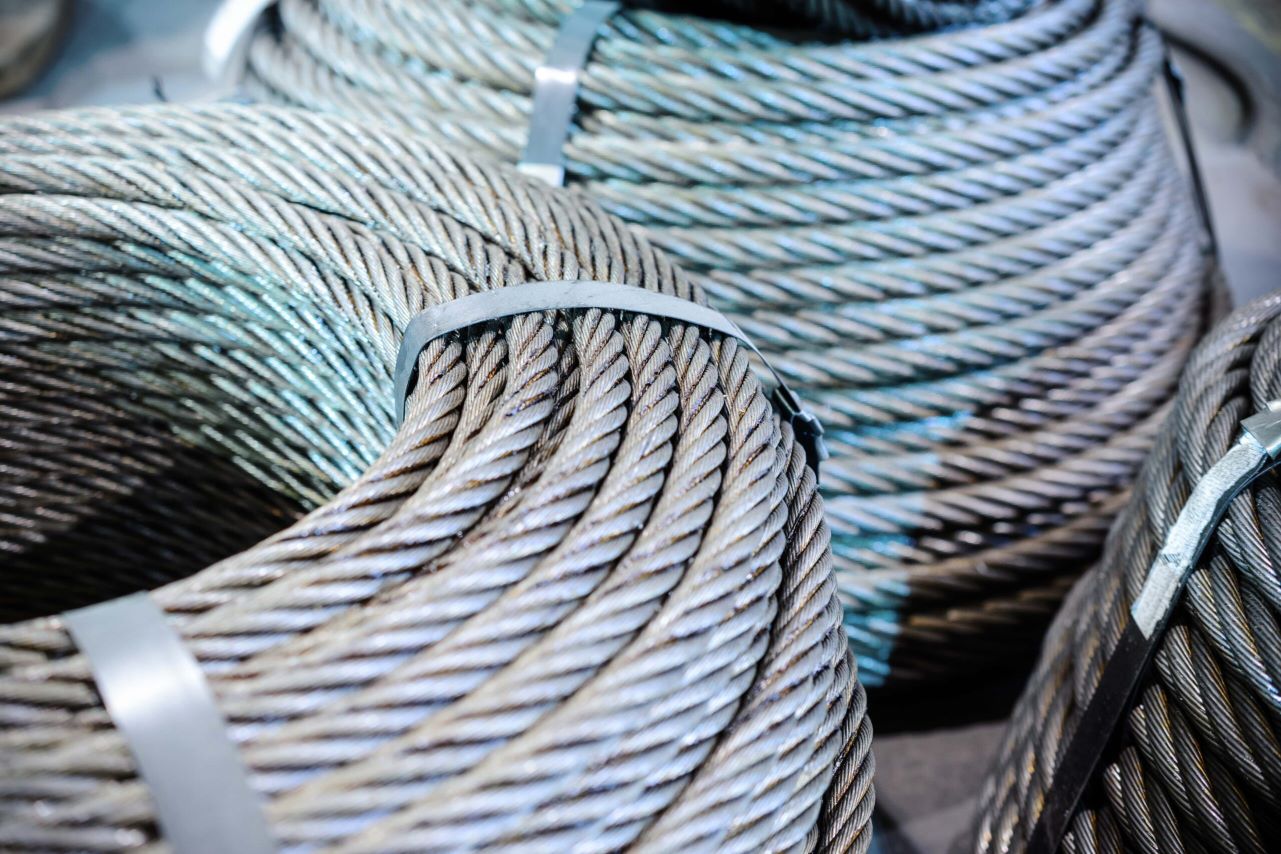
Understanding steel wire lifespan is crucial for anyone working with lifting equipment, cranes, or any application involving wire rope. By understanding the factors that affect its lifespan, you can implement strategies to maximize its use, ensure safety, and reduce operational costs. This guide, brought to you by Safe and Secure Trading Company (SSTC), will provide you with the knowledge and techniques to extend your steel wire lifespan and optimize performance.
Why Steel Wire Lifespan Matters
Extending the steel wire lifespan isn’t just about saving money; it’s about ensuring safety and operational efficiency. A properly maintained wire rope reduces the risk of accidents, minimizes downtime, and ensures that your equipment operates reliably. Think of a construction site where a crane is constantly lifting heavy materials. A failure in the wire rope could lead to catastrophic consequences, including injuries, fatalities, and significant property damage. By following best practices, we can significantly mitigate these risks.
What Affects Steel Wire Lifespan?
Several factors impact steel wire lifespan, including the load it carries, the environment it operates in, the quality of maintenance it receives, and the usage patterns it experiences. Overloading, exposure to corrosive elements, inadequate lubrication, and improper handling can all drastically reduce its lifespan. Our experience in Dubai, where extreme temperatures and humidity are common, has taught us the importance of addressing these factors proactively. Addressing these factors is the key to maximizing steel wire lifespan and ensuring safe operation.
Identifying the Core Enemies of Steel Wire Rope
Understanding the primary threats to steel wire rope is essential for implementing effective maintenance strategies. The three main enemies are corrosion, abrasion, and fatigue. Each of these factors can significantly degrade the wire’s integrity and shorten its lifespan. Knowing how to identify and combat these threats is critical for ensuring the longevity and safety of your equipment.
Corrosion: The Silent Killer
Corrosion is a chemical process that weakens steel wire by oxidizing its surface. This can take various forms, including rust (surface corrosion) and pitting (localized, deep corrosion). Saltwater environments, exposure to chemicals, and even humidity can accelerate corrosion. We once had a client who operated a crane near the coast; their wire ropes were corroding much faster than expected. The solution was to switch to a corrosion-resistant lubricant and implement a more frequent inspection schedule.
Abrasion: Friction’s Relentless Wear
Abrasion occurs when the wire rope rubs against other surfaces, such as pulleys, drums, or even itself. This friction gradually wears away the outer layers of the wire, reducing its diameter and strength. Abrasive wear is particularly common in applications where the wire rope is constantly moving or subjected to high tension. The amount of abrasion is affected by the tension on the wire rope, the environment, and the surfaces the wire rope comes in contact with.
Fatigue: The Invisible Threat
Fatigue is the weakening of the wire rope due to repeated bending and stress. Each time the wire rope bends around a pulley or drum, it experiences stress. Over time, this repeated stress can lead to microscopic cracks that eventually propagate and cause the wire to fail. Fatigue is often referred to as the “invisible threat” because it can occur without any visible signs of damage. Regular inspection and adherence to recommended load limits are critical for preventing fatigue-related failures.
Proven Techniques to Extend Steel Wire Lifespan
To maximize steel wire lifespan, it’s essential to implement a proactive maintenance program that addresses the core threats of corrosion, abrasion, and fatigue. This involves selecting the right wire rope, implementing a regular inspection schedule, mastering proper lubrication techniques, managing loads effectively, and adopting best practices for storage. By following these techniques, you can significantly extend the life of your wire rope and ensure safe operation.
Step 1: Choose the Right Wire Rope for the Job
Selecting the appropriate wire rope for your specific application is the first and most critical step in extending its lifespan. Consider factors such as the load it will carry, the environmental conditions it will operate in, and the type of equipment it will be used with. Choosing the correct diameter, construction, and material can make a significant difference.
For example, in a marine environment, a wire rope with a galvanized or stainless-steel construction is essential to resist corrosion. Similarly, for applications involving heavy loads and frequent bending, a more flexible wire rope construction is necessary to prevent fatigue. Consulting with a wire rope specialist can help you make the right choice for your needs.
Step 2: Implement a Regular Inspection Schedule
A regular inspection schedule is crucial for identifying potential problems before they lead to catastrophic failures. Visual inspections should be conducted frequently, looking for signs of broken wires, corrosion, kinks, and other visible damage. Measuring wear and diameter reduction is also important for assessing the overall condition of the wire rope.
The frequency of inspections should be based on the intensity of usage and the severity of the operating environment. For example, a crane operating in a harsh environment should be inspected more frequently than one operating in a controlled environment. Detailed records of inspections should be maintained to track the condition of the wire rope over time.
Step 3: Master Proper Lubrication Techniques
Lubrication is essential for reducing friction, preventing corrosion, and extending the life of steel wire. A well-lubricated wire rope experiences less abrasion and fatigue, and is better protected from corrosive elements. Proper lubrication involves selecting the right lubricant, applying it correctly, and maintaining an appropriate lubrication schedule.
The choice of lubricant should be based on the specific application and the operating environment. Factors to consider include temperature, humidity, and exposure to chemicals. The application method should ensure that the lubricant penetrates to the core of the wire rope, providing complete protection. Our team in Dubai often emphasizes the importance of using specialized lubricant applicators to achieve this.
Step 4: Load Management: Avoiding Overloads and Shock Loads
Overloading and shock loads can significantly reduce the lifespan of steel wire. Understanding load limits and preventing sudden impacts are critical for maintaining its integrity. Overloading places excessive stress on the wire, leading to premature fatigue and failure. Shock loads, such as sudden stops or starts, can create stress that exceeds the wire’s capacity.
To prevent overloading, it’s essential to know the safe working load (SWL) of your wire rope and to ensure that it is never exceeded. Implementing load monitoring systems can help prevent accidental overloads. Avoiding sudden stops and starts, and using smooth, controlled movements, can minimize shock loads.
Step 5: Storage Best Practices: Protect Your Investment
Proper storage techniques are essential for preventing corrosion and physical damage when the wire rope is not in use. Wire rope should be stored in a clean, dry environment, away from direct sunlight and extreme temperatures. It should also be protected from corrosive elements such as saltwater and chemicals.
One best practice is to coil the wire rope loosely and store it on a pallet or rack to keep it off the ground. Covering the wire rope with a waterproof tarp can provide additional protection from the elements. Regularly inspecting stored wire rope for signs of corrosion or damage is also important.
Detailed Guide to Wire Rope Inspection
Regular and thorough inspection is paramount for maintaining the safety and extending the steel wire lifespan. This involves visual checks for external damage, precise measurements to detect wear, and, when necessary, employing advanced techniques for a deeper analysis. This multifaceted approach ensures any potential issue is identified early, preventing costly downtime and, more importantly, ensuring operational safety.
Visual Inspection: What to Look For
A visual inspection is the first line of defense in identifying potential problems with steel wire rope. Look for signs of broken wires, corrosion, kinks, and other visible damage. Broken wires are a clear indication of wear and fatigue. Corrosion can manifest as rust, pitting, or discoloration. Kinks are permanent bends in the wire that can weaken its structure. Other signs of damage include crushing, flattening, and bird caging (where the strands of the wire rope separate).
Pay close attention to areas of the wire rope that are subject to the most stress, such as where it passes over pulleys or drums. Also, inspect the end terminations, such as swaged fittings or wire rope clips, for signs of wear or damage. Any visible damage should be carefully evaluated to determine if the wire rope needs to be replaced.
Measuring Wear and Diameter Reduction
Measuring wear and diameter reduction is an important part of a comprehensive wire rope inspection. As wire rope wears, its diameter decreases. Using calipers to check for wear and compliance with safety standards can help you determine if the wire rope is still within acceptable limits. Measure the diameter at several points along the wire rope, particularly in areas where wear is most likely to occur.
Compare the measured diameter to the original diameter of the wire rope. If the diameter has decreased by more than a certain percentage (typically 5-10%), the wire rope should be removed from service. Always consult the manufacturer’s specifications and relevant safety standards for specific guidelines on diameter reduction limits.
Magnetic Particle Testing (MPT) and Other Advanced Techniques
For deeper analysis, magnetic particle testing (MPT) and other advanced techniques can be used. MPT is a non-destructive testing method that can detect surface and near-surface cracks in the wire rope. It involves magnetizing the wire rope and applying magnetic particles to its surface. Any cracks will disrupt the magnetic field, causing the particles to accumulate at the crack location.
Other advanced techniques include ultrasonic testing (UT), which uses sound waves to detect internal flaws, and radiography (X-ray), which provides an image of the wire rope’s internal structure. These techniques are typically used for critical applications where failure could have serious consequences. A certified inspector should perform these tests.
Lubrication: The Key to Long Life
Effective lubrication is a cornerstone of steel wire maintenance, protecting against corrosion, reducing friction, and prolonging the lifespan. This involves choosing the right lubricant for the job, applying it correctly, and maintaining an optimal lubrication schedule to ensure your wire ropes remain in peak condition, promoting safety and efficiency.
Choosing the Right Lubricant for Your Application
Selecting the right lubricant is crucial for effective wire rope maintenance. Consider factors such as temperature, environment, and wire rope construction. For example, in high-temperature environments, use a lubricant with a high flash point and good thermal stability. In wet or marine environments, use a lubricant that is resistant to water washout and provides excellent corrosion protection.
The type of wire rope construction also influences the choice of lubricant. Some lubricants are better suited for certain types of wire rope constructions. Synthetic lubricants, for example, can provide superior performance in demanding applications. Always consult the lubricant manufacturer’s recommendations and the wire rope manufacturer’s specifications when selecting a lubricant.
Application Techniques: Ensuring Full Penetration
Proper application techniques are essential for ensuring that the lubricant reaches the core of the wire rope. The goal is to achieve full penetration, coating all the individual wires and strands. Several methods can be used, including manual application, drip lubrication, spray lubrication, and immersion.
Manual application involves using a brush or swab to apply the lubricant to the wire rope. This method is suitable for small-diameter wire ropes or for spot lubrication. Drip lubrication involves continuously dripping lubricant onto the wire rope as it moves. This method is effective for applications where the wire rope is constantly in motion.
Spray lubrication involves using a spray gun to apply the lubricant to the wire rope. This method is suitable for large-diameter wire ropes or for applications where the wire rope is difficult to access. Immersion involves immersing the wire rope in a bath of lubricant. This method provides excellent penetration but is only practical for certain applications.
Frequency of Lubrication: Finding the Sweet Spot
Determining the optimal lubrication schedule is essential for maintaining the health of your steel wire. The frequency of lubrication depends on factors such as usage, environmental conditions, and the type of lubricant used. Wire ropes that are subject to heavy usage or exposed to harsh environments should be lubricated more frequently.
A good starting point is to lubricate the wire rope every month or every 100 hours of operation, whichever comes first. However, this is just a guideline. The actual lubrication frequency may need to be adjusted based on visual inspection and monitoring of the wire rope’s condition. Keep detailed records of lubrication activities to track the effectiveness of your lubrication schedule.
Avoiding Common Mistakes That Shorten Lifespan
Even with the best intentions, common mistakes can undermine efforts to extend steel wire lifespan. Neglecting inspections, improper storage, and ignoring environmental factors are significant oversights that can dramatically reduce wire rope integrity and service life. Recognizing and avoiding these pitfalls is crucial for maximizing the return on investment and ensuring operational safety.
Neglecting Regular Inspections
Neglecting regular inspections is one of the most common mistakes that shorten steel wire lifespan. Infrequent or inadequate inspections can allow problems to go unnoticed until they lead to catastrophic failures. Visual inspections, measuring wear, and advanced testing methods are essential for identifying potential issues early.
The frequency of inspections should be based on the intensity of usage and the severity of the operating environment. Wire ropes that are subject to heavy usage or exposed to harsh environments should be inspected more frequently. Always follow the manufacturer’s recommendations and relevant safety standards for inspection frequency and procedures.
Improper Storage Practices
Improper storage practices can lead to corrosion and physical damage, significantly reducing steel wire lifespan. Storing wire rope in a damp or corrosive environment can accelerate corrosion. Storing wire rope in direct sunlight or extreme temperatures can degrade the lubricant and weaken the wire.
Always store wire rope in a clean, dry environment, away from direct sunlight and extreme temperatures. Coil the wire rope loosely and store it on a pallet or rack to keep it off the ground. Cover the wire rope with a waterproof tarp to provide additional protection from the elements. Regularly inspect stored wire rope for signs of corrosion or damage.
Ignoring Environmental Factors
Ignoring environmental factors can have a significant impact on steel wire lifespan. Saltwater, chemicals, and extreme temperatures can all accelerate corrosion and weaken the wire. In marine environments, saltwater can cause rapid corrosion. In industrial environments, exposure to chemicals can degrade the wire and the lubricant.
In extreme temperatures, the lubricant can become too viscous or too thin, reducing its effectiveness. Always consider the environmental factors when selecting a wire rope and a lubricant. Implement appropriate protective measures, such as using corrosion-resistant materials and lubricants, and regularly cleaning and lubricating the wire rope.
Troubleshooting and FAQs
Even with diligent maintenance, issues can arise with steel wire ropes. This section addresses common problems, such as broken wires and lubrication frequency, and provides practical guidance on overload detection. By understanding these issues and their solutions, you can quickly resolve problems, minimizing downtime and maintaining a safe working environment.
What do I do if I find a broken wire?
Finding a broken wire requires immediate action. First, stop using the equipment and assess the severity of the break. A single broken wire may not be critical, but multiple broken wires in a short section indicate a more serious problem. The decision to replace the rope depends on the number and location of broken wires, as well as the safety standards for your specific application.
Consult the manufacturer’s specifications and relevant safety standards for guidance on when to replace a wire rope with broken wires. In general, if the number of broken wires exceeds a certain threshold (typically 5-10% of the total number of wires in the strand), the wire rope should be removed from service. Also, if the broken wires are concentrated in a short section or near an end termination, the wire rope should be replaced, regardless of the total number of broken wires.
How often should I lubricate my wire rope?
The frequency of lubrication depends on several factors. These include the intensity of use, environmental conditions, and the type of lubricant. The goal is to maintain a consistent film of lubricant on the wire rope to reduce friction and prevent corrosion. A good starting point is to lubricate the wire rope every month or every 100 hours of operation, whichever comes first.
However, this is just a guideline. The actual lubrication frequency may need to be adjusted based on visual inspection and monitoring of the wire rope’s condition. If the wire rope appears dry or shows signs of corrosion, it should be lubricated more frequently. Also, if the wire rope is exposed to harsh environments or heavy usage, it should be lubricated more frequently.
How do I know if my wire rope is overloaded?
Signs of overloading can be subtle but are critical to recognize. These include excessive stretching, flattening, or distortion of the wire rope. Overloading can also cause the wire rope to become permanently deformed or to experience premature failure. If you suspect that a wire rope has been overloaded, it should be immediately inspected for damage.
Load monitoring systems can help prevent accidental overloads. These systems use sensors to measure the load on the wire rope and provide an alert if the load exceeds a safe limit. Avoiding sudden stops and starts, and using smooth, controlled movements, can minimize shock loads.
Conclusion: Maximizing Your Steel Wire Lifespan for Safety and Savings
By understanding the core enemies of steel wire rope and implementing proven techniques to extend its life, you can significantly reduce operational costs, enhance safety, and improve the reliability of your equipment. Remember, corrosion, abrasion, and fatigue are the primary threats, and proper selection, inspection, lubrication, load management, and storage are the keys to combating these threats.
Recap of Key Takeaways
To maximize steel wire lifespan, remember to:
- Choose the right wire rope for the job.
- Implement a regular inspection schedule.
- Master proper lubrication techniques.
- Avoid overloads and shock loads.
- Practice proper storage techniques.
Next Steps: Implement These Strategies Today
Start today by reviewing your current wire rope maintenance practices and identifying areas for improvement. Implement a regular inspection schedule, ensure proper lubrication, and train your personnel on safe operating procedures. By taking these steps, you can significantly extend the life of your steel wire and ensure a safe and efficient working environment.
We are confident that by following these guidelines, you will be able to maximize your steel wire lifespan and optimize your operations.
FAQ Section
Here are some frequently asked questions about steel wire lifespan:
Q: How does temperature affect steel wire lifespan?
A: Extreme temperatures can significantly impact steel wire lifespan. High temperatures can weaken the wire and degrade the lubricant, while low temperatures can make the wire brittle and more susceptible to cracking. It is important to select a wire rope and lubricant that are appropriate for the operating temperature range. Proper storage techniques are also important for preventing temperature-related damage.
Q: Can I repair a damaged steel wire?
A: In most cases, it is not recommended to repair a damaged steel wire rope. Repairs can compromise the strength and integrity of the wire, making it unsafe for use. It is always best to replace a damaged wire rope with a new one. However, in some limited cases, minor repairs may be possible under the guidance of a qualified wire rope specialist.
Q: What are the different types of steel wire rope constructions?
A: There are many different types of steel wire rope constructions, each with its own unique properties and applications. Common constructions include:
- Regular lay: The wires in the strands and the strands in the rope are twisted in opposite directions.
- Lang lay: The wires in the strands and the strands in the rope are twisted in the same direction.
- Alternate lay: A combination of regular and Lang lay constructions.
The choice of construction depends on the specific application and the desired properties, such as flexibility, strength, and resistance to abrasion.
Q: How does wire rope corrosion affect hoist rope lifespan?
A: Wire rope corrosion is a critical factor affecting hoist rope lifespan, especially in marine or chemically-exposed environments. Corrosion weakens the steel wires, reduces their load-bearing capacity, and accelerates wear. Regular inspection and lubrication with corrosion-resistant compounds are essential to combat this, potentially extending the hoist rope lifespan by preventing premature degradation.
Q: What role does wire rope safety play in extending its lifespan?
A: Wire rope safety is integral to extending its lifespan. Safe operating practices, including avoiding overloads, minimizing shock loads, and proper handling, reduce the risk of damage and premature wear. Regular inspections, proper maintenance, and adherence to safety guidelines significantly contribute to a longer, safer, and more efficient operational life for steel wire ropes.