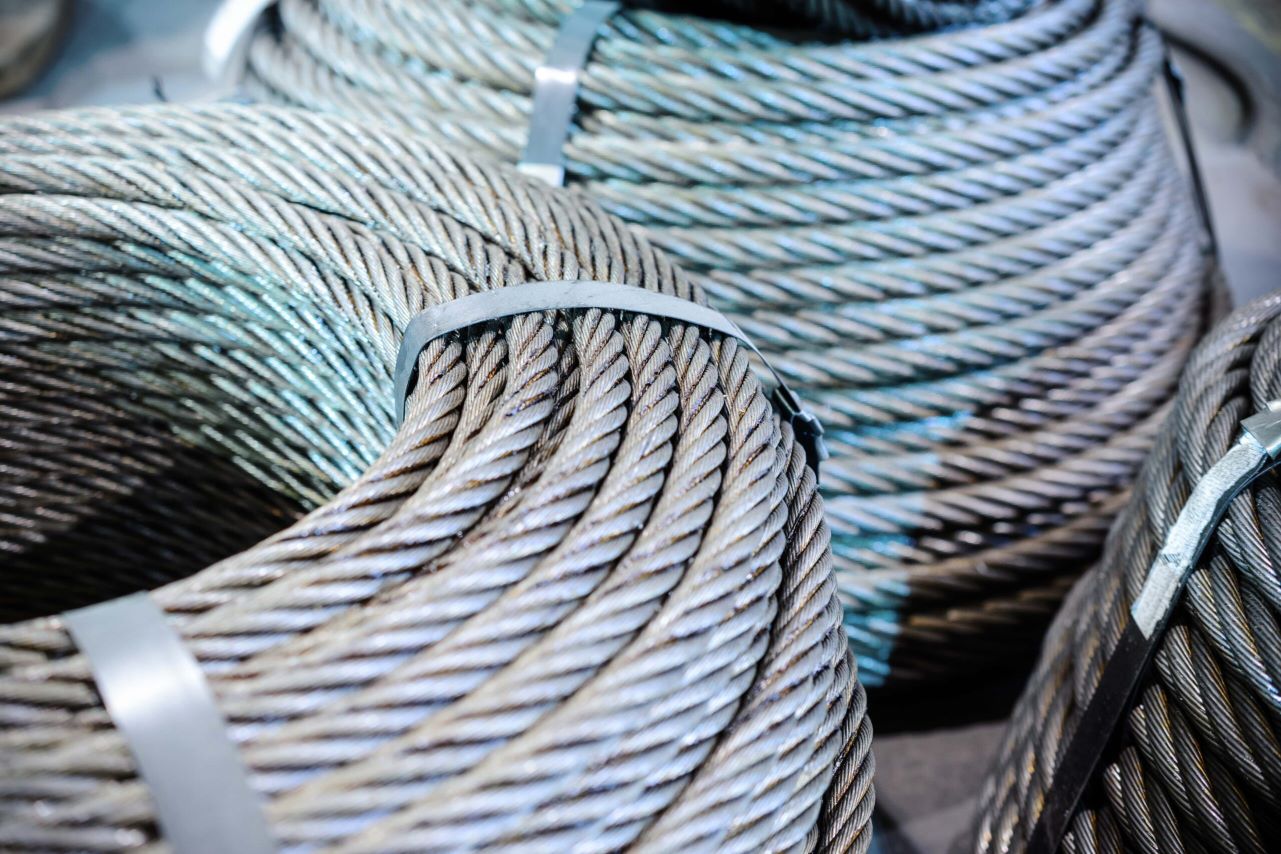
The longevity of steel wire is paramount in numerous industries, from construction and manufacturing to transportation and energy. Understanding and mitigating the factors that affect steel wire lifespan is crucial for ensuring safety, reliability, and cost-effectiveness. At Safe and Secure Trading Company (SSTC), we’ve seen firsthand how proactive maintenance and informed decision-making can significantly extend the life of this critical component. Let’s explore the key factors that impact steel wire lifespan.
1. ✅ Improper Lubrication: The Silent Killer
Improper lubrication is a leading cause of premature steel wire lifespan reduction. Without adequate lubrication, friction between the individual wires and strands increases, leading to accelerated wear. Furthermore, a lack of lubrication leaves the steel vulnerable to corrosion, especially in harsh environments. For many of our clients here in Dammam, we’ve seen that regular, effective lubrication can dramatically extend the operational life of their wire ropes.
Why Lubrication Matters
Lubrication is essential for reducing friction between the wires and strands within the wire rope. This friction, if left unchecked, can lead to significant wear and tear, ultimately shortening the wire rope lifespan. Furthermore, a good lubricant creates a protective barrier against moisture and corrosive elements, preventing rust and degradation of the steel. We often emphasize to our clients that proper lubrication is not just about reducing friction, but also about safeguarding the integrity of the steel itself.
Choosing the Right Lubricant
Selecting the appropriate lubricant is vital for maximizing the benefits of lubrication. The operating environment plays a significant role in determining the best lubricant. For example, high-temperature environments require lubricants with high thermal stability, while humid environments necessitate lubricants with excellent water resistance. At SSTC, we advise our clients to select lubricants specifically designed for wire ropes, ensuring compatibility with the rope’s material and construction.
Application Techniques
Even the best lubricant will be ineffective if applied incorrectly. It’s crucial to ensure that the lubricant penetrates all strands of the wire rope, providing comprehensive protection. Regular application, following the manufacturer’s recommendations, is also essential. Before applying new lubricant, we recommend cleaning the wire rope to remove dirt, debris, and old lubricant, which can hinder penetration and reduce effectiveness. Proper application techniques are a cornerstone of effective wire rope maintenance.
2. 💡 Sheave and Drum Condition: More Than Meets the Eye
The condition of sheaves and drums significantly impacts steel wire lifespan. Worn or damaged grooves, incorrect groove dimensions, and misalignment can all contribute to accelerated wear and premature failure. Paying close attention to these seemingly minor details can save significant costs and prevent dangerous incidents. We frequently remind our clients that the sheaves and drums are integral parts of the wire rope system, and their condition should never be overlooked.
Groove Dimensions and Wear
Incorrect groove size is a common culprit in premature wire rope lifespan reduction. If the groove is too small, it can pinch the wire rope, causing excessive wear and deformation. Conversely, if the groove is too large, the wire rope may not receive adequate support, leading to increased stress on individual strands. Regular inspection of sheave and drum grooves for wear is essential, and replacement should be undertaken if necessary. For many of our clients operating heavy machinery, we have seen that attending to this detail can lengthen the lifespan of their steel wire by many months.
Material Compatibility
The material of the sheave and drum should be compatible with the wire rope’s material. Using harder materials against softer wire ropes can lead to accelerated wear. In abrasive environments, hardened sheaves may be necessary to withstand the increased wear. At SSTC, we guide our clients in selecting the right materials to ensure optimal performance and longevity.
Alignment Issues
Misaligned sheaves can cause uneven loading and premature wear on the steel wire. This uneven loading concentrates stress on specific areas of the rope, accelerating fatigue and increasing the risk of failure. Regular alignment checks and prompt correction of any issues are crucial. We often recommend using laser alignment tools for precise adjustments, ensuring that the wire rope runs smoothly and evenly.
3. ➡️ Overloading: Pushing the Limits
Overloading a wire rope is a direct path to reduced steel wire lifespan and increased risk of catastrophic failure. Exceeding the Working Load Limit (WLL) can cause permanent deformation, increase the risk of sudden failure, and significantly shorten the rope’s operational life. Understanding and adhering to the WLL is paramount for safe and reliable operation. We’ve unfortunately witnessed incidents where overloading led to severe consequences, underscoring the critical importance of adhering to load limits.
Understanding Working Load Limit (WLL)
The Working Load Limit (WLL) is the maximum load that a wire rope is designed to safely handle. It’s crucial to never exceed this limit. Furthermore, it’s important to consider dynamic loads and shock loading, which can significantly increase the stress on the wire rope. Proper operator training on load handling techniques is essential for preventing overloading. For many of our construction clients, we make sure the workforce understands these principles.
Effects of Overloading
Overloading can have severe consequences. It can cause permanent deformation of the steel wire, increasing the risk of sudden failure. Even if the wire rope doesn’t immediately fail, overloading will significantly reduce its lifespan. At SSTC, we emphasize that overloading is never worth the risk, as it jeopardizes safety and leads to costly replacements.
Load Monitoring Systems
Implementing load monitoring systems is an effective way to prevent overloading. Load cells and tension meters can accurately measure the load on the wire rope, providing real-time feedback to operators. Setting alarms to alert operators when approaching the WLL can prevent accidental overloading. We often advise our clients to invest in these systems as a proactive safety measure.
4. 🏗️ Environmental Factors: Nature’s Assault
Environmental factors play a significant role in determining steel wire lifespan. Exposure to moisture, chemicals, salt, extreme temperatures, and UV radiation can all accelerate degradation and reduce the rope’s operational life. Selecting the right type of steel wire for the environment and implementing protective measures are crucial for mitigating these risks. We’ve seen that companies operating in coastal areas, for example, need to take extra precautions against corrosion.
Corrosion Risks
Exposure to moisture, chemicals, and salt accelerates corrosion, which weakens the steel wire and reduces its lifespan. Using corrosion-resistant wire ropes in harsh environments is essential. Applying protective coatings can also help prevent corrosion. Regular inspection for signs of corrosion is crucial for detecting and addressing the problem early.
Temperature Extremes
Extreme temperatures can affect the strength and flexibility of the steel wire. High temperatures can reduce the steel’s tensile strength, while low temperatures can make it brittle. Considering temperature ratings when selecting wire ropes for specific applications is important. Implementing temperature monitoring systems in critical applications can help prevent failures.
UV Exposure
Prolonged exposure to UV radiation can degrade the wire rope’s core, leading to premature failure. Using UV-resistant wire ropes in outdoor applications is recommended. Applying UV-protective coatings can also extend the lifespan of the rope. For instance, in desert locations, the strong sun can often degrade ropes faster, even when the ropes are rated for lower temperatures.
5. ⚙️ Improper Installation: Setting the Stage for Failure
Improper installation can significantly reduce steel wire lifespan and increase the risk of accidents. Incorrect socketing procedures, kinks and twists, and improper tensioning can all compromise the integrity of the rope. Following manufacturer’s instructions carefully and ensuring proper installation techniques are essential for maximizing the rope’s lifespan. We always stress to our clients that a properly installed wire rope is a safe and reliable wire rope.
Correct Socketing Procedures
Using proper socketing techniques is crucial for ensuring secure terminations. Following manufacturer’s instructions carefully is essential. Inspecting sockets regularly for signs of damage or wear is also important. Improper socketing can lead to premature failure and dangerous accidents.
Avoiding Kinks and Twists
Preventing kinks and twists during installation is vital. Kinks and twists can create stress points in the steel wire, leading to accelerated wear and reduced strength. Using swivels can prevent twisting under load. Properly spooling the wire rope onto the drum is also essential.
Tensioning and Pre-Stretching
Properly tensioning the wire rope during installation is crucial. Pre-stretching the wire rope can remove constructional stretch, ensuring that it performs optimally under load. Monitoring tension regularly and adjusting as needed is also important. We advise our clients to follow these steps carefully to ensure a long and reliable service life.
6. 🔍 Neglecting Regular Inspections: A Stitch in Time
Neglecting regular inspections is a major contributor to premature steel wire lifespan reduction and increased risk of failure. Regular inspections allow for the early detection of wear, corrosion, and damage, enabling timely corrective actions. Establishing an inspection frequency based on operating conditions and usage is essential for maintaining safety and reliability. At SSTC, we believe that a proactive inspection program is the cornerstone of effective wire rope maintenance.
Establishing Inspection Frequency
Determining the appropriate inspection frequency is crucial. The frequency should be based on operating conditions, usage, and industry standards and regulations. Following manufacturer’s recommendations is also important. Documenting all inspections and findings is essential for tracking the wire rope’s condition and identifying potential problems.
Identifying Common Defects
Looking for signs of wear, corrosion, and damage is essential during inspections. Measuring wire rope diameter can help detect core degradation. Using magnetic particle inspection (MPI) can detect subsurface cracks. Identifying these defects early allows for timely corrective actions.
Actionable Steps After Inspection
Replacing damaged or worn wire ropes immediately is crucial. Implementing corrective actions to prevent recurrence of defects is also important. Keeping detailed records of all maintenance and repairs is essential for tracking the wire rope’s history and performance. This information can be invaluable for optimizing maintenance practices and preventing future failures.
7. 💥 Dynamic Loading and Shock Loads: The Unexpected Impact
Dynamic loading and shock loads can significantly reduce steel wire lifespan. These types of loads, which vary over time or occur suddenly, can place excessive stress on the wire rope, leading to accelerated fatigue and increased risk of failure. Understanding and mitigating the effects of dynamic loading and shock loads is crucial for ensuring safety and reliability. We’ve seen that in applications with frequent dynamic loading, using high-fatigue-resistant wire ropes is essential.
Understanding Dynamic Loads
Dynamic loads are loads that vary over time. They can be significantly higher than static loads. Considering dynamic loads when selecting wire ropes for specific applications is important. Understanding the nature and magnitude of these loads is crucial for selecting the appropriate rope and implementing mitigation strategies.
Mitigating Shock Loads
Using shock absorbers or cushioning devices can reduce the impact of shock loads. Training operators to avoid sudden stops and starts is also important. Implementing load limiting devices can prevent overloading. Taking these steps can significantly reduce the stress on the wire rope and extend its lifespan.
Impact on Fatigue Life
Dynamic loading and shock loads significantly reduce fatigue life. Using high-fatigue-resistant wire ropes in applications with frequent dynamic loading is recommended. Regularly inspecting wire ropes for signs of fatigue damage is also important. Early detection of fatigue damage can prevent catastrophic failures.
8. 🤔 Ignoring the Wire Rope’s Construction
Ignoring the wire rope’s construction can lead to premature failure and reduced steel wire lifespan. Different constructions offer different properties, such as flexibility, strength, and wear resistance. Selecting the appropriate construction for the specific application is crucial for optimizing performance and longevity. At SSTC, we emphasize the importance of understanding the nuances of different wire rope constructions.
Understanding Different Wire Rope Types
Knowing the difference between various constructions (e.g., regular lay, lang lay, rotation-resistant) is essential. Selecting the appropriate construction for the specific application is crucial. Considering the trade-offs between flexibility, strength, and wear resistance is also important. This knowledge allows for informed decision-making and optimal selection.
Matching Construction to Application
Rotation-resistant ropes are suitable for single-part lifting. Lang lay ropes offer increased wear resistance but are more prone to damage. Regular lay ropes provide a good balance of properties for general-purpose applications. Matching the construction to the application ensures optimal performance and longevity.
Compatibility with Equipment
Ensuring the wire rope construction is compatible with the sheaves, drums, and other equipment is vital. Using the correct groove dimensions for the specific wire rope construction is also important. Avoiding using mismatched components that can cause premature wear and failure. Compatibility ensures smooth operation and prevents unnecessary stress on the wire rope.
9. 🗑️ Not Properly Storing Wire Rope
Improper storage can significantly decrease steel wire lifespan. Exposure to the elements, corrosion, and physical damage during storage can compromise the integrity of the wire rope. Following proper storage practices is essential for maintaining its condition and ensuring its readiness for use. We advise our clients to treat stored wire rope with the same care and attention as wire rope in active service.
Indoor vs. Outdoor Storage
Storing wire rope indoors whenever possible protects it from the elements. If outdoor storage is necessary, covering the wire rope with a waterproof tarp is recommended. Elevating the wire rope off the ground prevents moisture buildup. These simple steps can significantly extend the storage life of the wire rope.
Preventing Corrosion During Storage
Applying a rust inhibitor to the wire rope before storage is crucial. Storing the wire rope in a dry, well-ventilated area is also important. Regularly inspecting the wire rope for signs of corrosion allows for early detection and corrective action. Preventing corrosion during storage is essential for maintaining the wire rope’s strength and integrity.
Avoiding Physical Damage
Protecting the wire rope from sharp objects and abrasive surfaces is vital. Avoiding stacking heavy items on top of the wire rope prevents deformation. Using proper handling techniques prevents kinks and bends. These precautions ensure that the wire rope remains in good condition during storage.
10. ⚖️ Using Incompatible Hardware
Using incompatible hardware can compromise the integrity of the steel wire and reduce its lifespan. Mismatched hardware can create stress points, accelerate wear, and increase the risk of failure. Ensuring that all hardware is properly sized, compatible, and in good condition is crucial for safe and reliable operation. We emphasize the importance of viewing the wire rope and its hardware as a unified system.
Matching Hardware to Wire Rope Size and Strength
Ensuring that all hardware (e.g., shackles, hooks, links) is properly sized for the wire rope is essential. Using hardware with a working load limit (WLL) that meets or exceeds the wire rope’s WLL is also important. Avoiding using hardware that is worn, damaged, or corroded prevents potential failures. Proper sizing and strength matching ensure safe and reliable connections.
Material Compatibility
Using hardware made from materials that are compatible with the wire rope’s material is crucial. Avoiding using dissimilar metals that can cause galvanic corrosion prevents weakening of the connection. Considering using stainless steel hardware in corrosive environments is also a good practice. Material compatibility ensures long-term reliability and prevents corrosion-related failures.
Proper Installation of Hardware
Following manufacturer’s instructions for installing hardware is vital. Using the correct tools and techniques ensures a secure connection. Regularly inspecting hardware for signs of wear and damage allows for early detection of potential problems. Proper installation and regular inspection are essential for maintaining the integrity of the hardware and the wire rope system.
11. 👷 Insufficient Training
Insufficient training is a significant contributor to accidents and reduced steel wire lifespan. Properly trained operators and maintenance personnel are essential for safe and efficient operation. Training should cover all aspects of wire rope handling, inspection, maintenance, and repair. At SSTC, we believe that investing in training is an investment in safety and reliability.
Operator Training
Ensuring that all operators are properly trained in the safe use and handling of wire rope is crucial. Training should cover topics such as inspection, lubrication, and load handling. Providing refresher training on a regular basis keeps operators up-to-date on best practices. Well-trained operators are more likely to handle wire rope safely and efficiently.
Maintenance Personnel Training
Training maintenance personnel on proper inspection, maintenance, and repair procedures is essential. Ensuring that they understand the importance of following manufacturer’s recommendations is also important. Providing them with the necessary tools and equipment to perform their jobs safely and effectively enables them to maintain the wire rope in optimal condition.
Documentation and Record Keeping
Maintaining accurate records of all training, inspections, maintenance, and repairs is crucial. Using these records to identify trends and improve safety practices is also important. Ensuring that all documentation is readily available to authorized personnel facilitates effective management and decision-making.
12. 📜 Regulatory Compliance
Failure to comply with relevant regulations can lead to fines, penalties, and, more importantly, increased risk of accidents. Understanding and adhering to all applicable standards and regulations is essential for ensuring safety and reliability. At SSTC, we advise our clients to prioritize regulatory compliance and to implement robust systems for monitoring and maintaining compliance.
Understanding Relevant Standards and Regulations
Familiarizing yourself with all relevant standards and regulations governing the use of wire rope is crucial. These may include OSHA standards, ANSI standards, and manufacturer’s recommendations. Ensuring that your operations comply with all applicable requirements is essential for maintaining safety and avoiding penalties.
Documentation and Certification
Maintaining proper documentation of all wire rope inspections, testing, and certifications is vital. Ensuring that all wire rope is properly tagged and labeled is also important. Complying with all record-keeping requirements ensures traceability and accountability.
Regular Audits and Inspections
Conducting regular audits and inspections to ensure compliance with all applicable standards and regulations is crucial. Addressing any deficiencies promptly and effectively prevents potential problems. Using these audits to identify areas for improvement and enhance safety practices continuously improves safety and compliance.
Conclusion
Extending the steel wire lifespan requires a multifaceted approach that encompasses proper lubrication, diligent maintenance of sheaves and drums, adherence to load limits, mitigation of environmental factors, correct installation, regular inspections, consideration of dynamic loading, understanding of wire rope construction, proper storage, use of compatible hardware, comprehensive training, and strict regulatory compliance. By prioritizing these factors, businesses can significantly enhance the safety, reliability, and cost-effectiveness of their operations. We, at Safe and Secure Trading Company, are dedicated to assisting our clients in implementing these best practices.
FAQ Section
Q: How often should I lubricate my steel wire rope?
A: The frequency of lubrication depends on the operating environment and the intensity of use. Generally, wire ropes should be lubricated at least every one to three months. However, in harsh or demanding conditions, more frequent lubrication may be necessary. Always follow the lubricant manufacturer’s recommendations.
Q: What type of lubricant is best for steel wire ropes?
A: The best type of lubricant depends on the specific application and operating environment. Generally, you should use a lubricant specifically designed for wire ropes, which offers good penetration, corrosion protection, and resistance to water and chemicals.
Q: How can I tell if my steel wire rope is overloaded?
A: Signs of overloading include permanent deformation, such as flattening or kinking of the wire rope. You may also notice increased wear and tear, as well as a reduction in the rope’s diameter. If you suspect overloading, immediately remove the wire rope from service and have it inspected by a qualified professional.
Q: What are some common causes of cable failure?
A: Common causes of cable failure include overloading, corrosion, improper lubrication, wear and tear, damage to sheaves and drums, and improper installation. Regular inspection and maintenance can help prevent these failures.
Q: How can I prevent steel wire corrosion?
A: To prevent steel wire corrosion, use corrosion-resistant wire ropes in harsh environments, apply protective coatings, ensure proper lubrication, and store wire ropes in a dry, well-ventilated area. Regular inspection for signs of corrosion is also crucial.
Q: What is wire rope inspection and why is it important?
A: Wire rope inspection is the process of examining a wire rope for signs of wear, damage, or corrosion. It is important because it allows for the early detection of potential problems, which can help prevent accidents and extend the steel wire lifespan.
Q: What is wire rope lubrication and why is it important?
A: Wire rope lubrication is the process of applying a lubricant to a wire rope to reduce friction, prevent corrosion, and extend its lifespan. It is important because it helps maintain the wire rope’s strength and flexibility, ensuring safe and reliable operation.
Q: What is sheave wear and how does it affect steel wire lifespan?
A: Sheave wear refers to the wear and tear on the sheaves that support the wire rope. Worn or damaged sheaves can cause excessive wear on the wire rope, reducing its lifespan. Regular inspection and maintenance of sheaves are essential for preventing this problem.
Q: What is drum crushing and how does it affect steel wire lifespan?
A: Drum crushing occurs when the wire rope is wound too tightly on the drum, causing it to be crushed or deformed. This can damage the wire rope and reduce its lifespan. Proper spooling techniques and regular inspection of the drum can help prevent drum crushing.
Q: What is fatigue resistance and why is it important for steel wire ropes?
A: Fatigue resistance is the ability of a material to withstand repeated stress without failing. It is important for steel wire ropes because they are often subjected to dynamic loading and shock loads, which can lead to fatigue damage. Using high-fatigue-resistant wire ropes in these applications can significantly extend their lifespan.
Q: How does steel cable longevity compare to other types of cables?
A: Steel cable longevity generally surpasses that of many other cable types, provided that adequate maintenance practices are employed and environmental factors are taken into consideration. This resilience makes steel wire a dependable choice for diverse applications, where the cost and the risk of frequent cable replacements must be minimized.
Q: What are some key wire rope maintenance practices to ensure longevity?
A: Critical wire rope maintenance practices include regular lubrication, thorough inspections to detect wear, corrosion prevention through coatings, avoiding overloading beyond specified WLL, proper storage away from harsh elements, and ensuring all hardware components are compatible and correctly installed.
Q: How do fatigue resistance and dynamic loading affect steel cable longevity?
A: High fatigue resistance is essential for steel cable longevity, especially in dynamic loading conditions. Cables subjected to frequent and variable stresses require superior fatigue properties to avoid premature failure. Regularly inspect cables used in dynamic loading scenarios for any signs of fatigue-related damage, such as wire breaks or distortions.
Q: Can environmental conditions drastically affect wire rope lifespan?
A: Yes, environmental conditions can significantly affect wire rope lifespan. Exposure to moisture, chemicals, and extreme temperatures can lead to corrosion and degradation, ultimately shortening the rope’s operational life. Implementing protective measures and selecting appropriate materials for the environment are crucial for mitigating these risks.