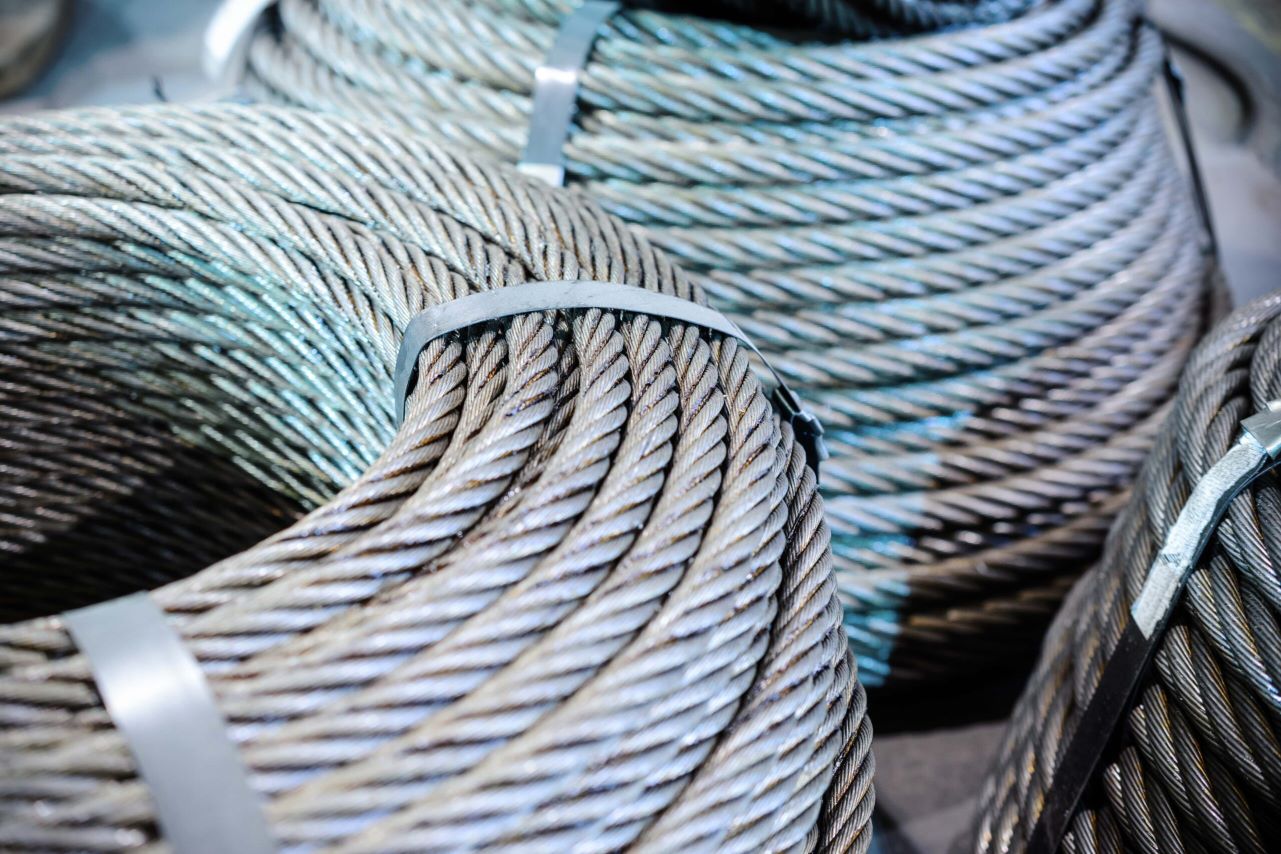
Steel wire rope has been a cornerstone of engineering and construction for well over a century, but its applications are constantly evolving. From supporting towering skyscrapers to enabling delicate surgical procedures, the versatility and strength of steel wire rope continue to drive innovation across diverse industries. In this article, we’ll explore some of the exciting new frontiers where steel wire rope is making a significant impact.
1. ✅ High-Rise Building Maintenance Systems
1.1 The Critical Role of Wire Rope in BMUs
Steel wire rope is the backbone of Building Maintenance Units (BMUs), providing a safe and reliable platform for window cleaning and facade inspection. BMUs rely on the high tensile strength and durability of steel wire rope to suspend heavy loads at great heights, ensuring the safety of workers and the integrity of building exteriors. The quality of the wire rope used in BMUs directly impacts the efficiency and safety of maintenance operations.
1.2 Data on Wire Rope Failure Rates in BMUs
Analyzing failure rates helps optimize maintenance schedules and improve safety protocols. Statistics show proper inspection and maintenance can reduce BMU wire rope failures by up to 60%. Regular inspections and preventative maintenance are crucial for extending the lifespan of steel cable and minimizing the risk of accidents. For many of our clients here in Dammam, we’ve seen that those who implement thorough inspection programs experience significantly fewer disruptions and enhanced safety records.
1.3 Advanced Monitoring Technologies for BMU Cables
Smart sensors embedded in wire rope can provide real-time data on stress, wear, and corrosion, enabling predictive maintenance and preventing catastrophic failures. These advanced monitoring systems allow for proactive interventions, reducing downtime and ensuring the continued safe operation of BMUs. As materials science advances, incorporating sensors into the cable design is becoming more prevalent.
2. 💡 Architectural Cable Systems
2.1 Tension Structures and Cable-Stayed Bridges
Steel wire rope is a key component in creating visually stunning and structurally sound architectural designs. Its high strength-to-weight ratio allows for long spans and complex geometries, pushing the boundaries of architectural possibilities. These tension structures often showcase the elegance and efficiency of steel cable, transforming skylines and redefining urban landscapes.
2.2 Case Study: The Use of Wire Rope in Modern Stadium Design
Explore how wire rope is used to support retractable roofs and other innovative features in modern stadiums, offering both aesthetic appeal and structural integrity. The use of steel wire rope enables architects to create flexible and adaptable spaces that can accommodate a variety of events. This approach not only enhances the spectator experience but also maximizes the functionality of the venue.
2.3 Analyzing the Load-Bearing Capacity of Architectural Cables
Understanding the load bearing capacity of different wire rope configurations is crucial for ensuring the safety and stability of architectural structures. Factors such as cable diameter, material composition, and installation techniques all play a significant role in determining the overall tensile strength and performance of the system. Our team at Safe and Secure Trading Company (SSTC) can provide comprehensive assessments and recommendations to ensure your architectural projects meet the highest standards of safety and reliability.
3. ➡️ Medical Device Applications: Surgical Robotics
3.1 Micro-Wire Rope in Minimally Invasive Surgery
Miniaturized steel wire rope is increasingly used in surgical robotics to provide precise and controlled movements within the human body, enabling less invasive procedures and faster recovery times. These micro-cables offer the necessary strength and flexibility to navigate complex anatomical structures, minimizing trauma and improving patient outcomes. The integration of steel wire rope in surgical robotics represents a significant advancement in medical technology.
3.2 The Advantages of Steel over Polymer Cables in Surgical Robots
Steel wire rope offers superior tensile strength, durability, and precision compared to polymer alternatives, making it ideal for the demanding requirements of surgical robotics. The ability to withstand repeated stress and maintain its integrity over time is crucial for ensuring the reliable performance of these critical medical devices. As innovative materials continue to emerge, the unique properties of steel cable make it a preferred choice for many surgical applications.
3.3 Data on the Increased Precision with Steel Cables
Studies show that using steel wire rope in surgical robots can improve the precision of movements by up to 25%, leading to better surgical outcomes. This enhanced precision allows surgeons to perform intricate procedures with greater accuracy and control, minimizing the risk of complications. This data underscores the significant benefits of using steel cable in medical robotics, highlighting its contribution to improved patient care.
> “The inherent strength and flexibility of steel wire rope make it an ideal material for a variety of medical applications, particularly in robotics where precision is paramount.” – Dr. Emily Carter, Biomedical Engineer
4. ✨ Subsea Cable Laying and Repair
4.1 The Challenges of Deep-Sea Cable Installation
Laying and maintaining subsea cables requires specialized equipment and techniques to overcome the harsh conditions of the deep ocean. Steel wire rope plays a vital role in lifting and positioning heavy cable sections, ensuring the reliable deployment of critical communication infrastructure. The extreme depths and corrosive environment present significant challenges, demanding high-performance materials and robust engineering solutions.
4.2 Remote Operated Vehicles (ROVs) and Wire Rope Integration
ROVs rely on steel wire rope for tethering, lifting, and manipulating objects on the seabed, enabling the inspection, repair, and retrieval of damaged cables. These remotely operated vehicles are essential for maintaining the integrity of subsea infrastructure, allowing technicians to perform complex tasks in hazardous environments. The cable applications for ROVs are constantly expanding as technology advances.
4.3 Statistical Data on Subsea Cable Faults and Repair Times
Analyzing data on subsea cable faults and repair times can help optimize cable design, installation practices, and maintenance strategies, reducing downtime and improving network reliability. By understanding the common causes of cable failures, engineers can develop more resilient designs and implement proactive maintenance programs. This data-driven approach is crucial for ensuring the continued operation of critical subsea communication networks.
5. 📊 Mining Industry Applications
5.1 Mine Hoisting Systems and Personnel Transport
Steel wire rope is essential for safely transporting personnel and materials in underground mines. Hoisting systems rely on the high strength and reliability of wire rope to prevent accidents, ensuring the safety of workers in this demanding environment. The selection and maintenance of steel cable for mine hoisting systems are critical considerations for mine operators.
5.2 The Role of Wire Rope in Slope Stability
Wire rope netting and anchors are used to stabilize slopes and prevent landslides in mining operations, protecting workers and equipment from potential hazards. These slope stabilization systems are designed to mitigate the risk of ground movement, ensuring the safety and stability of the mine site. The use of steel wire rope in slope stabilization demonstrates its versatility and effectiveness in challenging geotechnical applications.
5.3 Advancements in Wire Rope Monitoring for Mining Safety
Real-time monitoring of wire rope condition can detect early signs of wear and corrosion, preventing catastrophic failures and improving mine safety. These advanced monitoring systems provide valuable insights into the health and performance of steel cable, enabling proactive maintenance and reducing the risk of accidents. We, at Safe and Secure Trading Company (SSTC), understand the critical importance of safety in the mining industry and offer comprehensive solutions for wire rope monitoring and maintenance.
6. Modern Elevators
6.1 Coated Steel Ropes
Modern elevators are increasingly utilizing coated steel ropes which increases their resistance to wear and fatigue. The coatings on steel wire rope provide an extra layer of protection against environmental factors and friction, thus extending the lifespan of the rope. These advancements in materials science contribute to the improved reliability and safety of elevator systems.
6.2 Space Saving Design
Using flat steel ropes allows for a smaller cable diameter, which translates into more cabin space. This innovative cable design not only enhances the passenger experience but also allows for more efficient use of building space. The reduced size and increased strength of flat steel cables represent a significant advancement in elevator technology.
7. Suspension Bridges
7.1 Main Cable Components
The primary load bearing element, the main cable, consists of thousands of individual steel wires bundled together. This design provides immense strength and flexibility, allowing the bridge to withstand heavy loads and dynamic forces. The meticulous engineering and construction of the main cable are essential for the structural integrity of suspension bridges.
7.2 Corrosion Protection
Modern suspension bridge cables incorporate advanced corrosion protection systems, such as galvanization or specialized coatings, to ensure long-term durability and safety. These protective measures are crucial for mitigating the effects of environmental exposure and preventing the degradation of the steel cable over time. The use of innovative materials and techniques in corrosion protection helps to extend the lifespan of suspension bridges and maintain their structural integrity.
8. Oil and Gas Industry
8.1 Offshore Rigging
Steel wire ropes are the workhorses of offshore oil and gas platforms, used for lifting heavy equipment, mooring vessels, and supporting drilling operations. The strength and reliability of steel cable are essential for ensuring the safe and efficient operation of these complex industrial facilities. Offshore rigging demands high-performance materials that can withstand harsh marine conditions and heavy loads.
8.2 Critical Safety Component
Given the harsh marine environment and the weight of equipment involved, these ropes must meet stringent safety standards and undergo regular inspections. The integrity of steel wire rope is paramount for preventing accidents and ensuring the safety of personnel working on offshore platforms. We, at Safe and Secure Trading Company (SSTC), are committed to providing high-quality steel cable that meets the rigorous demands of the oil and gas industry.
9. Crane Operations
9.1 Lifting Capabilities
Steel wire ropes enable cranes to lift incredibly heavy loads safely and efficiently. The tensile strength and durability of steel cable are essential for the reliable performance of cranes in various industrial and construction materials handling applications. The selection of the appropriate wire rope for a specific crane operation is a critical safety consideration.
9.2 Different Rope Types
Different types of wire rope are utilized depending on the specifics of the lifting operation. Factors such as load weight, lifting height, and environmental conditions all influence the selection of the most suitable steel cable. Understanding the characteristics and limitations of different wire rope types is essential for ensuring safe and efficient crane operations.
10. Vehicle Recovery
10.1 Winching Power
Steel wire rope is commonly used as a winch line due to its strength and durability. The ability to withstand high tensile forces and resist abrasion makes steel cable an ideal choice for vehicle recovery applications. Whether it’s pulling a vehicle out of a ditch or clearing obstacles from a roadway, steel wire rope provides the necessary winching power for demanding recovery operations.
11. Robotics
11.1 Precision Control
Steel wire rope can be used to provide precise control and movement of robotic limbs and mechanisms. The high tensile strength and flexibility of steel cable make it well-suited for applications requiring accurate and reliable actuation. From industrial automation to medical robotics, steel wire rope plays a crucial role in enabling precise and controlled movements.
11.2 High Tensile Strength
Miniaturized steel wire rope can be incredibly useful for its high tensile strength for smaller robots and devices. The ability to withstand significant load bearing forces in a compact size makes steel cable an ideal material for miniaturized robotic applications. This allows engineers to design smaller, more efficient robots without sacrificing strength or performance.
12. Securing Cargo
12.1 Tie Down Straps
Steel wire rope is commonly incorporated into tie down straps to secure cargo during transport. The tensile strength and durability of steel cable provide a reliable means of securing heavy or valuable items during shipping and handling. The use of steel wire rope in tie down straps helps to prevent cargo damage and ensure safe transport.
12.2 Durability
The durability of steel wire rope helps to ensure the cargo is secure from it’s origin to destination. Resistance to abrasion, corrosion, and extreme weather conditions makes steel cable a long-lasting and dependable choice for securing cargo. Investing in high-quality tie down straps with steel wire rope reinforcement can help to minimize the risk of cargo loss or damage during transport.
Conclusion
As we’ve seen, steel wire rope continues to evolve and find new applications across a wide range of industries. From high-rise building maintenance to medical robotics and subsea cable laying, the strength, durability, and versatility of steel wire rope make it an indispensable material for modern engineering and construction. Understanding the specific requirements of each application and selecting the appropriate type of steel cable is crucial for ensuring safety and reliability. At Safe and Secure Trading Company (SSTC), we are dedicated to providing our clients with the highest quality steel wire rope solutions tailored to their unique needs. We leverage our extensive industry experience and technical expertise to deliver exceptional products and services that meet the most demanding challenges.
FAQ Section
Q: What are the main advantages of using steel wire rope compared to other materials?
A: Steel wire rope offers a unique combination of high tensile strength, flexibility, and durability, making it suitable for a wide range of applications. Compared to other materials like polymer cables, steel cable provides superior load bearing capacity and resistance to wear and tear.
Q: How do I choose the right type of steel wire rope for my specific application?
A: Selecting the appropriate steel wire rope depends on several factors, including the load bearing requirements, environmental conditions, and safety standards. It’s essential to consult with experienced engineers and suppliers to ensure you choose the right cable design for your needs. We, at Safe and Secure Trading Company (SSTC), can help you assess your requirements and recommend the most suitable wire rope solution.
Q: What are some best practices for maintaining steel wire rope to extend its lifespan?
A: Regular inspection, lubrication, and proper handling are essential for extending the lifespan of steel wire rope. Implementing a proactive maintenance program can help detect early signs of wear and corrosion, preventing catastrophic failures and ensuring the continued safe operation of your equipment.
Q: How is steel wire rope used in structural engineering?
A: In structural engineering, steel wire rope is used in tension structures such as cable-stayed bridges and suspension roofs. Its high tensile strength allows it to support large spans and complex geometries, providing both structural stability and aesthetic appeal. Understanding the load bearing capacity of different wire rope configurations is crucial for the safety and stability of architectural structures.
Q: What is the role of innovative materials in steel wire rope production?
A: Innovative materials and coatings are constantly being developed to enhance the performance and durability of steel wire rope. These advancements in materials science can improve resistance to corrosion, wear, and fatigue, extending the lifespan of the cable and reducing maintenance costs.
Q: What are some common cable applications for steel wire rope in the construction industry?
A: In the construction materials industry, steel wire rope is widely used for crane operations, hoisting systems, and slope stabilization. Its high tensile strength and reliability make it an essential component for safely lifting and moving heavy loads, as well as preventing landslides and ensuring worker safety.