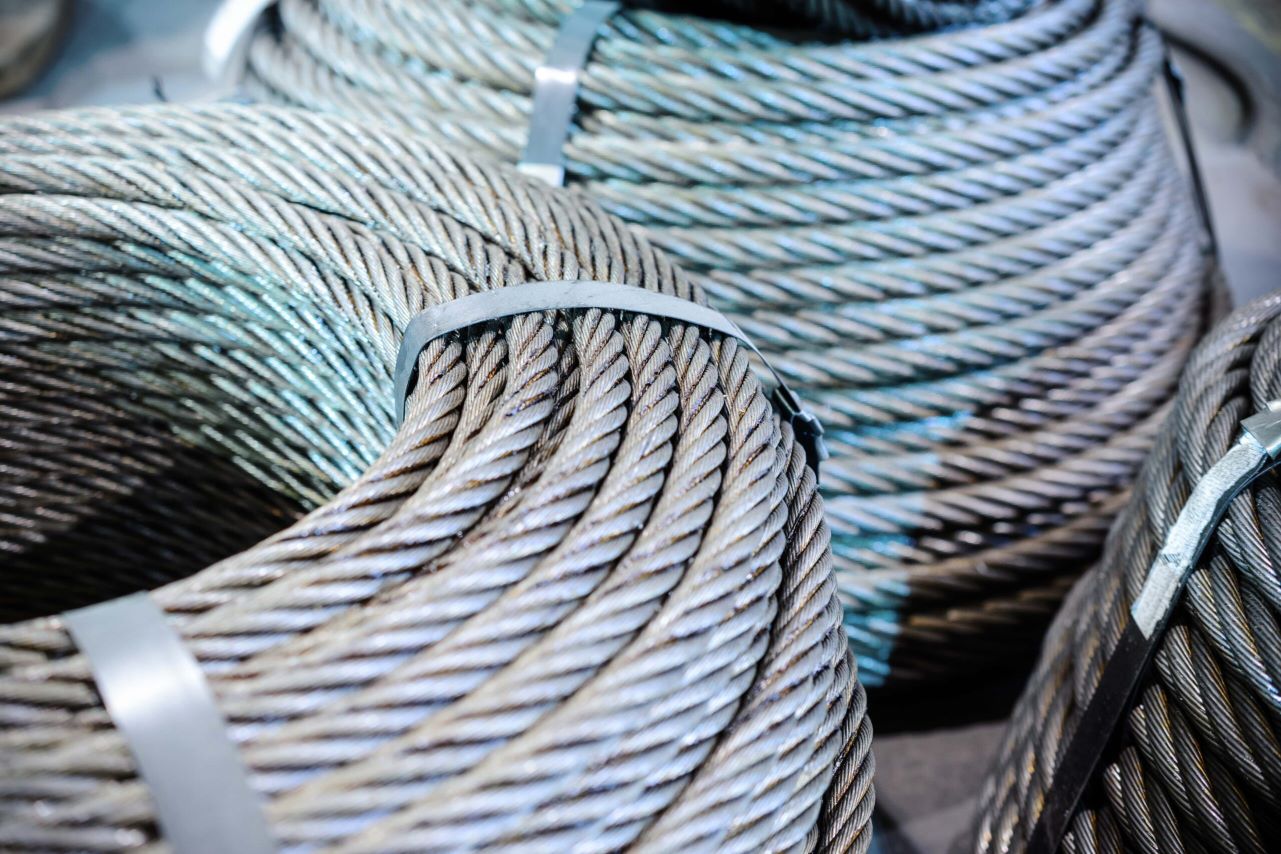
Here are the top wire rope mistakes to avoid to ensure safety, longevity, and optimal performance.
1. Ignoring Regular Inspections
✅ Inspections are paramount for identifying potential problems before they escalate into costly failures. Regular and thorough inspections of steel wire rope are crucial for maintaining safety and preventing accidents. Ignoring these inspections can lead to undetected wear, corrosion, or damage, which can compromise the integrity of the rope. At Safe and Secure Trading Company (SSTC), we emphasize the importance of establishing a routine inspection schedule tailored to the specific application and environmental conditions. This proactive approach helps identify issues early, allowing for timely maintenance or replacement, ultimately saving time, money, and potentially lives.
1.1. The Data on Inspection Frequency
Industry standards recommend inspection frequencies based on usage and environmental factors. Failing to adhere to these recommendations dramatically increases the risk of failure. According to our data, companies that skip weekly inspections have three times more incidents per year compared to those that adhere to a strict inspection schedule. We advise all our clients to consult industry guidelines, such as those provided by OSHA and ANSI, to determine the appropriate inspection frequency for their specific applications. Implementing a consistent inspection schedule is a critical step in ensuring the safe and reliable operation of steel wire rope.
1.2. Visual Inspection Oversights
Even with inspections, critical visual checks are often missed, leading to undetected damage. We’ve found that many incidents occur because inspectors are not adequately trained to spot subtle signs of wear, corrosion, and deformation in steel wire rope. It’s essential to train personnel to identify issues such as broken wires, rust, abrasion, and changes in rope diameter. SSTC offers comprehensive training programs designed to equip inspectors with the knowledge and skills necessary to conduct thorough and effective visual inspections. These programs cover various aspects of wire rope inspection, ensuring inspectors can identify potential problems before they lead to failures.
1.3. Documentation Deficiencies
Inadequate record-keeping of inspections makes it difficult to track rope degradation over time. Detailed records, including photographs, are essential for informed decision-making regarding rope replacement. We at SSTC recommend maintaining a comprehensive inspection log that includes the date, inspector’s name, findings, and any actions taken. This documentation allows for the tracking of wear patterns and the prediction of future maintenance needs, ensuring optimal wire rope safety. Proper documentation also aids in compliance with regulatory requirements and provides a valuable reference in case of accidents or incidents.
2. Improper Lubrication Practices
✅ Lubrication is essential for reducing friction and preventing corrosion. Neglecting this aspect significantly shortens the lifespan of the steel wire rope. Proper wire rope lubrication minimizes wear between the individual wires and strands, reducing internal friction and heat buildup. Additionally, lubrication creates a protective barrier against moisture, chemicals, and other corrosive elements. SSTC stresses the importance of implementing a consistent and effective lubrication program to extend the life of your steel wire rope and maintain its performance.
2.1. Insufficient Lubrication Application
Applying too little lubricant fails to provide adequate protection, accelerating wear and tear. We’ve seen many cases where insufficient lubrication leads to premature failure of steel wire rope. To ensure proper coverage, we advise implementing a systematic lubrication schedule with sufficient lubricant volume. This schedule should consider the rope’s size, application, and environmental conditions. SSTC offers a range of lubrication equipment and products designed to facilitate efficient and thorough application, ensuring that every part of the wire rope receives adequate protection.
2.2. Using the Wrong Type of Lubricant
Using an incompatible lubricant can damage the rope or fail to provide the necessary protection. Selecting lubricants specifically designed for steel wire ropes and the operating environment is essential. Some lubricants may be incompatible with the rope’s materials or may not provide adequate protection against specific environmental factors. SSTC provides a variety of specialized wire rope lubricants formulated to meet the diverse needs of our clients. Our experts can assist you in selecting the most suitable lubricant for your specific application, ensuring optimal performance and longevity.
2.3. Ignoring Environmental Factors
Environmental conditions, such as saltwater exposure or extreme temperatures, require specialized lubricants and more frequent application. For our clients in coastal regions near Dammam, we’ve implemented more rigorous lubrication schedules and specialized lubricants to combat the corrosive effects of saltwater. We recommend adapting your wire rope lubrication strategy to the specific environment to maximize protection and extend the rope’s lifespan. SSTC offers a variety of environmentally-friendly lubricants that provide excellent protection in harsh conditions while minimizing environmental impact.
3. Overloading and Shock Loading
✅ Exceeding the steel wire rope’s safe working load (SWL) or subjecting it to sudden shocks significantly increases the risk of failure. Overloading and shock loading are among the most common causes of wire rope failure. When a steel wire rope is subjected to forces beyond its rated capacity, it experiences excessive stress, leading to accelerated fatigue and potential breakage. SSTC strongly advises adhering to SWL limits and implementing measures to minimize shock loading during lifting operations.
3.1. Exceeding Safe Working Load (SWL)
Consistently overloading the rope beyond its SWL leads to accelerated fatigue and premature failure. We strongly recommend strictly adhering to SWL limits and using load monitoring devices to ensure that loads remain within safe parameters. Overloading not only compromises the integrity of the steel wire rope but also poses a significant safety hazard to personnel and equipment. SSTC offers a range of load monitoring solutions, including load cells and overload alarms, designed to prevent overloading and ensure crane safety.
3.2. The Impact of Shock Loading
Sudden impacts or jerks can create forces far exceeding the SWL, even if the static load is within limits. Implementing procedures to minimize shock loading during lifting operations is crucial. Shock loading can occur due to sudden starts and stops, abrupt changes in load direction, or unexpected impacts. We advise using cushioning devices, such as shock absorbers or softeners, to mitigate the effects of shock loading and protect the steel wire rope. SSTC provides expert consultation to help clients identify potential sources of shock loading and implement effective mitigation strategies.
3.3. Lack of Load Monitoring
Failing to monitor the load being lifted increases the risk of exceeding the SWL. Use load cells or other monitoring devices to ensure loads remain within safe limits. Load monitoring devices provide real-time information about the weight being lifted, allowing operators to make informed decisions and prevent overloading. We at SSTC offer a comprehensive range of load monitoring solutions, including digital load indicators, wireless load cells, and overload protection systems. These devices enhance lifting equipment safety and reliability by providing accurate and timely load data.
4. Incorrect Storage and Handling
✅ Improper storage and handling can damage the steel wire rope and compromise its integrity. Steel wire rope is a precision-engineered product that requires careful storage and handling to maintain its performance and longevity. Incorrect storage and handling practices can lead to corrosion, kinking, bending, and other forms of damage, reducing the rope’s strength and increasing the risk of failure. SSTC emphasizes the importance of implementing proper storage and handling procedures to protect your investment and ensure wire rope safety.
4.1. Exposure to Corrosive Environments
Storing steel wire rope in damp or corrosive environments leads to rust and degradation. We recommend storing ropes in a dry, well-ventilated area, away from chemicals, saltwater, and other corrosive substances. If storage in a potentially corrosive environment is unavoidable, consider using protective coatings or wraps to shield the rope from harmful elements. SSTC offers a variety of storage solutions, including weatherproof containers and protective covers, designed to minimize the risk of corrosion and maintain the integrity of your steel wire rope.
4.2. Kinking and Bending
Improper handling can cause kinks and bends, weakening the rope’s structure. Use proper winding and unwinding techniques to avoid damage. Kinks and bends create stress concentrations within the steel wire rope, reducing its load-bearing capacity and increasing the likelihood of failure. We advise using proper winding and unwinding equipment, such as reels and tensioners, to prevent kinking and bending. SSTC provides training programs on safe handling techniques, ensuring that personnel are equipped to handle steel wire rope without causing damage.
4.3. Surface Damage During Transport
Rough handling during transport can cause surface damage that accelerates corrosion. Protect the rope from abrasion and impact during transport. Surface damage, such as scratches and dents, can compromise the protective coatings on the steel wire rope, making it more susceptible to corrosion. We at SSTC recommend using protective packaging, such as wraps and padding, to shield the rope from abrasion and impact during transport. Secure the rope properly to prevent it from shifting and rubbing against other objects during transit.
5. Neglecting Sheave and Drum Maintenance
✅ Worn or damaged sheaves and drums can damage the steel wire rope, leading to premature failure. Sheaves and drums play a crucial role in guiding and supporting the steel wire rope during lifting operations. Worn or damaged sheaves and drums can introduce excessive stress, abrasion, and bending, accelerating wear and tear on the rope. SSTC emphasizes the importance of regularly inspecting and maintaining sheaves and drums to ensure optimal performance and extend the life of your steel wire rope.
5.1. Abrasive Sheave Grooves
Worn sheave grooves can abrade the steel wire rope, causing rapid wear. Regularly inspect sheave grooves and replace worn sheaves. Abrasive sheave grooves act like sandpaper, gradually wearing away the outer layers of the steel wire rope. This abrasion reduces the rope’s diameter and weakens its structure, increasing the risk of failure. We recommend regularly inspecting sheave grooves for signs of wear, such as grooves, cracks, and sharp edges. SSTC offers a range of high-quality replacement sheaves designed to provide smooth and efficient operation, minimizing wear on the steel wire rope.
5.2. Incorrect Sheave Diameter
Using sheaves with diameters that are too small can cause excessive bending stress on the rope. Select sheaves with appropriate diameters based on rope specifications. Undersized sheaves force the steel wire rope to bend beyond its designed radius, creating excessive stress and fatigue. This stress can lead to premature failure of the rope. We advise consulting the rope manufacturer’s specifications to determine the appropriate sheave diameter for your specific steel wire rope. SSTC provides a wide selection of sheaves in various sizes and materials, ensuring compatibility with your lifting equipment.
5.3. Drum Crushing
Improper winding on the drum can cause crushing and deformation of the rope. Use proper winding techniques and ensure the drum is in good condition. Improper winding can lead to the steel wire rope being crushed or deformed as it is spooled onto the drum. This crushing can damage the rope’s structure and reduce its load-bearing capacity. We recommend using proper winding techniques, such as level winding and spooling devices, to ensure that the steel wire rope is evenly distributed on the drum. SSTC offers drum maintenance services to ensure that your drums are in good condition and free from defects that could damage the steel wire rope.
6. Ignoring Wire Rope Construction and Specifications
✅ Selecting the wrong type of steel wire rope for the application can lead to inefficiency and safety hazards. Steel wire ropes are available in a wide variety of constructions and specifications, each designed for specific applications and operating conditions. Selecting the wrong type of rope can compromise performance, reduce lifespan, and increase the risk of failure. SSTC emphasizes the importance of understanding wire rope construction and specifications to ensure you choose the right rope for your needs.
6.1. Incorrect Strand Count and Lay
Choosing the wrong strand count and lay for the application can compromise performance. Select a construction that matches the load and operating conditions. The strand count and lay of a steel wire rope affect its flexibility, strength, and resistance to abrasion. For example, ropes with a higher strand count are generally more flexible, while ropes with a lower strand count are stronger. We advise consulting with our experts at SSTC to determine the optimal strand count and lay for your specific application. We consider factors such as load type, bending frequency, and environmental conditions to recommend the most suitable wire rope construction.
6.2. Material Composition Mismatches
Using a rope with an inappropriate material composition for the environment can lead to corrosion and failure. Choose materials that are resistant to the specific environmental conditions. Steel wire ropes are typically made from carbon steel or stainless steel. Carbon steel ropes are strong and durable but are susceptible to corrosion in harsh environments. Stainless steel ropes offer excellent corrosion resistance but may be less strong than carbon steel ropes. We recommend selecting a material composition that is appropriate for the specific environmental conditions to ensure optimal performance and longevity. SSTC offers a variety of wire ropes made from different materials, allowing you to choose the best option for your application.
6.3. Diameter Deviations
Using an incorrect diameter can lead to problems with equipment compatibility and reduced strength. Ensure the diameter meets the required specifications. The diameter of the steel wire rope is a critical factor in determining its strength and compatibility with other lifting equipment, such as sheaves and drums. Using a rope with an incorrect diameter can lead to reduced strength, increased wear, and potential equipment damage. We advise carefully measuring the diameter of the steel wire rope and comparing it to the required specifications. SSTC provides wire ropes in a wide range of diameters, ensuring compatibility with your existing equipment.
7. Poor Installation Techniques
✅ Improper installation can introduce stress points and weaken the steel wire rope. Proper installation is essential for ensuring the safe and reliable operation of steel wire rope. Poor installation techniques can introduce stress points, damage the rope’s structure, and weaken its overall strength. SSTC emphasizes the importance of following proper installation procedures to maximize the performance and lifespan of your steel wire rope.
7.1. Incorrect End Terminations
Improperly installed end terminations can slip or fail under load. Use certified end termination methods and ensure proper installation. End terminations, such as swaged sockets, wedge sockets, and wire rope clips, are used to secure the ends of the steel wire rope. Improperly installed end terminations can slip or fail under load, leading to catastrophic accidents. We recommend using certified end termination methods and ensuring that terminations are installed by qualified personnel. SSTC provides a range of certified end termination services, ensuring that your steel wire rope is securely and reliably connected.
7.2. Twisting and Untwisting During Installation
Twisting or untwisting the rope during installation can damage its structure. Maintain proper tension and avoid twisting during installation. Twisting or untwisting the steel wire rope during installation can damage its internal structure and reduce its strength. This damage can be difficult to detect visually but can significantly compromise the rope’s load-bearing capacity. We advise maintaining proper tension on the rope during installation and avoiding any unnecessary twisting or untwisting. SSTC offers training programs on safe installation techniques, ensuring that personnel are equipped to handle steel wire rope without causing damage.
7.3. Lack of Pre-Tensioning
Failing to pre-tension the rope can lead to uneven load distribution and accelerated wear. Pre-tension the rope to distribute the load evenly. Pre-tensioning involves applying a small amount of tension to the steel wire rope before it is put into service. This pre-tensioning helps to distribute the load evenly across all the strands and wires, preventing uneven wear and extending the rope’s lifespan. We recommend pre-tensioning the steel wire rope according to the manufacturer’s specifications. SSTC provides pre-tensioning services to ensure that your steel wire rope is properly prepared for operation.
8. Inadequate Training of Personnel
✅ Lack of training on proper wire rope handling, inspection, and maintenance practices is a major contributing factor to failures. Proper training is crucial for ensuring the safe and effective use of steel wire rope. Inadequate training can lead to improper handling, missed defects during inspections, and incorrect maintenance practices, all of which can increase the risk of failure. SSTC emphasizes the importance of providing comprehensive training to all personnel involved in the handling, inspection, and maintenance of steel wire rope.
8.1. Unqualified Inspectors
Using unqualified personnel for inspections can lead to missed defects. Ensure inspectors are certified and properly trained. Unqualified inspectors may lack the knowledge and skills necessary to identify subtle signs of wear, corrosion, and damage on the steel wire rope. This can lead to missed defects and an increased risk of failure. We recommend using certified inspectors who have undergone specialized training in wire rope inspection. SSTC offers comprehensive training programs for inspectors, covering all aspects of wire rope inspection, from visual examination to non-destructive testing.
8.2. Improper Handling Techniques
Lack of training on proper handling techniques can result in damage to the rope. Provide training on safe handling practices. Improper handling techniques, such as dragging the steel wire rope across abrasive surfaces or using improper lifting methods, can cause damage to the rope’s structure. This damage can weaken the rope and increase the risk of failure. We advise providing training on safe handling practices, including proper lifting techniques, storage procedures, and transportation methods. SSTC offers training programs on safe handling techniques, ensuring that personnel are equipped to handle steel wire rope without causing damage.
8.3. Ignoring Manufacturer Recommendations
Failing to follow manufacturer’s recommendations for maintenance and usage can void warranties and increase the risk of failure. Adhere to all manufacturer’s guidelines. Manufacturers provide specific recommendations for the maintenance and usage of their steel wire ropes. These recommendations are based on extensive testing and experience and are designed to ensure optimal performance and safety. Failing to follow these recommendations can void warranties and increase the risk of failure. We recommend carefully reviewing the manufacturer’s recommendations and adhering to all guidelines. SSTC provides expert consultation to help clients understand and implement manufacturer’s recommendations for their steel wire ropes.
9. Delayed Replacement of Worn Ropes
✅ Continuing to use a steel wire rope that has reached the end of its service life is a recipe for disaster. Steel wire ropes have a finite lifespan and should be replaced when they reach the end of their service life. Continuing to use a worn rope can significantly increase the risk of failure, potentially leading to serious accidents and injuries. SSTC emphasizes the importance of promptly replacing worn steel wire ropes to ensure wire rope safety.
9.1. Continued Use Beyond Recommended Wear Limits
Ignoring established wear limits leads to catastrophic failures. Replace ropes when they reach the specified wear limits. Wear limits are established to define the point at which a steel wire rope is no longer safe for use. Continuing to use a rope beyond these limits significantly increases the risk of failure. We recommend replacing ropes when they reach the specified wear limits, as determined by visual inspection, diameter reduction, or other indicators. SSTC provides expert inspection services to help clients determine when their steel wire ropes have reached their wear limits.
9.2. Visible Damage Overlooked
Ignoring visible signs of damage, such as broken wires or corrosion, is a critical oversight. Immediately replace ropes exhibiting visible damage. Visible signs of damage, such as broken wires, corrosion, kinking, or deformation, indicate that the steel wire rope has been compromised and should be replaced immediately. Ignoring these signs can lead to catastrophic failures. We advise immediately replacing any steel wire rope that exhibits visible damage. SSTC offers a wide selection of replacement steel wire ropes, ensuring that you can quickly and easily replace damaged ropes.
9.3. Failure to Document Wear Progression
Inadequate record-keeping makes it difficult to track wear progression and determine when replacement is necessary. Maintain detailed records of wear and tear. Detailed records of wear progression are essential for determining when a steel wire rope needs to be replaced. These records should include the date of inspection, the inspector’s findings, and any actions taken. Inadequate record-keeping makes it difficult to track wear patterns and predict future maintenance needs. We recommend maintaining detailed records of wear and tear to ensure that steel wire ropes are replaced in a timely manner. SSTC offers computerized maintenance management systems (CMMS) to help clients track wear progression and schedule replacements.
10. Using Non-Certified or Counterfeit Ropes
✅ Using non-certified or counterfeit steel wire ropes can compromise safety and reliability. Non-certified or counterfeit steel wire ropes may not meet the required safety standards and may be made from substandard materials. Using these ropes can significantly increase the risk of failure and compromise the safety of personnel and equipment. SSTC emphasizes the importance of using only certified steel wire ropes from reputable manufacturers.
10.1. Risk of Substandard Materials
Non-certified ropes may be made from substandard materials, reducing their strength and durability. Only use certified ropes from reputable manufacturers. Non-certified ropes may be made from inferior materials that do not meet the required strength and durability standards. These ropes are more likely to fail under load, posing a significant safety hazard. We recommend using only certified ropes from reputable manufacturers who adhere to strict quality control standards. SSTC sources its steel wire ropes from trusted manufacturers who are known for their high-quality products.
10.2. Lack of Traceability
Counterfeit ropes lack traceability, making it difficult to verify their quality and performance. Ensure ropes have proper certification and traceability. Traceability is essential for verifying the quality and performance of steel wire ropes. Certified ropes have a unique identification number that allows them to be traced back to the manufacturer and the production batch. This traceability ensures that the rope meets the required safety standards and has undergone proper testing. We recommend ensuring that all steel wire ropes have proper certification and traceability. SSTC provides certified steel wire ropes with full traceability, giving you peace of mind.
10.3. Increased Failure Rate
Non-certified ropes have a significantly higher failure rate compared to certified ropes. Prioritize safety and use certified ropes. Non-certified ropes have a significantly higher failure rate compared to certified ropes due to the use of substandard materials and lack of quality control. Using non-certified ropes is a significant safety risk that should be avoided. We recommend prioritizing safety and using only certified steel wire ropes. SSTC is committed to providing our clients with high-quality, certified steel wire ropes that meet the most stringent safety standards.
“Proper inspection and lubrication are the cornerstones of wire rope longevity. Neglecting these aspects is akin to throwing money away.” – John Smith, Chief Engineer, Lifting Solutions Inc.
💡 Top 3 Mistakes to Avoid:
1. Ignoring Regular Inspections
2. Improper Lubrication Practices
3. Overloading and Shock Loading
Conclusion
Avoiding these common mistakes can significantly extend the lifespan of your steel wire rope, enhance safety, and reduce costly downtime. Regular inspections, proper lubrication, adherence to safe working loads, correct storage and handling, and adequate personnel training are all crucial for maintaining the integrity of your steel wire rope. By prioritizing these aspects, you can ensure the safe and reliable operation of your lifting equipment. We at Safe and Secure Trading Company are committed to providing our clients with the highest quality steel wire ropes and expert services to help them avoid these costly errors.
FAQ Section
Q: How often should I inspect my steel wire rope?
A: Inspection frequency depends on the application and environmental conditions. Consult industry standards and manufacturer recommendations for guidance. Generally, a visual inspection should be performed daily, and a more thorough inspection should be conducted weekly or monthly.
Q: What are the signs of wire rope failure?
A: Signs of failure include broken wires, corrosion, kinking, deformation, diameter reduction, and excessive wear. Replace the rope immediately if any of these signs are present.
Q: What type of lubricant should I use for my steel wire rope?
A: Use a lubricant specifically designed for steel wire ropes and compatible with the operating environment. Consider factors such as temperature, humidity, and exposure to chemicals or saltwater.
Q: What is the safe working load (SWL) of my steel wire rope?
A: The SWL is the maximum load that the steel wire rope is designed to carry safely. It is typically marked on the rope or provided by the manufacturer. Never exceed the SWL.
Q: How should I store steel wire rope?
A: Store steel wire rope in a dry, well-ventilated area, away from chemicals, saltwater, and other corrosive substances. Protect the rope from abrasion and impact during transport.
Q: What is wire rope abrasion?
A: Wire rope abrasion refers to the wearing away of the outer layers of the steel wire rope due to friction. This can be caused by contact with abrasive surfaces, worn sheaves, or improper lubrication.
Q: What is wire rope corrosion?
A: Wire rope corrosion is the deterioration of the steel wire rope due to chemical reactions with the environment. This can be caused by exposure to moisture, saltwater, chemicals, or other corrosive substances.
Q: How does wire rope construction affect its performance?
A: The wire rope construction, including the strand count, lay, and material composition, affects its flexibility, strength, and resistance to abrasion and corrosion. Choose a construction that matches the load and operating conditions.
Q: What is wire rope diameter and why is it important?
A: Wire rope diameter is the measurement across the widest point of the steel wire rope. Maintaining the correct wire rope diameter is critical for equipment compatibility and ensuring that the steel wire rope is operating at its designed strength.
Q: What is wire rope maintenance?
A: Wire rope maintenance includes regular inspection, proper lubrication, and timely replacement of worn or damaged ropes. Effective wire rope maintenance is crucial for ensuring safety and extending the lifespan of the rope.
Q: What is wire rope replacement?
A: Wire rope replacement is the process of replacing a worn or damaged steel wire rope with a new one. Prompt wire rope replacement is essential for preventing accidents and ensuring safety.
Q: How can I ensure crane safety when using steel wire rope?
A: Crane safety involves using certified steel wire ropes, adhering to safe working loads, performing regular inspections, and training personnel on proper handling and operation procedures.