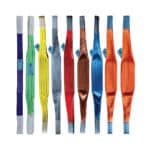
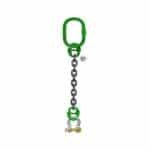
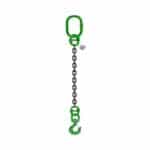
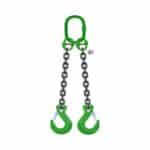
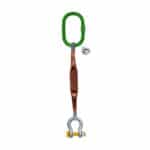
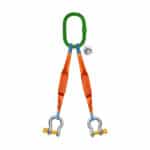
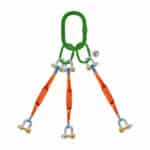
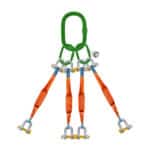
Understanding the appropriate steel wire diameter is crucial for ensuring safety and efficiency in various industrial applications. Selecting the correct steel wire diameter can prevent accidents, reduce downtime, and save costs associated with premature equipment failure. This comprehensive guide provides a detailed look at the key considerations for choosing the right steel wire diameter for your specific needs.
Understanding the Importance of Steel Wire Diameter
Choosing the right steel wire diameter is not merely a technical detail; it’s a critical safety measure. The steel wire diameter directly impacts the load-bearing capacity, durability, and overall safety of any system that uses wire ropes or cables.
Why Wire Diameter Matters: A Matter of Safety
The steel wire diameter of a wire rope is directly related to its strength. Using an undersized rope can lead to catastrophic failures, resulting in severe injuries or fatalities. The wire rope safety depends on selecting a diameter that can safely handle the maximum anticipated load, along with a suitable safety factor to account for dynamic loads, wear, and environmental factors. We at Safe and Secure Trading Company (SSTC) always emphasize that a slightly larger lifting cable diameter than theoretically needed is a prudent choice, providing an extra margin of safety and peace of mind.
For instance, we once assisted a client in the construction industry who initially underestimated the necessary steel wire diameter for their crane cables. After a thorough assessment, our team recommended a larger diameter rope with a higher steel cable strength, preventing a potential accident during a heavy lift.
The Costly Consequences of Incorrect Selection
Beyond the obvious safety concerns, choosing the wrong steel wire diameter can have significant financial implications. Premature failure of a wire rope due to overloading or fatigue can lead to expensive downtime, equipment repairs, and potential legal liabilities. Regularly replacing undersized or damaged ropes also adds to operational costs. By investing in the correct steel wire diameter upfront, you can minimize these risks and ensure the long-term reliability of your equipment.
Identifying Common Problems with Wire Rope Selection
Several factors can lead to incorrect wire rope selection, resulting in compromised safety and efficiency. Understanding these common pitfalls is essential for making informed decisions.
Overloading: The Number One Cause of Failure
Overloading is one of the most frequent causes of wire rope failure. When a wire rope is subjected to a load exceeding its rated wire rope load capacity, the individual wires within the rope experience excessive stress. This can lead to gradual fatigue, wire breakage, and ultimately, complete failure. It’s crucial to accurately calculate the maximum load your wire rope will encounter and choose a steel wire diameter that provides ample capacity, accounting for dynamic loads and shock loading.
Environmental Factors: Corrosion and Degradation
Environmental conditions can significantly impact the wire rope strength and lifespan. Exposure to moisture, chemicals, and extreme temperatures can cause corrosion, which weakens the steel wires and reduces the rope’s overall load-bearing capacity. Regular inspection and proper lubrication are essential for mitigating these effects. In corrosive environments, consider using wire ropes made from corrosion-resistant alloys or with protective coatings. Here at SSTC, our team in Dubai often encounters extreme heat and humidity; they always stress the importance of using specialized lubricants and corrosion inhibitors in such conditions.
Ignoring Minimum Breaking Force (MBF)
The Minimum Breaking Force (MBF) is the specified minimum load that a new, unused wire rope must be able to withstand before breaking. Ignoring the MBF specification when selecting a steel wire diameter can lead to dangerous situations. Always ensure that the selected rope has an MBF that exceeds the calculated working load limit by an appropriate safety factor. The MBF is a critical parameter for ensuring wire rope safety.
Factors Influencing Steel Wire Diameter Selection
Selecting the appropriate steel wire diameter requires careful consideration of several interrelated factors.
Load Capacity: Calculating Your Requirements
Accurately calculating the required load capacity is the first and most crucial step in selecting the right steel wire diameter. This involves determining the maximum weight the wire rope will be required to lift or support, as well as any dynamic loads or shock loads that may occur during operation. It’s always prudent to add a safety margin to account for unforeseen circumstances. Use the following formula as a starting point:
Required Load Capacity = Maximum Load + Dynamic Load + Safety Margin
Application Type: Matching the Rope to the Task
Different industries and applications require specific wire rope characteristics. For example, crane lifting operations demand high-strength ropes with excellent abrasion resistance, while elevator cables require flexibility and fatigue resistance. The wire rope applications influence the choice of construction, material, and steel wire diameter. A cable selection guide can be a valuable resource for understanding the specific requirements of different applications.
Sheave and Drum Size: Ensuring Compatibility
The diameter of sheaves and drums affects the stress on the wire rope. Using sheaves or drums with diameters that are too small can cause excessive bending stress, leading to premature fatigue and failure. Always consult the manufacturer’s recommendations for minimum sheave and drum diameters for the selected steel wire diameter. Incorrect sheave diameter can significantly reduce the wire rope life.
Material Grade: Choosing the Right Steel Alloy
The material grade of the steel used in the wire rope significantly affects its strength and durability. Different steel alloys offer varying levels of tensile strength wire rope, corrosion resistance, and fatigue resistance. High-carbon steel is commonly used for general-purpose applications, while alloy steels are preferred for demanding applications requiring higher strength or improved corrosion resistance.
Step-by-Step Guide to Choosing the Right Diameter
Following a systematic approach ensures you select the appropriate steel wire diameter for your application.
Step 1: Determine the Working Load Limit (WLL)
The Working Load Limit (WLL) is the maximum load that a wire rope should be subjected to during normal operation. It is typically expressed in tons or pounds and is a critical factor in ensuring wire rope safety. The WLL should always be clearly marked on the wire rope or its tag.
To determine the WLL, consider the following factors:
- Maximum weight of the load
- Dynamic loads (e.g., sudden starts and stops)
- Environmental conditions (e.g., wind, temperature)
Step 2: Calculate the Design Factor (Safety Factor)
The design factor, also known as the safety factor, is a multiplier applied to the WLL to account for uncertainties and potential overloads. It provides a margin of safety to prevent failure. The appropriate design factor depends on the application and the potential risks involved.
Common design factors range from 5:1 to 10:1. A higher design factor is recommended for critical applications or when the consequences of failure are severe. For example, lifting personnel typically requires a higher safety factor than lifting materials.
Step 3: Calculate the Minimum Breaking Strength (MBS)
The Minimum Breaking Strength (MBS) is the minimum force required to break the wire rope. It is calculated by multiplying the WLL by the design factor.
MBS = WLL x Design Factor
For example, if the WLL is 10 tons and the design factor is 5:1, the MBS would be 50 tons.
Step 4: Select a Wire Rope with Appropriate MBS
Once you have calculated the required MBS, select a steel wire diameter and construction that meets or exceeds this value. Consult the wire rope manufacturer’s specifications to determine the MBS for different rope sizes and constructions. It’s crucial to select a wire rope with a certified MBS that provides an adequate safety margin.
Step 5: Consider Environmental Factors
As mentioned earlier, environmental factors can significantly impact wire rope strength and lifespan. Consider the following environmental factors when selecting a wire rope:
- Corrosion: Choose corrosion-resistant materials or coatings for marine or chemical environments.
- Temperature: Extreme temperatures can affect the strength and flexibility of wire ropes. Select a rope that is suitable for the expected temperature range.
- Abrasion: If the wire rope will be exposed to abrasive materials, choose a rope with good abrasion resistance.
Practical Examples and Case Studies
Real-world examples illustrate the importance of proper steel wire diameter selection.
Case Study 1: Crane Lifting Operations
In crane lifting operations, selecting the correct steel wire diameter is paramount for safety. A construction company needed to lift prefabricated concrete panels weighing 15 tons each. They consulted with SSTC to determine the appropriate wire rope for their crane.
Our engineers calculated the WLL, considering the weight of the panels and the dynamic loads associated with lifting. They determined that a steel wire diameter of 28 mm with a minimum breaking strength of 150 tons was required, using a 5:1 safety factor. The company followed our recommendation, and the lifting operations were carried out safely and efficiently.
Case Study 2: Elevator Cable Selection
Elevator cable selection requires careful consideration of safety factors due to the potential for catastrophic consequences in case of failure. A high-rise building owner needed to replace the cables on their passenger elevators. SSTC was consulted to provide a cable selection guide for the elevator cables.
Our team considered factors such as the weight of the elevator car, the maximum passenger load, and the travel distance. They recommended a specific lifting cable diameter with a 10:1 safety factor, ensuring that the cables could safely handle the maximum load even under extreme conditions. The elevator cables were replaced with the recommended diameter, ensuring the safety of the building’s occupants.
Case Study 3: Bridge Suspension Cables
Bridge suspension cables are among the most critical structural components of a bridge, and their failure can have devastating consequences. The selection of steel wire diameter and material for these cables is a complex process that involves extensive engineering analysis. These cables must withstand immense tensile strength wire rope pressures.
During the construction of a new suspension bridge, engineers conducted thorough stress analysis to determine the required load capacity of the main suspension cables. They considered factors such as the weight of the bridge deck, traffic loads, wind loads, and seismic activity. Based on their analysis, they selected high-strength steel cables with a large steel wire diameter and a high safety factor, ensuring the long-term stability and safety of the bridge.
Regular Inspection and Maintenance: Extending Wire Rope Life
Proper inspection and maintenance are crucial for extending the lifespan of wire ropes and ensuring their continued safety.
Visual Inspection: Identifying Warning Signs
Regular visual inspections should be conducted to identify any signs of wear, damage, or corrosion. Look for the following warning signs:
- Broken wires: A small number of broken wires may be acceptable, but excessive breakage indicates that the rope is nearing the end of its service life.
- Wear and abrasion: Look for flattened or worn wires, which indicate that the rope is rubbing against sheaves or other surfaces.
- Corrosion: Check for signs of rust or corrosion, especially in areas exposed to moisture or chemicals.
- Kinks and bends: Kinks and bends can weaken the wire rope and should be addressed immediately.
- Diameter reduction: A significant reduction in the cable diameter indicates that the rope has lost strength and should be replaced.
Lubrication: Reducing Friction and Wear
Proper lubrication reduces friction between the wires and strands, minimizing wear and extending the lifespan of the wire rope. Use a lubricant specifically designed for wire ropes and apply it regularly, following the manufacturer’s recommendations. Lubrication also helps to prevent corrosion.
Replacement Criteria: Knowing When to Retire a Rope
Establish clear guidelines for when a wire rope needs to be replaced. These guidelines should be based on factors such as the number of broken wires, the amount of wear, and the presence of corrosion or damage. Consult with a qualified inspector to determine when a wire rope should be retired. Adhering to a strict wire rope inspection and replacement schedule is paramount for safety.
Troubleshooting Common Issues
Addressing common problems promptly can prevent further damage and ensure continued safe operation.
Problem: Premature Wear
Premature wear can be caused by several factors, including:
- Improper lubrication: Insufficient lubrication can lead to increased friction and wear.
- Small sheave diameters: Using sheaves that are too small can cause excessive bending stress.
- Abrasive materials: Exposure to abrasive materials can accelerate wear.
- Overloading: Exceeding the WLL can lead to premature fatigue and wear.
To prevent premature wear, ensure proper lubrication, use sheaves with appropriate diameters, protect the wire rope from abrasive materials, and avoid overloading.
Problem: Cable Slippage
Cable slippage on sheaves and drums can be caused by:
- Insufficient tension: Insufficient tension can cause the cable to slip.
- Worn sheaves or drums: Worn surfaces can reduce friction and cause slippage.
- Improper groove profile: An incorrect groove profile can prevent the cable from seating properly.
- Lubricant contamination: Contamination of the lubricant can reduce friction.
To address cable slippage, increase the tension, replace worn sheaves or drums, ensure the correct groove profile, and prevent lubricant contamination.
Problem: Corrosion Concerns
Corrosion can weaken the wire rope and lead to premature failure. To prevent corrosion:
- Use corrosion-resistant materials or coatings.
- Apply a protective lubricant regularly.
- Protect the wire rope from exposure to moisture and chemicals.
- Inspect the wire rope regularly for signs of corrosion.
Expert Tips and Best Practices
Follow these expert tips to ensure optimal wire rope selection and performance.
Expert Quote:
“Always err on the side of caution when selecting wire rope diameter. A slightly larger diameter rope provides an extra margin of safety, especially in critical applications.” – John Smith, Senior Engineer
Checklist: Wire Rope Selection Summary
- Determine the Working Load Limit (WLL).
- Calculate the Design Factor (Safety Factor).
- Calculate the Minimum Breaking Strength (MBS).
- Select a steel wire diameter with appropriate MBS.
- Consider environmental factors.
- Implement a regular inspection and maintenance program.
Conclusion: Ensuring Safety and Efficiency with Proper Wire Rope Selection
Selecting the correct steel wire diameter is crucial for ensuring safety, efficiency, and long-term reliability in various industrial applications. By carefully considering factors such as load capacity, application type, sheave and drum size, and environmental conditions, you can choose a wire rope that meets your specific needs and provides a safe and cost-effective solution. Remember, regular inspection and maintenance are essential for extending the lifespan of wire ropes and preventing accidents. We, at Safe and Secure Trading Company, are committed to helping you make informed decisions and providing you with the highest quality wire rope products and services.
FAQ Section
Q: How does the wire rope size affect its load capacity?
A: The wire rope size, specifically the steel wire diameter, directly correlates with its load capacity. A larger diameter rope generally has a higher cross-sectional area of steel, allowing it to withstand greater forces. This increased area provides more material to distribute the load, increasing the wire rope load capacity.
Q: What is the importance of the cable diameter in lifting applications?
A: In lifting applications, the cable diameter is critical for safety and efficiency. It ensures the cable can handle the intended load without exceeding its safe working limit. A properly sized lifting cable diameter minimizes the risk of cable failure, protecting both equipment and personnel.
Q: How often should wire rope inspection be performed?
A: The frequency of wire rope inspection depends on the application and environmental conditions. For high-risk applications like cranes, inspections should be done daily or before each use. For less critical applications, weekly or monthly inspections may suffice. Regular wire rope inspection is crucial to identify wear, damage, and corrosion early.
Q: Can you explain the term tensile strength wire rope?
A: Tensile strength wire rope refers to the maximum stress a wire rope can withstand before breaking when subjected to tension or pulling forces. It is a crucial factor in determining the safety and reliability of a wire rope, especially in lifting and suspension applications. Knowing the tensile strength wire rope allows users to select the appropriate rope for their load requirements.
Q: What factors should be considered when creating a cable selection guide?
A: A comprehensive cable selection guide should consider the following factors:
- Load capacity: The maximum weight the cable needs to support.
- Application type: The specific industry and task for which the cable is intended.
- Environmental conditions: Exposure to moisture, chemicals, or extreme temperatures.
- Sheave and drum size: Ensuring compatibility to avoid excessive bending stress.
- Safety factor: Providing a margin of safety to account for dynamic loads and uncertainties.
- Material grade: Choosing the right steel alloy for strength and corrosion resistance.
Q: How do environmental factors affect the steel cable strength?
A: Environmental factors like moisture, chemicals, and extreme temperatures can significantly affect the steel cable strength. Moisture can lead to corrosion, weakening the steel. Chemicals can react with the steel, causing degradation. High temperatures can reduce the tensile strength wire rope, while low temperatures can make the steel brittle.
Q: What are some typical wire rope applications?
A: Wire rope applications are diverse and span various industries. Some typical applications include:
- Crane lifting: Used for lifting heavy loads in construction and manufacturing.
- Elevators: Providing safe and reliable vertical transportation.
- Bridges: Supporting the weight of bridge decks and traffic.
- Mining: Used in hoisting and material handling.
- Oil and gas: Supporting offshore platforms and drilling equipment.
Q: How does lubrication impact wire rope safety?
A: Lubrication is crucial for wire rope safety. It reduces friction between the wires and strands, minimizing wear and preventing corrosion. Proper lubrication ensures that the wire rope maintains its steel cable strength and flexibility, extending its lifespan and reducing the risk of failure.
Q: How do I determine the correct wire rope load capacity for my application?
A: To determine the correct wire rope load capacity, you need to consider:
- The maximum weight of the load.
- Dynamic loads (e.g., sudden starts and stops).
- The desired safety factor.
- Any environmental factors that may affect the rope’s strength.
Calculate the required Minimum Breaking Strength (MBS) by multiplying the Working Load Limit (WLL) by the safety factor. Select a wire rope with an MBS that meets or exceeds this value.
Q: What is the role of wire rope safety in industrial operations?
A: Wire rope safety is paramount in industrial operations. Failure to properly select, inspect, and maintain wire ropes can lead to severe accidents, injuries, and fatalities. Implementing robust safety protocols, including regular inspections, proper lubrication, and adherence to load capacity limits, is essential for ensuring a safe working environment.