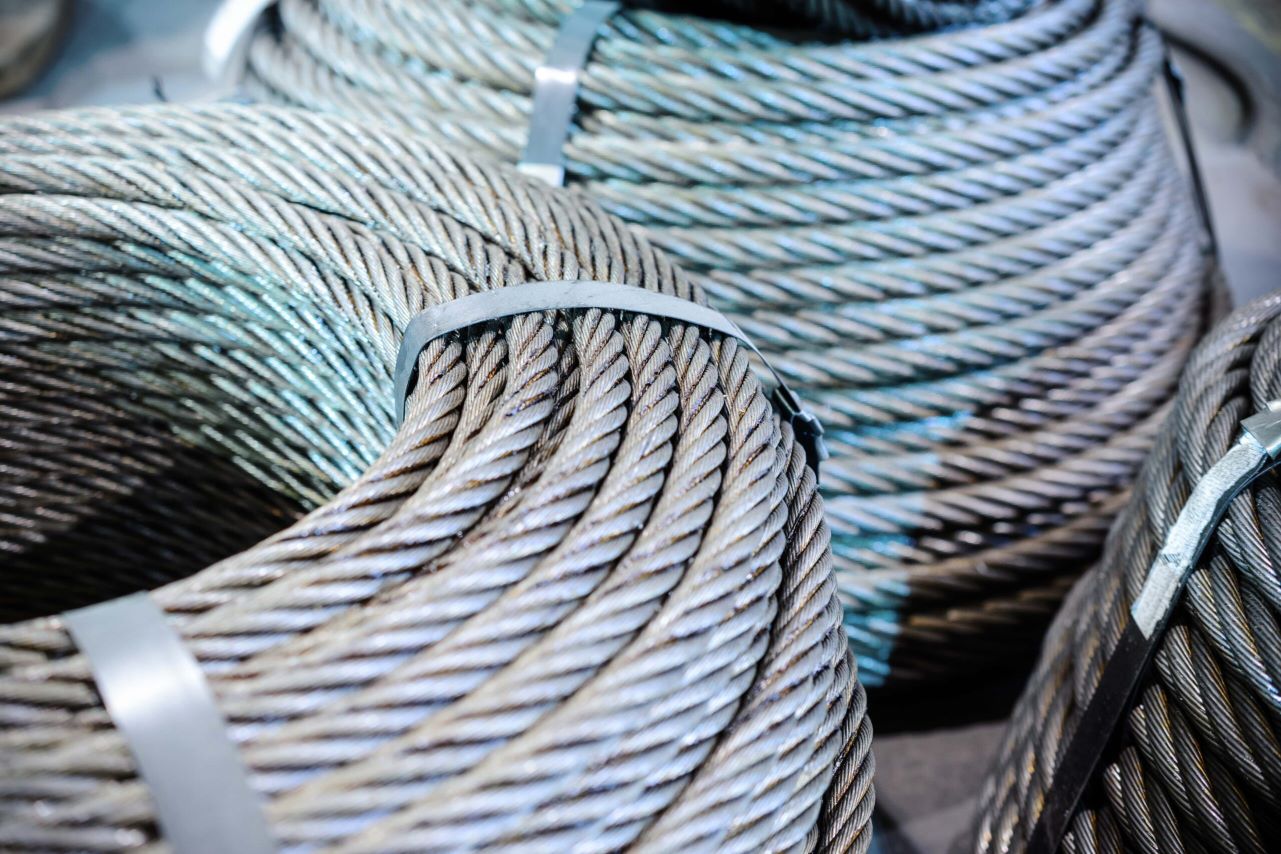
Steel wire rope is a critical component in countless industries, from construction and manufacturing to transportation and energy. Choosing the correct diameter for your steel wire rope is paramount for ensuring safety, efficiency, and longevity. This comprehensive guide from Safe and Secure Trading Company (SSTC) will provide you with the knowledge and step-by-step instructions needed to make informed decisions about steel wire rope diameter selection for your specific applications.
Understanding Steel Wire Rope Fundamentals
What is Steel Wire Rope? A Quick Overview
Steel wire rope is a complex assembly of numerous wires arranged in a specific helical configuration. These wires are laid together to form strands, and multiple strands are then laid around a core, creating a robust and flexible cable. This construction allows steel wire rope to withstand significant tensile forces and bending stresses, making it ideal for lifting, hoisting, and pulling applications. Steel wire rope is valued for its high strength-to-weight ratio, durability, and resistance to abrasion. The versatility of steel wire rope makes it a crucial element in many industries.
Key Components: Wires, Strands, and Core
Understanding the key components of steel wire rope is crucial to appreciating how the wire rope diameter affects its overall performance. Each element plays a distinct role:
- Wires: Individual wires are the building blocks of the steel cable, typically made of high-carbon steel. The quality and type of steel used directly influence the rope’s tensile strength and resistance to wear.
- Strands: Strands are formed by twisting multiple wires together in a helical pattern. The number of wires in a strand, the way they are laid, and the strand’s overall construction impact the rope’s flexibility and resistance to crushing.
- Core: The core provides support for the strands and maintains their relative positions under load. Cores can be made of fiber (natural or synthetic), steel wire strand (IWSC), or independent wire rope (IWRC). The core type affects the rope’s flexibility, resistance to heat, and ability to withstand compressive forces.
2026 statistics show that the most common cause of wire rope failure is core degradation, highlighting the importance of core selection and maintenance.
Different Types of Steel Wire Rope Construction
Steel wire rope is manufactured in various constructions, each designed for specific applications and performance characteristics. Some common types include:
- Regular Lay: In regular lay ropes, the wires in the strands are laid in one direction, and the strands are laid around the core in the opposite direction. This construction offers good resistance to crushing and abrasion.
- Lang Lay: In Lang lay ropes, the wires in the strands and the strands around the core are laid in the same direction. This construction provides greater flexibility and resistance to fatigue but is more susceptible to crushing and distortion.
- Combination Lay: These ropes combine features of both regular and Lang lay constructions to achieve a balance of properties.
- Seale: Seale construction features larger outer wires, offering enhanced abrasion resistance.
- Warrington: Warrington construction uses alternating large and small wires in the outer layer, providing increased flexibility and fatigue resistance.
- Filler Wire: Filler wire construction includes small wires in the strand valleys to provide support and reduce wear between the main wires.
The specific construction of a steel cable influences its flexibility, strength, and resistance to wear, all of which must be considered when selecting the appropriate wire rope diameter.
Why Diameter Matters: Safety and Performance
Load Capacity: How Diameter Affects Safe Working Load (SWL)
The diameter of a steel wire rope is a primary factor in determining its load-carrying capacity. A larger diameter generally means a greater cross-sectional area of steel, allowing the rope to withstand higher tensile forces. The safe working load (SWL) is the maximum load that a wire rope is designed to carry under normal working conditions. It is crucial to select a steel wire rope diameter that provides an adequate SWL for the intended application.
The relationship between wire rope diameter and SWL is not linear. As the diameter increases, the SWL increases, but other factors, such as the grade of steel, the wire rope construction, and the safety factor, also play significant roles. The team at SSTC always advises consulting wire rope diameter charts and tables provided by manufacturers to determine the appropriate diameter for a given SWL.
Breaking Strength vs. SWL: Understanding the Safety Factor
Breaking strength, also known as minimum breaking load (MBL), is the force at which a new steel cable is expected to fail under a static tensile load. The SWL is calculated by dividing the breaking strength by a safety factor. The safety factor is a multiplier that accounts for uncertainties in loading conditions, wear and tear, and other factors that can reduce the wire rope’s strength over time.
Industry standards and regulations specify minimum safety factors for different applications. For example, lifting equipment used in construction may require a safety factor of 5:1, meaning that the breaking strength of the steel wire rope must be at least five times the SWL. This safety factor helps to ensure that the steel wire rope can withstand unexpected overloads or dynamic stresses without failing. When our team in Dubai tackles this issue, they often find that adhering to the required safety factors is overlooked, leading to potentially hazardous situations.
The Consequences of Using an Incorrect Diameter
Using an incorrect diameter for a steel wire rope can have severe consequences, including:
- Overloading: If the wire rope diameter is too small, the rope may be overloaded, leading to premature wear, distortion, and ultimately, failure.
- Safety Hazards: Wire rope failure can result in dropped loads, equipment damage, and serious injuries or fatalities.
- Inefficient Operation: Using an undersized wire rope can limit the lifting capacity of equipment, reducing productivity.
- Increased Maintenance Costs: Overloaded or damaged steel cable requires more frequent inspection, maintenance, and replacement, increasing operational costs.
- Compliance Issues: Using an incorrect wire rope diameter can violate industry standards and regulations, leading to fines and legal liabilities.
“Always err on the side of caution when selecting steel wire rope. It’s better to have a rope that is slightly oversized than one that is undersized and potentially dangerous.” – John Smith, Lead Safety Inspector
Calculating Your Load Requirements
Determining the Maximum Load You’ll Be Lifting
The first step in selecting the appropriate steel wire rope diameter is to determine the maximum load you will be lifting or supporting. This includes the weight of the object being lifted, as well as any additional loads, such as lifting accessories or rigging equipment. It’s important to obtain accurate weight measurements to avoid underestimating the total load. Overestimating is always a safer practice.
Considering Dynamic Loads and Shock Factors
In addition to the static load, you must also consider dynamic loads and shock factors. Dynamic loads are forces that are applied suddenly or vary over time, such as those caused by acceleration, deceleration, or impact. Shock factors are multipliers that account for the increased stress on the steel wire rope due to these dynamic loads.
For example, lifting a load quickly or stopping it abruptly can generate significant dynamic forces. Similarly, sudden impacts or jerks can create shock loads that exceed the static weight of the object being lifted. The magnitude of the dynamic load or shock factor depends on the specific application and operating conditions. Consulting with experienced engineers or wire rope specialists can help you determine appropriate dynamic load factors.
Applying Safety Factors Based on Industry Standards
Once you have determined the maximum load, including dynamic loads and shock factors, you must apply an appropriate safety factor. As mentioned earlier, the safety factor is a multiplier that accounts for uncertainties in loading conditions, wear and tear, and other factors that can reduce the wire rope’s strength over time.
Industry standards and regulations specify minimum safety factors for different applications. These safety factors vary depending on the type of lifting equipment, the operating environment, and the potential consequences of wire rope failure. It is essential to consult the relevant standards and regulations to determine the correct safety factor for your application.
Here’s a list of typical safety factors:
| Application |
Typical Safety Factor |
| General Lifting |
5:1 |
| Elevators |
10:1 to 12:1 |
| Mining Applications |
6:1 to 8:1 |
| Personnel Lifting |
7:1 to 10:1 |
Steel Wire Rope Diameter Selection Guide: A Step-by-Step Approach
Step 1: Identify the Application (e.g., Crane, Elevator, Winch)
The first step in selecting the appropriate steel wire rope diameter is to clearly identify the specific application for which the wire rope will be used. Different applications have different requirements in terms of load capacity, flexibility, resistance to wear, and safety factors. Some common applications include:
- Cranes: Cranes are used for lifting and moving heavy loads in construction, manufacturing, and other industries. The wire rope diameter must be sufficient to handle the maximum load capacity of the crane, as well as any dynamic loads or shock factors.
- Elevators: Elevators are used for transporting passengers or freight in buildings. Elevator cables require high strength, flexibility, and fatigue resistance to ensure safe and reliable operation. The wire rope diameter must meet the requirements of relevant elevator safety codes and standards.
- Winches: Winches are used for pulling or hoisting loads in a variety of applications, such as towing vehicles, lifting boats, or positioning equipment. The wire rope diameter must be sufficient to handle the maximum pulling force or lifting capacity of the winch.
[IMAGE: A picture illustrating different wire rope applications: crane, elevator, winch]
Step 2: Determine the Required SWL
Once you have identified the application, the next step is to determine the required safe working load (SWL). This is the maximum load that the steel wire rope is designed to carry under normal working conditions. The SWL should be calculated by considering the maximum load you will be lifting, any dynamic loads or shock factors, and the appropriate safety factor.
To calculate the required SWL, use the following formula:
SWL = (Maximum Load x Dynamic Load Factor) x Safety Factor
For example, if you are lifting a maximum load of 10,000 lbs with a dynamic load factor of 1.2 and a safety factor of 5:1, the required SWL would be:
SWL = (10,000 lbs x 1.2) x 5 = 60,000 lbs
Step 3: Consult Wire Rope Diameter Charts and Tables
After calculating the required SWL, consult wire rope diameter charts and tables provided by wire rope manufacturers. These charts and tables list the breaking strength and SWL for different sizes and constructions of steel wire rope. They typically include information on various grades of steel, lay types, and core types.
When using wire rope diameter charts and tables, be sure to:
- Select the correct chart for the type of steel wire rope you are considering.
- Use the appropriate safety factor for your application.
- Account for any environmental factors that may affect the wire rope’s strength, such as corrosion or high temperatures.
[IMAGE: A sample wire rope diameter chart]
Step 4: Account for Environmental Factors (e.g., Corrosion, Temperature)
Environmental factors can significantly affect the performance and lifespan of steel wire rope. Corrosion, temperature, and abrasion are among the most common environmental concerns.
- Corrosion: Exposure to moisture, chemicals, or saltwater can cause corrosion, which weakens the steel cable and reduces its breaking strength. If the wire rope will be used in a corrosive environment, consider using a corrosion-resistant steel or applying a protective coating.
- Temperature: Extreme temperatures can also affect the strength and ductility of steel wire rope. High temperatures can reduce the steel’s tensile strength, while low temperatures can make it more brittle. Consult with wire rope manufacturers for guidance on selecting wire rope for use in extreme temperature conditions.
- Abrasion: Abrasive environments can cause wear and tear on the outer wires of the steel cable, reducing its diameter and strength. If the wire rope will be exposed to abrasion, consider using a more abrasion-resistant steel or a wire rope construction with larger outer wires.
In some cases, a larger wire rope diameter may be required to compensate for the effects of environmental factors.
Trending Innovations in Steel Wire Rope Technology
High-Performance Compacted Strand Ropes
High-performance compacted strand ropes are a recent innovation in steel wire rope technology. In these ropes, the strands are compacted during the manufacturing process, resulting in a smoother surface, increased steel fill factor, and improved resistance to wear and fatigue. Compacted strand ropes offer several advantages over conventional wire ropes, including higher breaking strength, longer service life, and reduced maintenance costs.
Plastic-Impregnated Ropes for Enhanced Durability
Plastic-impregnated ropes are another innovation designed to enhance the durability and lifespan of steel wire rope. In these ropes, the strands or the entire rope are impregnated with a plastic material, such as polypropylene or polyethylene. The plastic coating provides a barrier against corrosion, reduces internal friction, and helps to distribute loads more evenly among the wires. Plastic-impregnated ropes are particularly well-suited for use in marine environments and other corrosive applications.
Smart Ropes with Integrated Sensors for Real-Time Monitoring
Smart ropes with integrated sensors represent a cutting-edge advancement in wire rope technology. These ropes are equipped with sensors that monitor various parameters, such as load, tension, temperature, and corrosion. The sensor data is transmitted wirelessly to a central monitoring system, allowing users to track the condition of the wire rope in real time. Smart ropes can help to prevent wire rope failures by providing early warnings of potential problems, such as overloading, excessive wear, or corrosion.
Inspection and Maintenance: Extending Wire Rope Life
Regular Visual Inspections: What to Look For
Regular visual inspections are crucial for extending the life of steel wire rope and ensuring its safe operation. Inspections should be performed by trained personnel who are familiar with wire rope construction, wear patterns, and failure modes. During visual inspections, look for the following signs of damage or deterioration:
- Broken Wires: Check for broken wires on the outer surface of the wire rope. The number and location of broken wires can indicate the severity of wear or fatigue.
- Wear: Look for signs of wear on the outer wires, such as flat spots, grooves, or a reduction in diameter.
- Corrosion: Inspect the wire rope for signs of corrosion, such as rust, pitting, or scaling.
- Distortion: Check for any distortion of the wire rope, such as kinks, bends, or crushing.
- Core Damage: Inspect the core for signs of damage, such as protrusion, flattening, or loss of support.
If any of these signs of damage or deterioration are present, the steel wire rope should be removed from service and replaced.
Proper Lubrication Techniques for Steel Wire Rope
Proper lubrication is essential for reducing friction, preventing corrosion, and extending the life of steel cable. Lubrication helps to:
- Reduce friction between the wires and strands, minimizing wear.
- Protect the steel from corrosion.
- Keep the wire rope flexible and prevent it from becoming brittle.
Use a lubricant specifically designed for steel wire rope, and apply it regularly according to the manufacturer’s recommendations. The frequency of lubrication depends on the application, the operating environment, and the type of lubricant used.
Replacing Wire Rope: When is it Time?
Knowing when to replace steel wire rope is crucial for ensuring safety and preventing equipment failure. There are several criteria that indicate it’s time to replace a wire rope:
- Broken Wires: If the number of broken wires exceeds the allowable limit specified by industry standards or the wire rope manufacturer, the rope must be replaced.
- Wear: If the wire rope has experienced significant wear, resulting in a reduction in diameter or loss of strength, it should be replaced.
- Corrosion: If the wire rope is severely corroded, it should be replaced, as corrosion can significantly reduce its strength and load-carrying capacity.
- Distortion: If the wire rope is distorted, kinked, or crushed, it should be replaced, as these conditions can compromise its structural integrity.
- Core Damage: If the core is damaged, flattened, or protruding, the wire rope should be replaced, as the core provides essential support for the strands.
Real-World Case Studies: Diameter Selection Success Stories
Case Study 1: Crane Operations in High Winds
A construction company in Chicago was experiencing frequent delays due to high winds, which forced them to shut down their crane operations. After consulting with SSTC, they realized that the steel cable they were using was not adequately sized for the dynamic loads imposed by the wind. We recommended using a larger diameter steel cable with a higher safety factor. This allowed them to continue crane operations safely in higher wind conditions, reducing downtime and increasing productivity.
Case Study 2: Elevator Cable Selection for Tall Buildings
An elevator manufacturer was designing a new elevator system for a skyscraper in New York City. They needed to select a steel wire rope that could handle the high loads and long travel distances involved. SSTC helped them choose a high-strength, low-stretch steel cable with a large diameter and a specialized core. This ensured the elevator system’s safe and reliable operation, even under the most demanding conditions.
Case Study 3: Winch Applications in Marine Environments
A marine salvage company was using winches to recover sunken vessels from the ocean floor. The steel wire rope they were using was corroding rapidly due to exposure to saltwater. We recommended using a plastic-impregnated steel cable with a corrosion-resistant coating. This significantly extended the life of the wire rope, reducing maintenance costs and improving the safety of their operations.
Troubleshooting Common Diameter-Related Problems
Premature Wear and Tear: Causes and Solutions
Premature wear and tear on steel wire rope can be caused by several factors, including:
- Overloading: Exceeding the SWL of the wire rope can cause excessive stress and wear.
- Improper Lubrication: Insufficient lubrication can lead to increased friction and wear between the wires and strands.
- Abrasive Environments: Exposure to abrasive materials can cause wear on the outer wires of the wire rope.
- Incorrect Sheave Size: Using sheaves that are too small can cause excessive bending stress and wear on the wire rope.
To prevent premature wear and tear, ensure that the steel cable is properly sized for the load, lubricated regularly, and protected from abrasive environments. Also, use sheaves that are the correct size for the wire rope diameter.
Cable Slippage: Identifying and Preventing It
Cable slippage can occur when the steel wire rope does not have sufficient grip on the sheave or drum. This can be caused by:
- Insufficient Tension: Inadequate tension on the wire rope can reduce its grip on the sheave or drum.
- Worn Sheaves: Worn or damaged sheaves can reduce the contact area between the wire rope and the sheave.
- Contamination: Oil, grease, or other contaminants on the wire rope or sheave can reduce friction and cause slippage.
- Incorrect Groove Profile: Sheaves with an incorrect groove profile can cause the wire rope to slip or become damaged.
To prevent cable slippage, ensure that the steel cable is properly tensioned, the sheaves are in good condition, and the wire rope and sheaves are kept clean and free of contaminants. Also, use sheaves with the correct groove profile for the wire rope diameter.
Corrosion Issues: Mitigation Strategies
Corrosion is a common problem with steel wire rope, especially in marine environments or other corrosive atmospheres. Corrosion can weaken the steel and reduce its breaking strength. Mitigation strategies include:
- Using Corrosion-Resistant Steel: Select a steel cable made of corrosion-resistant steel, such as stainless steel or galvanized steel.
- Applying Protective Coatings: Apply a protective coating to the wire rope, such as paint, grease, or a plastic coating.
- Proper Lubrication: Regular lubrication can help to prevent corrosion by creating a barrier between the steel and the environment.
- Regular Cleaning: Regularly clean the steel cable to remove dirt, salt, or other contaminants that can promote corrosion.
Industry Standards and Regulations: Ensuring Compliance
OSHA Regulations for Steel Wire Rope
The Occupational Safety and Health Administration (OSHA) has specific regulations for the use of steel wire rope in various industries. These regulations cover topics such as:
- Wire Rope Selection: OSHA requires that steel wire rope be selected based on the load requirements, operating conditions, and safety factors.
- Wire Rope Inspection: OSHA mandates regular inspections of steel wire rope to identify any signs of damage or deterioration.
- Wire Rope Removal: OSHA sets criteria for when steel wire rope must be removed from service, such as when it has excessive broken wires, wear, or corrosion.
- Wire Rope Maintenance: OSHA requires that steel wire rope be properly lubricated and maintained to ensure its safe operation.
ASME Standards for Lifting Devices
The American Society of Mechanical Engineers (ASME) develops standards for lifting devices, including cranes, hoists, and elevators. These standards include requirements for the design, construction, inspection, and maintenance of steel wire rope used in these devices. ASME standards are widely recognized and adopted by industries around the world.
ISO Standards for Wire Rope Specifications
The International Organization for Standardization (ISO) develops standards for wire rope specifications, including dimensions, materials, and testing methods. ISO standards help to ensure the quality and consistency of steel wire rope products worldwide.
Future Trends in Steel Wire Rope Technology
Predictive Maintenance Using AI and IoT
Predictive maintenance using artificial intelligence (AI) and the Internet of Things (IoT) is an emerging trend in steel wire rope technology. By using sensors to monitor the condition of the wire rope and AI algorithms to analyze the data, it is possible to predict when the wire rope is likely to fail. This allows for proactive maintenance and replacement, reducing the risk of unexpected equipment failures and improving safety.
Sustainable and Eco-Friendly Wire Rope Materials
There is a growing focus on developing sustainable and eco-friendly wire rope materials. This includes using recycled steel, bio-based lubricants, and environmentally friendly coatings. The goal is to reduce the environmental impact of steel wire rope manufacturing, use, and disposal.
Advanced Manufacturing Techniques for Improved Performance
Advanced manufacturing techniques are being developed to improve the performance of steel wire rope. These techniques include:
- Compacted Strand Technology: Compacting the strands of the wire rope during manufacturing can increase its strength and durability.
- Surface Treatment: Applying specialized surface treatments to the wires can improve their resistance to wear, corrosion, and fatigue.
- Precision Winding: Using precision winding techniques can ensure that the wires and strands are evenly distributed, reducing stress concentrations and improving the wire rope’s overall performance.
Expert Insights on Steel Wire Rope Selection
Expert Interview: Q&A with a Leading Wire Rope Engineer
Q: What is the most common mistake you see when people select steel wire rope?
A: “One of the biggest mistakes is not considering the dynamic loads and shock factors. People often focus on the static weight of the load, but they forget about the forces generated by acceleration, deceleration, and impacts.”
Q: What is your top tip for extending the life of steel wire rope?
A: “Proper lubrication is key. Use a high-quality lubricant specifically designed for steel wire rope, and apply it regularly according to the manufacturer’s recommendations.”
Q: What are some of the emerging technologies in steel wire rope that you are most excited about?
A: “I’m very excited about smart ropes with integrated sensors. These ropes can provide real-time data on the condition of the wire rope, allowing for proactive maintenance and preventing failures.”
Pro Tips for Optimizing Wire Rope Performance and Longevity
- Choose the Right Wire Rope for the Application: Select a steel wire rope that is specifically designed for the intended application, considering factors such as load capacity, flexibility, and resistance to wear and corrosion.
- Use the Correct Sheave Size: Ensure that the sheaves are the correct size for the wire rope diameter, as using sheaves that are too small can cause excessive bending stress and wear.
- Inspect the Wire Rope Regularly: Conduct regular visual inspections of the steel cable to identify any signs of damage or deterioration.
- Lubricate the Wire Rope Properly: Apply a high-quality lubricant specifically designed for steel wire rope, and apply it regularly according to the manufacturer’s recommendations.
- Avoid Overloading the Wire Rope: Never exceed the SWL of the steel wire rope, as overloading can cause premature wear and failure.
- Protect the Wire Rope from Damage: Protect the steel cable from damage caused by abrasion, corrosion, or impact.
- Replace the Wire Rope When Necessary: Replace the wire rope when it shows signs of excessive wear, corrosion, or damage, or when it has reached its service life.
Common Mistakes to Avoid When Choosing Wire Rope Diameter
- Underestimating the Load: Accurately determine the maximum load you will be lifting, including any dynamic loads or shock factors.
- Ignoring the Safety Factor: Apply an appropriate safety factor based on industry standards and regulations.
- Neglecting Environmental Factors: Consider the effects of environmental factors such as corrosion and temperature.
- Failing to Consult Wire Rope Charts: Consult wire rope diameter charts and tables provided by wire rope manufacturers.
- Not Considering the Application: Different applications have different requirements.
Conclusion: Selecting the Right Steel Wire Rope for Your Needs
Selecting the correct steel wire rope diameter is critical for ensuring safety, efficiency, and longevity in various industrial applications. By understanding the fundamentals of steel wire rope, calculating load requirements, considering environmental factors, and following industry standards, you can make informed decisions and avoid costly mistakes. We at Safe and Secure Trading Company are committed to providing you with the expertise and resources you need to choose the right steel cable for your specific needs. You now have a comprehensive understanding of the wire rope size and selection process.
FAQ Section
Q: What is the difference between breaking strength and safe working load?
A: Breaking strength is the force at which a new steel wire rope is expected to fail under a static tensile load. Safe working load (SWL) is the maximum load that the wire rope is designed to carry under normal working conditions, calculated by dividing the breaking strength by a safety factor.
Q: How do I determine the correct safety factor for my application?
A: Consult industry standards and regulations, such as OSHA and ASME, to determine the minimum safety factor required for your specific application.
Q: What are some signs that a steel wire rope needs to be replaced?
A: Signs that a steel wire rope needs to be replaced include excessive broken wires, wear, corrosion, distortion, and core damage.
Q: How often should I lubricate steel wire rope?
A: The frequency of lubrication depends on the application, the operating environment, and the type of lubricant used. Consult the wire rope manufacturer’s recommendations for guidance.
Q: Can I use any type of lubricant on steel wire rope?
A: No, use a lubricant specifically designed for steel wire rope. Other lubricants may not provide adequate protection or may damage the wire rope.
Q: What are some common causes of wire rope failure?
A: Common causes of wire rope failure include overloading, improper lubrication, abrasion, corrosion, and fatigue.
Q: How do environmental factors affect steel wire rope?
A: Environmental factors such as corrosion, temperature, and abrasion can significantly affect the strength and lifespan of steel wire rope.
Q: What is compacted strand wire rope?
A: Compacted strand wire rope is a type of steel wire rope in which the strands are compacted during the manufacturing process, resulting in a smoother surface, increased steel fill factor, and improved resistance to wear and fatigue.
Q: What are smart ropes with integrated sensors?
A: Smart ropes with integrated sensors are steel wire ropes equipped with sensors that monitor various parameters, such as load, tension, temperature, and corrosion, and transmit the data wirelessly to a central monitoring system.
Q: Where can I find reliable information on steel wire rope specifications and standards?
A: You can find reliable information on steel wire rope specifications and standards from industry organizations such as OSHA, ASME, and ISO, as well as from wire rope manufacturers.