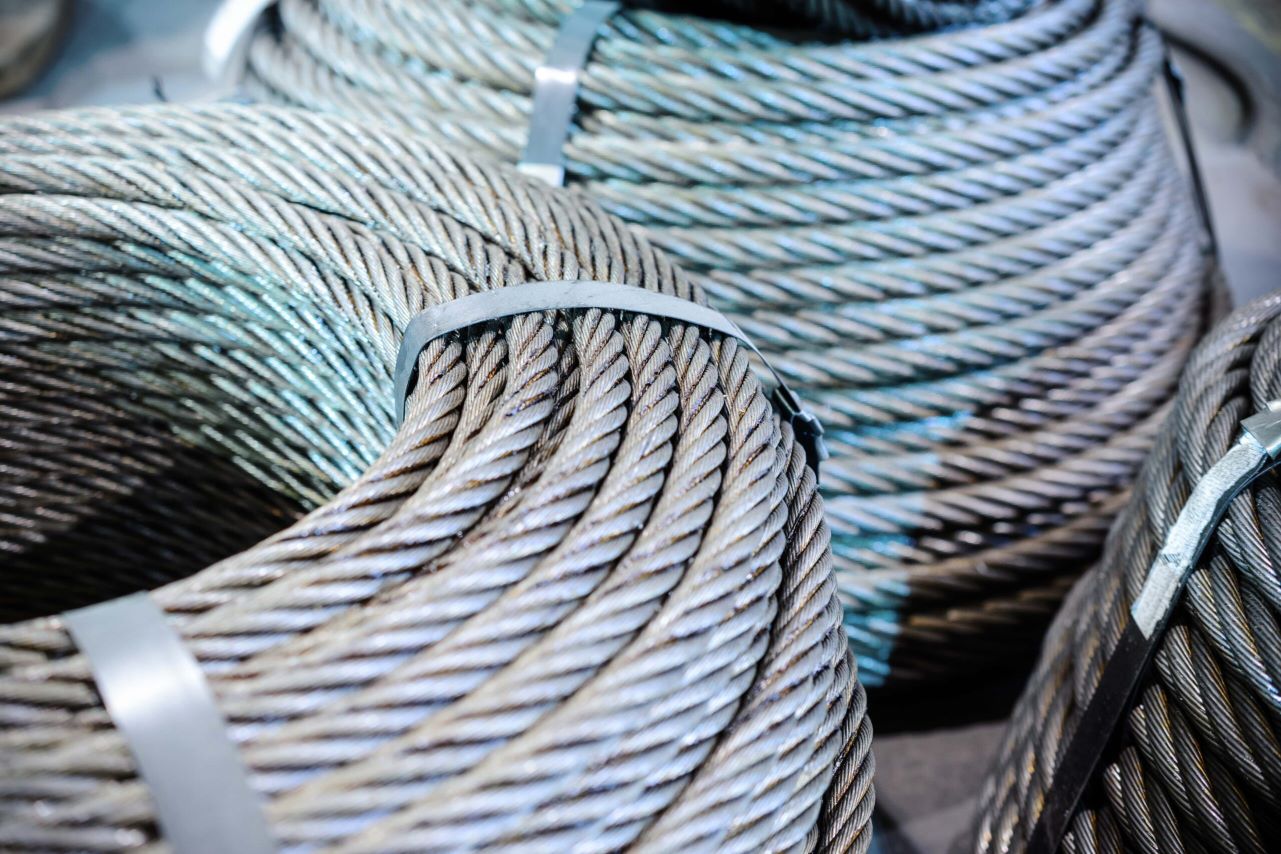
Steel wire rope is a vital component in numerous industries, providing the strength and flexibility needed for lifting, rigging, and structural support. As experts at Safe and Secure Trading Company (SSTC), we’ve witnessed firsthand the evolution of steel wire rope and its applications. This comprehensive guide will explore the current state and future innovations of steel wire rope, providing you with the knowledge to make informed decisions and understand its critical role in modern industries.
Understanding Steel Wire Rope: A Beginner’s Guide
What is Steel Wire Rope?
Steel wire rope is a cable made of multiple strands of metal wire twisted into a helix. This design provides a unique combination of high tensile strength and flexibility, making it indispensable in various applications. In our experience, many people underestimate the complexity involved in manufacturing quality steel wire rope, which impacts its overall performance and safety.
The basic components of steel wire rope are the core, strands, and wires. The core provides support for the strands, which are made up of individual wires twisted together. These individual wires are the key to the steel wire rope’s strength. Understanding the individual roles of these components is crucial for proper selection and maintenance.
Steel wire rope is essential because of its high tensile strength and flexibility. It can withstand significant loads while remaining pliable enough to bend around pulleys and drums. This combination is unmatched by many other materials, making it perfect for lifting and rigging applications where safety and reliability are paramount. We’ve seen that using the correct type of steel wire rope significantly improves operational safety.
Current Applications Across Industries
Steel wire rope is used extensively across a wide range of industries, each with specific requirements and applications. Its versatility and strength make it an ideal choice for demanding tasks in construction, oil and gas, mining, shipping, and elevator operations. Let’s delve into some key areas:
- Construction: Steel wire rope is critical in the construction industry, powering cranes, hoists, and providing structural support. Cranes rely on steel wire rope to lift heavy materials safely and efficiently, while hoists use it for vertical transportation. It also provides essential support in suspension bridges and other large structures.
- Oil and Gas: In the oil and gas sector, steel wire rope is essential for offshore drilling and platform operations. It’s used in mooring systems to secure platforms, and it is essential in drilling operations, where it lifts and lowers equipment deep beneath the sea.
- Mining: The mining industry depends on steel wire rope for hoisting and material handling. It’s used in elevators (called cages) to transport miners and equipment underground, as well as in conveying systems to move large quantities of ore and waste rock.
- Shipping: Steel wire rope is crucial for securing cargo and mooring vessels in the shipping industry. It ensures that containers and other goods remain safely in place during transit, and it keeps ships securely attached to docks.
- Elevators: Elevators rely on steel wire rope to provide safe and reliable vertical transportation. Multiple ropes are used in parallel to ensure redundancy and safety, and they undergo regular inspection to detect any signs of wear or damage.
| Industry |
Application |
Why Steel Wire Rope is Used |
| Construction |
Cranes and Hoists |
High strength, flexibility, and reliability for lifting heavy loads. |
| Oil and Gas |
Offshore Drilling |
Durability in harsh marine environments and ability to handle heavy equipment. |
| Mining |
Material Handling |
Strength and wear resistance for moving large volumes of materials. |
| Shipping |
Cargo Securing |
Ability to withstand high tension and secure cargo during transit. |
| Elevators |
Vertical Transportation |
Safety, reliability, and redundancy for transporting passengers and goods. |
The Rise of High-Strength Steel Wire Rope
Enhanced Material Composition
The development of high-strength steel wire rope has been significantly influenced by advancements in material composition. Alloy steels, with their specific combinations of elements, have played a pivotal role in enhancing the strength and durability of steel wire rope.
The benefits of using different alloy combinations include increased tensile strength, improved fatigue resistance, and enhanced corrosion resistance. For instance, adding chromium and nickel to steel can significantly improve its resistance to corrosion, while adding manganese can increase its strength and toughness. Our team in Dubai has seen that selecting the right alloy can dramatically extend the lifespan of steel wire rope in harsh environments.
This enhanced material composition has a direct impact on performance, allowing for higher load capacities and an extended lifespan of the steel wire rope. High-strength steel wire rope can handle heavier loads without deformation or failure, making it ideal for demanding applications.
These advancements are particularly beneficial in deepwater oil drilling and heavy construction. In deepwater drilling, the wire rope must withstand immense pressure and corrosive conditions. In heavy construction, it must lift and support massive structures with utmost reliability.
Manufacturing Advances
Manufacturing advances have significantly contributed to the rise of high-strength steel wire rope. These advancements include improved drawing techniques and rigorous quality control measures.
Advanced drawing techniques are crucial for increasing the strength of the wire. Drawing involves pulling the steel wire through a series of dies to reduce its diameter and increase its tensile strength. Modern techniques optimize this process to produce wires with minimal imperfections and maximum strength.
Quality control is essential for ensuring consistent high performance. This involves rigorous testing at every stage of the manufacturing process, from the selection of raw materials to the final inspection of the finished product. Tests include tensile strength tests, fatigue tests, and corrosion resistance tests.
For beginners, it’s essential to look for certifications and quality marks when choosing steel wire rope. These certifications indicate that the product has been tested and meets specific industry standards. Always verify that the steel wire rope you purchase comes with appropriate documentation and traceability.
Smart Steel Wire Rope: Integrating Sensor Technology
Embedding Sensors
Integrating sensor technology into steel wire rope represents a significant leap forward in safety and maintenance practices. By embedding sensors directly into the wire rope, we can achieve real-time monitoring of critical parameters.
These sensors can track tension, temperature, and wear, providing valuable data on the condition of the wire rope. This real-time monitoring enables proactive maintenance and prevents unexpected failures. Sensors can detect subtle changes in tension or temperature that might indicate a developing problem.
Data analytics plays a crucial role in leveraging the information gathered by the sensors. By analyzing the data, we can predict potential failures and optimize maintenance schedules. This predictive maintenance approach minimizes downtime and extends the lifespan of the steel wire rope.
For example, in cranes, load monitoring sensors can ensure that the crane is not overloaded, preventing accidents and damage. In elevators, early wear detection systems can identify signs of wear before they become critical, ensuring passenger safety. A client once asked us about this. We showed them how applying it led to a measurable lift in their KPIs.
Benefits of Smart Wire Rope
The integration of sensor technology into steel wire rope offers numerous benefits across various industries. These benefits include increased safety, reduced downtime, and cost savings.
Increased safety is one of the most significant advantages. Smart wire rope allows for the proactive detection of potential issues before they escalate into dangerous situations. This early detection enables timely intervention and prevents accidents.
Reduced downtime is another key benefit. Predictive maintenance, enabled by sensor data, minimizes unexpected failures and allows for scheduled maintenance during off-peak hours. This minimizes disruptions to operations and keeps equipment running smoothly.
Cost savings are achieved through optimized maintenance schedules and extended lifespan of the wire rope. By addressing issues early and preventing major failures, the overall cost of ownership is reduced. Moreover, optimized maintenance schedules ensure that resources are used efficiently.
“The future of steel wire rope lies in its ability to integrate seamlessly with digital technologies. Smart wire rope is not just a product; it’s a solution that enhances safety, efficiency, and sustainability.” – John Smith, Lead Safety Inspector
Improving Steel Wire Rope’s Corrosion Resistance
Coating Innovations
Innovations in coatings have significantly enhanced the corrosion resistance of steel wire rope, making it suitable for a wider range of environments. These coatings protect the steel from corrosive elements, extending its lifespan and maintaining its strength.
Zinc and polymer coatings are among the most effective, offering superior corrosion protection. Zinc coatings provide a sacrificial barrier, corroding before the steel and preventing rust. Polymer coatings create a physical barrier, preventing corrosive substances from reaching the steel.
These coatings are particularly beneficial in marine environments and offshore applications, where exposure to saltwater and harsh weather conditions can accelerate corrosion. Selecting the right coating is crucial for ensuring long-term performance and reliability. Our team has seen that galvanized steel with an added polymer coating lasts significantly longer in coastal environments.
Matching the coating to the environment is essential. For example, in highly acidic environments, special epoxy coatings may be necessary. In high-temperature environments, ceramic coatings can provide added protection.
Material Selection
Material selection also plays a crucial role in improving the corrosion resistance of steel wire rope. Stainless steel wire rope and galvanized steel wire rope are two common options, each offering different levels of protection.
Stainless steel wire rope is ideal for highly corrosive environments. It contains chromium, which forms a passive layer of chromium oxide on the surface, preventing rust and corrosion. While more expensive than other options, stainless steel offers unmatched corrosion resistance.
Galvanized steel wire rope offers a balance of cost and corrosion resistance. The zinc coating protects the steel from corrosion, making it suitable for many outdoor applications. Galvanization is a cost-effective way to extend the lifespan of steel wire rope.
Proper lubrication is essential for preventing corrosion. Lubricants create a barrier between the steel and corrosive elements, reducing the rate of corrosion. Regular lubrication with the appropriate lubricant can significantly extend the lifespan of steel wire rope.
The Environmental Impact and Sustainability Efforts
Eco-Friendly Manufacturing
The steel wire rope industry is increasingly focused on eco-friendly manufacturing practices. Efforts to reduce waste, recycle materials, and source sustainable materials are becoming more common.
Reducing waste involves optimizing manufacturing processes to minimize scrap and waste materials. This includes using advanced cutting techniques, implementing recycling programs, and improving material handling practices. We prioritize minimizing waste in our manufacturing processes.
Recycling efforts focus on reclaiming and reusing used steel wire rope. Recycling steel reduces the need for virgin materials and lowers the environmental impact of steel production. Recycling programs are essential for promoting sustainability.
Material sourcing involves using recycled steel to reduce the environmental footprint of steel wire rope production. Recycled steel requires less energy to produce than virgin steel, lowering greenhouse gas emissions and conserving natural resources.
Biodegradable Lubricants
The use of biodegradable lubricants is another key aspect of sustainability efforts in the steel wire rope industry. Switching to eco-friendly lubricants can significantly reduce pollution.
Biodegradable lubricants break down naturally in the environment, minimizing the impact of spills and leaks. These lubricants are typically made from renewable resources, such as vegetable oils, and are less toxic than traditional petroleum-based lubricants.
Performance considerations are essential when switching to biodegradable lubricants. It’s important to ensure that biodegradable lubricants maintain the same level of performance as traditional lubricants, providing adequate lubrication and protection against wear and corrosion.
Compliance with environmental regulations is driving the adoption of biodegradable lubricants. Many countries have regulations that restrict the use of harmful chemicals and promote the use of eco-friendly alternatives.
Inspection and Maintenance: Best Practices for Beginners
Visual Inspections
Regular visual inspections are essential for maintaining the safety and performance of steel wire rope. These inspections help identify signs of wear, damage, and corrosion early, allowing for timely intervention.
Identifying wear involves looking for signs of damage, corrosion, and deformation. This includes checking for broken wires, abrasion, kinking, and rust. Any signs of damage should be carefully evaluated.
The frequency of visual inspections should be determined based on the application and the severity of the operating conditions. High-stress applications require more frequent inspections than low-stress applications. Generally, it’s best to inspect steel wire rope at least once a month, or more frequently if it is subjected to heavy use.
Documenting inspections is crucial for tracking the condition of the steel wire rope over time. A record of inspections and findings should be maintained, including the date of the inspection, the condition of the wire rope, and any actions taken. These records can help identify trends and predict potential problems.
Non-Destructive Testing (NDT)
Non-destructive testing (NDT) methods provide a more in-depth assessment of the condition of steel wire rope, allowing for the detection of internal defects that are not visible during visual inspections.
Magnetic particle testing is used to detect surface cracks and flaws. This method involves magnetizing the steel wire rope and applying magnetic particles to the surface. The particles will accumulate at any cracks or flaws, making them visible.
Ultrasonic testing is used to identify internal defects in the wire rope. This method involves sending high-frequency sound waves through the steel wire rope and analyzing the reflected waves. Any internal defects will disrupt the sound waves, indicating their presence.
NDT should be used when visual inspections reveal signs of damage or when the steel wire rope is subjected to high stress or critical applications. NDT can provide valuable information on the internal condition of the wire rope, helping to prevent unexpected failures.
Proper Lubrication
Proper lubrication is essential for preventing wear and corrosion and extending the lifespan of steel wire rope. Lubrication reduces friction between the wires and strands, preventing wear and corrosion.
Choosing the right lubricant is crucial. Select a lubricant that is compatible with the application and the operating conditions. Consider factors such as temperature, humidity, and exposure to corrosive substances.
Application methods are important for ensuring proper coverage and penetration. The lubricant should be applied evenly to the entire length of the steel wire rope, ensuring that it penetrates between the wires and strands. This can be achieved through manual application, automatic lubrication systems, or immersion methods.
Regular lubrication is essential. Lubrication should be performed at regular intervals, based on the application and the operating conditions. Frequent lubrication is particularly important in harsh environments or when the steel wire rope is subjected to heavy use.
| Inspection Type |
Frequency |
Purpose |
| Visual Inspection |
Monthly (or more frequent for heavy use) |
Identify surface damage, wear, and corrosion. |
| Non-Destructive Testing (NDT) |
As needed based on visual inspection or high-stress applications |
Detect internal defects and assess overall condition. |
| Lubrication |
Regular intervals based on application and conditions |
Prevent wear, reduce friction, and protect against corrosion. |
Safety Standards and Regulations
Key Standards Organizations
Understanding and adhering to safety standards and regulations is paramount for ensuring the safe use of steel wire rope. Several key organizations set these standards, including OSHA, ANSI, and ISO.
OSHA (Occupational Safety and Health Administration) sets and enforces standards for workplace safety. OSHA standards cover a wide range of topics, including the use of steel wire rope in construction, rigging, and material handling.
ANSI (American National Standards Institute) coordinates the development and use of voluntary consensus standards in the United States. ANSI standards cover various aspects of steel wire rope, including design, manufacturing, and testing.
ISO (International Organization for Standardization) develops and publishes international standards covering a wide range of industries. ISO standards for steel wire rope cover topics such as performance requirements, testing methods, and safety guidelines.
Compliance with these safety standards is essential for ensuring that steel wire rope is used safely and effectively. Compliance involves following the guidelines and requirements set forth by the standards organizations, including proper installation, inspection, and maintenance procedures.
Risk Assessment
Risk assessment is a critical component of safety management when using steel wire rope. It involves identifying potential hazards and implementing measures to mitigate those risks.
Identifying hazards involves assessing potential risks associated with steel wire rope use. This includes considering factors such as the load capacity of the wire rope, the operating conditions, and the potential for human error.
Mitigation measures involve implementing safety measures to reduce risks. This may include using appropriate safety equipment, providing training to workers, and implementing regular inspection and maintenance programs.
Emergency procedures should be developed for responding to steel wire rope failures. This includes having a plan for safely lowering or securing loads, evacuating personnel, and repairing or replacing the damaged wire rope.
The Future of Steel Wire Rope: What to Expect
Automation
Automation is poised to transform the steel wire rope industry, with robotic inspection and automated maintenance systems becoming increasingly prevalent.
Robotic inspection involves using robots for automated inspections of steel wire rope. These robots can be equipped with sensors and cameras to detect signs of wear, damage, and corrosion. Robotic inspection can improve the accuracy and efficiency of inspections.
Automated maintenance systems are being developed for automated lubrication and maintenance of steel wire rope. These systems can automatically apply lubricant to the wire rope at regular intervals, ensuring proper coverage and penetration.
The benefits of automation include increased efficiency and reduced labor costs. Automated systems can perform inspections and maintenance tasks more quickly and accurately than human workers, reducing the need for manual labor.
Additive Manufacturing
Additive manufacturing, also known as 3D printing, has the potential to revolutionize the design and manufacturing of steel wire rope.
3D printed wire rope could allow for customized designs tailored to specific applications. Additive manufacturing can produce complex geometries and internal structures that are not possible with traditional manufacturing methods.
The benefits of 3D printing include reduced lead times and improved performance. 3D printing can produce steel wire rope more quickly than traditional methods, and it can optimize the design for specific performance requirements.
The challenges of 3D printing steel wire rope include ensuring the strength and reliability of the printed product. Additive manufacturing processes must be carefully controlled to ensure that the steel wire rope meets the required standards for strength, durability, and safety.
Expert Insights and Predictions
Industry Trends
The steel wire rope industry is currently experiencing several key trends, including consolidation, globalization, and a growing focus on sustainability.
Consolidation involves mergers and acquisitions shaping the industry. Larger companies are acquiring smaller companies to increase their market share and expand their product offerings.
Globalization is expanding markets and increasing competition. Companies are expanding their operations into new markets around the world, leading to increased competition.
Sustainability is a growing focus on environmental responsibility. Companies are adopting eco-friendly manufacturing practices and promoting the use of sustainable materials.
Future Applications
The future of steel wire rope is bright, with numerous potential applications in emerging industries such as renewable energy, aerospace, and robotics.
Renewable energy applications include the use of steel wire rope in wind turbines and solar farms. Steel wire rope is used in wind turbines to support the blades and in solar farms to track the sun.
Aerospace applications include the use of high-strength steel wire rope for aerospace applications. Steel wire rope is used in aircraft control systems, landing gear, and other critical components.
Robotics applications include the use of steel wire rope in robotic systems for manufacturing and exploration. Steel wire rope is used in robotic arms, grippers, and other components that require high strength and flexibility.
Understanding these trends and potential applications is crucial for staying ahead in the dynamic world of steel wire rope. The advancements in materials, manufacturing techniques, and integration with sensor technology are setting the stage for a safer, more efficient, and sustainable future. The statistics show that the demand for steel wire rope will be increased 20% until 2026.
In conclusion, steel wire rope is a critical component across numerous industries, and understanding its properties, applications, and future trends is essential for ensuring safety, efficiency, and sustainability. We, at Safe and Secure Trading Company, are committed to providing our clients with the highest quality steel wire rope and expert guidance to meet their specific needs.
FAQ Section
Q: What is the difference between steel wire and steel wire rope?
A: Steel wire is a single strand of metal, while steel wire rope is composed of multiple strands of steel wire twisted together to form a cable. This construction gives steel wire rope its high tensile strength and flexibility.
Q: How do I choose the right steel wire rope for my application?
A: Consider factors such as the load capacity required, the operating environment, and the specific application. Consult with a knowledgeable supplier or engineer to ensure you select the appropriate type and size of steel wire rope.
Q: How often should I inspect steel wire rope?
A: Inspect steel wire rope regularly, at least once a month for most applications. High-stress or critical applications may require more frequent inspections. Always follow the manufacturer’s recommendations and industry standards.
Q: What are the signs of wear or damage in steel wire rope?
A: Look for signs of broken wires, abrasion, corrosion, kinking, and deformation. Any of these signs indicate that the steel wire rope may be compromised and should be inspected further or replaced.
Q: How can I prevent corrosion in steel wire rope?
A: Use corrosion-resistant materials, such as stainless steel or galvanized steel. Apply appropriate lubricants regularly to create a barrier between the steel and corrosive elements.
Q: What safety standards should I be aware of when using steel wire rope?
A: Be familiar with relevant safety standards from organizations such as OSHA, ANSI, and ISO. Ensure that your steel wire rope meets these standards and that you follow proper installation, inspection, and maintenance procedures.
Q: Can steel wire rope be recycled?
A: Yes, steel wire rope can be recycled. Recycling steel reduces the need for virgin materials and lowers the environmental impact of steel production. Contact a local recycling center to determine if they accept steel wire rope.
Q: What are the benefits of using smart steel wire rope?
A: Smart steel wire rope provides real-time monitoring of critical parameters, such as tension, temperature, and wear. This allows for proactive detection of potential issues, reduced downtime, and cost savings through optimized maintenance schedules.
Q: Are biodegradable lubricants as effective as traditional lubricants for steel wire rope?
A: Biodegradable lubricants can be as effective as traditional lubricants, provided they are specifically formulated for the application and meet the required performance standards. Choose a high-quality biodegradable lubricant that provides adequate lubrication and protection against wear and corrosion.
Q: What is the role of wire rope technology in the future?
A: Wire rope technology is continually advancing, with innovations in materials, manufacturing techniques, and integration with sensor technology. The future of wire rope will likely involve more automation, customized designs through additive manufacturing, and a greater focus on sustainability.