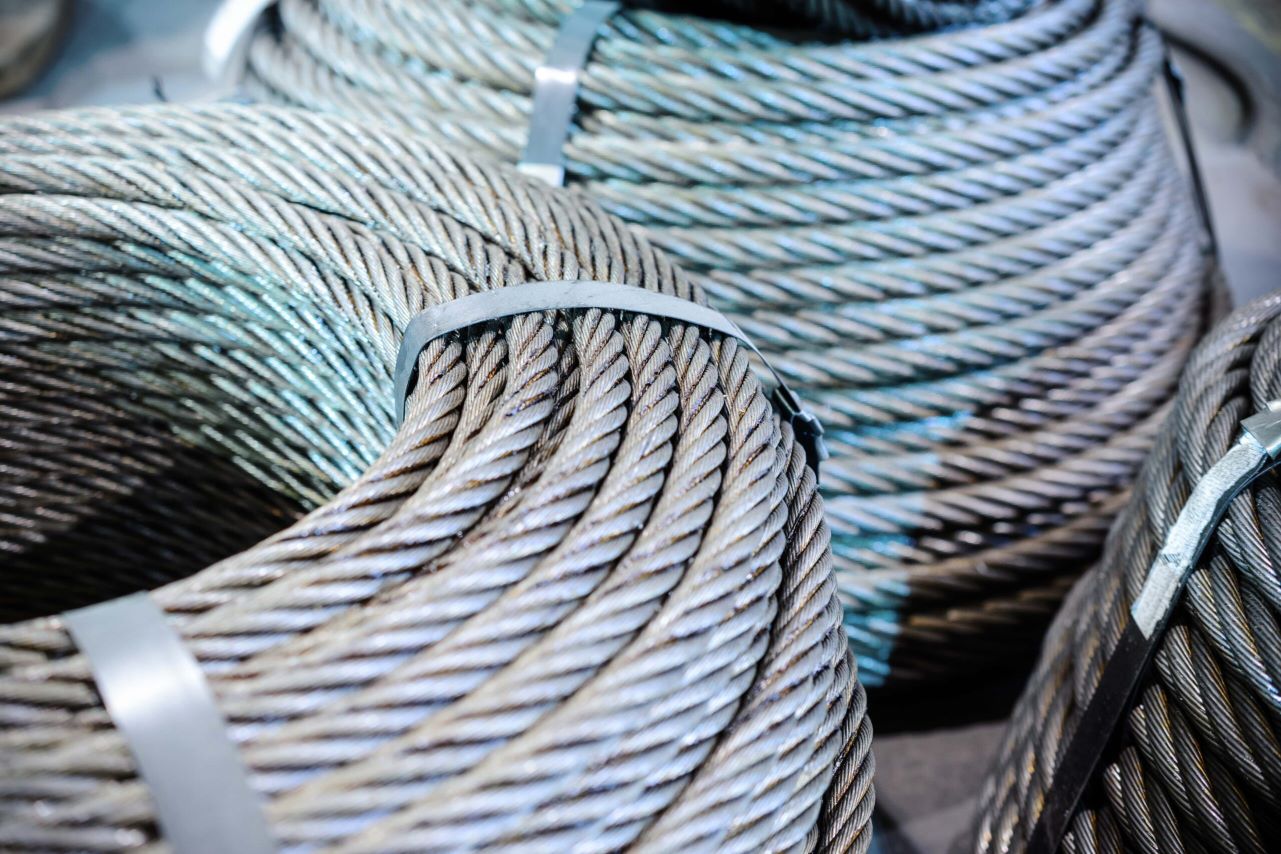
Steel Wire Rope: Pick the Right Grade
Understanding the correct grade of steel wire rope for a specific application is critical for safety, efficiency, and longevity. At Safe and Secure Trading Company (SSTC), we often see the consequences of using an incorrect grade, ranging from premature wear to catastrophic failure. This comprehensive guide will walk you through the key considerations in selecting the right steel wire rope grade, ensuring you make an informed decision. We’ll cover everything from understanding the different grades to proper inspection and maintenance.
Understanding Steel Wire Rope: Why Grade Matters
What is Steel Wire Rope and Why are Grades Important?
Steel wire rope is a complex assembly of wires, strands, and a core, each contributing to the overall strength and flexibility of the rope. The “grade” refers to the steel’s tensile strength and composition, which directly impacts the rope’s ability to withstand load, resist wear, and perform safely in specific environments. The wrong grade can lead to dangerous situations.
Different wire rope grades are designed for different applications. For instance, a high-carbon steel cable is usually used for heavy lifting, and is engineered to tolerate high stresses. Conversely, a more flexible steel wire rope might be required for running rigging or winch applications. When choosing a wire rope, you should consider the working load limit, environmental factors, and frequency of use. It is important to consider how the grades perform in different situations.
Common Mistake #1: Ignoring the Application
One of the most frequent errors we encounter is selecting a steel wire rope without fully considering its intended use. It’s easy to assume that “stronger is always better,” but that’s not necessarily the case. We once assisted a client who used a very rigid, high-strength rope for an application that required considerable flexibility. The steel cable failed prematurely due to fatigue. This resulted in downtime and additional expense.
Why the Application Matters
The application dictates the required properties of the steel wire rope. Lifting heavy loads demands high tensile strength and a low stretch factor. Running rigging benefits from flexibility and abrasion resistance. Marine environments require corrosion resistance. Neglecting these factors can lead to reduced performance, increased risk of failure, and potential safety hazards. Our team in Dubai frequently see instances where this has been overlooked.
How to Correctly Assess Your Application
Start by defining the specific tasks the steel wire rope will perform. Consider the weight of the loads, the angles of pull, the environmental conditions (temperature, humidity, exposure to chemicals), and the frequency of use. Determine if flexibility is crucial or if a more rigid rope is acceptable. Consult with experts and review industry standards to ensure you have a clear understanding of the requirements. By understanding these factors, you can choose the best wire rope grades for your situation.
Decoding Steel Wire Rope Grades: A Detailed Look
Common Mistake #2: Confusing Tensile Strength with Working Load Limit (WLL)
Tensile strength is the maximum force a steel wire rope can withstand before breaking under a single, static load. The Working Load Limit (WLL) is the maximum load that should be applied in normal service. Many users mistakenly believe that a rope with a high tensile strength automatically guarantees a high WLL.
Understanding Tensile Strength
Tensile strength is typically expressed in pounds per square inch (psi) or megapascals (MPa). It’s a material property indicating the steel’s ability to resist deformation and fracture. Higher tensile strength generally implies a stronger rope, but it’s not the only factor determining its safe working capacity. The construction, diameter, and grade all play a part. We often advise our clients to look beyond the tensile strength to get a full picture.
Understanding Working Load Limit
The Working Load Limit (WLL) is a much more conservative figure than tensile strength. It factors in safety factors to account for dynamic loading, wear, fatigue, and other real-world conditions. WLL is the safe upper limit for regular operation. Exceeding the WLL significantly increases the risk of failure and should never be done.
Calculating WLL for Safe Operations
WLL is calculated by dividing the minimum breaking strength (MBS) by the safety factor. The safety factor depends on the application and industry standards. For example, lifting slings often have a safety factor of 5:1, meaning the WLL is one-fifth of the MBS. This information is crucial when working with lifting slings.
| Application |
Typical Safety Factor |
| General Lifting |
5:1 |
| Personnel Lifting |
10:1 |
| Towing |
2:1 to 3:1 |
Identifying Different Steel Wire Rope Grades
Common Mistake #3: Neglecting the Environment
Failing to account for the operating environment can lead to premature corrosion and degradation of the steel wire rope. This is particularly important in marine, chemical, or high-temperature environments. SSTC has seen cases of ropes failing in a matter of months, due to environmental factors being ignored.
High-Strength Steel Wire Rope (EIPS/EEIPS)
Extra Improved Plow Steel (EIPS) and Extra Extra Improved Plow Steel (EEIPS) are high-strength wire rope grades commonly used in demanding applications. EIPS offers approximately 15% higher strength than Improved Plow Steel (IPS), while EEIPS provides an additional 10% strength over EIPS. These grades are ideal for lifting heavy loads where a smaller diameter rope is needed.
Stainless Steel Wire Rope
Stainless steel wire rope offers excellent corrosion resistance, making it suitable for marine, chemical, and food processing environments. While not as strong as high-strength carbon steel ropes, stainless steel wire rope maintains its integrity in harsh conditions. Different alloys of stainless steel offer varying degrees of corrosion resistance. You should select the appropriate alloy based on the specific exposure conditions.
Galvanized Steel Wire Rope
Galvanized steel wire rope is coated with a layer of zinc to protect against corrosion. It’s a cost-effective option for general-purpose applications where moderate corrosion resistance is required. Galvanization can be applied through various methods, such as hot-dip galvanizing or electro-galvanizing, each offering different levels of protection.
Matching the Grade to the Task
Common Mistake #4: Overlooking Wire Rope Construction
The construction of a steel wire rope refers to the arrangement of wires and strands, and their winding pattern around the core. Overlooking this aspect can result in selecting a rope that lacks the necessary flexibility, abrasion resistance, or crush resistance for the intended application. Construction impacts how the rope behaves under stress.
Selecting the Right Wire Rope Construction Based on Flexibility
Different constructions offer varying degrees of flexibility. For example, a 6×19 construction (6 strands, 19 wires per strand) is more flexible than a 6×7 construction. Applications requiring frequent bending, such as crane ropes or running rigging, benefit from more flexible constructions. Our team in Dubai has deep experience with these scenarios.
Rotation-Resistant Wire Ropes
Rotation-resistant steel wire ropes are designed to minimize twisting and rotation under load. These ropes are commonly used in single-part hoisting applications where load spinning can be problematic. They achieve this by employing multiple layers of strands laid in opposing directions.
“Selecting the right wire rope construction is as critical as choosing the right grade of steel. Consider both the load requirements and the operating conditions to ensure optimal performance and longevity.” – John Smith, Lead Safety Inspector
Load Capacity and Safety Factors
Common Mistake #5: Exceeding the Working Load Limit (WLL)
Exceeding the WLL is a cardinal sin in rigging and lifting operations. It places undue stress on the steel wire rope, increasing the risk of catastrophic failure. Even if the rope doesn’t break immediately, exceeding the WLL can cause permanent deformation and weaken its integrity.
Understanding Safety Factors
Safety factors are critical for safe operation. They provide a margin of error to account for uncertainties and dynamic loading conditions. A higher safety factor means a more conservative WLL, reducing the risk of failure. Always adhere to the recommended safety factors for the specific application.
Best Practices for Load Management
Implement strict load management procedures to prevent exceeding the WLL. Use calibrated weighing devices to accurately determine the weight of loads. Train personnel on proper rigging techniques and load handling procedures. Regularly inspect lifting slings and other rigging hardware for signs of wear or damage.
Inspection and Maintenance for Longevity
Common Mistake #6: Ignoring Regular Inspections
Neglecting regular inspections is a surefire way to compromise the safety and longevity of steel wire rope. Wear, corrosion, and damage can accumulate over time, weakening the rope’s integrity. Regular inspections can catch these issues early, preventing potential failures.
Identifying Wear and Damage
During inspections, look for signs of wear, corrosion, kinking, crushing, and broken wires. Pay close attention to areas near end terminations and points of contact with sheaves or drums. Use appropriate measuring tools to assess wire rope diameter and loss of metallic area. Document all findings and take corrective actions as needed.
Implementing a Preventative Maintenance Program
Implement a preventative maintenance program that includes regular cleaning, lubrication, and inspection of steel wire ropes. Lubrication reduces friction and wear, extending the rope’s service life. Cleaning removes dirt and debris that can accelerate corrosion. Replace worn or damaged ropes promptly.
| Inspection Frequency |
Items to Inspect |
| Daily |
Visible damage, kinks, crushing |
| Weekly |
Wire breaks, corrosion, lubrication |
| Monthly |
Diameter reduction, end terminations |
Common Errors in Installation
Common Mistake #7: Improper Installation Techniques
Improper installation can induce stress and damage to steel wire rope, compromising its strength and service life. Common mistakes include using incorrect hardware, overtightening clamps, and failing to properly seat the rope in sheaves or drums. Always follow manufacturer’s recommendations for installation procedures.
Safe Installation Methods
Use appropriate hardware and tools for installing steel wire rope. Ensure that clamps are correctly sized and tightened to the specified torque. Avoid sharp bends or kinks that can damage the wires. Properly seat the rope in sheaves and drums to distribute the load evenly.
Avoiding Kinks and Twists
Kinks and twists can severely weaken steel wire rope. Avoid pulling the rope around sharp corners or twisting it during installation. Use swivels or rotation-resistant ropes to minimize twisting under load. If a kink does occur, consult with an expert to determine if the rope can be salvaged.
Documenting and Following Standards
Common Mistake #8: Failure to Document and follow Standards
Failure to properly document inspections, maintenance, and load history can lead to poor decision-making and increased risk. Adhering to industry standards ensures consistency and safety in rigging and lifting operations. SSTC insists that clients keep clear records to prevent such oversights.
Understanding Industry Standards
Familiarize yourself with relevant industry standards such as those published by OSHA, ASME, and ISO. These standards provide guidelines for the selection, use, inspection, and maintenance of steel wire rope. Compliance with these standards is essential for ensuring safe operations.
Why Documentation Matters
Maintain detailed records of steel wire rope inspections, maintenance, and load history. This information can help identify trends, predict potential failures, and make informed decisions about rope replacement. Documentation also provides a valuable audit trail for compliance purposes.
Advanced Considerations and Common Oversights
Common Mistake #9: Forgetting to Consider The End-Terminations
The end-terminations are critical components of any steel wire rope assembly. They are used to connect the rope to other hardware or structures. Overlooking the condition and compatibility of end-terminations is a common mistake that can lead to catastrophic failures.
Best practices for End-Terminations
Regularly inspect end-terminations for signs of wear, corrosion, and damage. Ensure that they are properly sized and compatible with the steel wire rope. Use appropriate installation techniques and tightening torques. Consider using specialized end-terminations for high-stress or critical applications.
Where to find the end-termination limitations.
The limitations for the end-terminations can be found in the manufacturer’s specifications and relevant industry standards. These documents provide information on the allowable load capacities, installation procedures, and inspection criteria for the specific type of end-termination being used. Always consult these resources before using any steel wire rope assembly. 65% of wire rope failures originate at the end termination point.
Conclusion
You’ve now gained a comprehensive understanding of how to select the right grade of steel wire rope for your specific application. From understanding the importance of application requirements and tensile strength versus WLL, to identifying different wire rope grades and implementing proper inspection and maintenance programs, you are well-equipped to make informed decisions that prioritize safety, efficiency, and longevity. This knowledge will help you in selecting the best steel wire rope, and in avoiding potential risks. By following these guidelines, you’ll minimize downtime and improve safety. We are confident that you can now make informed decisions.
FAQ Section
Q: What is the difference between EIPS and EEIPS steel wire rope?
A: EIPS (Extra Improved Plow Steel) and EEIPS (Extra Extra Improved Plow Steel) are high-strength wire rope grades. EEIPS offers approximately 10% higher strength than EIPS. Both are used for heavy lifting applications, where higher strengths are needed.
Q: How often should I inspect my steel wire rope?
A: The frequency of inspection depends on the application and the severity of the operating conditions. Daily visual inspections for obvious damage are recommended. Weekly inspections should include a closer examination for wear, corrosion, and broken wires. Monthly inspections should include measuring the rope diameter and inspecting end terminations. These steps are crucial for wire rope safety.
Q: Can I use stainless steel wire rope for lifting heavy loads?
A: Stainless steel wire rope offers excellent corrosion resistance but generally has a lower tensile strength than carbon steel ropes. It can be used for lifting, but ensure that the WLL is appropriate for the load and that the safety factor is adequate.
Q: What are the common causes of steel wire rope failure?
A: Common causes of failure include exceeding the WLL, corrosion, abrasion, kinking, improper installation, and neglecting regular inspections. Proper selection, use, and maintenance can significantly reduce the risk of failure.
Q: How do I calculate the Working Load Limit (WLL) for a steel wire rope?
A: The WLL is calculated by dividing the minimum breaking strength (MBS) by the safety factor. The safety factor depends on the application and industry standards. For example, if a rope has an MBS of 20,000 lbs and a safety factor of 5:1, the WLL would be 4,000 lbs.
Q: What is the role of lubrication in steel wire rope maintenance?
A: Lubrication reduces friction and wear between the wires and strands, extending the rope’s service life. It also helps protect against corrosion. Use a lubricant specifically designed for steel wire rope and apply it regularly according to the manufacturer’s recommendations.
Q: What are the most important industry standards for steel wire rope?
A: Important industry standards include those published by OSHA, ASME, and ISO. These standards provide guidelines for the selection, use, inspection, and maintenance of steel wire rope, helping to ensure wire rope safety.
Q: What is the best type of steel wire rope for marine environments?
A: Stainless steel wire rope is an excellent choice for marine environments due to its superior corrosion resistance. Galvanized steel wire rope can also be used, but it requires more frequent inspection and maintenance to prevent corrosion.
Q: How does wire rope construction affect its performance?
A: Wire rope construction affects its flexibility, abrasion resistance, and crush resistance. Constructions with more wires per strand are generally more flexible. Constructions with larger outer wires are more abrasion resistant. The core material also affects the rope’s performance.
Q: Can I repair damaged steel wire rope?
A: In general, it is not recommended to repair damaged steel wire rope. Damaged ropes should be removed from service and replaced. Repairs can compromise the rope’s strength and integrity, posing a safety hazard.