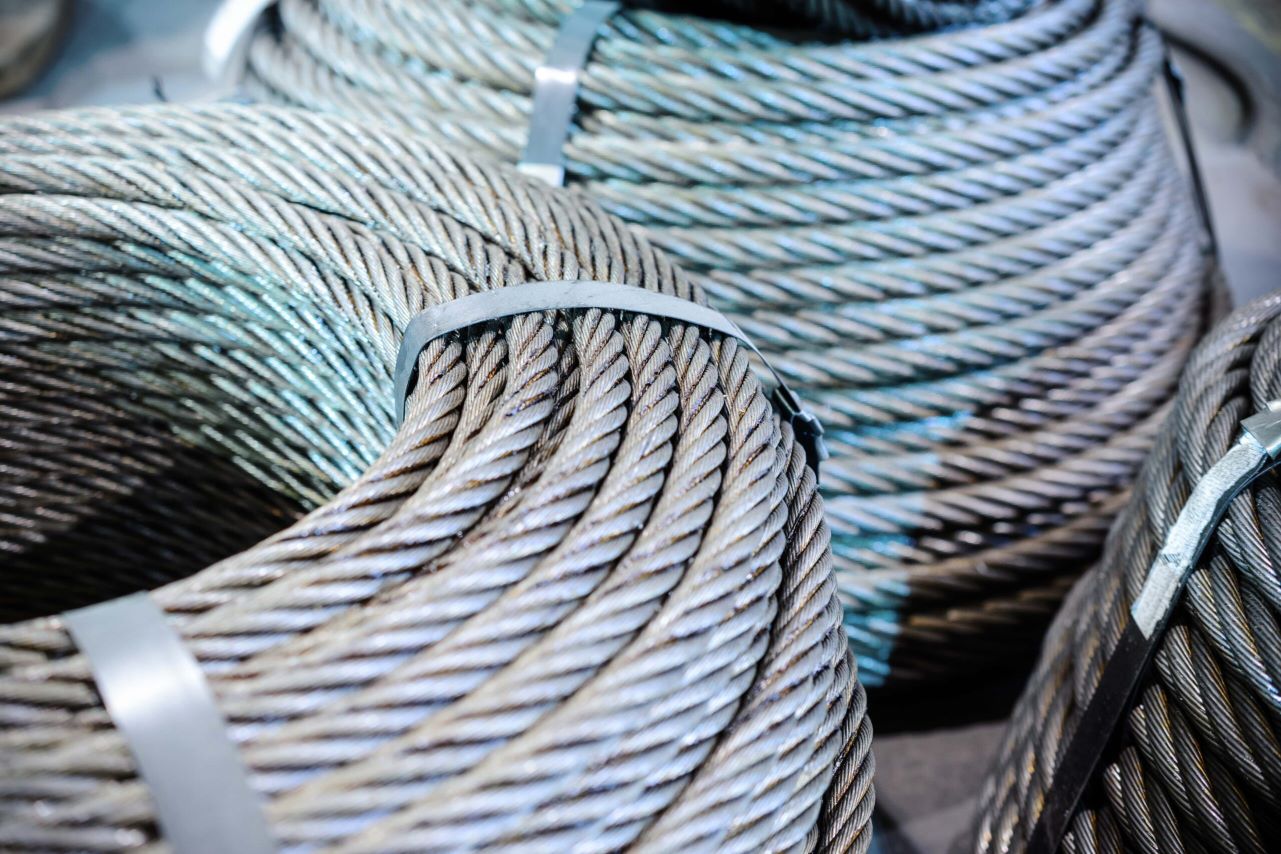
Steel wire rope is a versatile and essential component in various industries, from construction and mining to transportation and manufacturing. Understanding the different grades of steel wire rope is crucial for ensuring safety, efficiency, and longevity in any application. This guide provides a comprehensive overview of steel wire rope grades, helping you make informed decisions for your specific needs.
Understanding the Basics of Steel Wire Rope
What is Steel Wire Rope?
Steel wire rope is a complex assembly of wires, strands, and a core, designed to provide exceptional strength, flexibility, and durability. The individual wires are typically made of high-carbon steel, twisted together to form strands. These strands are then laid helically around a central core, which can be made of fiber, wire strand, or an independent wire rope. The construction of steel wire rope allows it to withstand heavy loads and repeated bending, making it suitable for a wide range of applications.
Steel wire rope finds applications in diverse fields. In construction, it’s used in cranes, hoists, and elevators. The mining industry relies on steel wire rope for lifting heavy materials and equipment. Transportation utilizes it in bridges, cable cars, and tie-downs. Manufacturing processes often employ steel wire rope in machinery and material handling systems. A proper understanding of the specific needs in each application is crucial for selecting the right type and grade of wire rope.
Why Choosing the Right Grade Matters
Choosing the correct grade of steel wire rope is paramount for safety and operational efficiency. Using the wrong grade can have severe consequences, including equipment failure, personal injury, and even fatalities. We once assisted a client who used an improperly rated wire rope for a lifting operation, resulting in a catastrophic failure that damaged equipment and put workers at risk. Selecting the correct grade involves understanding the specific requirements of the application, including the load capacity, environmental conditions, and frequency of use.
The financial consequences of using the wrong grade of steel wire rope can also be significant. Premature wear and failure lead to costly replacements and downtime. A higher grade wire rope, while potentially more expensive upfront, can offer a longer lifespan and reduce the overall cost of ownership by minimizing the need for frequent replacements and repairs. Our team in Dubai often advises clients to consider the long-term cost benefits of investing in the appropriate grade of steel wire rope, ensuring they receive the best value for their investment.
Decoding Steel Wire Rope Grades
Common Steel Wire Rope Grades Explained
Understanding the different grades of steel wire rope is essential for selecting the right product for your application. Each grade possesses unique properties and is designed for specific uses. Here’s a breakdown of the most common steel wire rope grades:
- Mild Plow Steel (MPS): Mild Plow Steel (MPS) is the most basic grade of steel wire rope. It offers good strength and flexibility at a relatively low cost. MPS is commonly used in applications where high strength is not critical, such as guardrails, fencing, and some types of lashing.
- Plow Steel (PS): Plow Steel (PS) offers a step up in strength compared to Mild Plow Steel. It is more resistant to wear and abrasion, making it suitable for more demanding applications. PS is often used in general-purpose hoisting, winch lines, and some types of crane ropes.
- Improved Plow Steel (IPS): Improved Plow Steel (IPS) is a widely used grade that provides a good balance of strength, flexibility, and wear resistance. It is stronger than Plow Steel and is commonly used in a variety of applications, including crane ropes, lifting slings, and general-purpose hoisting. IPS is often the go-to choice for many standard lifting and rigging tasks.
- Extra Improved Plow Steel (EIPS): Extra Improved Plow Steel (EIPS) offers significantly higher strength than IPS. It is more resistant to abrasion and fatigue, making it suitable for heavy-duty applications. EIPS is frequently used in crane ropes, elevator cables, and other high-stress applications where strength and durability are paramount. The tensile strength of EIPS wire rope often exceeds that of lower grades, ensuring reliable performance in demanding environments.
- Extra Extra Improved Plow Steel (EEIPS): Extra Extra Improved Plow Steel (EEIPS) represents the highest strength grade of carbon steel wire rope. It offers exceptional resistance to wear, abrasion, and fatigue. EEIPS is used in the most demanding applications, such as heavy-lift cranes, deep-sea oil drilling, and other extreme environments where safety and reliability are critical. EEIPS wire rope construction often incorporates specialized designs to maximize strength and longevity.
Here’s a table summarizing the typical applications of different steel cable grades:
| Grade |
Typical Applications |
| Mild Plow Steel (MPS) |
Guardrails, Fencing, Lashing |
| Plow Steel (PS) |
General Hoisting, Winch Lines, Some Crane Ropes |
| Improved Plow Steel (IPS) |
Crane Ropes, Lifting Slings, General-Purpose Hoisting |
| Extra Improved Plow Steel (EIPS) |
Heavy-Duty Crane Ropes, Elevator Cables, High-Stress Applications |
| Extra Extra Improved Plow Steel (EEIPS) |
Heavy-Lift Cranes, Deep-Sea Oil Drilling, Extreme Environments |
The Role of Tensile Strength
Tensile strength is a critical property of steel wire rope, indicating its ability to withstand pulling forces before breaking. It is defined as the maximum stress that a material can withstand while being stretched or pulled before failing or fracturing. Tensile strength is typically measured in pounds per square inch (psi) or megapascals (MPa). A higher tensile strength indicates that the wire rope can withstand greater loads.
The tensile strength values vary significantly between different grades of steel wire rope. Mild Plow Steel (MPS) has the lowest tensile strength, while Extra Extra Improved Plow Steel (EEIPS) has the highest. Understanding the tensile strength requirements of your application is crucial for selecting the appropriate grade. Overloading a wire rope beyond its tensile strength can lead to catastrophic failure. When our team in Dubai assesses wire rope requirements for critical lifting operations, tensile strength is always a primary consideration.
Understanding Wire Rope Construction
Wire rope construction significantly influences its performance characteristics. Several factors contribute to the overall design, including the number of strands, the number of wires per strand, the lay type, and the core type. Each of these elements plays a role in determining the rope’s strength, flexibility, and resistance to wear and fatigue.
The number of strands and wires per strand affects the wire rope’s flexibility and abrasion resistance. A wire rope with more strands and more wires per strand tends to be more flexible, making it easier to handle and bend around sheaves and drums. However, it may also be more susceptible to abrasion. Conversely, a wire rope with fewer strands and wires per strand is typically stronger and more abrasion-resistant but less flexible.
Lay type refers to the direction in which the strands are twisted around the core. The two primary lay types are:
- Regular Lay: In regular lay wire rope, the wires in the strands are twisted in one direction, and the strands are twisted around the core in the opposite direction. This construction provides good resistance to crushing and distortion, making it suitable for general-purpose applications.
- Lang Lay: In Lang lay wire rope, the wires in the strands and the strands around the core are twisted in the same direction. This construction provides greater flexibility and wear resistance compared to regular lay, but it is more susceptible to kinking and distortion. Lang lay wire rope is often used in applications where flexibility and long service life are important.
- Alternate Lay: Alternate lay wire rope combines the characteristics of both regular lay and Lang lay. It alternates between regular lay and Lang lay strands to provide a balance of strength, flexibility, and wear resistance.
Core type refers to the material at the center of the wire rope around which the strands are laid. The core provides support for the strands and helps to maintain the rope’s shape. The three main core types are:
- Fiber Core (FC): Fiber core wire rope has a core made of natural or synthetic fibers. Fiber cores provide good flexibility and cushioning, but they have lower strength and are more susceptible to crushing and degradation compared to wire rope cores.
- Independent Wire Rope Core (IWRC): Independent wire rope core wire rope has a core made of a separate wire rope. IWRC provides higher strength and crush resistance compared to fiber cores, making it suitable for heavy-duty applications.
- Wire Strand Core (WSC): Wire strand core wire rope has a core made of a single wire strand. WSC provides good strength and support but is less flexible than fiber cores.
> “Understanding the intricacies of wire rope construction is crucial for optimizing performance and ensuring safety. Consider factors like lay type and core material to match the rope to its intended use.” – John Smith, Lead Safety Inspector
Matching the Grade to the Application
Lifting and Hoisting Applications
Selecting the correct grade of steel wire rope for lifting and hoisting applications is critical for safety and efficiency. Crane ropes, in particular, require high-strength and durable wire rope to withstand the heavy loads and dynamic forces involved in lifting operations. Extra Improved Plow Steel (EIPS) and Extra Extra Improved Plow Steel (EEIPS) are commonly recommended grades for crane ropes due to their high tensile strength and resistance to wear and fatigue.
Overhead lifting slings also demand careful consideration of wire rope grade. The grade selection should be based on the weight and configuration of the load, as well as the frequency and severity of use. IPS and EIPS are frequently used for lifting slings, providing a balance of strength, flexibility, and durability. It’s important to adhere to industry standards and guidelines for the safe use of lifting slings, including regular inspections and proper maintenance.
Winching and Pulling Applications
Winching and pulling applications require wire rope that can withstand high tensile forces and resist abrasion. The grade of wire rope suitable for winches and pulling equipment depends on the load capacity and the type of material being pulled. Plow Steel (PS), Improved Plow Steel (IPS), and Extra Improved Plow Steel (EIPS) are commonly used grades for winching applications, offering a good balance of strength, flexibility, and wear resistance.
Factors to consider for durability and wear resistance in winching applications include the type of surface the wire rope will be dragged across, the presence of abrasive materials, and the frequency of use. Selecting a wire rope with a higher abrasion resistance and a suitable construction can significantly extend its service life and reduce the risk of failure. Regular inspection and lubrication are also essential for maintaining the performance and safety of wire rope used in winching applications.
Static Load Applications
Selecting the appropriate steel wire rope for static load applications, such as suspension bridges and cable stays, requires careful consideration of several factors. These applications involve long-term exposure to environmental conditions, including corrosion, temperature variations, and UV radiation. The selected wire rope must be able to withstand these conditions without significant degradation in strength or performance.
For suspension bridges and cable stays, high-strength grades like Extra Improved Plow Steel (EIPS) and Extra Extra Improved Plow Steel (EEIPS) are typically used. The wire rope should also be protected against corrosion through galvanization or the use of stainless steel. Regular inspection and maintenance are crucial for ensuring the long-term integrity of static cables. Our team in Dubai has extensive experience in assessing the suitability of wire rope for static load applications, taking into account the specific environmental conditions and design requirements.
Safety and Inspection
Determining the Right Safety Factor
Understanding safety factors is crucial when selecting steel wire rope for any application. The safety factor is the ratio of the wire rope’s minimum breaking strength to the maximum working load. It represents the margin of safety built into the wire rope system to account for uncertainties in load calculations, variations in material properties, and the potential for dynamic loading or shock loads.
Industry standards dictate the minimum safety factors required for different lifting applications. For example, crane ropes typically require a safety factor of 5:1, meaning the wire rope’s minimum breaking strength must be at least five times the maximum working load. Lifting slings may require even higher safety factors, depending on the criticality of the lift and the potential consequences of failure. Ignoring safety factors can lead to dangerous situations and increase the risk of equipment failure, personal injury, and property damage.
Wire Rope Inspection Best Practices
Regular wire rope inspection is essential for identifying wear, damage, and other conditions that could compromise its strength and safety. Inspection procedures should include visual examination, as well as tactile and dimensional measurements. Visual inspection can reveal signs of corrosion, abrasion, kinking, and broken wires. Tactile inspection involves running a gloved hand along the wire rope to feel for irregularities or broken wires. Dimensional measurements can be used to assess the amount of wear or stretch that has occurred.
Criteria for wire rope replacement should be based on industry standards and the manufacturer’s recommendations. Wire rope should be replaced if it exhibits excessive wear, corrosion, broken wires, or any other condition that could reduce its strength or safety. A detailed record of all inspections and maintenance activities should be maintained to track the wire rope’s condition over time. Properly inspecting wire rope regularly can greatly extend the wire rope’s lifespan.
Real-World Examples and Case Studies
Case Study 1: Crane Failure Analysis
In 2026, a construction site experienced a crane failure resulting in significant property damage and project delays. The investigation revealed that the crane’s wire rope, which was responsible for hoisting heavy steel beams, had failed due to metal fatigue and exceeding its maximum load capacity. The incorrect wire rope selection, coupled with inadequate inspection protocols, were identified as the primary contributing factors. The incident highlighted the critical need for adherence to safety factors and regular inspections to prevent catastrophic failures.
The investigation further revealed that the wire rope used was of a lower grade than recommended for the crane’s lifting capacity. The operator had not properly assessed the weight of the steel beams, leading to overloading of the wire rope. Furthermore, routine inspections were not conducted according to the manufacturer’s guidelines, resulting in the undetected deterioration of the wire rope’s condition.
The lessons learned from this incident underscore the importance of proper wire rope selection, load assessment, and inspection protocols. Construction companies should ensure that crane operators are adequately trained in wire rope safety and that regular inspections are performed by qualified personnel. This failure analysis case underscores the need for a proper and thoroughly thought out plan of action for safe lifting operations.
Case Study 2: Extending Wire Rope Lifespan
A mining operation in Nevada implemented a comprehensive wire rope management program to extend the lifespan of its hoisting ropes and reduce downtime. The program included the following elements: proper wire rope selection based on the specific application, regular lubrication, and scheduled inspections. The mining operation carefully matched the wire rope grade to the loads being lifted, eliminating unnecessary wear.
The mining operation also implemented a strict lubrication schedule to protect the wire rope from corrosion and reduce friction between the wires and strands. Regular inspections were conducted by trained personnel, who identified and addressed potential problems before they could lead to failures. As a result, the mining operation was able to significantly extend the lifespan of its wire ropes, reduce downtime, and improve overall safety.
Troubleshooting Common Problems
Problem: Premature Wear
Premature wear in steel wire rope can be a significant issue, leading to reduced lifespan and potential safety hazards. Several factors can contribute to premature wear, including abrasion, corrosion, overloading, and improper lubrication. Identifying the root cause of premature wear is essential for implementing effective solutions.
Selecting a higher grade of wire rope or a rope with better abrasion resistance can help to mitigate premature wear. For example, using Extra Improved Plow Steel (EIPS) instead of Improved Plow Steel (IPS) can provide increased wear resistance. Proper lubrication is also crucial for reducing friction and preventing wear. Implementing a regular lubrication schedule and using the appropriate lubricant can significantly extend the lifespan of the wire rope.
Problem: Corrosion Issues
Corrosion is another common problem that can affect the performance and safety of steel wire rope. Exposure to moisture, chemicals, and other corrosive agents can lead to rust and pitting, weakening the wire rope and reducing its load-carrying capacity. Corrosion can occur both on the surface and internally, making it difficult to detect.
Using galvanized or stainless steel wire rope can provide enhanced corrosion resistance. Galvanization involves coating the steel wire with a layer of zinc, which acts as a barrier against corrosion. Stainless steel wire rope is inherently corrosion-resistant due to its high chromium content. Proper storage and maintenance practices can also help to prevent corrosion. Storing wire rope in a dry, well-ventilated environment and applying a protective coating can minimize the risk of corrosion.
Problem: Kinking and Damage
Kinking and damage can occur due to improper handling, storage, or installation of steel wire rope. Kinks are permanent bends or loops in the wire rope that can significantly reduce its strength and flexibility. Damage can include crushing, distortion, and broken wires.
Implementing proper handling and storage procedures can help to prevent kinking and damage. Wire rope should be stored on reels or in coils, and care should be taken to avoid twisting or bending the rope excessively. During installation, the wire rope should be properly aligned and tensioned to prevent kinking or damage. Damaged wire rope should be removed from service immediately to prevent accidents.
Conclusion: Choosing the Right Steel Wire Rope for the Job
Choosing the correct steel wire rope involves understanding the specific demands of the application, including the load capacity, environmental conditions, and frequency of use. Selecting the appropriate grade, construction, and safety factor are critical for ensuring safety, efficiency, and longevity. Regular inspection and maintenance are also essential for maximizing the lifespan and reliability of steel wire rope.
We at Safe and Secure Trading Company, strive to help you navigate the complexities of wire rope selection and maintenance. By following the guidelines outlined in this article, you can make informed decisions and ensure the safe and efficient use of steel wire rope in your operations.
FAQ Section
Q: What is the difference between IPS and EIPS steel wire rope?
A: IPS (Improved Plow Steel) offers a good balance of strength, flexibility, and wear resistance, suitable for general-purpose applications. EIPS (Extra Improved Plow Steel) provides significantly higher strength and is more resistant to abrasion and fatigue, making it ideal for heavy-duty and high-stress environments.
Q: How do I determine the right safety factor for my lifting application?
A: The safety factor depends on the specific application and industry standards. Crane ropes typically require a safety factor of 5:1, while lifting slings may require higher factors. Consult industry guidelines and regulations to determine the appropriate safety factor for your application.
Q: What are the signs of wire rope wear that require replacement?
A: Signs of wear include excessive abrasion, corrosion, broken wires, kinking, and distortion. Refer to industry standards and the manufacturer’s recommendations for specific criteria for wire rope replacement.
Q: Can I use any type of lubricant on steel wire rope?
A: No, it’s important to use a lubricant specifically designed for steel wire rope. These lubricants are formulated to penetrate the rope’s core, reduce friction, and protect against corrosion. Avoid using lubricants that can attract dirt or contaminants.
Q: How often should I inspect steel wire rope?
A: The frequency of inspection depends on the application and the severity of use. Regular inspections should be conducted at least monthly, and more frequent inspections may be required for critical lifting applications or harsh environments.
Q: What is the effect of corrosion on steel wire rope?
A: Corrosion weakens the steel wire rope, reducing its load-carrying capacity. It can occur both on the surface and internally, making it difficult to detect. Corrosion can lead to premature failure of the wire rope, posing a significant safety hazard.