Steel wire ropes are the unsung heroes of countless industries, silently bearing immense loads and ensuring the safe operation of critical equipment. From towering cranes on construction sites to the complex machinery in manufacturing plants, these robust cables are essential for lifting, pulling, and securing heavy objects. Understanding their construction, the factors that influence their lifespan, and the best practices for maintenance is crucial for maximizing their performance and minimizing the risk of failure. This guide from Safe and Secure Trading Company will provide a comprehensive overview of how to extend your steel wire ropes lifespan.
The Unsung Hero: Why Steel Wire Ropes Matter
A Story of Reliability
We once had a client, a large shipping port, that experienced a near-disaster when a crane cable, weakened by undetected corrosion, began to fray while lifting a container. Fortunately, a vigilant operator noticed the damage during a routine pre-lift inspection. The container was immediately lowered, averting a potential catastrophe that could have resulted in significant property damage and, more importantly, serious injuries or fatalities. This incident underscored the critical importance of regular wire rope inspection and maintenance. The timely detection and replacement of the cable, guided by our recommended inspection protocols, prevented a major accident and highlighted the value of investing in a comprehensive steel cable maintenance program.
What Are Steel Wire Ropes, Exactly?
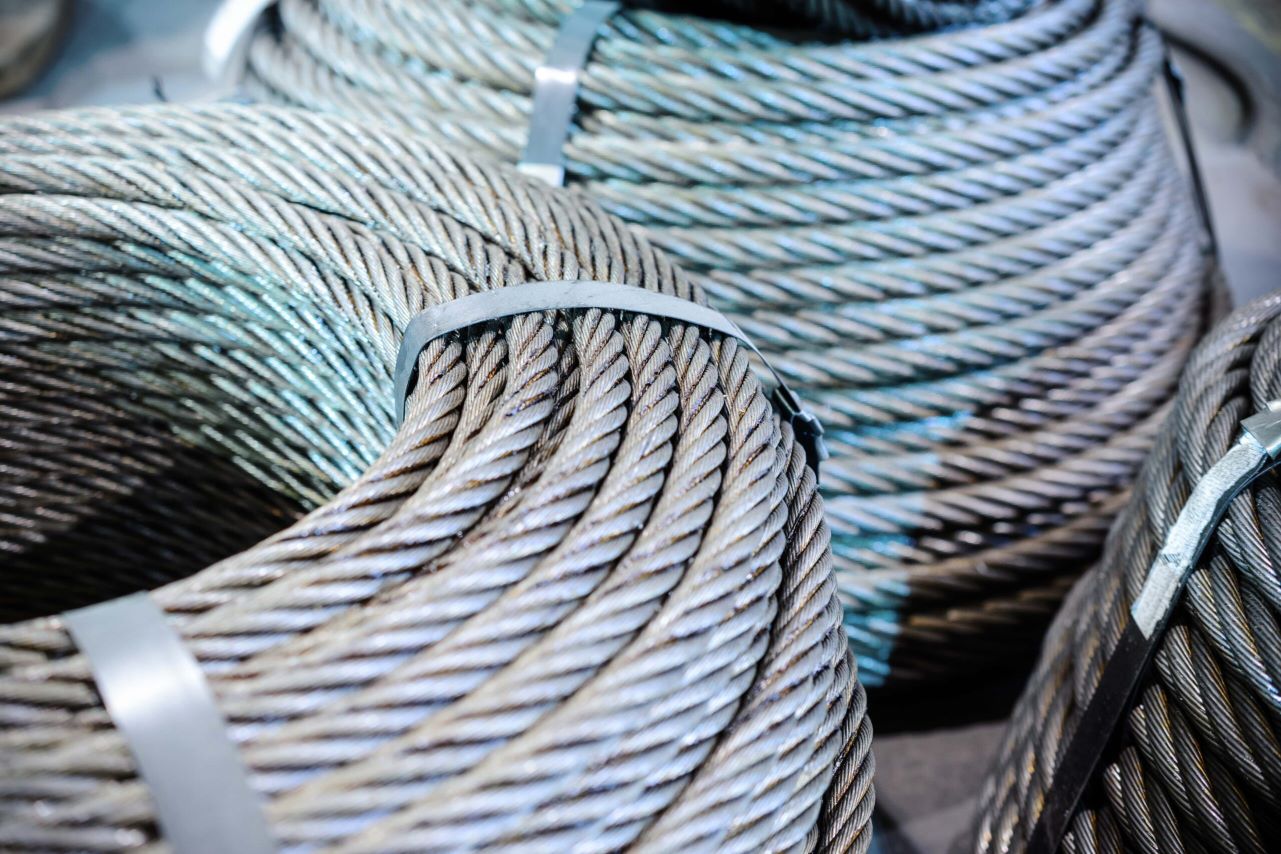
Steel wire ropes are complex assemblies consisting of multiple steel wires twisted together to form strands, which are then laid helically around a core. This core can be made of steel, fiber, or even another wire rope. The construction provides strength, flexibility, and resistance to wear, making them suitable for a wide range of applications. These applications span across industries, including construction, mining, oil and gas, marine, and manufacturing. In construction, they are used in cranes and hoists to lift heavy materials. In mining, they are used in elevators and winches to transport personnel and equipment. The specific design and materials used in a steel wire rope depend on the intended use and the environmental conditions it will face.
The Hidden Cost of Neglect
Failing to maintain steel wire ropes properly can have severe financial and safety implications. Premature failure of a wire rope can lead to costly downtime, equipment damage, and potential injuries or fatalities. The cost of replacing a damaged wire rope is often a fraction of the cost associated with the consequences of its failure. Moreover, neglecting steel cable maintenance can also result in legal liabilities and reputational damage. Investing in a proactive maintenance program, including regular inspections, lubrication, and timely replacements, is a cost-effective way to minimize risks and maximize the lifespan of your steel wire ropes. As our team in Dubai often advises, a penny saved on maintenance can quickly turn into a pound lost in repairs and downtime.
Understanding the Factors Affecting Lifespan
The Four Horsemen of Wire Rope Degradation
The lifespan of steel wire ropes is affected by several factors, which can be broadly categorized into four main areas: wear, corrosion, fatigue, and mechanical damage. These “four horsemen of wire rope degradation” work independently or in combination to weaken the rope’s structure and reduce its load-bearing capacity. Understanding these factors is essential for implementing effective maintenance strategies and extending the wire rope lifespan. By proactively addressing these issues, you can significantly improve the safety and reliability of your operations.
Wear and Tear: A Gradual Decline
Wear and tear is a common cause of wire rope degradation, resulting from friction and abrasion as the rope interacts with sheaves, drums, and other surfaces. Over time, this friction gradually erodes the steel wires, reducing their diameter and weakening the overall rope structure. The severity of wear depends on factors such as the load, speed, operating environment, and the condition of the equipment in contact with the rope. Proper lubrication is crucial for minimizing friction and extending the steel wire ropes lifespan by reducing the rate of wear. Using the correct type of sheave material and ensuring proper alignment can also significantly reduce wear.
Corrosion: The Silent Killer
Corrosion is a particularly insidious form of wire rope degradation, as it can occur internally and be difficult to detect. It is caused by chemical reactions between the steel wires and the surrounding environment, leading to rust and weakening of the metal. Common types of corrosion include:
- Atmospheric corrosion: Caused by exposure to moisture, oxygen, and pollutants in the air.
- Pitting corrosion: Localized corrosion that creates small holes or pits in the wire surface.
- Fretting corrosion: Occurs at contact points between wires under load, exacerbated by vibration.
- Stress corrosion cracking: Occurs when the rope is under tensile stress in a corrosive environment.
Regular lubrication with a corrosion-inhibiting lubricant is essential for protecting steel wire ropes from corrosion. Selecting a rope with a corrosion-resistant coating, such as galvanization or stainless steel, can also be beneficial in harsh environments.
Fatigue: The Invisible Enemy
Fatigue is a progressive and often invisible form of damage that occurs due to repeated bending and stress cycles. As a steel wire rope is repeatedly bent and straightened, microscopic cracks can form in the wires. Over time, these cracks grow and propagate, eventually leading to wire breakage and rope failure. The rate of fatigue depends on the load, bending radius, operating speed, and the number of bending cycles. Proper sheave and drum maintenance, as well as avoiding sharp bends and excessive loads, can help to minimize fatigue.
Mechanical Damage: When Things Go Wrong
Mechanical damage refers to physical damage caused by impacts, crushing, abrasion, or other external forces. This type of damage can result in broken wires, deformed strands, and overall weakening of the rope structure. Common causes of mechanical damage include:
- Impact from dropped objects: Can cause localized damage and broken wires.
- Crushing from overloading: Can deform the rope and reduce its load-bearing capacity.
- Abrasion from dragging: Can wear down the outer wires and reduce their diameter.
- Kinking: Occurs when the rope is bent too sharply, causing permanent deformation.
Careful handling, proper storage, and avoiding overloading can help to prevent mechanical damage and extend the steel wire ropes lifespan.
9 Proven Ways to Extend Your Steel Wire Ropes’ Lifespan
1. Regular Inspection: Eyes on the Prize
Regular inspection is the cornerstone of any effective steel cable maintenance program. Frequent and thorough inspections allow you to identify potential problems early, before they escalate into serious safety hazards or costly downtime events. Inspections should be conducted by trained personnel and should include a visual examination of the entire rope, as well as tactile checks for signs of wear, corrosion, and damage. The frequency of inspections should be based on the severity of the operating environment, the intensity of use, and the manufacturer’s recommendations. Keeping detailed records of each wire rope inspection helps track degradation and plan future maintenance.
2. Proper Lubrication: The Elixir of Life
Proper lubrication is essential for reducing friction, protecting against corrosion, and extending the steel wire ropes lifespan. Lubrication reduces friction between the wires and strands, minimizing wear and heat generation. It also creates a protective barrier against moisture, chemicals, and other corrosive elements. The lubricant should be applied regularly, using a method that ensures penetration into the core of the rope. The type of lubricant should be selected based on the operating environment and the manufacturer’s recommendations. Our team here at SSTC recommends a lubricant that is compatible with the rope’s material and the environmental conditions.
3. Correct Installation: Laying the Foundation
Correct installation is crucial for minimizing stress and wear on steel wire ropes. Improper installation can lead to kinking, twisting, and uneven load distribution, which can significantly shorten the wire rope lifespan. When installing a new rope, it is important to follow the manufacturer’s instructions carefully. Ensure that the rope is properly seated in the sheaves and drums, and that the correct tension is applied. Avoid twisting or kinking the rope during installation. A properly installed rope will experience less stress and wear, resulting in a longer and more reliable service life.
4. Controlled Operating Conditions: The Gentle Touch
Operating steel wire ropes within their designed limits is essential for maximizing their lifespan. Overloading, excessive speeds, and sharp bends can all significantly increase stress and wear on the rope. Avoid exceeding the rope’s safe working load (SWL) and maintain a moderate operating speed. Minimize the use of sharp bends and ensure that the sheaves and drums have the correct diameter for the rope size. By operating the rope within its design parameters, you can reduce stress and extend its service life.
5. Proper Storage: Shelter from the Storm
Proper storage is often overlooked, but it is a critical factor in preventing corrosion and damage to steel wire ropes. When not in use, ropes should be stored in a clean, dry, and well-ventilated area. Avoid storing ropes in direct sunlight or near corrosive chemicals. If the rope is to be stored for an extended period, it should be lubricated and covered with a protective coating. Proper storage helps to prevent corrosion and mechanical damage, ensuring that the rope is in good condition when it is needed.
6. Sheave and Drum Maintenance: Smooth Sailing
The condition of sheaves and drums has a significant impact on the wire rope lifespan. Worn or damaged sheaves and drums can cause excessive wear and stress on the rope. Regularly inspect sheaves and drums for signs of wear, such as grooves, cracks, and corrosion. Replace worn or damaged components promptly. Ensure that the sheaves and drums are properly aligned and that the rope is running smoothly. Proper sheave and drum maintenance helps to minimize wear and extend the steel wire ropes lifespan.
7. Rotation and End-for-Ending: Sharing the Load
Rotation and end-for-ending are techniques used to distribute wear evenly across the steel wire rope. Rotation involves periodically rotating the rope to distribute wear around its circumference. End-for-ending involves reversing the rope, so that the section that was previously subjected to the highest stress is now subjected to a lower stress. These techniques can help to extend the overall wire rope lifespan by preventing localized wear and fatigue. The frequency of rotation and end-for-ending depends on the specific application and the operating conditions.
8. Selecting the Right Rope: Choosing Wisely
Selecting the correct type and size of steel wire rope for the application is crucial for ensuring safety and maximizing lifespan. The rope should be chosen based on the load requirements, operating environment, and the type of equipment it will be used with. Consider factors such as the rope’s strength, flexibility, corrosion resistance, and abrasion resistance. Consult with a qualified rope supplier to ensure that you are selecting the right rope for your needs. Using the wrong rope can lead to premature failure and potential safety hazards.
9. Document Everything: The Power of Records
Maintaining detailed records of inspections, maintenance, and replacements is essential for effective steel cable maintenance. These records provide a valuable history of the rope’s condition and performance, allowing you to track degradation, identify trends, and plan future maintenance. The records should include the date of each inspection, the findings of the inspection, any maintenance performed, and the date of any replacements. Detailed records help to ensure that steel wire ropes are properly maintained and that potential problems are addressed promptly.
Troubleshooting Common Problems
The Case of the Mysterious Rust
Identifying and addressing different types of corrosion is crucial for preventing premature wire rope degradation. If you notice rust on your steel wire ropes, it is important to determine the cause and take appropriate action. Surface rust can often be removed with a wire brush and a rust-inhibiting lubricant. However, if the rust is severe or if it is accompanied by pitting or wire breakage, the rope may need to be replaced. In some cases, the corrosion may be caused by a specific chemical exposure, in which case you may need to change the operating environment or select a rope with a more corrosion-resistant coating. Our experience here at SSTC has shown us that early detection is key.
When Wires Start to Break
Broken wires are a serious indication of wire rope degradation and can compromise the rope’s strength and safety. The number and location of broken wires are important factors in determining whether a rope needs to be replaced. Generally, a rope should be replaced if the number of broken wires exceeds the manufacturer’s recommendations. Broken wires concentrated in one area are more serious than broken wires scattered along the rope’s length. Internal wire breaks are particularly difficult to detect, but they can be a sign of advanced fatigue or corrosion. If you notice a significant number of broken wires, it is important to consult with a qualified rope inspector to determine the appropriate course of action.
Dealing with Kinks and Birdcaging
Kinks and birdcaging are types of mechanical damage that can significantly weaken steel wire ropes. Kinks occur when the rope is bent too sharply, causing permanent deformation. Birdcaging occurs when the strands of the rope separate and spread out, resembling a birdcage. Both of these types of damage can reduce the rope’s strength and increase the risk of failure. Preventing kinks and birdcaging requires careful handling and proper installation. Avoid bending the rope too sharply, and ensure that it is properly supported and tensioned. If a rope becomes kinked or birdcaged, it should be replaced immediately.
Real-World Examples
Case Study 1: Preventing Downtime in a Manufacturing Plant
A large manufacturing plant was experiencing frequent downtime due to premature failure of steel wire ropes on its overhead cranes. After conducting a thorough assessment, Safe and Secure Trading Company (SSTC) recommended implementing a proactive maintenance program that included regular inspections, proper lubrication, and timely replacements. The plant followed our recommendations and saw a significant improvement in the lifespan of its steel wire ropes. Downtime was reduced by 40%, resulting in significant cost savings. This case study illustrates the benefits of a proactive maintenance program for extending wire rope lifespan and reducing downtime.
Case Study 2: Enhancing Safety in Construction
A construction company was using steel wire ropes on its cranes to lift heavy materials. During a routine wire rope inspection, our team identified signs of corrosion on one of the crane cables. The company immediately replaced the cable, preventing a potentially catastrophic crane accident. Further investigation revealed that the corrosion was caused by improper lubrication and exposure to saltwater. SSTC recommended switching to a corrosion-inhibiting lubricant and implementing a more rigorous lubrication schedule. This case study highlights the importance of regular inspections and proper lubrication for preventing accidents and ensuring safety.
Conclusion: Investing in Longevity
Recap of Achievement
In this comprehensive guide, we’ve explored the critical factors that influence the lifespan of steel wire ropes and provided practical steps to extend their service life. From understanding the “four horsemen of wire rope degradation” – wear, corrosion, fatigue, and mechanical damage – to implementing proactive maintenance strategies such as regular inspections, proper lubrication, and correct installation, we’ve covered the essential knowledge you need to maximize the performance and reliability of your steel wire ropes. By following these guidelines, you can reduce downtime, prevent accidents, and save money in the long run.
The Path Forward
Implementing these practices and prioritizing wire rope maintenance is not just a matter of best practice; it’s an investment in the safety and efficiency of your operations. We at Safe and Secure Trading Company are committed to providing you with the knowledge and resources you need to succeed. By taking a proactive approach to steel cable maintenance, you can ensure the longevity and reliability of your steel wire ropes, protecting your employees, equipment, and bottom line.
FAQ Section
Q: How often should I inspect my steel wire ropes?
A: The frequency of wire rope inspection depends on the severity of the operating environment, the intensity of use, and the manufacturer’s recommendations. As a general guideline, ropes should be inspected at least monthly, and more frequently in harsh environments or under heavy use. Critical applications may require daily inspections.
Q: What are the key signs of wire rope degradation?
A: Key signs of wire rope degradation include:
- Broken wires
- Corrosion
- Wear and tear (reduced wire diameter)
- Deformed strands
- Kinks or birdcaging
- Loss of flexibility
Q: How do I choose the right lubricant for my steel wire ropes?
A: The type of lubricant should be selected based on the operating environment, the rope’s material, and the manufacturer’s recommendations. Consider factors such as:
- Corrosion resistance
- Water resistance
- Temperature range
- Load-carrying capacity
- Compatibility with the rope’s material
Q: What is the safe working load (SWL) of my steel wire rope?
A: The safe working load (SWL) is the maximum load that a steel wire rope is designed to carry. It is typically specified by the manufacturer and should never be exceeded. The SWL is usually a fraction of the rope’s breaking strength, providing a safety factor to account for wear, fatigue, and other factors.
Q: How do I properly store steel wire ropes?
A: Steel wire ropes should be stored in a clean, dry, and well-ventilated area. Avoid storing ropes in direct sunlight or near corrosive chemicals. If the rope is to be stored for an extended period, it should be lubricated and covered with a protective coating.
Q: What is the average wire rope lifespan?
A: The wire rope lifespan varies greatly depending on the application, operating conditions, and maintenance practices. With proper care and maintenance, a steel wire rope can last for several years. However, in harsh environments or under heavy use, the lifespan may be significantly shorter. Regular inspections and proactive maintenance are essential for maximizing the lifespan of your steel wire ropes.
Q: Can I repair a damaged steel wire rope?
A: In most cases, damaged steel wire ropes should not be repaired. Repairs can compromise the rope’s strength and safety, increasing the risk of failure. It is generally recommended to replace a damaged rope with a new one.
Q: What is wire rope corrosion?
A: Wire rope corrosion is the degradation of the steel wires due to chemical reactions with the surrounding environment. Corrosion can weaken the rope and lead to premature failure. Common types of corrosion include atmospheric corrosion, pitting corrosion, fretting corrosion, and stress corrosion cracking. Regular lubrication with a corrosion-inhibiting lubricant is essential for protecting steel wire ropes from corrosion.
Q: How does crane cable maintenance impact lifespan?
A: Proper crane cable maintenance is crucial for extending the lifespan of the cable and ensuring safe operation. Regular inspections, lubrication, and timely replacements are essential components of a comprehensive crane cable maintenance program. Neglecting crane cable maintenance can lead to premature failure, costly downtime, and potential accidents.
Q: What factors affect hoist cable lifespan?
A: Several factors affect hoist cable lifespan, including the load, speed, operating environment, and maintenance practices. Overloading, excessive speeds, and sharp bends can all shorten the hoist cable lifespan. Regular inspections, proper lubrication, and avoiding overloading can help to maximize the lifespan of your hoist cable.