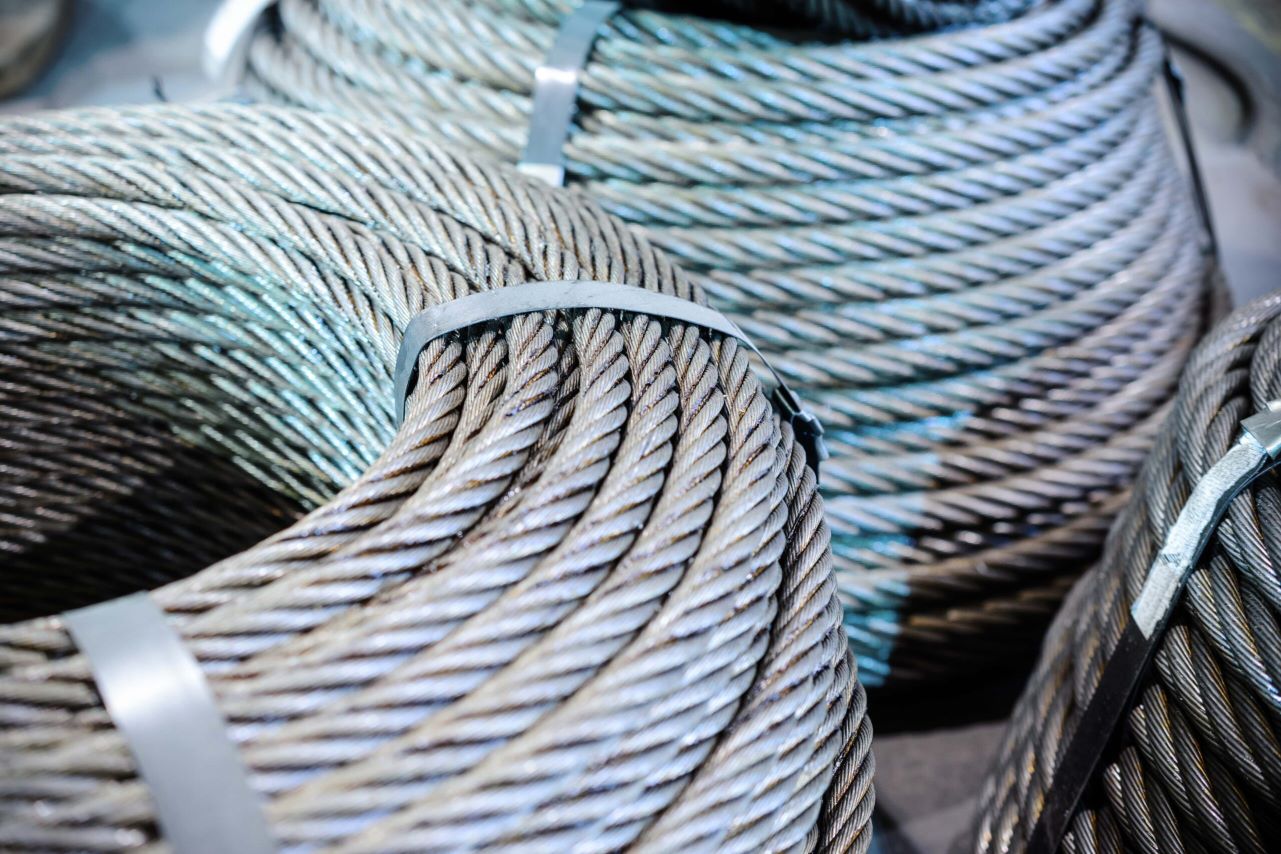
Steel wire rope is a vital component in numerous industries, from construction and manufacturing to marine and mining. This robust cable, composed of multiple steel wires twisted together, provides the strength and flexibility needed for lifting, pulling, and supporting heavy loads. Its widespread use underscores the importance of understanding its lifespan, as the integrity of steel wire rope directly impacts safety and operational efficiency.
Understanding and actively managing the factors that affect the steel wire rope lifespan is paramount. By implementing proactive measures, businesses can significantly extend the usability of their ropes, leading to considerable cost savings and enhanced safety protocols. This guide provides comprehensive strategies to maximize the steel wire rope lifespan, ensuring reliable performance and minimizing the risk of failure.
Extending the lifespan of steel wire rope is not merely about saving money; it’s about ensuring the safety of personnel and equipment. A well-maintained rope is a reliable rope, and that reliability translates to fewer accidents, reduced downtime, and a more productive operation. Let’s explore how you can achieve these benefits through informed practices and diligent care.
Factors Affecting Steel Wire Rope Lifespan
The lifespan of steel wire rope is influenced by a variety of factors, ranging from the loads it bears to the environment it operates in. Understanding these factors is the first step in implementing effective strategies to prolong its usability. Let’s delve into the key elements that impact steel wire rope lifespan.
Load and Stress
Exceeding the safe working load (SWL) is one of the quickest ways to shorten the lifespan of a steel wire rope. The SWL is the maximum load that a rope is designed to handle safely, and it is typically determined by dividing the rope’s minimum breaking strength by a safety factor. When a rope is consistently subjected to loads exceeding its SWL, it experiences excessive stress, leading to premature wear and eventual failure.
Dynamic loading, which includes shock loads and sudden stops, also significantly reduces steel wire rope lifespan. Shock loads occur when a rope is subjected to a sudden, high-impact force, such as when lifting a heavy object that is suddenly dropped. Sudden stops, on the other hand, create rapid deceleration forces that can strain the rope. These dynamic forces can cause internal damage to the wires and strands, accelerating wear and reducing the rope’s overall strength. We at Safe and Secure Trading Company (SSTC) always advise our clients to factor in dynamic loading when calculating the appropriate SWL for their operations.
Environmental Conditions
Corrosion is a major enemy of steel wire rope. Moisture, chemicals, and salt can all corrode the steel wires, weakening them and reducing the rope’s overall strength. The type of corrosion can vary depending on the specific environmental conditions. For example, exposure to saltwater can lead to rapid pitting corrosion, while exposure to acidic chemicals can cause uniform corrosion across the rope’s surface.
Temperature extremes also affect steel wire rope lifespan. Extreme heat can reduce the tensile strength of the steel, making it more susceptible to deformation and failure. Extreme cold, on the other hand, can make the steel more brittle, increasing the risk of cracking and breakage. Our team in Dubai has seen firsthand how high temperatures and humidity can accelerate corrosion if proper maintenance isn’t performed.
Usage and Handling
Improper spooling and winding techniques can cause significant damage to steel wire rope. When a rope is not properly spooled onto a drum or reel, it can become tangled, kinked, or crushed. These types of damage can weaken the wires and strands, reducing the rope’s strength and lifespan.
Damage from abrasion and crushing is another common cause of premature wear. Abrasion occurs when the rope rubs against abrasive surfaces, such as rough edges or dirty sheaves. Crushing, on the other hand, occurs when the rope is subjected to excessive compressive forces, such as when it is run over by heavy equipment. Both abrasion and crushing can damage the outer wires of the rope, leading to broken wires and reduced strength.
Maintenance and Inspection
Lack of proper lubrication is a critical factor that significantly shortens steel wire rope lifespan. Lubrication reduces friction between the individual wires and strands, preventing wear and corrosion. Without adequate lubrication, the wires will rub against each other, causing them to wear down and break prematurely. We once had a client who neglected rope lubrication, resulting in a 50% reduction in rope lifespan.
Infrequent or inadequate inspections can also lead to premature failure. Regular inspections are essential for identifying signs of wear, damage, and corrosion. By detecting these problems early, you can take corrective action before they lead to catastrophic failure. A thorough inspection program should include visual inspections, as well as more in-depth examinations using tools such as calipers and magnetic particle testing equipment.
Tip 1: Choosing the Right Steel Wire Rope
Selecting the correct steel wire rope for the application is the foundational step in maximizing its lifespan. Different tasks demand different rope characteristics, and choosing the wrong rope can lead to premature failure and safety hazards.
Match the Rope to the Task
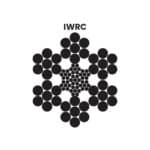
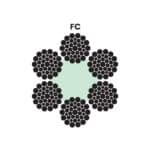
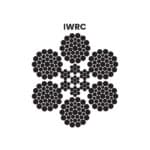
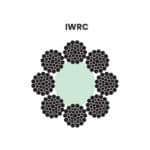
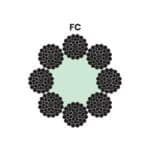
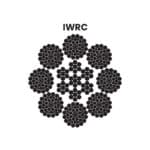
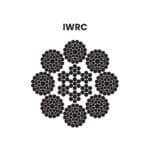
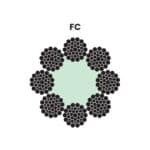
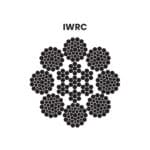
Different rope constructions offer varying degrees of strength, flexibility, and abrasion resistance. For example, a 6×19 rope (six strands with 19 wires per strand) is a common general-purpose rope that offers a good balance of strength and flexibility. However, it may not be the best choice for applications that require high levels of flexibility or abrasion resistance. A 6×37 rope (six strands with 37 wires per strand) is more flexible than a 6×19 rope, making it a better choice for applications that involve frequent bending or flexing. On the other hand, an 8×19 rope may be preferred for specific hoisting applications.
Consider the specific requirements of your application when selecting a rope. If you need high strength, choose a rope with a high tensile strength rating. If you need high flexibility, choose a rope with a high number of wires per strand. If you need high abrasion resistance, choose a rope with a larger wire diameter and a tighter construction. When selecting a rope, always consult with a qualified expert to ensure that you are choosing the right rope for your needs.
Material Matters
The grade of steel wire used in the construction of the rope also affects its strength and durability. Improved plow steel (IPS) is a common high-strength steel that is used in many steel wire ropes. Extra improved plow steel (EIPS) offers even higher strength than IPS, making it a good choice for demanding applications.
Galvanized or stainless steel ropes offer enhanced corrosion resistance compared to uncoated steel ropes. Galvanized ropes are coated with a layer of zinc, which protects the steel from corrosion. Stainless steel ropes are made from a corrosion-resistant alloy, making them suitable for use in harsh environments. When selecting a rope, consider the environmental conditions in which it will be used and choose a material that offers adequate corrosion protection. Remember that even with galvanized or stainless steel ropes, regular inspection and maintenance are crucial to prevent corrosion from taking hold.
Tip 2: Implementing a Regular Inspection Program
A proactive inspection program is essential for identifying potential problems before they lead to catastrophic failures. Regular inspections allow you to monitor the condition of your steel wire ropes and take corrective action when necessary.
Visual Inspection Basics
Visual inspections should be a routine part of your steel wire rope maintenance program. During a visual inspection, you should look for broken wires, corrosion, deformation, and any other signs of damage. Broken wires are a common sign of wear and fatigue. Corrosion can weaken the wires and lead to premature failure. Deformation, such as kinks or crushing, can also reduce the rope’s strength.
Checking for reductions in rope diameter is another important aspect of visual inspection. A reduction in diameter indicates that the rope has experienced internal wear and loss of strength. Use calipers to measure the rope diameter at various points along its length and compare the measurements to the original diameter. A significant reduction in diameter may indicate that the rope needs to be replaced.
The Frequency of Inspections
Daily checks should be performed to identify any obvious damage, such as broken wires or kinks. These checks can be done quickly and easily by the equipment operator. Regular inspections, conducted weekly or monthly, should be more thorough and should include a detailed examination of the entire rope length. The frequency of these inspections should be based on the usage and environment. Ropes that are used frequently or in harsh environments should be inspected more often.
The environment in which the rope operates also dictates inspection frequency. Marine environments, with their high salt content, demand more frequent inspections than land-based applications. Similarly, ropes exposed to corrosive chemicals require vigilant monitoring. John Smith, Lead Safety Inspector, notes, “A consistent inspection schedule, tailored to the specific operating conditions, is the best defense against unexpected failures.”
Documentation is Key
Maintaining records of all inspections, findings, and actions taken is crucial for effective steel wire rope management. These records should include the date of the inspection, the name of the inspector, the condition of the rope, and any corrective actions that were taken. This documentation can help you track the rope’s condition over time and identify any trends that may indicate a problem.
Inspection records can also be used to inform replacement decisions. By tracking the rope’s condition and comparing it to manufacturer’s recommendations, you can determine when the rope needs to be replaced. This proactive approach can help you avoid unexpected failures and ensure the safety of your operations.
| Inspection Type |
Frequency |
Focus Areas |
Tools Needed |
Documentation |
| Daily Check |
Daily |
Obvious damage (broken wires, kinks) |
Visual |
Brief log of observations |
| Regular Inspection |
Weekly/Monthly (based on usage) |
Detailed examination of entire rope length |
Calipers, flashlight, magnifying glass |
Detailed report with measurements and photos |
| In-Depth Inspection |
Annually or as needed |
Internal wear, corrosion, and other hidden defects |
Magnetic particle testing, dye penetrant testing |
Comprehensive report with test results |
Tip 3: Lubricate, Lubricate, Lubricate!
Proper lubrication is arguably the most important aspect of steel wire rope maintenance. Lubrication reduces friction, prevents corrosion, and extends the rope’s lifespan significantly.
Why Lubrication is Critical
Lubrication reduces friction and wear between the individual wires and strands of the rope. As the rope bends and flexes, the wires rub against each other, causing friction and wear. Lubrication creates a barrier between the wires, reducing friction and preventing them from wearing down prematurely.
Preventing corrosion from moisture and chemicals is another critical function of lubrication. Lubricant acts as a barrier, preventing moisture and corrosive substances from reaching the steel wires. This protection is particularly important in harsh environments, such as marine or industrial settings. Regular lubrication can significantly extend the life of a steel wire rope by preventing corrosion and maintaining its strength.
Choosing the Right Lubricant
Selecting a lubricant compatible with the rope type and operating conditions is crucial for effective lubrication. Different lubricants offer different properties, such as viscosity, penetration, and resistance to water washout. Choose a lubricant that is specifically designed for steel wire ropes and that is compatible with the rope’s construction and the environment in which it will be used.
Consider penetration, tackiness, and resistance to water washout when selecting a lubricant. Penetration refers to the lubricant’s ability to penetrate between the wires and strands of the rope. Tackiness refers to the lubricant’s ability to adhere to the rope’s surface. Resistance to water washout refers to the lubricant’s ability to withstand exposure to water without being washed away. Choose a lubricant that offers good penetration, tackiness, and resistance to water washout for optimal protection.
Application Methods
Manual application using brushes or sprayers is a common method for lubricating steel wire ropes. This method involves applying the lubricant directly to the rope’s surface using a brush or sprayer. Manual application is suitable for smaller ropes and for applications where lubrication is not required frequently.
Automatic lubrication systems offer continuous protection for larger ropes and for applications where lubrication is required frequently. These systems typically consist of a reservoir of lubricant, a pump, and a series of nozzles that apply the lubricant to the rope as it passes through the system. Automatic lubrication systems can significantly reduce the labor required for lubrication and can ensure that the rope is always adequately lubricated.
Tip 4: Proper Sheave and Drum Maintenance
The condition of the sheaves and drums that the steel wire rope runs on also significantly affects its lifespan. Worn or damaged sheaves and drums can cause excessive wear and damage to the rope.
Sheave Groove Condition
Checking for wear, cracks, and proper groove size is essential for maintaining sheave integrity. Worn sheave grooves can cause the rope to rub against the edges of the groove, leading to abrasion and broken wires. Cracks in the sheave can also damage the rope and can pose a safety hazard.
Ensuring the sheave groove matches the rope diameter is crucial for proper rope support. If the sheave groove is too small, it can pinch the rope, causing it to deform and wear prematurely. If the sheave groove is too large, it can allow the rope to slip and vibrate, leading to excessive wear and fatigue. Always consult the manufacturer’s recommendations to ensure that the sheave groove is the correct size for the rope diameter.
Drum Winding Techniques
Avoiding cross-winding and multi-layer spooling problems is essential for proper drum management. Cross-winding occurs when the rope is wound onto the drum in a haphazard manner, causing it to overlap and rub against itself. Multi-layer spooling occurs when the rope is wound onto the drum in multiple layers, which can also lead to excessive wear and damage.
Using proper fleet angle and drum design can help to prevent cross-winding and multi-layer spooling problems. The fleet angle is the angle between the rope and the drum. A proper fleet angle ensures that the rope is wound onto the drum smoothly and evenly. Drum design also plays a role in preventing these problems. Drums with grooved surfaces can help to guide the rope and prevent it from overlapping.
Tip 5: Correct Installation Procedures
Proper installation is crucial for ensuring that the steel wire rope performs as intended and achieves its maximum lifespan. Incorrect installation can lead to premature wear, damage, and even failure.
Avoiding Kinks and Twists
Properly uncoiling and unreeling the rope is essential for preventing kinks and twists. Kinks and twists can weaken the rope and reduce its strength. To avoid these problems, always uncoil or unreel the rope in a straight line, avoiding any sharp bends or turns.
Using swivels to prevent rotation and torque buildup is also important. Swivels allow the rope to rotate freely, preventing torque from building up and causing the rope to twist or kink. Swivels should be used in applications where the rope is subjected to rotational forces, such as when lifting or lowering loads.
Socketing and Termination
Ensuring correct socketing procedures to prevent slippage or failure is crucial for safe rope termination. Socketing involves attaching a fitting to the end of the rope using a molten metal or resin. If the socketing procedure is not performed correctly, the fitting can slip or fail, leading to a catastrophic accident.
Using appropriate end terminations for the intended application is also important. Different end terminations offer different levels of strength and security. Choose an end termination that is specifically designed for steel wire ropes and that is appropriate for the intended application. Examples of end terminations include:
- Wire rope clips
- Swaged sockets
- Poured sockets
- Wedges
Tip 6: Manage Load Effectively
Effective load management is paramount for extending steel wire rope lifespan. Overloading and shock loading are two of the most common causes of premature rope failure.
Adhering to Safe Working Load (SWL)
Never exceeding the rope’s rated capacity is a fundamental safety rule. The safe working load (SWL) is the maximum load that a rope is designed to handle safely. Exceeding the SWL can lead to excessive stress and premature failure.
Understanding the safety factors involved is also important. The safety factor is a multiplier that is applied to the rope’s breaking strength to determine the SWL. A higher safety factor provides a greater margin of safety, but it also reduces the rope’s lifting capacity. Choose a safety factor that is appropriate for the application and that complies with all applicable regulations.
Minimize Shock Loading
Avoiding sudden starts, stops, and impacts can help to minimize shock loading. Shock loading occurs when a rope is subjected to a sudden, high-impact force. This type of loading can cause internal damage to the wires and strands, reducing the rope’s strength and lifespan.
Using soft starts and controlled movements can also help to minimize shock loading. Soft starts involve gradually increasing the load on the rope, rather than applying it suddenly. Controlled movements involve avoiding any sudden jerks or impacts. By using these techniques, you can reduce the amount of stress on the rope and extend its lifespan.
“Proper load management is not just about avoiding overloads; it’s about understanding the dynamics of the load and how it affects the rope,” – David Lee, Crane Operations Manager
Tip 7: Storage Best Practices
Proper storage is often overlooked, but it is a crucial factor in maintaining the integrity of steel wire rope. Incorrect storage can lead to corrosion, deformation, and other types of damage.
Clean and Dry Environment
Storing ropes in a cool, dry place away from direct sunlight and chemicals is essential for preventing corrosion and degradation. Direct sunlight can damage the rope’s fibers, while chemicals can corrode the steel wires. A cool, dry environment will help to prevent moisture from accumulating on the rope, which can lead to corrosion.
Protecting from moisture to prevent corrosion is particularly important. Moisture can cause the steel wires to rust, weakening the rope and reducing its lifespan. Store ropes in a covered area or wrap them in a waterproof material to protect them from moisture.
Proper Coiling and Handling
Avoiding sharp bends and kinks during storage is crucial for maintaining rope integrity. Sharp bends and kinks can weaken the wires and strands, reducing the rope’s strength. Coil the rope loosely and avoid any tight bends or folds.
Supporting coils to prevent deformation is also important. Coils of rope can be heavy, and if they are not supported properly, they can deform under their own weight. Support the coils on a pallet or架台to prevent them from becoming flattened or misshapen.
Tip 8: Recognizing Signs of Wear and Damage
Regular inspection is critical, but knowing what to look for is just as important. Recognizing the signs of wear and damage early can prevent a minor issue from becoming a catastrophic failure.
Broken Wires
Understanding the allowable number of broken wires before replacement is essential for safety. Regulations and manufacturer guidelines specify the maximum number of broken wires that are allowed in a given length of rope before it must be replaced. Exceeding this limit can compromise the rope’s strength and increase the risk of failure.
Checking for clusters of broken wires in specific areas is also important. Clusters of broken wires indicate that the rope is experiencing localized stress or wear. These areas should be inspected more frequently and the rope should be replaced if the number of broken wires exceeds the allowable limit.
Reduction in Diameter
Measuring rope diameter regularly and comparing to original size is a key indicator of internal wear. As a steel wire rope wears, the individual wires and strands can wear down, causing a reduction in the rope’s overall diameter. This reduction in diameter indicates that the rope has lost strength and should be inspected more closely.
Significant reduction indicates internal wear and loss of strength. A significant reduction in diameter, typically 5-10%, indicates that the rope has experienced substantial internal wear and loss of strength. In such cases, the rope should be replaced immediately.
Corrosion and Pitting
Identifying signs of rust, pitting, and chemical attack is crucial for preventing corrosion-related failures. Rust is a common sign of corrosion, and it indicates that the steel wires are being attacked by moisture and oxygen. Pitting is a more severe form of corrosion that creates small holes in the steel wires. Chemical attack can occur when the rope is exposed to corrosive chemicals, such as acids or alkalis.
Assessing the severity of corrosion and its impact on rope integrity is essential for making informed replacement decisions. Mild surface rust may not be a cause for immediate concern, but severe corrosion or pitting can significantly weaken the rope and increase the risk of failure. Consult with a qualified expert to assess the severity of corrosion and determine whether the rope needs to be replaced.
Tip 9: Develop a Replacement Schedule
A well-defined replacement schedule is a proactive approach to steel wire rope maintenance. Rather than waiting for a rope to fail, a replacement schedule ensures that ropes are replaced before they reach the end of their useful life.
Time-Based vs. Condition-Based Replacement
Consider the pros and cons of each approach when developing a replacement schedule. Time-based replacement involves replacing ropes at predetermined intervals, regardless of their condition. This approach is simple and easy to implement, but it may result in replacing ropes that are still in good condition. Condition-based replacement involves replacing ropes based on their actual condition, as determined by regular inspections. This approach can extend the lifespan of ropes that are in good condition, but it requires a more rigorous inspection program.
Using inspection data to inform replacement decisions is essential for effective condition-based replacement. Inspection data can help you track the rope’s condition over time and identify any trends that may indicate a problem. By using this data, you can make informed decisions about when to replace the rope, maximizing its lifespan while ensuring safety.
Following Manufacturer Guidelines
Consulting manufacturer recommendations for lifespan and replacement criteria is crucial for compliance and safety. Manufacturers typically provide guidelines for the lifespan of their ropes, as well as criteria for replacement based on wear, damage, and corrosion. Following these guidelines can help you ensure that your ropes are replaced before they reach the end of their useful life.
Ensuring compliance with relevant industry standards and regulations is also important. Industry standards and regulations may specify minimum requirements for steel wire rope maintenance and replacement. Familiarize yourself with these standards and regulations and ensure that your replacement schedule complies with all applicable requirements.
Conclusion: Maximizing Steel Wire Rope Lifespan for Safety and Savings
By following these comprehensive tips, you can significantly extend the steel wire rope lifespan, reduce operational costs, and enhance safety. From choosing the right rope and implementing a rigorous inspection program to prioritizing lubrication and proper storage, each step contributes to the overall health and longevity of your steel wire ropes. Remember, proactive maintenance is not just about saving money; it’s about ensuring the safety of your personnel and equipment.
We at Safe and Secure Trading Company are dedicated to providing you with the knowledge and resources you need to maintain your steel wire ropes effectively. By embracing these best practices, you can confidently maximize the lifespan of your ropes and minimize the risk of failure.
FAQ Section
Q: How often should I lubricate my steel wire ropes?
A: The frequency of lubrication depends on the rope’s usage and environment. Ropes that are used frequently or in harsh environments should be lubricated more often. As a general rule, lubricate your ropes at least monthly, or more frequently if needed.
Q: What type of lubricant should I use on my steel wire ropes?
A: Use a lubricant that is specifically designed for steel wire ropes and that is compatible with the rope’s construction and the environment in which it will be used. Consider penetration, tackiness, and resistance to water washout when selecting a lubricant.
Q: How can I tell if my steel wire rope needs to be replaced?
A: Look for signs of wear and damage, such as broken wires, corrosion, and deformation. Measure the rope diameter regularly and compare it to the original size. Consult manufacturer guidelines and industry standards for replacement criteria.
Q: What is the safe working load (SWL) of my steel wire rope?
A: The SWL is the maximum load that a rope is designed to handle safely. It is typically determined by dividing the rope’s minimum breaking strength by a safety factor. Never exceed the rope’s rated capacity.
Q: How important is steel cable inspection?
A: Steel cable inspection is paramount. Regular inspections identify potential problems early, preventing catastrophic failures. Inspections should include visual checks for broken wires, corrosion, and deformation, as well as diameter measurements.
Q: What are the different steel wire rope types and when should they be used?
A: Common steel wire rope types include 6×19, 6×37, and 8×19 constructions. A 6×19 rope offers a good balance of strength and flexibility for general-purpose use. A 6×37 rope is more flexible, suitable for frequent bending. An 8×19 rope is used for specific hoisting applications. The steel wire rope types available each have pros and cons in their applications.
Q: How does wire rope corrosion affect lifespan?
A: Wire rope corrosion significantly reduces lifespan. Moisture, chemicals, and salt corrode steel wires, weakening the rope. Galvanized or stainless steel ropes resist corrosion, but regular maintenance remains vital.
Q: What is proper wire rope storage?
A: Store ropes in a cool, dry place away from direct sunlight and chemicals. Protect from moisture to prevent corrosion. Coil loosely, avoid sharp bends, and support coils to prevent deformation. Proper wire rope storage helps extend the life of your rope.
Q: How does sheave size affect wire rope lifespan?
A: Incorrect sheave size can drastically reduce wire rope lifespan. Sheaves that are too small cause excessive bending stress and wear. Ensuring the sheave groove matches the rope diameter is crucial for proper support.
Q: What drum winding practices extend wire rope lifespan?
A: Proper drum winding extends wire rope lifespan. Avoid cross-winding and multi-layer spooling, which cause excessive wear. Use proper fleet angle and drum design for smooth, even winding.
Q: What is wire rope maintenance?
A: Wire rope maintenance is a process that includes regular inspection, proper lubrication, and safe storage of steel wire ropes. By following a proper wire rope maintenance schedule, you can prevent damage to your ropes and ensure that they are able to safely lift their safe working load.
Q: What is wire rope replacement?
A: Wire rope replacement is the process of replacing old and/or damaged steel wire ropes to ensure that they don’t get to a point where they may fail under a load. Failure to perform proper wire rope replacement may result in large-scale damage and/or bodily harm.