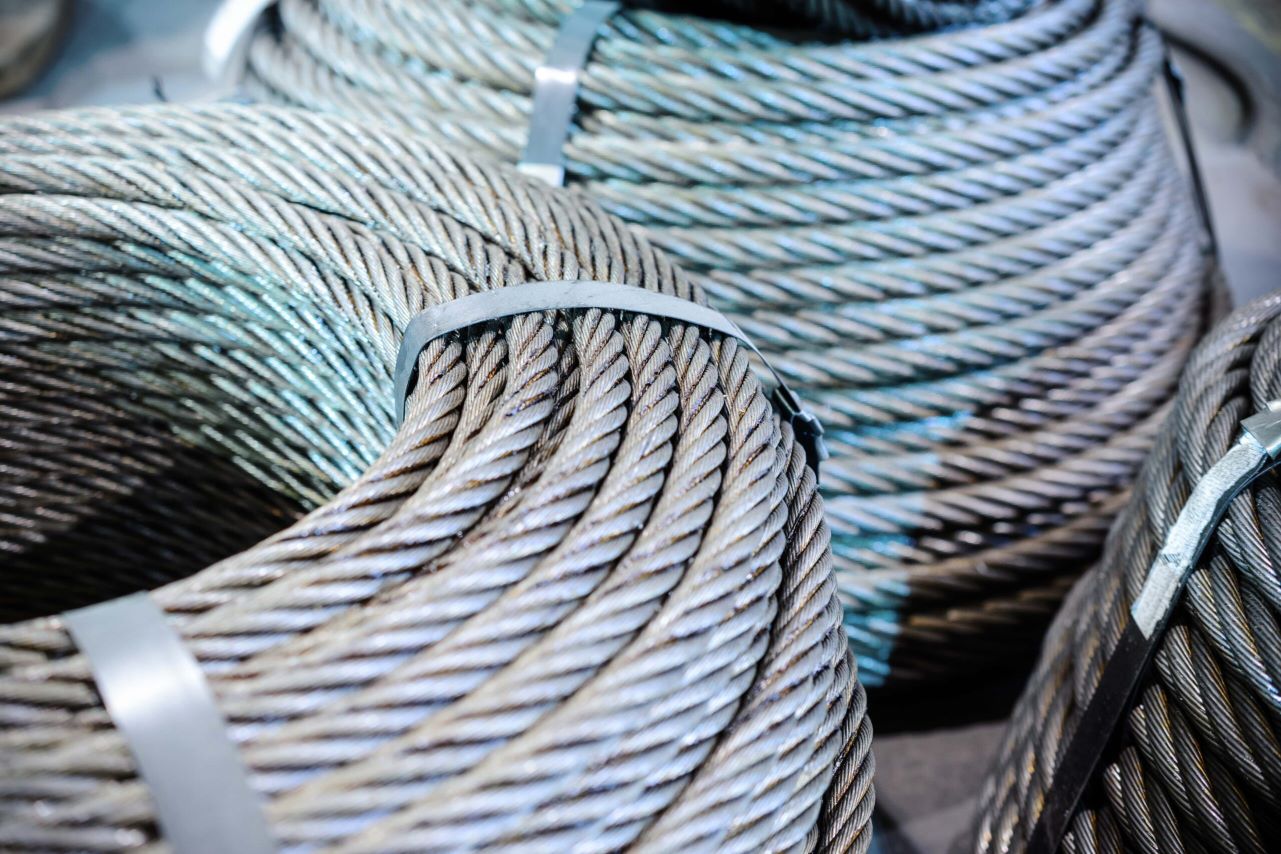
The backbone of countless industries, steel wire rope is indispensable for lifting, hoisting, and securing loads. From towering cranes on construction sites to the intricate systems of suspension bridges, its reliable performance is paramount. However, selecting the correct steel wire rope isn’t always straightforward. A seemingly minor error in choice can lead to catastrophic consequences, including safety hazards, costly downtime, and even structural failures. This guide, brought to you by Safe and Secure Trading Company (SSTC), will highlight common mistakes in steel wire rope selection and provide the knowledge you need to avoid them.
Mistake #1: Ignoring the Application’s Specific Requirements
One of the most fundamental errors in steel wire rope selection is failing to fully analyze the specific demands of the application. Different applications place varying stresses on the rope, and neglecting these nuances can lead to premature failure. We at SSTC have seen firsthand how a thorough needs assessment prevents costly mistakes.
Not Considering Load Type (Dynamic vs. Static)
Understanding the nature of the load is critical. Static loads are relatively constant and unchanging over time, while dynamic loads involve motion, impact, or vibration. A static load exerts a constant force, whereas dynamic loads introduce additional stress due to acceleration and deceleration. The constant shifting and jerking inherent in dynamic loads demand a steel wire rope with superior fatigue resistance. Failing to account for these factors can drastically shorten the lifespan of your lifting cables.
For instance, imagine using a standard steel cable designed for static loads on a crane that performs frequent lifting cycles. The repeated stress from lifting and lowering heavy objects creates a dynamic load, causing the rope to fatigue and eventually fail much sooner than expected. In this scenario, a rope specifically engineered for dynamic applications would be a far more suitable choice. The correct cable selection guide will steer you towards the best decision.
Overlooking Environmental Factors (Corrosion, Temperature)
Environmental conditions play a significant role in the longevity and performance of steel wire rope. Exposure to corrosive elements, such as saltwater or chemicals, can significantly weaken the steel cable, leading to premature failure. Similarly, extreme temperatures, both hot and cold, can affect the rope’s strength and flexibility. High temperatures can reduce the tensile strength of the steel, while low temperatures can make it brittle and prone to cracking. Our team in Dubai frequently advises clients on selecting ropes with specific coatings to combat the harsh local climate.
Consider a situation where a standard steel wire rope is used in a marine environment without proper corrosion protection. The saltwater would rapidly corrode the steel, weakening the rope and making it unsafe for lifting operations. Similarly, using a rope not rated for extreme temperatures in a freezer or furnace environment could lead to a sudden and unexpected failure. A proper wire rope construction should be considered based on these environmental factors.
Mistake #2: Neglecting the Required Strength and Safety Factor
Ensuring the steel wire rope possesses adequate strength to handle the intended load is non-negotiable. This involves accurately calculating the minimum breaking force (MBF) and applying an appropriate safety factor. Neglecting either of these steps can have dire consequences.
Miscalculating the Minimum Breaking Force (MBF)
The Minimum Breaking Force (MBF) is the force at which a new steel wire rope is expected to break under a static load. It’s crucial to determine this value accurately to ensure the rope can withstand the maximum load it will encounter in service. Common errors in load estimation include underestimating the weight of the load, failing to account for dynamic forces, and neglecting the effects of friction.
Imagine underestimating the weight of the load being lifted, leading to the selection of a rope with an insufficient MBF. As the load is lifted, the rope is stressed beyond its capacity, and it may suddenly break, causing the load to fall. Such an incident could result in serious injuries or fatalities. Always double-check your calculations and consult with experienced professionals to ensure accuracy.
Using an Insufficient Safety Factor
The safety factor is a multiplier applied to the MBF to provide a margin of safety. It accounts for uncertainties in load estimation, variations in rope strength, and the potential for unforeseen stresses. The appropriate safety factor depends on the criticality of the application, the potential for human injury, and relevant industry standards. Using an insufficient safety factor increases the risk of rope failure. Different types of lifting cables require different safety factors.
For example, using a safety factor of 3:1 for a critical lifting application where 5:1 is required. If the MBF of the rope is 10,000 lbs and the working load is 3,333 lbs, the rope may appear to be adequate. However, if the actual load exceeds this value or if the rope is subjected to unexpected stresses, the safety margin may be insufficient, leading to failure. Always adhere to established safety standards and err on the side of caution when determining the appropriate safety factor.
Mistake #3: Choosing the Wrong Wire Rope Construction
The construction of a steel wire rope refers to the arrangement of its wires and strands. Different constructions offer varying levels of flexibility, strength, and wear resistance. Selecting the wrong construction can compromise the rope’s performance and longevity. Our experience in cable failure analysis shows this is a common cause of premature wear.
Selecting the Incorrect Number of Strands
The number of strands in a steel wire rope affects its flexibility, strength, and resistance to wear. Ropes with fewer strands tend to be stronger and more abrasion-resistant, while ropes with more strands are more flexible and fatigue-resistant. The number of strands also influences the rope’s bending radius, which is the minimum radius around which the rope can be bent without damage.
For instance, choosing a low-strand crane rope for an application requiring frequent bending. A rope with fewer strands will have a larger bending radius, and repeatedly bending it around a small sheave can cause the wires to fatigue and break prematurely. In this case, a rope with more strands would provide better flexibility and a longer lifespan.
Failing to Consider the Lay Type (Regular, Lang, Alternate)
The lay type refers to the direction in which the wires in the strands and the strands in the rope are twisted. Common lay types include regular lay, lang lay, and alternate lay. Regular lay ropes have wires twisted in one direction and strands twisted in the opposite direction, while lang lay ropes have both wires and strands twisted in the same direction. Alternate lay ropes combine features of both regular and lang lay. The lay type affects the rope’s resistance to rotation and abrasion. The proper steel cable choice relies on lay type as well.
Consider using a regular lay rope in an application where a lang lay rope would provide better wear resistance. Lang lay ropes offer greater surface contact with sheaves and drums, resulting in reduced wear and longer life. However, they are more prone to twisting and should only be used in applications where both ends of the rope are restrained against rotation. Choosing the right lay type can significantly improve the performance and longevity of your steel wire rope.
Mistake #4: Overlooking Core Material and its Impact
The core of a steel wire rope provides internal support for the strands and helps to maintain its shape. The core material can be either fiber or steel, each offering different advantages and disadvantages. Ignoring the core material and its properties can lead to premature rope failure.
Ignoring the Core Material (Fiber vs. Steel)
Fiber cores are typically made of natural or synthetic fibers, while steel cores are made of wire strands or a single wire rope. Fiber cores offer greater flexibility and cushioning, while steel cores provide greater strength and resistance to crushing. The choice of core material depends on the specific requirements of the application. Understanding wire rope types is key.
Imagine using a fiber core rope in an application where high compressive forces are present. The fiber core may become compressed and deformed, reducing the rope’s diameter and causing the strands to loosen. This can lead to accelerated wear and eventual failure. In this situation, a steel core rope would provide better support and resistance to crushing.
Not Considering Core Lubrication
Core lubrication is essential for protecting the internal wires and strands from corrosion and wear. The lubricant penetrates the core, preventing moisture and contaminants from entering and reducing friction between the wires. Neglecting core lubrication can significantly shorten the lifespan of the steel wire rope.
Consider using a dry core rope in a high-humidity environment. Moisture can penetrate the core, causing the internal wires to corrode and weaken. This corrosion can lead to hidden damage that is not visible during routine inspections. Regular lubrication with a suitable lubricant can prevent corrosion and extend the life of the rope.
Mistake #5: Improper Handling and Installation
Even the best steel wire rope can be compromised by improper handling and installation. Kinking, bending, and incorrect reeving techniques can all damage the rope’s internal structure and reduce its strength.
Kinking or Bending the Rope During Installation
Kinking and bending can cause permanent damage to the steel wire rope by distorting the wires and strands. Kinks are sharp bends that create localized stress concentrations, while bending can weaken the rope’s overall structure. Proper handling and installation techniques are essential to avoid these types of damage.
For instance, sharply bending the rope around a sheave during installation, creating a weak spot. This can occur if the sheave diameter is too small or if the rope is forced around the sheave without proper support. The resulting stress concentration can cause the wires to fatigue and break prematurely. Always use sheaves of the recommended diameter and handle the rope with care during installation.
Incorrect Reeving Techniques
Reeving refers to the process of threading the steel wire rope through sheaves and drums to create a lifting or pulling system. Improper reeving can cause uneven load distribution, leading to premature wear and failure. It’s crucial to follow the manufacturer’s recommendations for reeving to ensure proper load distribution.
Imagine twisting the rope during reeving, leading to premature wear. Twisting can cause the strands to loosen and become unevenly loaded. This uneven load distribution can concentrate stress on certain wires, leading to accelerated wear and eventual failure. Always ensure the rope is properly aligned and free from twists during reeving.
Mistake #6: Neglecting Regular Inspection and Maintenance
Regular inspection and maintenance are crucial for identifying signs of wear and damage and ensuring the continued safe operation of the steel wire rope. Neglecting these tasks can lead to catastrophic failures.
Not Performing Regular Visual Inspections
Visual inspections are the first line of defense against rope failure. They involve carefully examining the steel wire rope for signs of wear, damage, and corrosion. A checklist of items to inspect includes broken wires, corrosion, deformation, and loss of diameter. Regular visual inspections can help to identify problems early before they become serious.
For example, failing to notice broken wires on the hoist rope, leading to catastrophic failure. Broken wires indicate that the rope is nearing the end of its lifespan and should be replaced. Ignoring these signs can lead to a sudden and unexpected failure, potentially causing serious injuries or fatalities.
Ignoring Lubrication Requirements
Lubrication is essential for reducing friction and preventing corrosion within the steel wire rope. Regular lubrication helps to maintain the rope’s flexibility, extend its lifespan, and ensure safe operation. Neglecting lubrication can lead to increased friction, accelerated wear, and premature failure. Choosing the right steel cable requires attention to lubrication details.
Imagine allowing the crane rope to run dry, leading to increased friction and wear. Without lubrication, the wires and strands rub against each other, generating heat and causing wear. This wear can weaken the rope and make it more susceptible to corrosion. Regular lubrication with a suitable lubricant can prevent friction and extend the life of the rope.
Mistake #7: Using the Wrong Termination Methods
The termination method is the means by which the steel wire rope is attached to a load or structure. Incorrect termination methods can significantly reduce the rope’s holding power and increase the risk of failure.
Incorrectly Installing Wire Rope Clips
Wire rope clips are a common method of terminating steel wire rope. However, they must be installed correctly to ensure a secure connection. The U-bolt should always be placed on the dead end of the rope, and the clips should be tightened to the manufacturer’s recommended torque. Over-tightening or under-tightening the clips can reduce their holding power.
For instance, installing wire rope clips backwards, reducing their holding power. Installing the U-bolt on the live end of the rope can crush the wires and reduce the clip’s ability to grip the rope. This can lead to slippage and eventual failure. Always follow the manufacturer’s instructions carefully when installing wire rope clips.
Improperly Splicing the Rope
Splicing is a method of terminating steel wire rope by interweaving the strands to create a strong and reliable connection. Improper splicing techniques can result in a weak and unreliable termination. It’s crucial to use qualified personnel for splicing to ensure a proper and safe connection.
Imagine creating a splice that is too short or poorly constructed, leading to slippage. A poorly constructed splice may not have sufficient strength to hold the load, and it may gradually slip over time. This slippage can weaken the rope and increase the risk of failure. Always use experienced and qualified personnel for splicing steel wire rope.
Mistake #8: Ignoring Manufacturer’s Recommendations
Manufacturers provide valuable information and guidance on the proper selection, installation, and maintenance of steel wire rope. Ignoring these recommendations can lead to serious consequences.
Not Reading the Product Specifications
The product specifications contain essential information about the steel wire rope, including its MBF, lay type, core material, and recommended applications. Failing to read and understand these specifications can result in selecting a rope that is unsuitable for the intended purpose.
For instance, assuming the steel wire rope is suitable for a particular application without verifying its specifications. This can lead to selecting a rope with an insufficient MBF or an inappropriate lay type, increasing the risk of failure. Always take the time to read and understand the product specifications before selecting a steel wire rope.
Not Following Recommended Maintenance Procedures
Manufacturers provide specific maintenance procedures for their steel wire rope, including lubrication intervals, inspection guidelines, and replacement criteria. Following these procedures is essential for maintaining the rope’s performance and extending its lifespan. Deviating from these procedures can compromise the rope’s integrity and increase the risk of failure.
Imagine using an unapproved lubricant, which degrades the rope’s core. Certain lubricants can react with the core material, causing it to swell, shrink, or degrade. This can weaken the rope and reduce its lifespan. Always use the manufacturer’s recommended lubricant and follow their maintenance procedures carefully.
> “Choosing the correct wire rope is not just about strength; it’s about understanding the entire system it operates within.” – John Smith, Lead Safety Inspector
Conclusion: Avoiding Common Pitfalls for Optimal Wire Rope Performance
In conclusion, selecting the right steel wire rope involves careful consideration of the application’s specific requirements, accurate calculation of the required strength and safety factor, proper selection of the rope construction and core material, meticulous handling and installation, regular inspection and maintenance, and adherence to manufacturer’s recommendations. By avoiding the common mistakes outlined in this guide, you can ensure the safe and efficient operation of your steel wire rope systems. We at SSTC are dedicated to providing you with the knowledge and resources you need to make informed decisions and protect your people and equipment.
FAQ Section
Q: How often should I inspect my steel wire rope?
A: The frequency of inspections depends on the severity of the operating environment and the intensity of use. At a minimum, we recommend conducting visual inspections weekly, with more thorough inspections performed monthly or quarterly. Refer to industry standards and manufacturer’s guidelines for specific recommendations.
Q: What are the signs that a steel wire rope needs to be replaced?
A: Common signs of wear and damage include broken wires, corrosion, deformation, loss of diameter, and kinking. If you observe any of these signs, we recommend consulting with a qualified professional to determine whether the rope needs to be replaced.
Q: Can I repair a damaged steel wire rope?
A: Generally, we do not recommend repairing damaged steel wire rope. Repairs can compromise the rope’s strength and integrity, increasing the risk of failure. It’s always best to replace a damaged rope with a new one.
Q: What type of lubricant should I use on my steel wire rope?
A: We recommend using a lubricant specifically designed for steel wire rope. These lubricants typically contain additives that protect against corrosion, reduce friction, and penetrate the core of the rope. Consult the manufacturer’s recommendations for the specific type of lubricant to use.
Q: How do I properly store steel wire rope?
A: Steel wire rope should be stored in a clean, dry environment, away from corrosive substances and extreme temperatures. Protect the rope from direct sunlight and moisture to prevent corrosion. We recommend storing the rope on a reel or in a coil, and covering it with a protective tarp.