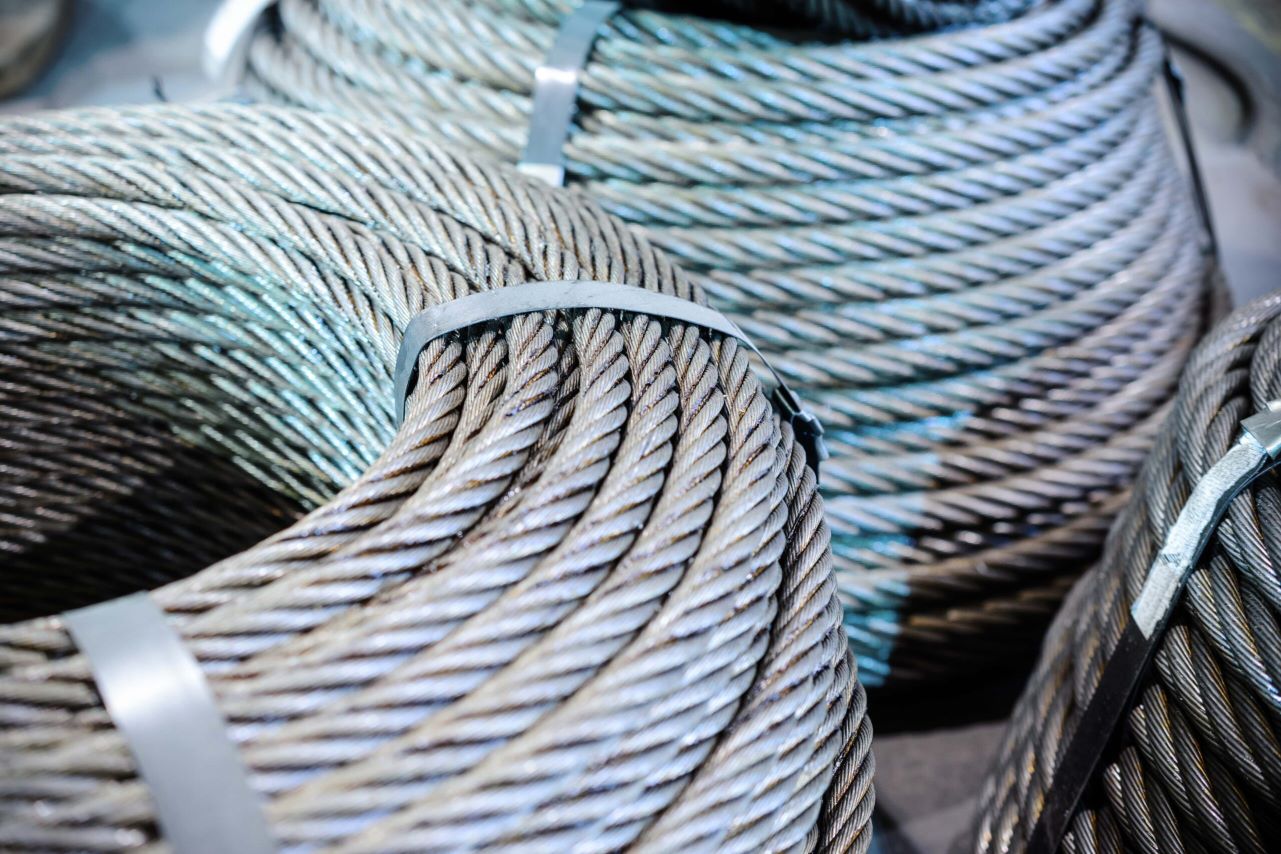
Choosing Steel Wire Rope
The selection of steel wire rope is a critical decision that can significantly impact the safety, efficiency, and longevity of various industrial operations. From cranes lifting heavy loads to elevators transporting passengers, the reliability of steel wire rope is paramount. However, the complexity of wire rope construction, material properties, and application-specific requirements often leads to errors in selection, resulting in potentially catastrophic consequences.
Introduction: The Hidden Dangers of Incorrect Steel Wire Rope Selection
Selecting the correct steel wire rope is not just about choosing a cable that looks strong; it’s about ensuring the safety and efficiency of your entire operation. A seemingly minor oversight in selection can lead to major safety hazards, costly equipment damage, and unexpected operational downtime. We often see companies focusing on initial cost savings, only to face exponentially larger expenses down the line due to premature failure or accidents. At Safe and Secure Trading Company (SSTC), we believe that understanding the intricacies of wire rope selection is an investment in long-term safety and productivity.
Incorrect steel wire rope selection can have dire consequences. A rope that’s not rated for the load can snap, causing the load to drop and potentially injure workers or damage equipment. The use of the wrong rope in corrosive environments can lead to rapid deterioration, resulting in sudden failure. Ignoring the impact of sheave size can cause excessive wear and tear, dramatically shortening the rope’s lifespan. These are just a few examples of how a seemingly simple decision can have far-reaching effects. In the worst cases, incorrect selection can lead to fatalities and significant legal liabilities.
Mistake #1: Ignoring the Application’s Specific Requirements
One of the most common and fundamental errors in steel wire rope selection is failing to thoroughly analyze the specific demands of the application. Too often, users rely on guesswork or past practices without considering the unique conditions of the task at hand. This oversight can lead to selecting a rope that is either inadequate for the job or unnecessarily over-engineered, resulting in wasted resources and compromised safety.
Common Error: Overlooking Load Capacity
Exceeding the Safe Working Load (SWL) of a steel wire rope is a critical mistake with potentially catastrophic consequences. The SWL, also known as the Working Load Limit (WLL), is the maximum load that a wire rope is designed to safely handle. Exceeding this limit can cause the rope to stretch, deform, or even break, leading to accidents, injuries, and equipment damage. We’ve seen instances where companies, in an attempt to save time or increase productivity, have overloaded their ropes, resulting in costly downtime and extensive repairs.
Dynamic loading, which refers to loads that change rapidly or involve sudden impacts, significantly increases the stress on steel wire rope. Shock loads, a type of dynamic loading, are particularly dangerous because they can create forces that are many times greater than the static load. For example, lifting a load that suddenly snags can create a shock load that exceeds the rope’s capacity, even if the static weight is within the SWL. Always consider dynamic loading and shock loads when determining the appropriate SWL for your application. When our team in Dubai tackles this issue, they often find consulting load charts and adding a safety factor is most effective.
Common Error: Neglecting Environmental Factors
Environmental factors play a crucial role in the lifespan and performance of steel wire rope. Temperature extremes, humidity, and corrosive substances can significantly impact the rope’s strength, flexibility, and resistance to wear. Ignoring these factors can lead to premature failure and unsafe operating conditions. We once had a client who operated in a coastal environment and used a standard, non-galvanized rope. The salt air caused severe corrosion, and the rope failed within a few months. The cost of replacing the rope and the resulting downtime far exceeded the initial savings from choosing a cheaper option.
High temperatures can reduce the tensile strength of steel wire rope, making it more susceptible to failure. Low temperatures can cause the rope to become brittle and more prone to cracking. Humidity and moisture can promote corrosion, especially in the presence of salts or acids. Corrosive environments, such as those found in chemical plants or offshore oil rigs, require specialized rope constructions and coatings to provide adequate protection. For example, stainless steel ropes or galvanized ropes with plastic coatings are often used in marine environments to resist saltwater corrosion.
Solution: Detailed Application Analysis
A thorough application analysis is essential for selecting the right steel wire rope. This involves carefully considering all operating conditions, including load capacity, dynamic loading, environmental factors, and the type of equipment being used. By conducting a detailed analysis, you can identify potential hazards and select a rope that is specifically designed to withstand the demands of the application. SSTC recommends always erring on the side of caution and choosing a rope with a higher SWL than the minimum required.
To ensure that all relevant factors are considered, use a checklist to guide your application analysis. This checklist should include questions such as: What is the maximum load to be lifted? Are there any dynamic loading or shock load conditions? What is the operating temperature range? Is the environment corrosive? What type of equipment will the rope be used with? By systematically addressing these questions, you can minimize the risk of selecting the wrong steel wire rope.
Mistake #2: Choosing the Wrong Wire Rope Construction
The construction of steel wire rope refers to the way the individual wires, strands, and core are assembled. Different constructions offer varying degrees of flexibility, strength, abrasion resistance, and fatigue life. Choosing the wrong construction for a particular application can lead to premature wear, reduced performance, and increased risk of failure. Understanding the different types of wire rope construction is crucial for making informed decisions.
Common Error: Misunderstanding Wire Rope Lay
The lay of a steel wire rope refers to the direction in which the wires in the strands and the strands in the rope are twisted. There are three main types of lay: regular lay, lang lay, and alternate lay. Each type offers unique advantages and disadvantages, making it suitable for different applications. Misunderstanding the properties of each lay type can lead to selecting a rope that is not optimized for the task at hand.
Regular lay, also known as ordinary lay, is the most common type of steel wire rope. In regular lay ropes, the wires in the strands are twisted in one direction, and the strands are twisted in the opposite direction. This construction provides good resistance to crushing and abrasion, making it suitable for general-purpose applications. Lang lay ropes have the wires and strands twisted in the same direction. This construction offers greater flexibility and fatigue resistance compared to regular lay, but it is more susceptible to kinking and crushing. Alternate lay ropes combine the properties of regular lay and lang lay by alternating the lay direction of the strands. This construction provides a balance of flexibility, abrasion resistance, and resistance to kinking.
Common Error: Overlooking Strand and Wire Count
The strand and wire count of a steel wire rope significantly affects its flexibility, abrasion resistance, and fatigue life. A higher strand and wire count generally results in greater flexibility but lower abrasion resistance. Conversely, a lower strand and wire count typically provides better abrasion resistance but reduced flexibility. Selecting the optimal strand and wire count depends on the specific demands of the application.
For applications requiring high flexibility, such as running ropes on cranes and hoists, a steel wire rope with a high strand and wire count is generally preferred. These ropes can bend more easily around sheaves and drums, reducing bending stress and extending fatigue life. For applications where abrasion is a major concern, such as dragging ropes in mining operations, a rope with a lower strand and wire count is often the better choice. These ropes have larger, more wear-resistant wires that can withstand the abrasive forces.
Solution: Understanding Wire Rope Properties
Understanding the key properties of different wire rope construction is essential for making informed decisions. A well-structured summary can help you quickly compare the advantages and disadvantages of each type.
| Construction Type |
Flexibility |
Abrasion Resistance |
Fatigue Resistance |
Typical Applications |
| Regular Lay |
Moderate |
Good |
Moderate |
General purpose, hoisting |
| Lang Lay |
High |
Moderate |
High |
Mining, logging |
| Alternate Lay |
Moderate to High |
Good |
Moderate to High |
Crane ropes |
| High Strand Count |
High |
Low |
High |
Elevators, small hoists |
| Low Strand Count |
Low |
High |
Low |
Dragging, abrasive environments |
For complex applications, consulting with steel cable experts is highly recommended. They can provide valuable insights and guidance on selecting the optimal construction for your specific needs. At SSTC, we have a team of experienced engineers who can assist you in analyzing your application and recommending the most suitable wire rope.
Mistake #3: Not Considering the Sheave and Drum Size
The size and condition of the sheaves and drums that a steel wire rope runs over are critical factors in determining its lifespan and performance. Using sheaves and drums that are too small or are in poor condition can cause excessive bending stress, abrasion, and fatigue, leading to premature failure. Properly matching the rope and equipment specifications is essential for maximizing rope life and ensuring safe operation.
Common Error: Using Incorrect Sheave Diameter
Using sheaves with an undersized diameter is a common mistake that can significantly reduce the lifespan of hoisting rope. Undersized sheaves cause the rope to bend more sharply, increasing bending stress and accelerating fatigue. Over time, this can lead to wire breakage, core damage, and ultimately, rope failure. We’ve seen cases where ropes running over undersized sheaves have failed in a matter of weeks, whereas the same rope on properly sized sheaves would have lasted for months or even years.
The minimum sheave diameter is typically expressed as a multiple of the steel cable diameter. A general rule of thumb is to use a sheave diameter that is at least 20 to 30 times the rope diameter for running ropes, and at least 10 to 15 times the rope diameter for stationary ropes. However, the exact ratio depends on the rope construction, material, and application. Always consult the wire rope manufacturer’s recommendations for the specific rope you are using.
Common Error: Neglecting Drum Groove Design
The design of the drum grooves is just as important as the sheave diameter. Improper drum groove geometry can cause uneven load distribution, excessive wear, and even damage to the steel wire rope. Worn or damaged drum grooves can also create stress concentrations that accelerate fatigue and increase the risk of wire breakage.
Drum grooves should be properly sized to match the steel cable diameter. The groove should be slightly larger than the rope diameter to allow for smooth winding without pinching or binding. The groove profile should also be smooth and free of sharp edges or burrs that could damage the rope. Regular inspections of the drum grooves are essential to identify and correct any wear or damage.
Solution: Matching Rope and Equipment Specifications
To avoid these mistakes, carefully consult equipment manuals and wire rope manufacturer recommendations to ensure that the rope and equipment specifications are properly matched. Pay close attention to the recommended sheave diameters, drum groove dimensions, and other relevant parameters.
Regular inspections of sheaves and drums are also crucial for maintaining proper condition. Check for signs of wear, damage, or corrosion, and replace or repair any components that are not in good working order. Lubricating sheaves and drums can also help to reduce friction and extend the life of both the rope and the equipment.
Mistake #4: Ignoring Wire Rope Material and Coating
The material and coating of a steel wire rope are critical factors that influence its strength, durability, and resistance to corrosion. Using the wrong steel grade or overlooking the benefits of coatings can lead to premature failure and unsafe operating conditions. Selecting the correct material and coating is essential for ensuring the long-term performance and reliability of the rope.
Common Error: Using the Wrong Steel Grade
Different steel grades offer varying degrees of tensile strength, yield strength, and elongation. Tensile strength refers to the maximum stress that a steel cable can withstand before breaking. Yield strength is the stress at which the steel begins to deform permanently. Elongation is the amount that the steel stretches before breaking. Selecting the appropriate steel grade depends on the load requirements, operating conditions, and safety factors of the application.
High-strength steel grades are typically used for applications where high loads and minimal stretch are required, such as crane ropes and suspension cables. Lower-strength steel grades are often used for applications where flexibility and ductility are more important, such as running ropes on small hoists and elevators. We once encountered a client who used a low-strength steel cable for a heavy lifting application. The rope stretched excessively under load, creating a dangerous situation. Replacing the rope with a higher-strength grade resolved the issue and ensured safe operation.
Common Error: Overlooking the Benefits of Coatings
Coatings provide an additional layer of protection against corrosion, abrasion, and other environmental factors. Different types of coatings offer varying degrees of protection, making it important to select the appropriate coating for the specific operating conditions. Galvanized coatings, which involve applying a layer of zinc to the steel, are commonly used to protect against rust and corrosion in general-purpose applications. Stainless steel coatings offer superior corrosion resistance, making them ideal for marine environments and other harsh conditions. Plastic coatings, such as polyethylene or polypropylene, can provide additional protection against abrasion, impact, and chemical exposure.
Solution: Specifying Correct Material and Coating
To ensure quality and consistency, use standardized material specifications, such as those defined by ASTM, EN, or other relevant industry standards. These specifications outline the required properties and testing procedures for different steel grades and coatings.
Consulting with coating suppliers can help you determine the best option for corrosion protection. They can provide information on the performance characteristics of different coatings and recommend the most suitable option for your specific application.
Mistake #5: Improper Installation and Handling
Even the highest-quality steel wire rope can be compromised by improper installation and handling. Kinking, bending, and using damaged end fittings can all significantly reduce the rope’s strength and lifespan. Following best practices for installation is essential for ensuring safe and reliable operation.
Common Error: Kinking or Bending the Rope During Installation
Kinking is a permanent deformation of the steel cable that occurs when it is bent too sharply. This can happen during uncoiling, installation, or even during normal operation. Kinking significantly reduces the rope’s strength and makes it more susceptible to failure.
To avoid kinking, always uncoil the wire rope properly. Place the reel on a stand or turntable and allow the rope to unwind freely. Never pull the rope off the reel from the side, as this can cause it to twist and kink. When installing the rope, avoid sharp bends or twists. Use properly sized sheaves and drums, and ensure that the rope is properly aligned.
Common Error: Using Damaged or Incorrect End Fittings
End fittings are used to attach the steel wire rope to the load or equipment. Using damaged or incorrectly sized end fittings can compromise the strength of the connection and lead to failure. Always use end fittings that are properly rated for the load and in good condition.
Inspect end fittings regularly for signs of wear, damage, or corrosion. Replace any fittings that are cracked, bent, or corroded. Ensure that the end fittings are properly installed and tightened according to the manufacturer’s instructions.
Solution: Following Best Practices for Installation
Proper installation requires trained personnel who understand the correct procedures and have the necessary skills and equipment. Untrained personnel are more likely to make mistakes that can damage the steel cable and compromise its safety.
Specialized tools and equipment can also help to ensure proper handling. For example, rope pullers, tension meters, and swaging machines can be used to install and tension the rope safely and accurately.
Mistake #6: Neglecting Regular Inspection and Maintenance
Regular inspection and maintenance are crucial for extending the lifespan and ensuring the safe operation of steel wire rope. Neglecting these activities can lead to undetected wear and damage, increasing the risk of failure. Implementing a comprehensive inspection program is essential for identifying potential problems and taking corrective actions.
Common Error: Ignoring Visual Inspection Signs
Visual inspection is the first line of defense in identifying potential problems with hoisting rope. Common signs of wear and damage include broken wires, abrasion, corrosion, and deformation. Broken wires are a clear indication that the rope is nearing the end of its lifespan and should be replaced. Abrasion can occur when the rope rubs against sheaves, drums, or other surfaces. Corrosion can weaken the rope and make it more susceptible to failure. Deformation, such as kinking or crushing, can also significantly reduce the rope’s strength.
Documenting inspection findings is essential for tracking the rope’s condition over time. Keep a record of all inspections, including the date, time, location, and any observations. This information can help you identify trends and predict when the rope needs to be replaced.
Common Error: Skipping Lubrication
Lubrication is essential for reducing friction, preventing corrosion, and extending the life of steel wire rope. Skipping lubrication can lead to premature wear and failure. Lubricant reduces the friction between the individual wires and strands, allowing them to move more freely and reducing bending stress. Lubricant also protects the rope from corrosion by creating a barrier against moisture and other corrosive substances.
The frequency of lubrication depends on the application and operating conditions. Ropes that are exposed to harsh environments or heavy loads may require more frequent lubrication. Consult the wire rope manufacturer’s recommendations for the appropriate lubricant and application frequency.
Solution: Implementing a Comprehensive Inspection Program
A comprehensive inspection program should include regular visual inspections, as well as more detailed inspections using calibrated measuring tools. Calibrated measuring tools can be used to accurately assess the rope’s diameter, wear, and other critical parameters.
Develop a regular inspection schedule based on application severity and industry standards. For critical applications, inspections may be required daily or even more frequently. For less demanding applications, inspections may be performed weekly or monthly.
Mistake #7: Failing to Track Wire Rope History
Maintaining a detailed history of a steel wire rope’s usage, inspections, and maintenance activities is crucial for predicting its remaining lifespan and optimizing replacement schedules. Failing to track this information can lead to unexpected failures and increased downtime. A rope management system is essential for ensuring safe and efficient operation.
Common Error: Not Documenting Rope Usage and Inspection Results
Without detailed records, it is difficult to assess the rope’s overall condition and predict when it needs to be replaced. Documenting rope usage, inspections, and maintenance activities provides valuable data that can be used to optimize replacement schedules and prevent unexpected failures.
Historical data can help you identify patterns of wear and damage, allowing you to anticipate potential problems before they occur. For example, if you notice that a particular rope consistently experiences excessive wear in a certain location, you can take corrective actions to address the underlying cause.
Common Error: Disregarding Previous Incidents or Failures
Ignoring past wire rope incidents can lead to similar failures recurring in the future. Investigating and learning from past incidents is essential for identifying root causes and implementing corrective actions.
Implement corrective actions to prevent similar failures from recurring. This may involve changing operating procedures, improving maintenance practices, or selecting a different type of steel cable.
Solution: Establishing a Rope Management System
A computerized maintenance management system (CMMS) can be used to track wire rope information, including usage, inspections, maintenance, and replacement history. This system can also generate reports and alerts to help you manage your rope inventory and schedule maintenance activities.
Sharing inspection data with wire rope suppliers and manufacturers can also provide valuable insights. They can analyze the data and provide expert recommendations on how to optimize rope selection, maintenance, and replacement schedules.
Mistake #8: Overlooking the Importance of Training
Proper training is essential for ensuring the safe and efficient use of steel wire rope. Using untrained personnel for installation and inspection can lead to improper practices, missed findings, and unsafe operating conditions. Investing in comprehensive training programs is crucial for minimizing the risk of accidents and equipment damage.
Common Error: Using Untrained Personnel for Installation and Inspection
Inadequate training can result in improper installation techniques, missed inspection findings, and unsafe operating practices. Untrained personnel may not be able to identify potential hazards or properly assess the rope’s condition.
Certification programs for wire rope installers and inspectors can help to ensure that personnel have the necessary knowledge and skills. These programs typically involve classroom instruction, hands-on training, and written examinations.
Common Error: Not Providing Refresher Training
Ongoing training is essential for keeping personnel up-to-date on industry best practices and new technologies. Refresher training can help to reinforce key concepts and ensure that personnel are aware of the latest developments in wire rope technology.
Specialized training courses on specific steel wire rope applications can also be beneficial. These courses can provide in-depth knowledge on the unique challenges and requirements of different applications.
Solution: Investing in Comprehensive Training Programs
Partnering with reputable training providers to develop customized training programs is a good way to ensure that your personnel receive the necessary training. These programs can be tailored to your specific needs and operating conditions.
Encourage personnel to attend industry conferences and workshops to stay informed about the latest trends and technologies in steel cable and rigging. These events provide opportunities to network with other professionals, learn from experts, and share best practices.
Mistake #9: Ignoring Manufacturer Recommendations and Industry Standards
Adhering to manufacturer recommendations and industry standards is essential for ensuring the safe and reliable operation of steel wire rope. Deviating from recommended procedures and ignoring relevant standards can lead to premature failure and potentially catastrophic consequences. Following guidelines and standards is crucial for maintaining compliance and minimizing risk.
Common Error: Deviating from Recommended Installation Procedures
Ignoring manufacturer instructions can void warranties and lead to premature rope failure. Manufacturers provide detailed instructions on how to properly install, inspect, and maintain their products. Following these instructions is essential for ensuring that the rope performs as intended.
Common Error: Not Adhering to Relevant Industry Standards
Industry standards, such as those developed by ASME, ISO, and EN, define the requirements for wire rope design, manufacturing, testing, and use. Adhering to these standards helps to ensure that the rope is safe and reliable. Non-compliance with relevant industry standards can result in legal and financial consequences.
Solution: Following Guidelines and Standards
Consulting with wire rope manufacturers and industry experts can provide valuable guidance on specific applications. These experts can help you select the appropriate rope for your needs and provide recommendations on how to properly install, inspect, and maintain it.
Using standardized checklists and inspection forms can help to ensure compliance with industry standards. These checklists and forms should be regularly reviewed and updated to reflect the latest best practices.
“The key to long-lasting steel wire rope is consistent maintenance, proper storage, and diligent inspections. Skipping these steps is like ignoring the oil in your car – eventually, it will seize up.” – Robert Jones, Chief Rigging Engineer
Conclusion: Mastering Steel Wire Rope Selection for Optimal Performance
In conclusion, selecting and using steel wire rope correctly requires a comprehensive understanding of the application’s specific requirements, the different types of wire rope construction, the importance of sheave and drum size, the properties of wire rope materials and coatings, proper installation and handling techniques, the need for regular inspection and maintenance, the value of tracking rope history, the importance of training, and the necessity of adhering to manufacturer recommendations and industry standards. By avoiding the common mistakes outlined in this tutorial, you can significantly improve the safety, efficiency, and longevity of your wire rope operations.
We, at Safe and Secure Trading Company, are committed to providing our customers with the highest quality steel wire rope products and expert technical support. We believe that by working together, we can create a safer and more productive work environment.
FAQ Section
Q: How often should I inspect my steel wire rope?
A: The frequency of inspection depends on the severity of the application and industry standards. Critical applications may require daily or even more frequent inspections, while less demanding applications may be inspected weekly or monthly. Always consult the wire rope manufacturer’s recommendations and relevant industry standards for guidance.
Q: What are the common signs of wire rope wear and damage?
A: Common signs of wear and damage include broken wires, abrasion, corrosion, deformation (kinking, crushing), and core damage. These signs indicate that the rope is nearing the end of its lifespan and should be replaced.
Q: How do I properly lubricate my steel wire rope?
A: Select the appropriate lubricant for your application and operating conditions. Apply the lubricant evenly to the entire length of the rope using a brush, spray, or automatic lubricator. The frequency of lubrication depends on the application and should be based on the wire rope manufacturer’s recommendations.
Q: What is the Safe Working Load (SWL) of a steel wire rope?
A: The Safe Working Load (SWL) is the maximum load that a steel wire rope is designed to safely handle. Exceeding the SWL can cause the rope to stretch, deform, or even break, leading to accidents, injuries, and equipment damage.
Q: Where can I find more information on steel wire rope selection and maintenance?
A: Consult the wire rope manufacturer’s recommendations, relevant industry standards (e.g., ASME, ISO, EN), and reputable training providers. Safe and Secure Trading Company (SSTC) also offers expert technical support and training programs to help you select, install, inspect, and maintain your wire rope effectively.