Web sling lifespan is a critical consideration in any lifting operation. Understanding the factors that influence how long a web sling remains safe and effective is paramount for ensuring the safety of personnel and preventing costly accidents. At Safe and Secure Trading Company (SSTC), we prioritize educating our clients on best practices for sling usage, inspection, and maintenance.
Defining Web Sling Lifespan: What Does It Really Mean?
The web sling lifespan isn’t simply a measure of time. It refers to the period during which a sling can be reliably used to perform its intended lifting tasks, provided it is properly inspected, maintained, and used within its specified load capacity. The synthetic sling lifespan can vary widely depending on several factors, including the material composition, environmental conditions, frequency of use, and adherence to proper handling and storage procedures.
For instance, we once encountered a client whose slings were failing far earlier than expected. After investigation, we discovered they were using the wrong type of sling for their specific chemical environment, leading to rapid degradation. That’s why understanding the nuances of web sling lifespan is so important.
Importance of Understanding Web Sling Lifespan for Safety
A thorough understanding of web sling lifespan is essential for several reasons. First and foremost, it directly impacts safety. Using a sling beyond its safe lifespan or with visible damage significantly increases the risk of failure, which can result in serious injuries or fatalities. Secondly, understanding the factors that affect sling lifespan allows for proactive maintenance and timely replacement, preventing unexpected downtime and associated costs. Finally, compliance with regulatory standards, such as those set by OSHA and ASME, requires a comprehensive approach to sling management, including a clear understanding of retirement criteria based on the web sling degradation.
Scope of This Guide: Who Should Read This?
This guide is designed for anyone involved in lifting operations, including:
- Riggers and crane operators.
- Safety managers and supervisors.
- Maintenance personnel responsible for sling inspection and care.
- Purchasing managers involved in selecting and procuring web slings.
- Anyone seeking to improve their knowledge of synthetic web sling inspection and safe lifting practices.
Whether you’re new to the field or a seasoned professional, this guide provides valuable insights and practical advice for maximizing the safety and efficiency of your lifting operations. Our team in Dubai has extensive experience in helping companies implement effective sling management programs, and we’ve incorporated their expertise into this comprehensive resource.
Factors Affecting Web Sling Lifespan
Several key factors influence the web sling lifespan. These factors range from the intrinsic properties of the sling material to external elements such as environmental conditions and usage patterns. Understanding each of these factors is crucial for predicting and managing sling lifespan effectively.
Material Composition: Nylon vs. Polyester
The material used to manufacture a web sling significantly affects its durability and resistance to various environmental and operational stressors. The two most common materials are nylon and polyester.
- Properties of Nylon: Nylon is known for its exceptional strength and elongation properties. It can stretch significantly under load, which helps to absorb shock and reduce the risk of sudden failure. Nylon also has good resistance to alkalis. However, nylon is susceptible to degradation from acids and should not be used in acidic environments.
- Properties of Polyester: Polyester, on the other hand, offers superior resistance to ultraviolet (UV) radiation and many common chemicals. It stretches less than nylon, providing greater load stability. Polyester is also less susceptible to moisture absorption, which can be an advantage in wet or humid environments.
- How Material Choice Impacts Lifespan: The choice between nylon and polyester depends on the specific application and environmental conditions. For example, if a sling is frequently exposed to sunlight, polyester would be the preferred choice due to its UV resistance. Conversely, if the sling is used in an environment where shock loading is a concern, nylon’s elongation properties may be more beneficial. Understanding these differences is crucial for selecting the right sling and maximizing its lifespan.
Environmental Conditions
Environmental conditions play a significant role in determining the synthetic sling lifespan. Exposure to UV radiation, chemicals, and extreme temperatures can all accelerate the degradation process and reduce the overall lifespan of a web sling.
- UV Exposure: Prolonged exposure to UV radiation can cause significant damage to synthetic fibers, leading to a reduction in strength and flexibility. UV radiation breaks down the molecular structure of the fibers, making them brittle and prone to tearing. To mitigate UV degradation, slings should be stored in a dark, dry place when not in use. Additionally, UV-resistant coatings can be applied to the slings to provide an extra layer of protection.
- Chemical Exposure: Exposure to certain chemicals can also cause significant degradation of web slings. Acids, alkalis, and solvents can all weaken the fibers and reduce the sling’s load capacity. It’s essential to identify potential chemical hazards in the work environment and select slings made from materials that are resistant to those chemicals. For example, polyester is generally more resistant to acids than nylon.
- Temperature Extremes: Extreme temperatures, both hot and cold, can affect the strength and flexibility of web slings. High temperatures can cause the fibers to soften and lose strength, while low temperatures can make them brittle and prone to cracking. Slings should be used within their recommended temperature range, and exposure to extreme temperatures should be minimized.
Usage Frequency and Load
The frequency with which a web sling is used and the loads it is subjected to significantly impact its lifespan. Frequent use and overloading can both accelerate wear and tear, leading to premature failure.
- Fatigue and Wear: Repeated use of a web sling can cause fatigue in the fibers, leading to a gradual reduction in strength. The more frequently a sling is used, the faster it will degrade. Regular inspection and maintenance are essential for identifying signs of wear and tear and preventing unexpected failures. The lifting sling lifespan is inversely proportional to the frequency of usage and load.
- Overloading: Overloading a web sling beyond its rated capacity is extremely dangerous and can lead to immediate failure. Even if the sling doesn’t fail immediately, overloading can cause permanent damage to the fibers, reducing its strength and lifespan. It’s crucial to always know the load capacity of a sling and never exceed it.
- Dynamic Loading: Dynamic loading, also known as shock loading, occurs when a load is suddenly applied to a sling. This can happen when lifting a load with a crane or when a load shifts unexpectedly. Dynamic loading can exert forces on the sling that are far greater than the static weight of the load, potentially leading to failure. It’s important to avoid dynamic loading whenever possible and to use slings with sufficient capacity to handle any potential shock loads.
Storage and Handling Practices
Proper storage and handling practices are essential for preserving the integrity and extending the web sling lifespan. Neglecting these practices can lead to unnecessary damage and premature failure.
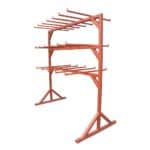
- Proper Storage: When not in use, web slings should be stored in a clean, dry, and well-ventilated area. Avoid storing slings in direct sunlight or near sources of heat or chemicals. Slings should also be protected from mechanical damage, such as being crushed or cut. Ideally, slings should be stored on racks or in containers that prevent them from being dragged or piled on top of each other.
- Handling Techniques: Proper handling techniques can minimize wear and tear on web slings. Avoid dragging slings across rough surfaces or allowing them to come into contact with sharp edges. When rigging a sling, ensure that it is properly seated in the lifting hardware and that there are no twists or kinks in the webbing.
- Cleaning Procedures: Regularly cleaning web slings can help to remove dirt, grime, and other contaminants that can accelerate degradation. Use a mild soap and water solution and a soft brush to gently scrub the sling. Avoid using harsh chemicals or abrasive cleaners, as these can damage the fibers. After cleaning, rinse the sling thoroughly and allow it to air dry completely before storing it.
> “Proper sling management isn’t just about compliance; it’s about cultivating a culture of safety where every lift is performed with confidence and care.” – John Smith, Lead Safety Inspector
Regulatory Standards and Guidelines
Adherence to regulatory standards and guidelines is crucial for ensuring the safe and compliant use of web slings. These standards provide specific requirements for inspection, use, and maintenance, helping to prevent accidents and injuries.
OSHA Regulations for Web Slings
The Occupational Safety and Health Administration (OSHA) has specific regulations for the use of web slings in the workplace. These regulations cover various aspects of sling safety, including inspection requirements, load capacity limits, and proper usage procedures.
- Specific requirements for inspection and use: OSHA requires that web slings be inspected before each use to ensure that they are in good condition and free from defects. Slings must also be removed from service if they show signs of damage, such as cuts, tears, abrasions, or chemical damage. Additionally, OSHA specifies that slings must be used within their rated load capacity and that they must be protected from sharp edges and other hazards.
- Record-keeping obligations: Employers are required to maintain records of sling inspections and to document any repairs or replacements. These records must be kept readily available for review by OSHA inspectors. Proper record-keeping is essential for tracking the condition of slings and ensuring that they are being properly maintained.
ASME Standards for Lifting Slings
The American Society of Mechanical Engineers (ASME) has developed comprehensive standards for the design, manufacturing, and use of lifting slings. These standards provide detailed guidance on sling selection, inspection, and maintenance.
- Design factors and performance criteria: ASME standards specify minimum design factors for web slings to ensure that they have sufficient strength to handle their rated load capacity. These standards also outline performance criteria for slings, such as elongation limits and breaking strength requirements.
- Inspection intervals and acceptance criteria: ASME standards provide recommended inspection intervals for web slings based on their frequency of use and the severity of the operating environment. The standards also specify acceptance criteria for slings, outlining the types of damage or defects that require a sling to be removed from service.
WSTDA Recommendations for Synthetic Web Slings
The Web Sling & Tie Down Association (WSTDA) is a trade association that represents manufacturers of synthetic web slings and tie-down equipment. WSTDA has developed a series of recommendations for the safe and effective use of synthetic web slings.
- Best practices for manufacturing, testing, and use: WSTDA recommendations cover various aspects of sling safety, including manufacturing processes, testing procedures, and best practices for using slings in the field. These recommendations are based on the latest research and industry experience, providing valuable guidance for sling users and manufacturers alike.
Other Relevant Standards (e.g., ANSI, ISO)
In addition to OSHA, ASME, and WSTDA standards, there are other relevant standards that may apply to the use of web slings, depending on the specific application and location.
- Overview of international standards: The American National Standards Institute (ANSI) and the International Organization for Standardization (ISO) have also developed standards related to lifting slings. These standards may be relevant for companies operating in international markets or for those seeking to comply with global best practices.
- Implications for global operations: Companies with global operations should be aware of the various international standards that apply to lifting slings and ensure that their sling management programs comply with these standards. This may involve adopting different inspection procedures, load capacity limits, or retirement criteria, depending on the specific requirements of each country or region.
Web Sling Inspection: A Detailed Guide
Regular inspection is essential for identifying damage or defects that could compromise the safety and performance of a web sling. Inspections should be conducted before each use and at regular intervals, depending on the frequency of use and the severity of the operating environment.
Pre-Use Inspection: What to Look for Before Each Lift
A pre-use inspection is a quick visual and tactile examination of a web sling conducted before each lifting operation. This inspection is designed to identify any obvious signs of damage or defects that could pose a safety hazard.
- Visual Inspection: Check the entire length of the sling for cuts, tears, abrasions, snags, or other signs of damage. Pay particular attention to areas that are frequently exposed to wear and tear, such as the edges of the webbing and the areas around the end fittings. Also, look for any signs of chemical damage, such as discoloration or stiffness.
- Tactile Inspection: Run your hands along the length of the sling, feeling for any inconsistencies in the webbing. Check for soft spots, hard spots, or areas where the fibers feel loose or damaged. Also, feel for any embedded particles, such as dirt, metal shavings, or other contaminants.
- Hardware Inspection: Examine the end fittings, such as hooks, rings, and shackles, for any signs of damage. Check for cracks, bends, or excessive wear. Ensure that all locking mechanisms are functioning properly and that there are no signs of corrosion.
Periodic Inspections: Frequency and Scope
In addition to pre-use inspections, web slings should also be subjected to periodic inspections at regular intervals. These inspections are more comprehensive than pre-use inspections and are designed to identify hidden damage or defects that may not be apparent during a quick visual examination.
- Determining inspection intervals based on usage: The frequency of periodic inspections should be based on the frequency of use and the severity of the operating environment. Slings that are used frequently or in harsh environments should be inspected more often than slings that are used infrequently or in clean environments. A good rule of thumb is to inspect slings at least once every three months, or more frequently if conditions warrant.
- Comprehensive inspection procedures: During a periodic inspection, the entire sling should be thoroughly examined, both visually and tactilely. This includes inspecting the webbing, the end fittings, and any other components of the sling. The inspection should be conducted by a qualified person who is trained in the proper inspection techniques.
- Documentation requirements: The results of each periodic inspection should be documented in an inspection log. The log should include the date of the inspection, the name of the inspector, the condition of the sling, and any repairs or replacements that were made. Proper documentation is essential for tracking the condition of slings and ensuring that they are being properly maintained.
Documenting Inspections: Creating an Inspection Log
Maintaining an accurate and complete inspection log is crucial for tracking the condition of web slings and ensuring that they are being properly maintained. The inspection log should include all relevant information about each sling, including its identification number, date of manufacture, load capacity, and inspection history.
- Essential elements of an inspection log: At a minimum, the inspection log should include the following information:
Sling identification number
Date of inspection
Name of inspector
Condition of the sling (e.g., good, fair, poor)
Description of any damage or defects found
Repairs or replacements made
* Date of next scheduled inspection
- Using inspection logs to track sling condition: Inspection logs can be used to track the condition of slings over time, allowing you to identify trends and patterns. For example, if you notice that a particular sling is consistently showing signs of wear and tear, you may need to increase the frequency of its inspections or replace it altogether.
- Digital vs. paper-based systems: Inspection logs can be maintained in either digital or paper-based format. Digital systems offer several advantages over paper-based systems, including the ability to easily search and analyze data, generate reports, and track inspection schedules. However, paper-based systems may be more practical in certain environments, such as construction sites where access to computers is limited.
Types of Damage and Degradation
Understanding the different types of damage and degradation that can affect web slings is essential for conducting effective inspections and determining when a sling must be removed from service.
Cuts and Abrasions: Identifying and Assessing Severity
Cuts and abrasions are common types of damage that can occur on web slings, particularly in abrasive or harsh environments. These types of damage can weaken the sling and increase the risk of failure.
- Causes of cuts and abrasions: Cuts and abrasions can be caused by a variety of factors, including contact with sharp edges, dragging the sling across rough surfaces, and exposure to abrasive materials.
- Determining when a sling must be removed from service: A sling must be removed from service if it has any cuts or abrasions that are deep enough to expose the core fibers of the webbing. Even small cuts or abrasions can weaken the sling and should be carefully monitored. According to industry standards, if the cut or abrasion severs or exposes the load-bearing yarns, the sling should be removed.
Chemical Damage: Recognizing and Preventing
Exposure to certain chemicals can cause significant damage to web slings, leading to a reduction in strength and an increased risk of failure. It’s essential to recognize the signs of chemical damage and to take steps to prevent it.
- Common chemicals that degrade web slings: Common chemicals that can degrade web slings include acids, alkalis, solvents, and oxidizing agents. The specific chemicals that can damage a sling depend on the material it is made from. For example, nylon is susceptible to damage from acids, while polyester is more resistant to acids but can be damaged by strong alkalis.
- Protection methods and procedures: To prevent chemical damage, it’s important to identify potential chemical hazards in the work environment and to select slings made from materials that are resistant to those chemicals. Slings should also be protected from direct contact with chemicals whenever possible. If a sling does come into contact with a chemical, it should be immediately washed with a mild soap and water solution and thoroughly rinsed.
UV Degradation: Signs and Mitigation Strategies
Prolonged exposure to ultraviolet (UV) radiation can cause significant damage to web slings, leading to a reduction in strength and flexibility. UV degradation is a common problem, particularly for slings that are used outdoors or stored in direct sunlight. The synthetic web sling inspection should always include looking for signs of UV damage.
- Visual indicators of UV damage: Visual indicators of UV damage include fading, discoloration, and stiffness of the webbing. The sling may also feel brittle or have a chalky residue on the surface.
- Preventive measures, such as storage practices: To prevent UV degradation, slings should be stored in a dark, dry place when not in use. Avoid storing slings in direct sunlight or near windows. UV-resistant coatings can also be applied to slings to provide an extra layer of protection.
Heat Damage: Effects and Prevention
Exposure to high heat can cause significant damage to web slings, leading to a reduction in strength and an increased risk of failure. Heat damage can occur from contact with hot surfaces, exposure to open flames, or prolonged exposure to high ambient temperatures.
- Temperature limits for web slings: Web slings have specific temperature limits that should not be exceeded. These limits vary depending on the material the sling is made from. For example, nylon slings typically have a maximum temperature limit of 194°F (90°C), while polyester slings have a maximum temperature limit of 212°F (100°C).
- Avoiding exposure to high heat sources: To prevent heat damage, slings should be kept away from high heat sources, such as hot surfaces, open flames, and welding operations. Slings should also be protected from prolonged exposure to high ambient temperatures.
Hardware Damage: Inspecting Hooks, Rings, and End Fittings
The hardware components of a web sling, such as hooks, rings, and end fittings, are also susceptible to damage and degradation. Regular inspection of these components is essential for ensuring the safety and reliability of the sling.
- Types of hardware damage to look for: Types of hardware damage to look for include cracks, bends, excessive wear, corrosion, and deformation. Hooks should be inspected for any signs of opening or distortion. Rings and end fittings should be checked for cracks or excessive wear at the points of contact.
- Replacement procedures for damaged hardware: If any hardware component of a web sling is found to be damaged, it must be replaced immediately. Only use replacement parts that are specifically designed for use with web slings and that meet or exceed the original manufacturer’s specifications.
Web Sling Maintenance and Care
Proper maintenance and care are essential for preserving the integrity and extending the web sling lifespan. Regular cleaning, proper storage, and timely repairs can all help to keep slings in good condition and prevent premature failure.
Cleaning Procedures: Removing Dirt and Contaminants
Regularly cleaning web slings can help to remove dirt, grime, and other contaminants that can accelerate degradation. However, it’s important to use the right cleaning agents and methods to avoid damaging the sling.
- Recommended cleaning agents and methods: The recommended cleaning agent for web slings is a mild soap and water solution. Use a soft brush to gently scrub the sling, paying particular attention to areas that are heavily soiled. Avoid using harsh chemicals or abrasive cleaners, as these can damage the fibers.
- Avoiding harsh chemicals that can damage the webbing: Harsh chemicals, such as bleach, solvents, and strong detergents, can weaken the fibers of the webbing and reduce the sling’s load capacity. Always check the manufacturer’s recommendations before using any cleaning agent on a web sling.
Storage Guidelines: Protecting Slings When Not in Use
Proper storage is essential for protecting web slings from damage and degradation when they are not in use. Slings should be stored in a clean, dry, and well-ventilated area, away from direct sunlight, heat, and chemicals.
- Ideal storage conditions: temperature, humidity, and sunlight: The ideal storage conditions for web slings are a temperature between 50°F (10°C) and 70°F (21°C), a relative humidity of less than 50%, and complete protection from direct sunlight.
- Proper storage containers and racks: Slings should be stored on racks or in containers that prevent them from being dragged or piled on top of each other. This helps to prevent mechanical damage and keeps the slings clean and organized.
Repairing Web Slings: When Is It Possible?
Repairing web slings is generally not recommended, as it can be difficult to ensure that the repaired sling meets the original manufacturer’s specifications. However, in some cases, minor repairs may be possible.
- Limitations of sling repair: The limitations of sling repair depend on the type and extent of the damage. Minor cuts or abrasions that do not expose the core fibers of the webbing may be repairable. However, any damage to the load-bearing fibers or to the end fittings requires the sling to be removed from service.
- Authorized repair procedures: If a web sling is to be repaired, it should only be done by a qualified person who is trained in the proper repair techniques and who uses authorized repair procedures. The repaired sling must be re-inspected and re-certified before being returned to service.
Web Sling Retirement Criteria
Establishing clear retirement criteria is essential for ensuring that web slings are removed from service before they become unsafe. These criteria should be based on the type and extent of damage or degradation, as well as regulatory requirements and industry best practices.
Specific Criteria for Removing Slings from Service
Specific criteria for removing slings from service include:
- Exceeding allowable wear limits: Slings should be removed from service if they have exceeded their allowable wear limits, such as cuts, abrasions, or chemical damage that is deep enough to expose the core fibers of the webbing.
- Chemical or heat damage beyond repair: Slings should be removed from service if they have sustained chemical or heat damage that cannot be repaired.
- Failure to pass inspection: Slings should be removed from service if they fail to pass a pre-use or periodic inspection.
Documenting Sling Retirement
When a web sling is retired from service, it’s important to document the reason for retirement and to remove the sling from inventory to prevent it from being used again.
- Recording the reason for retirement: The reason for retirement should be recorded in the inspection log, along with the date of retirement and the sling’s identification number.
- Removing slings from inventory: The retired sling should be physically removed from inventory and clearly marked as “Do Not Use.”
Disposal Procedures: Ensuring Safe and Compliant Disposal
Proper disposal of retired web slings is essential for preventing them from being reused and for complying with environmental regulations.
- Cutting slings to prevent reuse: Retired web slings should be cut into pieces to prevent them from being reused. The webbing should be cut in multiple places to ensure that it cannot be reassembled.
- Recycling options: In some cases, retired web slings can be recycled. Contact a local recycling center to determine if they accept synthetic webbing.
Extending Web Sling Lifespan: Best Practices
Implementing best practices for sling management can significantly extend the web sling lifespan and reduce the risk of accidents and injuries.
Training and Education for Sling Users
Training and education are essential for ensuring that sling users understand the proper procedures for sling selection, use, inspection, and maintenance.
- Proper sling selection and use: Sling users should be trained on how to select the right sling for the job, taking into account the weight and shape of the load, the lifting environment, and any potential hazards. They should also be trained on how to properly rig and use slings, including how to avoid overloading, shock loading, and contact with sharp edges.
- Inspection and maintenance procedures: Sling users should be trained on how to conduct pre-use and periodic inspections, as well as how to clean and store slings properly.
- Hazard awareness training: Sling users should be trained on the potential hazards associated with lifting operations, such as falling loads, equipment malfunctions, and environmental hazards.
Implementing a Sling Management Program
A comprehensive sling management program can help to track sling usage and inspection history, establish retirement policies, and ensure that slings are being properly maintained.
- Tracking sling usage and inspection history: A sling management program should include a system for tracking the usage and inspection history of each sling. This can be done using a paper-based system or a digital system.
- Establishing retirement policies: A sling management program should establish clear retirement policies based on the type and extent of damage or degradation, as well as regulatory requirements and industry best practices.
- Regularly reviewing and updating the program: The sling management program should be regularly reviewed and updated to ensure that it is effective and up-to-date with the latest regulations and best practices.
Regular Audits and Inspections
Regular audits and inspections can help to ensure that the sling management program is being properly implemented and that slings are being properly maintained.
- Conducting internal audits to ensure compliance: Internal audits should be conducted regularly to ensure that the sling management program is being properly implemented and that slings are being properly inspected and maintained.
- Engaging third-party inspectors for unbiased assessments: Engaging third-party inspectors for unbiased assessments can provide an objective evaluation of the sling management program and identify areas for improvement.
Investing in High-Quality Slings
Investing in high-quality slings from reputable manufacturers can help to ensure that slings are durable, reliable, and safe.
- Selecting slings from reputable manufacturers: Select slings from reputable manufacturers that have a proven track record of producing high-quality products.
- Choosing slings with appropriate safety factors: Choose slings with appropriate safety factors to ensure that they have sufficient strength to handle the intended load.
Case Studies and Real-World Examples
Examining real-world examples can help to illustrate the importance of proper sling management and the consequences of neglecting safety procedures.
Case Study 1: Premature Sling Failure Due to Chemical Exposure
- Analysis of the incident: A web sling failed prematurely due to exposure to a corrosive chemical, resulting in a dropped load and significant property damage.
- Lessons learned: The incident highlighted the importance of selecting slings made from materials that are resistant to the chemicals present in the work environment.
Case Study 2: Extending Sling Lifespan Through Proper Maintenance
- Description of maintenance practices: A company implemented a comprehensive sling maintenance program, including regular cleaning, proper storage, and timely repairs.
- Quantifiable benefits: The program resulted in a significant increase in the average lifespan of web slings and a reduction in the number of sling failures.
Case Study 3: The Importance of Regular Inspections
- Identifying critical defects before failure: During a routine inspection, a critical defect was identified on a web sling, preventing a potential failure and injury.
- Preventing accidents and injuries: The inspection highlighted the importance of regular inspections for identifying and correcting potential hazards before they can lead to accidents and injuries.
Our experience at SSTC has shown us time and again that proactive sling management is not just a best practice, but a necessity. In one instance, we helped a client reduce their sling replacement rate by 40% simply by implementing a more rigorous inspection and storage protocol. These real-world examples underscore the value of the guidelines outlined in this article.
Conclusion: Maximizing Safety and Efficiency
Understanding and managing the web sling lifespan is crucial for maximizing safety and efficiency in lifting operations. By considering the factors that affect sling lifespan, adhering to regulatory standards, implementing best practices for inspection and maintenance, and learning from real-world examples, you can significantly reduce the risk of accidents and injuries, extend the life of your slings, and improve the overall efficiency of your operations.
Recap of Key Factors Affecting Web Sling Lifespan
The key factors affecting web sling lifespan include material composition, environmental conditions, usage frequency and load, and storage and handling practices. Each of these factors can impact the rate of degradation and the overall lifespan of the sling.
Importance of a Proactive Approach to Sling Management
A proactive approach to sling management is essential for preventing accidents and injuries. This includes implementing a comprehensive sling management program, conducting regular inspections, providing training and education for sling users, and investing in high-quality slings.
Final Thoughts on Ensuring Safe Lifting Operations
By following the guidelines outlined in this article, you can ensure that your lifting operations are safe, efficient, and compliant with regulatory requirements. At Safe and Secure Trading Company, we are committed to helping our clients achieve these goals by providing expert advice, high-quality products, and comprehensive training services. We believe that a proactive approach to safety is the best way to protect your employees and your business.
FAQ Section
Q: How often should I inspect my web slings?
A: Web slings should be inspected before each use and at regular intervals, depending on the frequency of use and the severity of the operating environment. A good rule of thumb is to inspect slings at least once every three months, or more frequently if conditions warrant.
Q: What are the key things to look for during a web sling inspection?
A: During a web sling inspection, look for cuts, tears, abrasions, chemical damage, UV degradation, heat damage, and hardware damage. Also, check for any signs of overloading or misuse.
Q: How do I know when a web sling needs to be retired from service?
A: A web sling needs to be retired from service if it has exceeded its allowable wear limits, sustained chemical or heat damage that cannot be repaired, or failed to pass a pre-use or periodic inspection.
Q: Can I repair a damaged web sling?
A: Repairing web slings is generally not recommended, as it can be difficult to ensure that the repaired sling meets the original manufacturer’s specifications. However, in some cases, minor repairs may be possible, but they should only be done by a qualified person using authorized repair procedures.
Q: What is the best way to store web slings when they are not in use?
A: Web slings should be stored in a clean, dry, and well-ventilated area, away from direct sunlight, heat, and chemicals. They should be stored on racks or in containers that prevent them from being dragged or piled on top of each other.
Q: What type of web sling material is best for my application?
A: The best type of web sling material for your application depends on the specific requirements of the job. Nylon slings are strong and have good elongation properties, while polyester slings are more resistant to UV radiation and many chemicals. Consider the environmental conditions and potential hazards when selecting a sling material. The synthetic sling lifespan can vary greatly depending on the sling material.
Q: How does temperature affect web slings?
A: Extreme temperatures, both hot and cold, can affect the strength and flexibility of web slings. High temperatures can cause the fibers to soften and lose strength, while low temperatures can make them brittle and prone to cracking. Slings should be used within their recommended temperature range, and exposure to extreme temperatures should be minimized.
Q: What is the importance of sling safety factors?
A: Safety factors are crucial in lifting operations to account for uncertainties and potential overloads. They ensure that the sling’s actual breaking strength is significantly higher than the working load limit, providing a margin of safety. Sling safety factors typically range from 5:1 to 10:1, depending on the application and regulatory requirements.