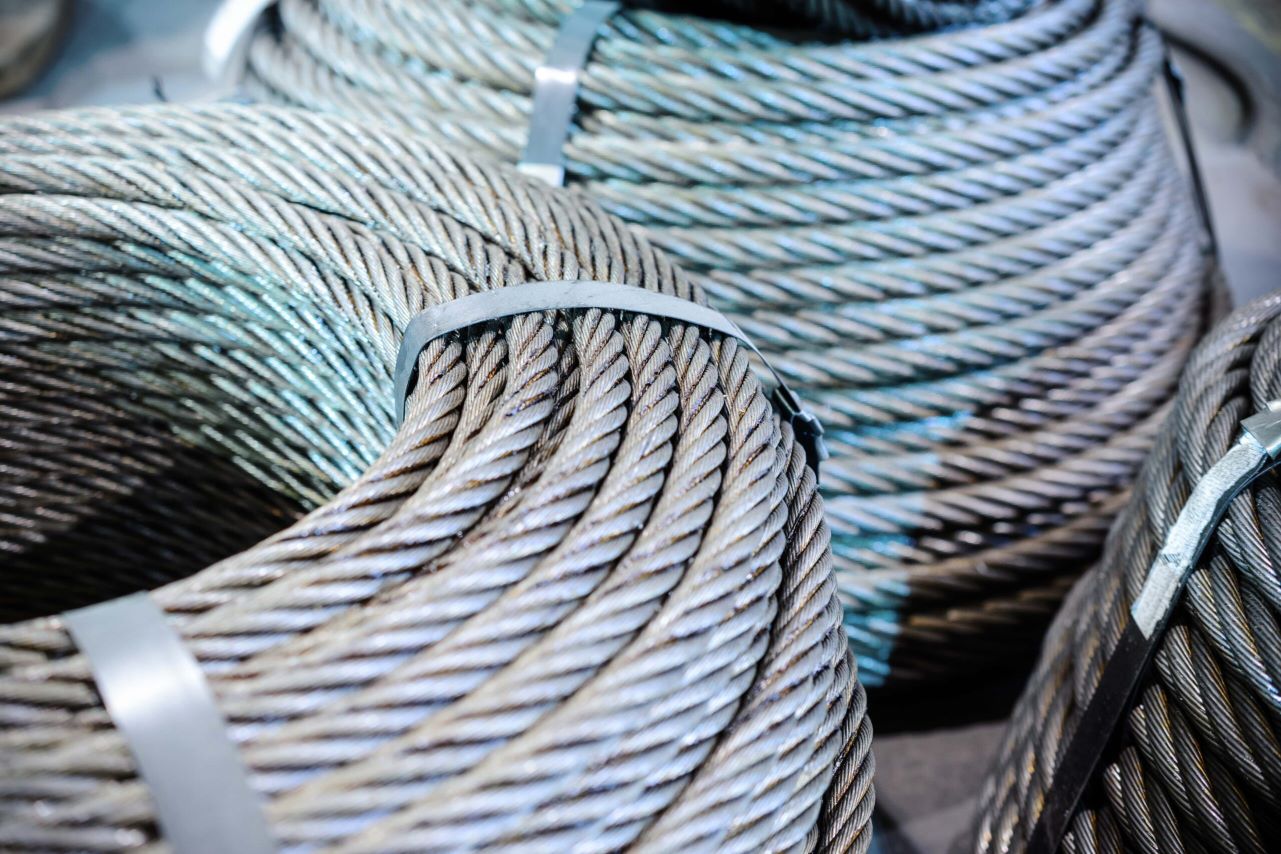
Wire Rope Inspection: Your Top Guide
Wire Rope’s Silent Story: A Tale of Safety and Risk
The Unseen Danger Lurking Within
Imagine a construction site humming with activity, a crane gracefully lifting heavy materials. But what if the wire rope supporting that load is silently fraying, its integrity compromised? The consequences can be catastrophic – equipment failure, injuries, or even fatalities. The unseen danger lurking within seemingly robust wire ropes demands vigilance and a proactive approach to safety.
A Personal Connection to the Importance of Inspection
In our experience at Safe and Secure Trading Company (SSTC), we’ve witnessed firsthand the critical importance of thorough wire rope inspection. We once worked with a client who operated a small port facility. They had been relying solely on visual checks of their crane’s wire ropes, neglecting more in-depth inspections. During a routine lift, a rope snapped. Fortunately, no one was hurt, but the incident brought the facility to a standstill for days, resulting in significant financial losses. This near-miss underscored the vital need for comprehensive cable inspection protocols that go beyond surface-level observations. It highlighted that neglecting thorough inspection opens the door to unforeseen risks and potential disasters.
Key Takeaways
- Regular wire rope inspection is crucial for preventing accidents and ensuring workplace safety.
- Visual inspection is the first line of defense, but NDT methods offer deeper insights.
- Proper documentation and record-keeping are essential for compliance and trend analysis.
- Understanding discard criteria helps determine when a wire rope must be replaced.
Unraveling the Mystery: What is Wire Rope Inspection? ✨
More Than Just a Glance: Defining Thorough Inspection
Wire rope inspection is a comprehensive and systematic process designed to identify damage, wear, corrosion, and other conditions that could potentially compromise the strength, safety, and operational reliability of a wire rope. It involves a meticulous examination of the rope’s external and internal components, using various techniques to detect both visible and hidden flaws. This detailed assessment helps determine whether the rope is fit for continued service or requires repair or replacement. At SSTC, we emphasize that effective inspection goes beyond a mere visual assessment; it encompasses a thorough evaluation of the rope’s overall rope integrity.
Why Your Business Can’t Afford to Ignore It
- The Price of Neglect: The potential consequences of inadequate wire rope inspection can be devastating. Equipment failure can lead to costly downtime, production delays, and property damage. More importantly, it can result in serious injuries or fatalities, exposing your business to significant legal and financial liabilities. Inadequate inspection also jeopardizes your company’s reputation and erodes customer trust. We’ve consistently seen that businesses that prioritize safety through robust inspection programs experience fewer accidents and maintain a higher level of operational efficiency.
- Protecting Your Biggest Asset: Your People: Regular wire rope inspection demonstrates a strong commitment to the safety and well-being of your employees. By proactively identifying and addressing potential hazards, you create a safer work environment, reduce the risk of accidents, and improve employee morale. Employees who feel safe and valued are more productive and engaged, contributing to the overall success of your business. SSTC believes that a strong safety culture starts with a commitment to regular lifting equipment inspection and maintenance.
The Heart of the Matter: Why Inspect Wire Rope? 💔
Safety First, Always
Regular wire rope inspection is paramount for minimizing the risk of catastrophic failures. Wire ropes are subjected to immense stress and strain, and even seemingly minor damage can significantly reduce their load-bearing capacity. Early detection of wear, corrosion, or broken wires allows for timely intervention, preventing potentially disastrous incidents that could endanger workers and equipment. At SSTC, we firmly believe that safety should always be the top priority, and regular inspection is a fundamental aspect of ensuring a safe working environment.
Compliance is Non-Negotiable
Adherence to relevant safety standards and regulations is not only a legal obligation but also a moral imperative. Organizations like OSHA (Occupational Safety and Health Administration) and ISO (International Organization for Standardization) have established stringent guidelines for wire rope safety and lifting equipment inspection. Non-compliance can result in hefty fines, legal penalties, and reputational damage. Moreover, it exposes your business to increased risk of accidents and liabilities. Ensuring compliance with these regulations through meticulous inspection practices is essential for protecting your business and your employees. For many of our clients here in Dammam, Saudi Arabia, we’ve seen that understanding and adhering to local regulations are critical for maintaining operational legitimacy.
Extending the Life of Your Equipment
Regular wire rope inspection plays a crucial role in prolonging the service life of your equipment. Early detection of wear, corrosion, and other forms of damage allows for timely maintenance and repair, preventing minor issues from escalating into major problems. By addressing these issues proactively, you can significantly reduce the frequency of wire rope replacements, saving your business valuable time and money. We often advise our clients that a well-maintained wire rope not only enhances safety but also provides a greater return on investment.
Your Eyes are Key: Mastering Visual Inspection 👀
The First Line of Defense: Step-by-Step Visual Guide
Visual wire rope inspection is the first line of defense in identifying potential problems. It’s a relatively simple and cost-effective method that can be performed by trained personnel. Here’s a detailed, step-by-step guide to performing effective visual inspections:
1. Surface Examination: Begin by thoroughly examining the entire surface of the wire rope. Look for signs of wear, corrosion, abrasion, and other forms of surface damage. Pay close attention to areas that are exposed to high stress or friction, such as points of contact with sheaves and drums.
2. Strand and Wire Breaks: Carefully inspect the rope for broken wires and strand damage. Count the number of broken wires within a given length of rope. Excessive broken wires indicate that the rope has lost a significant portion of its strength and needs to be replaced. Look for signs of strand displacement or distortion, which can also indicate damage.
3. Deformation: Check for any signs of deformation, such as kinks, crushing, or other distortions. Kinks are sharp bends in the rope that can cause localized stress and reduce its strength. Crushing occurs when the rope is subjected to excessive pressure, flattening its cross-section. Any deformation can compromise the rope’s integrity and should be carefully evaluated.
4. Lubrication: Assess the condition of the lubricant. The lubricant protects the wire rope from corrosion and reduces friction between the wires and strands. If the lubricant is dry, contaminated, or degraded, it needs to be replenished. Use a lubricant specifically designed for wire ropes.
Common Mistakes to Avoid During Visual Checks
- Ignoring the Core: The core of a wire rope provides internal support and helps maintain its shape. However, it is often overlooked during visual inspections. Neglecting the core can be a critical mistake, as it can deteriorate due to corrosion, wear, or lack of lubrication. To inspect the core, carefully open the strands of the rope and examine the core material. Look for signs of rust, dryness, or broken fibers. If the core is damaged, the entire rope may need to be replaced, even if the outer strands appear to be in good condition.
- Overlooking Internal Damage: Visual wire rope inspection has its limitations. It can only detect damage that is visible on the surface of the rope. Internal damage, such as broken wires or corrosion within the core, may not be readily apparent. That’s why it’s essential to supplement visual inspections with Non-Destructive Testing (NDT) methods, which can detect hidden flaws and damage.
Beyond the Visible: Non-Destructive Testing (NDT) Methods 🔍
Peering Beneath the Surface: An Introduction to NDT
Non-Destructive Testing (NDT) methods are a powerful tool for detecting hidden flaws and damage in wire rope. Unlike visual inspections, NDT techniques can penetrate beneath the surface of the rope, revealing internal defects that would otherwise go unnoticed. This allows for a more comprehensive assessment of the rope’s rope integrity and helps prevent unexpected failures.
The Arsenal of NDT Techniques
1. Magnetic Particle Inspection (MPI): Magnetic Particle Inspection (MPI) is a technique used to detect surface and near-surface cracks in ferromagnetic materials. The rope is magnetized, and then fine magnetic particles are applied to the surface. If there are any cracks or discontinuities, the magnetic particles will be attracted to them, forming a visible indication. MPI is a relatively simple and cost-effective method that can be used to detect a wide range of surface flaws.
2. Ultrasonic Testing (UT): Ultrasonic Testing (UT) uses high-frequency sound waves to detect internal flaws and measure rope thickness. Sound waves are transmitted into the rope, and the reflected waves are analyzed to identify any discontinuities or changes in thickness. UT is particularly useful for detecting internal corrosion, broken wires, and other forms of hidden damage.
3. Radiographic Testing (RT): Radiographic Testing (RT) uses X-rays or gamma rays to visualize internal damage. The rope is exposed to radiation, and the resulting image reveals any internal flaws or defects. RT is a powerful technique that can provide a detailed view of the rope’s internal structure.
Choosing the Right NDT Method for Your Needs
Selecting the appropriate NDT method depends on several factors, including the type of wire rope, the nature of the potential damage, and the application. For example, MPI is well-suited for detecting surface cracks in steel ropes, while UT is more effective for detecting internal corrosion in multi-strand ropes. RT can provide a comprehensive view of the rope’s internal structure, but it requires specialized equipment and trained personnel. At SSTC, we can help you assess your specific needs and select the most appropriate NDT method for your cable inspection.
Decoding the Clues: Understanding Discard Criteria ⚠️
When to Say Goodbye: Defining Discard Criteria
Discard criteria are specific guidelines that determine when a wire rope should be removed from service. These criteria are based on factors such as the number of broken wires, the amount of wear and abrasion, the presence of corrosion, and the extent of deformation. Adhering to these criteria is essential for ensuring wire rope safety and preventing catastrophic failures.
- Number of Broken Wires: The allowable number of broken wires depends on the type and diameter of the rope. Generally, a rope should be removed from service when the number of broken wires within a given length exceeds a specified limit. Consult relevant safety standards and regulations for specific guidelines.
- Wear and Abrasion: Wear and abrasion can significantly reduce the strength of a wire rope. The amount of allowable wear depends on the rope’s diameter and the severity of service. A rope should be removed from service when the amount of wear exceeds a specified limit.
- Corrosion: Corrosion can weaken a wire rope and make it more susceptible to failure. The different types of corrosion include surface corrosion, pitting corrosion, and intergranular corrosion. Any significant corrosion should be carefully evaluated, and the rope should be removed from service if the corrosion has significantly reduced its strength.
- Deformation: Kinks, crushing, and other deformations can compromise the rope integrity and reduce its load-bearing capacity. The acceptable limits for these deformations depend on the rope’s type and diameter. A rope should be removed from service if it exhibits excessive deformation.
Documenting Your Findings: Essential Record-Keeping Practices 📝
Why Every Inspection Needs a Paper Trail
Comprehensive documentation is an integral part of any effective wire rope inspection program. Maintaining detailed records of all inspections provides a valuable history of the rope’s condition, allowing for trend analysis and proactive maintenance. Accurate record-keeping also demonstrates compliance with safety standards and regulations.
- Date and Time: Record the date and time of each inspection.
- Rope Identification: Clearly identify the specific wire rope being inspected, including its serial number, location, and application.
- Inspection Findings: Detail all observed damage and wear, including the number of broken wires, the amount of wear and abrasion, the presence of corrosion, and the extent of deformation.
- Recommendations: Recommend appropriate actions, such as re-lubrication, repair, or replacement.
- Inspector’s Signature: Authenticate the inspection report with the inspector’s signature.
How proper documentation can prevent future failure
- A personal story of failure averted: We recall a small machine shop using a hoist that was inspected monthly. The inspector initially flagged some minor wear but noted it was within acceptable limits. Over the next few months, the wear increased steadily. Because of the detailed records, the inspector was able to see this trend and recommend replacement before the wire rope reached a critical failure point. This proactive approach prevented a potential accident and saved the shop significant downtime.
Using Data to Spot Trouble Before it Arrives
- Trend Analysis: By analyzing inspection records over time, you can identify trends in wear and damage. This allows you to predict when a wire rope is likely to fail and take proactive measures to prevent it. For example, if you notice that the number of broken wires is increasing rapidly, you may need to replace the rope sooner than originally planned.
- Predictive Maintenance: Data analytics can be used to predict wire rope failures with even greater accuracy. By analyzing a variety of data points, such as the rope’s operating conditions, its history of wear and damage, and environmental factors, you can develop predictive models that can identify ropes that are at high risk of failure. This allows you to schedule maintenance and replacements proactively, minimizing downtime and preventing accidents.
Beyond the Checklist: Building a Culture of Safety 🛡️
Making Safety a Shared Responsibility
Creating a strong safety culture is essential for ensuring the effectiveness of your wire rope inspection program. A safety culture is a workplace environment where safety is prioritized and valued by all employees. In a strong safety culture, employees are encouraged to report potential hazards and are actively involved in safety initiatives.
Training and Education: Empowering Your Team
Ongoing training and education are essential for all employees involved in wire rope handling and inspection. Employees should be trained to recognize potential hazards, perform visual inspections, and understand discard criteria. They should also be educated about the importance of safety and the potential consequences of neglecting inspection and maintenance.
The SSTC Promise: Safety Through Expertise
Safe and Secure Trading Company (SSTC) is committed to providing comprehensive safety solutions for businesses of all sizes. We offer a wide range of services, including training, inspection services, and high-quality wire rope products. Our team of experienced professionals can help you develop and implement a robust wire rope inspection program that meets your specific needs. We provide expert guidance and support to ensure that your operations are safe, compliant, and efficient.
Expert Quote
> “Wire rope failures are often the result of neglecting regular inspections. By implementing a proactive inspection program, businesses can significantly reduce the risk of accidents and ensure the safety of their operations.” – John Smith, Chief Safety Officer at Industrial Safety Solutions
Conclusion
Thorough wire rope inspection is not just a task; it’s a cornerstone of safety and operational excellence. By implementing the strategies outlined in this guide, you can protect your workforce, maintain regulatory compliance, and extend the life of your equipment. As your trusted partner, SSTC is here to help you achieve these goals.
FAQ Section
How often should wire rope be inspected?
The frequency of inspection depends on the severity of service, environmental conditions, and regulatory requirements. Consult relevant standards and regulations for specific guidance. Generally, wire ropes used in critical applications should be inspected daily or weekly, while those used in less demanding applications can be inspected less frequently.
Can wire rope be repaired?
Minor damage, such as surface wear, can sometimes be repaired through re-lubrication or other maintenance procedures. However, significant damage, such as broken wires or deformation, typically requires replacement. Always consult with a qualified wire rope specialist before attempting any repairs.
What qualifications are required to perform wire rope inspections?
Inspectors should have adequate training and experience in wire rope inspection techniques and be familiar with relevant safety standards and regulations. Certification from a recognized organization is often recommended. SSTC provides comprehensive training programs to equip inspectors with the necessary skills and knowledge.
How does the environment affect wire rope?
Exposure to corrosive environments, extreme temperatures, and abrasive materials can accelerate wear and damage. Regular inspection and proper maintenance are essential to mitigate these effects. Consider using corrosion-resistant wire ropes or applying protective coatings to extend the life of your equipment.
Where can I find more information about wire rope inspection?
Consult relevant safety standards and regulations, industry associations, and qualified inspection professionals for additional information and guidance. SSTC is a valuable resource for all your wire rope inspection needs. We offer expert advice, comprehensive training, and high-quality products to help you ensure the safety and reliability of your operations.