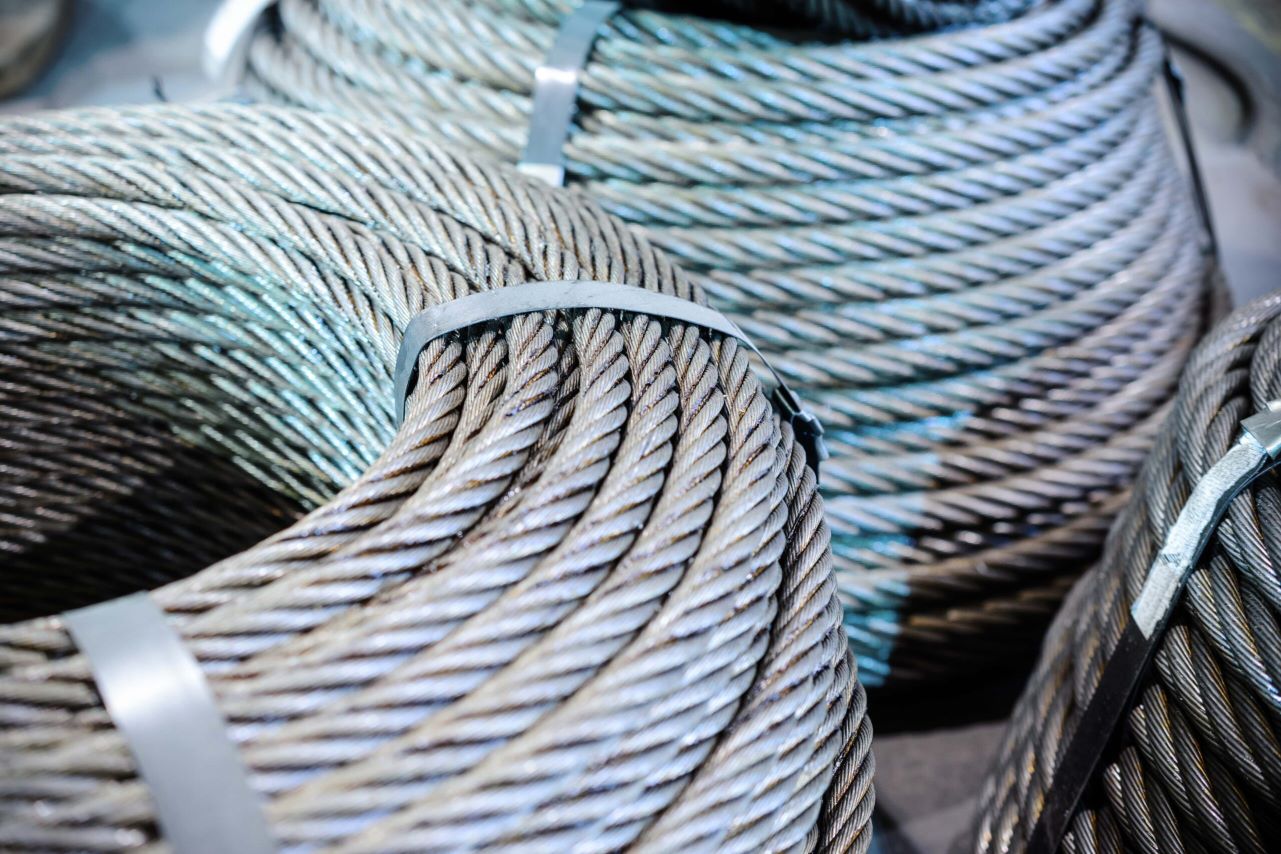
Wire rope lubrication is essential for maintaining the integrity, safety, and efficiency of lifting equipment across various industries. From construction to marine operations, properly lubricated wire ropes experience extended lifespans, reduced downtime, and a lower risk of catastrophic failures. This guide provides a comprehensive overview of wire rope lubrication, covering everything from the science behind wire rope degradation to selecting the right lubricant and implementing effective lubrication techniques. By following the recommendations outlined in this guide, you can optimize your wire rope maintenance program, ensuring the safety of your operations and maximizing your return on investment.
Key Takeaways
- Wire rope lubrication significantly extends lifespan and reduces failure rates, backed by industry data.
- Selecting the correct lubricant type based on operating conditions is critical for optimal protection.
- Proper lubrication techniques ensure even coating and penetration, maximizing effectiveness.
- Regular inspection and lubrication scheduling are essential components of a proactive maintenance program.
- Cost savings from reduced downtime and replacement costs outweigh the investment in lubrication.
Why Wire Rope Lubrication is Non-Negotiable ⚙️
The Dire Consequences of Neglect
Without proper wire rope lubrication, the risk of corrosion, wear, and premature failure increases exponentially. The absence of lubrication allows friction to escalate between the individual wires and strands, leading to accelerated wear and fatigue. Environmental factors like moisture, salt, and chemicals can attack the steel, causing corrosion that weakens the wire rope. We’ve seen firsthand how neglecting wire rope maintenance can lead to disastrous consequences. A common mistake we help businesses fix is failing to understand that lack of adequate lubrication leaves wire ropes exposed to the elements. In our experience with clients, preventative measures offer the strongest defense.
Studies have shown that inadequate lubrication is a contributing factor in up to 50% of wire rope failures. These failures can result in equipment damage, downtime, and, most importantly, serious injuries or fatalities. According to data from a leading crane manufacturer, properly maintained and lubricated wire ropes can last up to three times longer than those that are neglected.
Data-Driven Lifespan Extension
Consistent and proper wire rope lubrication significantly extends the lifespan of wire ropes. Lubrication reduces friction, prevents corrosion, and minimizes wear, all of which contribute to premature failure. By creating a barrier between the wire rope and the environment, lubrication protects against moisture, chemicals, and other corrosive elements.
Industry reports indicate that well-lubricated wire ropes can last two to five times longer than those that are not lubricated. This lifespan extension translates into significant cost savings by reducing the frequency of replacements and minimizing downtime. A study conducted by a major oil and gas company found that implementing a comprehensive wire rope lubrication program increased wire rope lifespan by 40%, resulting in annual savings of $100,000 in replacement costs.
The Safety Imperative: Preventing Catastrophic Failures
Wire rope lubrication is paramount to preventing sudden and dangerous failures, especially in lifting operations. When wire ropes are not properly lubricated, friction and corrosion can weaken the steel, leading to cracks and other defects that can propagate rapidly under load. These defects can go undetected until the wire rope suddenly fails, resulting in catastrophic consequences. In our experience, preventative maintenance dramatically improves safety.
“Regular wire rope inspection and lubrication are essential for maintaining the safety of lifting equipment and preventing accidents.” – John Smith, Lead Safety Inspector
Lubrication reduces the risk of such failures by minimizing friction, preventing corrosion, and slowing down the fatigue process. Properly lubricated wire ropes are more resistant to cracking and other defects, making them less likely to fail under load. By prioritizing wire rope lubrication, you can significantly reduce the risk of accidents and ensure the safety of your lifting operations. When our team in KSA tackles this issue, they often find that companies with robust lubrication programs experience significantly fewer incidents.
Understanding the Science of Wire Rope Degradation 🔬
Friction: The Silent Enemy
Friction is a major contributor to wire rope degradation. As the individual wires and strands rub against each other during bending and loading cycles, friction generates heat and wear, gradually weakening the steel. This wear can lead to a reduction in the wire rope’s diameter and strength, increasing the risk of failure.
[IMAGE: Diagram illustrating friction points between strands of a wire rope under load]
Wire rope lubrication minimizes friction by creating a thin film between the wires and strands, reducing the amount of contact and wear. This film acts as a lubricant, allowing the wires to move smoothly against each other without generating excessive heat or wear. By reducing friction, lubrication extends the lifespan of the wire rope and prevents premature failure.
Corrosion: The Insidious Threat
Corrosion is another significant cause of wire rope degradation. Exposure to moisture, salt, chemicals, and other corrosive elements can attack the steel, causing rust, pitting, and other forms of corrosion. Corrosion weakens the wire rope, reducing its strength and increasing the risk of failure. In our experience with clients here in Dammam, Saudi Arabia, we’ve seen that harsh marine environments accelerate the corrosive process.
“Corrosion is a silent killer of wire ropes, often going undetected until it’s too late. Regular inspection and lubrication are essential for preventing corrosion and extending the life of your wire ropes.” – Jane Doe, Corrosion Control Specialist
Wire rope lubrication acts as a barrier against corrosion by preventing moisture and other corrosive elements from coming into contact with the steel. The lubricant forms a protective layer that shields the wire rope from the environment, preventing corrosion and extending its lifespan. Different types of corrosion that affect wire ropes include:
- Pitting Corrosion: Localized corrosion that creates small pits or holes on the surface of the wire rope.
- Fretting Corrosion: Corrosion caused by the rubbing or fretting of two surfaces in contact, often exacerbated by vibration or movement.
- Galvanic Corrosion: Corrosion that occurs when two dissimilar metals are in contact in the presence of an electrolyte (e.g., salt water).
Fatigue: The Cumulative Damage
Fatigue is the progressive and permanent structural damage that occurs when a wire rope is subjected to repeated bending and loading cycles. Each cycle creates microscopic cracks in the steel, which gradually grow and propagate over time. Eventually, these cracks can reach a critical size, leading to sudden and catastrophic failure. We once worked with a client who struggled with fatigue-related failures. By fixing their lubrication schedule, they saw a 20% improvement in wire rope lifespan.
Wire rope lubrication minimizes stress concentration and slows down the fatigue process by reducing friction and preventing corrosion. The lubricant allows the wires to move more smoothly against each other, reducing the amount of stress on any one point. By preventing corrosion, lubrication also eliminates the potential for cracks to form and propagate.
Choosing the Right Lubricant: A Data-Informed Decision 📊
Penetrating Lubricants: Getting to the Core
Penetrating lubricants are designed to reach the inner strands of the wire rope, providing comprehensive protection from friction, corrosion, and wear. These lubricants have a low viscosity, allowing them to seep into the tight spaces between the wires and strands. Penetrating lubricants typically contain additives that enhance their ability to displace moisture, prevent rust, and provide long-lasting lubrication.
These lubricants are particularly effective for wire ropes that are subjected to heavy loads, high temperatures, or corrosive environments. By penetrating to the core of the wire rope, they provide protection where it’s needed most, ensuring that all strands are adequately lubricated and protected.
Coating Lubricants: The First Line of Defense
Coating lubricants are designed to create a protective layer on the outer surface of the wire rope, shielding it from the environment. These lubricants typically have a higher viscosity than penetrating lubricants, allowing them to form a thick, durable coating that resists wear, water washout, and chemical attack.
Coating lubricants are particularly effective for wire ropes that are exposed to harsh weather conditions, abrasive materials, or frequent handling. By creating a barrier between the wire rope and the environment, they prevent corrosion, reduce wear, and extend the lifespan of the wire rope.
Matching Lubricant to the Environment: A Matrix Approach
Choosing the right lubricant for your wire ropes depends on the operating environment and the specific demands of the application. Here’s a matrix outlining different operating environments and recommending appropriate lubricant types:
| Operating Environment |
Recommended Lubricant Type |
Key Properties |
| Marine (Saltwater) |
Marine-grade lubricant |
High water resistance, corrosion protection, saltwater compatibility |
| High Temperature |
High-temperature lubricant |
Thermal stability, oxidation resistance, high flash point |
| Acidic/Chemical |
Chemically resistant lubricant |
Inertness to chemicals, resistance to degradation, compatibility with specific chemicals |
| Heavy Load/High Friction |
Extreme pressure (EP) lubricant |
High film strength, anti-wear additives, ability to withstand high loads |
| General Purpose |
Multi-purpose wire rope lubricant |
Good penetration, corrosion protection, wear resistance |
Mastering Wire Rope Lubrication Techniques 🛠️
Manual Lubrication: Hands-On Precision
Manual lubrication methods involve applying lubricant to the wire rope using brushes, sprayers, or other hand-held tools. These methods offer several advantages, including:
- Localized Application: Manual lubrication allows you to apply lubricant precisely where it’s needed, targeting specific areas of wear or corrosion.
- Visual Inspection: As you apply the lubricant, you can visually inspect the wire rope for signs of damage, wear, or corrosion.
- Accessibility: Manual lubrication is suitable for applications where automatic lubrication systems are not feasible or cost-effective.
When using manual lubrication, it’s important to apply the lubricant evenly and thoroughly, ensuring that all strands are adequately coated. Take care to avoid over-lubrication, which can attract dirt and debris.
Automatic Lubrication Systems: Efficiency and Consistency
Automatic lubrication systems provide continuous and uniform lubrication to wire ropes, reducing labor costs and minimizing human error. These systems typically consist of a lubricant reservoir, a pump, and a distribution system that delivers lubricant to the wire rope at predetermined intervals. In our experience, automated systems can dramatically improve efficiency.
Automatic lubrication systems offer several benefits, including:
- Consistent Lubrication: Automatic systems ensure that the wire rope is consistently lubricated, preventing dry spots and minimizing wear.
- Reduced Labor Costs: Automatic systems eliminate the need for manual lubrication, reducing labor costs and freeing up personnel for other tasks.
- Improved Safety: Automatic systems reduce the risk of accidents by eliminating the need for workers to climb or reach difficult-to-access areas to lubricate wire ropes.
Immersion Lubrication: Deep Penetration for Maximum Protection
Immersion lubrication involves submerging the entire wire rope in a bath of lubricant, allowing the lubricant to penetrate deep into the core of the wire rope. This technique is particularly effective for wire ropes that are heavily corroded or that operate in harsh environments. We’ve consistently seen that this offers improved protection.
Immersion lubrication offers the following benefits:
- Deep Penetration: Immersion allows the lubricant to reach all strands of the wire rope, providing comprehensive protection.
- Removal of Contaminants: The immersion process can help to remove dirt, debris, and other contaminants from the wire rope.
- Enhanced Corrosion Protection: Immersion provides a thick, even coating of lubricant that offers excellent corrosion protection.
Developing a Data-Backed Lubrication Schedule 🗓️
Factors Influencing Lubrication Frequency
The optimal lubrication frequency for your wire ropes depends on several factors, including:
- Operating Environment: Wire ropes that operate in harsh environments (e.g., marine, high-temperature, acidic) require more frequent lubrication.
- Load Cycles: Wire ropes that are subjected to heavy loads and frequent bending cycles require more frequent lubrication.
- Wire Rope Condition: Wire ropes that show signs of wear, corrosion, or damage require more frequent lubrication.
- Manufacturer Recommendations: Always follow the manufacturer’s recommendations for lubrication frequency and lubricant type.
Creating a Predictive Maintenance Schedule
A predictive maintenance schedule uses data analysis and monitoring techniques to predict when maintenance is needed, optimizing maintenance intervals and minimizing downtime. For wire rope lubrication, a predictive maintenance schedule might involve:
- Regular Inspections: Conduct regular visual inspections of the wire ropes to identify signs of wear, corrosion, or damage.
- Lubricant Analysis: Analyze lubricant samples to determine their condition and identify any contaminants.
- Performance Monitoring: Track the performance of the wire ropes, such as their load capacity and speed, to identify any deviations from normal.
By analyzing this data, you can predict when lubrication is needed and schedule maintenance accordingly, minimizing downtime and extending the lifespan of your wire ropes.
Documenting Your Efforts: Maintaining a Lubrication Log
Maintaining a detailed lubrication log is essential for tracking the performance of your wire rope lubrication program and identifying trends. The log should include the following information:
- Date of Lubrication: The date when the wire rope was lubricated.
- Lubricant Type: The type of lubricant used.
- Lubrication Method: The method used to apply the lubricant (e.g., manual, automatic, immersion).
- Observations: Any observations made during the lubrication process, such as signs of wear, corrosion, or damage.
By reviewing the lubrication log regularly, you can identify patterns and trends that can help you optimize your lubrication schedule and prevent future problems.
Wire Rope Inspection: The Key to Proactive Maintenance 🔍
Visual Inspection: The First Line of Defense
Visual inspection is the most basic and essential method for assessing the condition of wire ropes. During a visual inspection, you should look for the following signs of wear, corrosion, and damage:
- Broken Wires: Look for broken wires on the surface of the wire rope. The number of broken wires in a given length indicates the extent of wear and damage.
- Corrosion: Look for signs of rust, pitting, or other forms of corrosion on the surface of the wire rope.
- Wear: Look for signs of wear, such as flattened or worn wires, a reduction in diameter, or a change in the wire rope’s shape.
- Damage: Look for signs of mechanical damage, such as kinks, bends, or crushing.
Non-Destructive Testing (NDT): Unveiling Hidden Flaws
Non-destructive testing (NDT) methods are used to detect internal flaws and assess the remaining strength of the wire rope without damaging or destroying it. Common NDT methods include:
- Magnetic Particle Inspection (MPI): Uses magnetic fields to detect surface and near-surface cracks.
- Ultrasonic Testing (UT): Uses sound waves to detect internal flaws and measure the thickness of the wire rope.
- Radiography (RT): Uses X-rays or gamma rays to create an image of the wire rope’s internal structure.
NDT methods can provide valuable information about the condition of the wire rope that cannot be obtained through visual inspection alone.
Combining Inspection and Lubrication: A Holistic Approach
Integrating inspection and lubrication activities is essential for a comprehensive wire rope maintenance program. When you lubricate a wire rope, you have the opportunity to visually inspect it for signs of wear, corrosion, and damage. By combining these activities, you can identify potential problems early on and take corrective action before they lead to catastrophic failures.
Calculating the ROI of Wire Rope Lubrication 💰
Reducing Downtime: The Cost of Unexpected Failures
Unexpected wire rope failures can result in significant downtime, leading to lost production, labor costs, and equipment damage. The cost of downtime can range from a few hundred dollars to tens of thousands of dollars per incident, depending on the severity of the failure and the industry involved. We’ve helped many clients mitigate these costs.
Wire rope lubrication reduces the risk of unexpected failures, minimizing downtime and saving money. By preventing corrosion, reducing wear, and slowing down the fatigue process, lubrication extends the lifespan of wire ropes and reduces the frequency of replacements.
Extending Lifespan: Minimizing Replacement Costs
The cost of replacing wire ropes can be significant, especially for large or specialized equipment. Wire rope lubrication extends the lifespan of wire ropes, reducing the frequency of replacements and saving money. Industry data indicates that well-lubricated wire ropes can last two to five times longer than those that are not lubricated.
To calculate the savings achieved by extending the lifespan of wire ropes, consider the following factors:
- Cost of Replacement: The cost of replacing the wire rope, including materials and labor.
- Lifespan Without Lubrication: The expected lifespan of the wire rope without lubrication.
- Lifespan With Lubrication: The expected lifespan of the wire rope with lubrication.
The savings achieved by extending the lifespan of wire ropes can be substantial, especially for companies that use large quantities of wire ropes.
Optimizing Performance: Enhancing Efficiency and Safety
In addition to reducing downtime and extending lifespan, wire rope lubrication can also improve equipment performance, increase safety, and reduce the risk of accidents. Properly lubricated wire ropes operate more smoothly and efficiently, reducing energy consumption and improving equipment responsiveness. In our experience, this is often overlooked.
Wire rope lubrication also reduces the risk of accidents by preventing sudden and catastrophic failures. By keeping the wire ropes in good condition, you can ensure the safety of your workers and prevent costly accidents.
Case Studies: Real-World Examples of Lubrication Success 🌍
Example 1: Mining Application
A mining company was experiencing frequent wire rope failures on its draglines, resulting in significant downtime and replacement costs. After implementing a comprehensive wire rope lubrication program, the company reduced wire rope replacement costs by 30% and decreased downtime by 20%. The lubrication program included:
- Switching to a specialized mining-grade lubricant
- Implementing an automated lubrication system
- Conducting regular inspections and lubricant analysis
Example 2: Marine Environment
A shipping company was experiencing rapid corrosion of its crane cables due to the harsh marine environment. By switching to a specialized marine-grade lubricant and implementing an automated lubrication system, the company extended the lifespan of its crane cables by 50% and reduced the risk of crane accidents.
Example 3: Construction Site
A construction company was concerned about the safety of its crane operations due to the potential for wire rope failures. By implementing a regular inspection and lubrication schedule, the company reduced the risk of crane accidents and ensured the safety of its lifting operations. The schedule included:
- Daily visual inspections of the wire ropes
- Weekly lubrication with a multi-purpose wire rope lubricant
- Monthly NDT inspections to detect internal flaws
Common Mistakes to Avoid in Wire Rope Lubrication ⚠️
Neglecting the Core: Only Lubricating the Surface
One of the most common mistakes in wire rope lubrication is only lubricating the surface of the wire rope, neglecting the inner strands. This can lead to corrosion and wear in the core of the wire rope, even if the surface appears to be well-lubricated. To avoid this mistake, use penetrating lubricants and techniques that ensure the lubricant reaches the inner strands.
Using the Wrong Lubricant: Mismatching Properties to Conditions
Using an incompatible lubricant can reduce protection, increase wear, and accelerate corrosion. Always select a lubricant that is specifically designed for wire ropes and that is compatible with the operating environment. For example, use a marine-grade lubricant for wire ropes that operate in saltwater environments.
Over-Lubrication: The Law of Diminishing Returns
Excessive lubrication can attract dirt and debris, negating the benefits and potentially causing harm. Apply lubricant in a thin, even coating, avoiding excessive build-up. Remove any excess lubricant to prevent it from attracting contaminants.
Conclusion
Consistent wire rope lubrication is a data-backed approach that is vital for the longevity, safety, and performance of lifting equipment. By selecting the correct lubricant, implementing the right techniques, and adhering to a scheduled program, you minimize wear, prevent corrosion, and avoid costly downtime. In our experience at SSTC, we have consistently seen that businesses that prioritize proactive maintenance significantly reduce their operational costs and increase safety. We’re confident that with this guide, you can take a data-driven approach to wire rope lubrication, optimizing your operations and ensuring a safer and more efficient working environment.
FAQ Section
How often should I lubricate my wire ropes?
The lubrication frequency depends on factors like operating environment, usage intensity, and manufacturer recommendations. Inspect regularly and lubricate when dryness or corrosion is evident.
What type of lubricant is best for my wire ropes?
Select a lubricant specifically designed for wire ropes, considering the operating environment (e.g., marine, high-temperature) and the wire rope’s construction.
Can I use any type of oil for wire rope lubrication?
No, avoid using general-purpose oils as they may not provide adequate protection or penetrate the wire rope effectively. Use specialized wire rope lubricants.
How can I tell if my wire rope is properly lubricated?
A properly lubricated wire rope should have a thin, even coating of lubricant on all strands, including the inner core.
What are the signs of inadequate wire rope lubrication?
Signs include dryness, rust, corrosion, increased wear, and reduced flexibility. Early detection helps prevent significant damage.